Trauma Tool
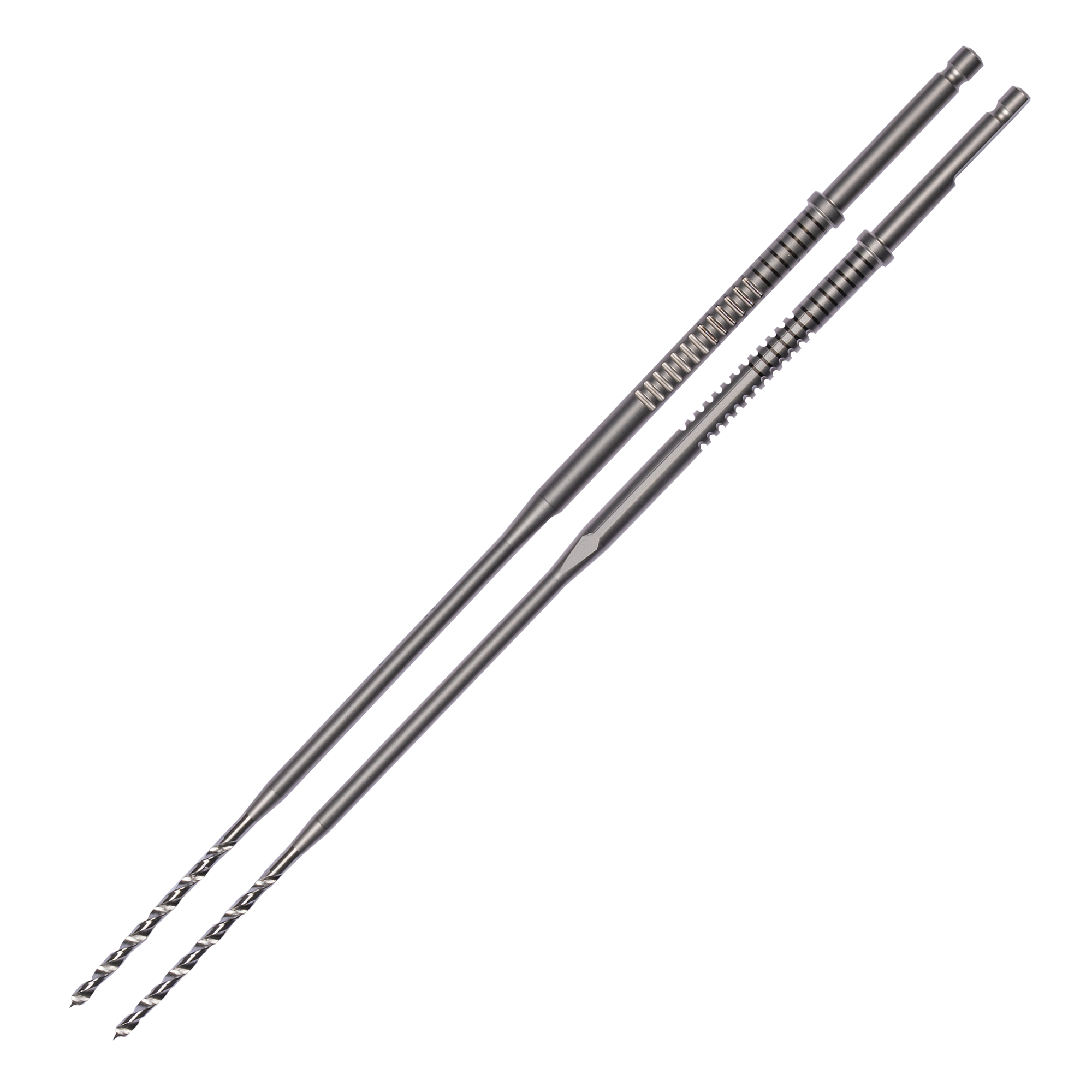
Directly compatible with modern spinal stabilization, pelvic reconstruction, and sports traumatology protocols deployed across Icelandic healthcare facilities.
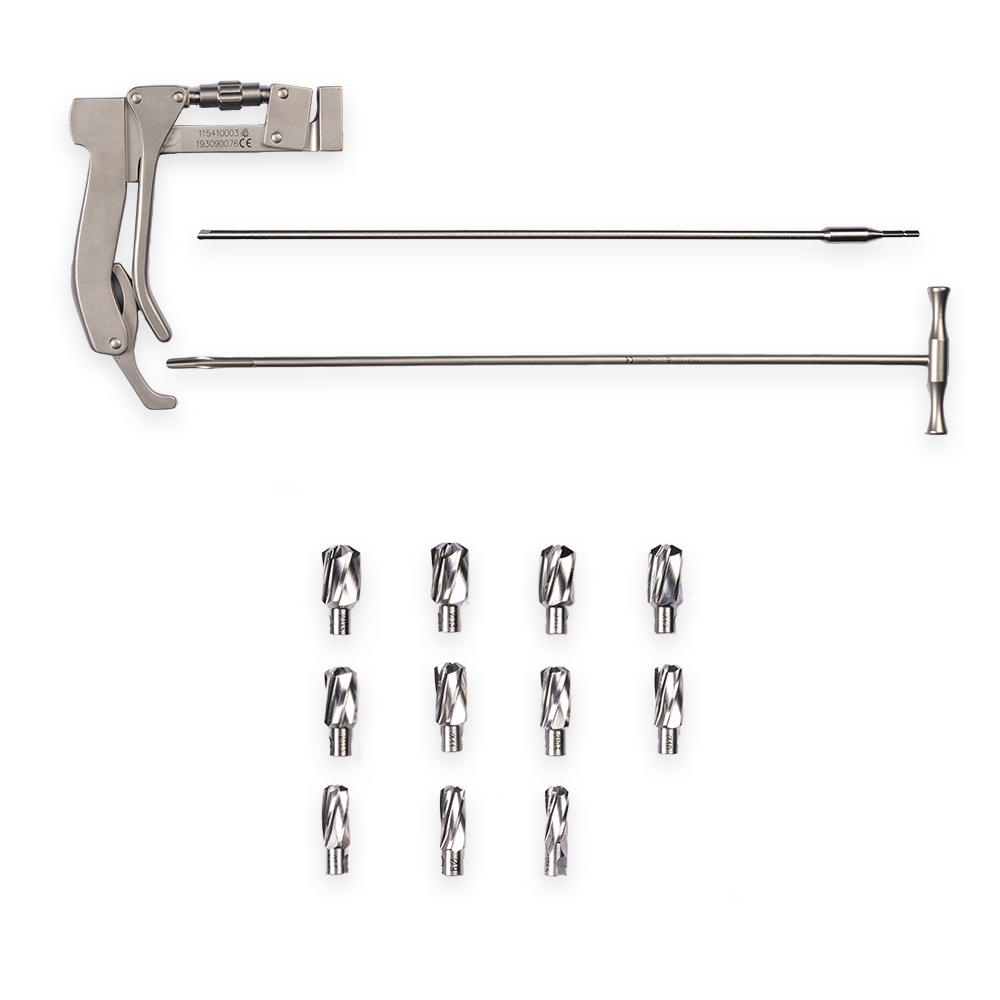
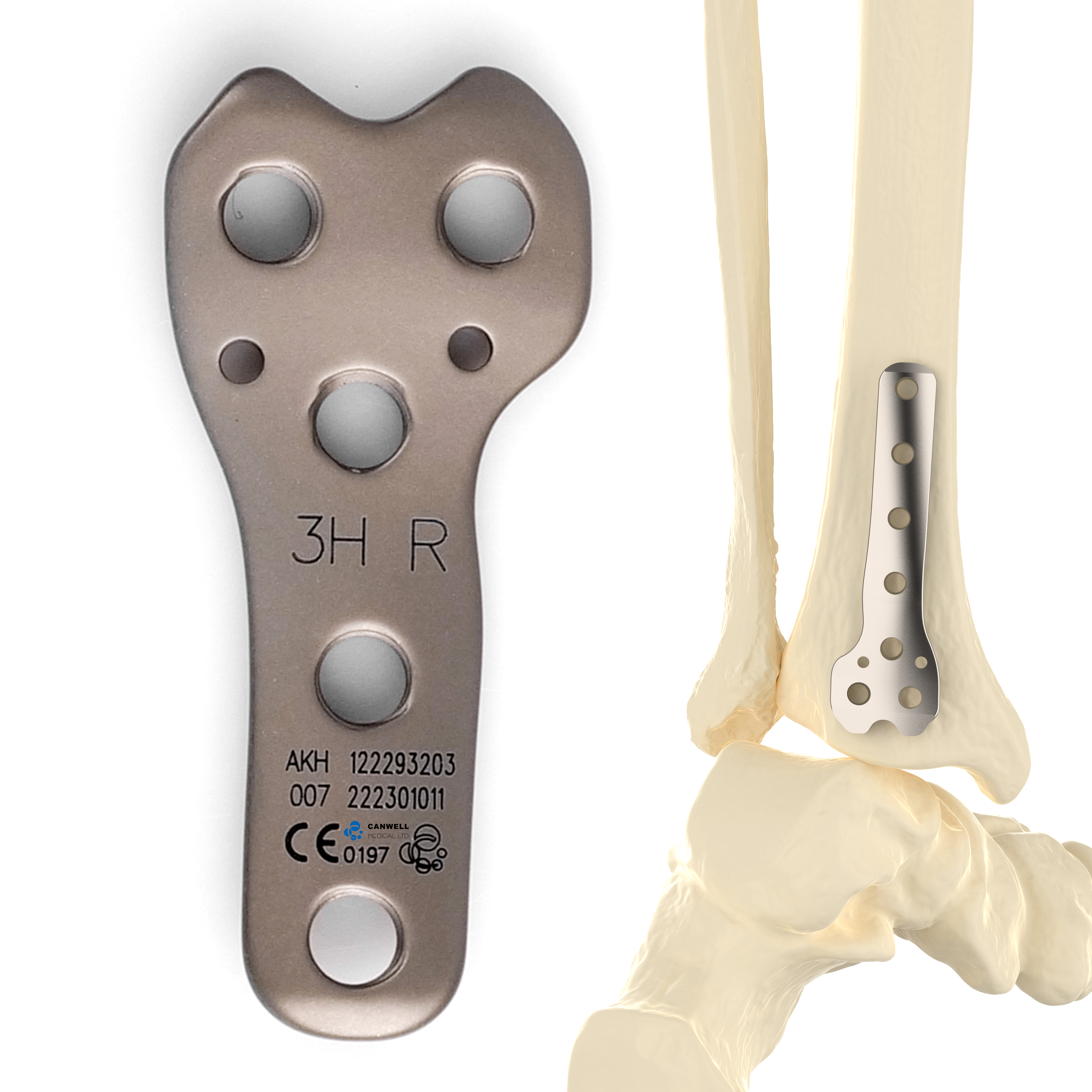
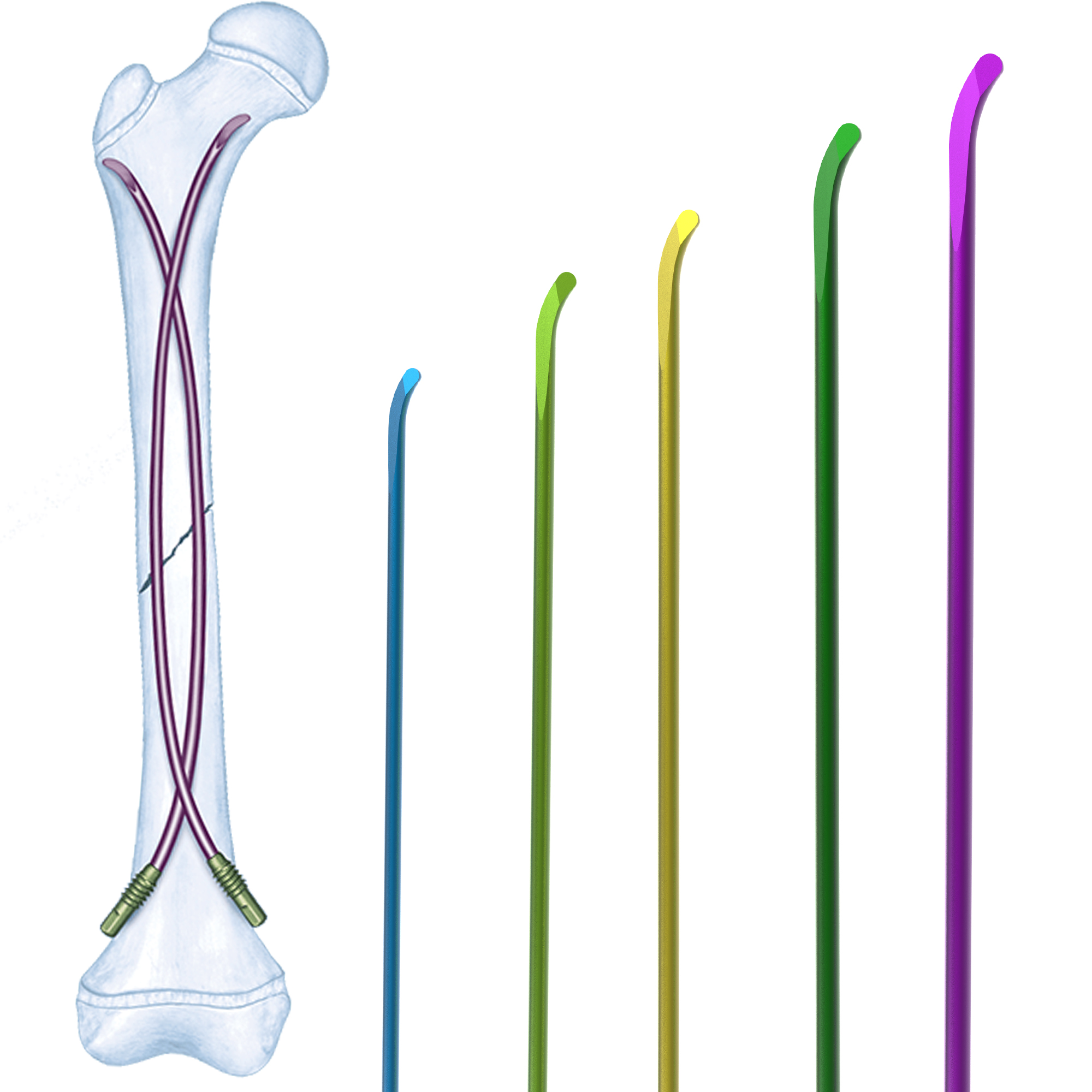
Comprehensive architectural review of posterior thoracolumbar instrumentation, fatigue life optimization, and alloy integrity under Arctic physiological conditions.
In the biomechanical stabilization of the human spine, posterior transpedicular fixation serves as the gold standard for restoring load-bearing alignment, maintaining disc height, and establishing structural arthrodesis across thoracic, lumbar, and sacral segments. As a premier original equipment manufacturer (OEM) and high-precision contract factory supplying the European Economic Area (EEA), including the Icelandic clinical market, our spinal pedicle screw systems are engineered from high-grade titanium alloy conforming strictly to ASTM F136 and ISO 5832-3 (Ti-6Al-4V ELI - Extra Low Interstitial). This metallurgical grade provides the ideal modulus of elasticity relative to cortical bone, significantly diminishing stress-shielding phenomena while maintaining exceptional cyclic fatigue endurance under dynamic physiological loads.
The core architecture of our spinal fixation systems utilizes a dual-lead cortical-cancellous thread pitch. Proximal conical threading maximizes purchase within the pedicle cortex, while distal cylindrical cancellous threading maximizes volumetric bone engagement within the vertebral body. Furthermore, our friction-fit polyaxial head design incorporates an internal pressure-absorbing ring that allows up to ±30 degrees of multi-planar angulation (a 60-degree expansive cone). This allows spine surgeons to seat contoured rods (Ø5.5 mm or Ø6.0 mm) with minimal anatomical impingement, even across severe scoliosis, kyphotic deformities, or revision spondylolisthesis cases.
| System Category | Material Metallurgy | Available Diameters (mm) | Length Profiles (mm) | Dynamic Pullout Strength | Target Clinical Indications |
|---|---|---|---|---|---|
| Standard Polyaxial System | Ti-6Al-4V ELI (ISO 5832-3) | Ø4.5, Ø5.5, Ø6.5, Ø7.5 | 30 mm – 60 mm (5 mm increments) | > 1,920 N (ASTM F543) | Degenerative disc disease, spondylolisthesis |
| Monoaxial Rigid System | Ti-6Al-4V ELI / Medical Grade | Ø5.0, Ø6.0, Ø7.0, Ø8.0 | 35 mm – 65 mm | > 2,150 N (ASTM F543) | High-energy thoracic trauma, acute fractures |
| MIS Long-Arm Cannulated | Ti-6Al-4V ELI Anodized | Ø5.5, Ø6.5, Ø7.5 | 40 mm – 55 mm | > 1,880 N (ASTM F543) | Percutaneous minimally invasive fixation |
| Fenestrated Cement Augmentation | Medical Grade Titanium Alloy | Ø6.5, Ø7.5, Ø8.5 | 40 mm – 55 mm | > 2,400 N (with PMMA cement) | Osteoporotic vertebral collapse, geriatric care |
How INAR's precision spinal implants address the distinctive demographic, epidemiological, and environmental trauma profiles of Iceland.
As the National University Hospital of Iceland located in Fossvogur and Hringbraut, Reykjavík, Landspítali manages the entirety of the nation’s tertiary spinal cord trauma and neurosurgical reconstructions. Our sterile-packed, color-coded pedicle screw kits and self-tapping cannulated systems permit surgical teams to respond immediately to severe thoracolumbar burst fractures resulting from high-velocity vehicular accidents along the Ring Road (Route 1) without intraoperative sizing bottlenecks.
With an aging demographic across the Capital Region (Höfuðborgarsvæðið) and Akureyri, low bone mineral density presents frequent vertebral compression fractures from slips on icy permafrost. Our fenestrated pedicle screws, featuring precision side-ports for polymethylmethacrylate (PMMA) bone cement injection, provide immediate mechanical purchase and micro-anchorage, preventing postoperative screw loosening in severe T-score bone profiles.
Iceland’s expanding mountaineering, glacier expedition, and snowmobile rescue sector generates distinct spinal axial compression trauma. Minimally invasive percutaneous long-arm screws reduce soft-tissue dissection, prevent heat loss during sub-arctic patient transfer, and dramatically decrease surgical site infections (SSI), allowing rapid post-stabilization rehabilitation in rural medical outposts prior to tertiary transport.
Navigating EU MDR transitions, remote supply chain insulation, and sustainable manufacturing standards for Nordic health buyers.
Through its EEA integration, the Icelandic Medicines Agency (Lyfjastofnun) mandates complete compliance with EU MDR 2017/745. INAR supplies full technical documentation, clinical evaluations, and Notified Body approvals to bypass tender disqualifications.
Given Iceland’s geographic vulnerability to winter weather flight cancellations at Keflavík Airport (KEF), procurement departments at Sjúkratryggingar Íslands seek OEM partners offering batch reserve safety inventories and consolidated consignment delivery models.
State-funded central purchasing agency Ríkiskaup increasingly demands direct factory pricing to counterbalance inflationary pressure on hospital operational budgets, prompting private distributors to transition from Tier-1 western repackagers to verified original manufacturers.
Hospital autoclaving capacity constraints favor pre-packaged, double-blister sterile irradiated implants. INAR's ISO Class 7 cleanroom aseptic packaging guarantees a 5-year shelf-life, reducing the reprocessing burdens of central sterile services departments (CSSD).
Operating an SGS-verified 29,523 m² production base engineered to deliver micron-level precision across global spine and trauma markets.
With 22+ years of specialized medical device excellence and a multidisciplinary workforce of 632 technicians, engineers, and quality assurance specialists, Zhejiang INAR Medical Co., Ltd. operates as a tier-one manufacturing backbone for international distributors and hospital supply networks. Unlike commercial brokers, our complete manufacturing chain—from raw bar stock cutting to final aseptic sterile blister sealing—is executed in-house at our advanced industrial facility.
Equipped with ultra-high precision Citizen and Star longitudinal Swiss-type CNC lathes, our facility machines complex pedicle screw reverse threads, cannulation lumens, and micro-flutes with tolerances held strictly within ±0.005 mm.
Every single titanium lot undergoes longitudinal slicing, rough machining, fine polishing, ultrasonic baths, dye penetrant non-destructive testing (NDT), dual-stage electrochemical anodizing, and multi-point optical coordinate verification.
Our dedicated R&D testing center operates dynamic fatigue endurance testers and packaging aging chambers validated under ASTM F1717 and ASTM F2193 protocols, guaranteeing over 5,000,000 loading cycles without fatigue failure.
Our validated particulate-controlled cleanroom ensures medical devices undergo terminal ultrasonic decontamination followed by double-blister medical Tyvek heat-sealing, ready for immediate gamma or ethylene oxide (EtO) sterilization.
We provide full white-label and customized manufacturing solutions, including custom thread depth engineering, ergonomic silicone-handle instrument sets, private-label fiber laser marking, and Nordic-language hospital compliant packaging.
Our operational transparency is verified through on-site audits conducted by SGS Group. International procurement partners enjoy complete material origin traceability, raw Ti-alloy heat-batch certs, and certified Declarations of Conformity.
Detailed answers addressing European regulatory conformity, customs clearance, logistics to Reykjavik, and custom OEM contracting.