Pediatric / Spine
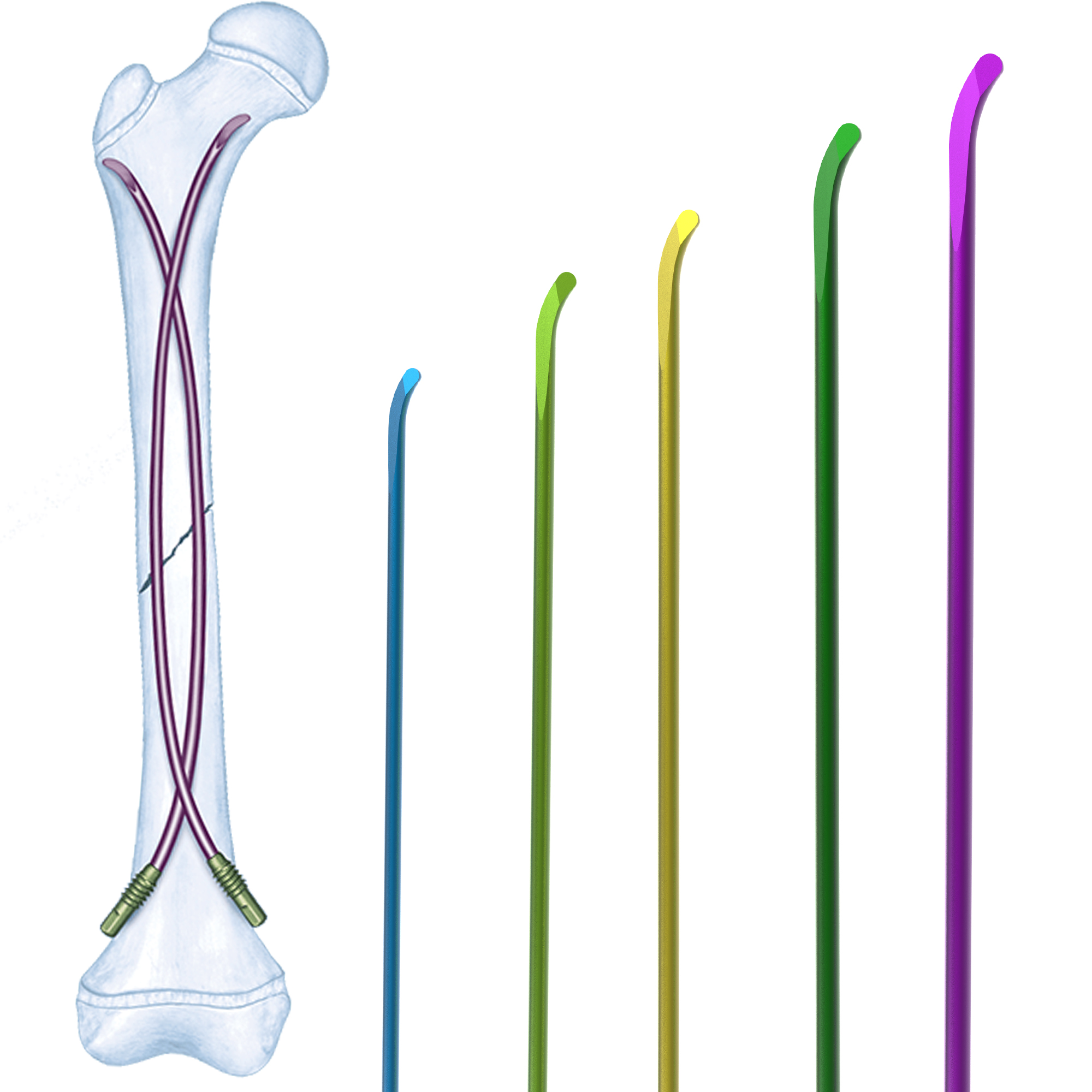
Pediatric & Trauma Fixation
Engineered in our SGS onsite-assessed 29,523 m² production center under rigorous ISO 13485 cleanroom protocols. Direct factory supply for distributors and hospital tenders across Strasbourg and Grand Est.
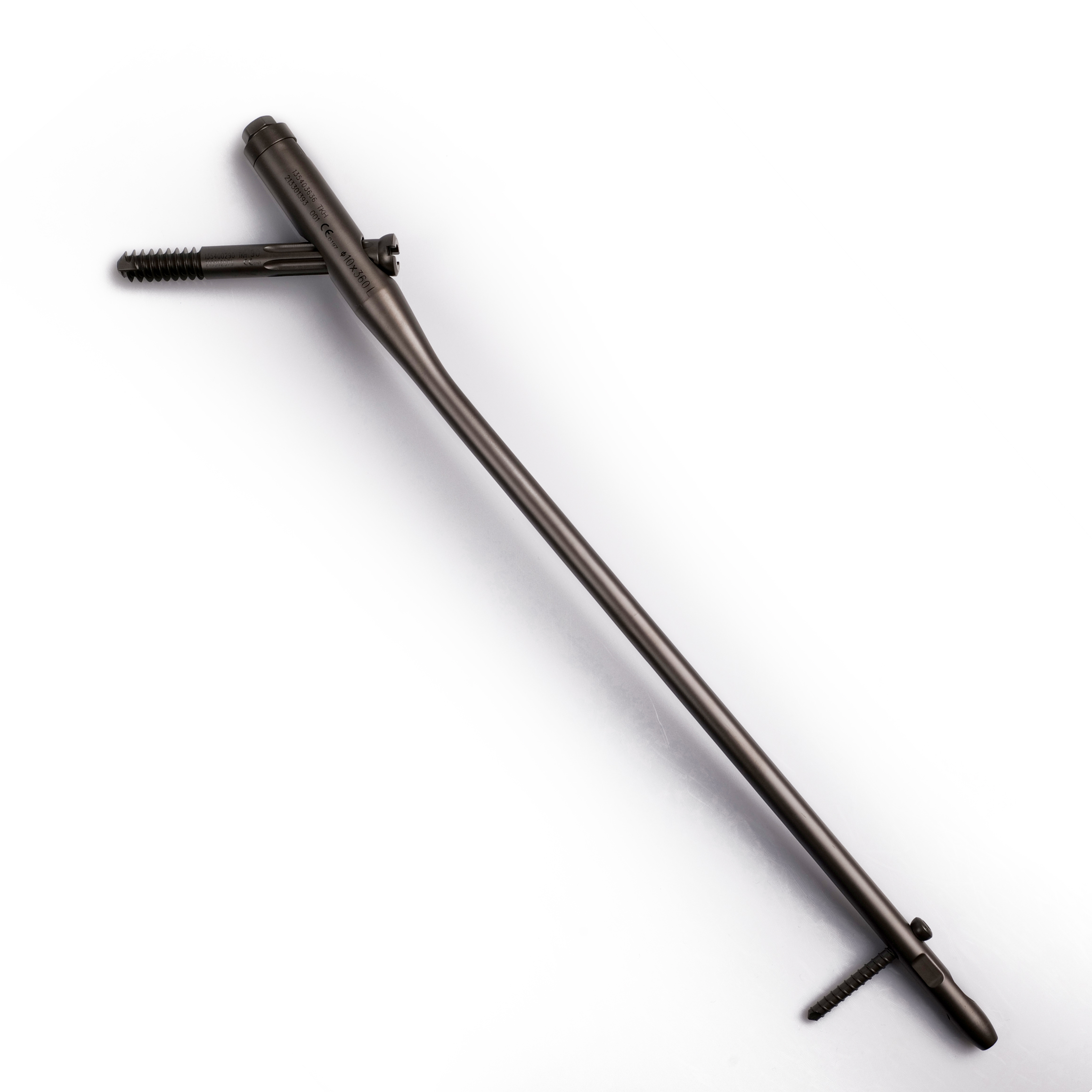
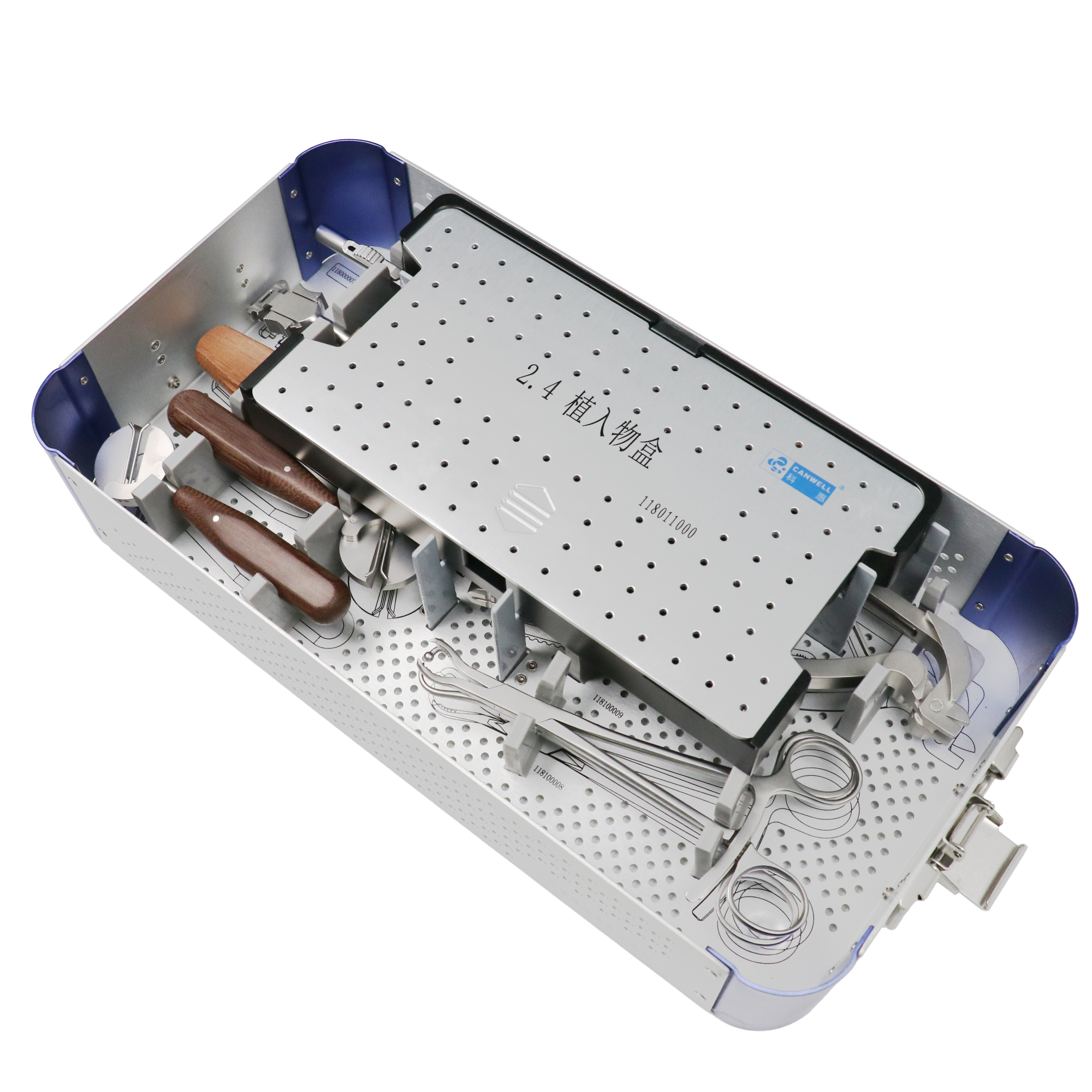
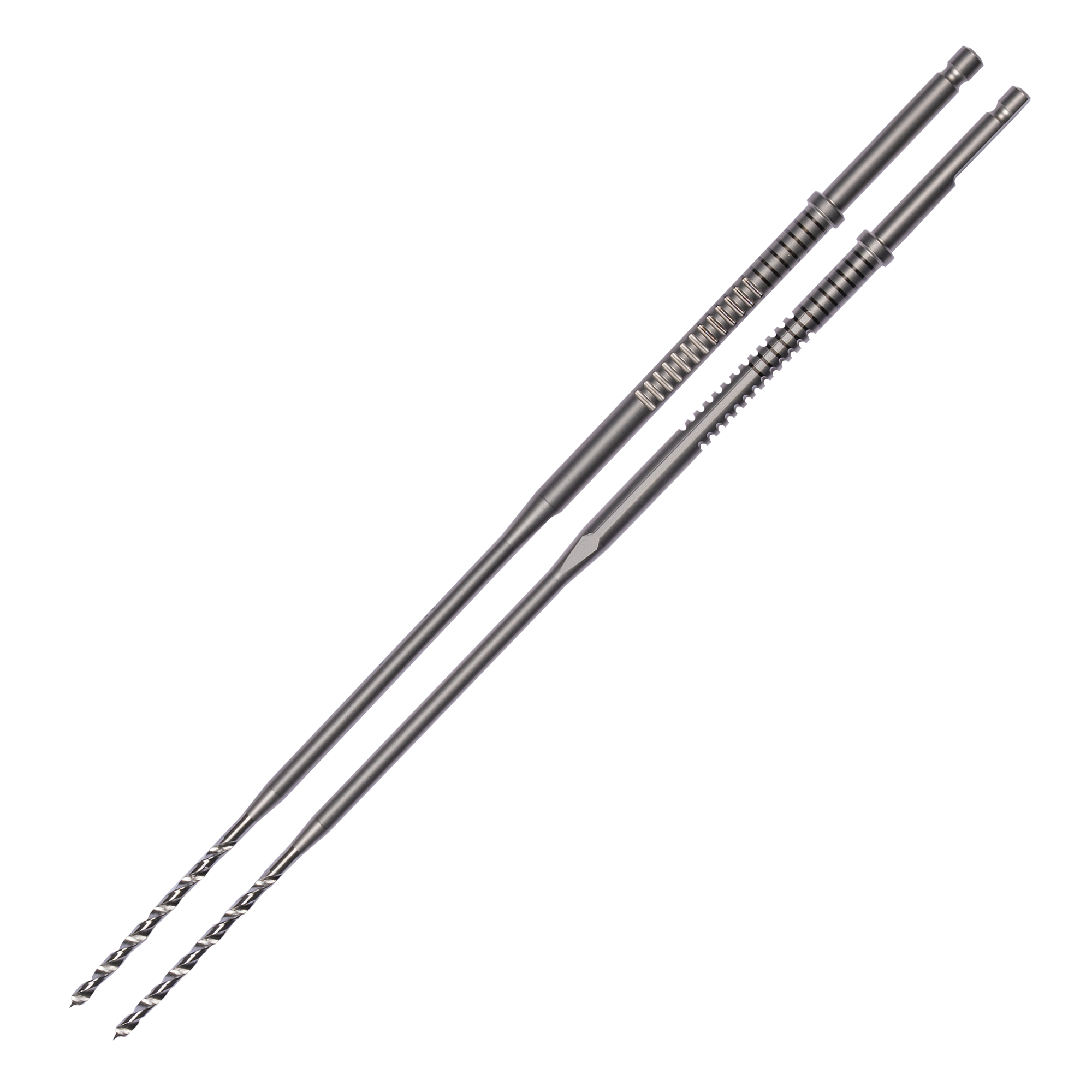
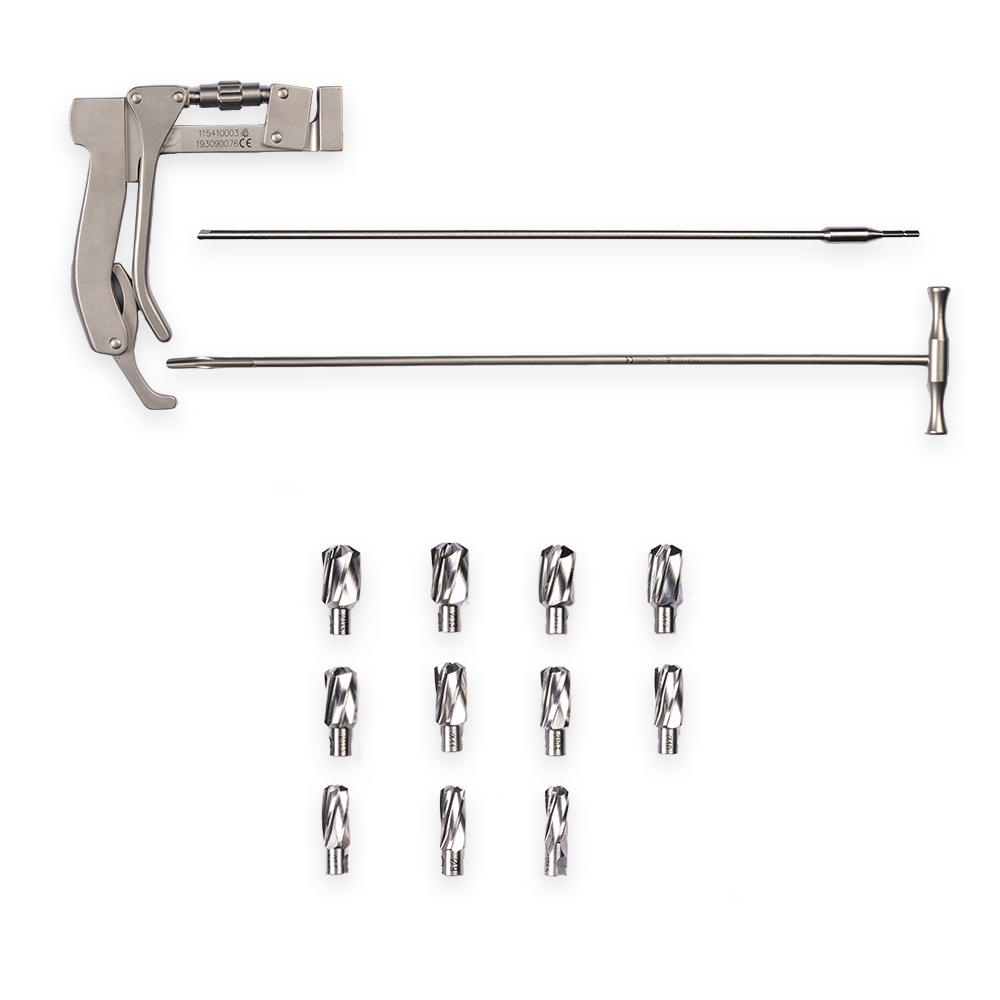
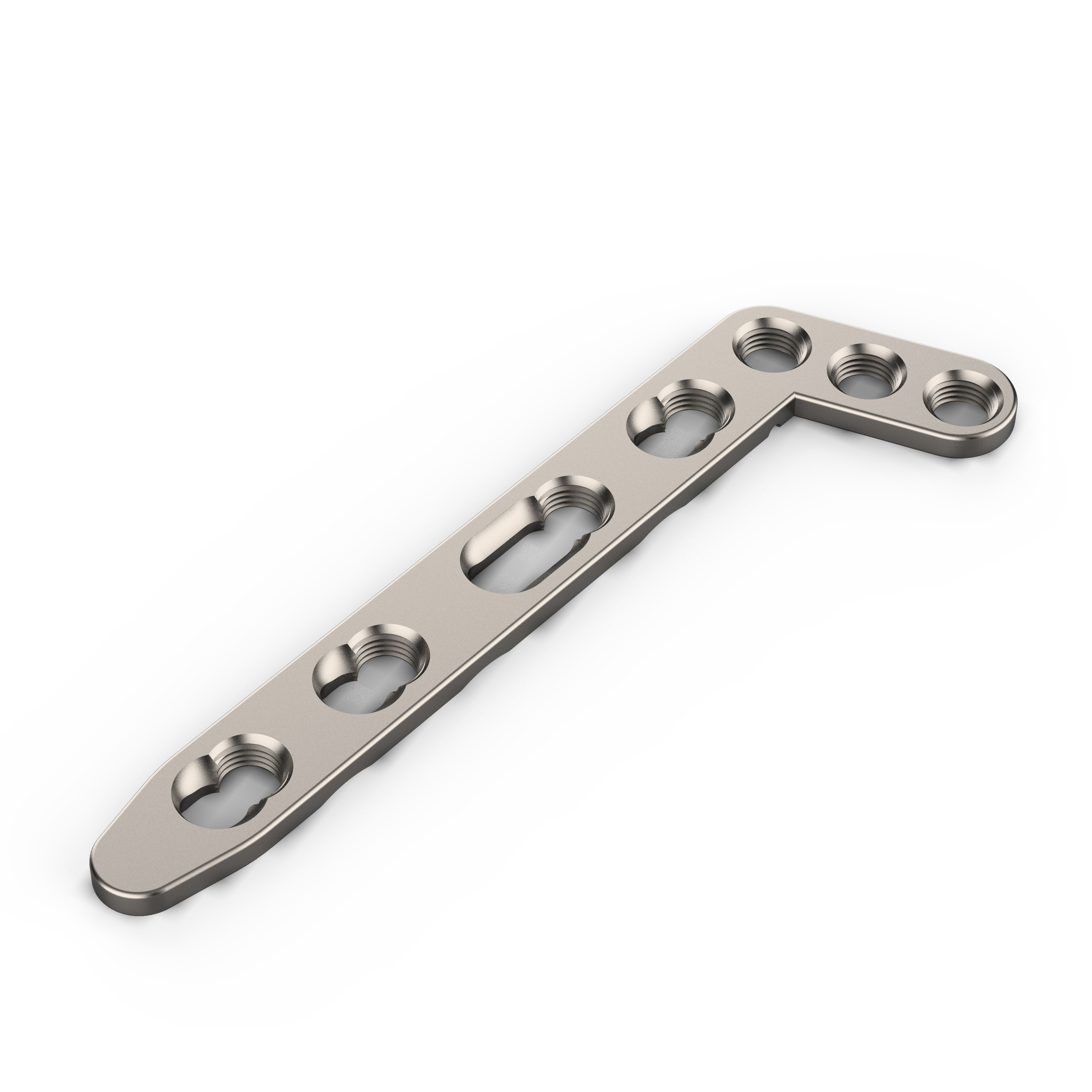
The clinical landscape of thoracic, lumbar, and sacral fixation demands uncompromising metallurgical integrity, biomechanical predictability, and strict regulatory adherence. For orthopedic device distributors, hospital supply networks, and contract private-label brands operating within Strasbourg, the Bas-Rhin department, and the wider Grand Est university medical networks, sourcing spinal stabilization implants requires navigating stringent EU Medical Device Regulation (EU MDR 2017/745) requirements alongside regional hospital procurement dynamics.
As an SGS onsite-verified manufacturing enterprise holding active CE certification, our facility operates an integrated engineering framework encompassing raw material spectrometry, high-precision Swiss-type 5-axis CNC machining, controlled laser etching, Class 10,000 cleanroom ultrasonic washing, and rigorous mechanical endurance fatigue testing. Our spinal rod systems—engineered primarily from certified Ti-6Al-4V ELI (ASTM F136 / ISO 5832-3) and medical-grade unalloyed commercial titanium (ISO 5832-2)—provide the balanced ductility and notch resistance required for complex deformity correction and stable multi-segment spondylodesis.
During complex posterior spine reconstruction, the surgeon's ability to bend, contour, and shear spinal rods in situ without inducing micro-fissuring is vital to reducing post-operative revision rates. Our medical-grade titanium rods exhibit tensile strength profiles exceeding 860 MPa while maintaining yield elongation above 10%. Surface integrity is safeguarded through automated vibration grinding and electrochemical anodization (Type II and Type III), which mitigates fretting corrosion at the rod-screw interface and eliminates abrasive particulate shedding.
Optimized interstitial oxygen content for enhanced notch sensitivity threshold during in-situ anatomical lordosis shaping.
High-stiffness alloy composition designed for long-construct adult spinal deformity (ASD) and severe idiopathic scoliosis derotation.
Ultra-smooth electropolished finish or micro-textured surface configurations ensuring biocompatibility and minimal soft tissue friction.
Analyzing localized surgical demands across university hospital complexes, trauma emergency centres, and specialized neurosurgical clinics in northeastern France.
Tertiary university networks such as Nouvel Hôpital Civil (NHC) and Hôpital de Hautepierre frequently manage extreme polytrauma, complex degenerative cervical-thoracic instability, and complex pediatric scoliosis. Our 5.5 mm and 6.0 mm contourable dual-diameter spinal rods integrate seamlessly with multi-axial pedicle screws to allow immediate coronal alignment without mechanical failure.
With the expansion of ambulatory spinal surgery and fast-track rehabilitation (RAAC - Réhabilitation Améliorée Après Chirurgie) throughout the Alsace medical corridor, outpatient surgical units require pre-cut, pre-curved bulleted spinal rods. These configurations minimize soft-tissue retraction, reduce intraoperative blood loss, and facilitate percutaneous subfascial insertion.
Strasbourg's proximity to Baden-Württemberg creates a highly collaborative tri-national hub (France, Germany, Switzerland) focusing on biomechanical spinal research. We supply custom OEM/ODM prototypes, calibrated test specimens, and specialized instrument attachments for university clinical trials and biomechanical finite element analysis (FEA) validations.
The medical technology market across the Grand Est region is experiencing structural shifts driven by evolving regulatory mandates, cost-rationalization pressures from the French Assurance Maladie (CNAM), and supply chain nearshoring/consolidation. Medical equipment suppliers must align with these distinct micro-trends:
The enforcement of EU MDR has caused widespread disruption in European implant sourcing, with many traditional boutique suppliers discontinuing legacy product codes due to elevated Notified Body re-certification costs. Forward-thinking distributors in Strasbourg are partnering directly with high-capacity Chinese manufacturing centers that maintain dedicated regulatory departments capable of generating comprehensive Clinical Evaluation Reports (CER), Post-Market Clinical Follow-up (PMCF) plans, and ISO 10993 biological assessment dossiers.
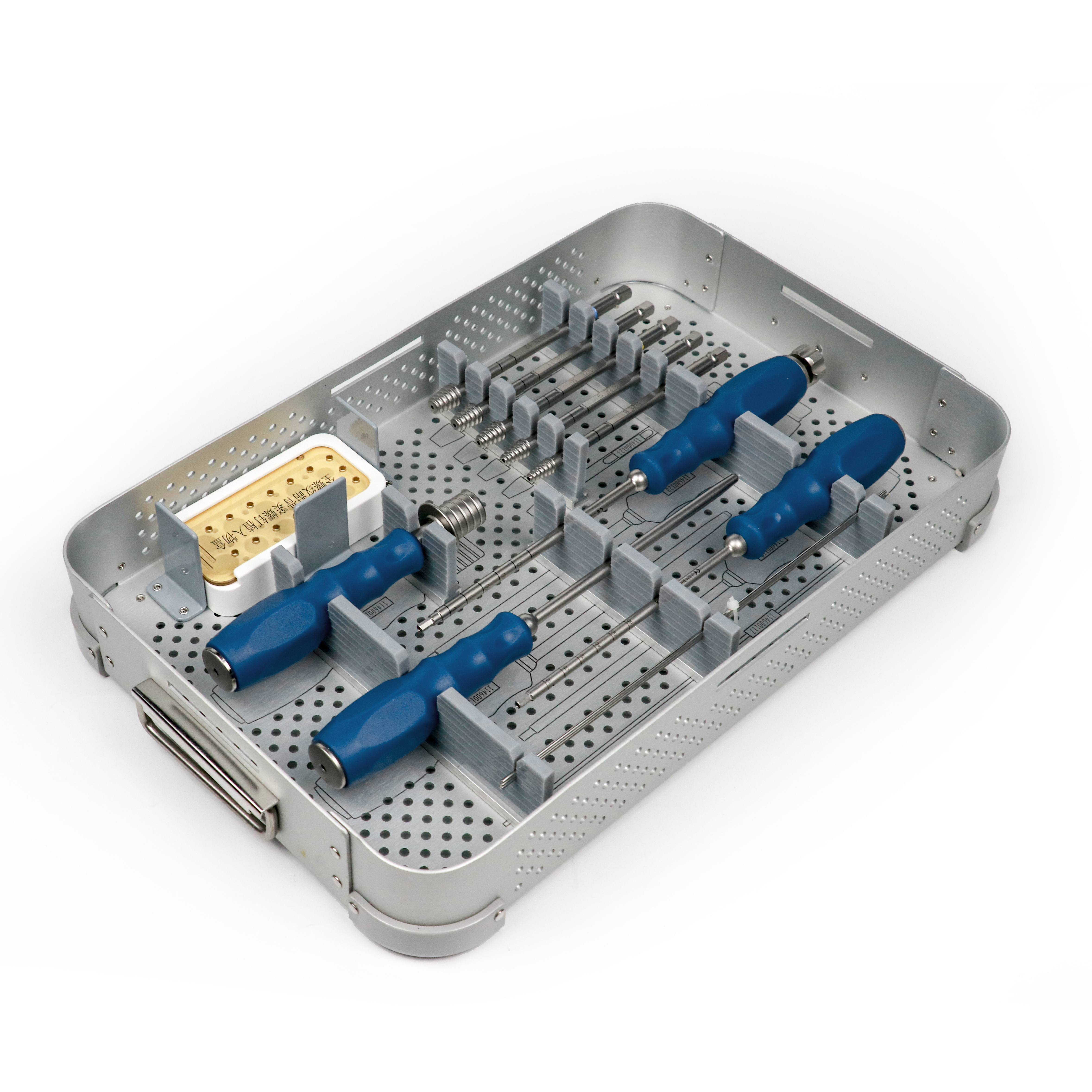
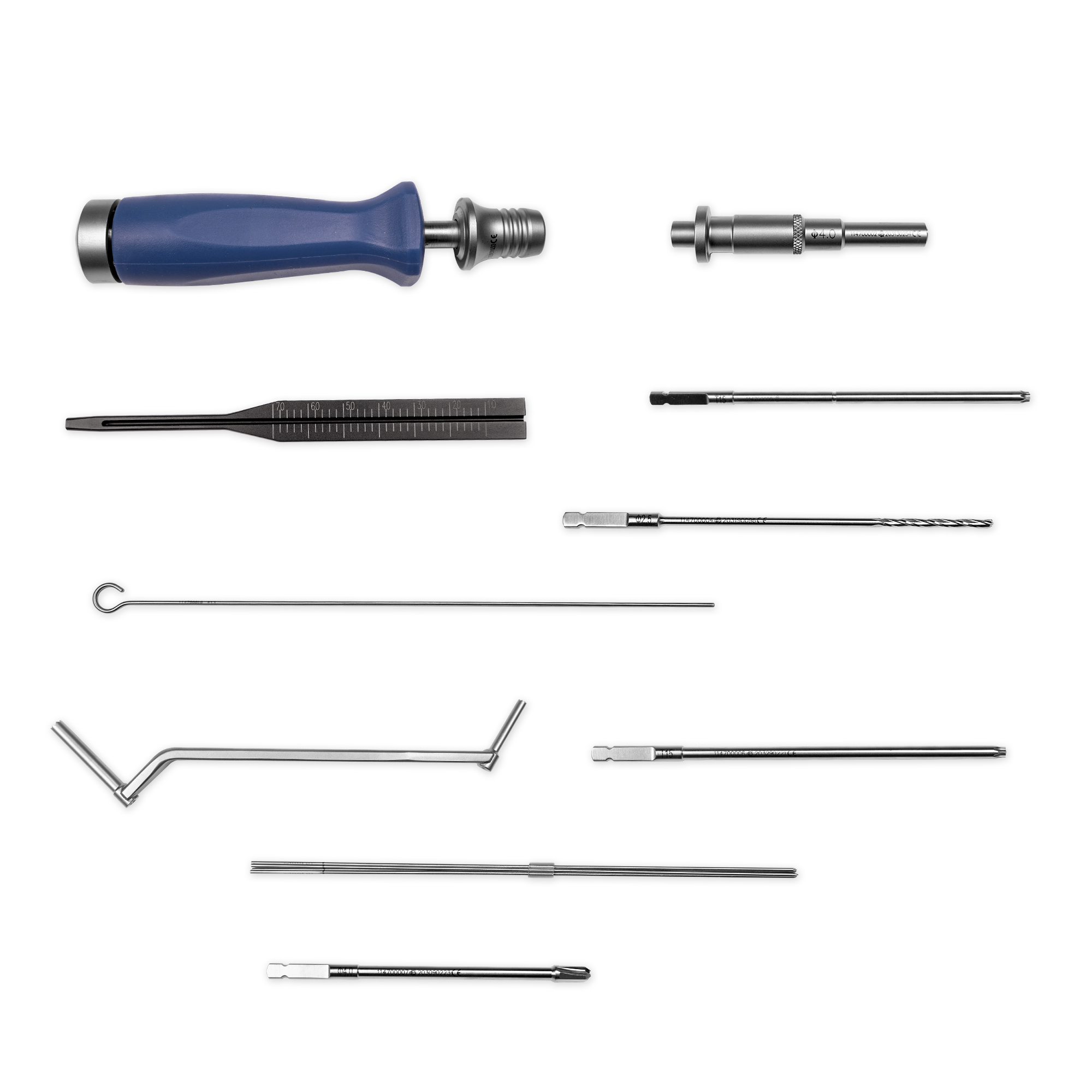
Under the French Groupements Hospitaliers de Territoire (GHT) framework, procurement tenders have migrated toward centralized hospital cluster buying. In Alsace, procurement directors prioritize standardized, modular surgical kits that combine dorsal trauma plates, spinal rods, crosslinks, and universal torque-limiting handles. Our ability to supply both sterilized gamma-irradiated implants and validated hospital autoclave trays significantly reduces logistics overhead for regional distribution networks.
The demographic aging curve across the Upper Rhine has spurred demand for spinal rods with variable stiffness profiles, cannulated fenestrated cement-augmented pedicle screws, and expandable PEEK interbody fusion cages. Our OEM engineers work with distributor technical teams to formulate tailored cross-sectional geometries, such as dual-diameter transition rods (e.g., tapering from 6.0 mm lumbar to 5.5 mm thoracic) to prevent proximal junctional kyphosis (PJK) in elderly spinal deformity cases.
Decades of dedicated engineering expertise, verified production audits, and strict compliance assurance for mission-critical spine and trauma lines.
Production facility, quality inspection lab, cleanroom operations, and legal capacities independently audited by SGS Group.
Laser-etched hospital batch codes, custom-bent curvature radii, custom anodizing colors, and custom silicone handle moldings.
Tensile bench testing, 5-million-cycle axial fatigue simulators, and package accelerated aging chambers to ensure zero field failures.
Over 10 years supplying international distributors, managing European customs clearance, and securing local French market entries.
Answers to common technical, regulatory, and logistics inquiries from biomedical purchasers and implant distributors in France.