Knee Arthroplasty
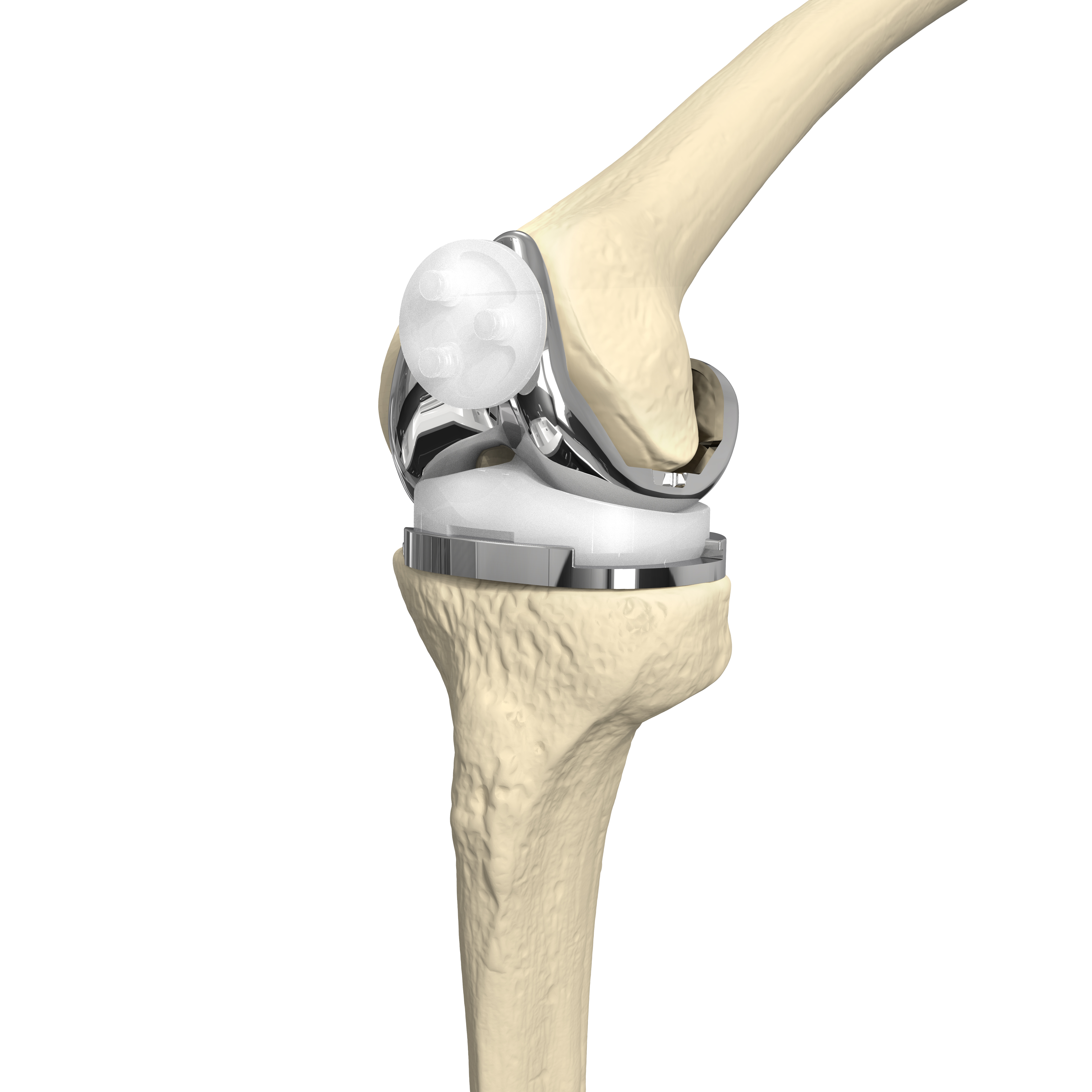
Manufactured under ISO 13485 and CE MDR accreditation, our complete long-bone and trauma fixation systems match the anatomical needs of Southeast Asian patients.
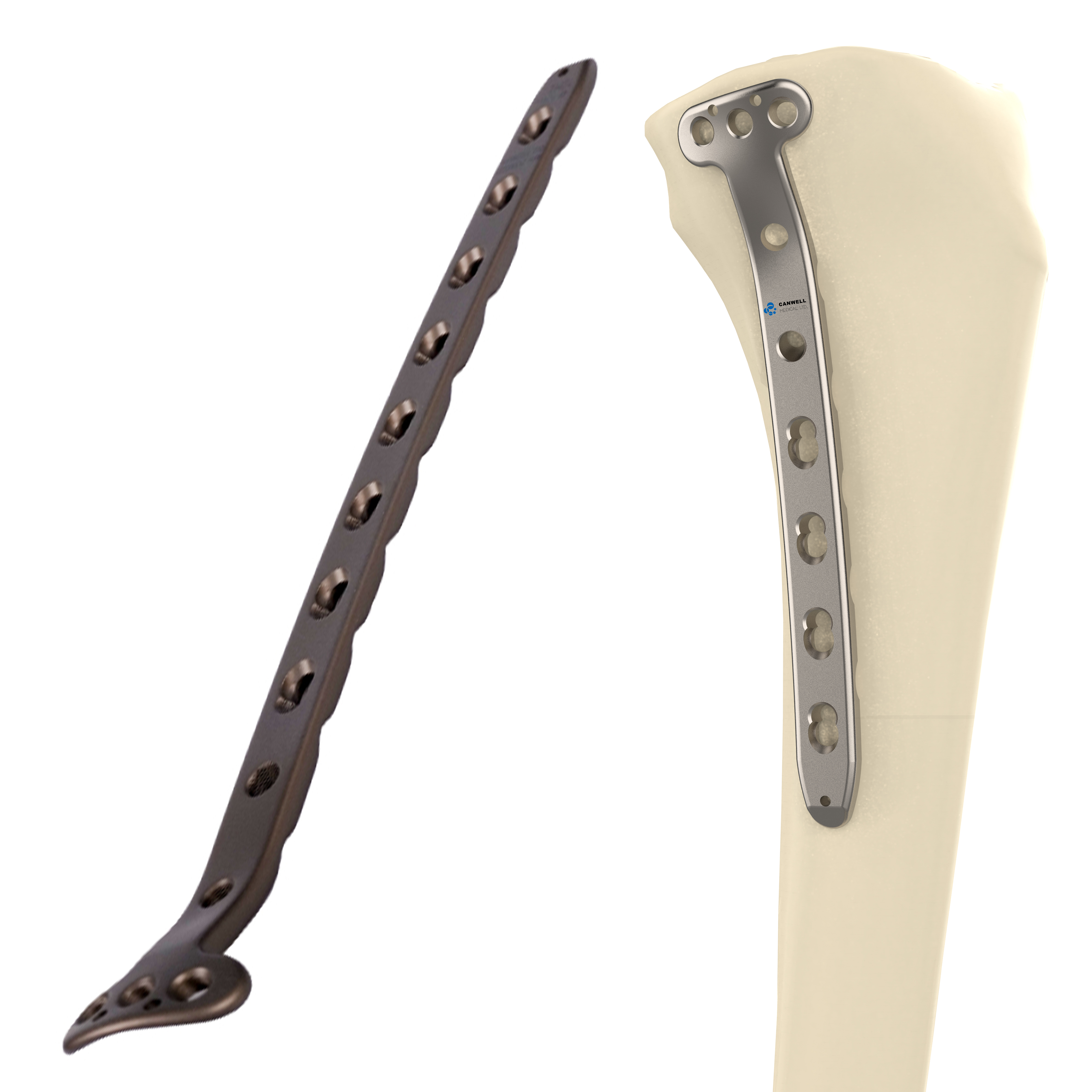
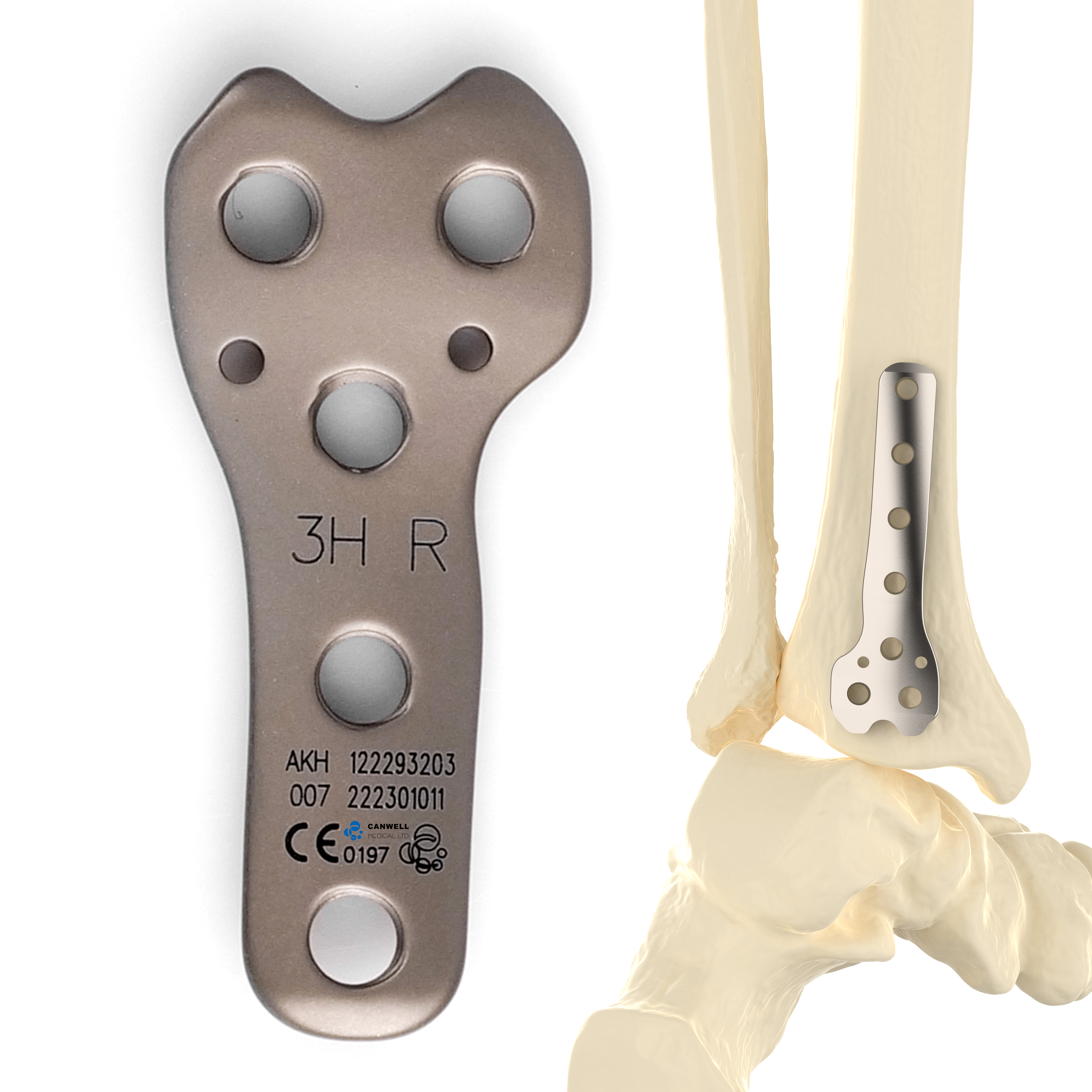
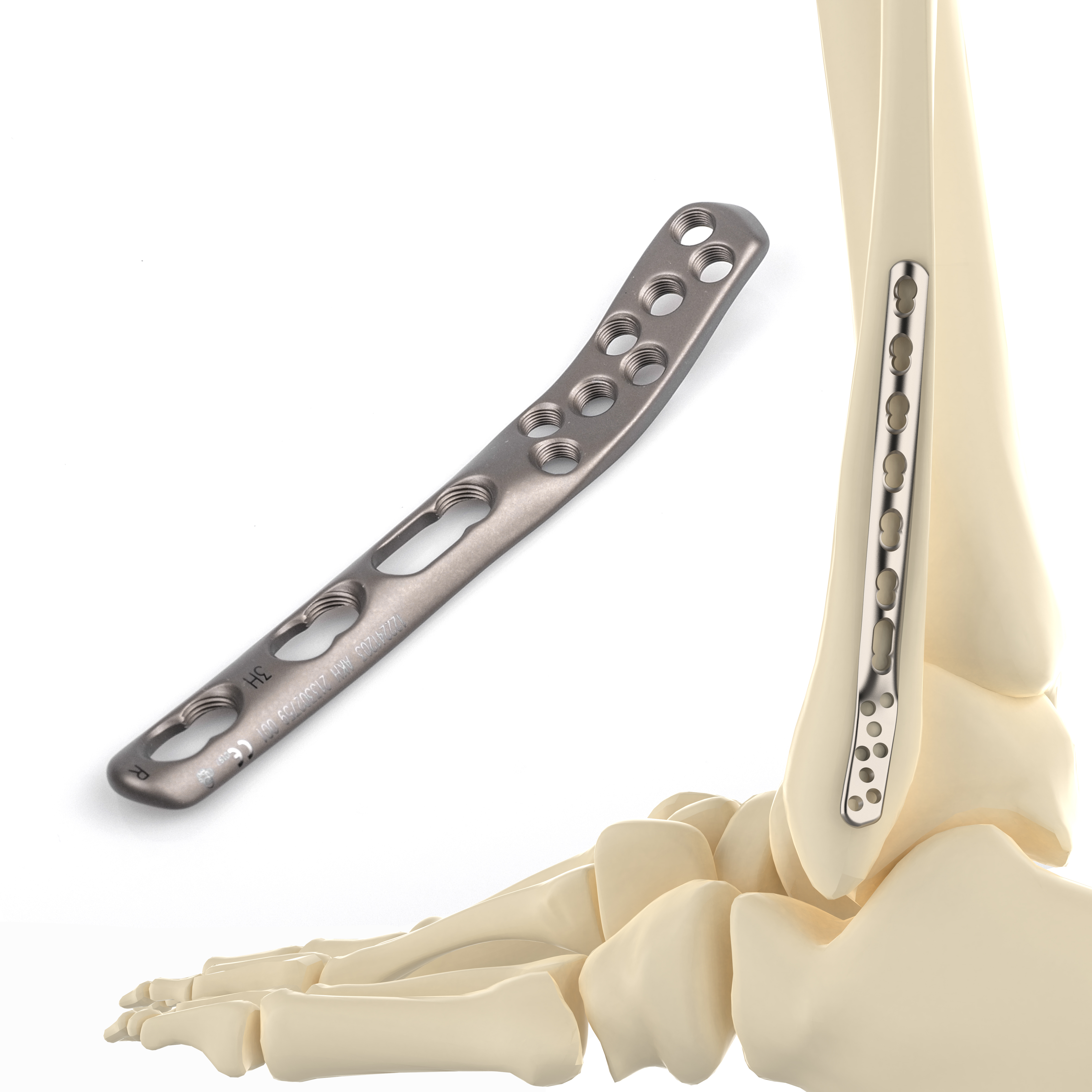
Intramedullary nailing has become the gold-standard surgical protocol for lower-extremity diaphyseal fractures globally, yet its application in the Indonesian archipelago presents distinctive biomechanical, logistical, and anatomical challenges. As a verified medical device manufacturer with more than 22 years of precision engineering heritage, Zhejiang INAR Medical Co., Ltd. supplies high-tensile orthopedic implants engineered to withstand extreme torsional loads while conforming strictly to the morphometric parameters of Southeast Asian demographics. In Indonesia, the high density of two-wheeled motorized transport combined with varied terrain conditions in island regions contributes to a disproportionately high rate of high-energy tibial shaft fractures (AO/OTA type 42) accompanied by soft tissue compromise.
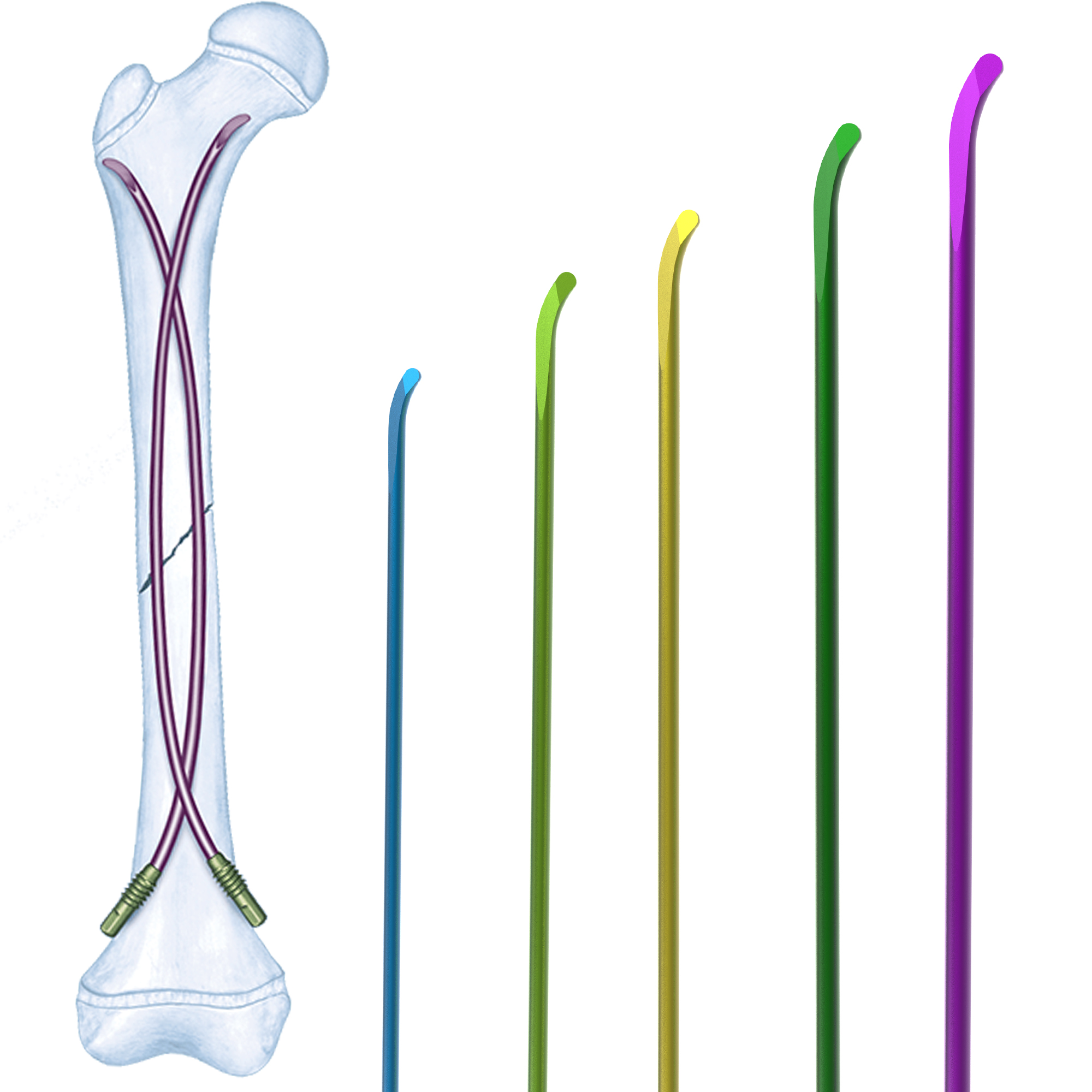
Standard Western-sized tibial nails frequently present issues in Indonesian surgical environments, such as mismatching nail curvature radius (leading to anterior cortical impingement during distal insertion) or inappropriate proximal Herzog bends that risk iatrogenic articular cartilage damage. Our custom OEM tibial nail solutions feature refined anatomical radii ranging from 1050mm to 1250mm, optimized proximal angles (10.5° to 11°), and a broader array of smaller diameter configurations (8.0mm, 8.5mm, and 9.0mm) available in both solid and cannulated formats. By combining European CE-marked quality frameworks with OEM design flexibility, INAR bridges the gap between premium Swiss-German biomechanical tolerances and the procurement parameters demanded by Indonesian private hospital networks and regional general hospitals (RSUD).
How our custom OEM tibial intramedullary systems address geographical, procedural, and epidemiological requirements across the archipelago.
Motor vehicle accidents constitute over 70% of orthopedic trauma caseloads in cities like Jakarta, Surabaya, and Medan. Fractures are characterized by multifragmentary patterns and significant soft-tissue swelling.
Anthropometric clinical studies demonstrate that the median length and medullary canal caliber of the adult Indonesian tibia is significantly smaller than Caucasian reference standards.
Hospitals operating under the INA-CBGs tariff structure require reliable, standardized implant trays capable of continuous autoclave cycles without dimensional degradation.
A strategic overview of regulatory modifications, insurance frameworks, and procurement standards impacting distributors and hospital tenders.
The Indonesian Ministry of Health continues to enforce rigorous safety standards through the online NIE (Nomor Izin Edar) portal. Import license holders must maintain complete technical documentation.
Our OEM partnerships supply fully validated test data—including ASTM F1264 static and dynamic four-point bending and torsion testing—allowing Indonesian partners to complete AKL Class III registrations without documentation delays.
With BPJS covering more than 260 million lives, surgical procedure volumes in type B and C public hospitals have accelerated rapidly, putting continuous downward pressure on per-case implant expenditure.
Hospitals are transitioning away from high-margin multinational brands toward direct-from-source OEM and ODM models that offer European CE-equivalent biological and mechanical profiles at prices aligned with national reimbursement ceilings.
Indonesian orthopedic surgeons (PABOI members) are increasingly adopting suprapatellar nailing techniques to treat difficult proximal and distal third tibial shaft fractures while preserving patellofemoral structures.
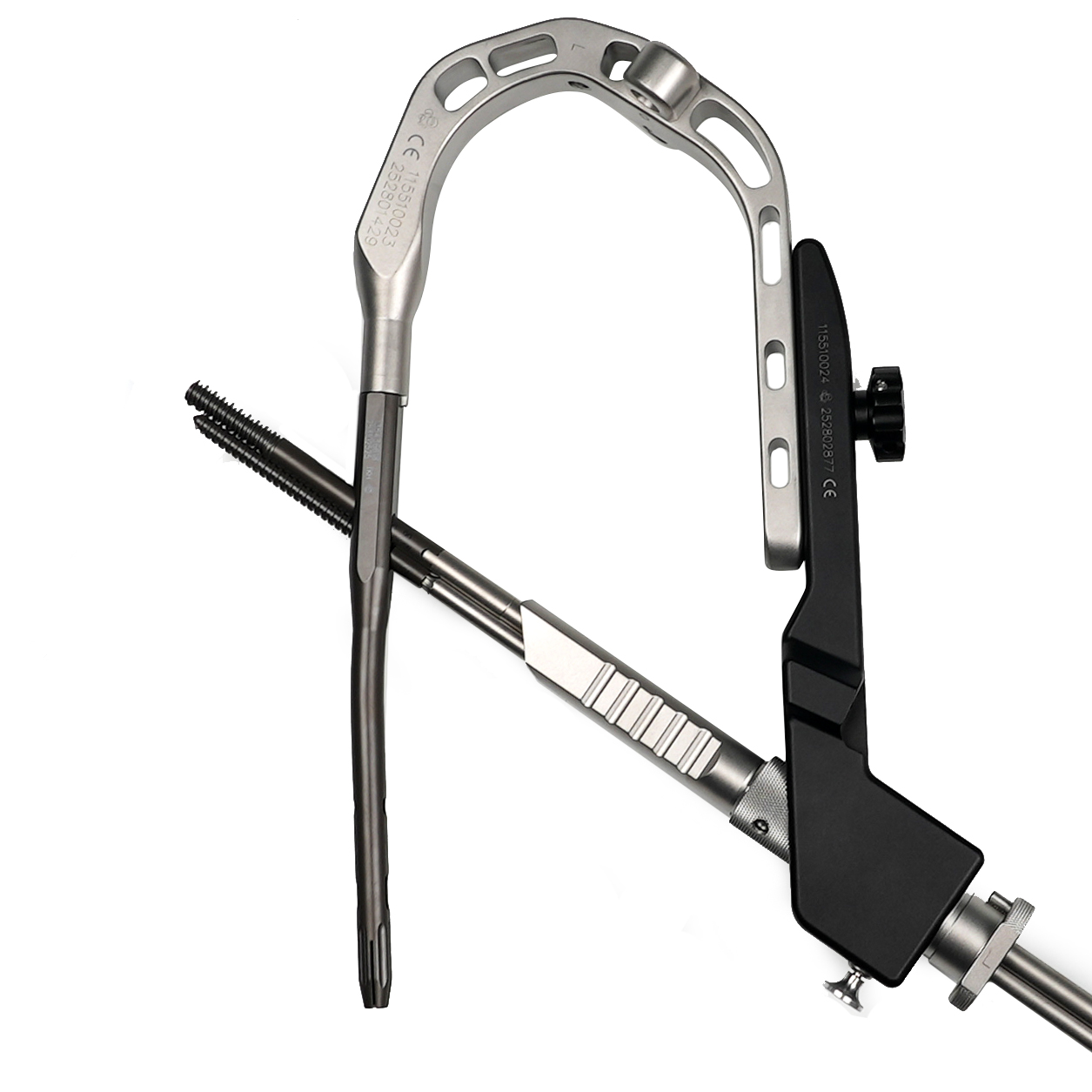
INAR OEM solutions include cannulated trocar systems, high-flexibility protective sleeves, and ergonomic insertion handles engineered specifically for accurate intraoperative fluoroscopy guidance and minimal incision lengths.
SGS Onsite-Assessed Facility • Integrated Cleanroom Packaging • Comprehensive OEM / ODM Customization
Utilizing high-axis Swiss longitudinal turning centers and vertical milling stations, we maintain thread tolerances within ±0.01mm to ensure uniform screw engagement.
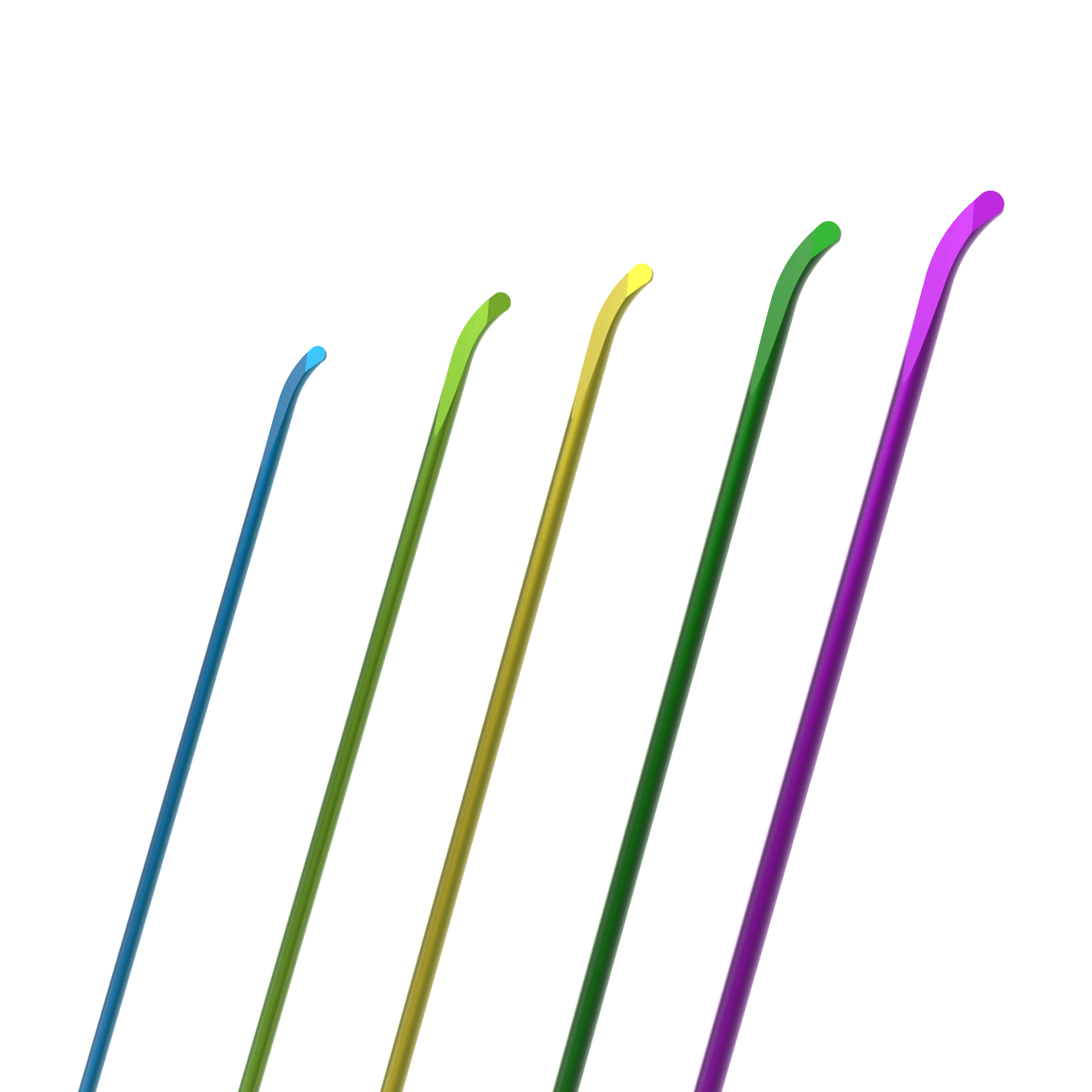
Type II electrochemical anodization increases fatigue endurance and corrosion resistance while offering clear color-coded size identification for operating room clarity.
Every production batch undergoes fluorescent penetrant testing, automated coordinate measuring machine (CMM) verification, and fatigue cycle evaluation.
Our on-site ISO Class 7 cleanroom and sterile double-blister sealing protocols ensure products arrive sea-freight and air-freight stable with 5-year shelf-life validation.
Clear, direct answers for medical device distributors, tender contractors, and hospital procurement committees.