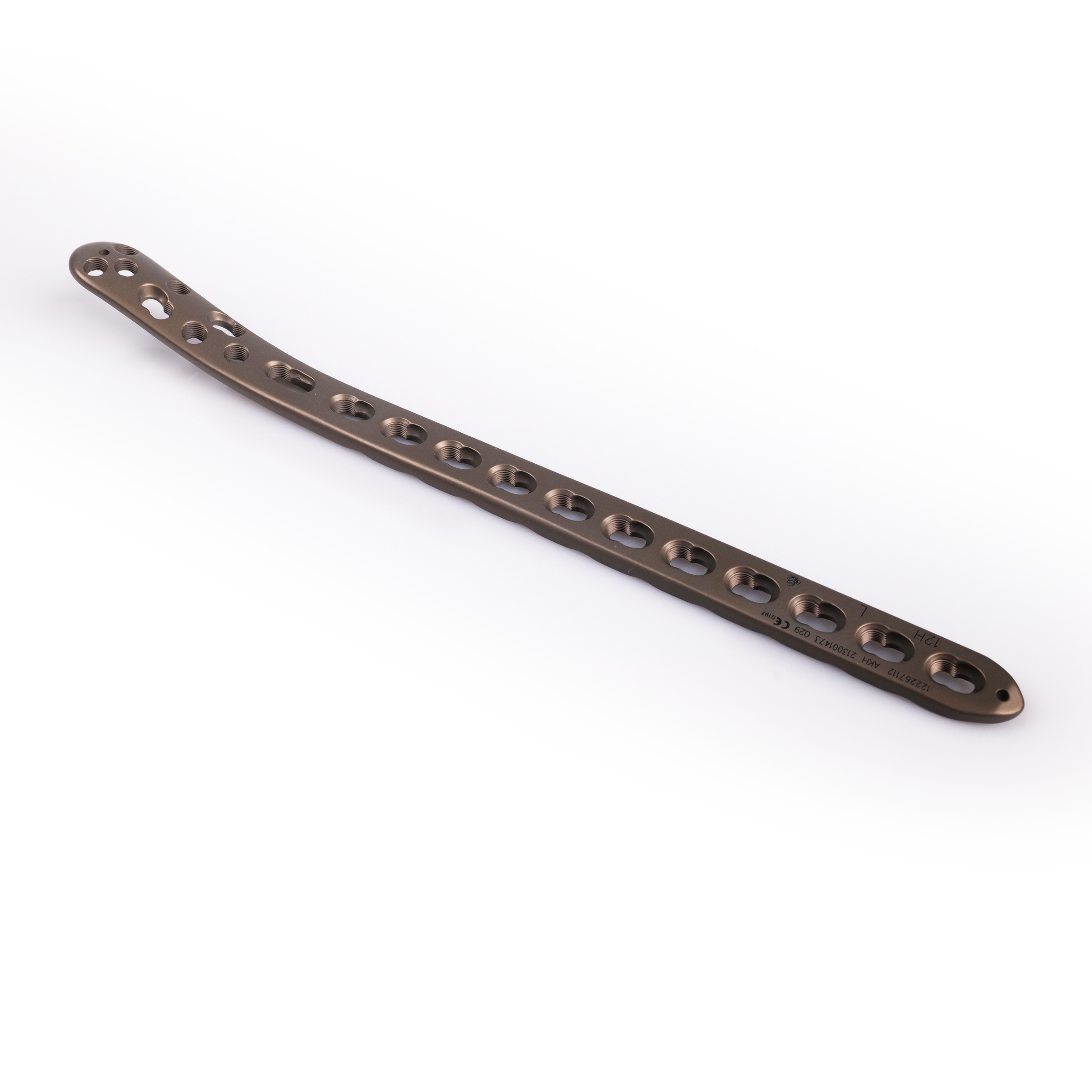
Distal Tibia Fixation
CANWELL Distal Medial Tibial Locking Plate Titanium Orthopedic Trauma Implant
Advanced orthobiological and mechanical stability configurations designed for anatomical reconstruction, early functional recovery, and simplified operative execution.
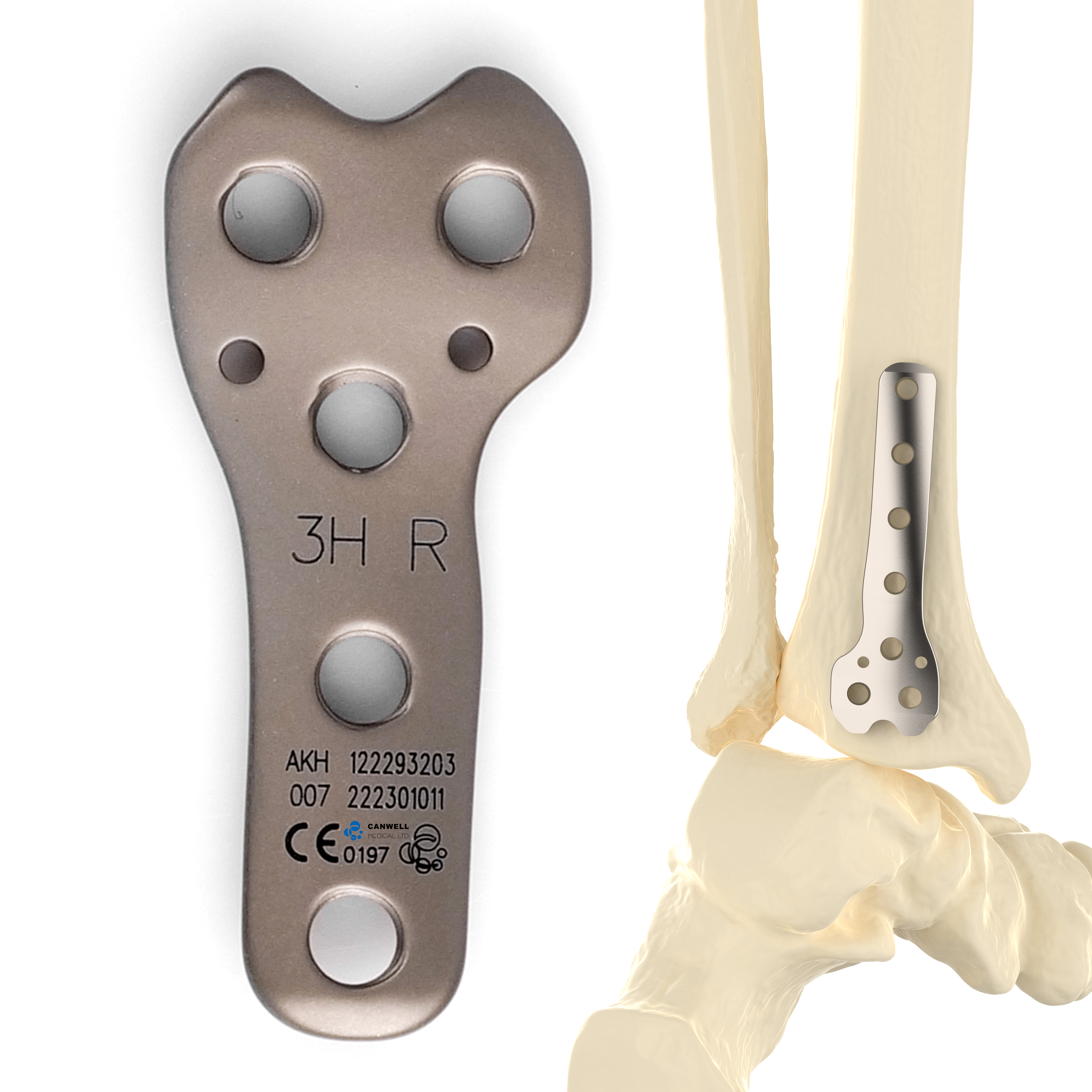
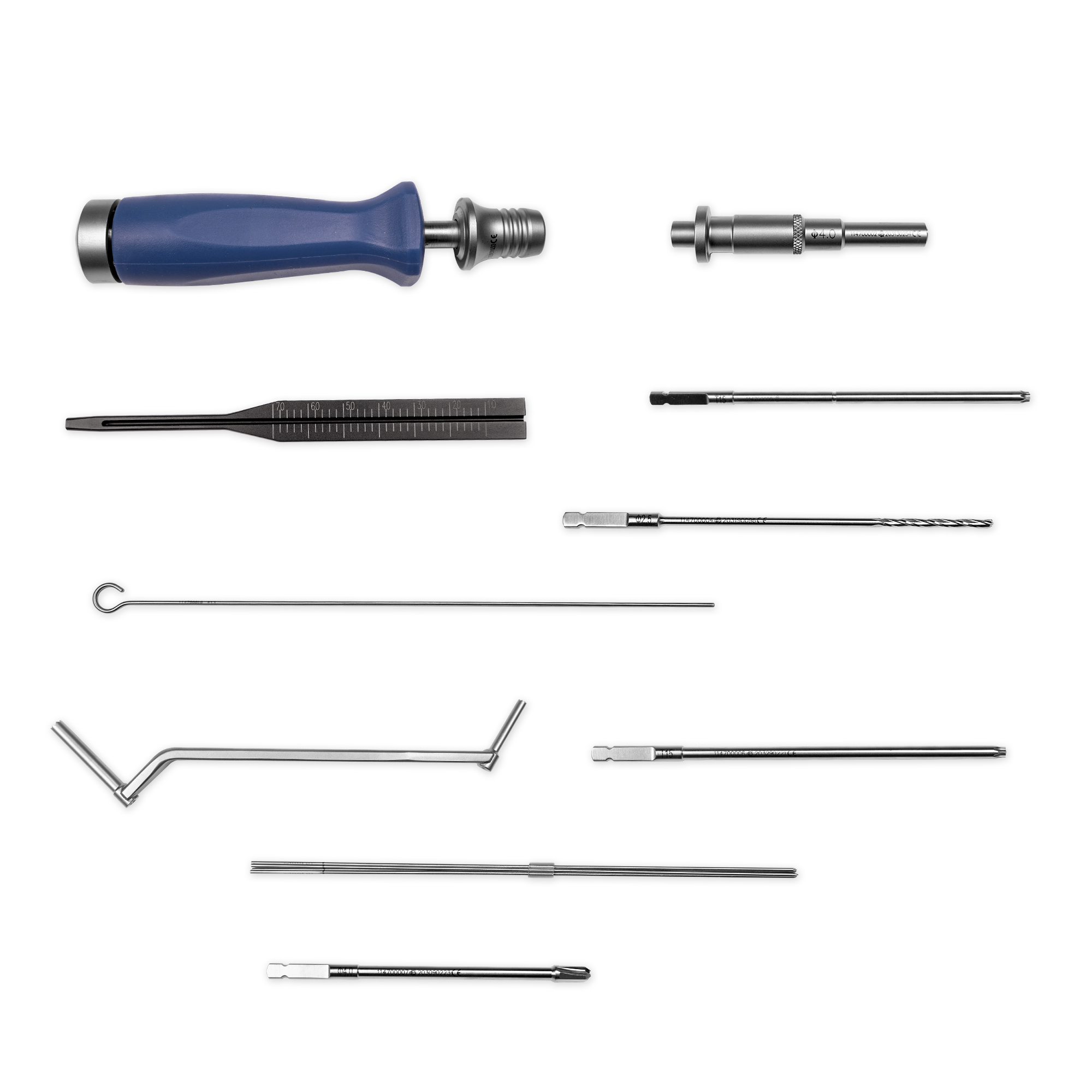
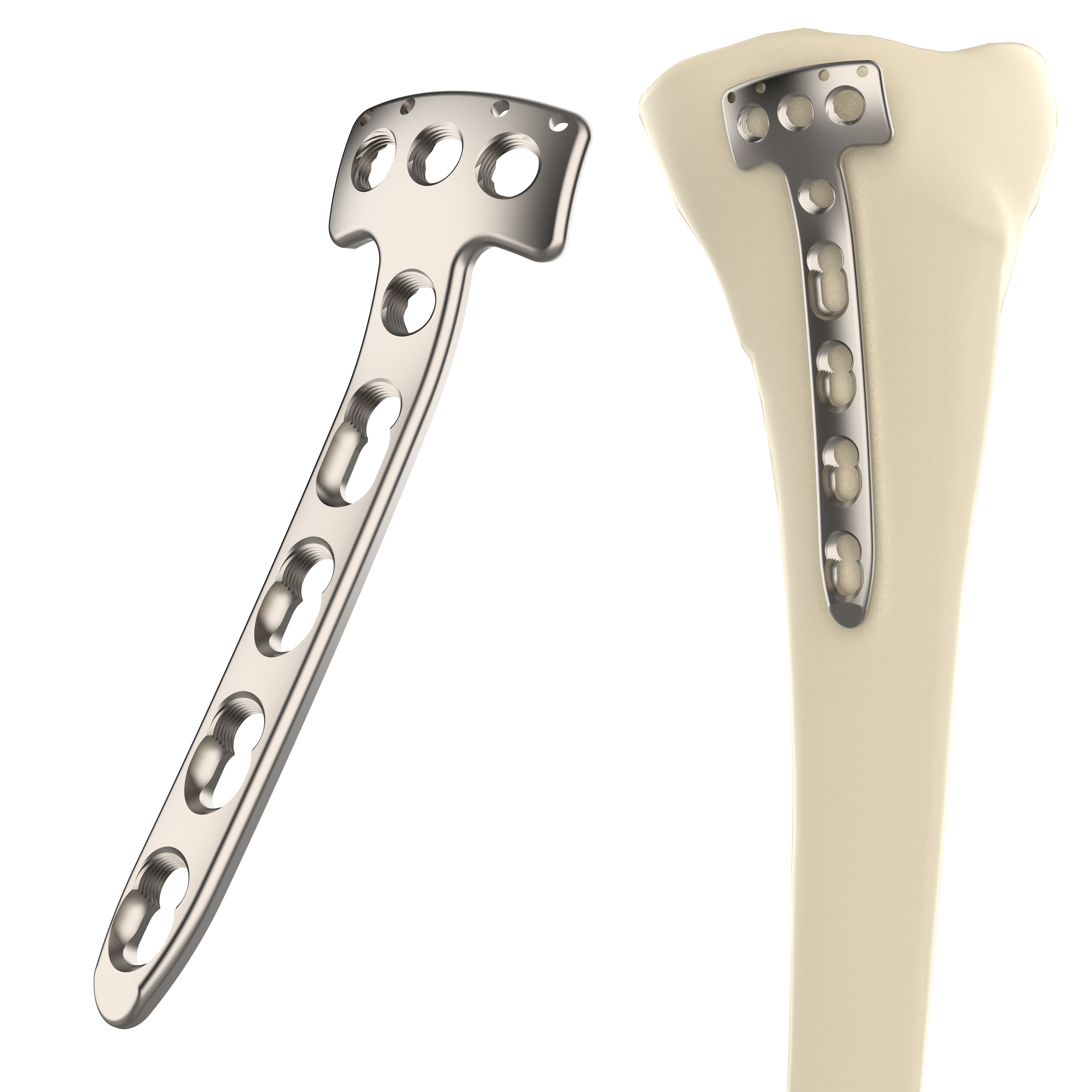
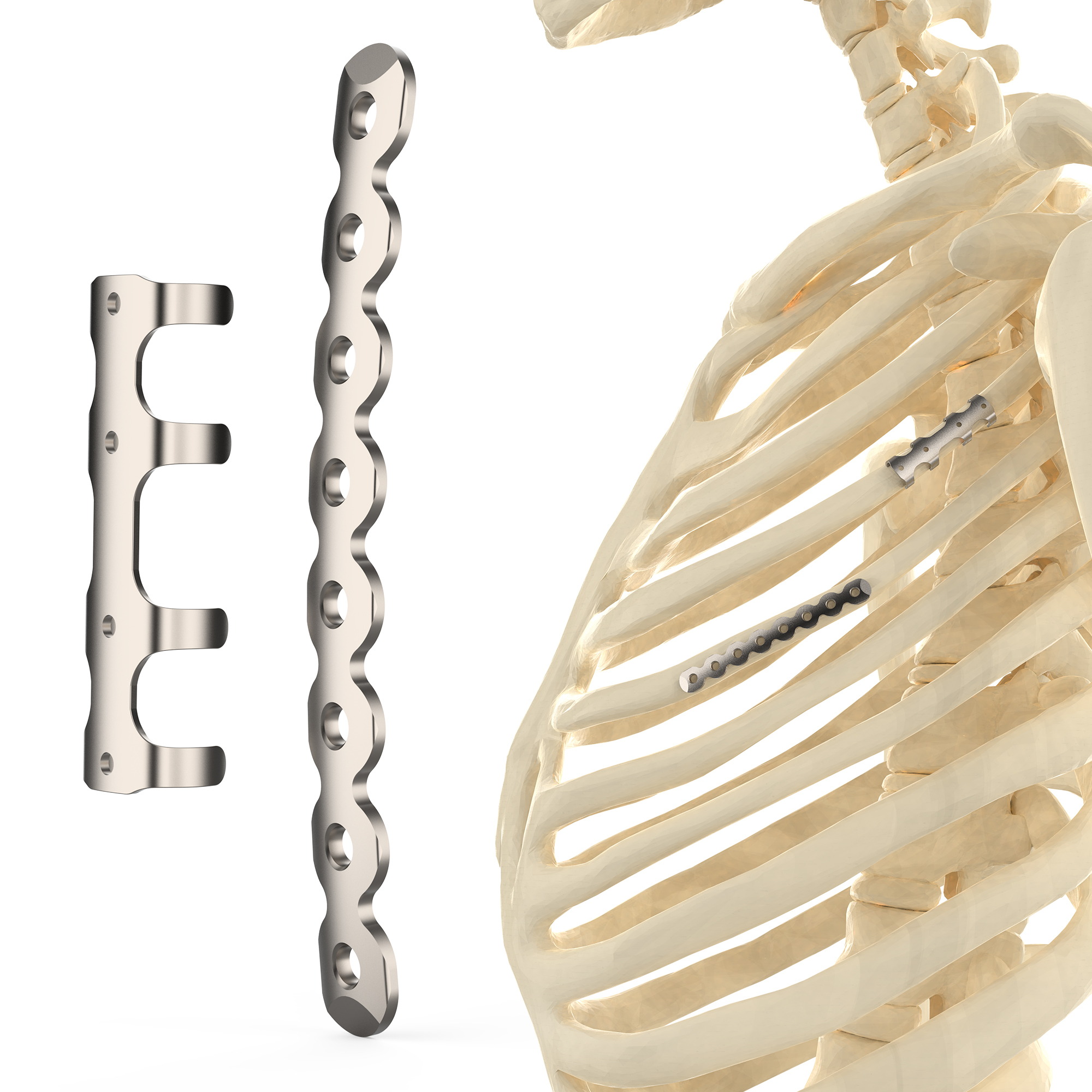
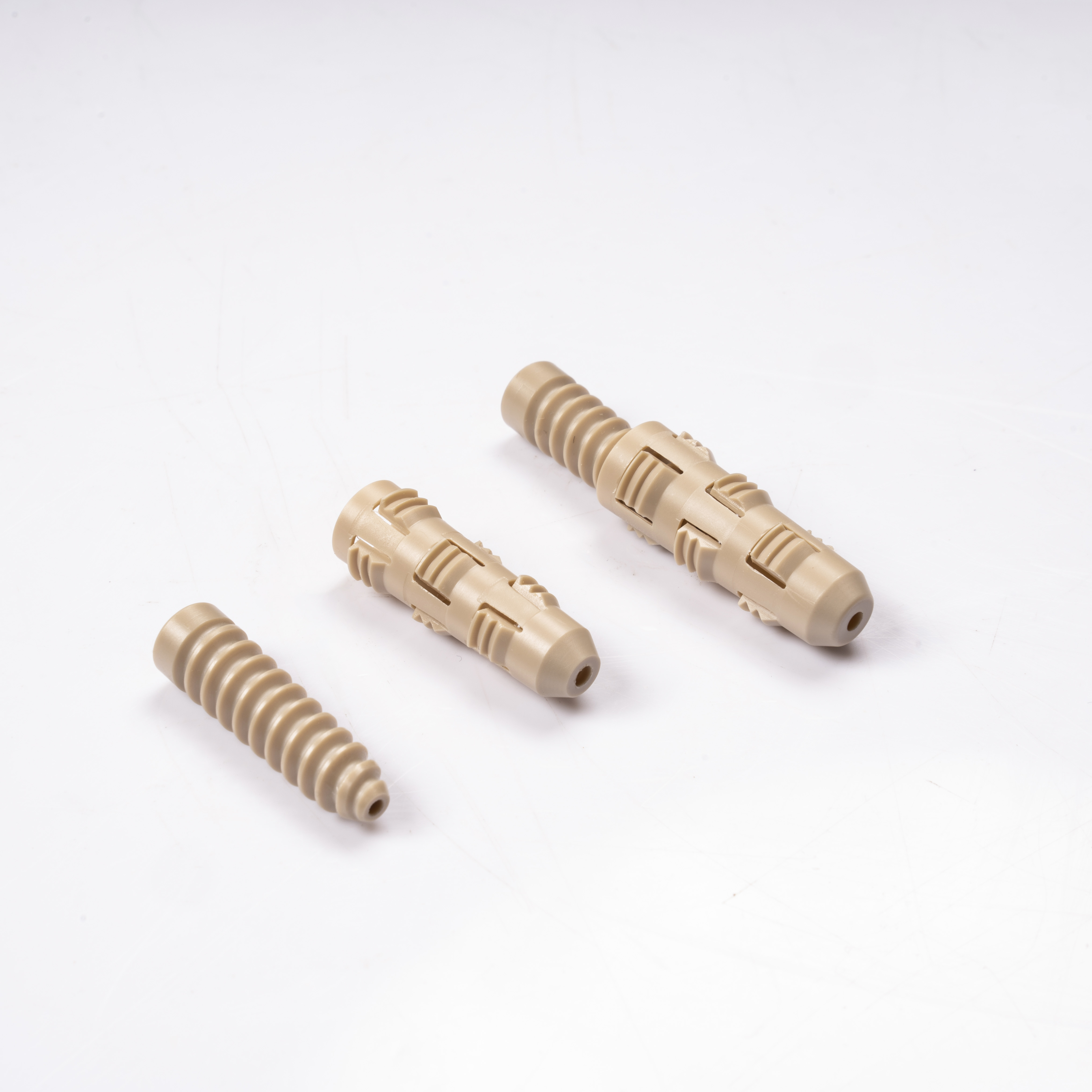
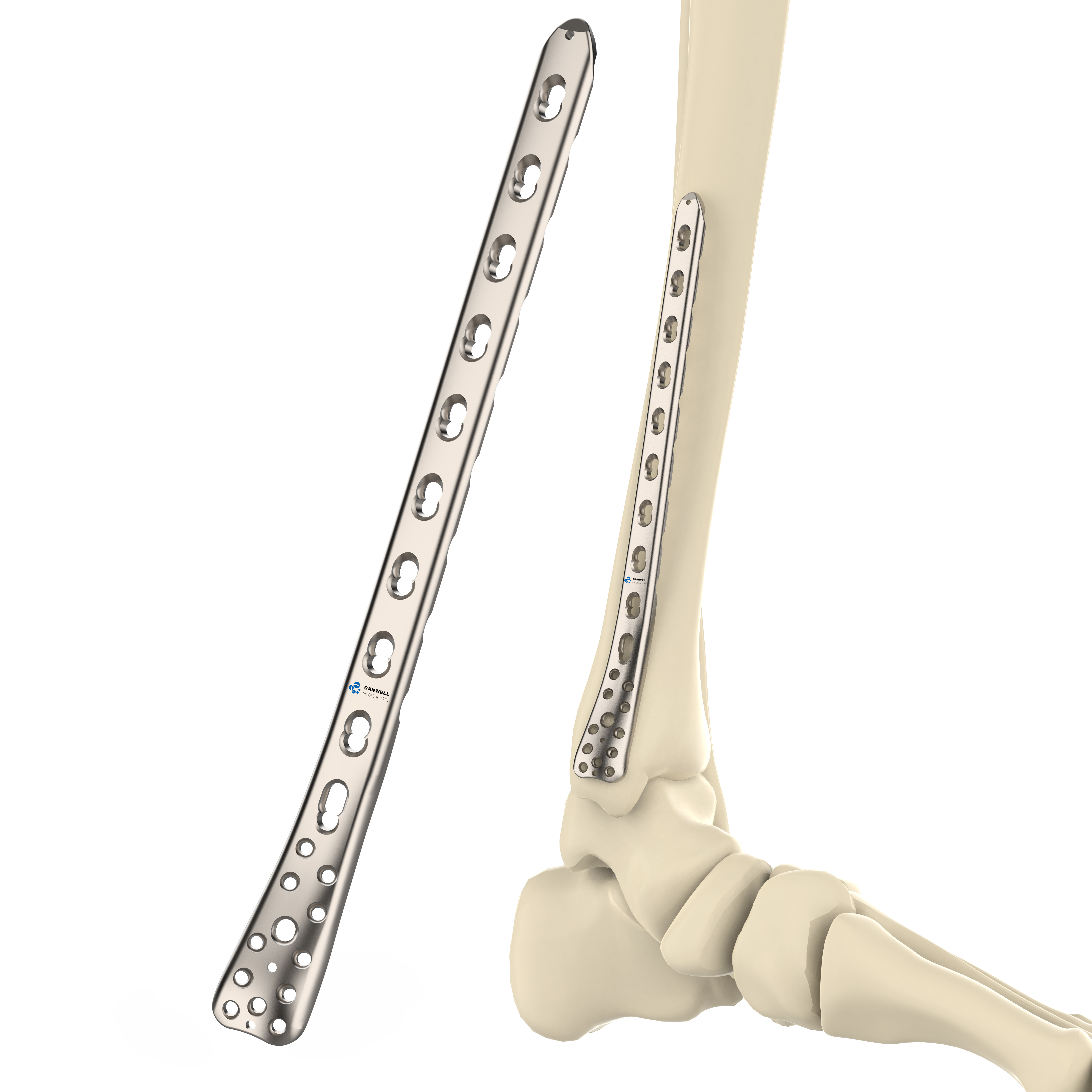
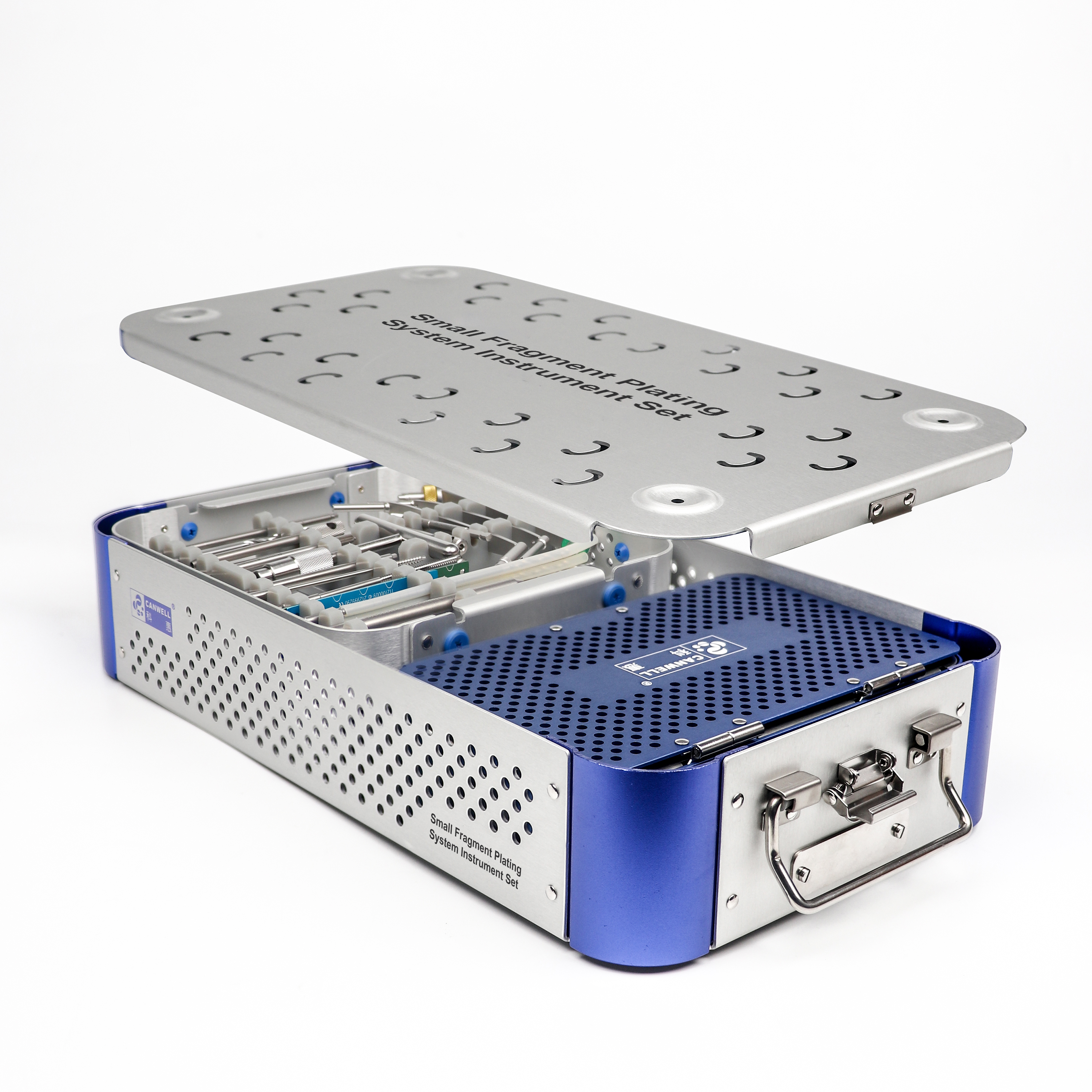
The distal radius fracture remains the single most prevalent skeletal trauma observed in adult emergency care, accounting for nearly 18% of all extremity fractures treated within the Romanian public healthcare network. In Constanța County—a primary socio-economic hub characterized by intense commercial maritime activities at the Port of Constanța, major shipbuilding hubs, agrarian logistics, and rapid seasonal demographic spikes driven by Black Sea tourism—the clinical spectrum of wrist trauma presents distinct challenges.
Surgical traumatologists operating within tier-one trauma centers, such as the Spitalul Clinic Județean de Urgență “Sf. Apostol Andrei” Constanța, consistently face a dual-modal distribution of wrist injuries. On one side are fragility fractures in the geriatric cohort, often associated with systemic osteopenia and severe metaphyseal comminution resulting from low-energy falls. On the other side are high-energy polytraumatic injuries sustained in maritime logistics, coastal construction, industrial rigging, and high-velocity transit accidents along the A2 / DN39 corridors. These dynamic cases involve sheared articular margins, complex intra-articular step-offs, and concomitant soft-tissue disruption.
Traditional non-operative management—such as closed reduction and prolonged plaster casting—is increasingly recognized by clinical guidelines across Southeastern Europe as insufficient for unstable fractures. Problems include secondary redisplacement, intra-articular incongruity, carpal malalignment, and post-traumatic radiocarpal osteoarthritis. In response, modern orthopedic standards have shifted definitively toward open reduction and internal fixation (ORIF) utilizing volar variable-angle distal radius locking compression plates. By engaging the subchondral bone with pre-angled and multi-axial fixed-angle screws, locking plate constructs bypass reliance on osteoporotic cancellous bone for frictional friction, instead anchoring mechanical stability within the titanium plate construct itself. This anatomical bridging mechanism permits immediate, stable restoration of radial length, volar tilt (normal 11°), and radial inclination (normal 22°), while keeping soft tissue disruption along the flexor tendons to a minimum.
Within Constanța and its adjacent Dobrogea economic corridor, distal radius locking plate systems fulfill vital operational functions across three primary clinical sectors:
Direct compression, crush, and severe blast forces sustained by port personnel, dock mechanics, and offshore platform crews. Multi-axial variable-angle locked screws (allowing up to ±15° angulation) allow orthopedic surgeons to selectively capture small comminuted radial styloid fragments and restore the volar rim without endangering flexor pollicis longus tendons.
Constanța’s regional population reflects broader European demographic aging patterns. Osteoporotic distal metaphyseal fractures demand high-retention titanium implants. The fixed-angle construct functions as an internal splint that resists axial loading and torsional collapse, mitigating the risk of dorsal collapse and late malunion commonly seen with non-locking designs.
Rapid rehabilitation protocols in modern Romanian outpatient orthopedic networks require implants with low tendon impingement profiles. Ultra-thin titanium profiles placed proximal to the watershed line allow quick rehabilitation, reduced hospital stays, and early return to functional work routines.
Procuring surgical plates for public hospital tenders or regional medical distribution networks in Romania requires strict compliance with mechanical safety benchmarks. Inferior raw materials or uncalibrated tolerances can lead to catastrophic hardware fatigue, thread galling during screw seating, or excessive tissue inflammation.
| Engineering Attribute | INAR Medical Volar Locking Plates | Conventional Trauma Plate Implants | Clinical Advantage for Surgeons |
|---|---|---|---|
| Material Alloy | Medical-Grade Titanium Ti-6Al-4V ELI (ISO 5832-3) | Commercial Grade CP-Ti / 316L Stainless Steel | Superior fatigue resistance, lower elastic modulus reduces bone stress-shielding. |
| Anatomical Contouring | Pre-shaped 3D volar curvature respecting watershed line | Generic flat or rudimentary pre-bent profiles | Virtually eliminates intra-operative bending, lowering flexor tendon friction and irritation. |
| Locking Mechanism | Variable-Angle Locking (±15° cone cone-screw trajectory) | Mono-axial fixed-direction threaded holes | Custom subchondral targeting for varied intra-articular styloid fragments. |
| Surface Passivation | Type-II Anodized surface with electropolishing | Standard mechanical sandblast finish | Minimal ion release, high biocompatibility, and mitigated hardware galling risk. |
| Screw Compatibility | 2.4 mm / 2.7 mm self-tapping locking & cortex options | Inconsistent tolerances; limited multi-pitch availability | Single standard drive head avoids stripped recesses during high-torque seated procedures. |
The medical device landscape throughout Romania is transitioning through significant regulatory and operational changes. Romanian public hospitals, governed by the Ministerul Sănătății and local county authorities, have elevated their technical tender criteria. Bids managed through the Electronic Public Procurement System (SEAP / SICAP) are moving away from awarding solely on the lowest initial purchase cost. Instead, technical evaluations prioritize long-term clinical durability, procedural efficiency, supplier reliability, and rigorous MDR compliance.
The implementation of the European Union Medical Device Regulation (EU MDR 2017/745) has increased administrative requirements for imported implants. Traditional suppliers facing certificate expirations under MDD 93/42/EEC often struggle with delayed conformity updates, creating regional stock-outs in county hospitals. Importers and hospital procurement directors across Constanța now rely on manufacturing partners who possess verified MDR documentation, validated cleanroom production processes, and complete material traceability extending from raw titanium ingots to the final double-barrier sterile blister packaging.
Simultaneously, the expansion of private healthcare facilities in Constanța (such as regional medical centers, specialized polyclinics, and dedicated day-surgery suites) is driving demand for streamlined instrument solutions. Hospitals prefer all-in-one autoclavable graphic trays that house both locking and non-locking small fragment screws alongside calibrated torque-limiting screwdrivers. This modular approach simplifies inventory control, speeds up autoclave turnaround times, and cuts operational sterilization costs per case.
Our competitive advantage as an international manufacturer and exporter to the Constanța market rests on end-to-end in-house production. While small trading operations outsource sub-processes, Zhejiang INAR Medical Co., Ltd. conducts every critical fabrication, testing, and packaging step within our audited 29,523 m² production facility in Jinhua, Zhejiang.
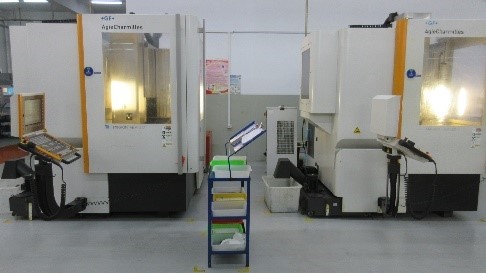
High-precision micro-milling of variable-angle plate holes and anatomical contours.
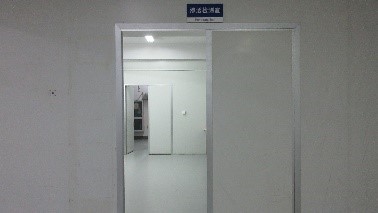
Strict non-destructive examination detecting any micro-fissures or structural stress points.
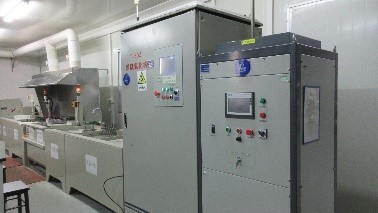
Precision Type-II color anodizing facilitating immediate intra-operative screw-hole identification.
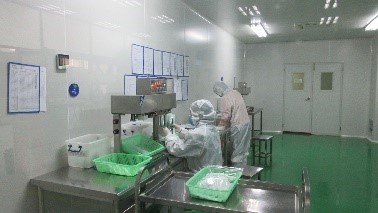
Double-sterile Tyvek packaging prepared in an aseptic room, verified by continuous aging tests.
Our quality management infrastructure operates in strict adherence to EN ISO 13485:2016 standards, backed by on-site supplier verification through SGS Group. Mechanical fatigue testing protocols, conducted on custom servo-hydraulic endurance test benches, validate our distal radius volar plates to 1,000,000 dynamic loading cycles without signs of deformation or hardware failure—surpassing clinical expectations under high physiological strain.
Supplying the Constanța medical supply chain requires reliable logistics, strict quality assurance, and complete regulatory compliance. INAR Medical supports regional partners through clear structural capabilities:
Our engineering team has accumulated over two decades of dedicated R&D and production focus. With 632 skilled technicians, CNC operators, and regulatory specialists, we maintain consistent production batches with stable tolerances across every lot.
We supply complete technical documentation files, Declarations of Conformity under EU MDR, SGS Onsite Assessment reports, and raw material certificates (ISO 5832-3). This documentation gives distributors the necessary paperwork to register devices smoothly with the National Agency for Medicines and Medical Devices of Romania (ANMDMR).
We provide full customization, including direct laser etching of logos, lot-traceable UDI codes, custom anodized finishes, and customized graphic sterilization cases tailored to national hospital tenders.