Featured Emergency & ICU Hospital Beds for Kenya Procurement
Rigorously tested for heavy-duty hospital wards, critical emergency units, and specialized clinical deployments. ISO 13485, CE, and IEC 60601 compliant.
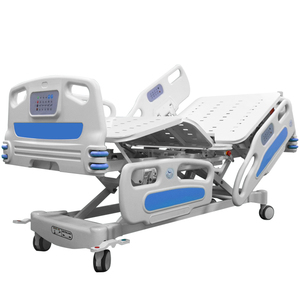
Longermay Factory Medical Hospital Bed Prices
- Cost-effective manual/electric multi-crank design
- High-durability powder-coated steel frame
- Ideal for public and county hospital ward expansion
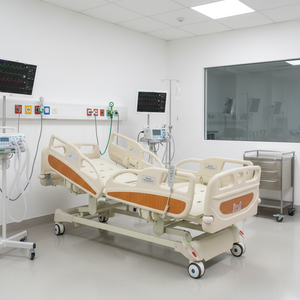
3/5/7 Function Electric Hospital ICU Bed
- Integrated nurse control panel & auto-chair system
- Trendelenburg & Reverse Trendelenburg tilt
- Central braking castors with emergency CPR release
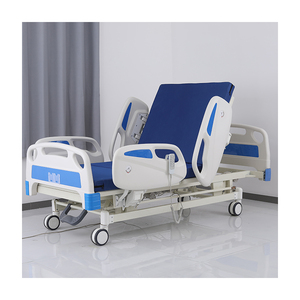
Chenhong CH-C8 Double-Shaking Stainless Steel Bed
- Corrosion-resistant Class II stainless steel structure
- Smooth dual-crank shaking mechanism for heavy load
- Anti-collision corner bumpers for fast transport
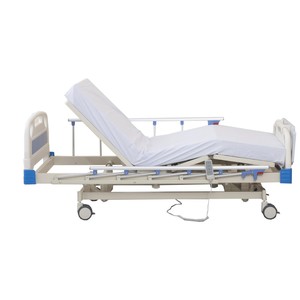
GRACEMED 3-Function Electronic Bed with L&K Motor
- Precision L&K heavy-duty medical actuators
- CE Certified with 1-Year comprehensive warranty
- Quiet motor drive optimized for emergency wards
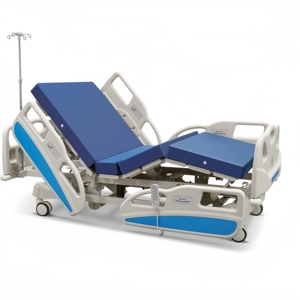
Cama Clinica 5 Function Electric ICU Bed + Mattress
- Full 5-function electronic adjustment with remote
- Medical-grade anti-bedsore waterproof mattress included
- Foldable split ABS side rails with safety lock
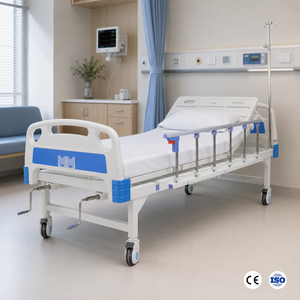
OEM Custom 2-Function Manual Bed with ABS Headboard
- Detachable anti-collision ABS head/foot boards
- Dual manual crank system for off-grid healthcare units
- Reinforced chassis built for remote clinic logistics
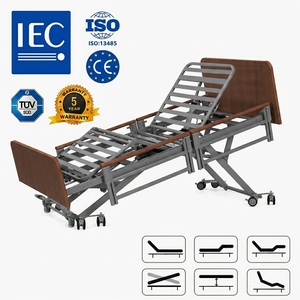
IEC 60601 Electric Bed with 5-Year Warranty
- Compliant with IEC 60601 safety standards
- Ergonomic wood-grain/steel guardrails for home recovery
- Long lifespan backup battery for power grid stability
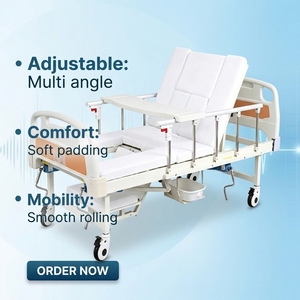
Multifunctional Manual Nursing Bed (Steel Chassis)
- Rigid cold-rolled steel platform with ventilation slots
- Foldable aluminum alloy side rails for quick access
- Low-maintenance mechanical design for rural clinics
Kenya's Emergency Bed Market Dynamics: Bridging Infrastructure Gaps with ISO-Certified Manufacturing
The Kenyan healthcare landscape is undergoing an unprecedented transformation. Under the government's Universal Health Coverage (UHC) initiative, aligned with Kenya Vision 2030, both public and private healthcare facilities are aggressively upgrading their emergency care and intensive care infrastructure. Procurement officers, hospital engineers, and medical equipment distributors across Nairobi, Mombasa, Kisumu, and Eldoret face unique operational challenges that dictate their supplier selection criteria.
Sourcing high-grade hospital furniture—specifically emergency stretchers, ICU electric beds, and multi-crank ward beds—requires a deep understanding of local environmental factors, power grid stability, and regulatory mandates set by the Pharmacy and Poisons Board (PPB) and the Kenya Bureau of Standards (KEBS). International manufacturers seeking to supply factories direct to Kenyan healthcare institutions must offer products engineered with tropicalized components, rust-proof finishing, and off-grid manual override mechanisms.
Level 4 to Level 6 Hospital Upgrades
County referral hospitals (Level 5) and sub-county facilities (Level 4) are actively expanding ICU capacity, requiring high-reliability 3-function and 5-function electric beds with integrated battery backups.
Power Grid Resilience & Surge Protection
Frequent voltage fluctuations in remote counties require medical beds powered by linear actuators with wide voltage input tolerances (110V-240V) and emergency lead-acid back-up batteries.
PVoC & KEBS Certification Standard
Imported emergency beds must comply with the Pre-Export Verification of Conformity (PVoC) parameters. Factory certifications including ISO 13485:2016 and IEC 60601-2-52 are mandatory for customs clearance at Mombasa Port.
Technical Engineering Standards: Designing Emergency Beds for East African Conditions
Standard hospital furniture designed for temperate, climate-controlled European or North American wards often experiences premature mechanical or electrical degradation when exposed to East Africa's humid coastal regions (Mombasa) or high-dust highland terrains (Nairobi, Nakuru). As a premier global hospital bed manufacturer, our OEM/ODM production processes incorporate specific engineering adjustments for long-term reliability in Kenya.
| Engineering Component | Standard Market Specification | Joson-Care / Factory OEM Kenya Grade Specification | Operational Benefit in Kenyan Facilities |
|---|---|---|---|
| Surface Coating | Standard Electrostatic Powder Coating (40-60 µm) | AkzoNobel Anti-Microbial Nano Epoxy Coating (80-120 µm) | Prevents rust, corrosion, and chemical degradation caused by harsh chlorine disinfectants used in high-patient-turnover emergency rooms. |
| Actuator & Motor System | Standard Domestic Actuators without IP Rating | L&K / Linak Medical Actuators (IPX4 Water Resistant) | Ensures silent, smooth electrical adjustments with zero fluid ingress risk during emergency patient washing or blood spillages. |
| Castor & Braking System | Single Wheel Plastic Castors (100mm) | 125mm Central-Locking Dust-Proof Twin Castors | Navigates uneven flooring, threshold ramps, and dusty hallways seamlessly while providing instant single-pedal lock down during emergency resuscitation. |
| Frame Load Capacity | Safe Working Load: 175 kg | Safe Working Load: 250 kg (Static Load 400 kg) | Accommodates bariatric patients and heavy clinical intervention equipment attached directly to the bed structure without frame deflection. |
| Power Management | Direct AC Line without Battery Backup | Integrated Dual-Voltage Box + Sealed Lead-Acid Battery | Provides up to 50 continuous lift cycles during power outages, essential for sub-county clinics with intermittent grid power. |
Localized Application Scenarios across Kenya's Healthcare Infrastructure
Hospital ward dynamics vary significantly depending on regional demands, funding structures, and emergency transport networks within Kenya. Below is an in-depth breakdown of how our emergency and ICU beds are integrated into specialized local care scenarios:
1. Tertiary Private Care (Nairobi & Mombasa)
Primary Facilities: High-end private hospital networks (e.g., Aga Khan University Hospital, Nairobi Hospital, MP Shah Hospital).
Required Equipment: 5-Function and 7-Function Electric ICU Beds equipped with integrated digital weight scales, Trendelenburg positioning, X-ray translucent backrests, and touchscreen nurse control panels. These beds streamline complex critical care workflows for medical surgical wards.
2. Public County Referral Hospitals (Level 5)
Primary Facilities: Coast General Teaching & Referral Hospital, Machakos Level 5, Nakuru Level 5, Jaramogi Oginga Odinga Teaching & Referral Hospital.
Required Equipment: Heavy-duty 3-Function Electric Emergency Beds with manual emergency CPR release handles, ABS removable headboards, and full-length collapsible side rails to maximize patient throughput while minimizing maintenance costs.
3. Remote Rural & Sub-County Clinics (Level 4)
Primary Facilities: Remote health centers in Turkana, Garissa, Samburu, and Marsabit counties.
Required Equipment: Dual-crank Stainless Steel Manual Medical Beds and hydraulic emergency stretchers with 5th steering castors. Zero dependence on electrical grids guarantees uninterrupted functionality during critical emergency triage.
Kenya Healthcare Procurement Trends & Future Outlook (2025–2030)
Medical equipment importers, B2B procurement contractors, and non-governmental organizations (NGOs) in East Africa must align their purchasing strategies with emerging macroeconomic and regulatory shifts. Key trends shaping the Kenya market include:
Managed Equipment Services (MES) Expansion
The Ministry of Health Kenya continues to advocate for long-term equipment leasing and turnkey supply contracts. Manufacturers offering robust warranties, available spare parts, and modular OEM designs win preferential tender allocations.
Tax Incentives & Special Economic Zone Directives
While Kenya imposes standard import tariffs, certified hospital equipment designated for public sector expansion or humanitarian aid often qualifies for duty exemptions under specific EAC tariff codes—provided suppliers present valid ISO and CE documentation.
Strict Regulatory Verification by PPB
Uncertified medical devices face immediate rejection at customs. The Pharmacy and Poisons Board has tightened pre-market evaluation for electrical medical devices, prioritizing brands compliant with IEC 60601-1 and IEC 60601-2-52 safety protocols.
Factory Excellence & Global Manufacturing Strengths
With over 25 years of specialized medical bed manufacturing, our state-of-the-art production facility provides direct OEM and ODM solutions to medical device distributors, government tenders, and private hospital groups worldwide.
Full-Chain OEM / ODM Customization
From frame dimensions, bed width adjustments (e.g., 100cm compact ward models), custom side rail configurations, to branded ABS headboards, we tailor every bed to local tender specifications.
Rigorous 30-Point Inspection Protocol
Every electric and manual bed undergoes 30 distinct quality checks and 15 mechanical endurance tests, including load endurance, tilt testing, electrical insulation safety, and castor longevity tests.
Rapid Production & Sea Freight Readiness
Located near major international shipping hubs, our factory guarantees optimized container packing (KD knockdown or semi-assembled configurations), reducing freight costs to Mombasa Port by up to 35%.
Frequently Asked Questions by Kenyan Hospital Buyers & Importers
Q1: How do your emergency beds comply with Kenya Bureau of Standards (KEBS) requirements?
Answer: All our medical beds are manufactured under ISO 13485:2016 quality management systems and carry CE and FDA certifications. We provide full Pre-Export Verification of Conformity (PVoC) test reports and certificates of conformity (CoC) issued by authorized inspection bodies (such as SGS, Intertek, or Bureau Veritas) prior to shipment to ensure seamless customs clearance in Mombasa.
Q2: What is the typical lead time for shipping a container of hospital beds to Kenya?
Answer: Standard manufacturing lead time is 20 to 30 days depending on OEM customization requirements. Direct sea freight transit from our port to Mombasa Port typically takes 22 to 28 days. In total, clients can expect delivery within 45 to 60 days from initial Letter of Credit (L/C) or T/T deposit confirmation.
Q3: Can electric ICU beds operate reliably during power blackouts in rural counties?
Answer: Yes. Our electric hospital beds (including 3-function and 5-function models) are fitted with high-capacity rechargeable backup batteries. In the event of a total power loss, the battery system allows up to 50 complete emergency lifting operations. Additionally, all electric beds feature manual emergency CPR lowering levers.
Q4: Do you provide spare parts and technical documentation for hospital biomedical engineers?
Answer: Absolutely. We supply comprehensive biomedical engineering manuals, exploded parts diagrams, wire schematics, and offer 2% quick-wear spare parts (such as hand controllers, castors, and actuators) complimentary with full-container load (FCL) orders to ensure long-term maintenance self-sufficiency.
Q5: Can we order customized bed dimensions to fit smaller clinic room doors?
Answer: Yes. For instance, our ES-05HDS model is engineered with a compact 100cm width specifically designed to pass through narrow ward doors and elevators commonly found in converted or legacy healthcare buildings across East Africa.
Q6: What payment terms are accepted for Kenya government or private hospital tenders?
Answer: We support flexible B2B trade terms including irrevocable 100% Letter of Credit (L/C at sight) for government tenders or standard Telegraphic Transfer (T/T 30% deposit, 70% balance before shipment) for established distributors.
Equip Your Kenya Healthcare Facility with Factory-Direct Precision Beds
Consult with our international medical supply team today for factory-direct price lists, technical specifications, and KEBS/PPB compliance documentation tailored for the Kenya market.