CE MDR / ISO
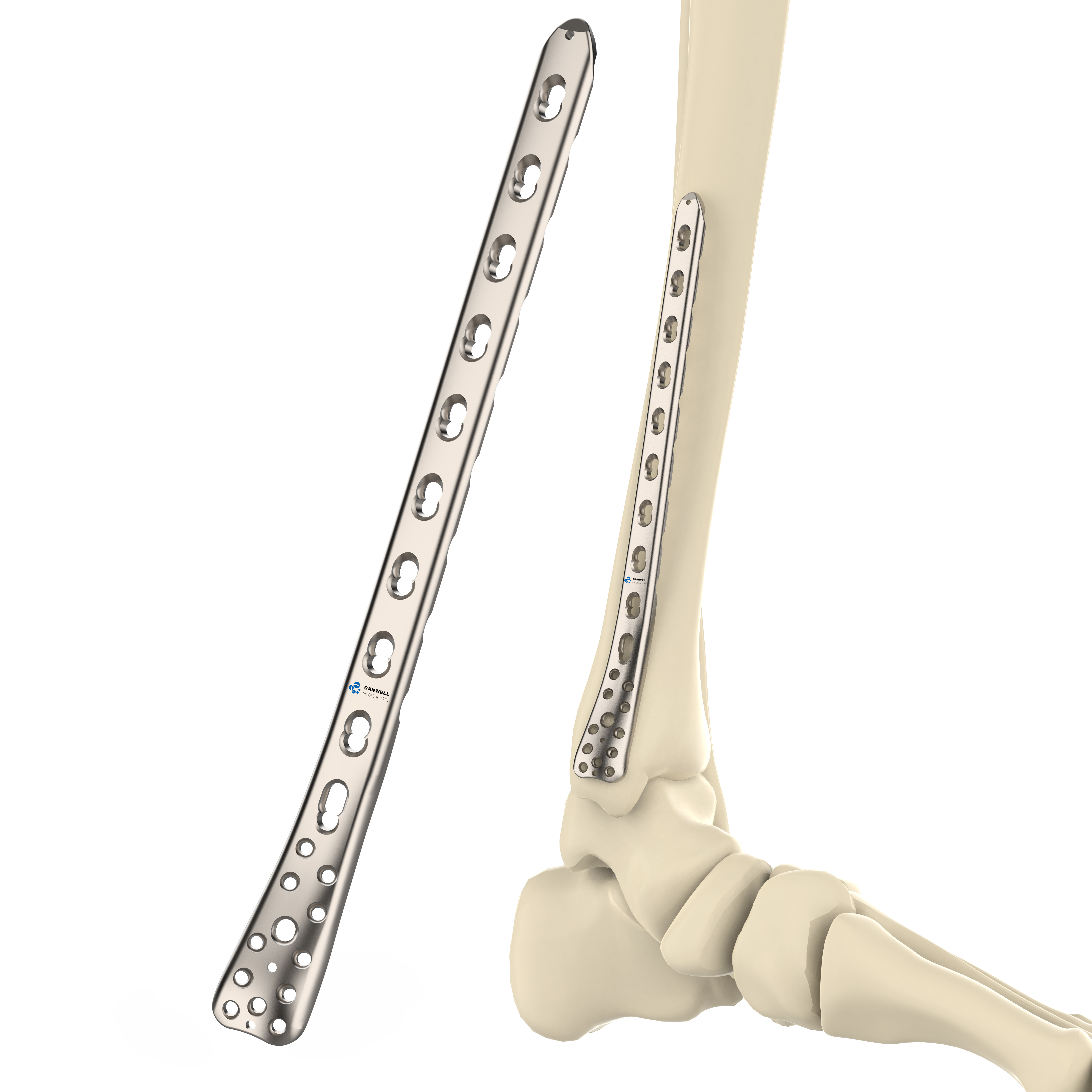
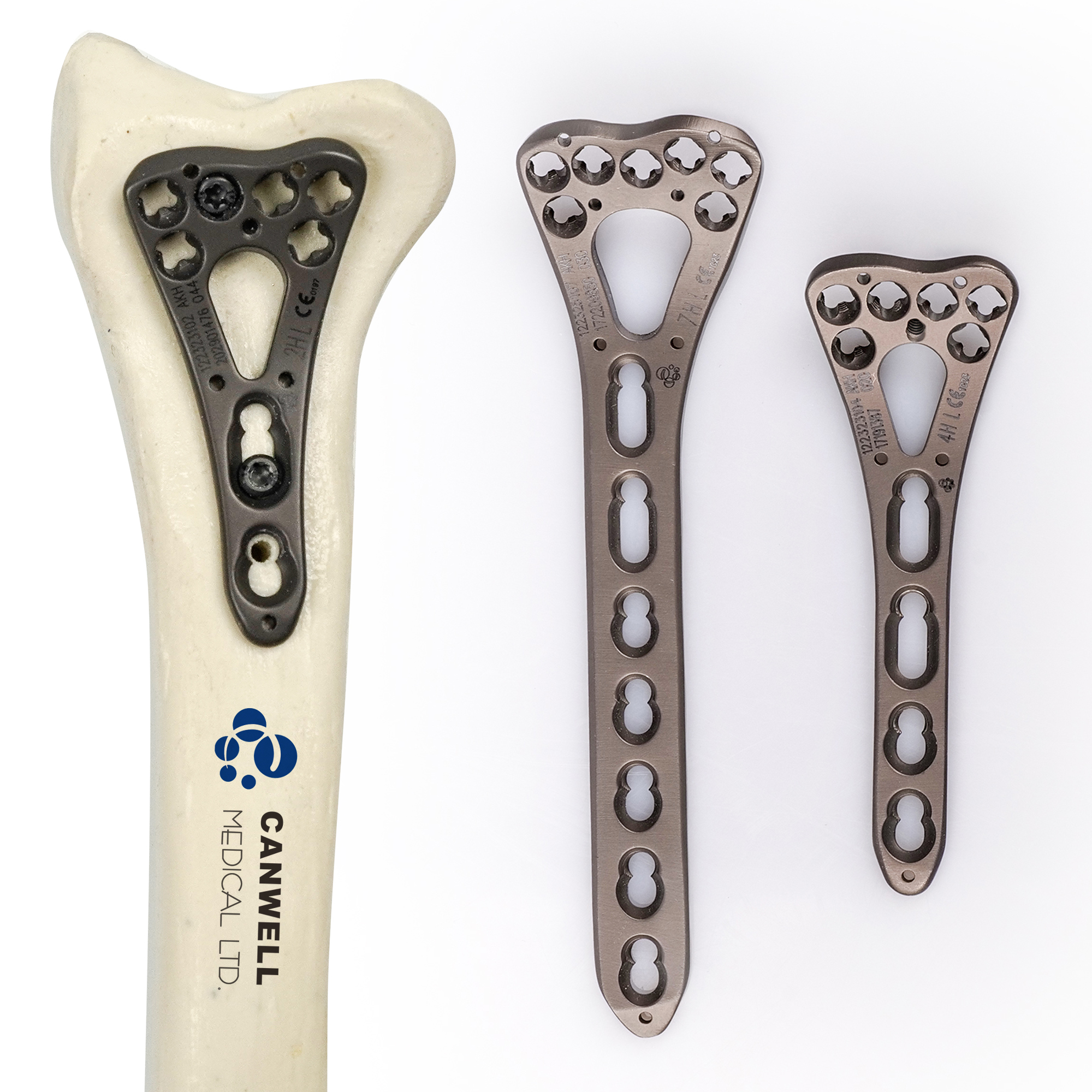
Explore our certified orthopedic implants, specialized traumatology instrument containers, and precision biomechanical solutions manufactured to meet stringent European standards.
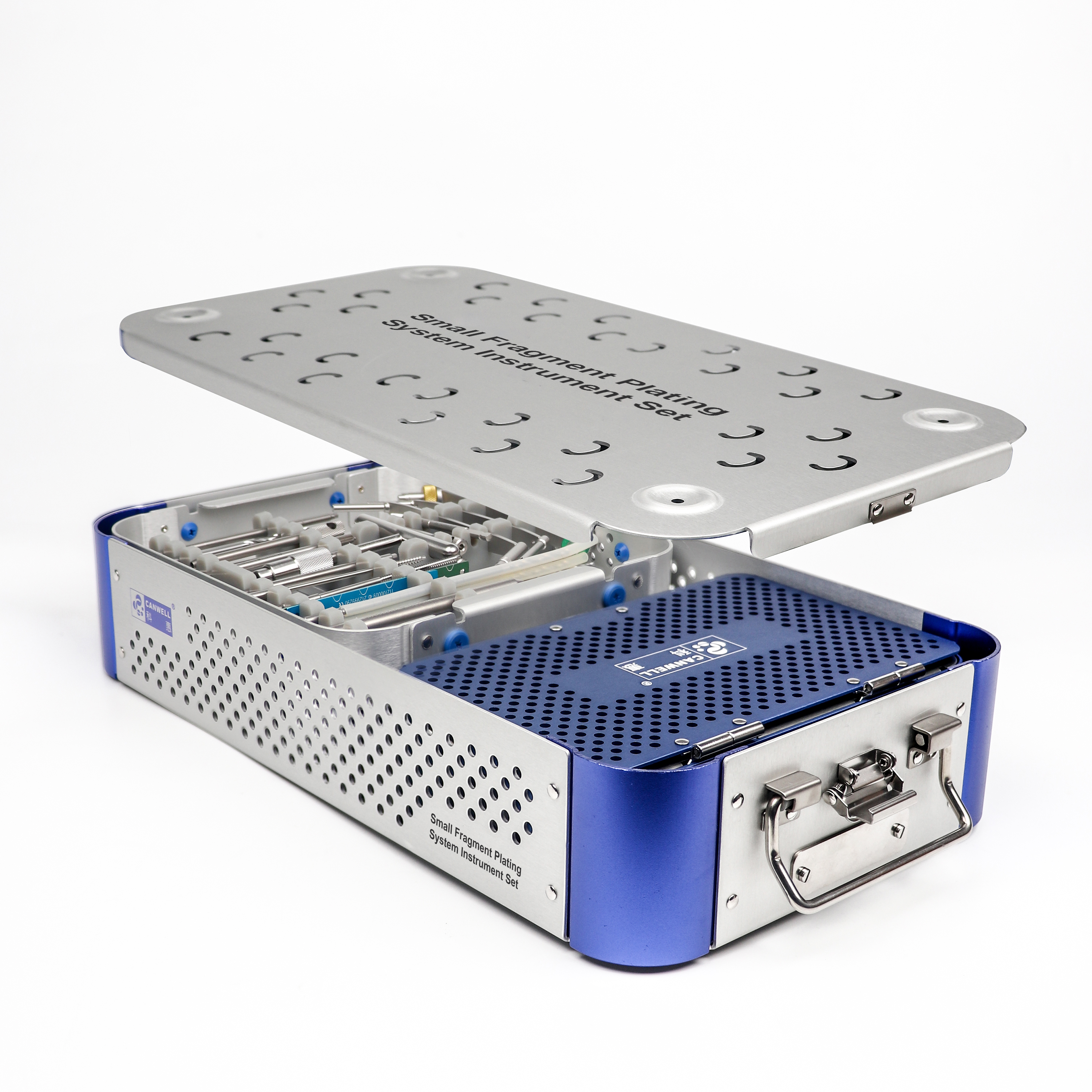
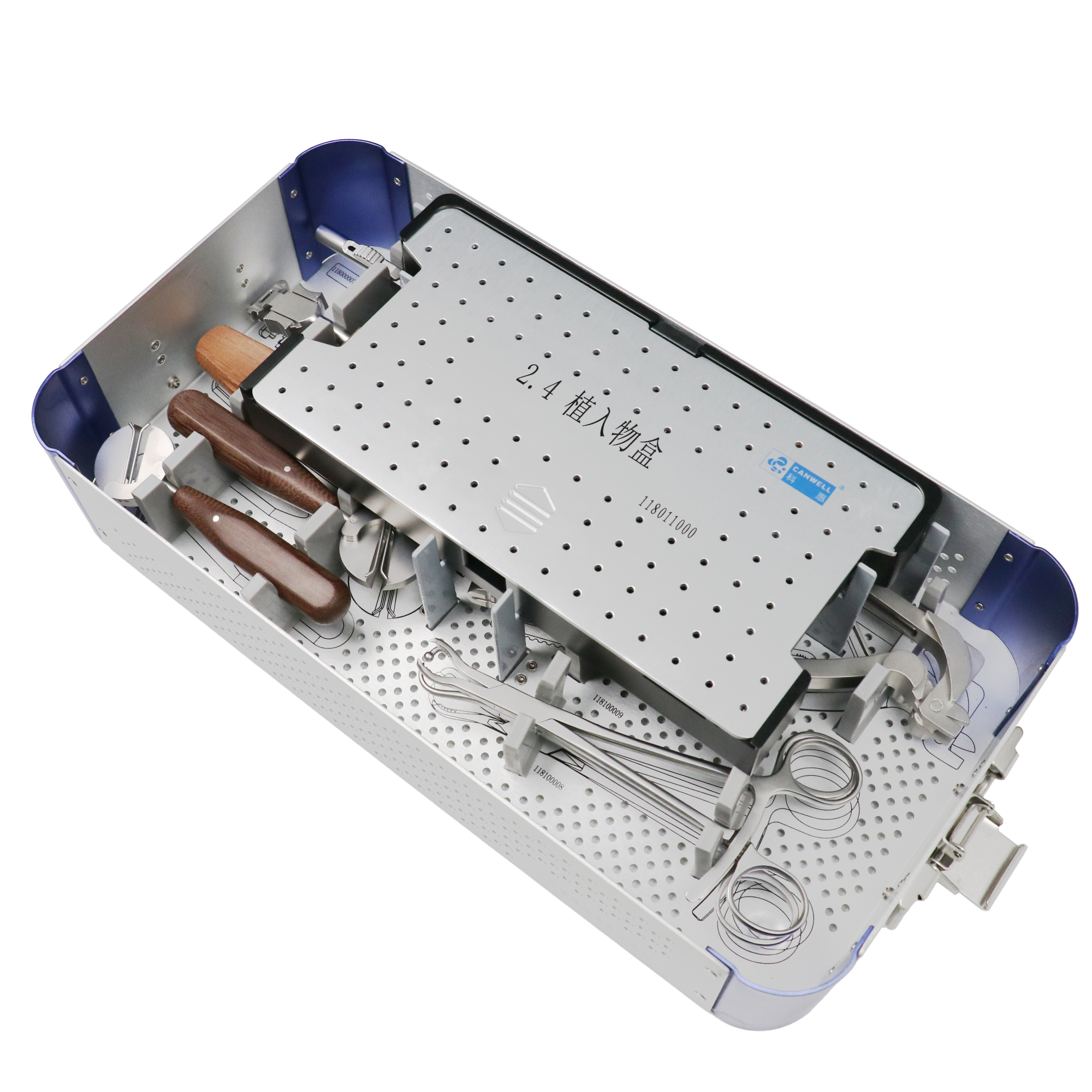
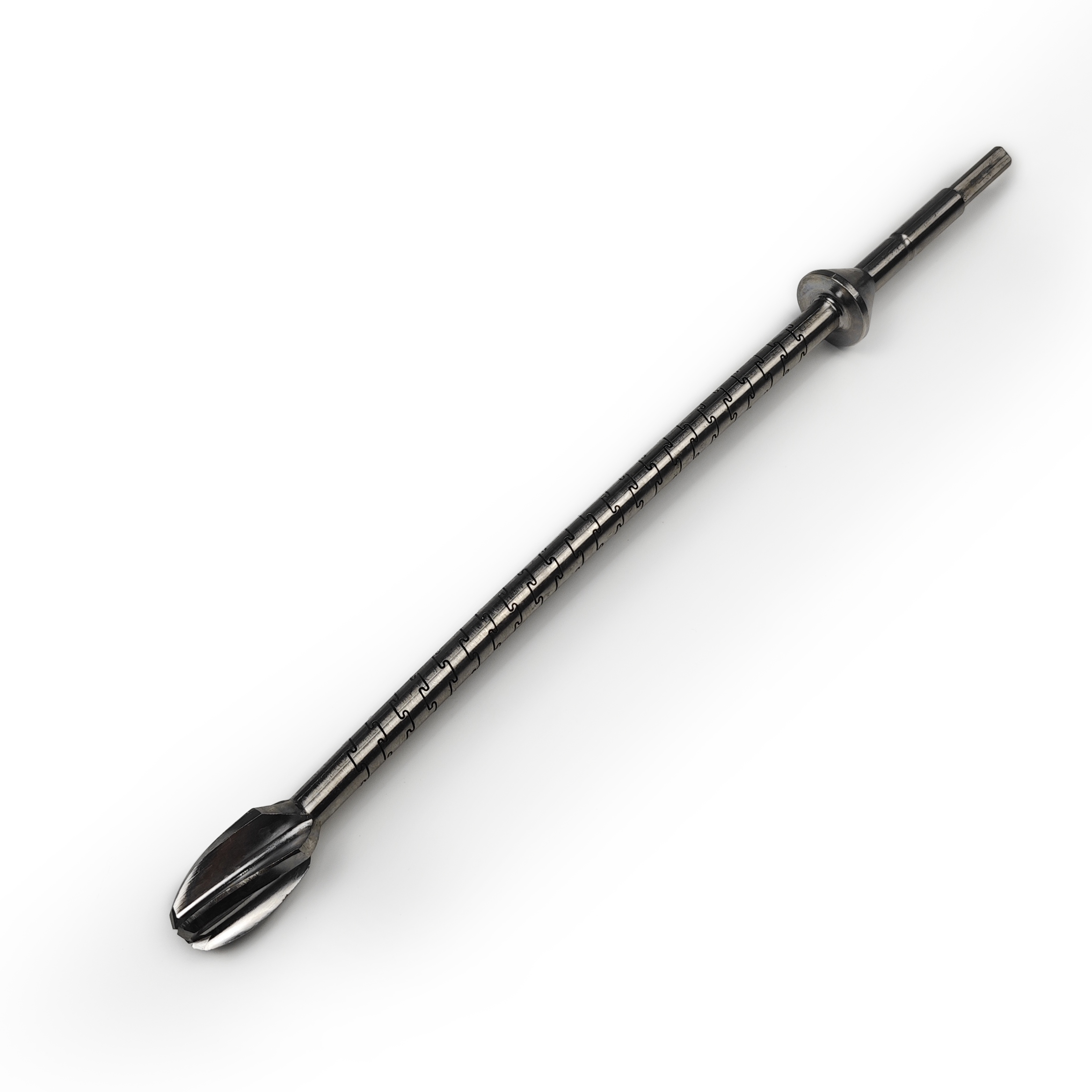
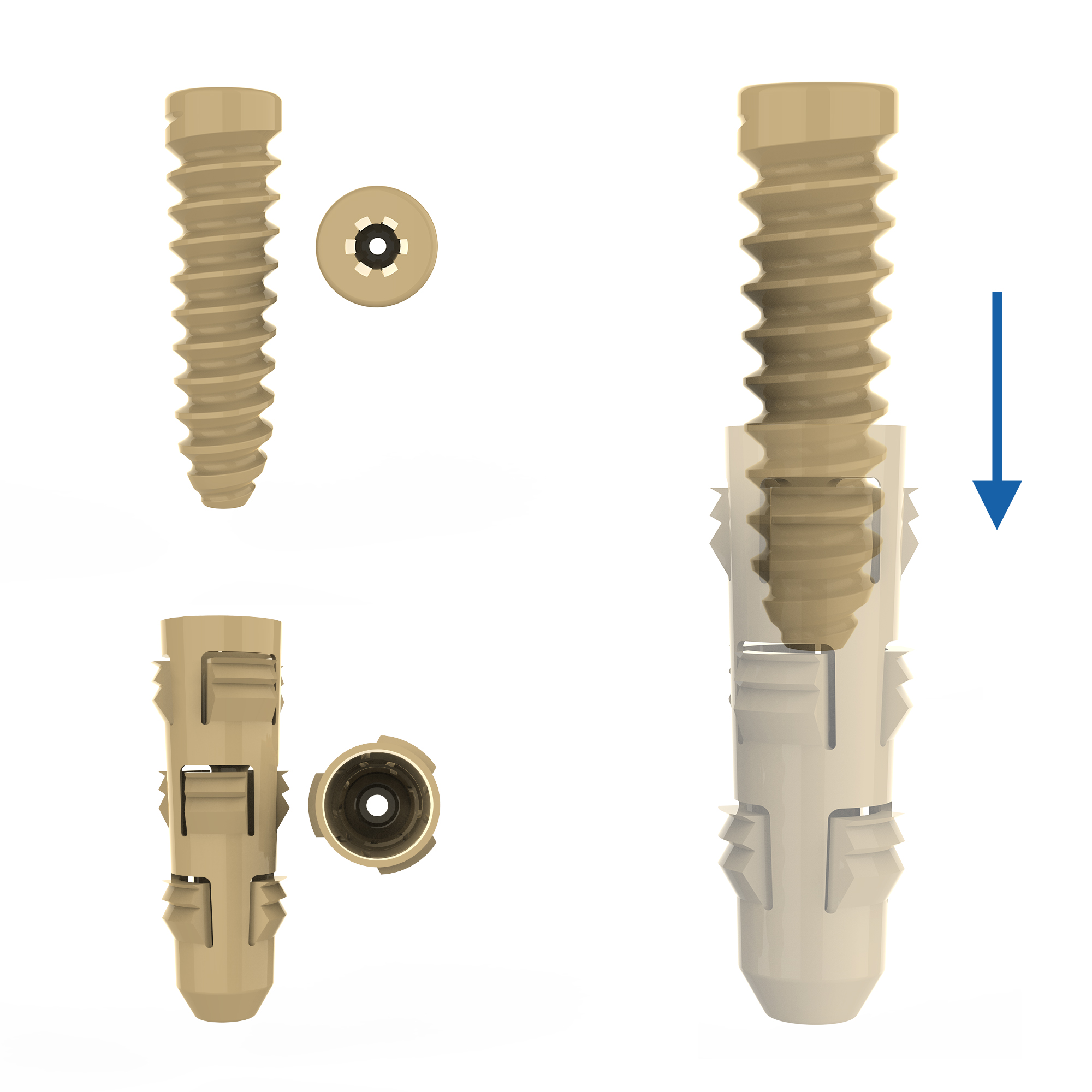
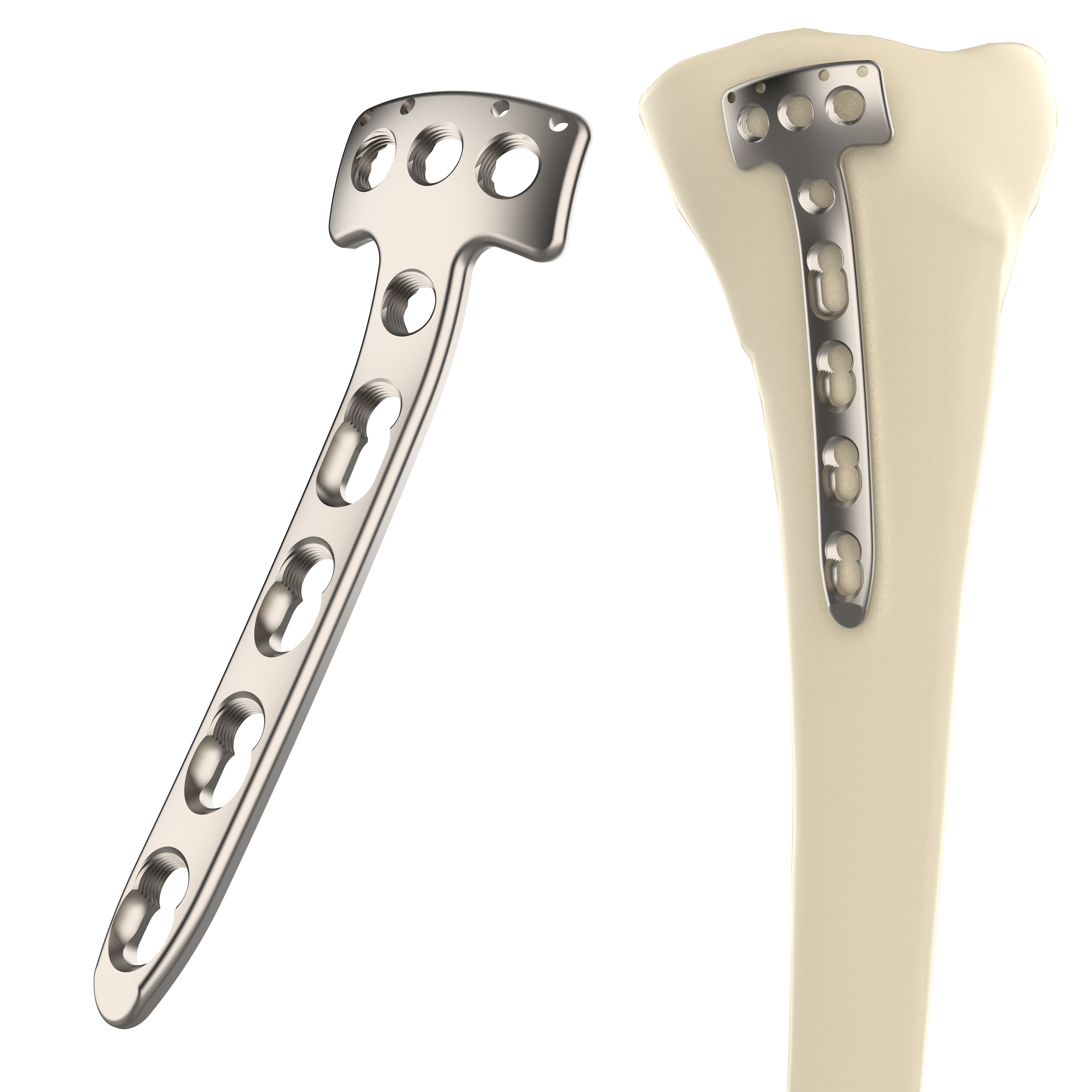
Our Jinhua manufacturing center operates certified cleanrooms, precision multi-axis CNC machinery, and end-to-end testing laboratories audited by the SGS Group.
In contemporary traumatology, the management of femoral fractures—ranging from subtrochanteric comminuted lesions to complex distal intra-articular fractures (AO/OTA Type 33-C)—demands implants that deliver uncompromising biomechanical stability while minimizing biological disruption. Femoral plates engineered at our facilities feature anatomical pre-contouring derived from extensive three-dimensional CT surface reconstructions. This design eliminates excessive intraoperative contouring, which notoriously induces internal residual stress, micro-cracks, and early fatigue failure.
Manufactured from medical-grade Titanium Alloy (Ti-6Al-4V ELI conforming to ASTM F136 / ISO 5832-3), our distal and proximal femoral locking compression systems balance high tensile yield strength with an elastic modulus that closely matches human cortical bone. This critical mechanical harmony prevents stress shielding, reduces periosteal devascularization through scalloped undercuts, and promotes rapid, callus-mediated secondary bone healing.
Austria’s specialized healthcare ecosystem, anchored by the Austrian General Accident Insurance Corporation (AUVA) and leading university hospitals, demands exceptional implant durability.
Austria's premier winter sports regions (Tyrol, Salzburg, Vorarlberg) experience elevated incidences of high-velocity torsional femoral fractures from alpine skiing incidents. Our distal lateral femoral locking plates provide high torsional rigidity and multiple screw purchase vectors to address comminuted spiral and condylar burst fractures effectively.
With an aging demographic across Vienna, Lower Austria, and Styria, fragility fractures around the femoral shaft and periprosthetic fractures adjacent to total hip/knee arthroplasties are frequent. Our variable-angle locking screws allow diverging configurations that anchor securely into weakened osteoporotic cancellous bone, preventing screw cut-out.
Leading Austrian surgical clinics prioritize Minimally Invasive Percutaneous Osteosynthesis (MIPO). Our femoral plate designs feature tapered tip geometries and radiolucent carbon fiber insertion guides, allowing seamless submuscular insertion that preserves periosteal vascularity and significantly reduces patient recovery times.
Macroeconomic pressures, strict regulatory scrutiny, and clinical efficiency imperatives are reshaping how Austrian hospital alliances (Krankenanstaltenverbünde) procure surgical hardware.
Under the European Medical Device Regulation (MDR 2017/745), Austrian notified bodies and procurement boards enforce rigorous Clinical Evaluation Reports (CER) and Post-Market Surveillance (PMS). Hospital suppliers require complete technical dossiers and validated biocompatibility data to secure public tender qualifications.
The Austrian Leistungsorientierte Krankenanstaltenfinanzierung (LKF diagnosis-related group system) places hospitals under ongoing budget constraints. Public and private operators increasingly partner with verified direct OEM manufacturers to bypass excessive intermediary markups without sacrificing implant metallurgy or safety.
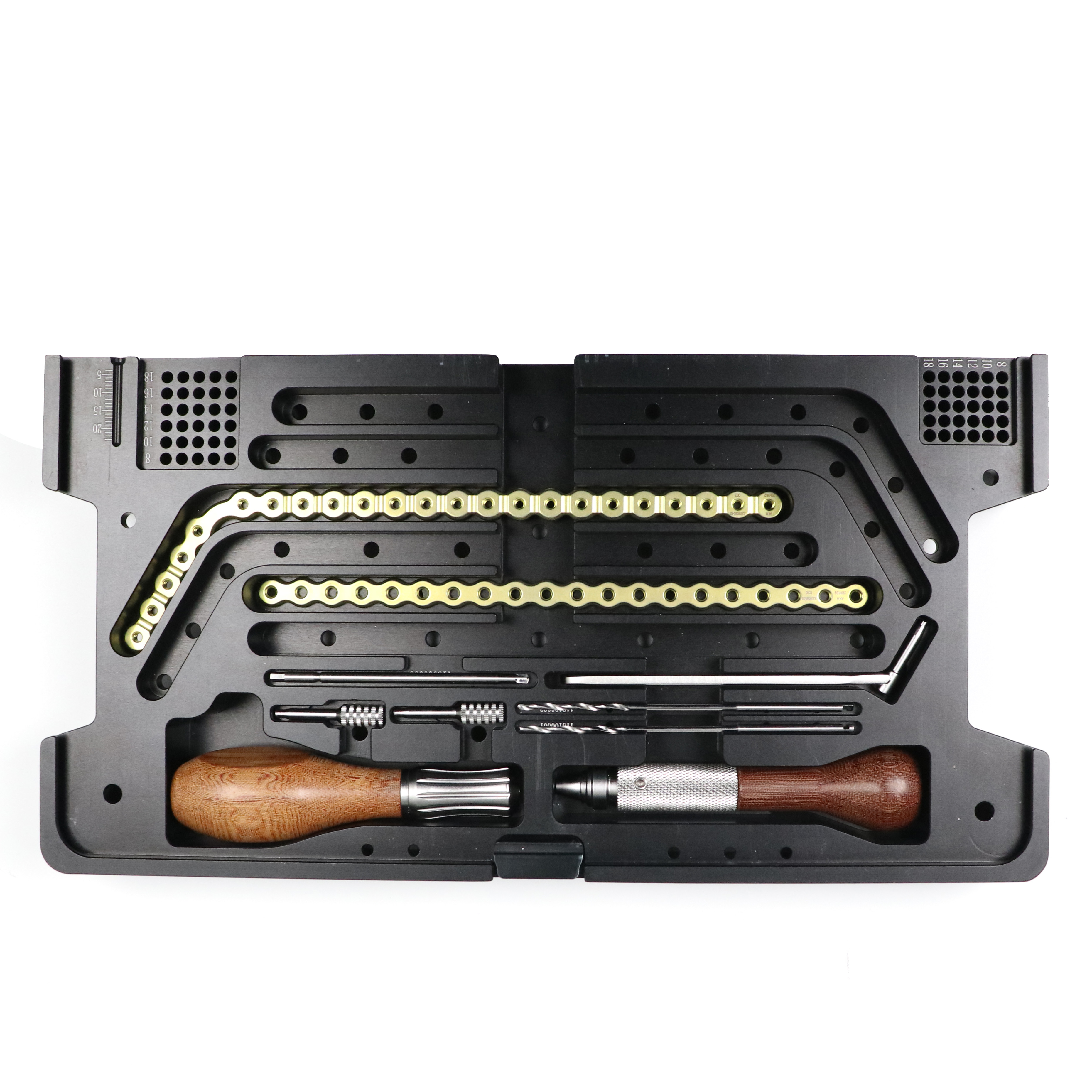
Austrian central sterile service departments (AEMP) encounter escalating labor and sterilization energy costs. Sourcing pre-sterilized, single-patient packed femoral plates accompanied by standardized disposable or multi-use precision instrumentation sets is rapidly becoming the procurement gold standard.
Every femoral plate and surgical instrument produced for European distribution undergoes meticulous processing within our 29,523 m² facility, ensuring uncompromised lot traceability.
Spectrochemical testing and ultrasonic defect validation of certified ASTM F136 titanium raw materials.
Longitudinal high-speed multi-axis CNC blank milling with micrometric geometric repeatability.
Dedicated Swiss lathe machining of conical locking screw threads and combi-holes.
Mechanical and centrifugal barrel surface smoothing to eliminate micro-burrs and stress risers.
Multi-stage sonic degreasing in demineralized reverse-osmosis water to strip surface contaminants.
Controlled glass bead blasting producing homogeneous matte surfaces to eliminate intraoperative glare.
Fluorescent dye penetrant inspection checking 100% of plates for microscopic surface discontinuities.
Electrochemical titanium anodization for precise color-coding and enhanced wear resistance.
Secondary cleanroom-grade wash stage ensuring absolute particulate and hydrocarbon elimination.
CMM dimensional measurement, thread pitch verification, and high-contrast laser UDI marking.
ISO Class 7 cleanroom Tyvek double-blister packaging preventing bioburden contamination.
Hermetic shipping containment accompanied by full material, sterilization, and compliance certs.
Clear, direct answers regarding regulatory acceptance, logistics to Central Europe, custom OEM branding, and technical support.
Partner directly with Zhejiang INAR Medical Co., Ltd. for certified trauma plates, interlocking nails, and custom surgical instruments engineered to European clinical expectations. Access transparent pricing, comprehensive technical files, and dependable manufacturing volume.
Connect with our dedicated European orthopedic engineering desk today:
Contact UsAverage response time: < 2 hours during Central European Time (CET) business hours.