Featured Orthopedic Trauma Implants & Specialized Systems
Direct OEM/ODM production delivering high-purity medical titanium (Ti-6Al-4V ELI) locking plates, intramedullary long-bone nails, maxillofacial reconstruction systems, and orthopedic power surgical tools for hospital networks across Luxembourg.
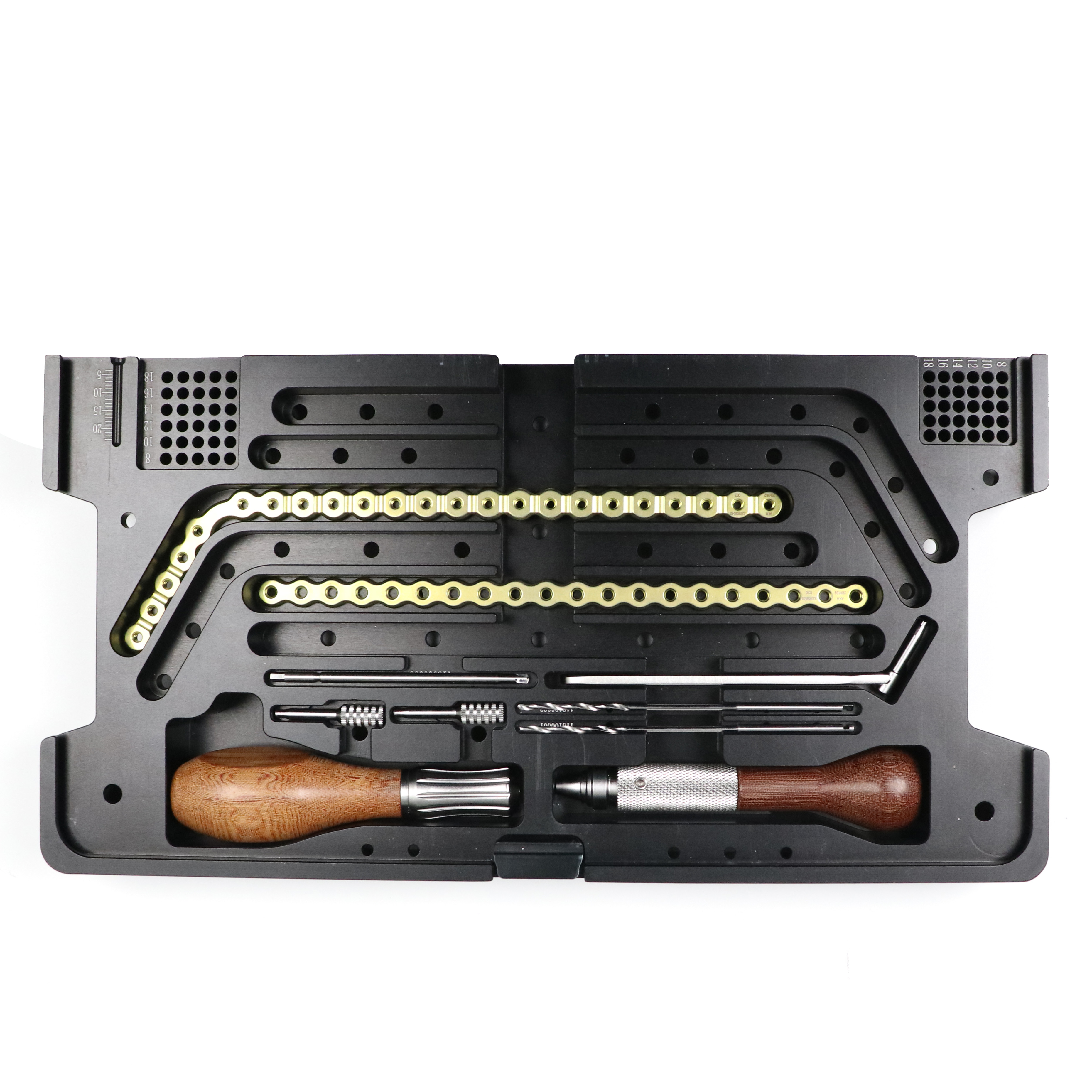
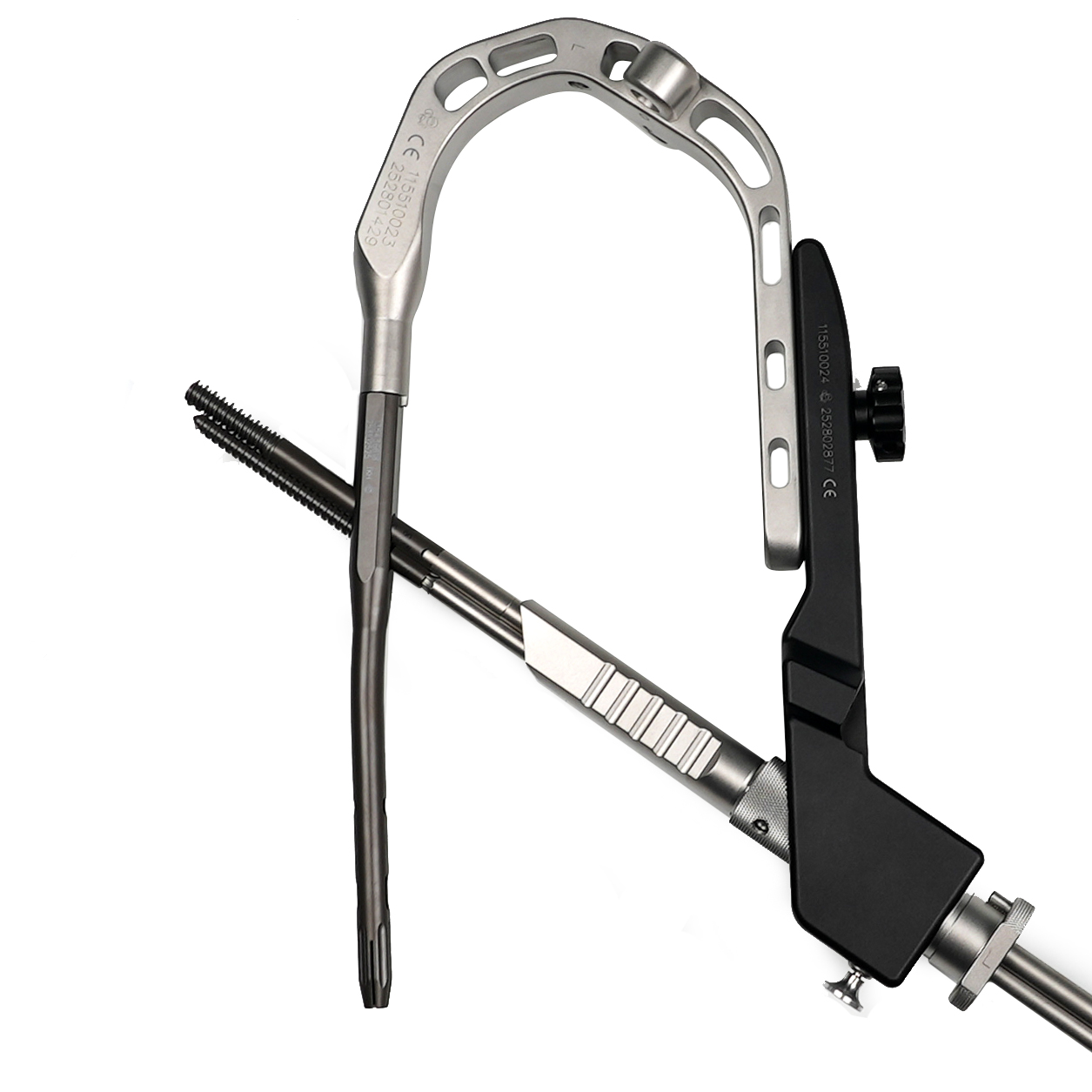
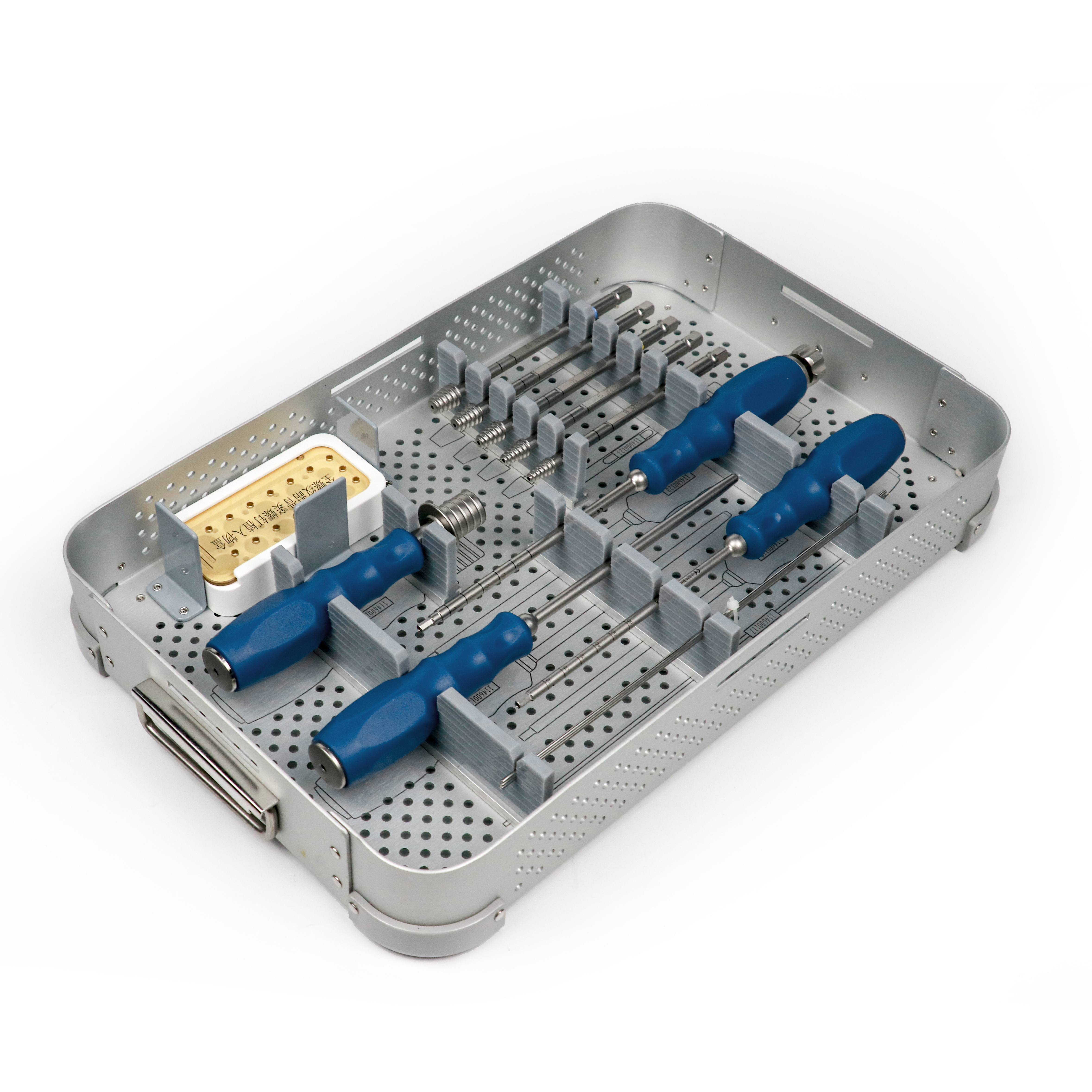
Engineering Principles of Modern Femoral Plating Systems
Femoral trauma represents one of the most mechanically demanding segments of orthopedic surgery. As the longest, strongest, and most heavily loaded weight-bearing bone in the human skeleton, the femur experiences dynamic forces exceeding three to four times bodily mass during normal ambulation, escalating to several-fold higher during sudden deceleration or load shifts. When managing high-energy diaphyseal fractures, periprosthetic fractures adjacent to primary hip or knee arthroplasties, or complex osteoporotic intra-articular distal femoral condylar comminutions (AO/OTA Classification 33-A through 33-C), the biomechanical stability delivered by the internal fixation construct determines the trajectory between primary clinical consolidation and catastrophic construct fatigue.
As a seasoned Femur Plates Supplier and Exporter serving medical networks in Luxembourg City, our manufacturing philosophy is anchored on biological osteosynthesis. Historical rigid fixation using non-locking dynamic compression plates often relied on excessive plate-to-bone compression, causing periosteal devascularization, localized cortical necrosis, delayed callus maturation, and elevated infection rates. Modern Titanium Locking Compression Plates (LCP) designed and machined by Zhejiang INAR Medical Co., Ltd. function under internal fixator mechanics. The fixed-angle construct between the plate screw-head threads and the internal plate hole eliminates the necessity for intimate friction between the implant under-surface and the periosteum, safeguarding regional cortical microcirculation while providing superior angular and axial resistance against deforming varus/valgus bending moments.
Ti-6Al-4V ELI Metallurgy
Machined from medical-grade Titanium Alloy (Grade 23, ISO 5832-3 / ASTM F136). Yield strength exceeding 860 MPa coupled with an elastic modulus (~110 GPa) significantly closer to human cortical bone than 316L stainless steel (~210 GPa), drastically reducing stress shielding and preserving proximal and distal bone mineral density.
Anatomical Pre-Contouring
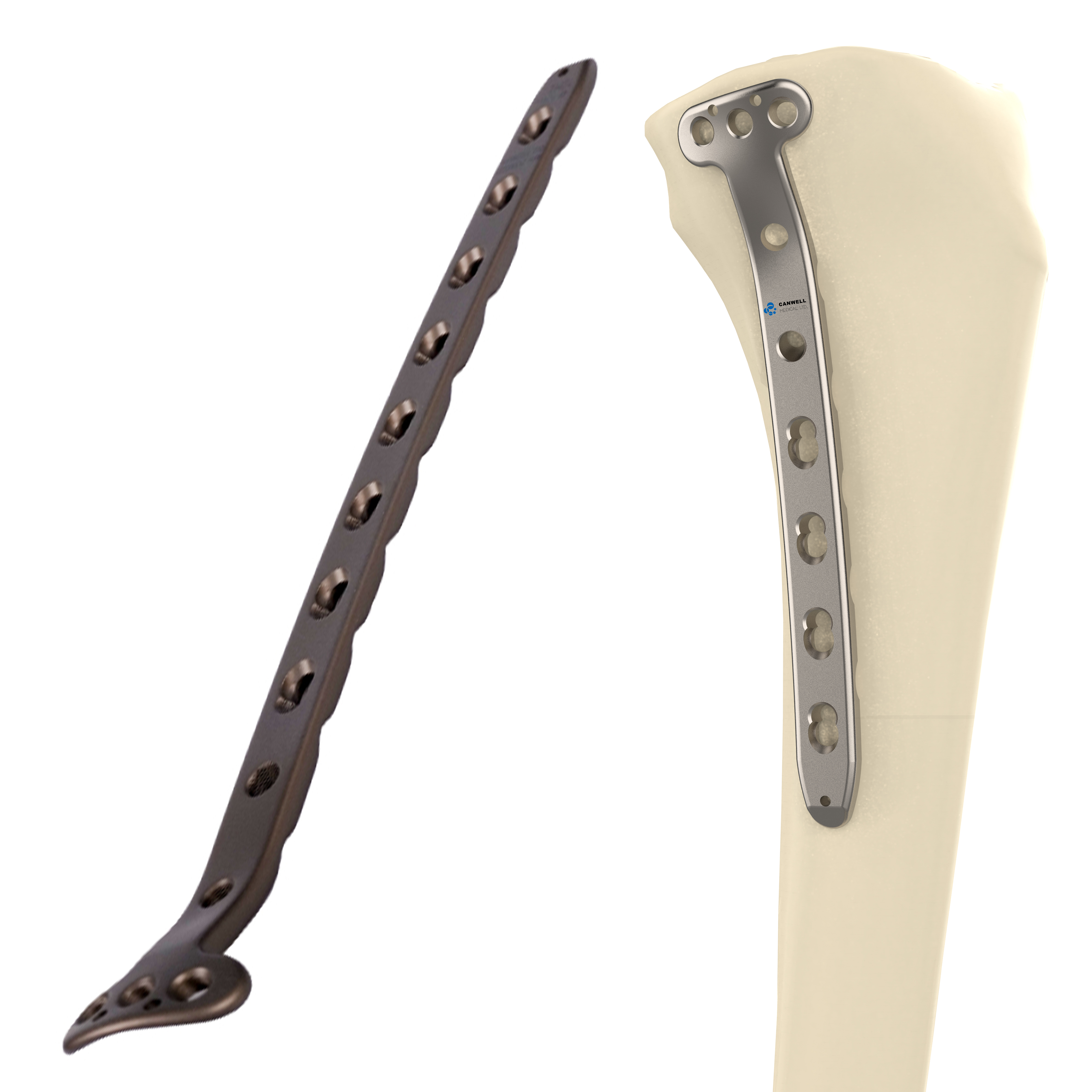
Scanned and refined using multicentric European femoral morphological datasets. The plates mirror the physiological anterolateral bow and condylar flare, minimizing the necessity for intraoperative plate bending, eliminating residual strain concentrations, and preventing notch-induced fatigue crack initiation.
Variable-Angle Locking
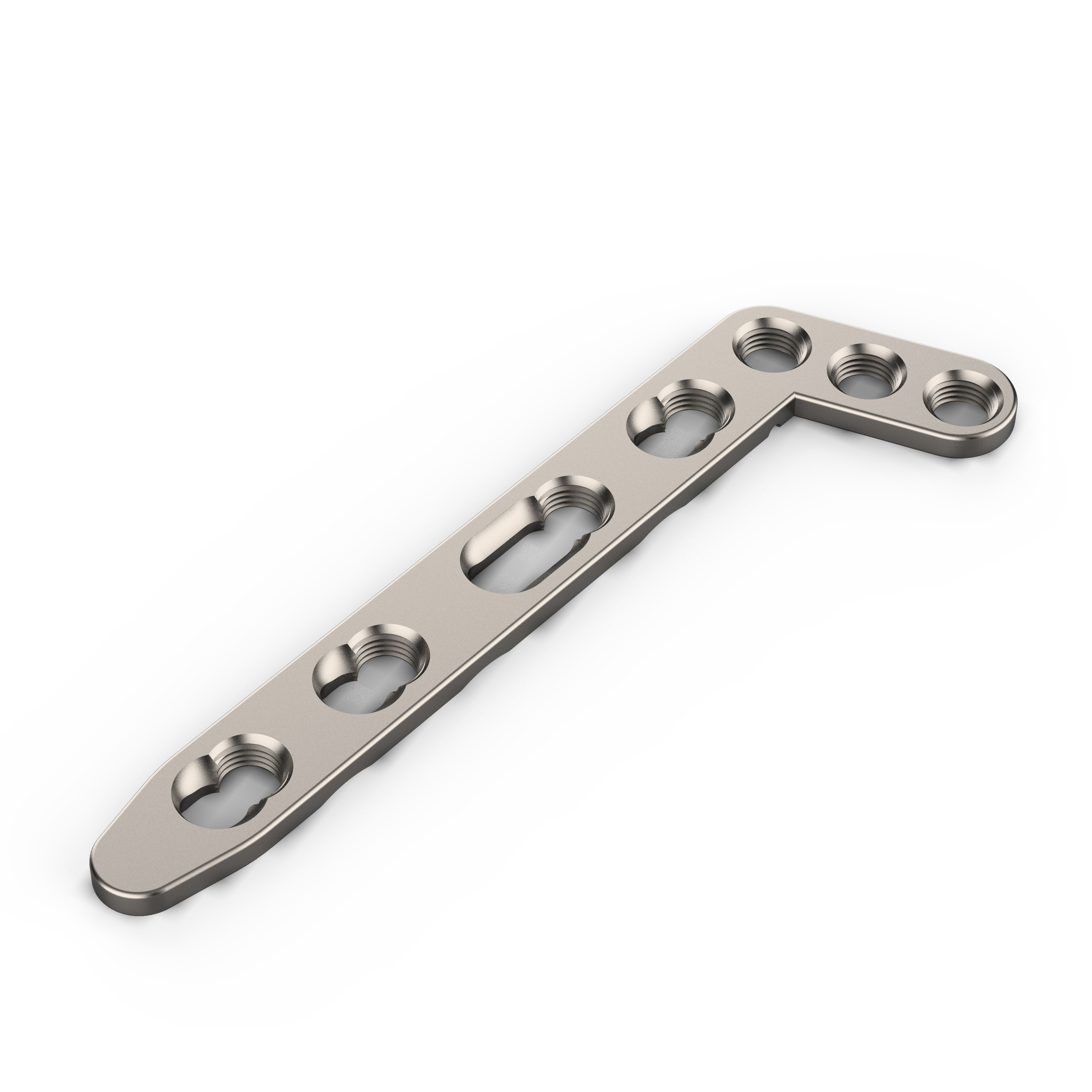
Incorporates polyaxial combi-holes accepting both standard cortical screws for fragment reduction and locked screws angled up to ±15° off-axis. This flexibility is vital when steering locking screws around existing intramedullary prosthetic stems in revision and periprosthetic reconstructions.
Construct stiffness is engineered deliberately: excessively stiff monolithic titanium plates can cause non-unions due to insufficient interfragmentary strain, whereas overly flexible constructs risk hardware failure. INAR's engineering team regulates plate thickness transitions, tapering proximal-to-distal profiles, and elongated screw span arrangements to promote harmonious secondary bone healing through controlled micromotion across fracture gaps.
Technical Matrix: Femur Plating Architecture
A granular overview of the physical and biomechanical parameters characterizing our femoral trauma fixation systems manufactured for international healthcare providers and trauma hospitals in Luxembourg City:
| Implant System | Indication / AO Spectrum | Material Standard | Screw Dimensions | Anatomical Profiles |
|---|---|---|---|---|
| Distal Lateral Femoral Locking Plate | AO 33-A, 33-B, 33-C comminuted condylar fractures; periprosthetic knee fractures | Ti-6Al-4V ELI (ISO 5832-3) Type II Anodized | Proximal: 4.5/5.0mm Locked/Cortical Distal: 4.5/5.0mm Multi-axial Locked |
Left & Right pre-shaped; 5, 7, 9, 11, 13, 15 holes (up to 336mm length) |
| Proximal Femur Locking Plate (PFLP) | AO 31-A1/A2/A3 trochanteric, subtrochanteric & reverse oblique fractures | Ti-6Al-4V ELI / Surgical Stainless 316LVM | Proximal Head: 6.5mm/7.3mm Cannulated Shaft: 4.5/5.0mm Combi-locking |
Pre-formed to greater trochanter flare; incorporates kick-stand calcar screws |
| Periprosthetic Cable-Ready Femur Plate | Vancouver B1, B2 & C femoral fractures around stable total hip arthroplasty stems | High-Strength Titanium Alloy (ASTM F136) | 3.5/5.0mm Variable-Angle Screws & Integrated CoCr / Ti Cerclage Cables | Broad shaft design, staggered screw hole layout to bypass central femoral stems |
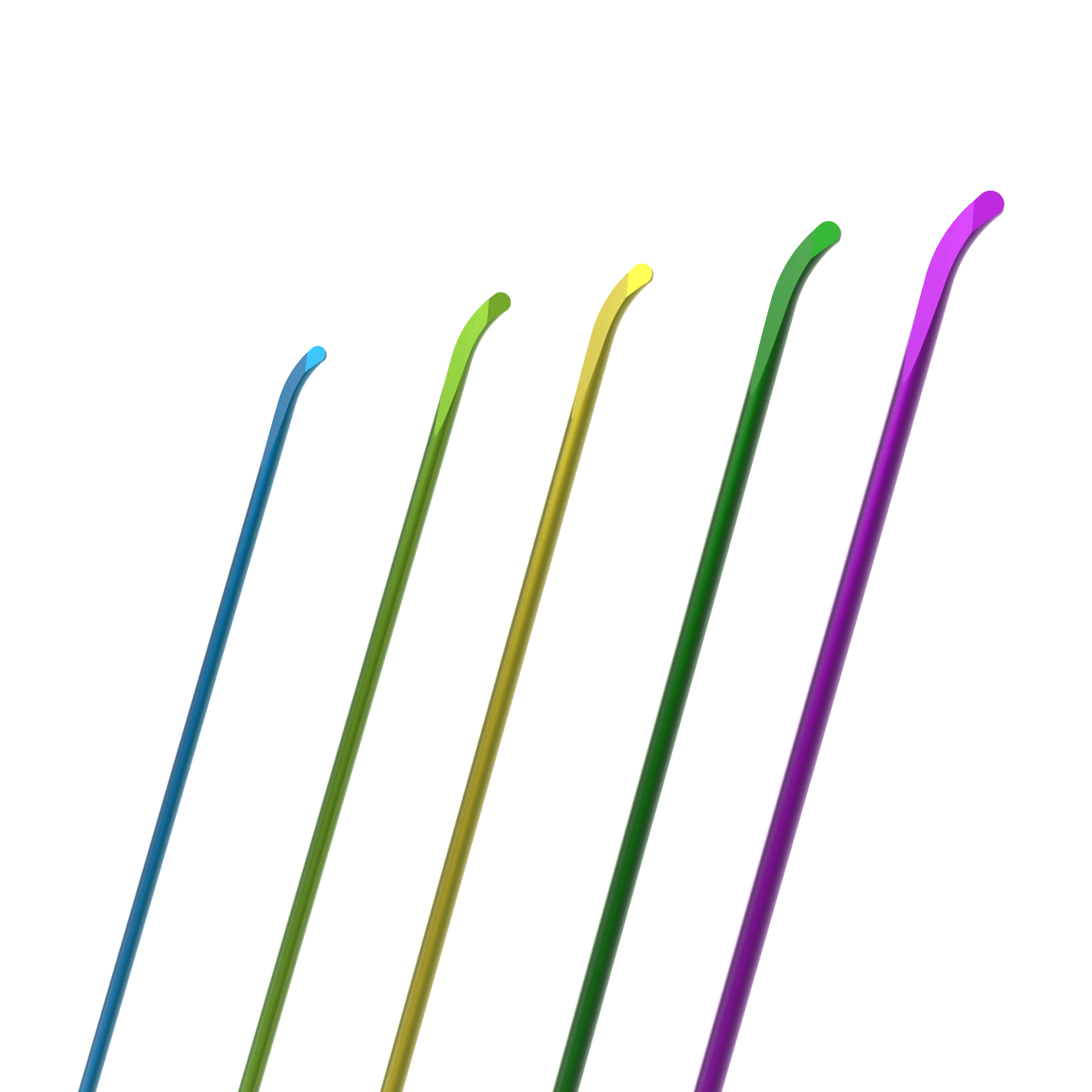
| Pediatric & Adolescent Flexible Nailing | Pediatric shaft fractures (AO 32-D); non-displaced mid-shaft breaks | Grade 5 Medical Titanium / Ti6Al7Nb | Diameters: 1.5mm to 4.0mm step increments; color-coded ends | Pre-curved elasticity; low profile distal insertion caps to stop soft tissue impingement |
Clinical Application Scenarios in Luxembourg City's Hospital Network
The Grand Duchy of Luxembourg represents a sophisticated, centralized European healthcare ecosystem with high clinical standards. Luxembourg City acts as the primary hub for acute trauma surgery, complex orthopedic oncology reconstructions, and high-volume arthroplasty revisions across the nation and surrounding Greater Region (*Grande Région* including Lorraine, Wallonia, and Rhineland-Palatinate). Trauma teams at institutions such as the Centre Hospitalier de Luxembourg (CHL Centre and CHL Eich), along with Hôpitaux Robert Schuman (HRS - Hôpital Kirchberg and ZithaKlinik), manage distinct clinical case profiles requiring immediate access to versatile femoral trauma implants.
High-Energy Poly-Trauma
Situated at the intersection of major European transport corridors (A1, A3, A4, A6), Luxembourg City experiences severe multi-fragmentary femoral fractures resulting from industrial operations and automotive collisions. The Luxembourg Air Rescue (LAR) routinely airlifts polytrauma patients requiring emergency damage-control stabilization followed by definitive Minimally Invasive Plate Osteosynthesis (MIPO) using submuscular tunneling instruments.
Periprosthetic Geriatric Surges
Luxembourg's aging demographic enjoys exceptional longevity and physical activity, correlating with high volumes of primary Total Hip Arthroplasties (THA) and Total Knee Arthroplasties (TKA). Consequently, low-energy domestic falls increasingly yield complex periprosthetic fractures. INAR's lateral femoral plates feature distal multi-planar screw clusters that obtain purchase in sparse osteoporotic condyles without interfering with femoral knee prostheses.
Cross-Border Surgical Logistics
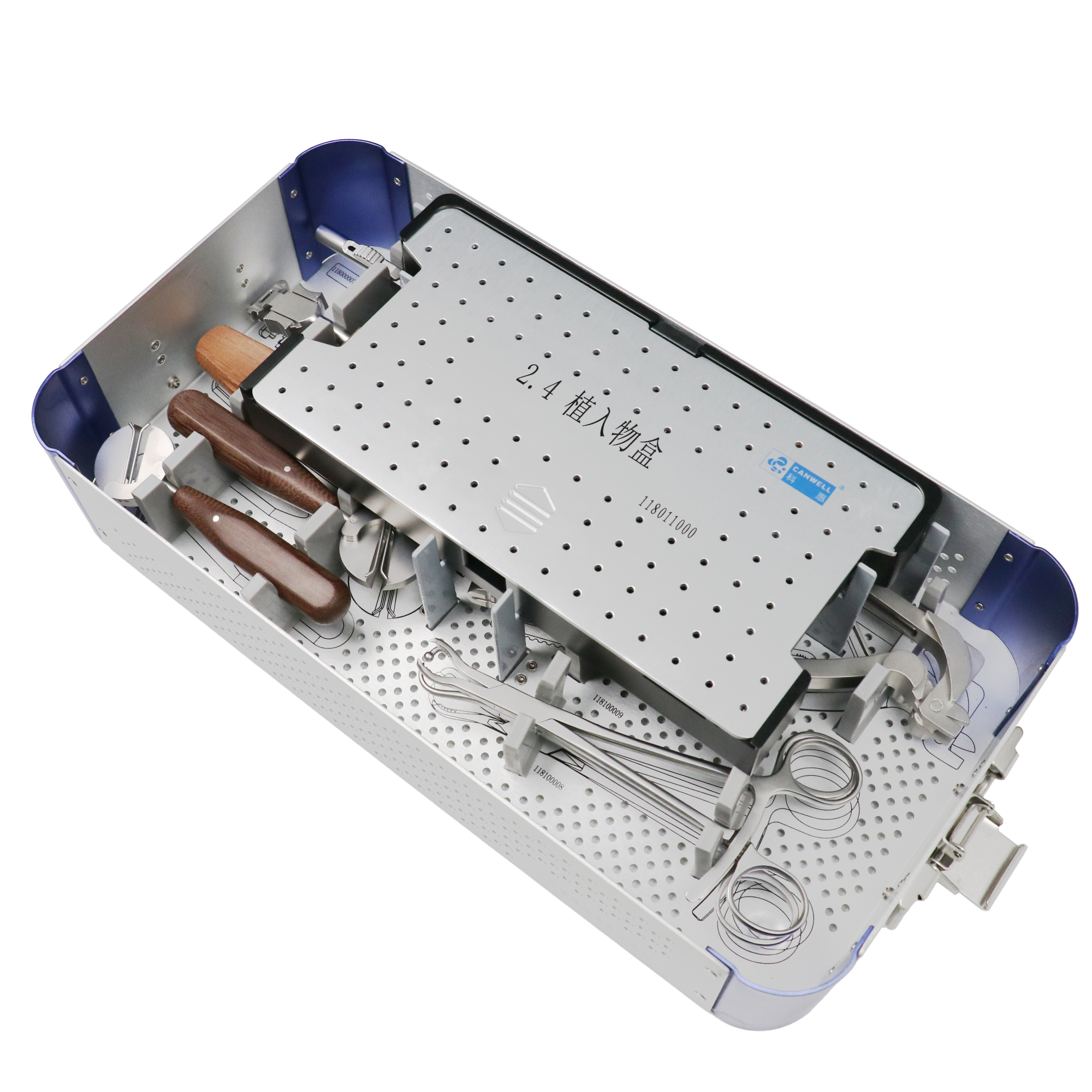
Over 200,000 cross-border commuters (*frontaliers*) enter Luxembourg daily. Hospitals maintain rapid-turnaround surgical inventories prepared for high patient fluctuations. Our streamlined sterile packaging and modular sterilization container trays allow CSSD (Central Sterile Services Department) staff in Luxembourg to autoclave, trace, and restock instrument sets efficiently between shifts.
Furthermore, in pediatric orthopedic departments such as those at CHL KannerKlinik, pediatric diaphyseal femoral fractures are managed with minimally invasive, elastic stable intramedullary nails (TEN systems), reducing operative morbidity, avoiding physeal damage, and expediting functional weight-bearing.
Navigating EU MDR, CNS Reimbursement & Tendering in Luxembourg
Exporting Class IIb and Class III implantable orthopedic devices into the Grand Duchy requires compliance with European and national regulations. Luxembourg's medical market is supervised by the Direction de la Santé (Division de la Pharmacie et des Médicaments - DPM), enforcing the European Medical Device Regulation (EU MDR 2017/745). Health insurance reimbursement is administered through the Caisse Nationale de Santé (CNS), requiring precise billing codes, international device registrations, and clear medical traceability.
Healthcare procurement teams in Luxembourg City evaluate suppliers on regulatory transparency, raw material origin verifications, and post-market clinical follow-up (PMCF) evidence. INAR Medical addresses these expectations directly:
EU MDR Technical Documentation
Our implant families maintain complete CE certification dossiers, comprehensive Clinical Evaluation Reports (CER), and biocompatibility validation per ISO 10993 standards.
GS1 UDI Barcoding
Every single femur plate, locking screw, and instrument carries unique GS1-compliant Unique Device Identification (UDI-DI / UDI-PI) laser-etched directly on the metal surface and printed on hospital barcoded labels.
EUDAMED Traceability
Product codes, basic UDI-DIs, and conformity declarations are indexed in alignment with European Databank on Medical Devices (EUDAMED) mandates for immediate import validation.
Direct Consignment Corridors
We work directly with certified medical distributors and public hospital procurement syndicates, shipping from our audited facilities directly to Luxembourg-Findel Airport or regional European supply hubs within predictable lead times.
Why Hospital Groups & Global Importers Partner with Zhejiang INAR Medical
Founded over two decades ago, Zhejiang INAR Medical Co., Ltd. (operating globally alongside the recognized CANWELL brand) is an orthopedic manufacturing enterprise headquartered in Jinhua, Zhejiang, China. Operating across a vast 29,523 m² facility with 632 specialized employees, INAR bridges high-capacity engineering with clinical precision. Our facility has passed rigorous onsite supplier assessments conducted by SGS Group, giving international buyers verifiable assurance of our infrastructure, machining tolerances, and quality management protocols.
Rather than relying on outsourced contract manufacturing, all core orthopedic implants undergo a tightly monitored 13-stage in-house production route, ensuring every femur plate delivered to European surgical rooms demonstrates consistent quality:
High-Precision CNC Milling
Utilizing high-speed 5-axis German and Japanese CNC machining centers to mill anatomically contoured plates from certified medical-grade titanium alloy bar stock without inducing thermal micro-cracking.
Fluorescent Penetrant Testing
100% non-destructive surface examination (NDT). Every batch undergoes penetrant dip and UV dark-room inspection to catch subsurface inclusions or surface flaws before finishing.
Electrochemical Type II Anodizing
Surface treatment that thickens the biocompatible titanium oxide (TiO₂) protective layer, improving anti-galling screw properties, elevating wear resistance, and providing intuitive color-coding for surgical scrub teams.
Cleanroom Aseptic Packing
Conducted in ISO Class 7/Class 8 controlled cleanrooms. Double-blister Tyvek packaging ensures extended shelf-life sterility, ready for direct integration into sterile operating theatres.
Our testing laboratory is equipped with high-cycle dynamic fatigue testing benches (evaluating constructs past 5 to 10 million cycles under ASTM F382 / ISO 7206 protocols), micro-hardness testers, and optical coordinate measuring machines (CMM) maintaining manufacturing tolerances within ±0.005 mm.
Frequently Asked Questions by Luxembourg Orthopedic Buyers
Key information regarding international logistics, regulatory conformity, hospital consignments, and product compatibility for procurement leads and biomedical engineers:
How do INAR Medical's femur plates comply with the EU MDR 2017/745 transition rules in Luxembourg? +
Can our surgical department request customized plate configurations or OEM branding? +
What raw material certifications are supplied with femoral trauma shipments? +
Are INAR femoral plates and screws compatible with standard AO/ASIF instrumentation? +
What are the standard freight and delivery lead times to Luxembourg City? +
Partner with a World-Class Orthopedic Manufacturer
Whether you are outfitting a trauma center in Luxembourg City, preparing a tender response for national health facilities, or seeking a certified OEM/ODM manufacturing partner for titanium femoral plating systems, our engineering and export team is at your disposal.