SGS onsite-verified orthopedic manufacturer · CE (MDR / 93/42/EEC) implants · OEM & ODM
Send Inquiry
SGS-Assessed & CE-Certified Factory Direct Supply

Fibula Plates Manufacturers & Factory in the Naples Market

Delivering clinical-grade titanium anatomical fibula fixation systems, distal lateral plates, and customized OEM/ODM implants compliant with EU MDR 2017/745 for regional health networks and surgical centers across Campania.

Certified Implant Portfolio

Recommended Lower Extremity & Trauma Implants for Clinical Supply

Precision-machined titanium locking plates, anatomical reamers, and fixation assemblies engineered to support open reduction internal fixation (ORIF) and ligamentous reconstruction protocols.
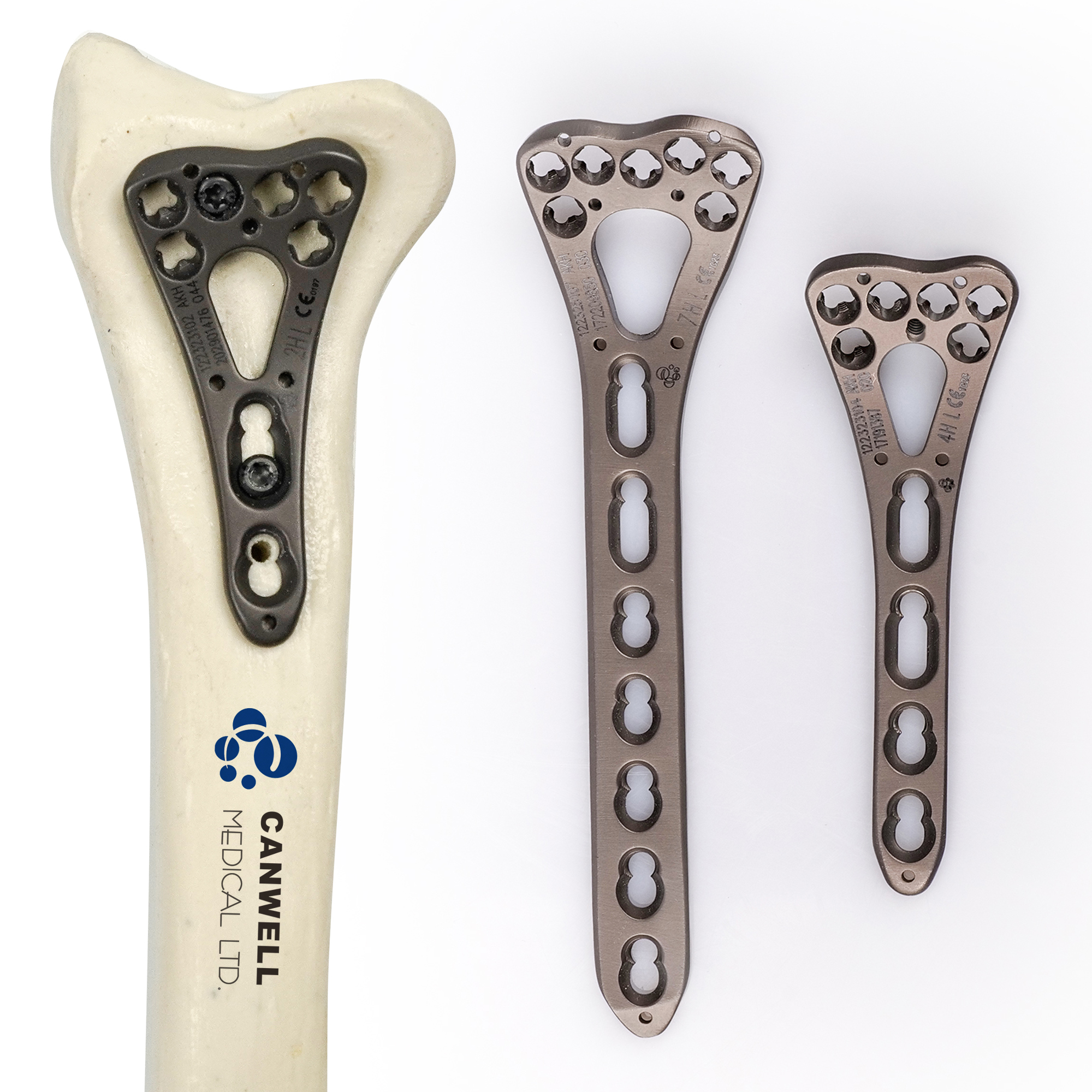
CANWELL Distal Tibial Locking Plate Titanium Metaphyseal Compression Fixation System
Trauma Plating System

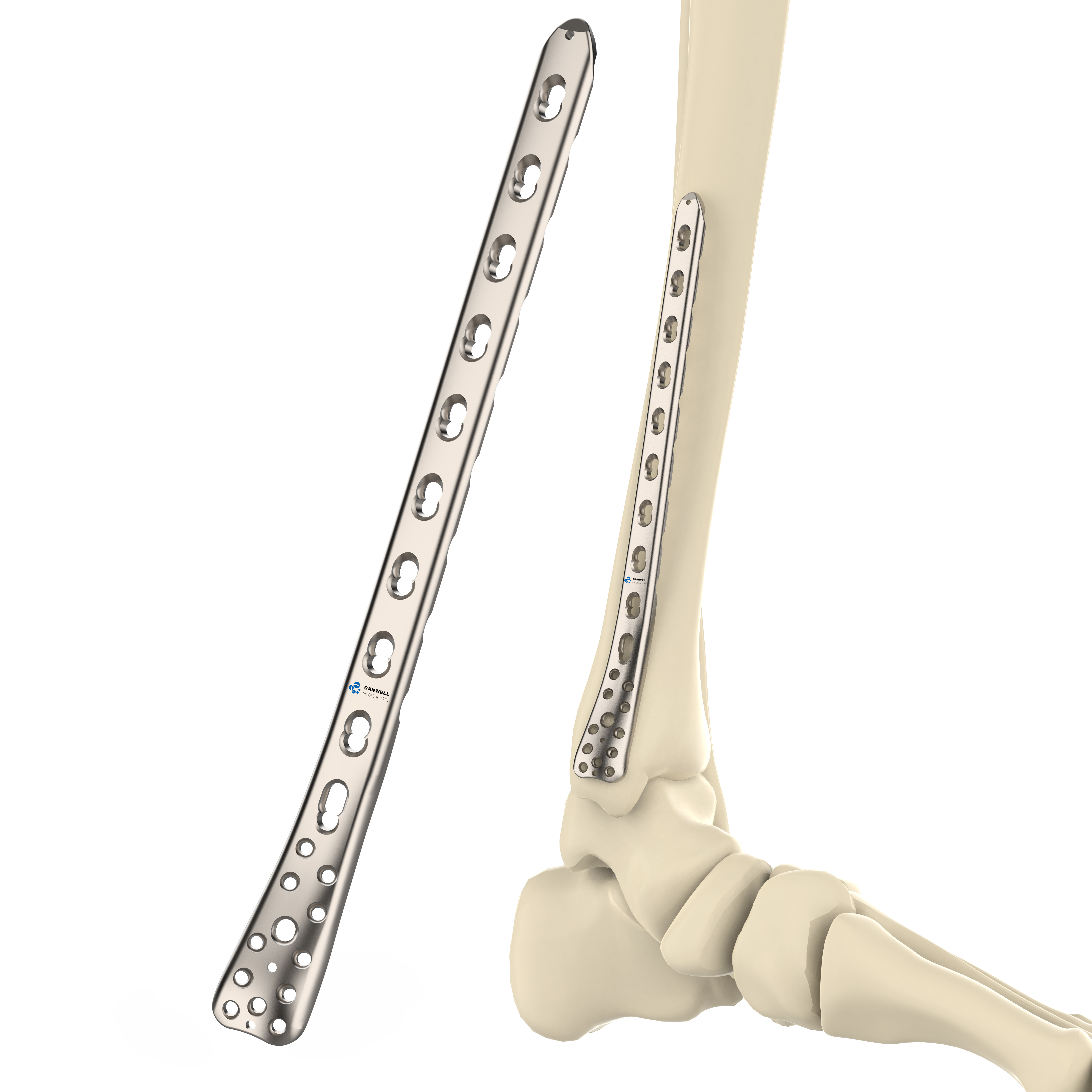
CANWELL Distal Tibial Locking Plate Titanium Metaphyseal Compression Fixation System

View Technical Specs
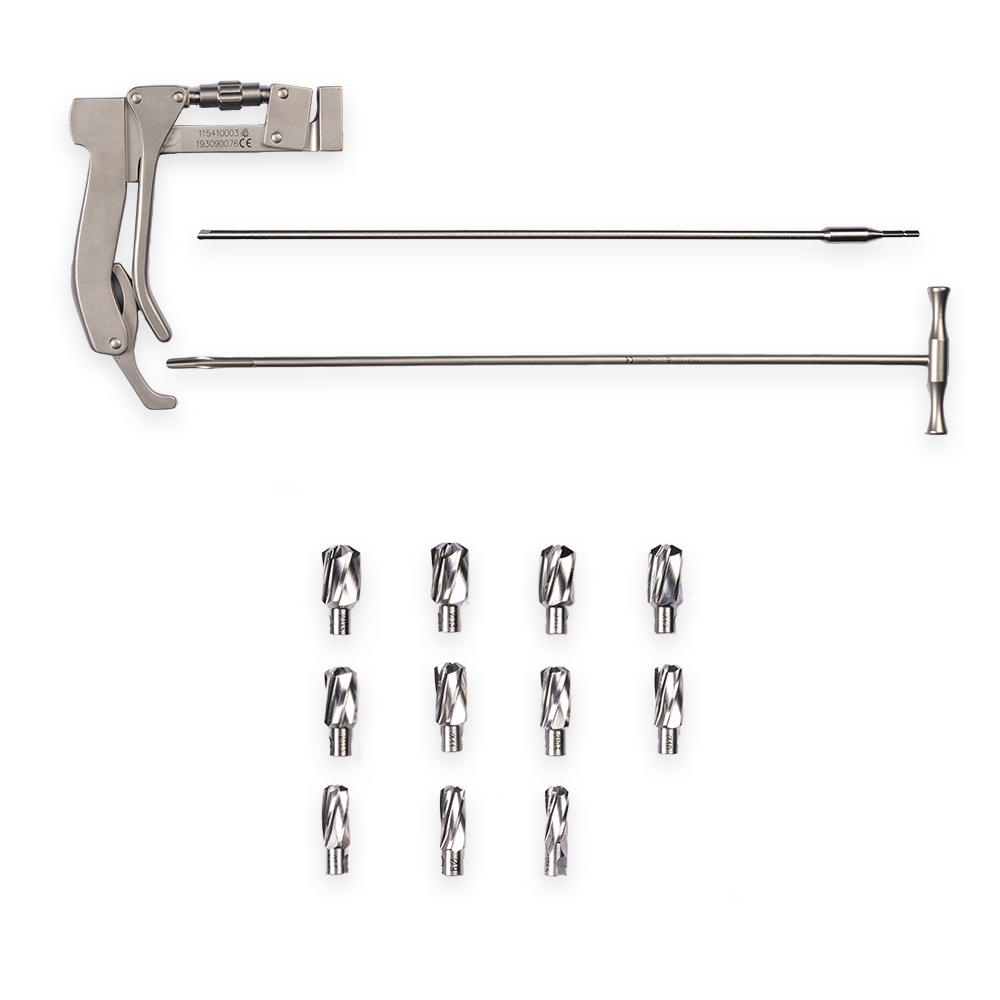
CANWELL Orthopedic Flexible Reamer Set for Intramedullary Nail Surgery
Surgical Instrumentation

CANWELL Orthopedic Flexible Reamer Set for Intramedullary Surgery with Reamer Heads

View Technical Specs
CANWELL Distal Tibial Low Profile Locking Plate Titanium Compression System
Low-Profile Fixation

CANWELL Distal Tibial Low Profile Locking Plate Metaphyseal Compression CE ISO

View Technical Specs
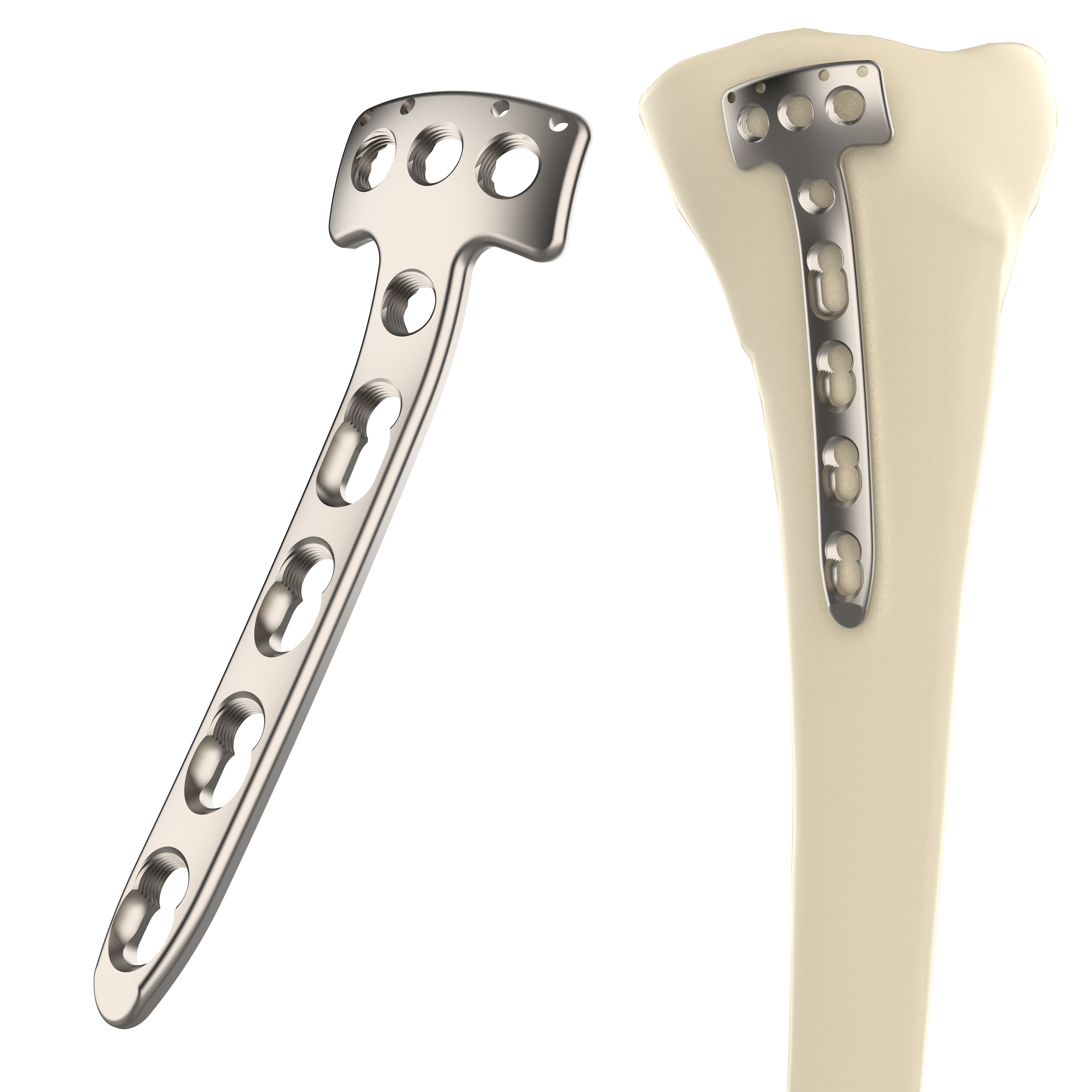
CANWELL Proximal Lateral Tibial Locking Plate Orthopedic Trauma Implant
Trauma Metaphyseal

CANWELL Proximal Lateral Tibial Locking Plate 5.0mm Screw Orthopedic Trauma

View Technical Specs
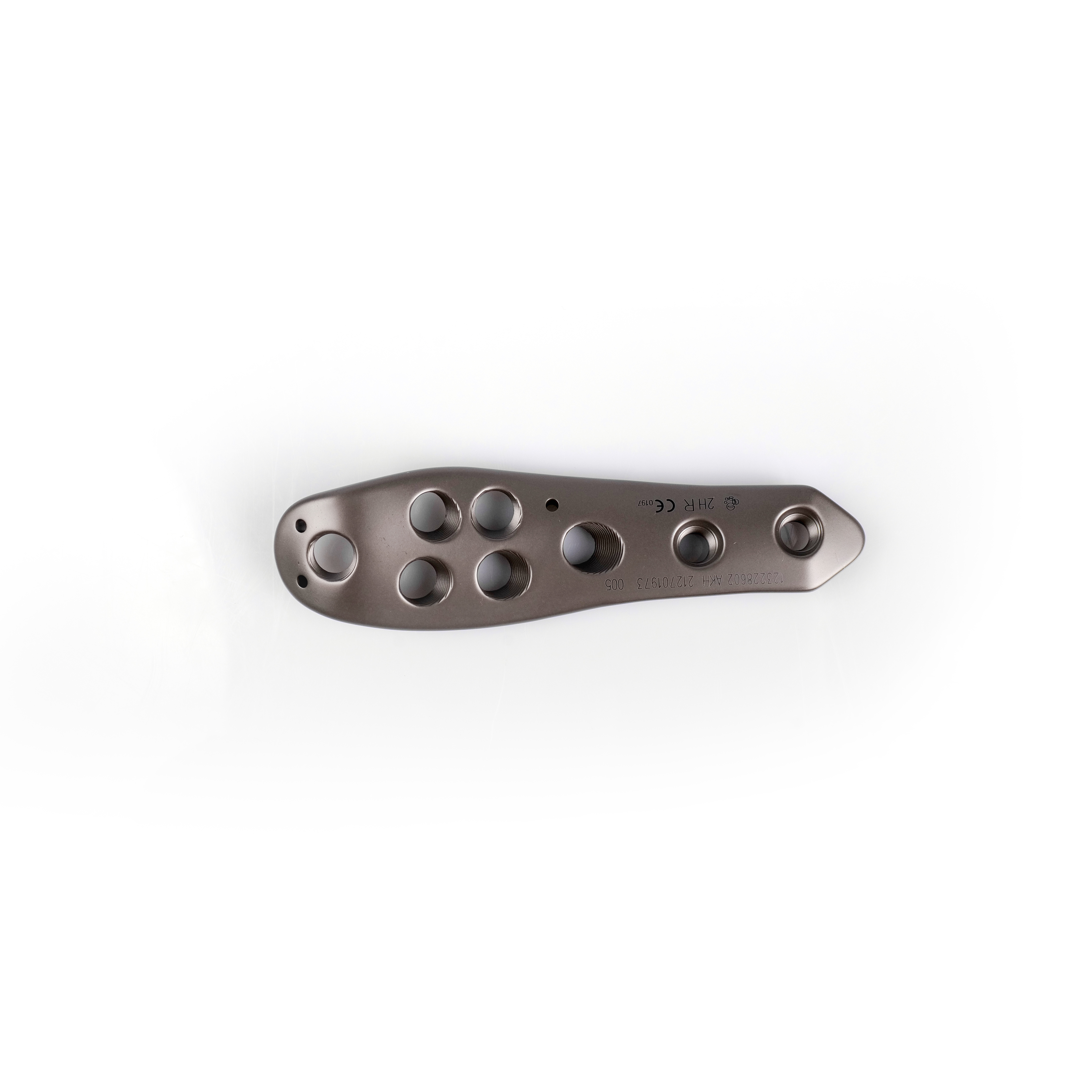
CANWELL 2.4 2.7mm VA Titanium Distal Palmar Radius Locking Plate
Variable Angle System

CANWELL 2.4/2.7mm VA Titanium Distal Radius Locking Plate Volar Bone Fracture CE

View Technical Specs
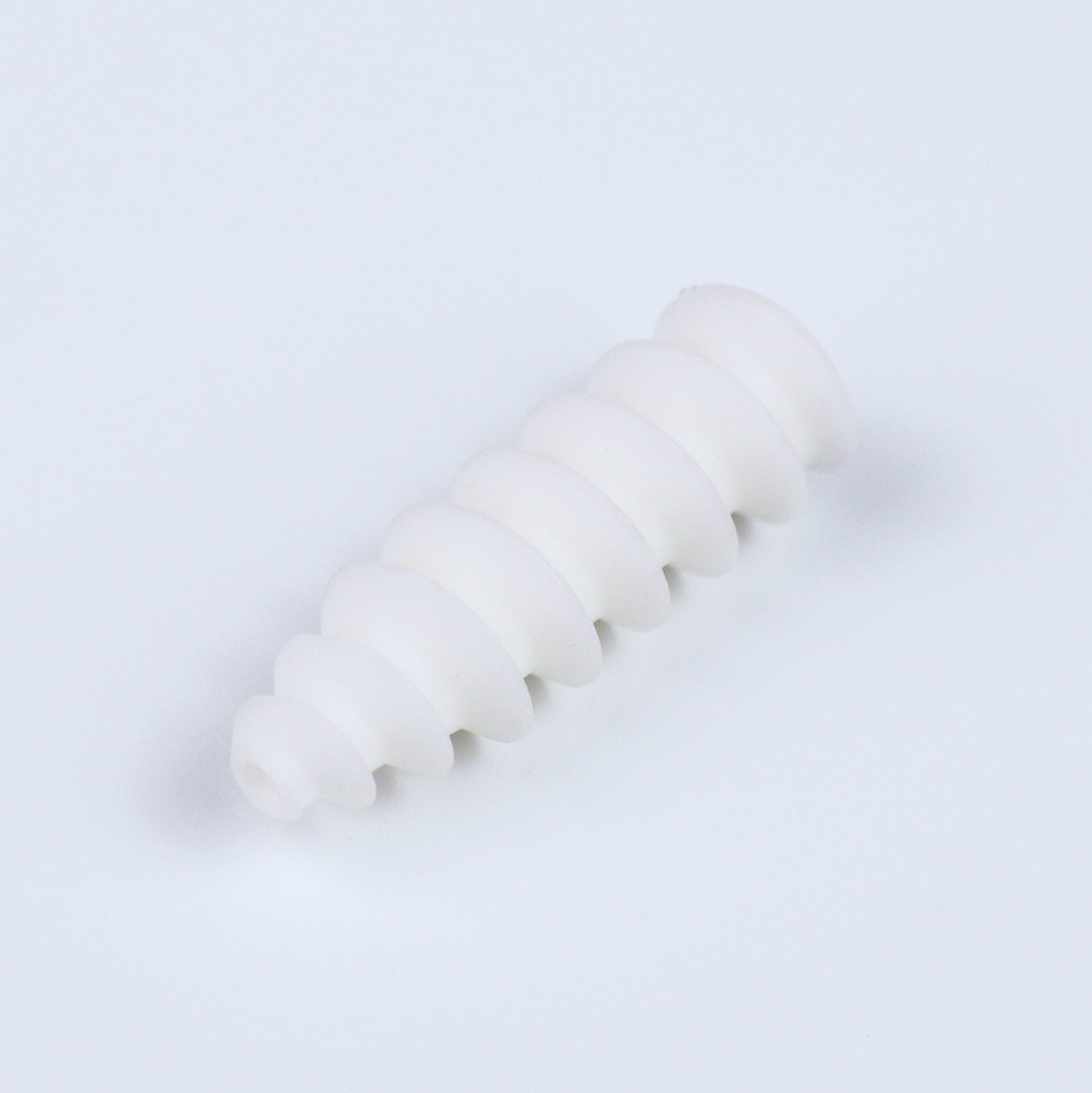
CANWELL Biodegradable ACL Interference Screw PLGA ACL/PCL Reconstruction
Sports Medicine

CANWELL Biodegradable ACL Interference Screw PLGA ACL/PCL Reconstruction Surgery

View Technical Specs
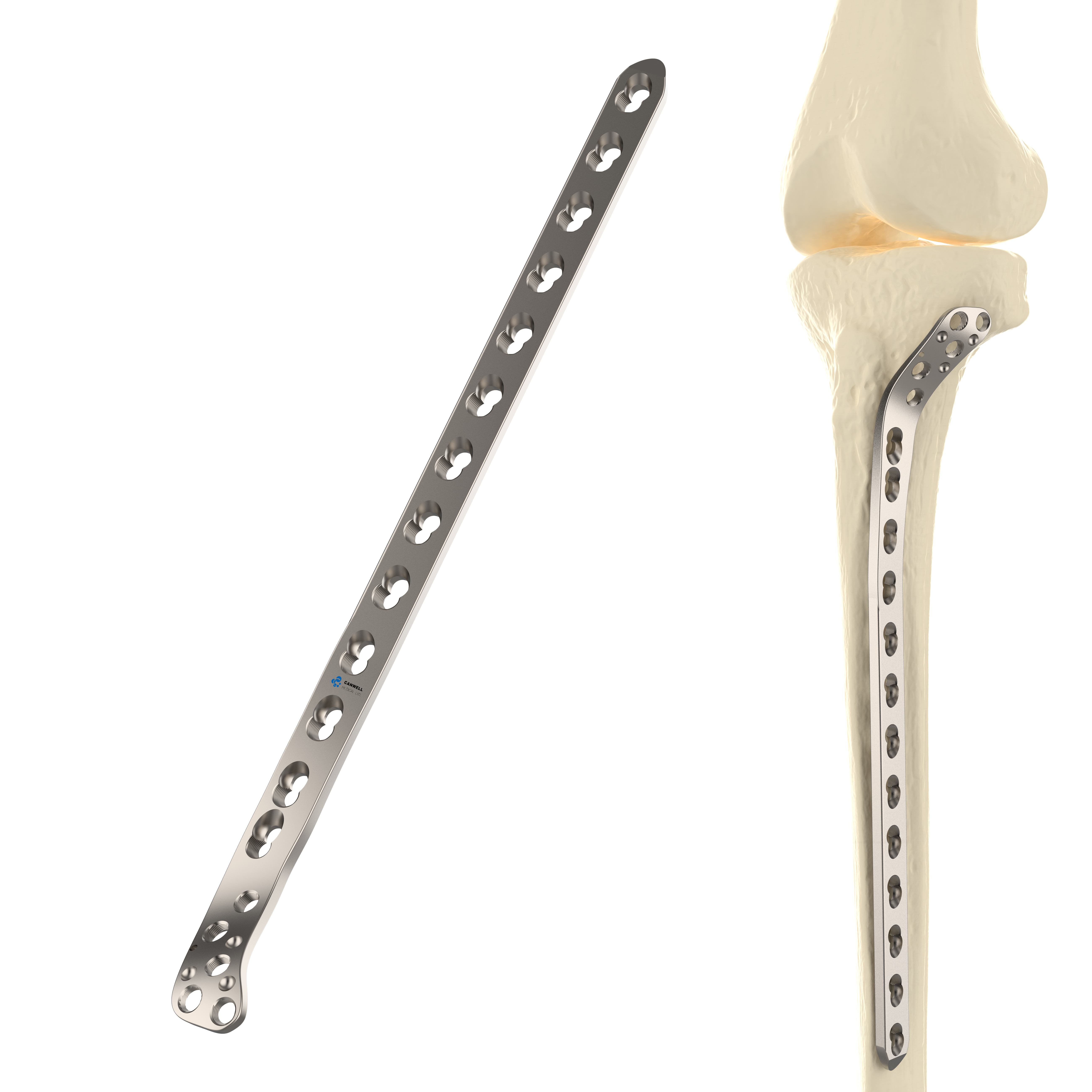
CANWELL Titanium Tibia Locking Plate Price Factory Distal Femoral Outer Side
Femoral / Tibial Plating

CANWELL Titanium Locking Plate Distal Femur Lateral Outer Side Lock Plates System

View Technical Specs
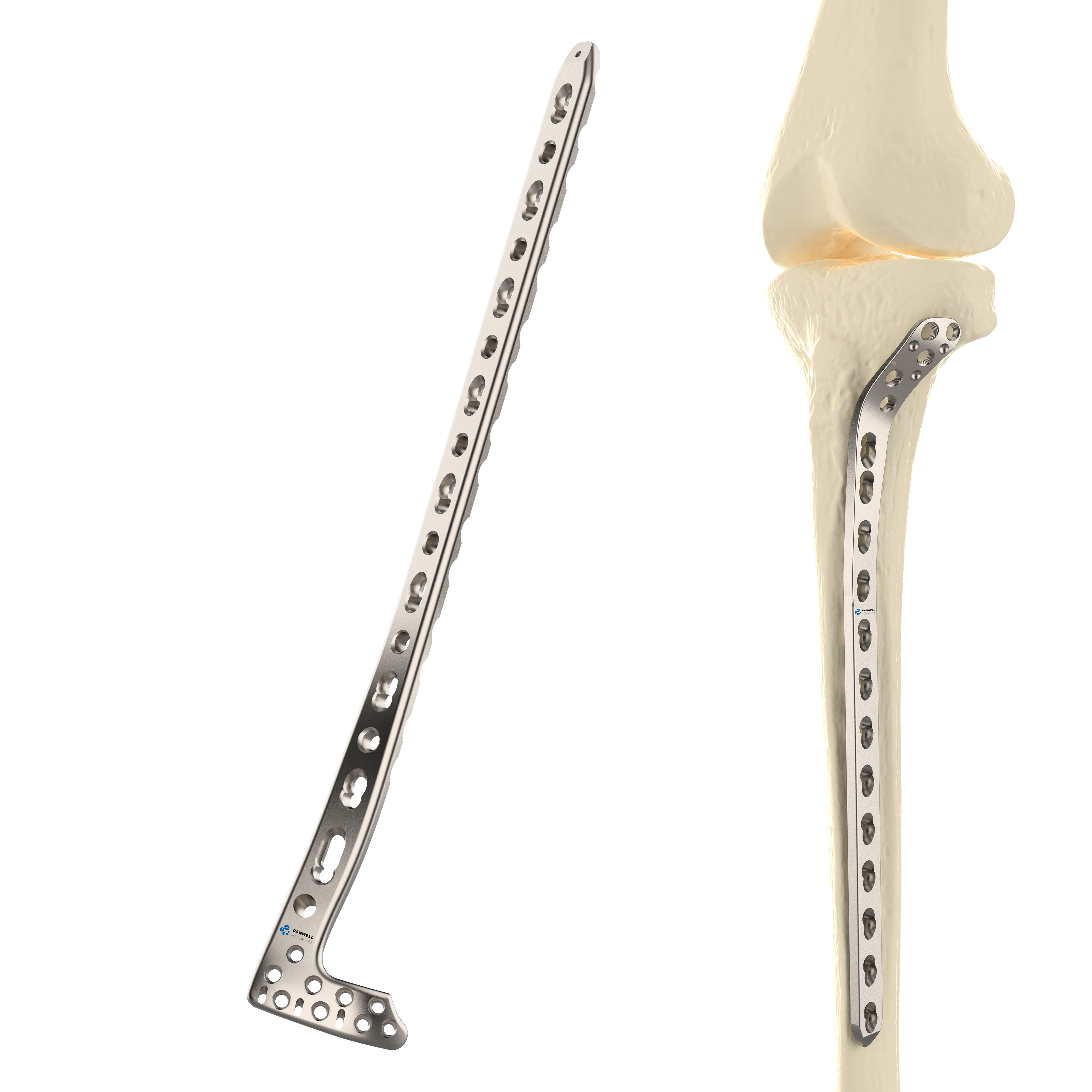
CANWELL Titanium Proximal Middle Tibial Locking Plate ORIF
Tibial Plateau ORIF

CANWELL Titanium Proximal Middle Tibial Locking Plate for Tibial Plateau Fracture Fixation

View Technical Specs
Send an Inquiry
Clinical Whitepaper & Metallurgical Engineering

State-of-the-Art Fibula Fixation Architectures in Modern Traumatology

An authoritative technical analysis of distal fibular locking mechanisms, syndesmotic stabilization dynamics, and biocompatible Ti-6Al-4V ELI alloy machining for hospital procurement directors and orthopaedic trauma teams.

In the contemporary biomechanical management of lateral malleolar and distal fibular disruptions—predominantly classified under the Danis-Weber, Lauge-Hansen, and AO/OTA fracture taxonomies—achieving absolute anatomical congruity without jeopardizing the fragile lateral soft-tissue envelope remains the single most critical surgical determinant of long-term ankle joint kinematics.

Historically, standard 1/3 tubular non-locking plates were the gold standard for lateral malleolus fixation. However, clinical literature and hospital registry data across Southern Europe indicate a noticeable revision rate associated with non-locking constructs in compromised bone stock, including osteoporotic perimenopausal females and multi-fragmentary high-energy trauma cases. Standard plates depend entirely on plate-to-bone friction generated by compressive screw purchase; in the presence of thin, osteopenic fibular cortical bone, screw pullout and micro-instability frequently lead to loss of fibular length, rotational malalignment, and secondary talar shift.

The Biomechanical Paradigm: Fixed-Angle vs. Variable-Angle Locking Technology

By transforming the plate and screw assembly into a rigid fixed-angle construct, the INAR Anatomical Distal Fibula Plating System preserves local periosteal microvascularization. Compressive force is not required between the implant underside and the cortical surface, eliminating ischemic osteonecrosis while yielding exceptional rotational stiffness and shear resistance under axial physiologic weight-bearing.

Ultra-Low Profile & Chamfered Contours

The distal lateral aspect of the fibula has virtually no muscle coverage, lying beneath an exceedingly thin subcutaneous layer. Our plates are CNC-milled to an anatomical thickness profile ranging from 1.5mm to 2.0mm distally with tapered, chamfered edges, virtually eliminating postoperative hardware prominence, bursa formation, and secondary surgical removals.

Profile: 1.5–2.0mm Chamfered Edge Anatomic Pre-bend

Multiaxial Convergent & Divergent Screw Vectors

Distal cluster screw configurations are oriented along convergent and divergent angles specifically mapped to target the dense subchondral bone of the lateral malleolus. This geometric locking trajectory delivers maximum pull-out strength even in comminuted Danis-Weber Type B and C fractures, ensuring the restoration of the mortise geometry without intra-articular screw penetration.

2.7mm / 3.5mm System Subchondral Grasp Multi-Trajectory

Dedicated Syndesmotic Fixation Portals

High fibular fractures and pronation-external rotation injuries invariably compromise the inferior tibiofibular syndesmosis. Our anatomical fibula plates incorporate integrated elongated combi-holes and non-threaded syndesmotic portals engineered to accommodate 3.5mm / 4.0mm syndesmotic transfixion screws or flexible suture-button tensioners at an anatomically correct 25° anterior trajectory.

Syndesmosis Ready 25° Angle Guided Hybrid Option
Implant Parameter INAR Medical Manufacturing Standard Clinical Advantage in Naples Surgical Theatres
Raw Material Specification Medical Grade Titanium Alloy Ti-6Al-4V ELI (ASTM F136 / ISO 5832-3) Maximum biocompatibility, negligible systemic ion leaching, superior fatigue limit (650+ MPa) against micro-motion fracture nonunion.
Plate Thickness Profile Shaft: 2.2mm tapered to 1.6mm at distal tip; lateral low profile Suppresses soft-tissue dehiscence and lateral impingement in elderly Campanian populations prone to skin atrophy.
Screw Thread Geometry Self-tapping 2.7mm cortical/locking & 3.5mm locking screws Sharp flute pitch enables rapid insertion into dense subchondral bone without causing secondary micro-fragmentation.
Surface Anodizing Type II Anodization (Grey/Gold/Blue coded per screw caliber) Immediate visual identification inside theatre, reduces galling friction between plate threads and screw head during locking.
Packaging Integrity Double-barrier blister with Tyvek lid sealed inside ISO 7 cleanroom Pre-sterile gamma/EtO readiness; full traceability matching Italian Ministry of Health (Ministero della Salute) barcoding requirements.
Naples & Campania Healthcare Ecosystem

Clinical Deployment Across the Naples Trauma Network

From Level-1 emergency trauma centers to elective polyclinics and specialized sports medicine institutes, INAR fibula plating solutions adapt seamlessly to regional clinical protocols.

High-Energy Metropolitan Trauma: AORN Cardarelli & Ospedale del Mare

Naples is the demographic and transport hub of Southern Italy, characterized by dense moped traffic, urban vehicular dynamics, and acute emergency influx. Major trauma receiving facilities, including the Emergency Department of Azienda Ospedaliera di Rilievo Nazionale Antonio Cardarelli and Presidio Ospedaliero Ospedale del Mare, routinely manage high-energy multi-fragmentary Weber C fibula fractures associated with syndesmotic diastasis and pilon tibial involvement. INAR distal fibular and tibial plates provide the structural rigidity required for early patient mobilization, reducing bed-occupancy days in metropolitan public hospitals.

ASL Napoli 1 Centro Politrauma Ready Emergency ORIF

Sports Medicine & Arthroscopy: Athletic Traumatology in Coastal Campania

Coastal sports activities across the Gulf of Naples, Capri, Ischia, and football clubs throughout the Campania regional leagues produce substantial rotational sports injuries, including Weber B rotational fractures, isolated distal fibular avulsions, and anterior inferior tibiofibular ligament (AITFL) ruptures. Paired with INAR’s bioabsorbable PLGA interference screws and arthroscopic button repair sets, orthopaedic surgeons in private clinics across Naples and Caserta can achieve rigid syndesmosis stabilization and ligamentous anchoring, speeding up return-to-play intervals for competitive athletes.

Sports Orthopaedics Syndesmosis Repair Athletic Rehabilitation

Geriatric Fragility Fractures: Federico II & Vanvitelli Academic Centers

Campania's aging population presents a sharp increase in low-energy insufficiency fractures of the lateral malleolus. In osteopenic or diabetic patients, conventional plating leads to high rates of hardware loosening, wound necrosis, and nonunion. Academic training centers such as the Azienda Ospedaliera Universitaria Federico II and the Università degli Studi della Campania Luigi Vanvitelli require anatomical low-profile designs that maximize subchondral purchase while minimizing surgical dissection. INAR's contoured titanium plates deliver robust angular stability even when screw purchase in fragile spongiosa is marginal.

Fragility Fractures Osteoporotic Ankle Tissue Preservation
Regional Market Trends & So.Re.Sa Regulatory Dynamics

Procurement Trends & Regulatory Landscape in Naples

Navigating EU MDR transitions, centralized public tenders via So.Re.Sa, and value-based orthopaedic supply chains in Italy.

Rigorous Compliance with EU MDR 2017/745

The Italian national healthcare system (Servizio Sanitario Nazionale - SSN) enforces stringent compliance standards. Procurement departments across ASL Napoli 1, 2, and 3 now reject devices lacking complete Technical Documentation under EU MDR 2017/745. INAR Medical provides European distributors with fully registered CND (Classificazione Nazionale dei Dispositivi Medici) and RDM (Repertorio dei Dispositivi Medici) codes, backed by notified body surveillance, clinical evaluation reports (CER), and post-market clinical follow-up (PMCF) datasets.

EU MDR Certified CND & RDM Registered Full Traceability

Centralized Regional Purchasing: The So.Re.Sa Model

In the Campania region, medical implant procurement is centralized via So.Re.Sa. S.p.A. (Società Regionale per la Sanità). Tenders emphasize not only mechanical performance and sterile shelf-life but also manufacturer supply chain resilience and cost-containment. By partnering directly with INAR Medical’s factory in Zhejiang, regional Italian distributors eliminate intermediary distributor markups, allowing them to submit highly competitive bids in public tenders without compromising clinical quality or instrument set availability.

So.Re.Sa Compliant Factory-Direct Margin Tender Continuity

Transition Towards Modular Single-Use & Anatomic Kits

Autoclaving and sterile processing costs in European hospitals have escalated dramatically. Hospital biomedical engineering teams (Ingegneria Clinica) across Naples and Salerno are increasingly requesting compact, color-coded trauma instrument sets and pre-sterilized single-use blistered implants. INAR Medical provides customized tray layouts, ergonomic silicone handles, and batch-traceable implant packaging that reduce instrument weight by 35% and simplify intraoperative logistics for scrub nurses.

Sterile Packaging Modular Trays Cost Rationalization
Factory Manufacturing Infrastructure

Zhejiang INAR Medical: Global Production Facility

Over two decades of dedication to precision orthopaedic engineering, backed by SGS onsite verification, ISO 13485 cleanrooms, and automated CNC production floors.

22+
Years in Orthopaedics
Continuous R&D and manufacturing
632
Specialized Workforce
Engineers, CNC operators & QC inspectors
29,523m²
Modern Production Plant
State-of-the-art facility in Jinhua, Zhejiang
100%
Traceable Quality Control
SGS verified & CE MDR compliant

Founded in 2002, Zhejiang INAR Medical Co., Ltd. has developed into one of Asia’s premier medical implant and instrument manufacturers. Unlike purely commercial trading entities, our complete manufacturing chain—from certified raw titanium bar stock to finished, sterilized blister packaging—is concentrated under one roof across our 29,523 m² facility. We operate top-tier Japanese and German five-axis CNC machining centers, sliding head lathes, and automated finishing systems that maintain mechanical tolerances within ±0.005mm.

To ensure absolute clinical reliability in demanding surgical environments like those in Naples, every fibula plate and locking screw follows a rigorous 13-stage manufacturing and inspection sequence:

Step 01
Raw Material Verification
Spectrometric analysis & ultrasonic flaw detection of certified Ti-6Al-4V ELI titanium bar stock.
Step 02
Longitudinal Cutting
Automated high-precision blank slicing with controlled coolant temperatures to preserve metallurgy.
Step 03
5-Axis CNC Machining
Sub-micron contour milling of anatomical curves, variable-angle combi-holes, and bevel edges.
Step 04
Robotic & Manual Polishing
Multi-grit edge deburring to attain mirror-finish radii, eliminating micro-notches that cause stress failure.
Step 05
Ultrasonic Washing I
Multi-stage de-oiling bath utilizing pure pharmaceutical-grade deionized water to remove particulate residue.
Step 06
Precision Surface Grinding
Planar grinding of implant contact surfaces to ensure perfect plate seating and screw head locking depth.
Step 07
Micro Sand-Blasting
Controlled surface texturing using biocompatible media to prepare the titanium for uniform anodization.
Step 08
Fluorescent Penetrant Testing
Non-destructive testing (NDT) under UV inspection to detect any micro-cracks or structural fissures.
Step 09
Electrochemical Anodizing
Type II color-coding anodization, forming a durable titanium oxide layer that suppresses hardware galling.
Step 10
Ultrasonic Washing II
Final cleanroom-grade wash cycles minimizing endotoxin levels to under 0.5 EU/ml per medical standards.
Step 11
Outgoing Quality Control (OQC)
100% CMM dimensional audit, optical thread contour checks, and laser-etched UDI barcode verification.
Step 12
ISO 7 Aseptic Cleanroom Packing
Primary and secondary sealing inside certified medical Tyvek pouches within Class 10,000 cleanrooms.
Step 13
Finished Goods Warehouse & Logistics
Temperature and humidity controlled automated warehousing ensuring immediate export dispatch to European destinations.
Procurement & Clinical FAQ

Frequently Asked Questions by Italian Buyers & Distributors

Clear, documented answers regarding regulatory approval, tender qualifications, OEM private labeling, and local supply chain logistics for the Naples and Italian markets.

Are INAR fibula plates fully certified for public hospital tenders in Naples and Campania?
Yes. All INAR Medical trauma locking plate systems and screws hold valid CE certification under EU MDR 2017/745 and Medical Device Directive 93/42/EEC, audited by accredited European Notified Bodies. In addition, our devices are registered with the Italian Ministry of Health (Ministero della Salute) and assigned official CND (Classificazione Nazionale dei Dispositivi Medici) and RDM codes. Italian importers and distributors can directly submit our Technical Documentation files, Declarations of Conformity (DoC), and ISO 13485:2016 quality certificates to regional tender authorities such as So.Re.Sa. in Campania.
How does INAR support local distributors with consignment stock and instrument tray replenishment?
We understand that the Italian orthopaedic market relies heavily on hospital consignment kits (conto deposito). To support your cash-flow and logistical speed, INAR Medical maintains dedicated safety stock for our primary distribution partners. We offer modular, autoclavable anodized aluminum instrument trays configured specifically to Italian surgeon preferences—including customized screw caddies, self-retaining depth gauges, and ergonomic handle quick-coupling drivers. Express restocking orders can be air-shipped to Naples Capodichino International Airport within 5 to 7 business days.
Can INAR manufacture private-label (OEM/ODM) fibula plates with custom anatomical curves?
Absolutely. With over 22 years of OEM/ODM manufacturing experience and an in-house engineering squad of over 50 specialists, we provide end-to-end customization. We can adjust the distal plate flare, integrate specialized syndesmotic suture button slots, modify combi-hole spacing, or apply distinctive anodizing finishes according to your proprietary brand blueprints. We also offer precision laser-marking of your company logo, customized graphic boxes, and Italian-language instruction manuals (IFU) fully compliant with European medical device labeling laws.
What metallurgical guarantees are provided for titanium fibula locking plates?
Every batch of INAR fibula plates is machined exclusively from medical-grade Ti-6Al-4V ELI (Extra Low Interstitial) titanium alloy compliant with ASTM F136 and ISO 5832-3 standards. Interstitial elements such as iron, oxygen, and carbon are strictly regulated to maximize notch ductility and fatigue endurance. Each shipment is accompanied by complete mill test certificates (MTC) detailing chemical composition, tensile strength, yield stress, and elongation at break, ensuring absolute defensibility during hospital biomedical audits.
What are the minimum order quantities (MOQ) and delivery lead times for Italian consignments?
For standard catalog items carrying the CANWELL/INAR brand, we maintain low MOQs (typically 5 to 10 units per specification) to allow regional distributors to evaluate our instruments and plates without significant initial capital outlay. For fully customized private-label OEM production runs, MOQs start from 50 to 100 units per size. Standard orders ship within 14 to 21 calendar days, while custom CNC runs are completed within 30 to 45 days, supported by complete customs clearance paperwork for smooth import into the European Union.
How does the locking screw thread design prevent cross-threading and cold welding during surgery?
Our locking screw heads and plate combi-holes are engineered with a synchronized double-lead conical thread interface. Additionally, our controlled Type II electrochemical anodization process hardens the titanium contact surfaces and imparts an anti-friction barrier layer. This prevents intraoperative "cold welding" (galling) when tightening titanium screws into titanium plates, allowing smooth screw removal during secondary implant extraction procedures.

Scale Your Orthopaedic Trauma Supply in Naples & Southern Italy

Direct factory manufacturing, verified EU MDR regulatory compliance, and proven clinical excellence. Partner with Zhejiang INAR Medical to access competitive wholesale margins and clinical instrumentation kits designed to win regional hospital tenders.

Complete EU MDR & CE 93/42/EEC Dossiers
Onsite Verified by SGS Inspection Group
OEM Laser Branding & Custom Contours
Sample Kits Available for Evaluation

Request Hospital Tender Specs & Wholesale Pricing

Our European export team provides prompt quotes, surgical technique guides, and registration dossiers within 24 hours.

Send an Inquiry