Pediatric Trauma
Engineered to ISO 13485 and European CE MDR benchmarks. Select an implant system to inspect technical specifications or initiate direct institutional procurement.
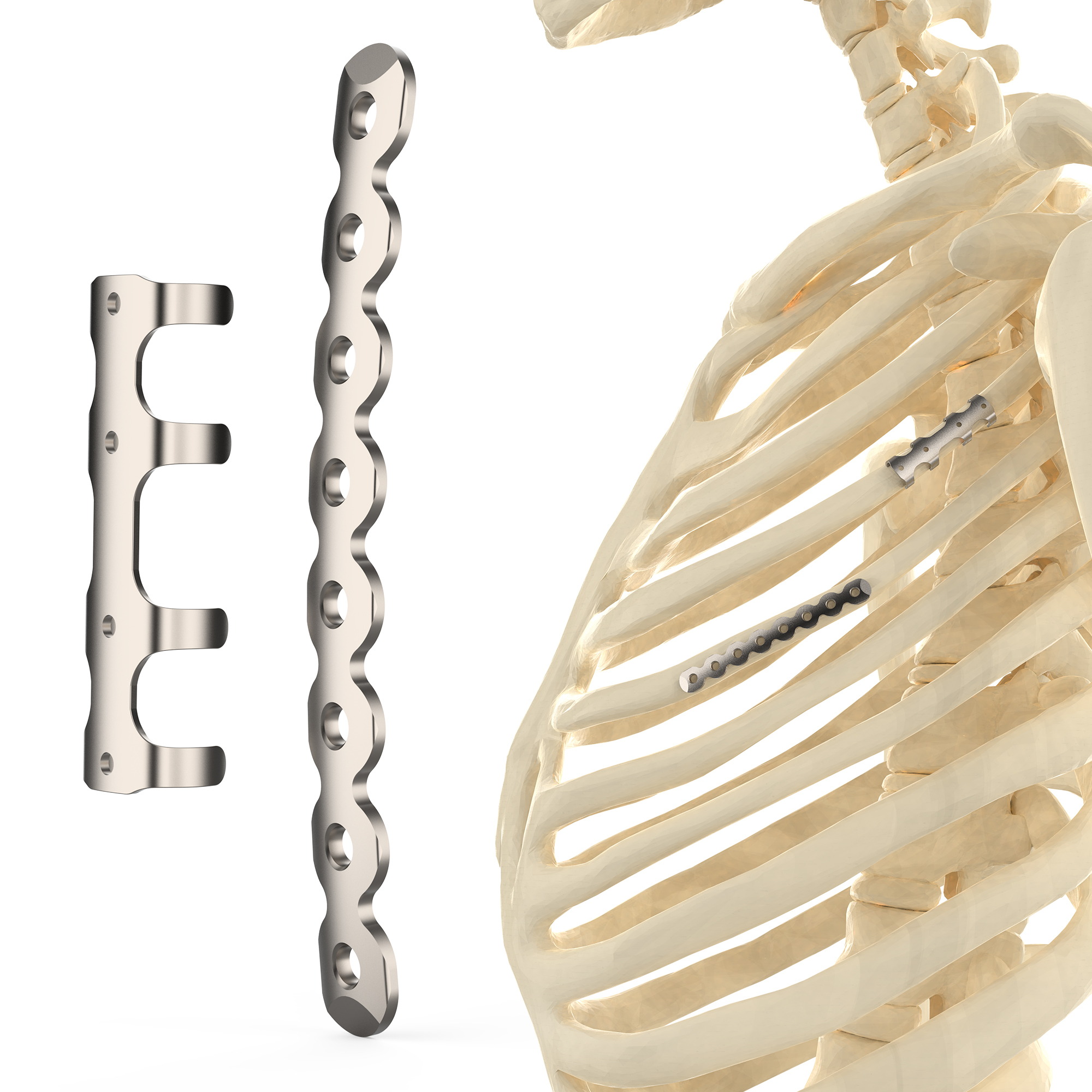
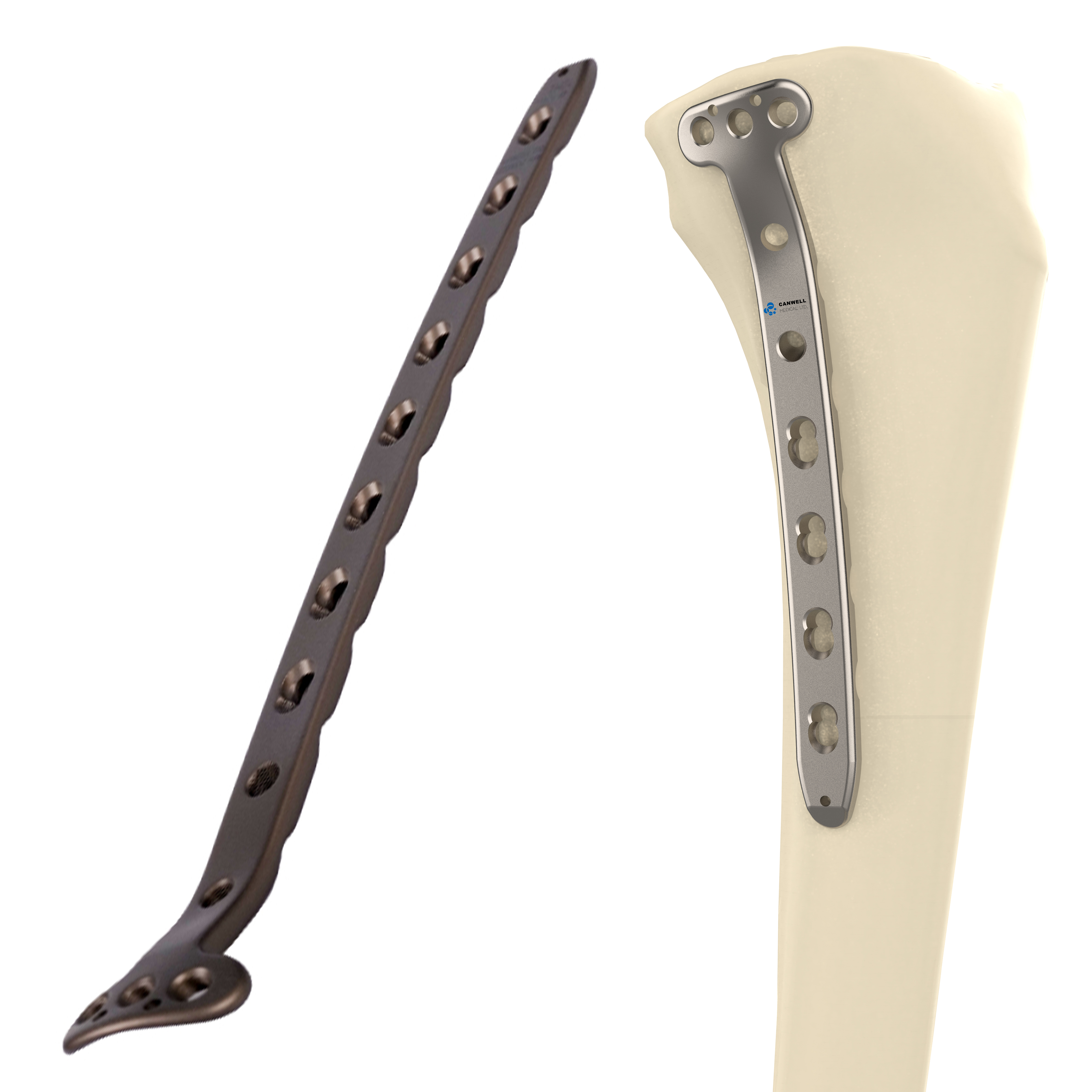
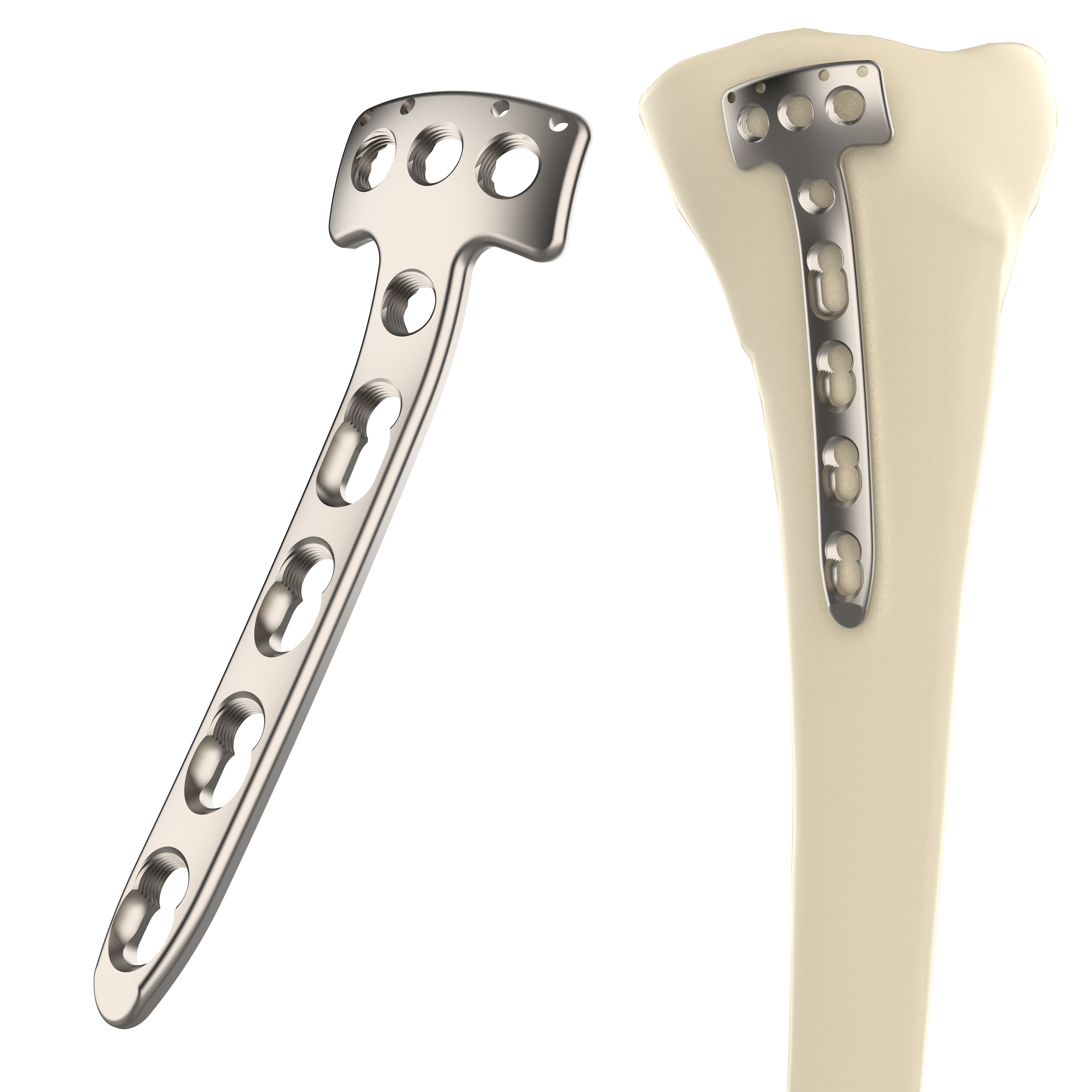
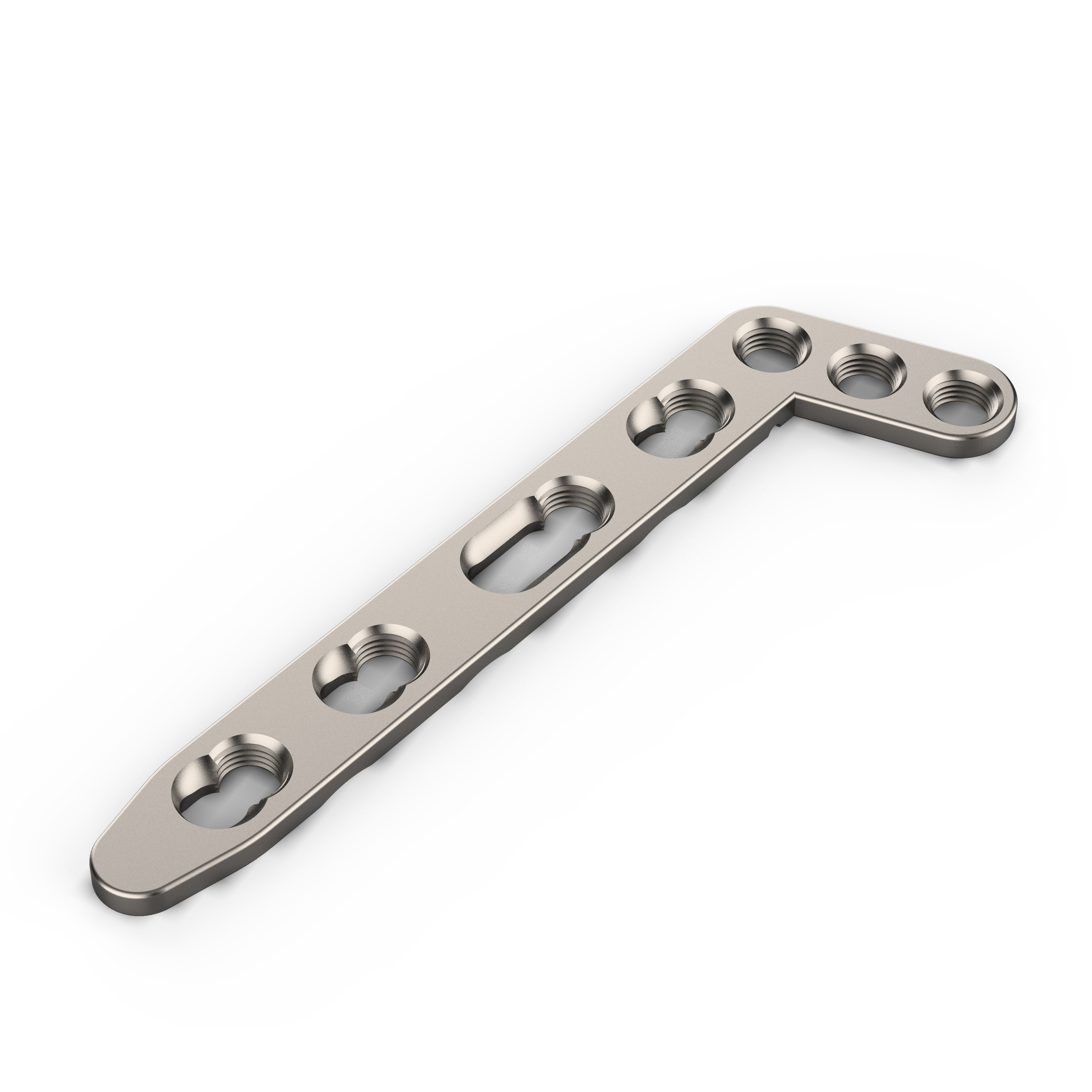
The clinical landscape of surgical trauma management within Eastern Slovenia, specifically centered around the Podravska regional medical network and university clinical frameworks in Maribor, imposes stringent biomechanical and material constraints on fracture fixation devices. As orthopedic surgeons balance high-energy traumatic fractures—often exacerbated by alpine winter sports injuries and rapid transit collisions along the Drava corridor—with an aging demographic experiencing osteoporotic fragility fractures, implant manufacturing must evolve beyond generic geometry. Modern open reduction and internal fixation (ORIF) protocols demand low-profile titanium alloy constructs (Ti-6Al-4V ELI conforming to ASTM F136) that mitigate soft-tissue devascularization while affording absolute or relative biomechanical stability tailored to distinct fracture patterns.
In response to these multi-layered anatomical challenges, direct-from-factory manufacturing partners serving medical institutions across Maribor supply anatomically pre-contoured locking plates and retrograde/antegrade intramedullary nails engineered with variable-angle (VA) locking mechanisms. In comminuted intra-articular interventions, such as complex fractures of the distal radius or tibial plateau, rigid monoaxial locking screws risk joint cartilage breach or suboptimal screw purchasing in osteopenic cancellous bone. Multi-directional conical threading and combi-hole architecture permit surgeons the intraoperative freedom to angulate screws up to 15 degrees off-axis. This flexibility enables cross-fragment anchoring into dense subchondral corridors without jeopardizing plate rigidity or inducing fatigue shear failure under secondary physiological loading cycles.
Beyond macroscopic biomechanics, the microstructural finishing of internal fixation components determines post-implantation histocompatibility and infection deterrence. Certified trauma production facilities implement controlled multi-stage type II anodization on titanium components. This electrolytic treatment forms a dense, non-porous titanium dioxide (TiO₂) passivation barrier that serves a dual clinical imperative: suppressing passive metal ion release into surrounding tissue compartments and minimizing cold-welding friction between the plate hole threads and screw heads. Consequently, operative teams in Maribor benefit from effortless intraoperative screw engagement and uncomplicated secondary implant extraction procedures.
The clinical deployment of fracture fixation devices across Maribor requires deep alignment with regional surgical protocols, surgical trauma pathways, and patient demographic profiles. Understanding these localized clinical dynamics guarantees that hospital central sterile supply departments (CSSD) and surgical theaters operate with zero supply discrepancy during critical trauma interventions.
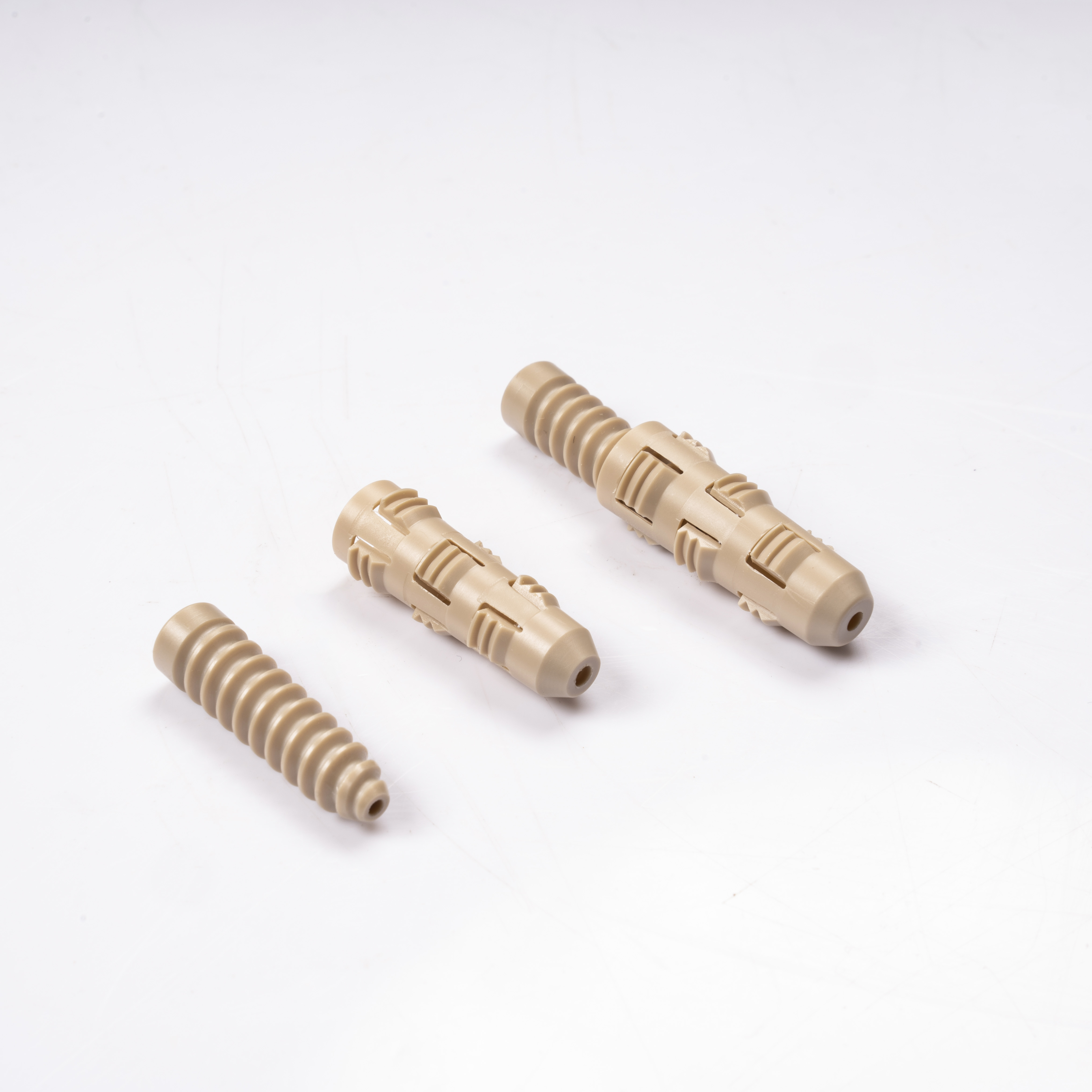
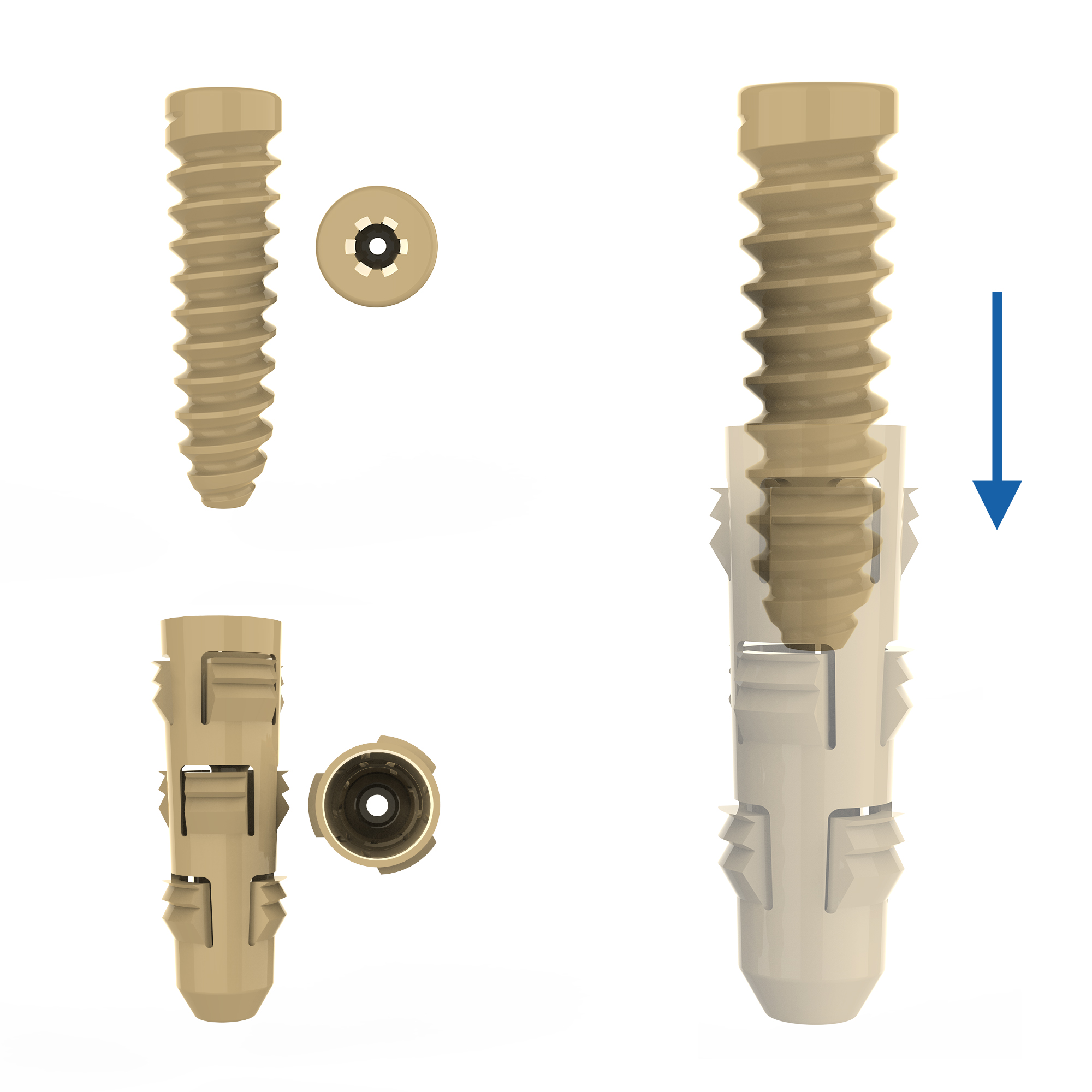
The Pohorje mountain range adjacent to Maribor drives seasonal surges in severe peri-articular fractures, ligament tears, and complex dislocations. The application of high-strength titanium volar distal radius locking plates and PEEK/PLGA interference screws facilitates primary anatomical reconstruction, allowing competitive and recreational athletes to begin accelerated, early post-operative mobilization.
Demographic trends across the Podravska region demonstrate an expanding senior cohort susceptible to low-energy pertrochanteric, proximal humeral, and distal femoral fragility fractures. Multi-hole periarticular locking compression plate systems equipped with angular-stable cancellous locking screws deliver immediate rigid fixation without necessitating bone cement augmentation in borderline density bone beds.
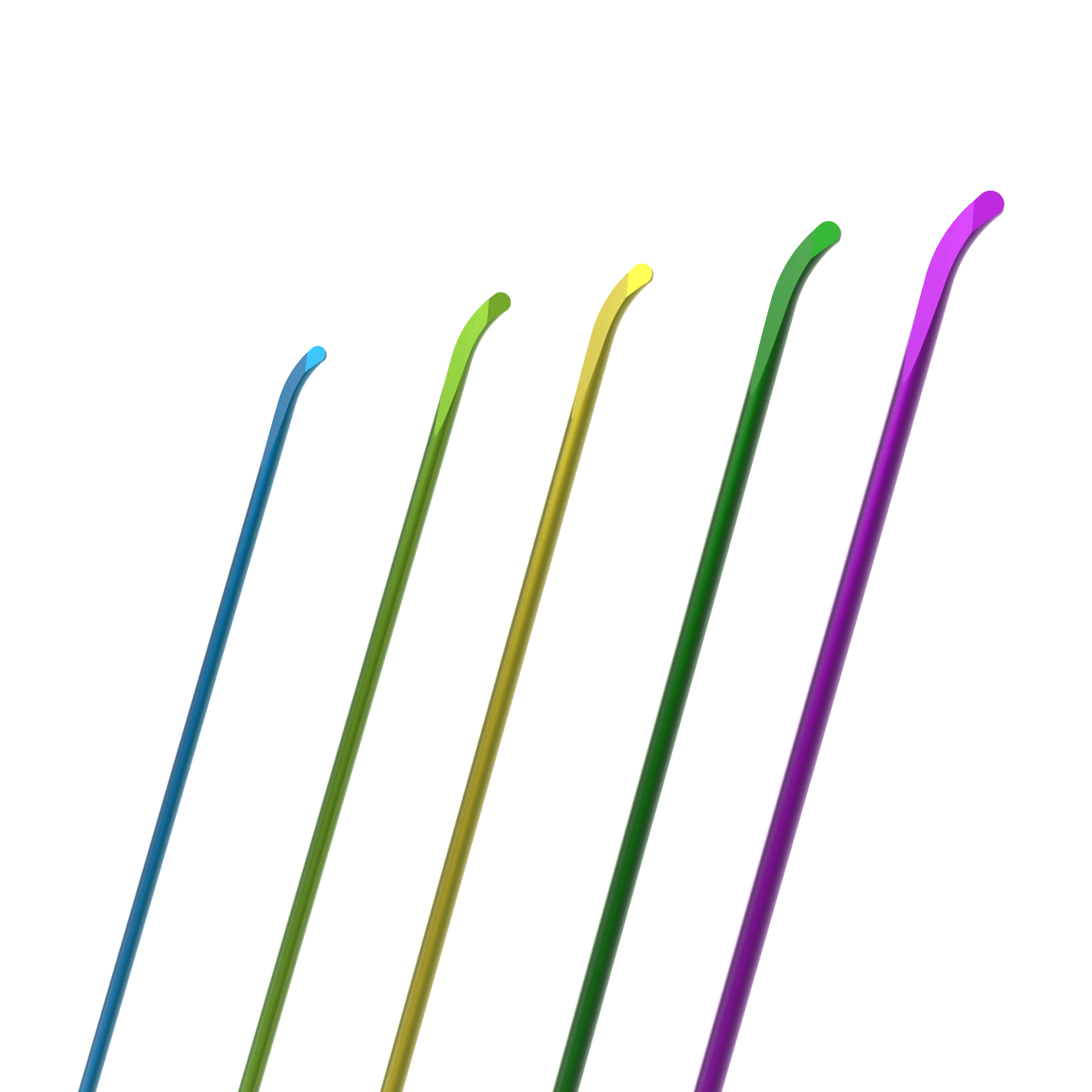
Managing long-bone fractures in growing children requires preserving active epiphyseal growth plates. Titanium Elastic Nails (TEN) provide dynamic load-sharing intramedullary splinting for pediatric femoral and tibial shaft fractures, ensuring rapid callus formation, micro-motion biological healing, minimal surgical trauma, and straightforward hardware retrieval upon complete consolidation.
The implementation of the European Medical Device Regulation (EU) 2017/745 (MDR) has triggered a structural reorientation within Slovenia's hospital tender frameworks. Medical procurement committees in Maribor and public healthcare consortiums across the EU have encountered severe vendor consolidation, product discontinuations, and unexpected supply bottlenecks as legacy manufacturers grapple with the rigorous clinical data and post-market surveillance demands of Notified Bodies. Consequently, hospital supply directors are aggressively seeking agile, directly integrated manufacturing partners capable of delivering verified regulatory dossiers, complete technical documentation, and long-term batch consistency.
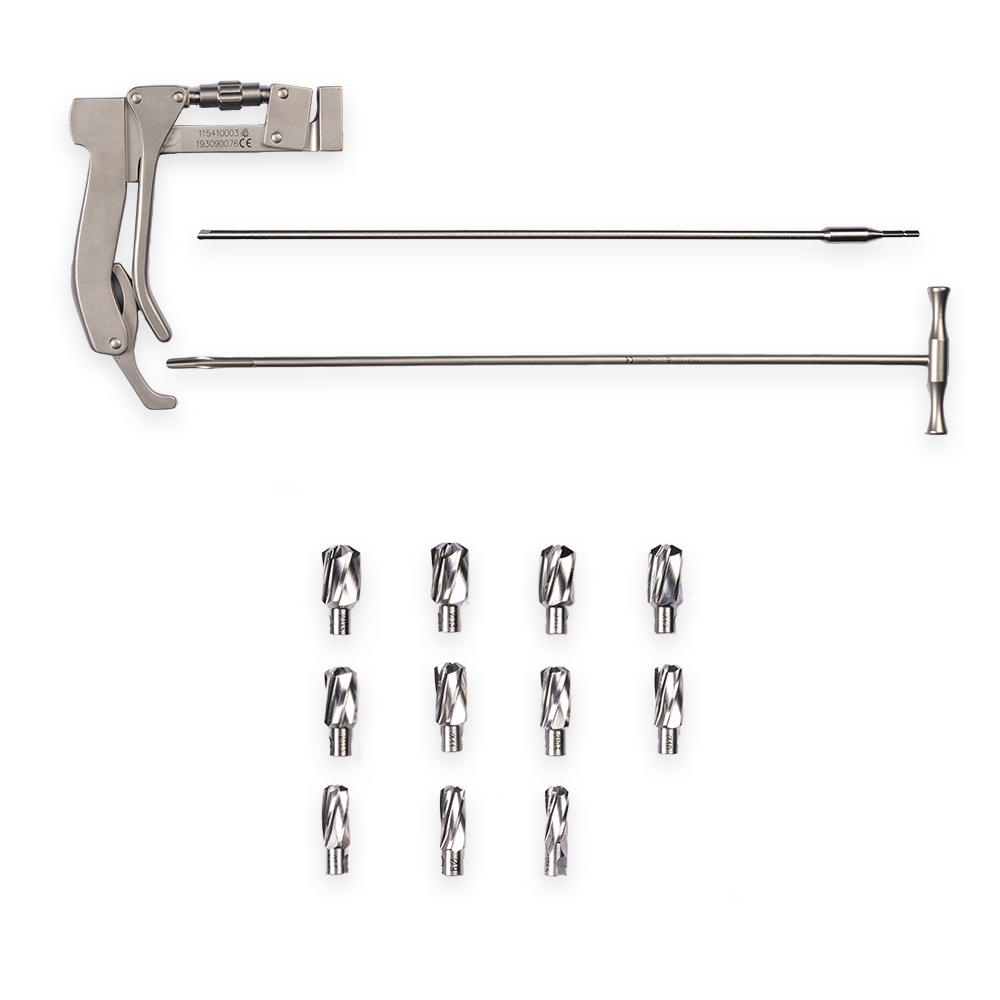
Concurrently, there is an institutional shift away from fragmented implant sourcing toward comprehensive surgical systemization. Surgical staff in Maribor favor standardized instrument trays compatible with modular implant sets—such as combined flexible reamer sets coupled directly with cannulated interlocking nail systems. This minimizes intraoperative errors, standardizes surgical workflows, and optimizes autoclave processing throughput in busy central sterilization units.
Operating out of a modern 29,523 m² audited facility, our manufacturing pipeline enforces an uninterrupted 13-stage precision journey. By strictly retaining CNC milling, precision multi-axis Swiss longitudinal turning, surface grit-blasting, chemical passivation, and optical CMM inspection completely in-house, we eliminate the quality vulnerabilities and lead-time delays typical of multi-tiered subcontracting models.

1. Multi-Axis CNC Machining
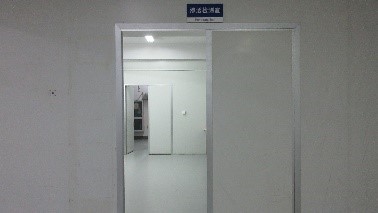
2. Penetrant Micro-Defect Testing
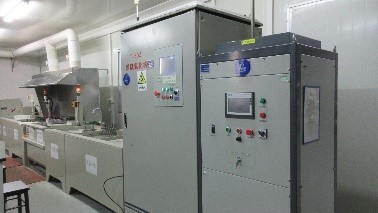
3. Type II Anodizing & Coding
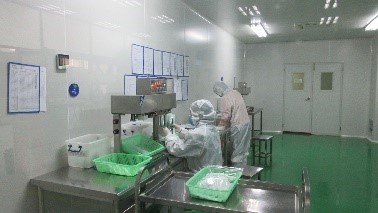
4. ISO Class 7 Cleanroom Packing
Selecting an offshore manufacturing partner for Class IIb and Class III orthopedic medical devices requires uncompromised institutional credibility. Backed by over two decades of dedicated production history, SGS onsite supplier audits, and direct compliance under the Medical Device Directive 93/42/EEC and EU MDR, our supply infrastructure bridges Chinese high-capacity machining efficiency with strict European quality expectations.
Complete technical files, raw material melt certificates (titanium, surgical steel, PEEK-OPTIMA), biocompatibility test dossiers, and Notified Body certificates are readily accessible for hospital tender submissions and national regulatory clearances in Slovenia.
In-house fatigue life cycle test benches, static bending moment testers, and packaging accelerated aging testers guarantee that every manufactured batch exceeds real-world clinical mechanical thresholds before international dispatch.
From specialized anatomical curvature adjustments to customized surgical instrument laser markings and localized multilingual sterilization packaging, our 632-member workforce accommodates both high-volume standardized hospital tenders and bespoke distributor requirements.
Addressing the core clinical, logistical, and compliance inquiries posed by hospital purchasing officers and medical distributors in Maribor.