Essential Orthopedic Trauma & Surgical Fixation Portfolio
Precision-engineered titanium implants and ergonomic surgical tools engineered for emergency trauma centers, university surgical clinics, and municipal hospitals across the Kharkiv region.
Advanced Internal Fixation Protocols: Serving Kharkiv’s Acute Polytrauma Landscape
In the clinical ecosystem of Eastern Ukraine, specifically centered around the Kharkiv municipal and regional healthcare nexus, orthopedic trauma surgery operates under intense biomechanical demands. Severe industrial accidents, high-energy transport trauma, and penetrative fragment-induced blast injuries require osteosynthesis implants that demonstrate exceptional structural fatigue resistance, absolute angular stability, and superior biocompatibility.
Surgical departments across major medical facilities—including the Kharkiv City Clinical Emergency Hospital named after Prof. O.I. Meshchaninov, the Sytenko Institute of Spine and Joint Pathology, and the Kharkiv Regional Clinical Trauma Hospital—frequently manage complex comminuted articular fractures and severe bone loss cases. Conventional internal fixation plates that rely strictly on friction between bone and plate often result in primary reduction loss, periosteal devascularization, and premature implant loosening. As a leading manufacturer and exporter of CE MDR-marked trauma solutions, our factory bridges the supply deficit in Kharkiv by engineering advanced Variable-Angle (VA) Locking Compression Plates and anatomically pre-contoured osteosynthesis devices manufactured strictly from certified Ti-6Al-4V ELI (Grade 5, ASTM F136 / ISO 5832-3) and medical-grade stainless steel (ASTM F138).
Metallurgical Superiority and Fatigue Life of Ti-6Al-4V ELI
The biomechanical environment of non-union or severely comminuted fractures demands osteosynthesis implants that provide high fatigue life under alternating bending and torsion forces. Commercial titanium alloys often vary in purity; however, our production facility utilizes exclusively Extra Low Interstitial (ELI) titanium bars. By restricting interstitial elements such as oxygen (≤ 0.13%), nitrogen (≤ 0.05%), carbon (≤ 0.08%), and iron (≤ 0.25%), the material maintains superior fracture toughness (K1c ≥ 75 MPa·m½) alongside an ultimate tensile strength exceeding 860 MPa.
Furthermore, our automated chemical Type II anodization treatment creates a dense, standardized titanium dioxide layer across the entire plate topography. This surface alteration drastically lowers the coefficient of friction against periarticular soft tissues, completely eliminates micro-galling between locking screw threads and combi-holes, and provides an effective barrier against cyclic fretting corrosion during the critical 12 to 24-week biological consolidation window.
Combi-Hole Dynamics
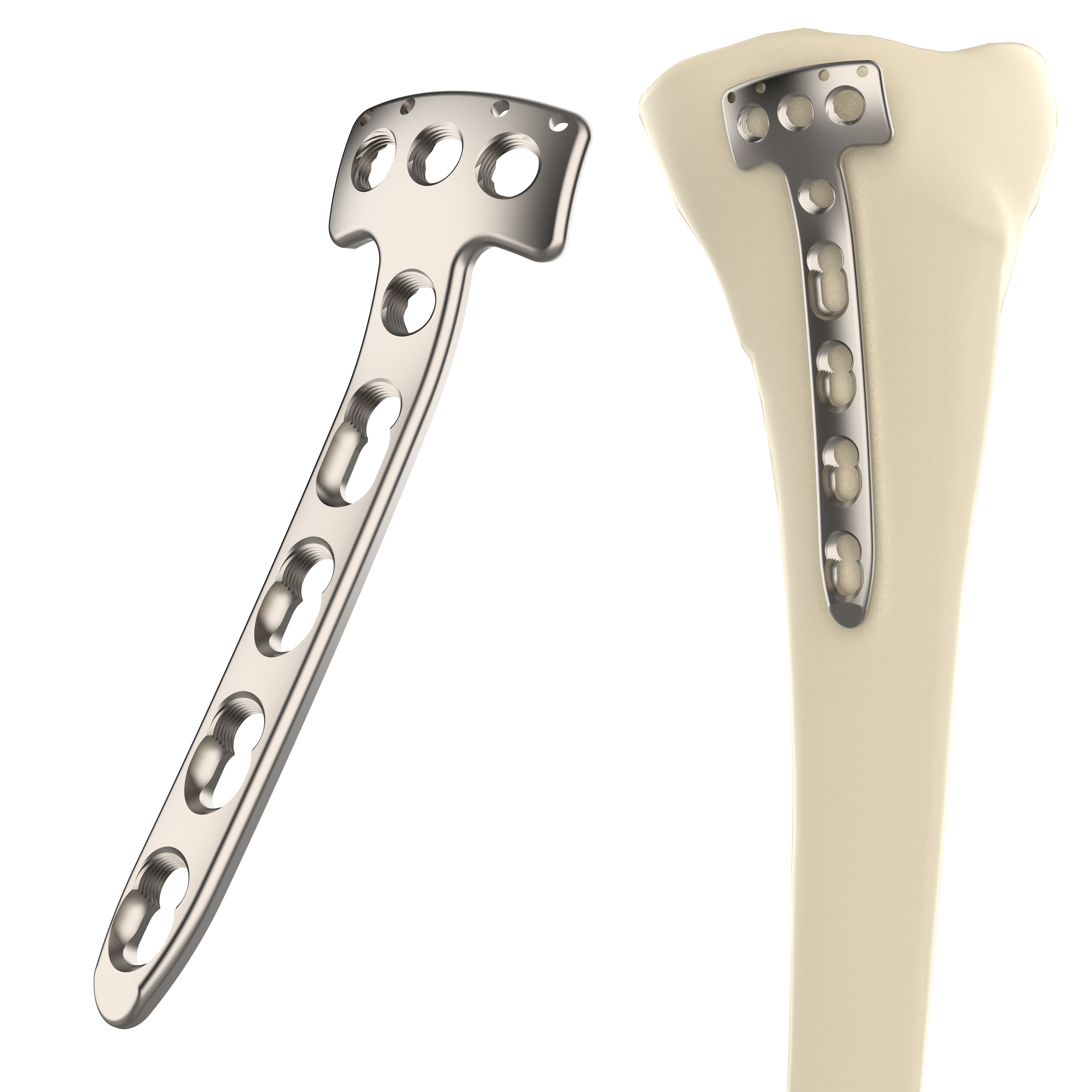
Enables the surgeon to choose between dynamic axial compression (DCP geometry) and absolute rigid angular locking within the exact same plate fenestration, facilitating anatomical reduction in challenging segmental fracture patterns.
Variable-Angle (VA) Cones
Features a ±15° off-axis trajectory freedom, allowing surgeons to precisely target articular fragments, avoid collateral ligaments, and navigate around pre-existing implants or prostheses without compromising thread purchase.
Periosteal Preservation
Limited-contact scalloped undersurfaces mitigate plate-to-bone compressive pressure, preserving the critical periosteal micro-vasculature to accelerate osteogenesis and lower postoperative deep infection risks.
Comparative Metallurgical & Mechanical Performance Benchmarks
| Implant Parameter | INAR Titanium Locking System | Standard Commercial Ti Plates | Standard 316L Stainless Steel |
|---|---|---|---|
| Raw Material Specification | Ti-6Al-4V ELI (ASTM F136 / ISO 5832-3) | CP Ti Grade 4 (ASTM F67) | 316LVM Electroslag Remelt (ASTM F138) |
| Ultimate Tensile Strength (UTS) | ≥ 860 - 930 MPa | ≥ 550 MPa | ≥ 490 - 690 MPa |
| Elastic Modulus (Stiffness) | 110 GPa (Close to cortical bone) | 105 GPa | 200 GPa (Elevated stress-shielding risk) |
| Fatigue Bending Limit (10⁷ Cycles) | ≥ 580 MPa without micro-cracking | ≥ 340 MPa | ≥ 420 MPa |
| Surface Passive Layer | Standardized Type II Anodized (TiO₂) | Standard Passivation | Passivated Chromium Oxide Film |
| Angular Locking Cone Freedom | Variable-Angle ±15° Multidirectional | Fixed Single-Angle 0° | Fixed Single-Angle 0° |
Specialized Localized Application Scenarios in Kharkiv
The clinical caseload encountered by surgical teams in Kharkiv presents distinct pathological challenges rarely observed in peaceful civilian centers. Fracture patterns frequently involve severe soft tissue disruptions, extensive bone comminution, periarticular crush wounds, and associated blast polytrauma. Below are the focal localized applications where our exported trauma implants are currently deployed:
1. Complex Tibial Plateau ORIF
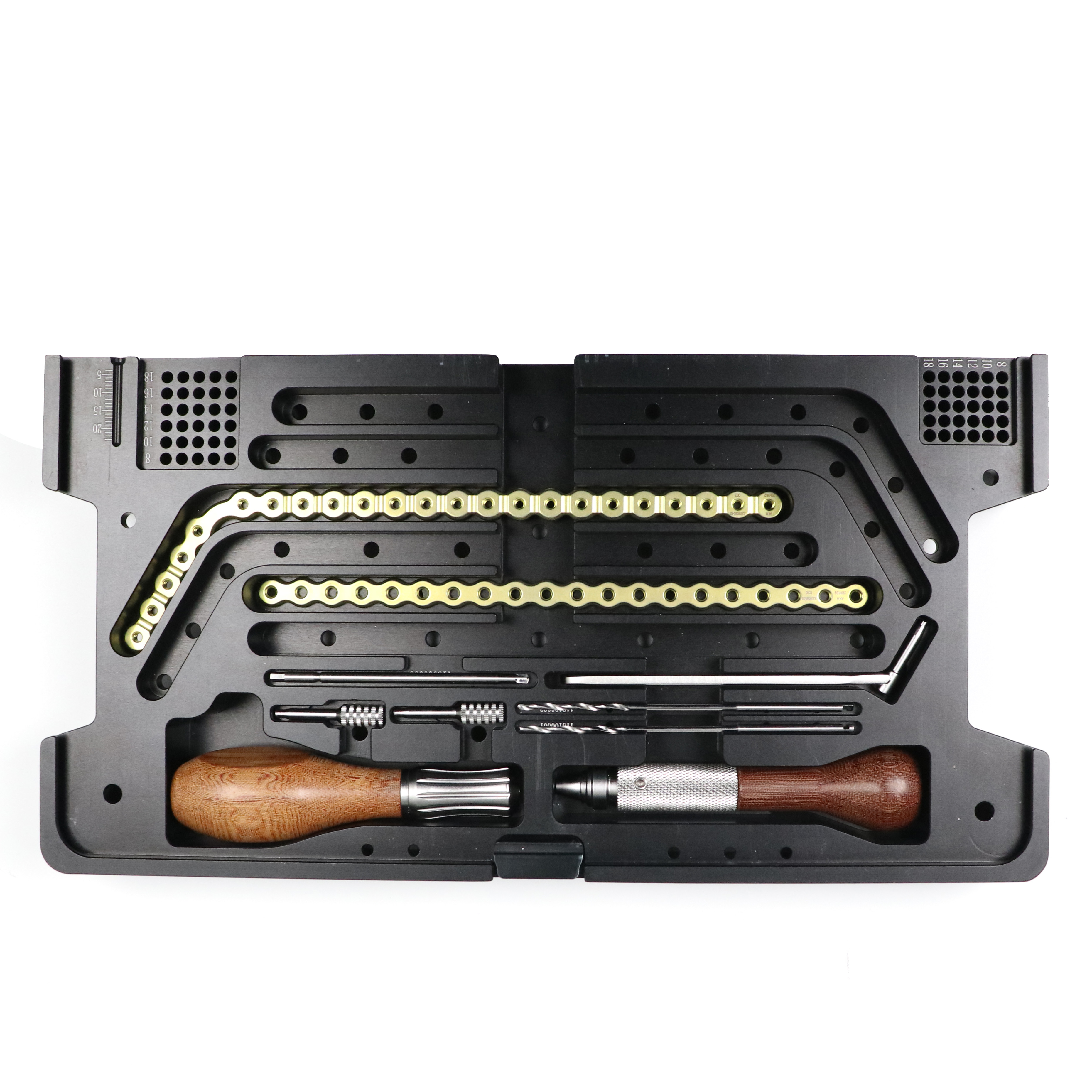
Shattered lateral and medial tibial plateaus (Schatzker Types V & VI) stabilized using our Proximal Lateral & Medial Tibial Locking Plates, ensuring subchondral raft support without bone graft settling under early weight-bearing regimens.
2. Severe Flail Chest Fixation
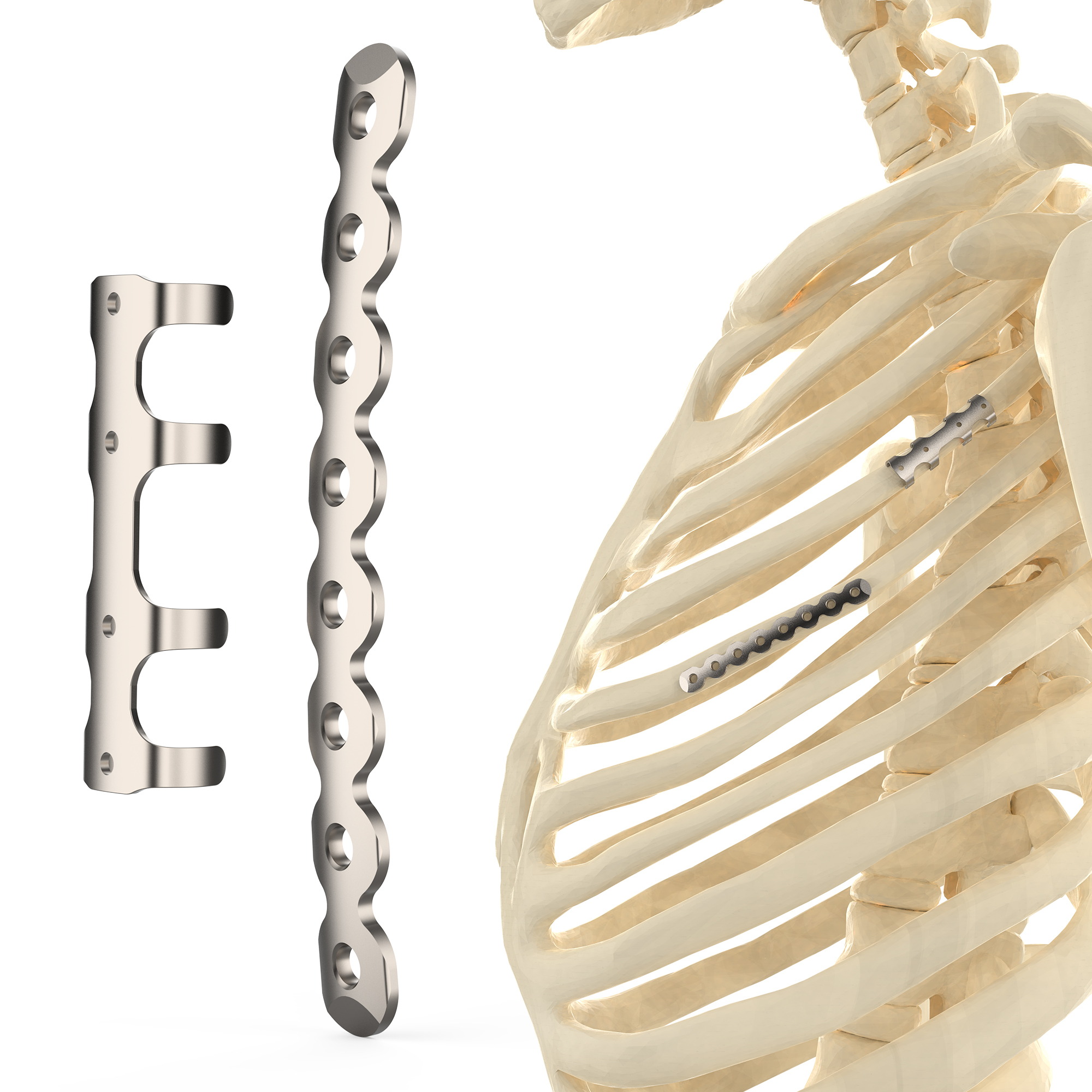
Polytrauma victims with flail chest syndromes and multiple fragmented ribs stabilized via anatomically moldable Titanium Rib Locking Plates, reducing mechanical ventilator dependency days in Kharkiv ICU settings.
3. Cranio-Maxillofacial Trauma
Penetrating ballistic and blunt facial trauma repaired using pure titanium mesh plates and low-profile mini screw systems (1.5mm / 2.0mm), restoring anatomical symmetry, mandibular occlusal planes, and orbital volume.
4. Comminuted Volar Radius
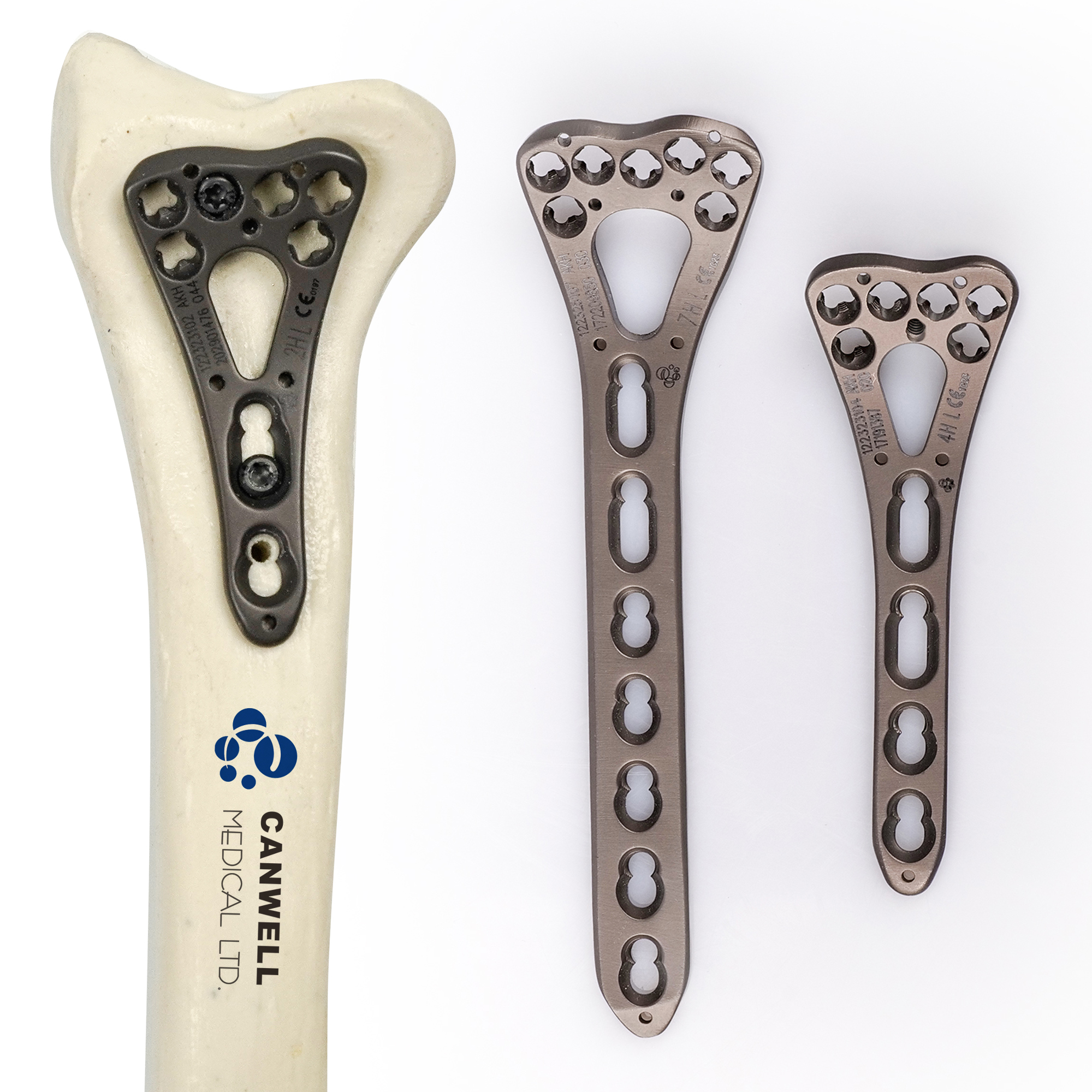
High-energy metaphyseal distal radius fractures stabilized with 2.4/2.7mm Variable-Angle Volar Plates, securing styloid fragments, providing buttressing against collapse, and allowing early wrist rehabilitation.
Emerging Procurement & Clinical Trends in Eastern Ukraine
The procurement ecosystem in Kharkiv has fundamentally evolved over the past 24 months. Purchasing departments within hospital consortiums and regional distributors have overhauled their requisition policies, shifting from decentralized spot purchases to strategic, resilient supply partnerships characterized by the following developments:
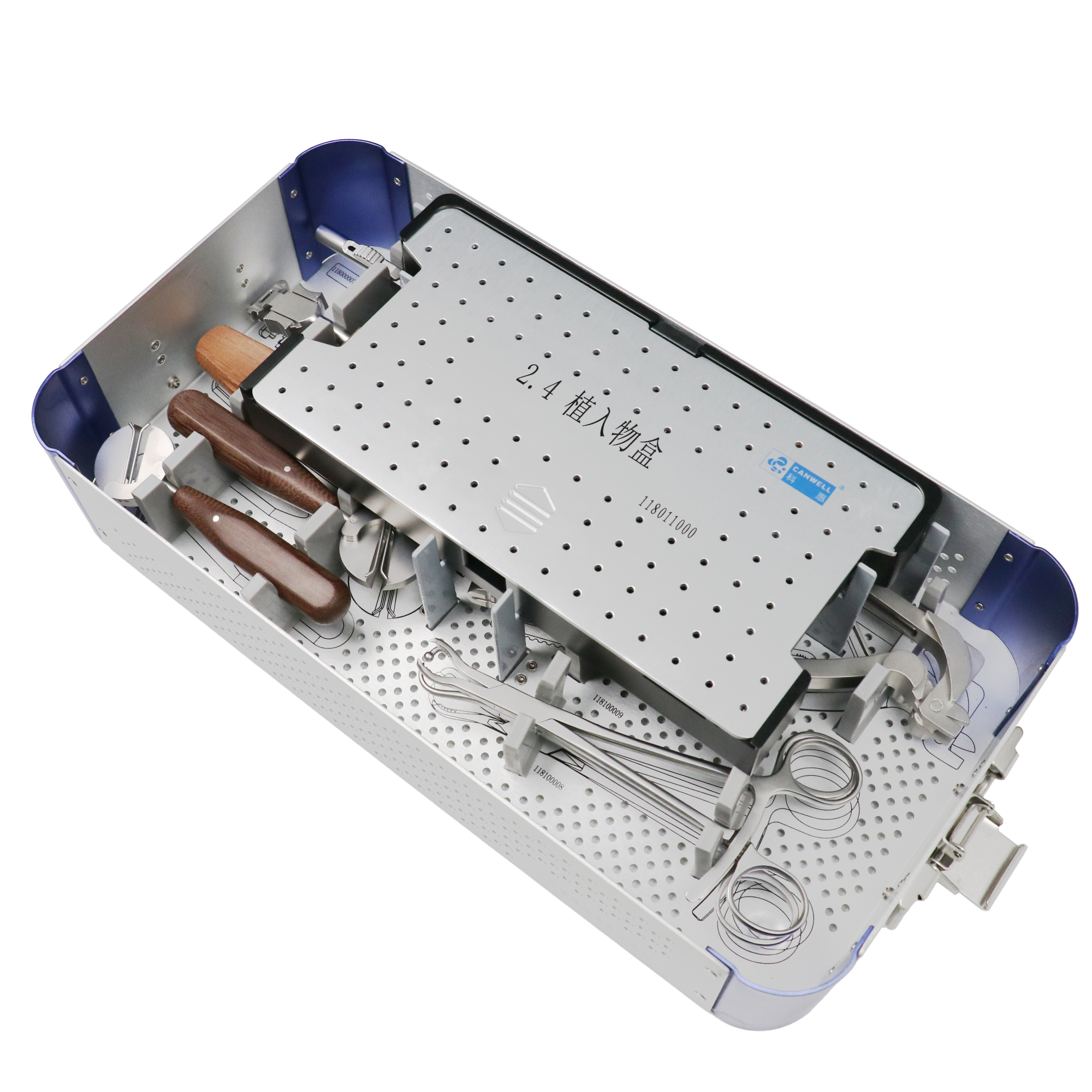
1. Decentralized Strategic Safety Stockpiles: Given the vulnerability of transport routes and distribution nodes, medical procurement officers now establish autonomous reserve stocks within municipal medical hubs. Implants must be delivered with minimum 5-year sterile shelf-life validation (utilizing medical Tyvek packaging) and complete non-sterile replenishment trays designed for heavy-duty autoclave cycles.
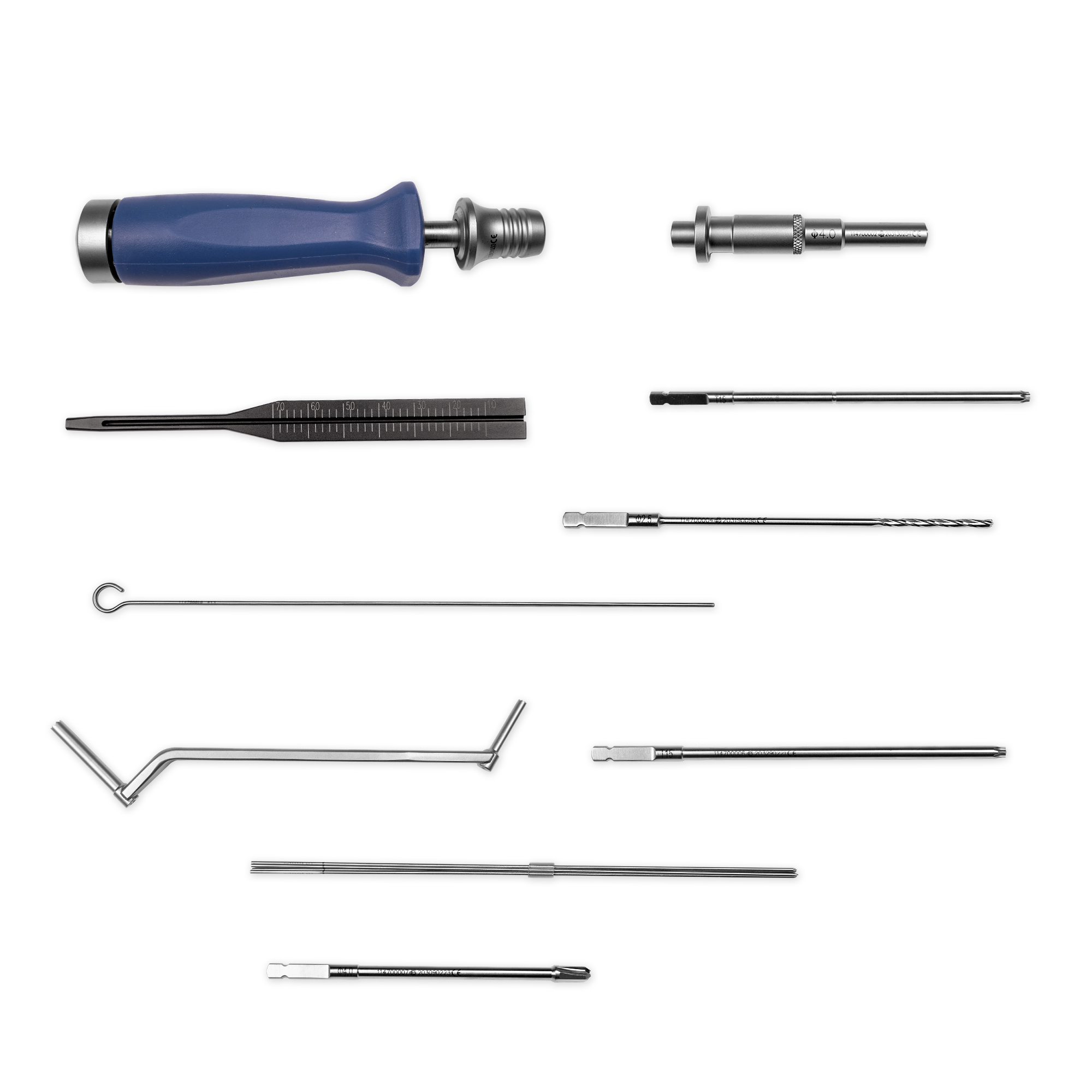
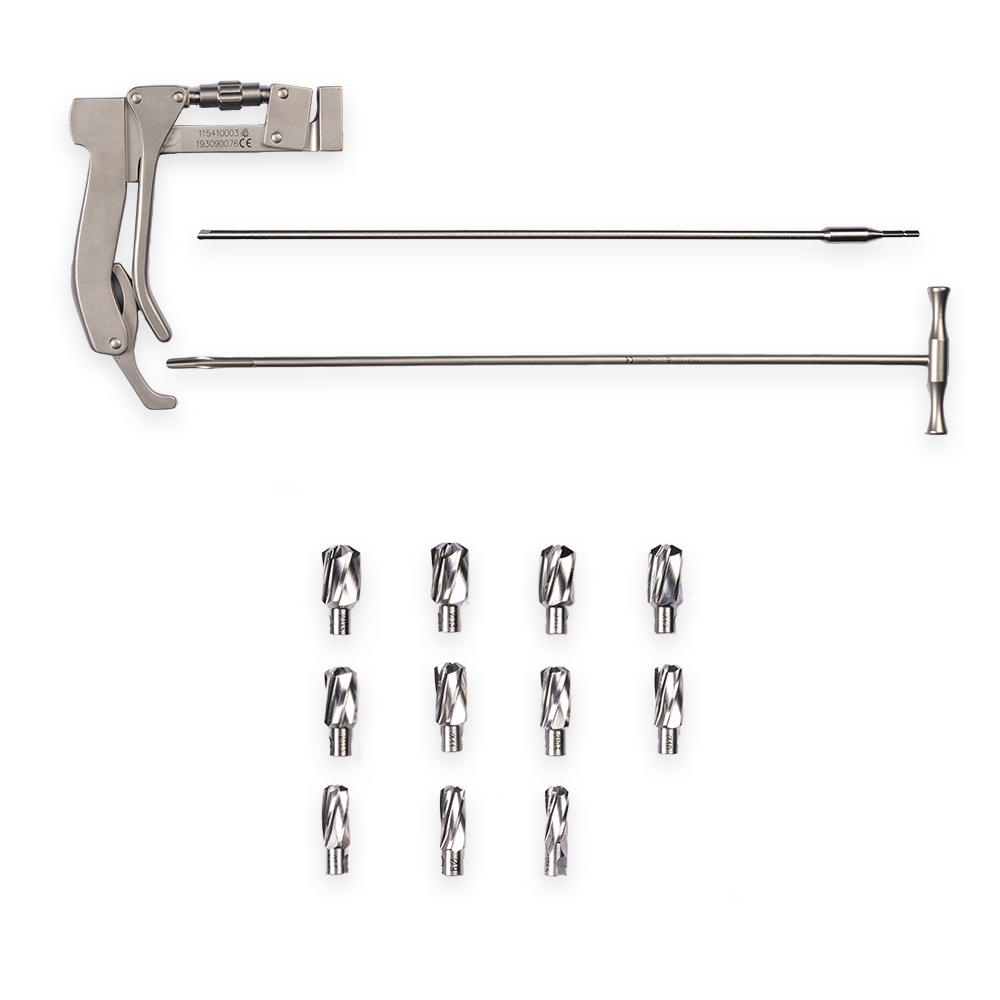
2. Universal Instrumentation Interoperability: Operational teams frequently request instrument standardization. Our manual quick-coupling torque-limiting handles (calibrated strictly to 1.5 Nm and 2.5 Nm) and universal ratchet handles are engineered with universal AO couplings, enabling seamless compatibility across existing surgical driver bits and reamer sets present in Ukrainian operating theaters.
3. Accelerated Land Corridor Supply Chains: Air freight disruption requires exporters to possess robust multimodal logistics expertise. Consignments destined for Kharkiv are routed via European logistics hubs (Poland/Romania) followed by consolidated overland transport directly to municipal healthcare storage centers in Kharkiv, supported by complete Ukrainian import documentation.
Factory Prowess: Why Leading Importers & Hospitals Trust Our Output
Operating as Zhejiang INAR Medical Co., Ltd. (incorporating CANWELL product lines), our state-of-the-art medical manufacturing complex represents one of the largest dedicated orthopedic implant and instrument facilities in Asia. With 22+ years of continuous clinical engineering experience, our integrated 29,523 m² facility delivers total quality certainty.
Full In-House Lifecycle
From longitudinal precision cutting and multi-axis CNC Swiss machining to automated deburring, polishing, and sand-blasting, nothing critical to dimensional integrity is outsourced.
Double Ultrasonic & Cleanroom
Two distinct ultrasonic washing phases remove all machining micro-residues prior to transfer into our certified ISO Class 100,000 aseptic cleanroom packaging facility.
Endurance & Penetrant Testing
100% fluorescent penetrant flaw detection rules out micro-fissures, while dedicated servo-hydraulic fatigue benches test dynamic cyclic loading to millions of cycles under ASTM F382 protocols.
With an on-site workforce of 632 professionals—including a dedicated R&D team of biomechanical engineers and regulatory documentation specialists—we support our international partners with complete Technical Construction Files (TCF), material mill certificates, and audit trails verified independently by SGS Group.
Frequently Asked Questions by Ukrainian Hospital Buyers & Importers
Crucial details on regulatory compliance, transport corridors, logistics timelines, and sterilization parameters.
How do INAR/CANWELL products comply with Ukrainian Medical Device Regulations (Decree No. 753)?
What are the freight routes, customs protocols, and delivery timelines to Kharkiv under current logistics conditions?
What sterilization options and shelf lives are provided for shipments to acute trauma zones?
What is the minimum order quantity (MOQ) and sample evaluation protocol for new Ukrainian procurement tenders?
Can you manufacture customized anatomical contours or OEM-branded instrument kits for local distribution?
Empower Your Surgical Teams with Certified Trauma Implants
Connect with our technical export directors to receive full product specifications, CE dossiers, material test reports, or customized pricing for municipal and private medical procurement in Kharkiv.