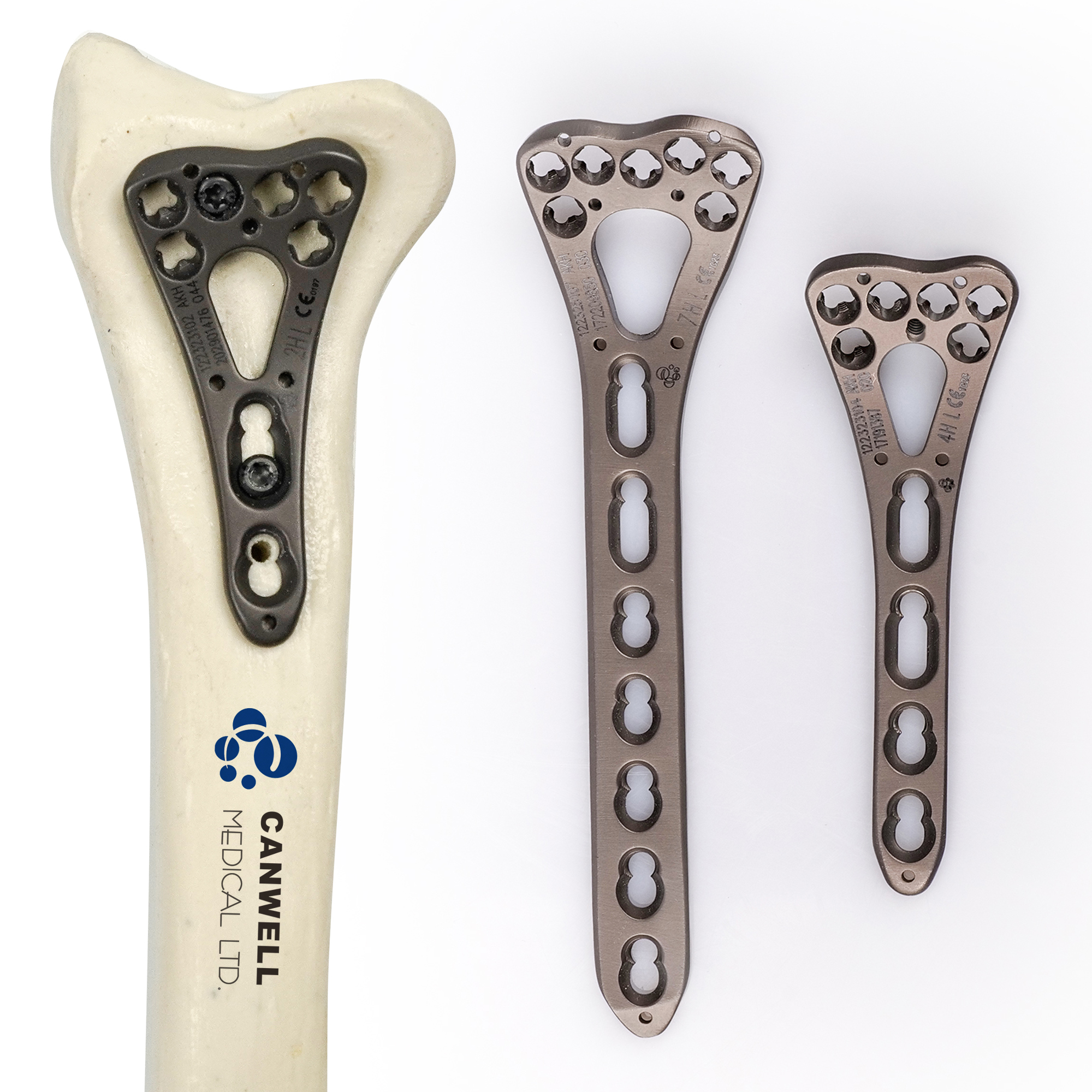
Clinical Grade Titanium & PEEK Traumatology
Orthopedic Osteosynthesis Solutions Engineered for Plzeň Hospitals & Clinics
Bridging Swiss-level metallurgical tolerance with agile volume manufacturing to stabilize trauma pathways across the Plzeň Region.
As tertiary healthcare institutions such as Fakultní nemocnice Plzeň (University Hospital Plzeň), specialized surgical facilities across the Plzeň Region (Plzeňský kraj), and independent trauma clinics confront an evolving epidemiological transition—combining geriatric fragility fractures with high-energy industrial and recreational sports trauma—the requirement for precision, stable, and anatomically pre-contoured fixation implants has reached unprecedented levels. As an SGS-verified manufacturer with over 22 years of surgical device engineering excellence, Zhejiang INAR Medical Co., Ltd. (operating with globally recognized lines including CANWELL) acts as a high-tier supplier and agile exporter of osteosynthesis systems, trauma locking plates, variable-angle screw systems, and dedicated surgical instrumentation tailored to meet the demanding requirements of modern Czech surgical teams.
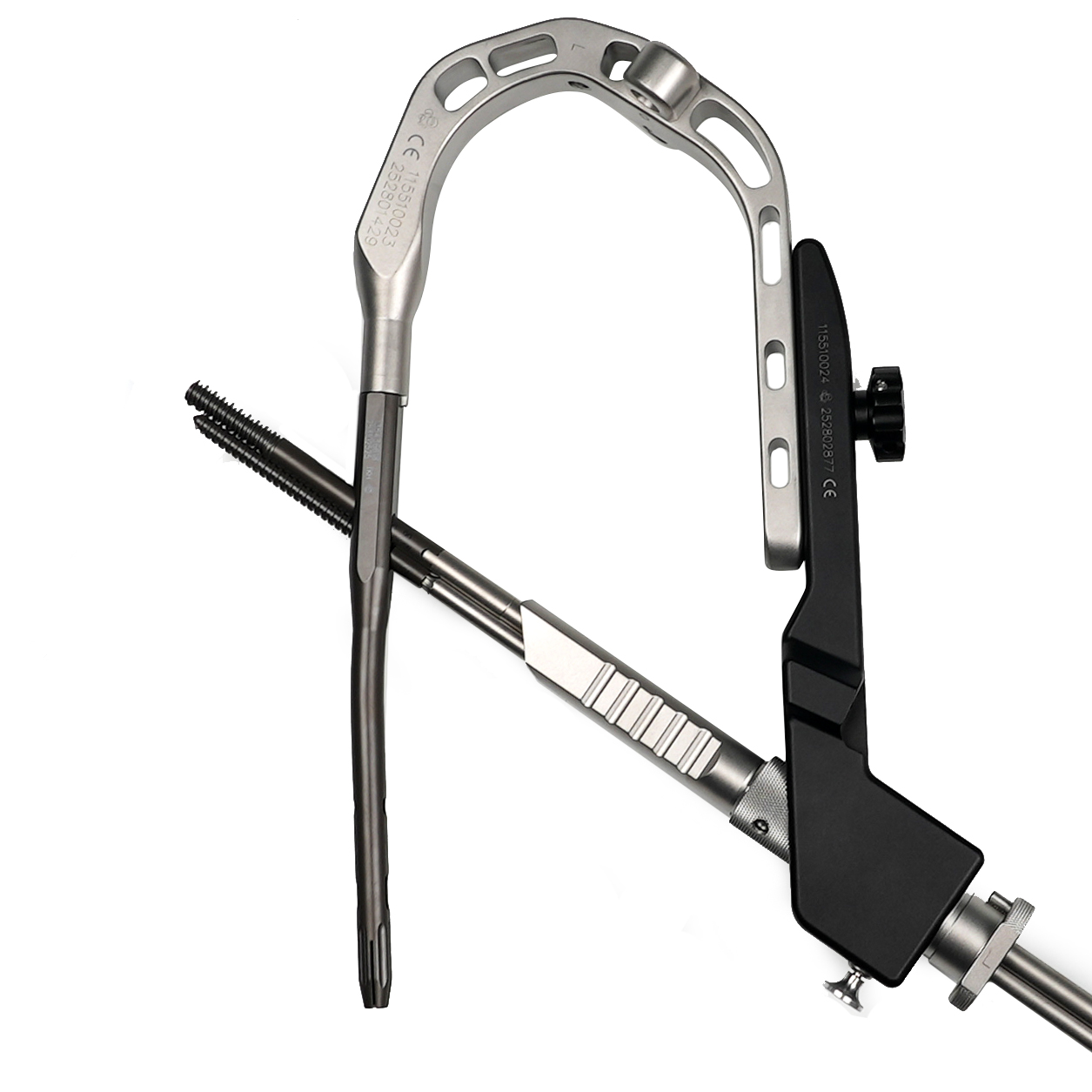
CANWELL Titanium Femoral Intramedullary Interlocking Nail System for Diaphyseal Fixation
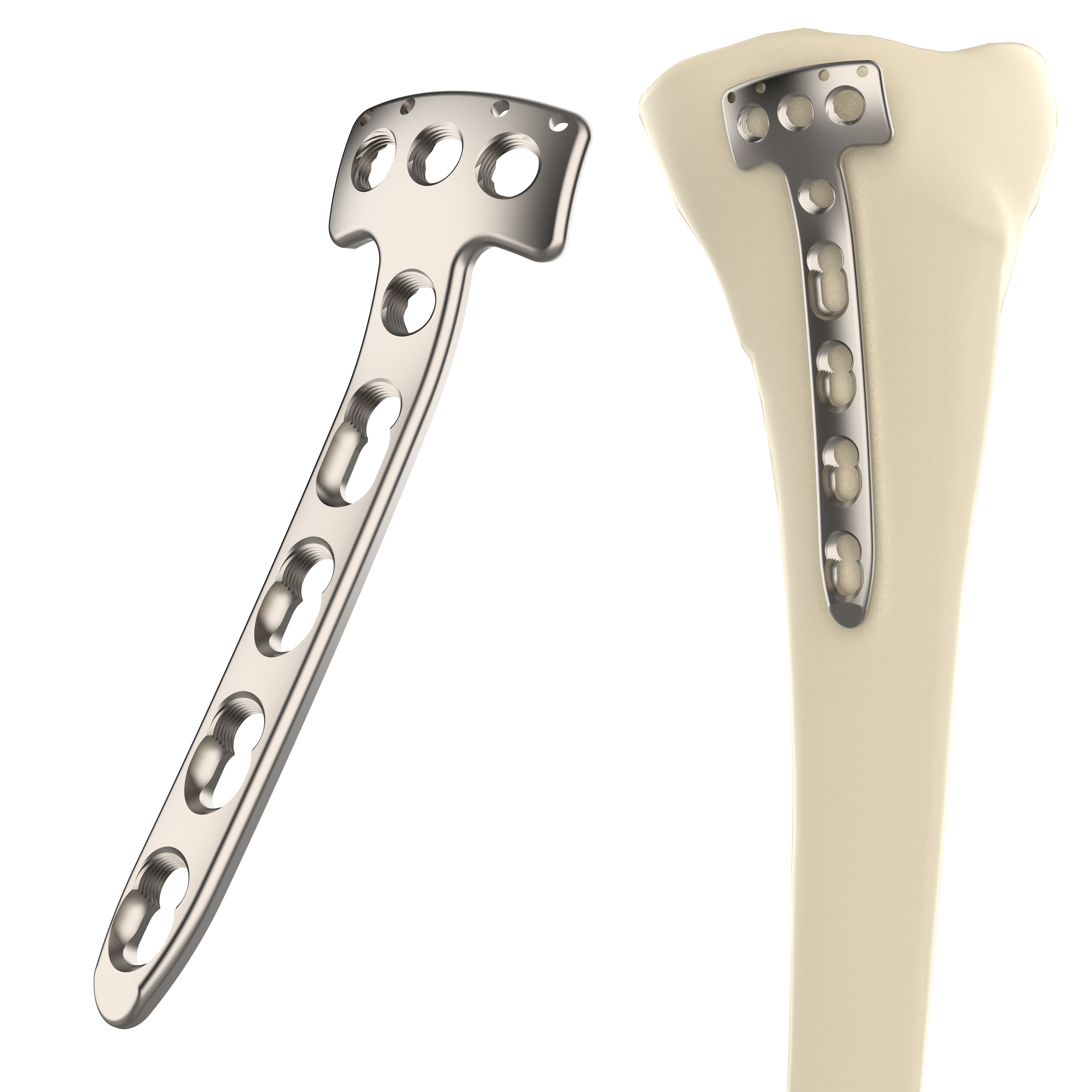
CANWELL Titanium Proximal & Middle Tibial Locking Plate for Plateau Reconstruction ORIF
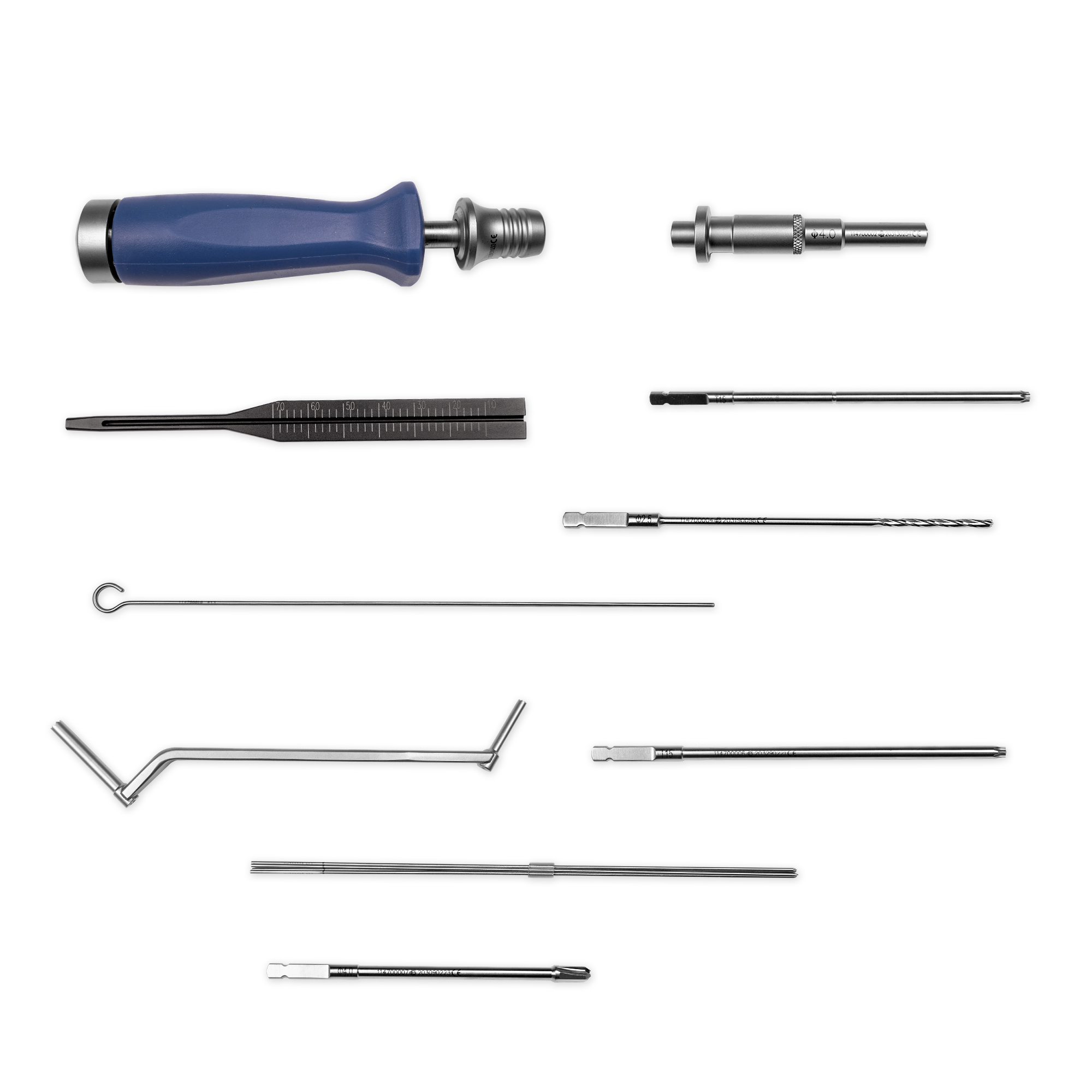
CANWELL Medical Ergonomic Orthopedic Instrument Set & Calibrated Torque Limiting Handle
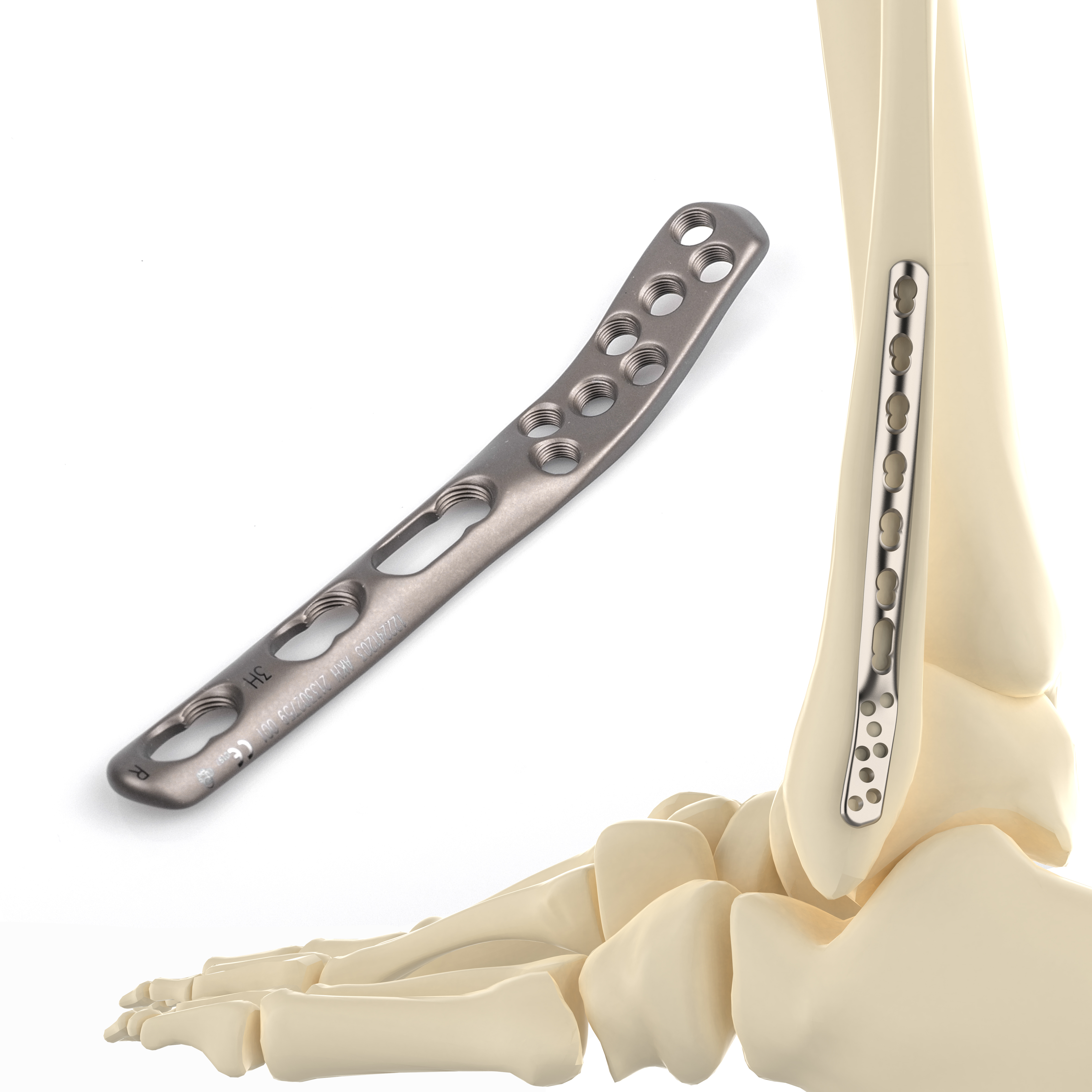
CANWELL Titanium Posterolateral Distal Fibula Locking Plate (2.7/3.5mm Screw Configuration)
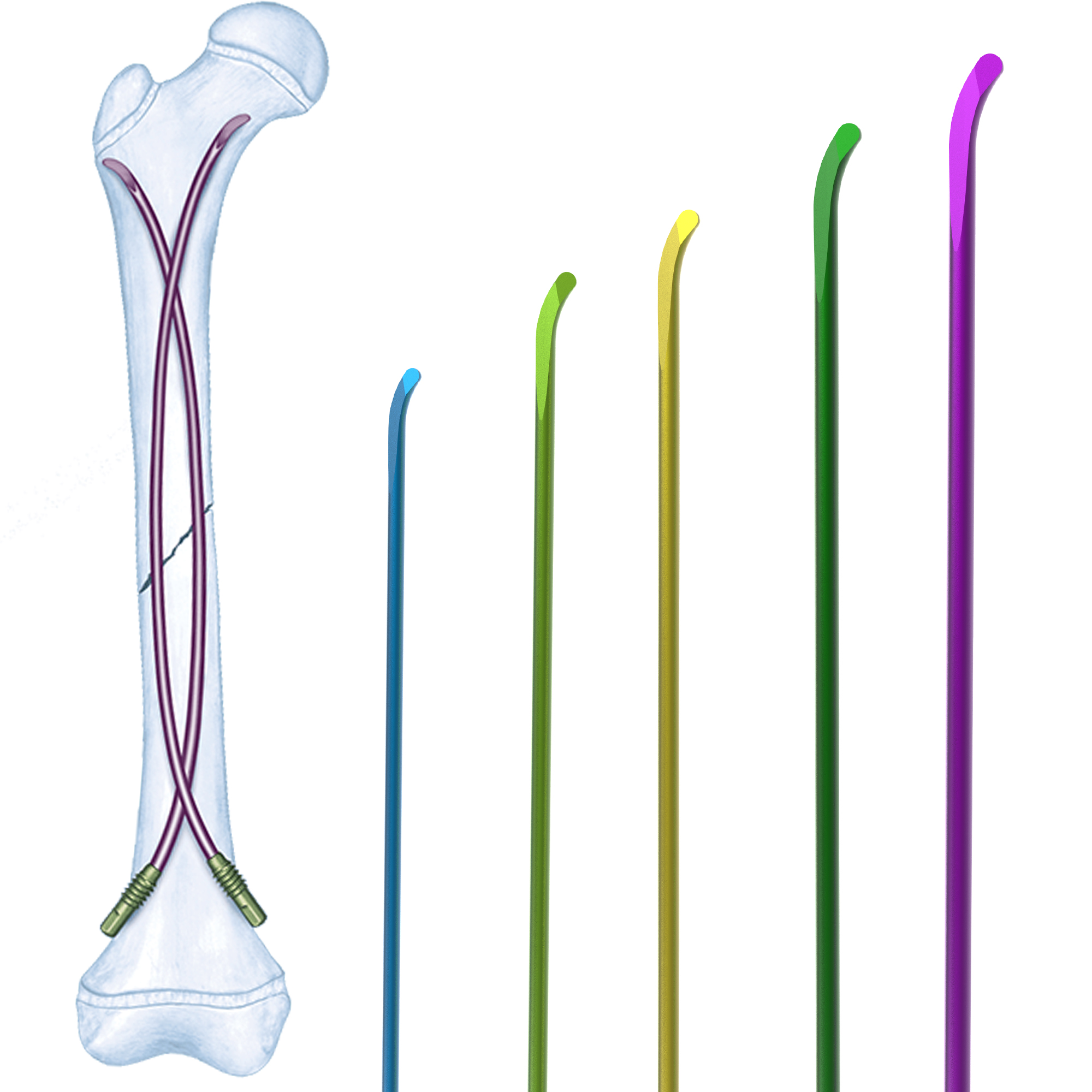
Canwell Titanium Elastic Stable Intramedullary Nail (TEN) for Pediatric Diaphyseal Fractures
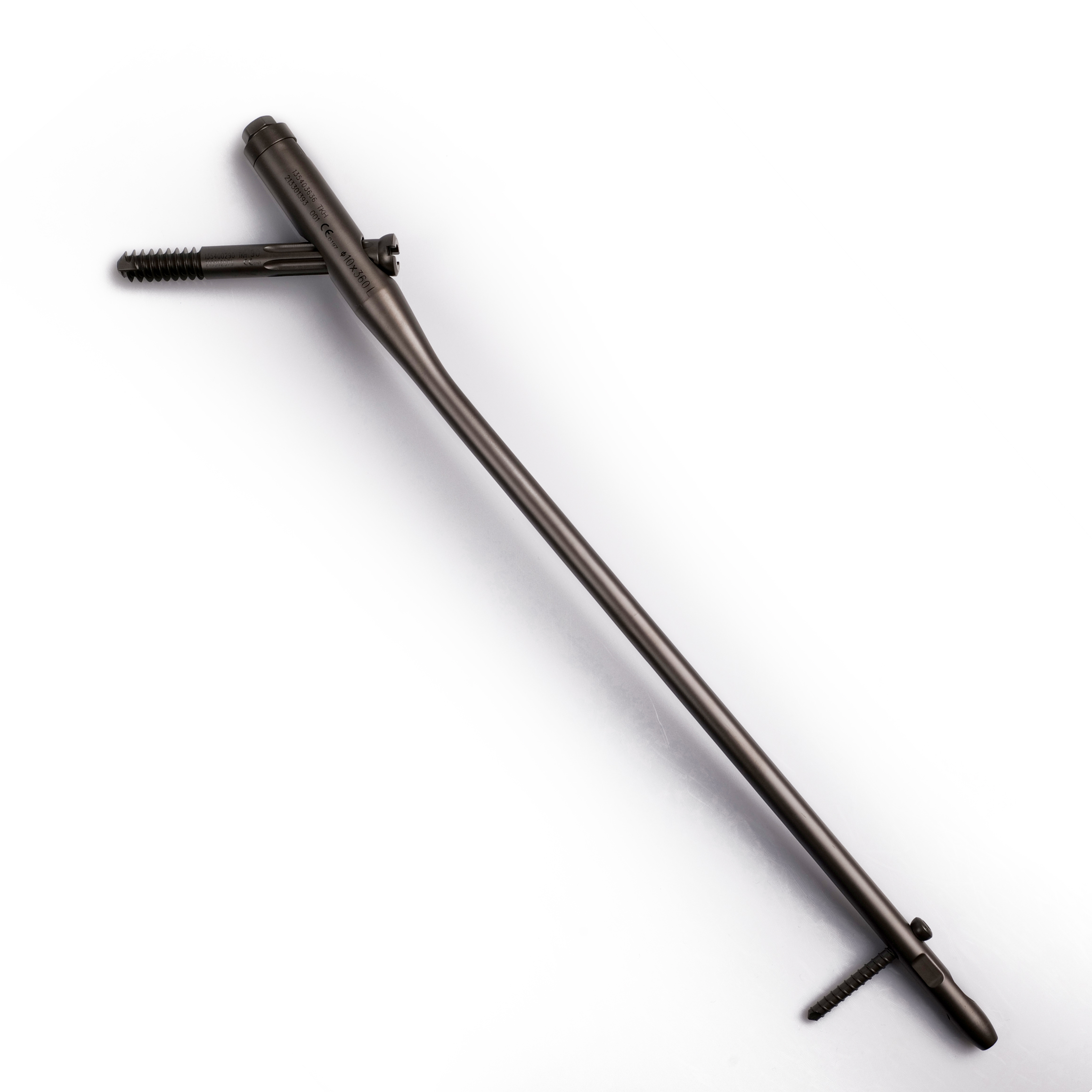
CANWELL Titanium Proximal Femoral Nail Antirotation (PFNA) Trochanteric Fixation System
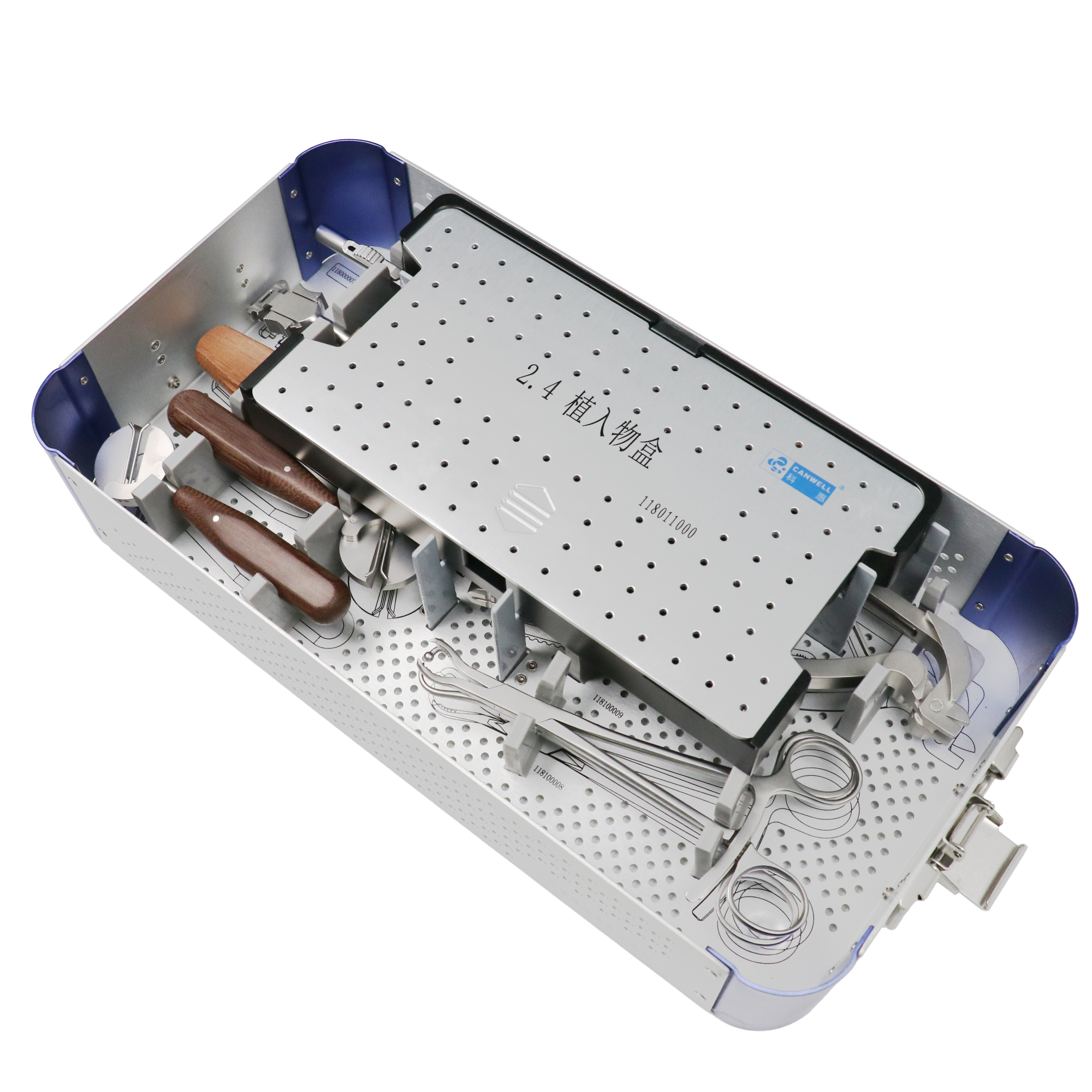
CANWELL Oral and Maxillofacial Surgery (CMF) Titanium Plating & Instrument Kit
22+
Years Precision Engineering
29,523 m²
State-of-the-Art Production Site
632
Specialized Technical Personnel
100%
Lot-Traceable QA / OQC Inspected
Localized Clinical Application Scenarios Across the Plzeň Healthcare Hub
The anatomical architecture of trauma cases treated in the administrative territory of Plzeň reflects both a concentrated industrial corridor (encompassing heavy machinery, automotive logistics, and rail infrastructure) and the demographic realities of an aging populace throughout rural West Bohemia. To satisfy the clinical routines of Czech orthopedists, fracture plating systems must accommodate two distinct biomechanical profiles: high-energy comminuted polytrauma and osteoporotic periarticular instability.
Geriatric Fragility & Fragile Bone Fixation
With the rising incidence of distal radius and proximal femoral fractures in senior cohorts, standard cortical screws fail to maintain purchase. Our Variable-Angle (VA) Volar Distal Radius Plates (2.4/2.7mm) and PFNA Trochanteric Fixation Systems deploy multidirectional locking screws into subchondral bone, creating an internal fixator scaffold that drastically reduces secondary loss of reduction, screw toggle, and joint penetration.
- Subchondral raft screw trajectory support
- Optimized screw thread profiles for osteopenic trabeculae
- Reduced soft-tissue irritation via ultra-low profile plate borders
Industrial Polytrauma & High-Energy Fracture Patterns
Plzeň’s status as an engineering and transit hub generates complex diaphyseal and intra-articular injuries requiring rigid axial and torsional stability. The CANWELL Proximal/Middle Tibial Plates and heavy-duty Titanium Femoral Interlocking Nails deliver dynamic or static compression across comminuted zones, neutralizing bending moments while preserving periosteal blood flow via limited-contact undersurface geometries.
- Limited-Contact Dynamic Compression Plate (LC-DCP) contours
- Anodized surface passivations to minimize tissue adhesion
- Dedicated targeting jigs for minimally invasive percutaneous osteosynthesis (MIPO)
Pediatric & Sports Reconstructive Traumatology
Recreational hubs surrounding the Bohemian Forest and Šumava National Park feed acute ski, cycling, and mountaineering fractures into regional clinics. Meanwhile, pediatric trauma care requires physeal preservation. The Canwell Titanium Elastic Stable Intramedullary Nails (TEN) and Posterolateral Distal Fibula Plates allow rapid functional recovery without compromising growth plates or articular gliding planes.
- Elastic nail flexibility balanced with rotational bracing
- Low-profile syndesmotic screw holes in distal fibula plates
- Biocompatible Ti6Al4V ELI (ISO 5832-3) alloy execution
Engineering Paradigms: Metallurgy, Biomechanics & Surface Science
In accordance with European Medical Device Regulation (EU MDR 2017/745) requirements and strict ISO 13485 quality frameworks, INAR Medical relies exclusively on high-purity medical-grade Titanium Grade 5 (Ti6Al4V ELI / ASTM F136 / ISO 5832-3) and select implant-grade stainless steel (316LVM / ISO 5832-1). The clinical choice of Ti6Al4V ELI provides an elastic modulus (~110 GPa) substantially closer to human cortical bone (~18-20 GPa) than traditional cobalt-chromium or 316L alloys (~210 GPa), thereby reducing the deleterious effects of stress shielding and promoting secondary callus bridging.
| Implant System | Material Standard | Biomechanical Feature | Clinical Target Indication | Screw System Compatibilities |
|---|---|---|---|---|
| Distal Volar Radius Plate | Ti-6Al-4V ELI (ASTM F136) | Variable-angle locking (+/-15° cone), low-profile | AO 23-A, B, C unstable intra-articular fractures | 2.4mm / 2.7mm locking & cortex screws |
| Proximal Tibia Plateau Plate | Ti-6Al-4V ELI (ISO 5832-3) | Anatomical metaphyseal buttress contour, raft pin holes | Schatzker Types II–VI tibial plateau fractures | 3.5mm / 5.0mm locking, 4.5mm cortex screws |
| Distal Fibula Lateral/Posterolateral | Ti-6Al-4V ELI (ASTM F136) | Scalloped plate waist, syndesmosis oblong slots | Weber Types A, B, C malleolar fractures | 2.7mm / 3.5mm cortex & locking screws |
| Femoral Interlocking Nail / PFNA | Ti-6Al-4V ELI (Forged Rod) | Helical dynamic blade against cutout, proximal bowing | Subtrochanteric, pertrochanteric, femoral shaft | Dynamic antirotation helical blade + distal locking |
| Oral & Maxillofacial (CMF) | CP Titanium Grade 2 / 3 | High malleability, sub-millimeter plate profile | Mandibular, zygomatic, craniofacial trauma | 1.5mm / 2.0mm micro-screws, self-tapping |
Localized Procurement Trends & Emerging Traumatology Dynamics in Plzeň
Procurement departments across Czech public hospitals (Fakultní nemocnice) and regional health networks operating under central tendering mechanisms (Věstník veřejných zakázek) are shifting away from sole dependence on legacy multinational conglomerates. Several macroeconomic and institutional factors are currently transforming the Plzeň trauma implant supply chain:
1. Escalating Healthcare Budgetary Pressures under VZP Reimbursement Caps: While the General Health Insurance Company (VZP) and regional health insurers mandate strict quality parameters, reimbursement caps on orthopedic surgical intervention require healthcare purchasing directors to source cost-efficient implants. INAR Medical provides an equilibrium: Western-tier metallurgical tolerances certified by SGS, accompanied by manufacturing economies of scale that reduce per-tray unit costs by up to 30-40% compared to conventional European brands.
2. Tightening of EU MDR Traceability and Post-Market Clinical Follow-Up (PMCF): The stringent transitional requirements of EU MDR 2017/745 have caused several domestic boutique European implant producers to prune catalog offerings due to high recertification overhead. INAR Medical maintains full technical documentation, Risk Management Files (ISO 14971), clinical evaluation reports, and validated ethylene oxide (EtO) / gamma sterilization validations, safeguarding Plzeň clinical distributors against sudden regulatory stock-outs.
3. Demand for Comprehensive Instrument-Implant Synergies: A frequent complaint from regional central sterile processing departments (CSSD) in the Plzeň region involves mismatched driver heads, stripped screw recesses, and uncalibrated torque limiters. Our systems solve this operational hurdle by delivering matched stainless-steel surgical sets containing standardized Star-drive (Torx-compatible) recesses and calibrated quick-coupling torque limiting handles (e.g., 1.5 Nm, 2.5 Nm, 4.0 Nm), preventing intraoperative screw stripping and interface micro-galling.
Factory to OR Efficiency
End-to-End Precision Manufacturing Process
How INAR Medical ensures zero-defect orthopedic devices across our 29,523 m² production floor.
1
Material Intake
Spectrographic analysis & ultrasonic flaw detection of certified Ti-6Al-4V ELI medical-grade billets.
2
5-Axis CNC Milling
Sub-micron tolerance profile machining of anatomical plate curves and helical locking thread geometry.
3
Surface Finishing
Sand-blasting, chemical passivation, and electrolytic Type II color-anodization for screw identification.
4
Penetrant & OQC
100% fluorescent penetrant inspection for surface micro-cracks alongside CMM dimensional validation.
5
Aseptic Packaging
Class 100,000 cleanroom packaging in double-barrier Tyvek blisters ready for terminal sterilization.
Why Regional Distributors and Czech Surgical Centers Partner With INAR
Building resilient trauma partnerships requires more than competitive catalog pricing; it demands a partner with verified clinical accountability and production elasticity. Zhejiang INAR Medical Co., Ltd. provides distinct structural advantages:
SGS Audited Facility
Our manufacturing site spans 29,523 m² with 632 dedicated employees. The facility is verified onsite by SGS Group, providing European procurement officers with verifiable transparency spanning machinery lists, QC laboratories, and supply-chain audits.
Extensive OEM/ODM Flexibility
Whether Plzeň distribution partners require customized plate contours, customized laser markings with localized UDI barcodes, or specialized instrument trays tailored to local sterile containers, our in-house R&D team completes rapid DFM assessments and sampling.
Exhaustive Regulatory Support
With 13+ years of international export pedigree and registered devices spanning over 40 countries, we provide full Declarations of Conformity (DoC), CE certificates under MDR / 93/42/EEC directives, material safety sheets, and surgical technique guides in English.
Frequently Asked Questions by Plzeň Medical Procurement Officers
How does INAR Medical ensure compliance with Czech medical device registration (SUKL)?
Our trauma locking plates, screws, and intramedullary nails are manufactured under certified ISO 13485 quality systems and carry valid CE certificates under European medical device directives and MDR. For imports into the Czech Republic, we supply comprehensive technical documentation files, test protocols (mechanical fatigue testing according to ASTM F382 for bone plates), and biological safety data to ensure seamless registration within the State Institute for Drug Control (Státní ústav pro kontrolu léčiv – SÚKL) and the central RZPRO register.
Can we order customized or private-label instrument cases configured for Czech autoclaves?
Yes. We regularly supply tailored OEM/ODM instrument sets. We can configure anodized aluminum or PPSU graphic cases dimensionally matched to standard hospital sterilization cassettes (DIN-sized) utilized across Plzeň surgery centers, complete with custom laser markings, local part numbering, and specific torque-limiting driver configurations.
What are the typical lead times and logistics routes for shipments arriving in Plzeň?
For standardized titanium locking plates and standard screws, off-the-shelf inventory allows dispatch within 3–7 business days. Air-freight consignments typically route through Václav Havel Airport Prague (PRG), arriving in Plzeň warehouses within 5–9 days after customs clearance. Full batch documentation, inspection reports, and Certificate of Analysis (CoA) accompany each shipment.
Are CANWELL and INAR locking plates compatible with standard AO/ASIF screw drive standards?
Yes. Our plates are designed around standard international surgical principles. For instance, our 2.4/2.7mm variable-angle locking plates and 3.5mm small fragment plates utilize industry-standard star/hexalobular (Torx) and standard hexagonal recesses, ensuring high compatibility with existing orthopedic drive shafts while minimizing stripping risks during high-torque seated placements.
What surface treatments are implemented to prevent intraoperative cold welding?
Cold welding between titanium screws and locking plate hole threads is a recognized challenge in titanium osteosynthesis. INAR Medical applies controlled electrochemical Type II anodization and hard surface passivation across our plate and screw lines. This metallurgical barrier significantly decreases friction during screw seating, virtually eliminating cold welding and ensuring smooth implant removal even after extended bone consolidation.