CE / ISO
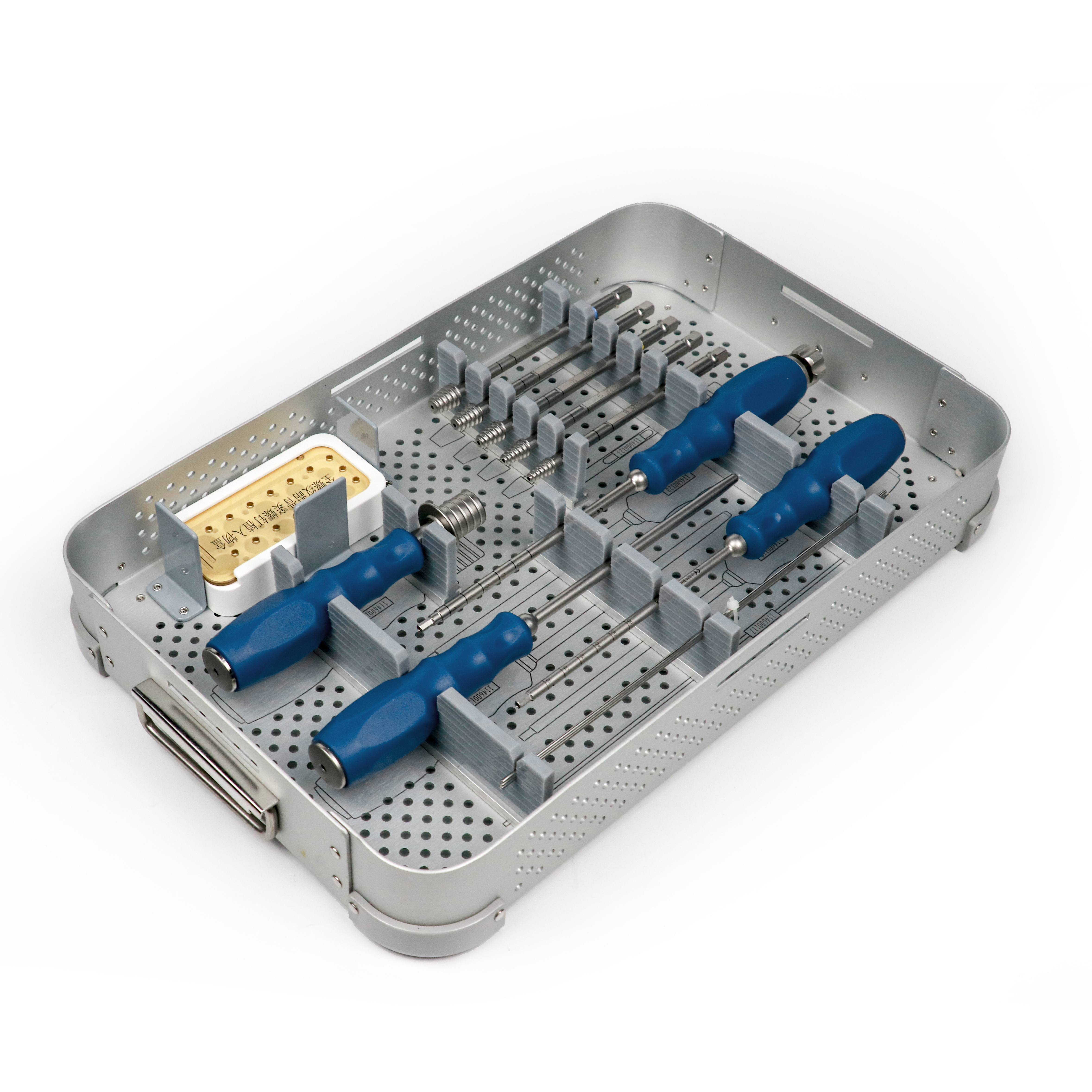
Harmonized CE-marked surgical implants, precision reamers, and fixation sets fabricated under cleanroom standards for clinical procurement across Harju, Tartu, Pärnu, and Ida-Viru healthcare networks.
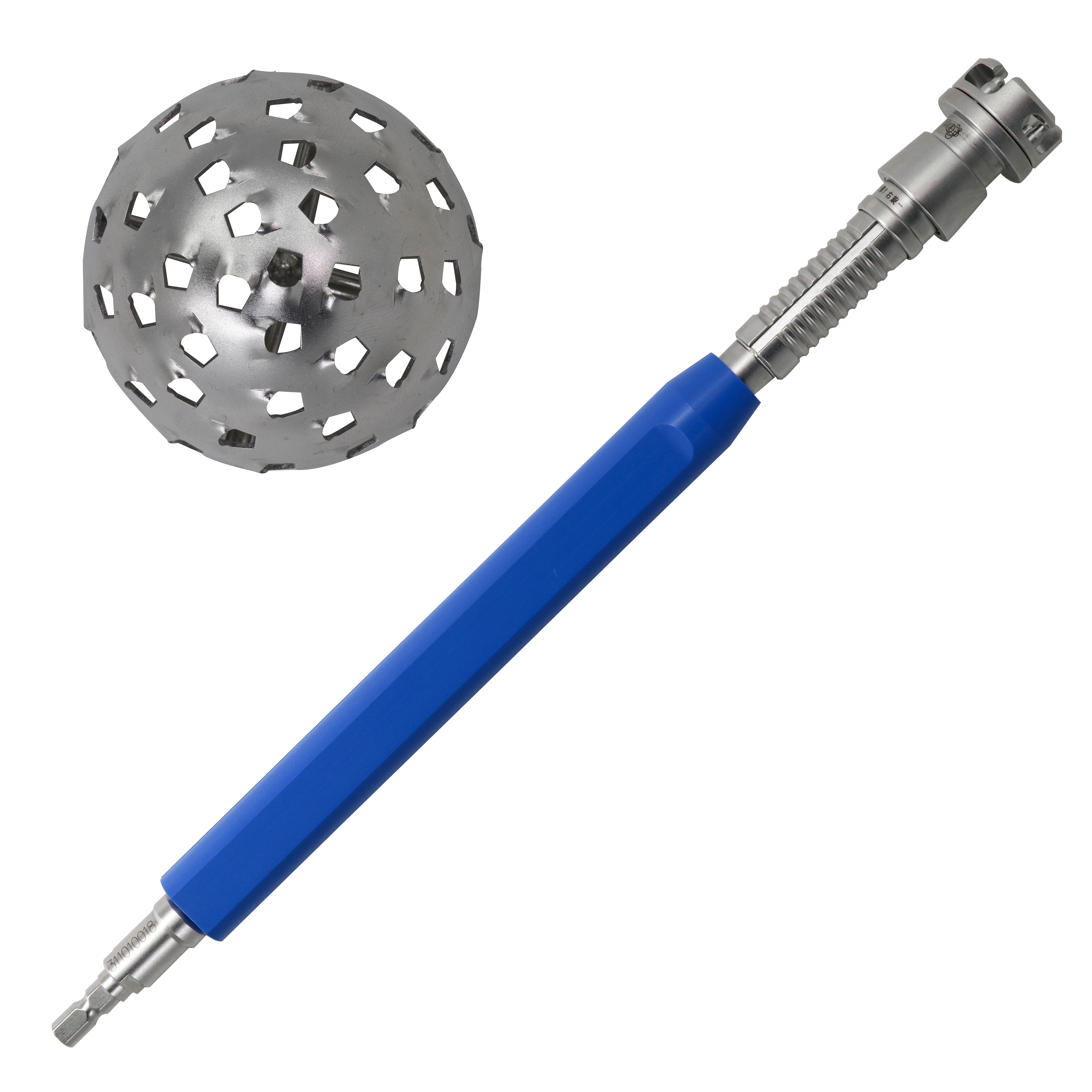
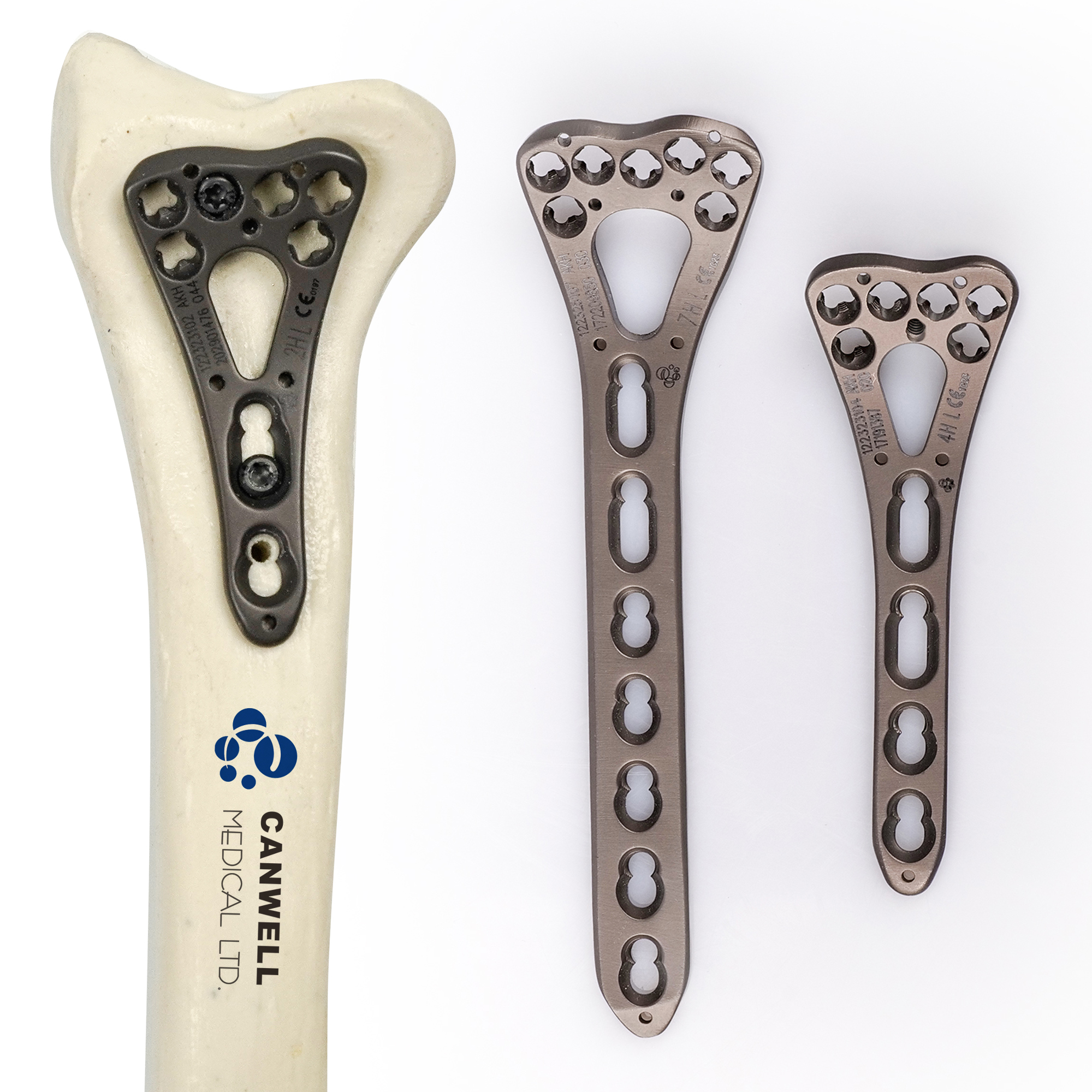
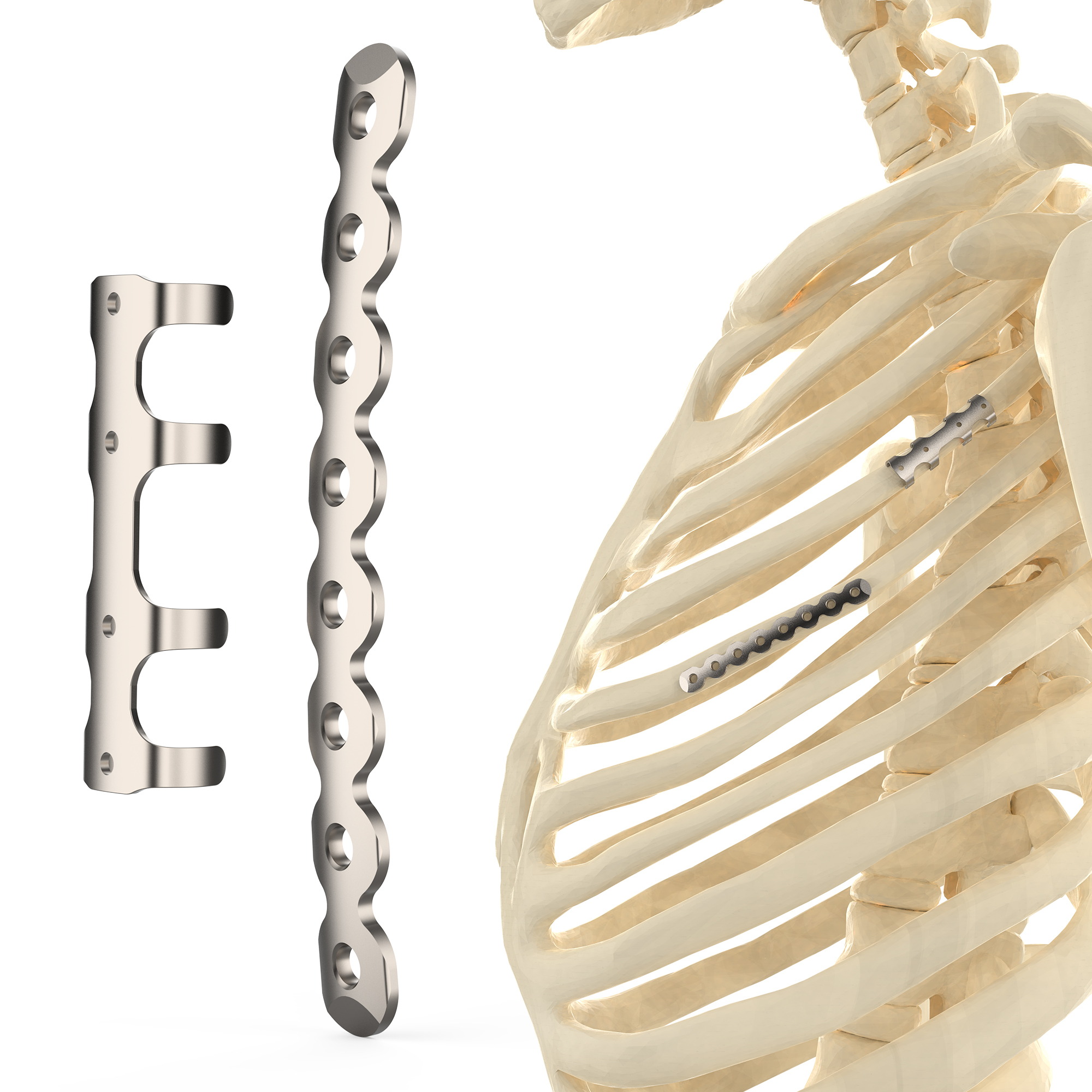
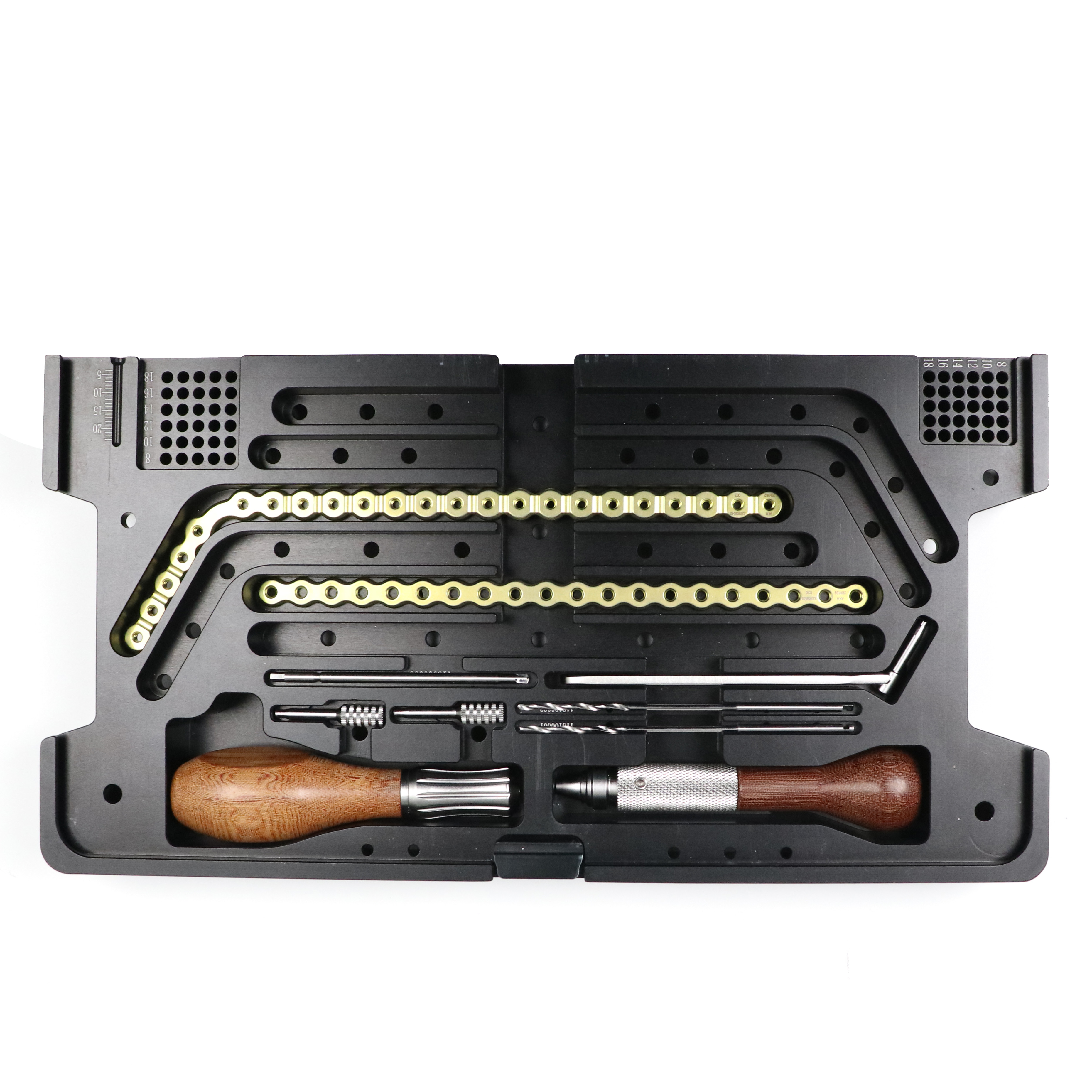
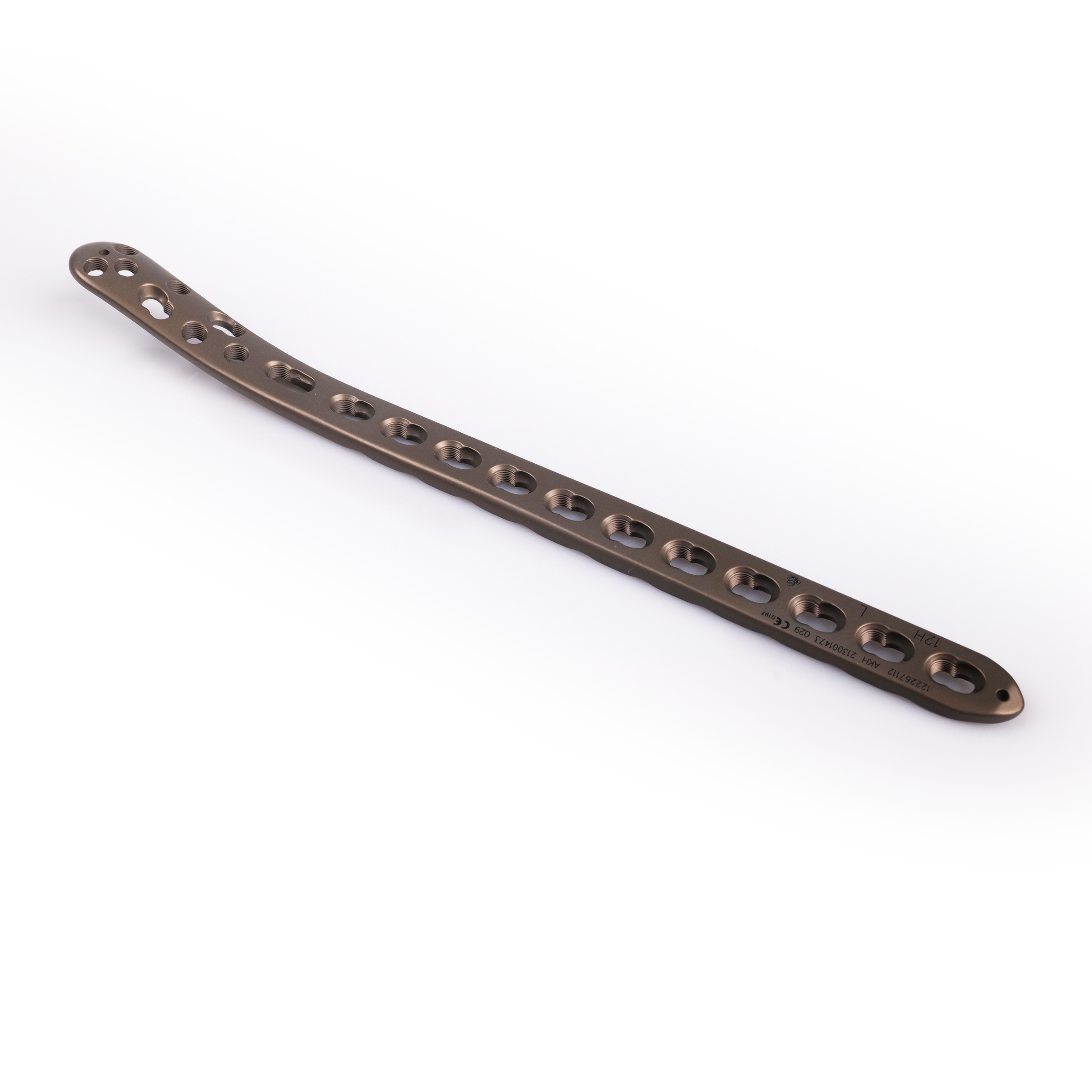
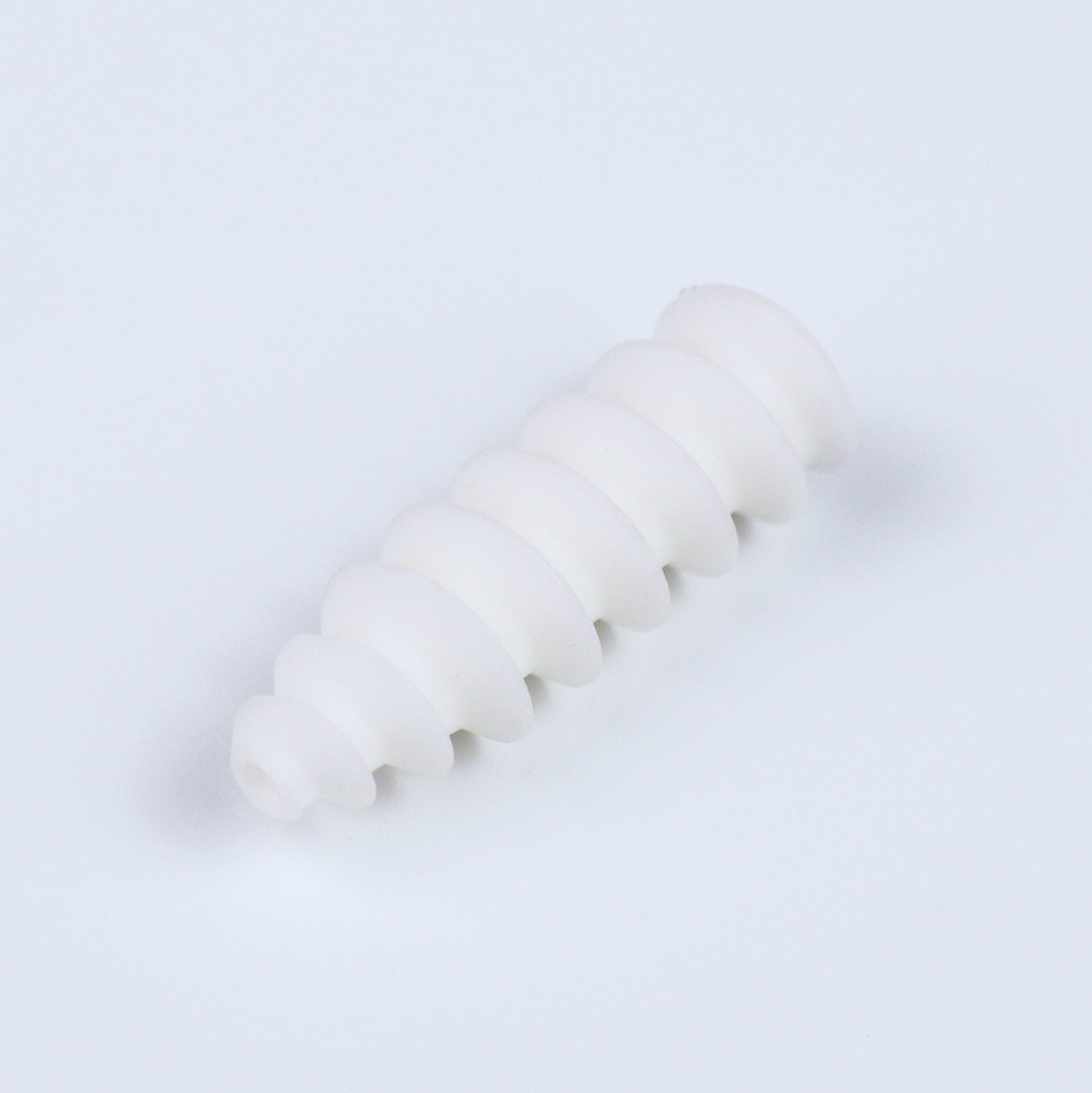
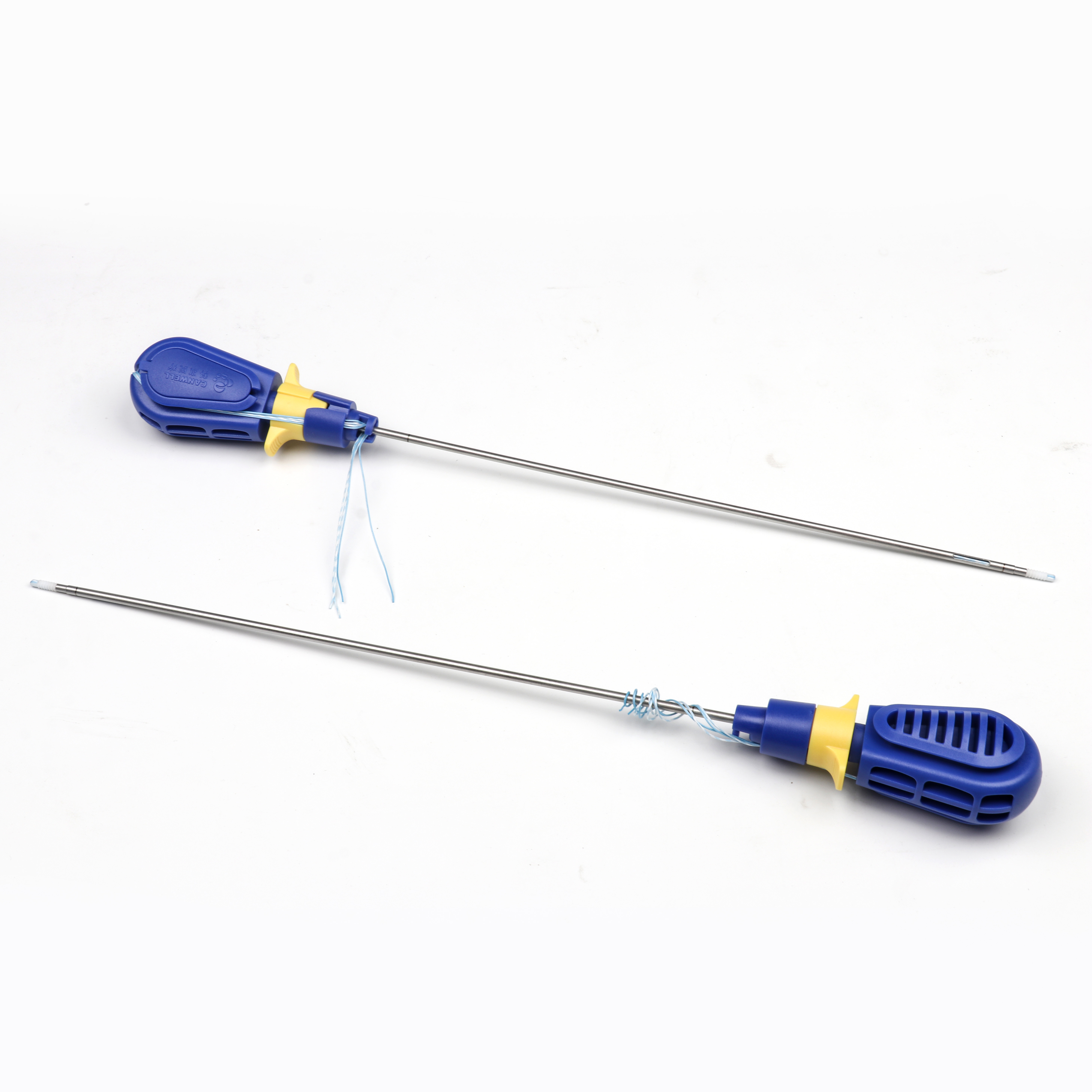
Trochanteric and subtrochanteric fractures (classified under AO/OTA 31-A1, A2, and A3) constitute one of the most critical trauma emergencies encountered in Northern European orthopaedic departments. In the clinical management of proximal femoral fractures across Estonia, the transition from conventional extramedullary sliding hip screws (SHS/DHS) to next-generation cephalomedullary intramedullary nailing systems—colloquially categorized under the clinical gamma nail family—represents a decisive advancement in load-bearing biomechanics. Intramedullary placement substantially minimizes the bending moment exerted on the implant construct by reducing the lever arm relative to the femoral head center of rotation. This mechanical proximity to the anatomical weight-bearing axis dramatically reduces surgical failure rates stemming from mechanical cutout, varus collapse, and lateral plate pull-out, specifically in unstable reverse obliquity fracture patterns (AO/OTA 31-A3).
Our precision-engineered intramedullary nail portfolio incorporates high-strength medical-grade Ti-6Al-4V ELI (Extra Low Interstitial, conforming to ISO 5832-3 and ASTM F136). Compared with conventional 316L medical stainless steel, titanium alloy exhibits a modulus of elasticity significantly closer to human cortical bone (approximately 110 GPa versus 200 GPa). This fundamental biomechanical characteristic mitigates the stress shielding phenomenon along the femoral diaphysis, preserves cortical bone mineral density during the primary callusing phase, and facilitates physiological load transfer across the fracture gap.
The geometry of the proximal nail incorporates an optimized 4° to 5° valgus curvature, facilitating unhindered insertion via the tip of the greater trochanter or adjacent piriform fossa without disrupting the abductor tendon insertion or jeopardizing the ascending branch of the lateral femoral circumflex artery. Furthermore, our cephalomedullary nail architecture utilizes a dynamic helical compression blade alongside a cannulated lag screw alternative. The helical blade compacts cancellous bone trabeculae rather than removing bone during insertion, providing enhanced anchorage in the osteoporotic femoral head—a decisive advantage when addressing geriatric fragility fractures in Northern European clinical cohorts.
| Biomechanical Attribute | Zhejiang INAR Cephalomedullary Nail System | Legacy Extramedullary Plates (DHS/SHS) | Standard Non-Locking Fixation |
|---|---|---|---|
| Load Distribution Axis | Intramedullary (Axial Center) | Extramedullary (Lateral Lever) | Extramedullary |
| Material Biocompatibility | Ti-6Al-4V ELI (ISO 5832-3 / ASTM F136) | 316LVM Medical Stainless Steel | Standard Austenitic Steel |
| Rotational Stability Mechanism | Integrated Helical Blade & Set Screw Anti-Migration | Single Compression Screw | Frictional Plate Contact |
| Distal Locking Options | Dynamic & Static Slotting with Chamfered Tips | Cortical Screws Only | Non-locking Cancellous Screws |
| Fatigue Endurance (ISO 7206) | > 5,000,000 cycles at 2.8 kN axial load | < 2,500,000 cycles | < 1,500,000 cycles |
Precision implant protocols engineered to align with Estonian regional hospital operations, winter climate trauma patterns, and accelerated recovery pathways.
Estonia’s sub-zero winters present intense seasonal challenges, with icy conditions generating sharp increases in low-energy slip-and-fall hip fractures. Major tertiary trauma hubs—including Põhja-Eesti Regionaalhaigla (PERH) in Tallinn and Tartu Ülikooli Kliinikum (TÜK)—require immediate, off-the-shelf instrument modularity and self-aligning distal targeting guides to expedite surgery times during surge periods.
With more than 20% of Estonia’s population aged 65 and above, fragility fractures in low-density bone require reliable micro-anchorage. The compaction kinematics of our helical trochanteric blades preserve vital trabecular bone in the femoral head, minimizing secondary cut-out, post-operative blade migration, and revision arthroplasty across regional care units in Ida-Virumaa and Saaremaa.
Estonian Health Insurance Fund (Tervisekassa) efficiency metrics prioritize shortened Average Length of Stay (ALOS) and prompt mobilization within 24 hours post-operatively. The primary biomechanical rigidity of our cephalomedullary nail system enables immediate full or partial weight-bearing, expediting discharge to secondary rehabilitation facilities like Keila or Haapsalu.
Founded as an integrated orthopaedic engineering enterprise, Zhejiang INAR Medical Co., Ltd. maintains over 22 years of continuous manufacturing experience, operating from an SGS-audited 29,523 m² facility with a specialized workforce of 632 technicians, engineers, and quality assurance personnel. Our operational scope integrates every phase of implant manufacturing—from raw material bar stock analysis to five-axis CNC machining, ultrasonic multi-stage passivation, cleanroom assembly, and packaging.
Every implant manufactured for the European Union market operates under strict quality management systems (ISO 13485:2016) and holds CE certifications under both the Medical Device Directive 93/42/EEC and European Medical Device Regulation (EU MDR 2017/745). This documented compliance eliminates regulatory friction for Baltic medical distributors submitting bids through the Estonian Public Procurement Register.
Our manufacturing protocol enforces a validated 13-stage workflow: incoming raw titanium bar testing, longitudinal cutting, multi-axis precision CNC machining, hand deburring and polishing, ultrasonic stage-one washing, precision thread grinding, automated micro sand-blasting, fluorescent penetrant flaw testing, electro-chemical anodization, ultrasonic stage-two terminal rinsing, 100% outgoing quality control (OQC) coordinate inspection, Class 100,000 aseptic cleanroom packaging, and final boxed packaging for direct air-cargo dispatch to Tallinn Airport (TLL).
Technical, regulatory, and logistics information for chief orthopaedic surgeons, procurement heads, and medical supply distributors.
Connect with our technical export division to review product catalogs, request evaluation samples for your surgical faculty, or receive quotation models for upcoming Estonian hospital tender cycles.
Send an Inquiry