Precision Osteosynthesis Portfolio
Selected Orthopedic Trauma Implants & Systems
Engineered in our 29,523 m² facility with Class 100,000 cleanroom packaging, Swiss-machined tolerances, and strict batch traceability for Japanese hospital procurement standards.
22+
Years Manufacturing
Continuous R&D and production of micro & macro orthopedic implants.
632
Specialized Staff
Machinists, biomedical QA engineers, and export documentation officers.
29,523m²
Factory Floorspace
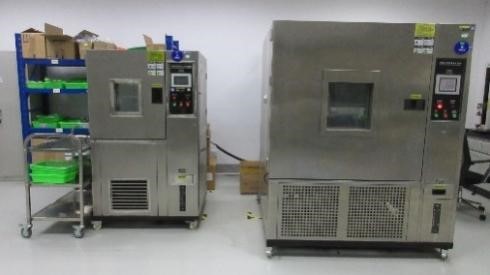
Swiss CNC machining centers, testing suites, and Class 100,000 cleanrooms.
±0.005mm
Machining Precision
Ultra-fine cannulated pitch tolerances to prevent guide-pin galling.
Biomechanical Architecture
The Mechanics of Articular Compression Without Hardware Prominence
In high-demand surgical environments such as those across the Fukuoka University Hospital and Kyushu University Hospital Trauma Center, the internal fixation of intra-articular and juxta-articular fractures presents a dual challenge: achieving rigid interfragmentary compression while eliminating mechanical irritation to overlying cartilaginous, tendinous, and ligamentous structures. Traditional headed cancellous screws inherently present an anchor profile that risks secondary impingement, necessitating hardware removal or causing soft-tissue abrasion.
The Headless Cannulated Compression Screw (HCS) system resolves this clinical hurdle through differential thread pitch engineering. Operating on the principle originally pioneered by Herbert and Whipple, our implants incorporate a wider-pitch leading thread and a narrower-pitch trailing thread. As both thread sets engage opposite sides of the osteotomy or fracture gap simultaneously, each complete 360-degree rotation advances the distal fragment farther than the proximal fragment. This mechanical variance exerts uniform, continuous axial compression across the bone interface, sinking the trailing end entirely beneath the subchondral plate or articular cartilage layer.
Manufactured from high-purity medical-grade Ti-6Al-4V ELI (ASTM F136 / ISO 5832-3), our screws deliver supreme biocompatibility, optimized modulus of elasticity to mitigate stress shielding, and low MRI susceptibility artifacts—a critical asset for Japanese clinical diagnostics utilizing 3.0T MRI imaging protocols during postoperative osteonecrosis surveillance.
Core Kinematic & Metallurgical Benchmarks
-
✦Variable Thread Pitch Kinetics: Micro-calibrated lead differential generates up to 1.8 mm compression per rotation without stripping fragile cancellous trabeculae.
-
✦Concentric Cannulation Bore: Micro-honed inner diameter (0.85 mm to 1.6 mm) guarantees frictionless passage along surgical K-wires, preventing intraoperative binding or wire skiving.
-
✦Reverse-Cutting Flutes: Self-tapping, reverse-cutting fluted head profile enables atraumatic revision or screw extraction even after consolidated osseointegration.
-
✦Type II Anodized Surface: Anti-galling surface passivation dramatically reduces friction against the driver bit while inhibiting cold-welding in subchondral bone.
Kyushu Regional Traumatology
Clinical Deployment Scenarios Across Fukuoka Prefecture
Analyzing surgical epidemiology, surgical technique preferences, and the specific anatomical indications common throughout Fukuoka City, Kitakyushu, and Kurume medical clusters.
Geriatric Osteoporotic Fracture Fixation
Kyushu features one of the most rapidly expanding geriatric demographics in western Japan. In medical centers such as Saiseikai Fukuoka General Hospital, non-displaced or minimally displaced femoral neck fractures and fragility-driven periprosthetic fractures frequently require biological osteosynthesis. Our 4.0 mm and 4.5 mm cannulated headless screws provide stable multi-vector triangular configurations that minimize capsular tension and protect tenuous femoral head vascularity without bulky lateral cortical impingement.
Sports Medicine & Scaphoid Reconstruction
Fukuoka serves as a premiere sporting epicenter hosting major collegiate athletics, martial arts tournaments, and professional baseball. High-energy hyperextension wrist trauma yielding acute scaphoid waist fractures or chronic nonunions demands micro-cannulated headless screws (2.0 mm / 2.5 mm). Using percutaneous dorsal or volar approaches under fluoroscopy, surgeons achieve absolute interfragmentary stability across the distal and proximal poles while keeping the radiocarpal articular surface completely flush.
Forefoot Reconstructive Osteotomies
Elective reconstructive foot and ankle surgery—specifically Chevron, Weil, and Scarf osteotomies for hallux valgus—is widely conducted across Fukuoka’s private orthopaedic specialty clinics. Our headless compression screws provide countersunk fixation that avoids friction against overlying extensor tendons or shoe footwear, facilitating early mobilization and reducing patient complaints of painful prominent hardware that traditionally triggers secondary outpatient implant extraction.
Talus & Capitellar OCD Fixation
Osteochondritis Dissecans (OCD) of the humeral capitellum and talar dome in youth and adolescent athletes across Kyushu requires anatomical cartilage restoration. Headless compression screws permit secure subchondral bone fragment compression while their countersinkable thread profile preserves congruous articular gliding motion, stimulating retrograde revascularization without destroying healthy cartilage matrix.
Arthrodesis of Small Joints
In rheumatoid arthritis and degenerative osteoarthritis cases managed at institutes such as Kurume University Hospital, interphalangeal, carpometacarpal (CMC), and subtalar joint arthrodesis procedures depend on sustained compressive loads. The bi-directional thread pitch ensures bone-to-bone contact stability during the critical 6-to-12-week fusion cascade, mitigating pseudoarthrosis rates in compromised hosts.
Minimally Invasive Surgery (MIS) Traumatology
Operating theatre trends in Kitakyushu emphasize reduced surgical incisions, biological internal fixation, and short hospital stays to optimize national health insurance reimbursement metrics. Cannulated headless screw sets support true MIS workflows: guidewire insertion under mini C-arm fluoroscopy, soft-tissue dilation, cannulated pre-drilling, and direct percutaneous compression with zero extensive periosteal stripping.
Macro-Market Dynamics
Orthopedic Sourcing & Regulatory Trends in the Kyushu Healthcare Corridor
How Japanese DPC (Diagnostic Procedure Combination) reimbursement structures and strict PMDA quality expectations are reshaping international medical supply chains.
1. The Impact of the DPC/PDPS Flat-Rate Reimbursement
Acute care hospitals across Fukuoka—including key regional hubs in Chiyo, Sawara, and Hakata wards—operate under Japan’s Diagnosis Procedure Combination / Per-Diem Payment System (DPC/PDPS). Under this prospective payment model, hospital management is incentivized to minimize internal device costs while ensuring zero compromised surgical outcomes or revision surgeries.
Historically, Japanese hospital groups relied almost entirely on domestic tier-one vendors or expensive multi-national conglomerates. Today, forward-looking orthopedic purchasing consortia, medical wholesalers (shosha), and independent distributors in Kyushu actively seek direct partnerships with verified OEM/ODM manufacturers like INAR Medical. By accessing factory-direct pricing for CE-marked, high-tolerance implants, distributors achieve significantly higher gross margins while offering medical institutions competitive tenders that comfortably fit DPC reimbursement brackets.
2. PMDA Regulatory Rigor & Foreign Manufacturer Accreditation (FMA)
Importing orthopedic implants into Japan requires uncompromised conformity to the Pharmaceuticals and Medical Devices Agency (PMDA) and Ministry of Health, Labour and Welfare (MHLW) Ordinance No. 169. Overseeing foreign facilities demands verifiable GMP (Good Manufacturing Practice), comprehensive Device Master Files (DMF), biological safety evaluations (ISO 10993 series), and validated cleanroom sterilization parameters.
With an onsite SGS supplier verification, ISO 13485:2016 quality management certification, and dual CE certification under both the EU MDR and Medical Device Directive 93/42/EEC, INAR Medical provides our Japanese import partners with complete technical dossiers, raw material heat-treatment certificates, and full traceability datasets required for smooth Shonin (pre-market approval) or Ninsho (third-party certification) submissions.
| Dimensional Category | Diameter Options | Cannulation I.D. | K-Wire Guide | Primary Clinical Indications | Torque Bit Interface |
|---|---|---|---|---|---|
| Micro Headless | 1.5 mm / 2.0 mm | 0.65 mm / 0.85 mm | 0.6 mm / 0.8 mm | Phalangeal avulsions, carpal fragments, pediatric osteochondral shears | T6 Star / Hex 1.5 |
| Mini Compression | 2.5 mm / 3.0 mm | 1.05 mm / 1.15 mm | 0.9 mm / 1.1 mm | Scaphoid waist fractures, radial head fractures, chevron bunionectomy | T8 Star / Hex 2.0 |
| Medium Cannulated | 3.5 mm / 4.0 mm | 1.25 mm / 1.45 mm | 1.2 mm / 1.4 mm | Capitellar fractures, malleolar avulsions, talar dome osteochondral lesions | T10 Star / Hex 2.5 |
| Large Subchondral | 4.5 mm / 5.5 mm | 1.55 mm / 1.85 mm | 1.5 mm / 1.7 mm | Subtalar arthrodesis, distal femoral condylar splits, tibial plateau intra-articular | T15 Star / Hex 3.5 |
Engineering Rigor & QA
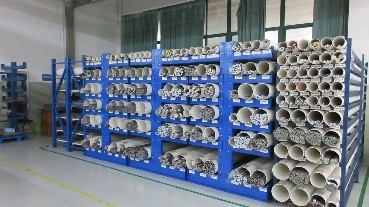
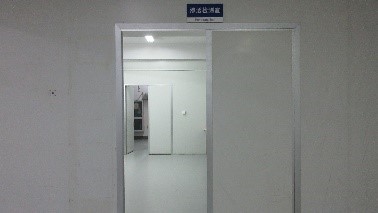
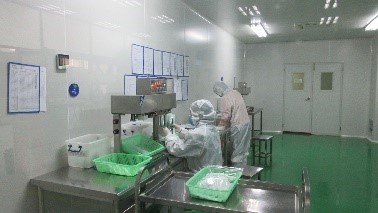
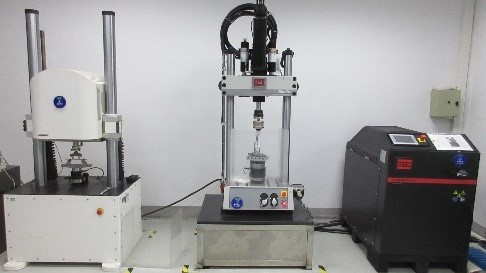
Swiss-Type Machining & 13-Stage Quality Architecture
From raw titanium bar stock to finished aseptic sterile packaging, explore the end-to-end clean production infrastructure supporting our Fukuoka exports.

 CE Marked under
EU MDR 2017/745
 Certified under Medical
Device Directive 93/42/EEC
 Factory Verified Onsite
by SGS Group
Procurement Clarity
Frequently Asked Questions for Fukuoka & Japan Importers
Key inquiries regarding regulatory approvals, Japanese logistics channels, custom OEM branding, instrument matching, and batch traceability.
What regulatory documentation can you furnish for PMDA Shonin / Ninsho registration in Japan?
We provide comprehensive technical documentation files compliant with PMDA and MHLW Ministerial Ordinance No. 169 requirements. This includes full Material Mill Certificates (demonstrating conformity with ASTM F136/ISO 5832-3 for Ti-6Al-4V ELI), biocompatibility test dossiers executed under ISO 10993 (cytotoxicity, systemic toxicity, sensitization, irritation, implantation), mechanical static/dynamic torsional performance test reports conforming to ASTM F543, ethylene oxide (EO) residual validation (ISO 11135), and cleanroom sterile packaging integrity reports (ISO 11607). We collaborate closely with your appointed Designated Marketing Authorization Holder (DMAH) or Medical Device Marketing Authorization Holder (MAH) in Japan.
What are the typical shipping routes and transit lead times to Fukuoka Port (Hakata) or Fukuoka Airport (FUK)?
Our state-of-the-art facility is situated in Jinhua, Zhejiang Province, located approximately two hours from Ningbo Port and three hours from Shanghai Port. For maritime containerized freight or LCL shipments, regular direct vessels operate from Ningbo/Shanghai directly to the Port of Hakata (Fukuoka) with sea transit times of merely 36 to 48 hours. For urgent hospital replenish orders or express air-cargo shipments, air freight from Shanghai Pudong (PVG) or Hangzhou Xiaoshan (HGH) lands at Fukuoka Airport (FUK) within 2 to 4 hours flight time, enabling customs clearance and delivery to your Kyushu warehouse in 3 to 5 business days from order fulfillment.
Can INAR Medical manufacture custom headless screws tailored to Japanese anthropometric specifications?
Yes. Japanese bone anatomy, particularly within small-joint foot/ankle and carpal bones, frequently presents smaller cross-sectional diameters and delicate cortical thickness compared to Western demographics. Our in-house engineering team routinely modifies pitch depth, creates ultra-short length increments (e.g., 10 mm to 24 mm in 1 mm steps rather than 2 mm steps), and reduces countersink head diameters to accommodate Japanese clinical anatomy. We support complete OEM/ODM production based on your proprietary technical CAD drawings, physical master samples, or surgeon advisory feedback.
How do you guarantee cleanroom sterility and packaging shelf-life for hospital delivery?
Our implants are packaged inside an ISO Class 7 (Class 10,000) cleanroom suite utilizing double-blister medical PETG/Tyvek packaging with tamper-evident indicator dots. Each batch undergoes bioburden testing and particulate cleanliness audits. Our packaging systems have undergone both real-time natural aging and accelerated aging protocols validating an intact 5-year sterile barrier life. Non-sterile options packed in protective clean sleeves for sterilization inside hospital autoclaves within dedicated orthopedic screw caddies are also readily available.
Do you provide complete matching cannulated instrumentation sets and sterilization caddies?
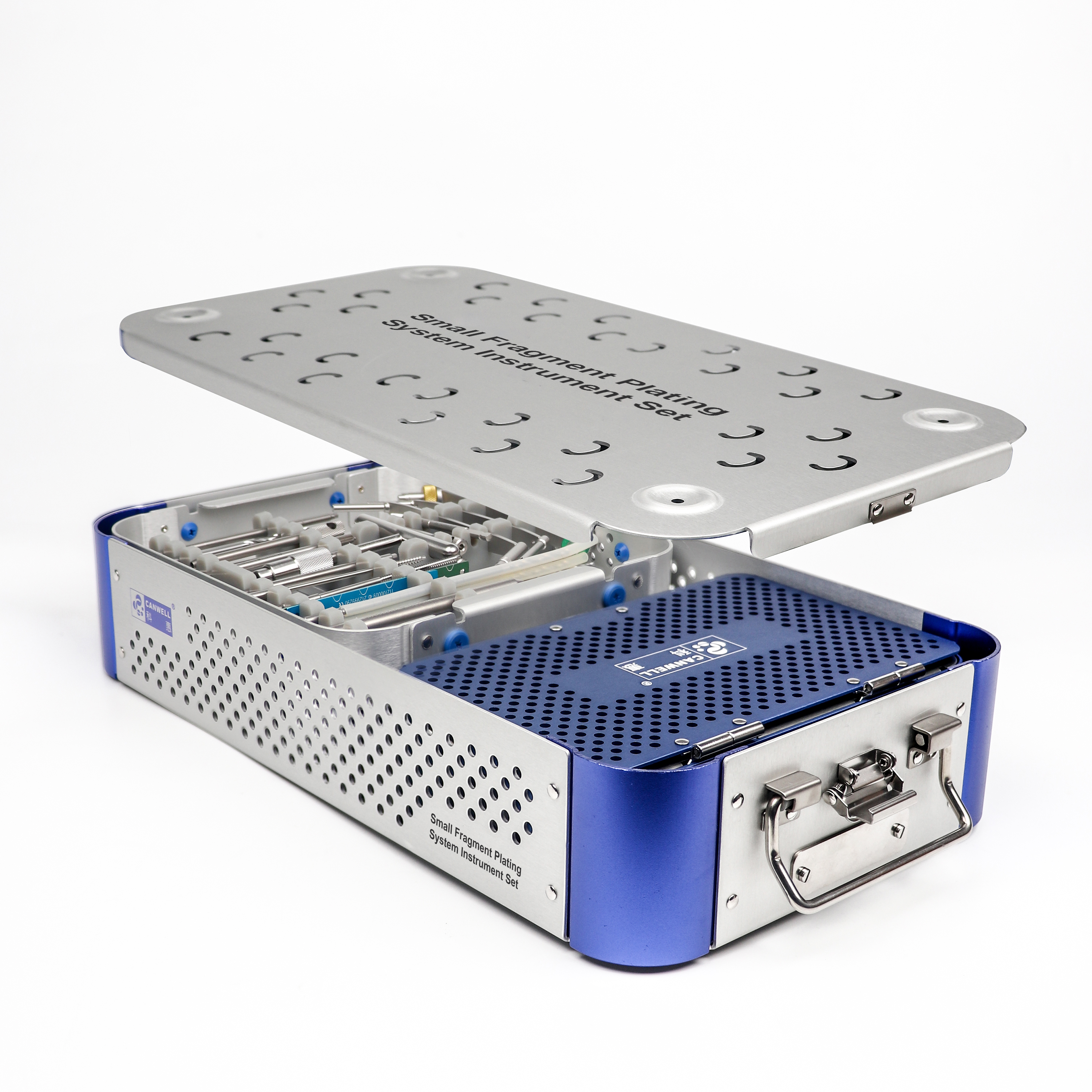
Yes. A headless compression screw is only as effective as its insertion instrumentation. We produce complete dedicated surgical sets fabricated from custom-hardened 17-4PH stainless steel and anodized aircraft-grade aluminum. Every set contains calibrated threaded guide pins, cannulated countersinks, precision cannulated drill bits with laser-etched depth calibrations, parallel pin guides, depth gauges, and self-retaining star/hex drivers with quick-release AO couplings, all housed in autoclavable, laser-etched sterilization trays with Japanese or English labeling.
What are your minimum order quantities (MOQ) and production turnaround times for private label orders?
For standard stocked specifications under our international CANWELL brand, we provide flexible low MOQs starting from 20 to 50 units per dimension to assist distributors during initial clinical hospital evaluations. For complete private-label OEM manufacturing featuring customized laser etching (UDI compliant), proprietary screw caddy designs, and custom brand packaging boxes, typical initial batch runs are 200 to 500 units per line, with a production lead time of 30 to 45 calendar days.
How does INAR Medical ensure batch-to-batch consistency and raw material traceability?
Traceability is embedded across every operational stage. Every batch of incoming medical-grade raw titanium is assigned an internal tracking heat number, subjected to in-house spectral composition verification, and logged into our ERP system. Each finished headless screw receives laser-marked micro lot codes and Unique Device Identification (UDI) matrix codes. If an inquiry arises regarding an individual implant used in a surgical theater in Fukuoka, our quality management system can trace the exact lathe machine, tooling cycle, ultrasonic cleaning line, OQC inspection log, and raw material bar certificate within 60 minutes.
Are INAR Medical facilities accessible for Japanese onsite buyer audits or live digital factory inspections?
We welcome in-person delegation audits from Japanese pharmaceutical companies, medical device distributors, and hospital procurement boards. Our location in Zhejiang offers convenient high-speed rail connections from Shanghai or Hangzhou. Additionally, we provide interactive live virtual audits via encrypted video conferencing, allowing your engineering and regulatory officers to inspect cleanrooms, observe OQC micrometer laser inspections, review coordinate measuring machine (CMM) reports, and dialogue directly with our quality leadership.
Enterprise Foundation
Why Orthopedic Importers in Kyushu Partner with INAR Medical
Combining over two decades of metallurgical experience, verified manufacturing capacity, and responsive export logistics designed for demanding surgical markets.
Verified Supplier Credentials
With an onsite facility verification audit conducted by SGS Group, valid CE certificates under EU MDR and 93/42/EEC, and ISO 13485:2016 accreditation, distributors in Fukuoka can present our certification dossier to regulatory review bodies and hospital tender committees with total assurance.
Integrated Manufacturing Depth
Unlike trading intermediaries, our 29,523 m² production base houses longitudinal Swiss cutting lathes, 5-axis CNC machining, precision hand polishing, double-stage ultrasonic decontamination, anodization color-coding, and automated aseptic packaging. Nothing vital to product safety is sub-contracted.
Predictable Supply Continuity
Supply chain fragility disrupts hospital operating theater bookings. Our large workforce of 632 dedicated employees and extensive inventory of medical-grade raw materials ensure consistent replenishment cycles, shielding Japanese distribution networks from the volatility of single-source contract bottlenecks.
Connect with our Technical Export Team
Expand Your Orthopedic Fixation Portfolio in Fukuoka
Whether you require standard CE-marked cannulated headless screws for rapid distribution, OEM private-label production with custom laser marking, or tailored surgical instrument caddies for hospital procurement tenders in Kyushu, our international biomedical specialists are prepared to assist.