Core Replacement & Reconstruction Portfolio
Precision medical-grade instrumentation, acetabular preparation devices, and complementary trauma fixation systems machined to exacting tolerances.
Technical Specification: Engineering Arthroplasty Implants for Long-Term Primary Stability
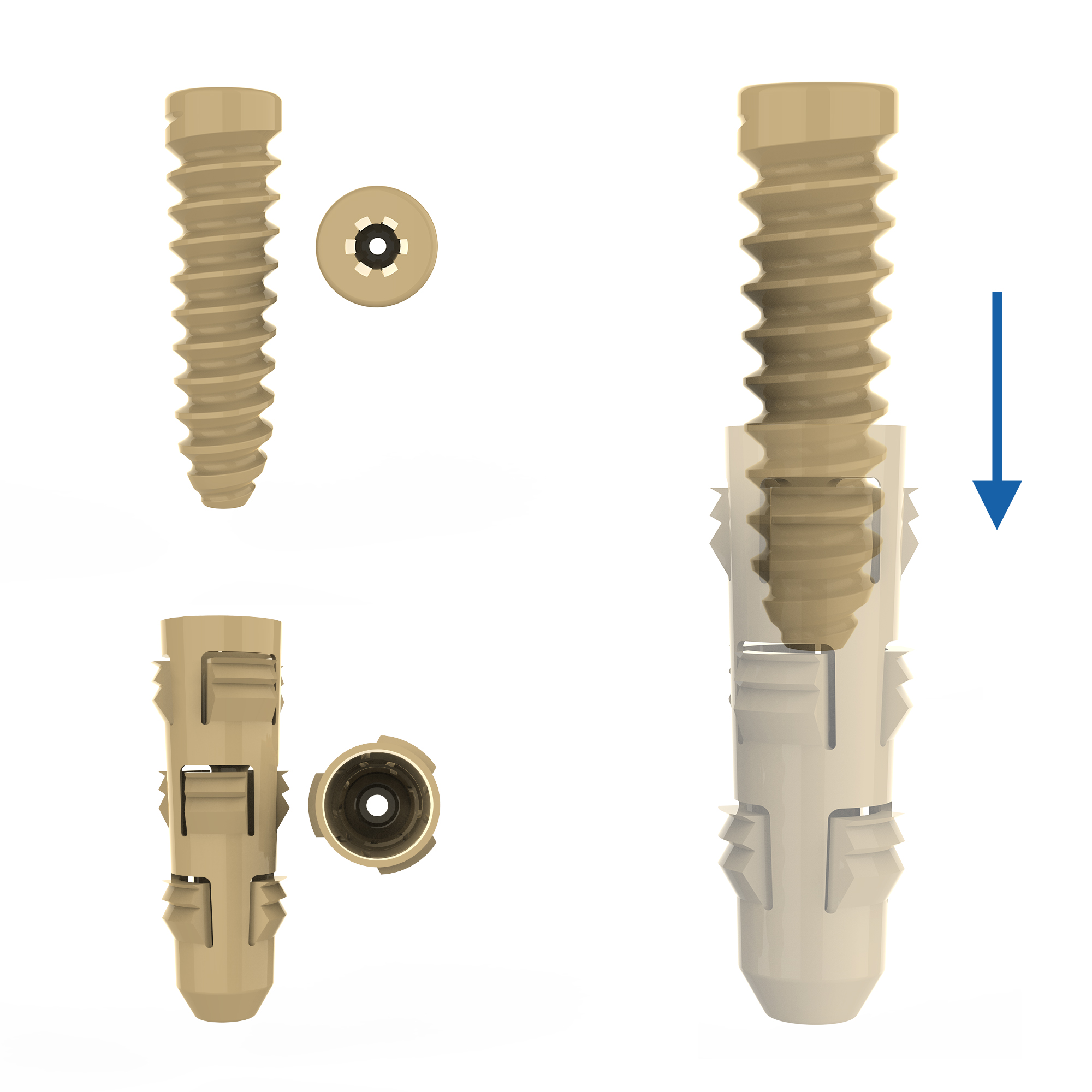
Total Hip Arthroplasty (THA) and Hemiarthroplasty demand an uncompromising level of tribological precision, biomechanical biocompatibility, and manufacturing repeatability. When surgical teams in the Distrito Federal perform complex acetabular reconstruction, implant survival hinges directly on the microscopic interface between host bone and the prosthetic mantle. As a dedicated hip replacement implants factory and exporter serving Brasília, our engineering paradigm is rooted in controlling the metallurgical characteristics of Ti-6Al-4V ELI (ASTM F136) and ultra-high-molecular-weight polyethylene (UHMWPE, ASTM F648).
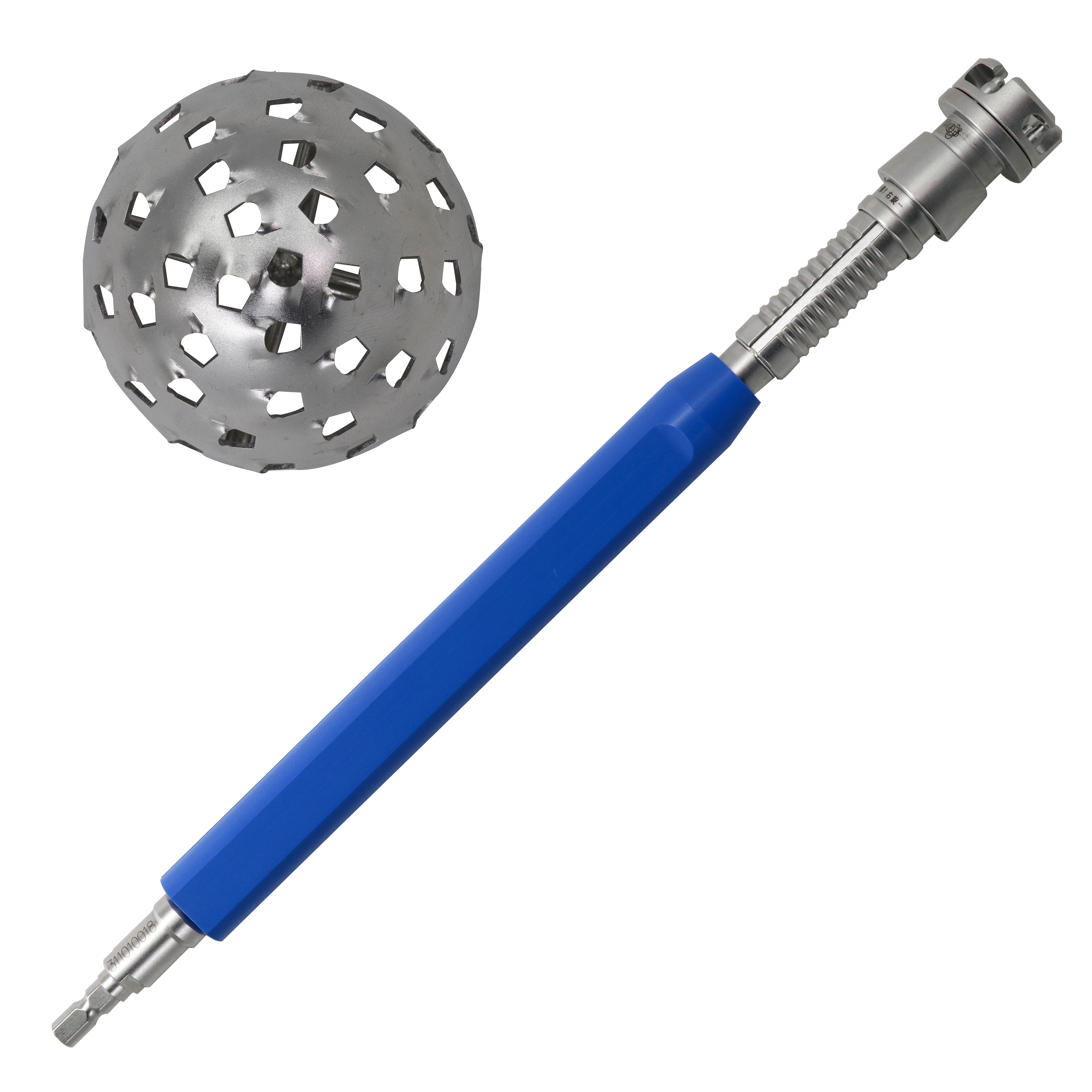
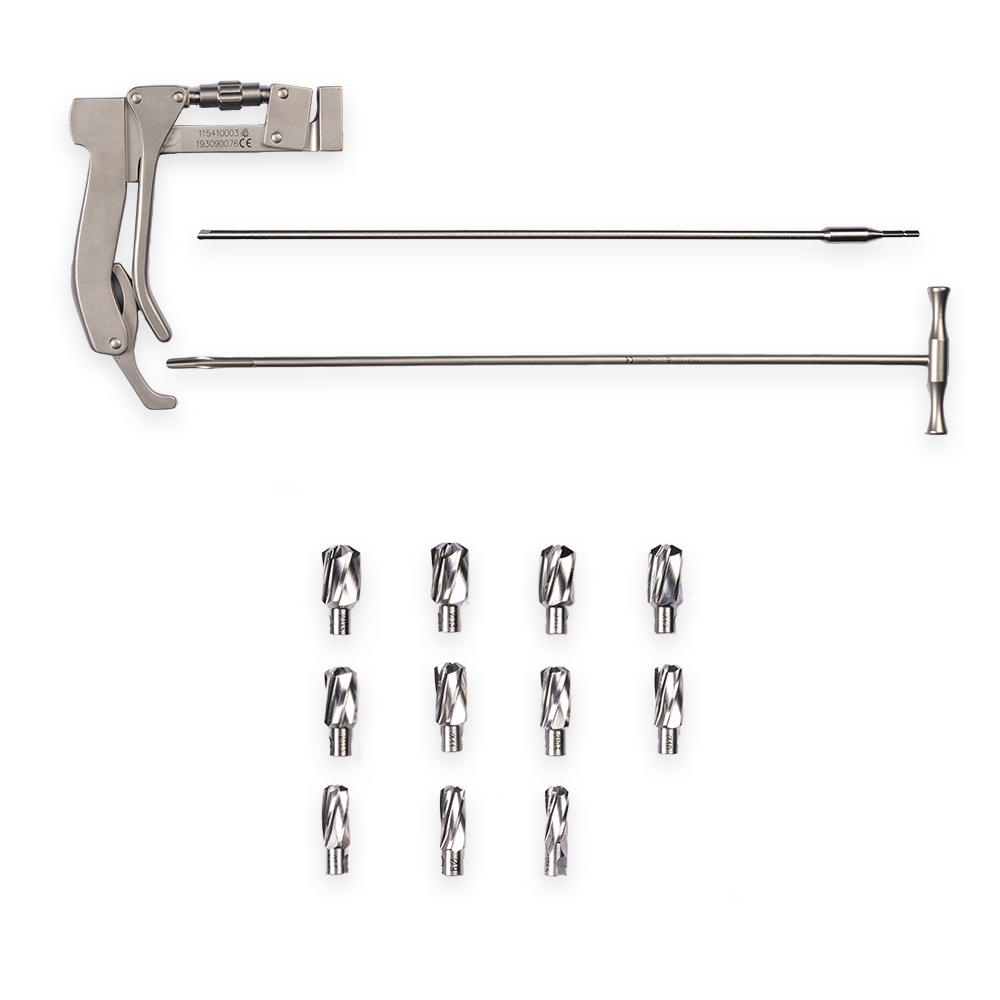
Primary mechanical anchorage is heavily reliant on our porous surface treatments and plasma-sprayed hydroxyapatite (HA) or pure titanium coatings. By achieving a pore size distribution between 300 to 500 microns with approximately 50-60% porosity, our acetabular cup systems and femoral stem collars foster rapid, deep osteointegration. This architectural configuration minimizes micro-motion below the critical 40-micron threshold, beyond which fibrous tissue encapsulation typically supersedes genuine bony apposition. Complementing the implant geometry, our precision tooling—such as the CANWELL High Precision Acetabular Reamer Instrument Set—provides uniform hemispherical preparation with minimal bone thermal necrosis, empowering surgeons to achieve an exact press-fit index even in osteoporotic or dysplastic acetabula.
Tribological Durability
Cross-linked UHMWPE liners coupled with micro-finished ceramic (BIOLOX-compatible) or CoCr femoral heads drastically reduce volumetric wear particles, curtailing aseptic periprosthetic osteolysis.
Stress-Shielding Abatement
Double-tapered femoral stem cross-sections redistribute proximal compressive forces along the calcar femorale, mitigating distal cortical hypertrophy and proximal bone resorption.
Rigid Verification Protocols
Every lot passes dynamic multiaxial fatigue testing up to 10 million cycles under ISO 7206-4 and ISO 7206-6 standards to ensure absolute reliability under strenuous physiological loads.
Localized Clinical Scenarios in the Federal District (Brasília)
Brasília is not only the administrative core of Brazil; it is the definitive referral hub for tertiary healthcare covering the entire Região Centro-Oeste, receiving high-complexity orthopedic cases from Goiás, Tocantins, and western Bahia. In leading public institutions such as the Hospital de Base do Distrito Federal (HBDF) and the Hospital Regional da Asa Norte (HRAN), as well as elite private tertiary centers in the Setor Hospitalar Local Sul (SHLS) and Norte (SHLN), clinical requirements present two distinct, demanding profiles:
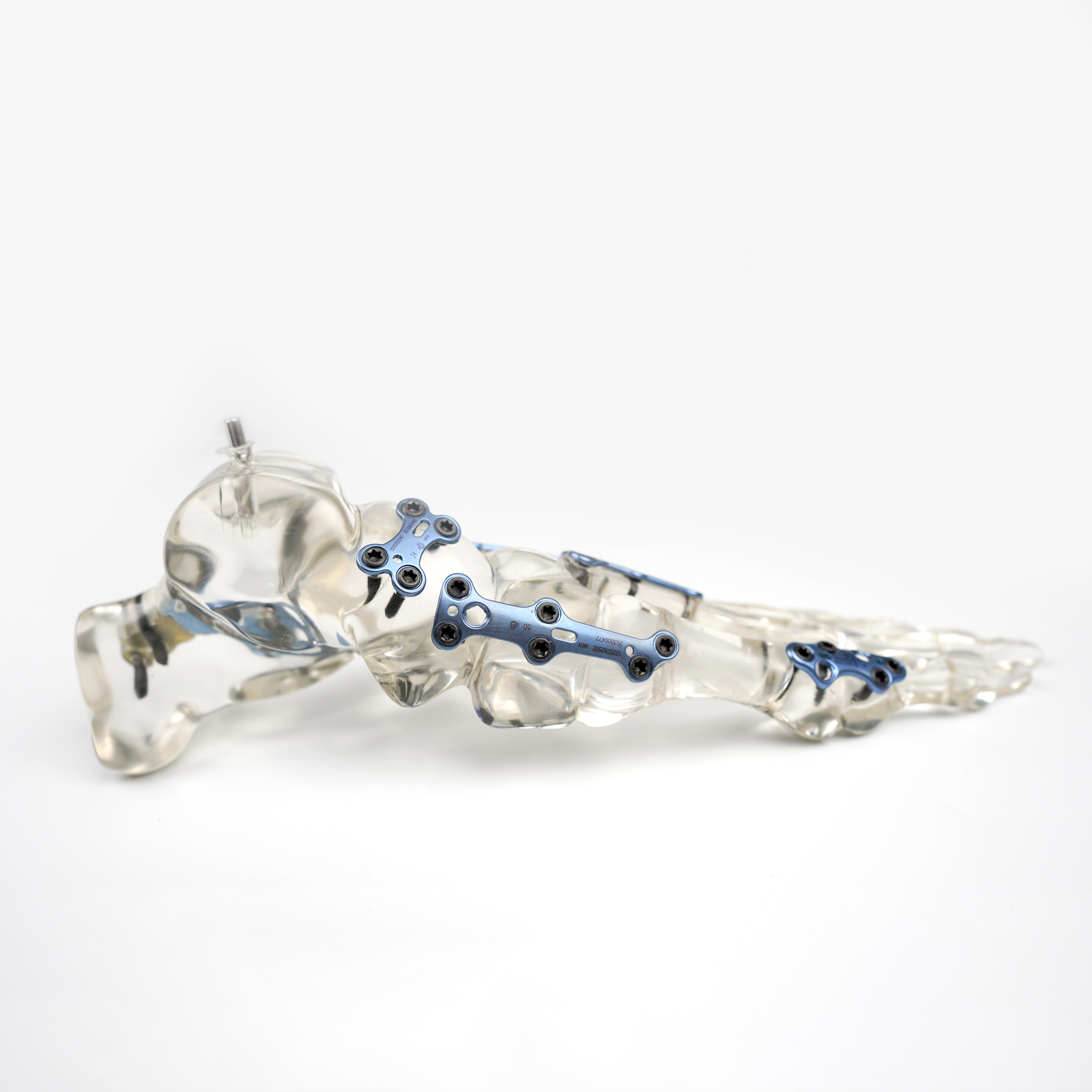
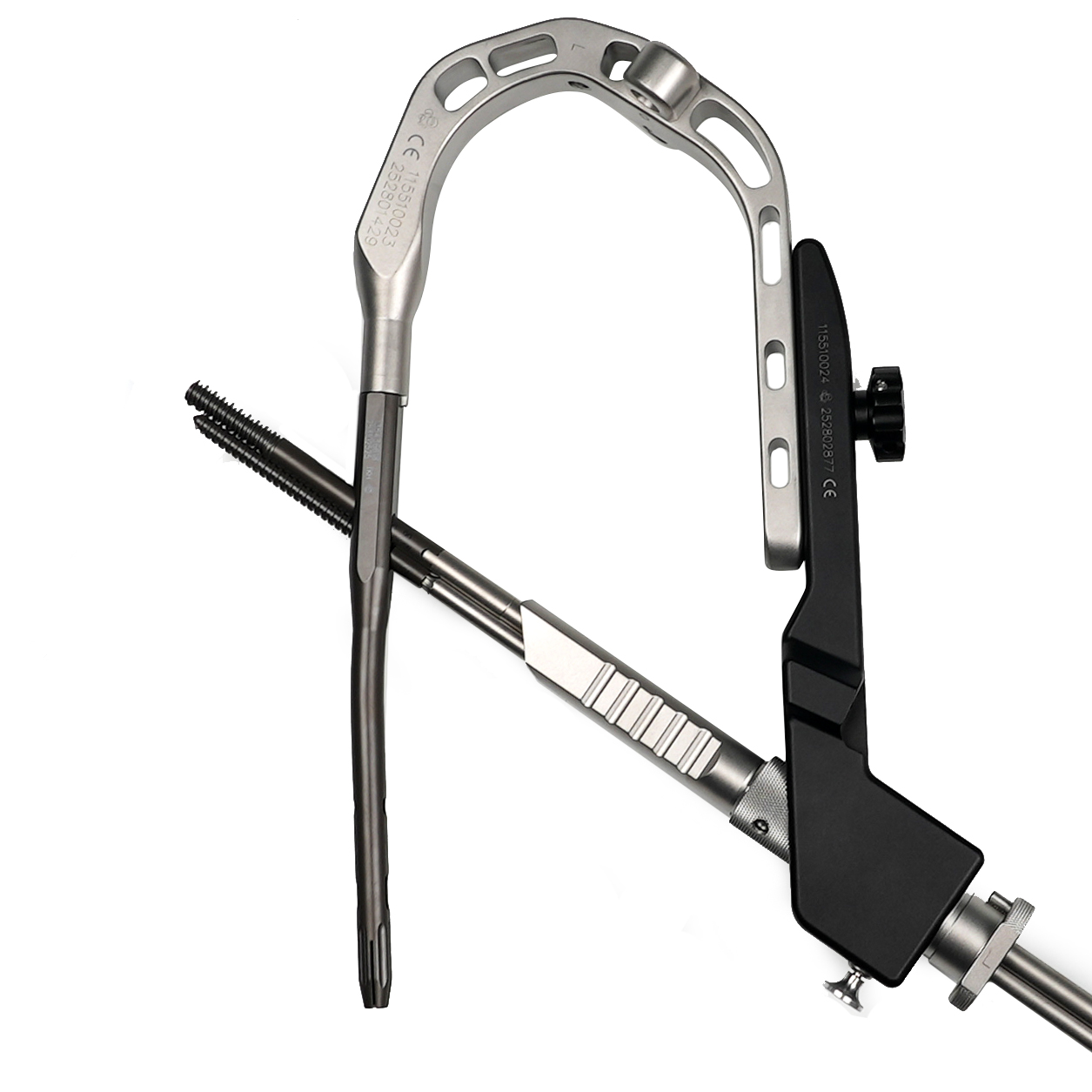
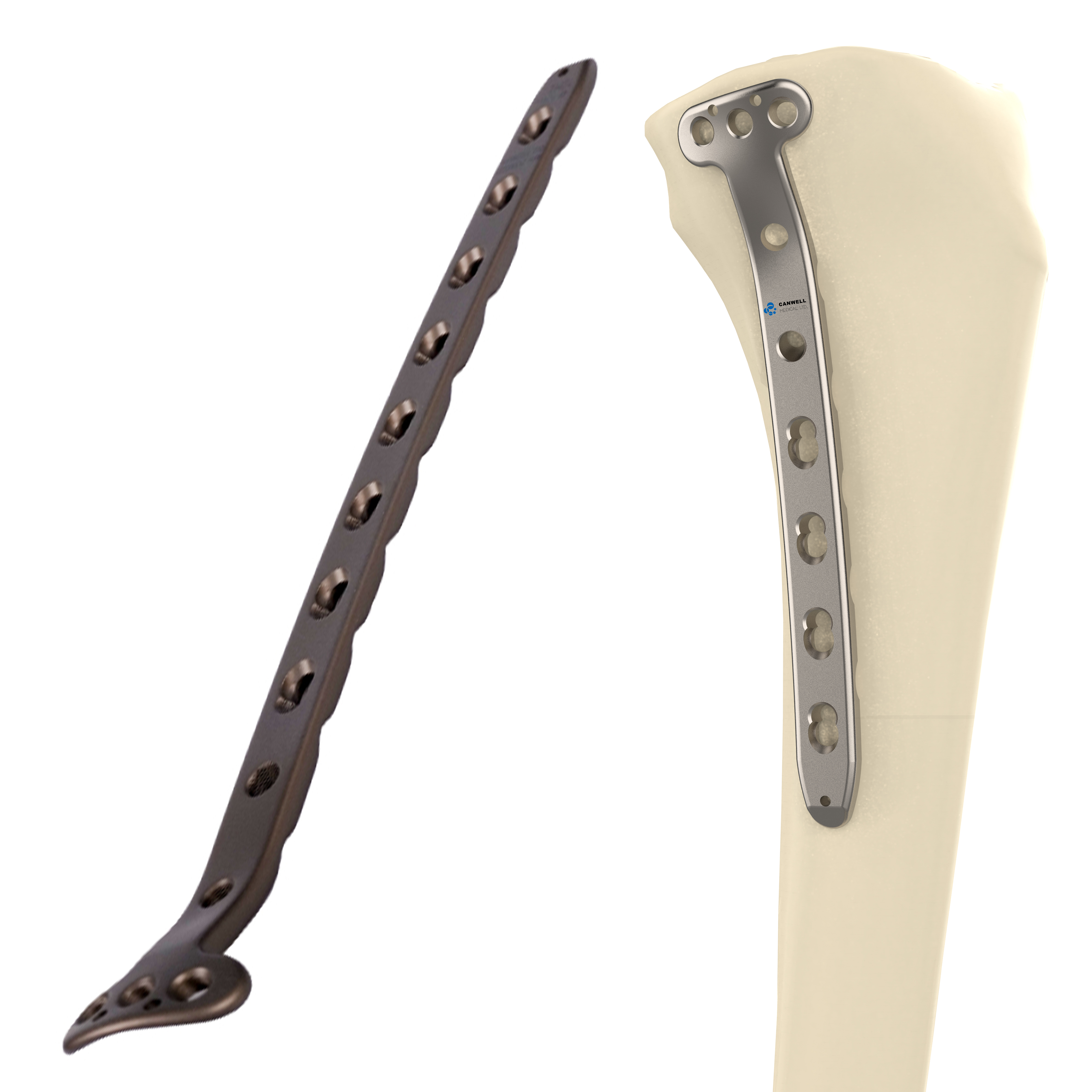
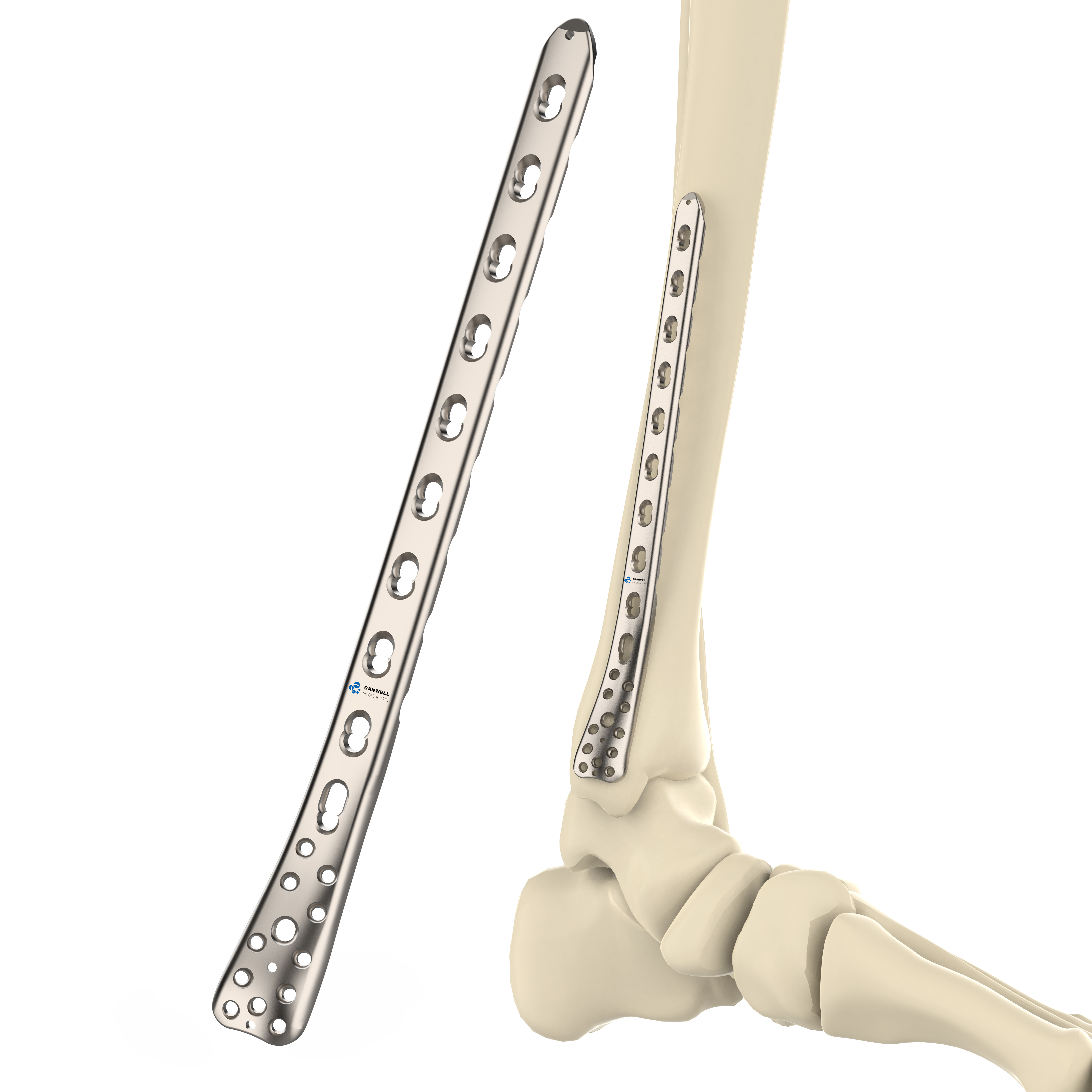
1. Geriatric Fragility and Polytrauma Management: Due to shifting demographic curves in the Federal District, surgical volume for femoral neck fractures (Garden Type III and IV) in osteoporotic patients is surging. The clinical standard mandates rapid-mobilization hemiarthroplasty or total hip reconstruction paired with anatomical trauma backup. In severe multi-fragment fractures or periprosthetic fractures around prior implants, reconstructive surgeons rely extensively on modular distal compression hardware—such as our CANWELL Proximal Medial Titanium Tibial Locking Plate and Titanium Femoral Intramedullary Nails—to re-establish column stability and load-bearing alignment.
2. High-Demand Degenerative and Avascular Necrosis (AVN) Cases: Serving a wide civil servant demographic alongside young active professionals, private Brasília clinics perform a substantial percentage of primary arthroplasties on patients under 55 suffering from early-stage avascular necrosis or secondary post-traumatic osteoarthritis. These cases dictate conservative bone resection, anatomical sizing increments (with millimetric lateral offset variations), and bone-preserving acetabular reaming tooling that ensures minimal removal of native subchondral bone.
Market Trends & Regulatory Evolution in Brasília's Orthopedic Sector
The procurement environment across the Distrito Federal is characterized by rigorous regulatory hurdles and an aggressive drive toward supply chain verticalization. Understanding these market dynamics is fundamental for importers, institutional purchasing consortia (concessionárias de saúde), and surgical distributors:
1. Convergence on ANVISA RDC Standards: The Agência Nacional de Vigilância Sanitária (ANVISA) has progressively aligned its pre-market technical dossiers with the European Union MDR (Medical Device Regulation 2017/745). For an orthopedic implant exporter, having verified CE MDR certificates and an ISO 13485:2016-audited quality system drastically streamlines the preparation of Technical Dossiers (Relatório Técnico) and BGMP (Boas Práticas de Fabricação) mutual recognitions. Brazilian procurement committees in Brasília now categorically bypass suppliers lacking documented raw material traceability (such as melting source certs for Ti-6Al-4V).
2. Pressure on Hospital Margins via SUS and TUSS Tables: In both public tenders managed through the Secretaria de Estado de Saúde do Distrito Federal (SES-DF) and private insurance billing under the TUSS codification, institutions operate under constrained reimbursement margins. The historical reliance on traditional multi-tier multinational vendors has become financially burdensome. Brasília healthcare distributors are aggressively transitioning toward factory-direct manufacturing partnerships that offer high-precision, verified implants at sustainable tiered pricing structures, unlocking competitive advantage in public bidding (licitações públicas).
3. Complete Procedural Ecosystems Over Standalone Implants: Brazilian orthopedic surgeons increasingly reject fragmented sourcing where instruments and implants originate from disparate vendors. The prevailing trend favors fully validated implant-instrument ecosystems—where hip reamer heads, quick-coupling shafts, cup impactors, broaches, and trials function with absolute mechanical concordance. This procedural coherence shortens operating room duration, lowers anesthesia risks, and prevents the cross-tolerance errors that compromise initial implant press-fit.
Why Brasília Distributors Partner With Our Factory
Decades of manufacturing discipline, vertically integrated cleanroom facilities, and comprehensive international compliance engineered for long-term supply stability.
22+ Years of Specialized Manufacturing
We are not a brokerage; our 29,523 m² production facility houses multi-axis CNC milling, high-precision Swiss-type lathes, and automated finishing lines. With 632 dedicated personnel, our capacity guarantees consistent bulk lead times even during global supply chain disruptions.
SGS Verified & CE MDR Compliant
Our plant has completed rigorous onsite supplier verification by SGS Group. With CE approvals under EU MDR and 93/42/EEC directives alongside ISO 13485 certification, our regulatory documentation fully satisfies the stringent compliance expectations of ANVISA registration auditors.
Full In-House Quality Assurance
From ultrasonic wash bays and automated sandblasting to penetrant crack testing, coordinate measuring machines (CMM), and in-house Class 10,000 aseptic cleanrooms, every hip implant and reamer follows a 13-stage controlled path with complete laser-etched lot traceability.
Complete Arthroplasty Ecosystem
We supply matched systems: hemiarthroplasty stems, bipolar heads, porous total hip cups, and the exact surgical toolsets—acetabular reamers, trial heads, and inserters—eliminating cross-manufacturer compatibility friction during critical surgical interventions.
OEM/ODM Customization for Brazilian Brands
We provide full private-label manufacturing for medical brands in Brasília and São Paulo. Our services encompass customized laser marking, Portuguese packaging adaptation, specific anodized color codes, and custom instrument case layout configurations for local sterilization autoclaves.
Seasoned Latin American Export Logistics
With more than a decade of export operations to South America, our logistics specialists ensure error-free documentation—including consularized certificates, detailed packing lists, and certified customs declarations—for rapid, compliant clearance via Brasília International Airport (BSB) cargo terminals.
Frequently Asked Questions for Brasília Importers
Critical regulatory, commercial, and technical inquiries addressed for medical device procurement directors and orthopedic distributors in the Distrito Federal.