Dedicated orthopedic R&D and Class III implant manufacturing
High-precision CNC turning, cleanrooms, and testing facilities
Senior biomechanical engineers, QA inspectors, and export specialists
Certified Grade 5 Titanium (Ti-6Al-4V ELI) with laser serialization
Featured Orthopedic Trauma & Surgical Implant Solutions
High-tolerance orthopedic devices and matching instrumentation engineered to meet strict CE MDR directives and Baltic regional procurement tenders.
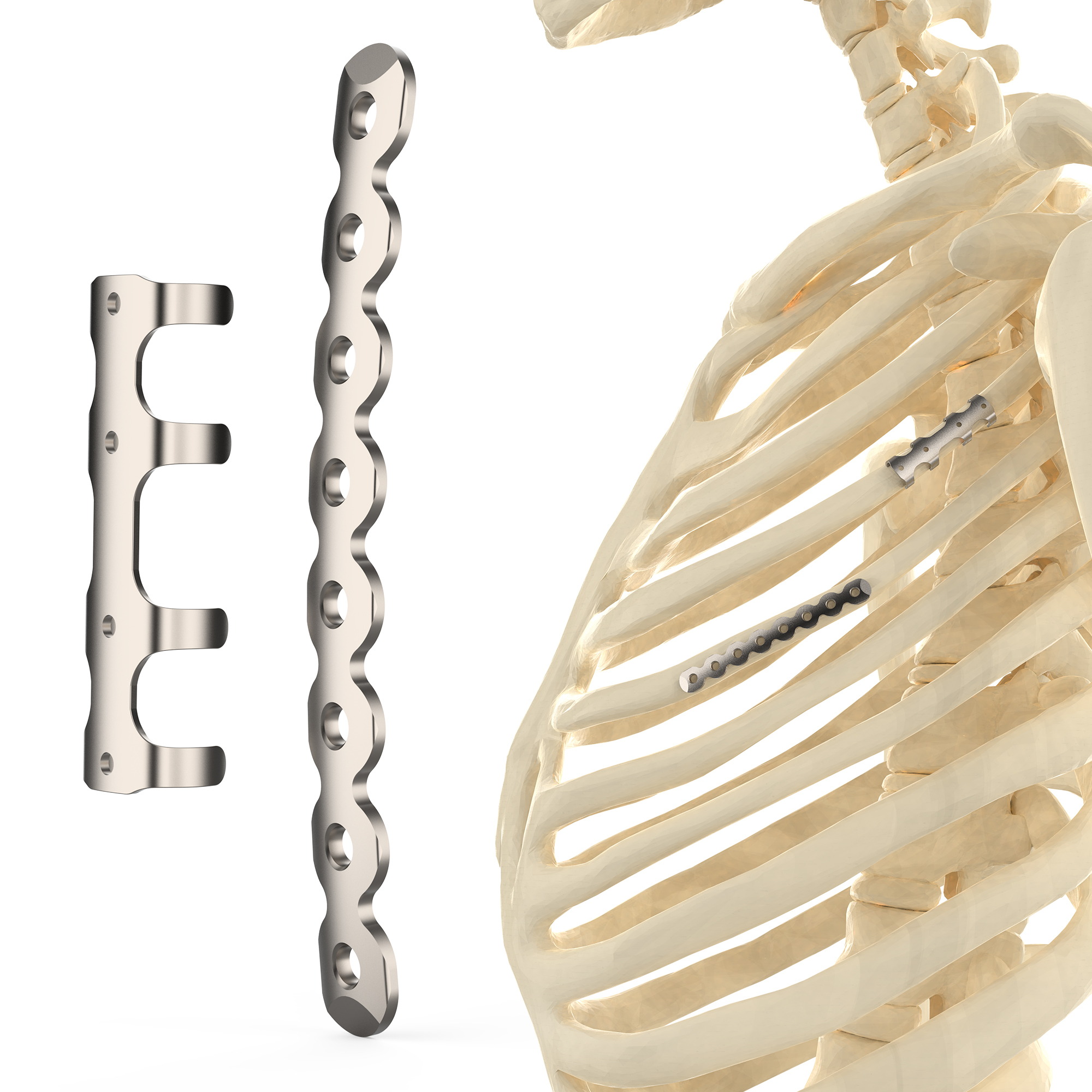
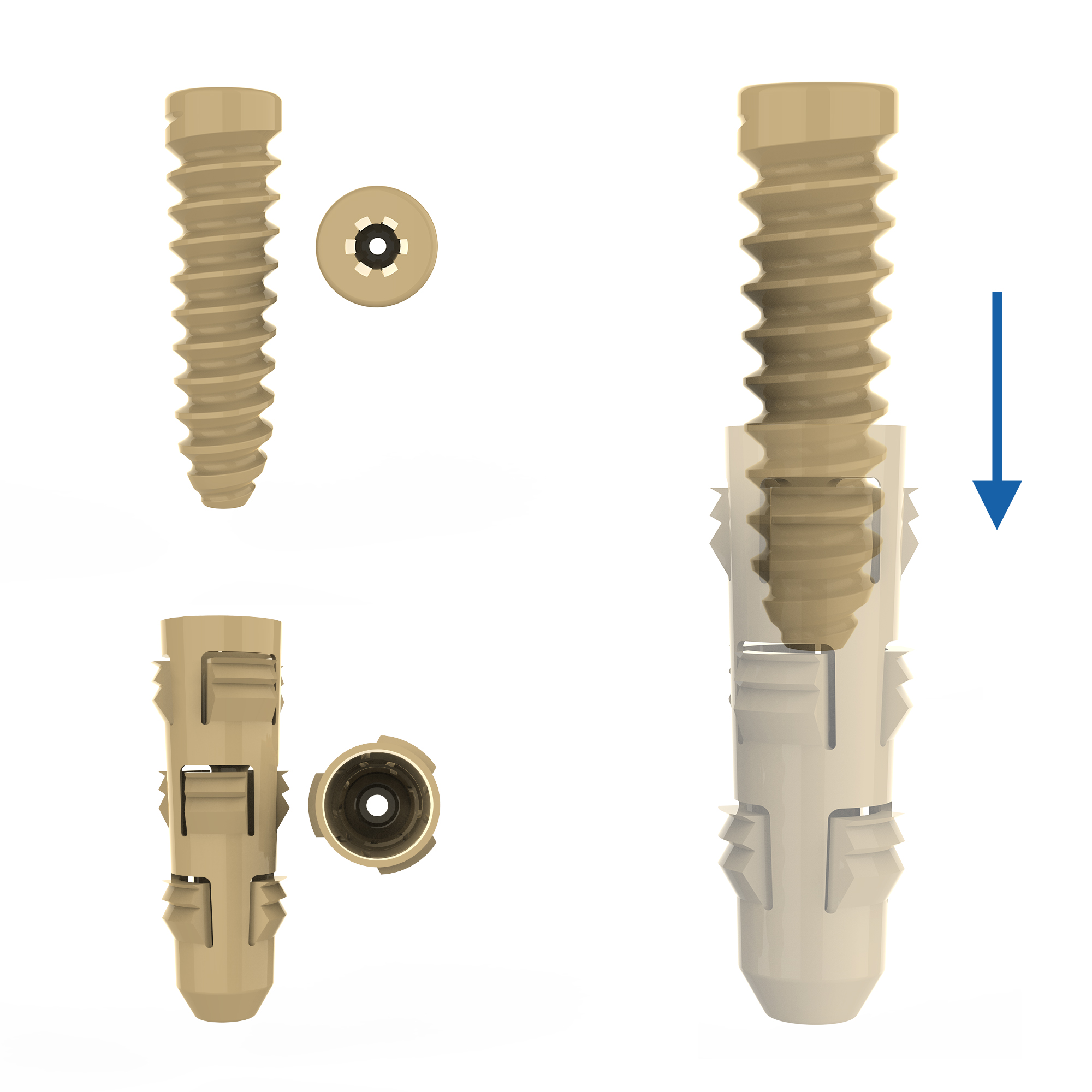
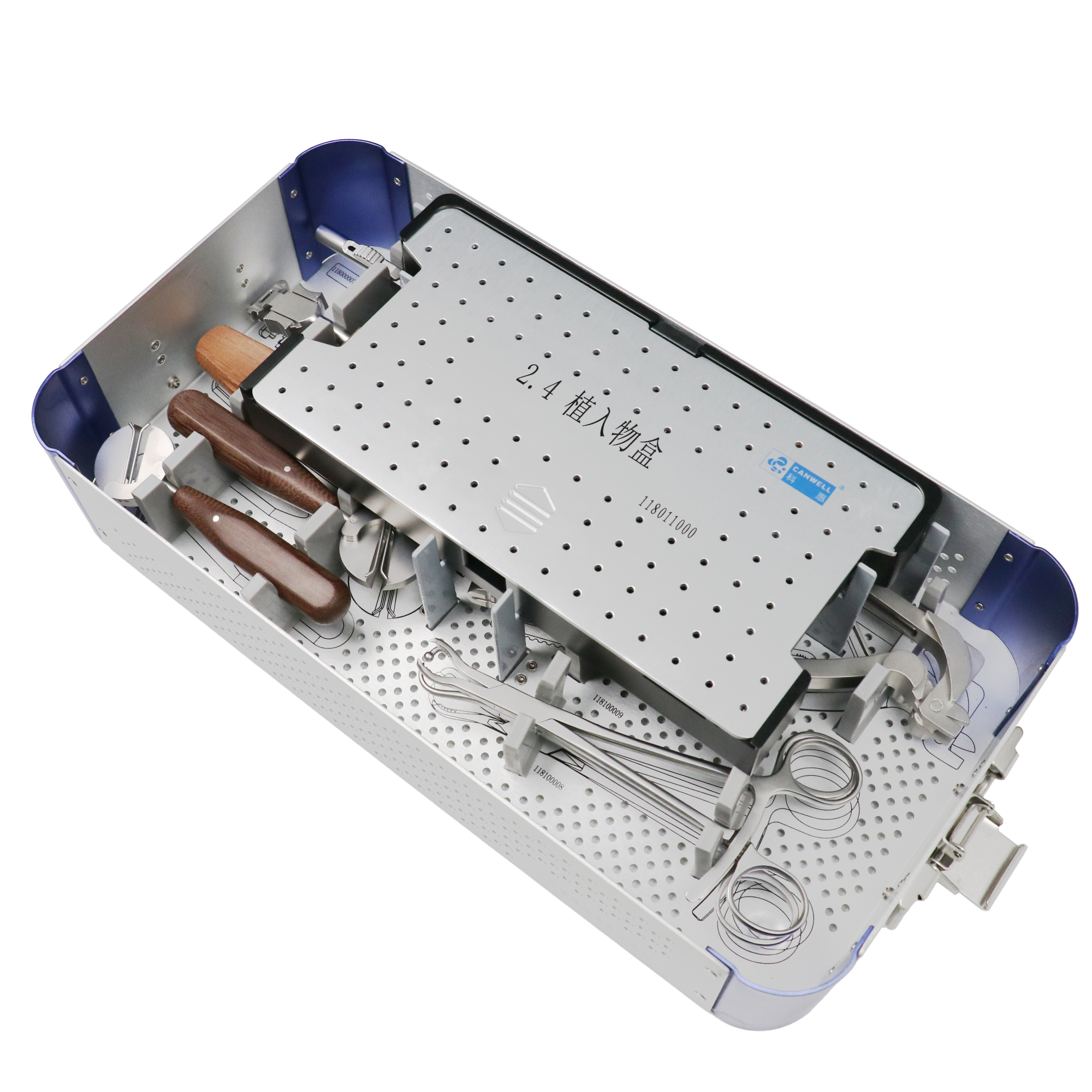
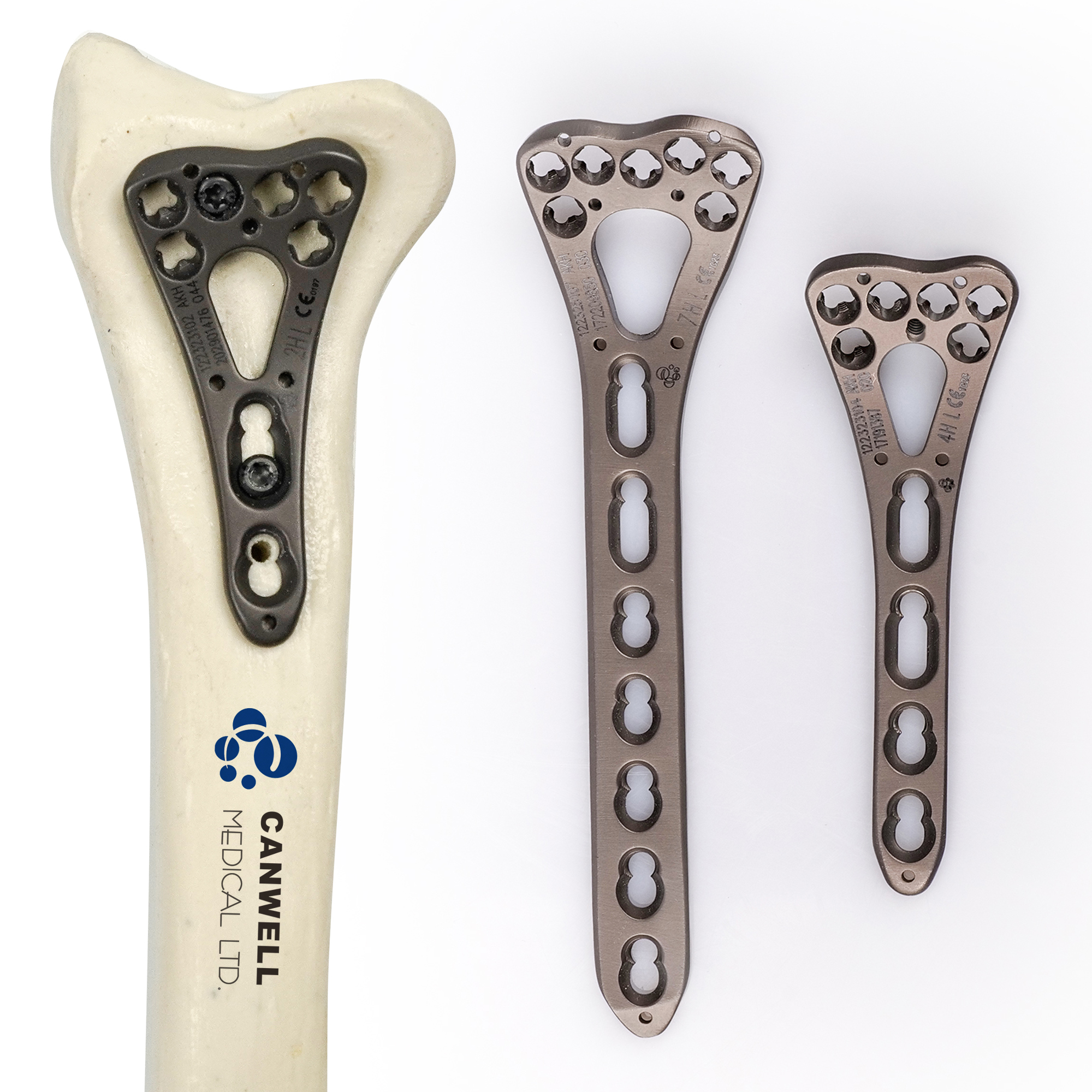
Clinical & Biomechanical Landscape: Humeral Nails in Modern Trauma Surgery
The treatment of humerus shaft and proximal humeral fractures has undergone fundamental evolution. Historically, open reduction and internal fixation (ORIF) with conventional or locking compression plates was favored; however, extensive periosteal stripping, extended soft tissue exposure, and elevated risks of radial nerve palsy prompted orthopedic traumatologists to embrace minimally invasive closed techniques. Intramedullary humeral nailing stands out as the biomechanically superior approach for unstable two-part and select three-part proximal humeral fractures, pathological lesions, osteoporosis-associated comminuted fractures, and diaphyseal shaft nonunions.
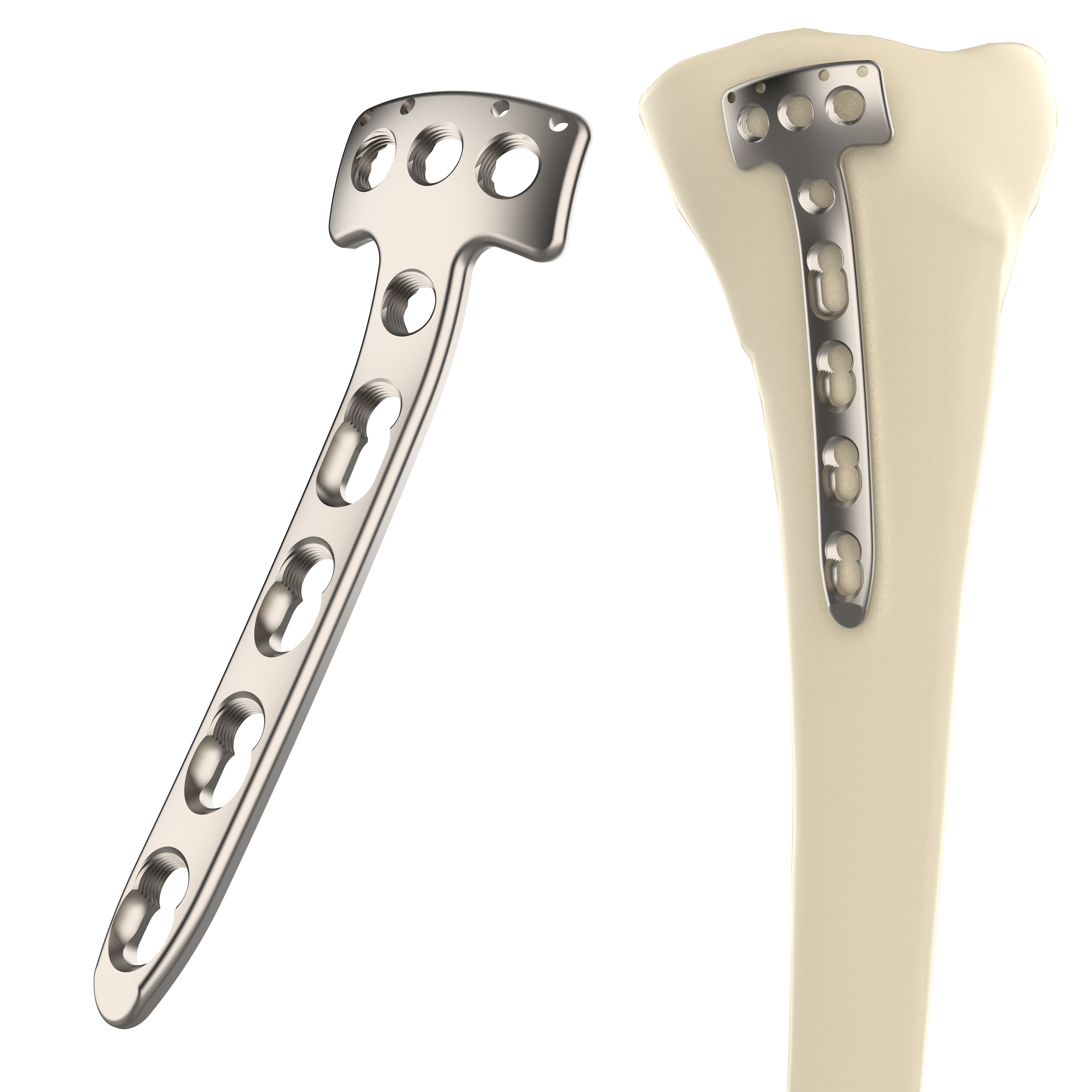
From a biomechanical standpoint, the humeral intramedullary nail functions as an internal splint that shares axial, torsional, and bending loads along the centroidal axis of the upper arm. Unlike extramedullary plates positioned on the lateral or anterolateral cortex—which experience considerable cantilever bending moments—the intramedullary nail significantly reduces the moment arm of applied forces. This axial load sharing shields against premature plate fatigue failure, particularly in elderly populations suffering from osteoporotic bone microarchitecture where cortical screw purchase is prone to pull-out.
Multi-Planar Angular Stability
Proximal multi-angle locking screw configurations form a three-dimensional fixed-angle construct within the humeral head. This neutralizes destructive rotational shearing forces and resists varus collapse during early rehabilitation movements.
Antegrade & Retrograde Insertion
Curved proximal nail profiles with an anatomical lateral bend allow insertion through the rotator cuff footprint without damaging the insertion of the supraspinatus tendon, while alternative retrograde entry ports safeguard distal elbow kinetics.
End-Cap Polyaxial Compression
Internal spiral locking end-caps and mechanical back-out prevention mechanisms enable controlled axial compression across fracture gaps, mitigating secondary screw migration and post-operative subacromial impingement.
Localized Application Scenarios in Latvia's Healthcare Infrastructure
Latvia’s public healthcare delivery model, governed under the oversight of the Ministry of Health and the National Health Service (Nacionālais veselības dienests - NVD), relies heavily on centralized tertiary clinical university hospitals, such as Riga East University Hospital (Rīgas Austrumu klīniskā universitātes slimnīca - RAKUS), Pauls Stradiņš Clinical University Hospital (PSKUS), and Traumatology and Orthopaedics Hospital (Traumatoloģijas un ortopēdijas slimnīca - TOS). Outside Riga, regional clinical institutions—such as Liepāja Regional Hospital, Daugavpils Regional Hospital, and Vidzeme Hospital in Valmiera—manage substantial volumes of acute seasonal and polytrauma cases.
The demographic reality in Latvia involves an aging population with high rates of osteoporotic fragility fractures caused by low-energy falls during harsh Northern European winters. Between November and March, sub-zero conditions, frozen surfaces, and ice result in sharp spikes in upper extremity fractures among geriatric demographics. For these patients, immediate rigid fixation through intramedullary humeral nails allows rapid weight-bearing or transfer mobility without the prolonged shoulder immobilization that often leads to permanent adhesive capsulitis.
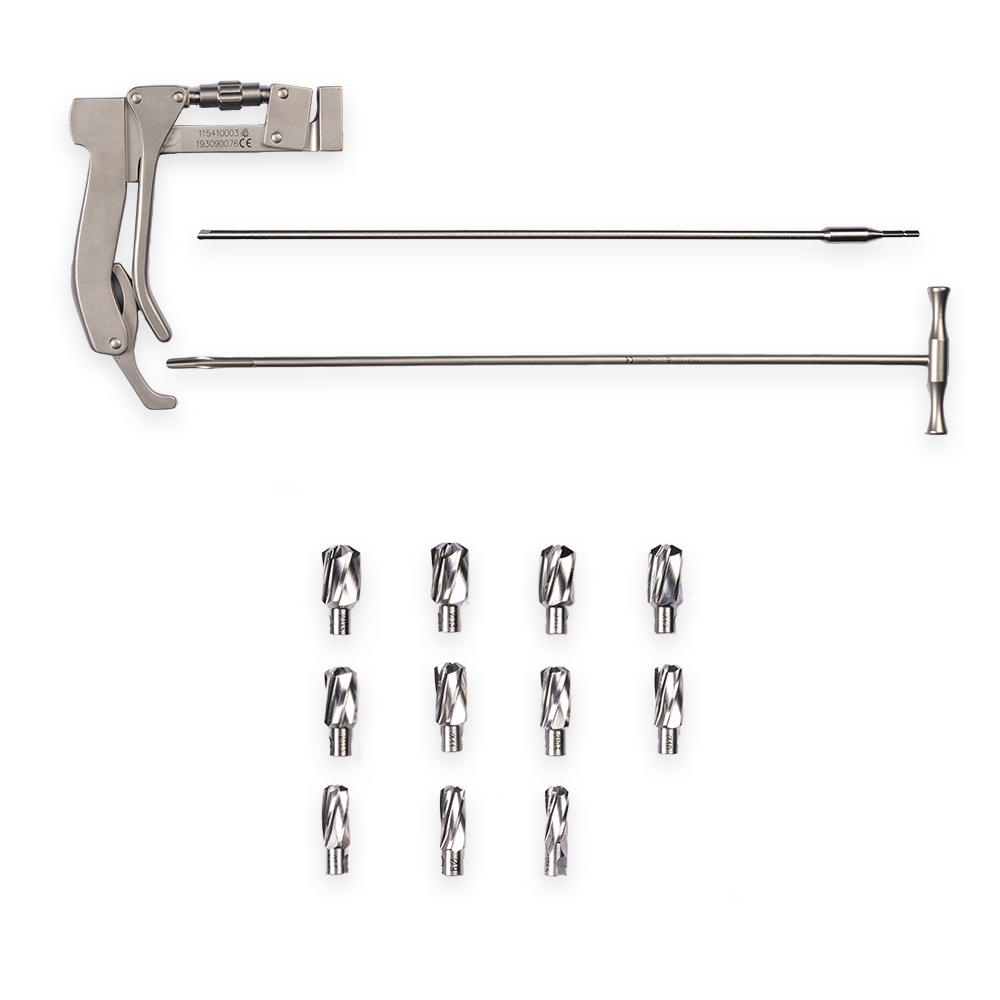
Simultaneously, active recreational lifestyles, regional road traffic collisions along transit corridors (such as the Via Baltica), and heavy forestry/industrial occupations generate high-energy segmental, spiral, and comminuted humerus fractures. In such scenarios, surgical suites in TOS and regional trauma centers demand adaptable intramedullary nailing sets equipped with both static and dynamic locking options. The flexibility to ream with specialized instruments (like the CANWELL Flexible Reamer System) allows surgical teams to accommodate narrow medullary canals without inducing iatrogenic cortical fissure propagation or thermal necrosis.
Procurement Trends & Regulatory Shifts in the Baltic Market
Orthopedic device procurement across Latvia and the wider Baltic corridor (Estonia and Lithuania) is characterized by rigid centralization, public electronic tender requirements (via the Electronic Procurement System - EIS), and intensifying regulatory rigor. Medical device distributors and institutional purchasers operate under the direct oversight of the State Agency of Medicines of the Republic of Latvia (Zāļu valsts aģentūra - ZVA), enforcing absolute alignment with the European Medical Device Regulation (EU MDR 2017/745).
Several strategic market shifts directly dictate orthopedic sourcing in Latvia today:
Transition Away from MDD to MDR
Hospitals are systematically eliminating suppliers relying on expiring 93/42/EEC certificates without clear Notified Body MDR transition dossiers. Importers must supply complete Declarations of Conformity, Basic UDI-DI codes, and CE certificates from verified European bodies.
Consolidated Tray Kits & Reusable Tools
To reduce operating room turnaround times and sterilization facility burdens, procurement officers prioritize streamlined instrument configurations where a single ergonomic targeting jig supports proximal, shaft, and distal locking across varying nail diameters.
Total Cost of Care Optimization
Latvian public health budgets are seeking dependable, tier-one manufacturing partners who provide OEM/private-label pricing parity without compromising raw material purity (such as ISO 5832-3 Grade 5 Titanium) or mechanical endurance tolerances.
To capture institutional tenders, international manufacturers must demonstrate clear biological evaluation profiles (ISO 10993), proven packaging integrity validation (ISO 11607), and verified endurance test data exceeding millions of load cycles. Sourcing managers increasingly demand cleanroom-packed implants that carry dual-language labeling (English and Latvian) alongside digital EUDAMED tracking capability.
State-of-the-Art Manufacturing & Global Export Credibility
Decades of engineering mastery backed by SGS on-site audits, advanced multi-axis CNC machinery, and complete trauma product portfolios.
Onsite Supplier Assessment
Verified production capacities, lean quality management systems, and ISO 13485 compliant workshops audited thoroughly by SGS Group.
CE Certified Systems
Orthopedic trauma plates, nails, PEEK interbody cages, and sports medicine devices marked under EU MDR and 93/42/EEC directives.
Full Private-Label Customization
Custom laser marking, custom anodization colors, titanium alloy raw material controls, and purpose-built instrument sterilization trays.
Years Global Export Track Record
Over a decade of seamless export documentation, international regulatory clearance, and rapid logistics to European distributors.
In-House Manufacturing: The 13-Stage Quality Assurance Cycle
Implant reliability in high-stress anatomical sites like the humerus requires absolute consistency in alloy composition and machining precision. At our 29,523 m² facility, every intramedullary nail and fracture plate passes through a strict 13-step internal manufacturing cycle, ensuring no critical stage is outsourced:
1. Raw Material Verification: Medical-grade Ti-6Al-4V ELI (ASTM F136 / ISO 5832-3) bar stock undergoes spectral analysis and mechanical tension verification.
2. Longitudinal High-Speed Cutting: Controlled lathe slicing yields blanks with minimal heat distortion.
3. Multi-Axis CNC Machining: Precision five-axis machining centers carve anatomical curves, cannulation tunnels, and multi-directional interlocking screw holes to tolerances within ±0.01 mm.
4. Surface Deburring & Polishing: Specialized automated and hand-finishing processes eliminate microscopic notch effects and tool stress concentrations.
5. Stage-I Ultrasonic Washing: Multi-tank ultrasonic cavitation removes micro-particulates and synthetic machining lubricants.
6. Precision Profile Grinding: Ensures dimensional accuracy and uniform smooth surface transitions.
7. Micro-Bead Sand-Blasting: Uniform surface conditioning preps the titanium alloy for superior passivation and biological tolerance.
8. Penetrant Flaw Testing: Fluorescent dye penetrant inspection reveals sub-surface cracks or material inconsistencies.
9. Electrochemical Type-II Anodizing: Creates an inert oxide layer that increases wear resistance while providing instant surgical color coding.
10. Stage-II Deionized Ultrasonic Cleansing: Complete bioburden reduction utilizing reverse osmosis medical-grade water.
11. Outgoing Quality Control (OQC): 100% optical coordinate measurement machine (CMM) dimensional verification and thread testing.
12. Class 100,000 Cleanroom Packaging: Double-barrier aseptic blister sealing to eliminate exogenous contamination.
13. Final Packaging & Warehouse Serialization: Barcoding, UDI labeling, and export-grade protective consolidation.
Frequently Asked Questions by Latvian Procurement Teams
Practical guidance on regulatory clearance, technical compatibility, logistics, and tender participation in the Baltic region.
Are your humeral nails and orthopedic instruments certified under EU MDR for sale in Latvia?
What materials are utilized for your humeral intramedullary nails and interlocking screws?
How does your technical support assist Latvian distributors in national hospital tenders?
What is the minimum order quantity (MOQ) and delivery lead time for Baltic orders?
Do your humeral nail sets support both antegrade and retrograde surgical approaches?
Can custom packaging and Latvian language medical labeling be accommodated?
Accelerate Your Orthopedic Supply Chain in Latvia
Partner with a premier Chinese manufacturer with 22+ years of surgical manufacturing excellence. Request comprehensive technical dossiers, surgeon trial sets, and competitive B2B wholesale quotation structures tailored for Baltic healthcare tenders.