Specialized Orthopedic Implants & Procedural Solutions
High-precision interbody systems, stable intramedullary fixation, trauma plates, and sports medicine arthroscopy platforms manufactured under SGS-audited ISO 13485:2016 conditions.
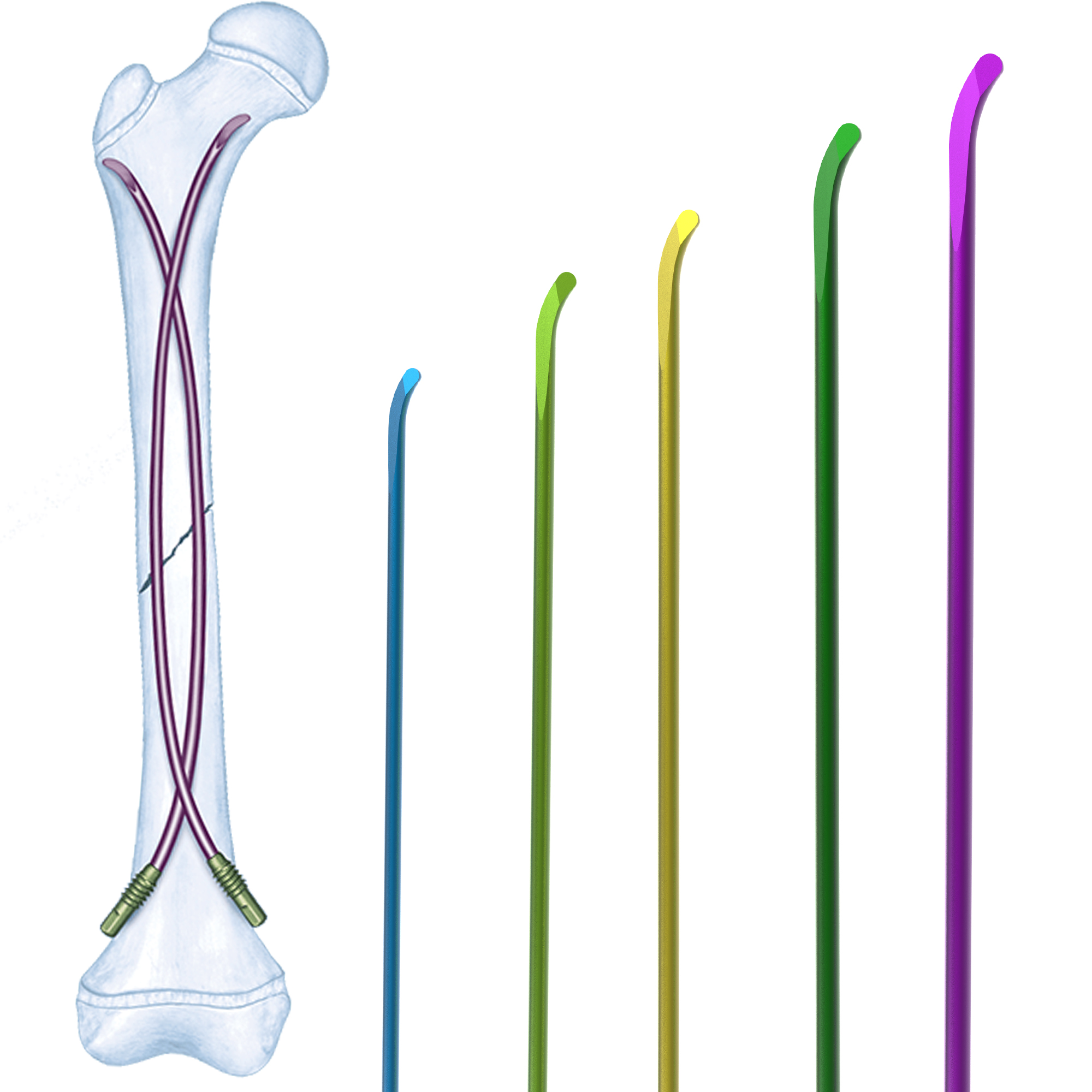
Canwell Titanium Elastic Stable Intramedullary Nail TEN Pediatric Orthopedic Implant Children Long Bone Fixation
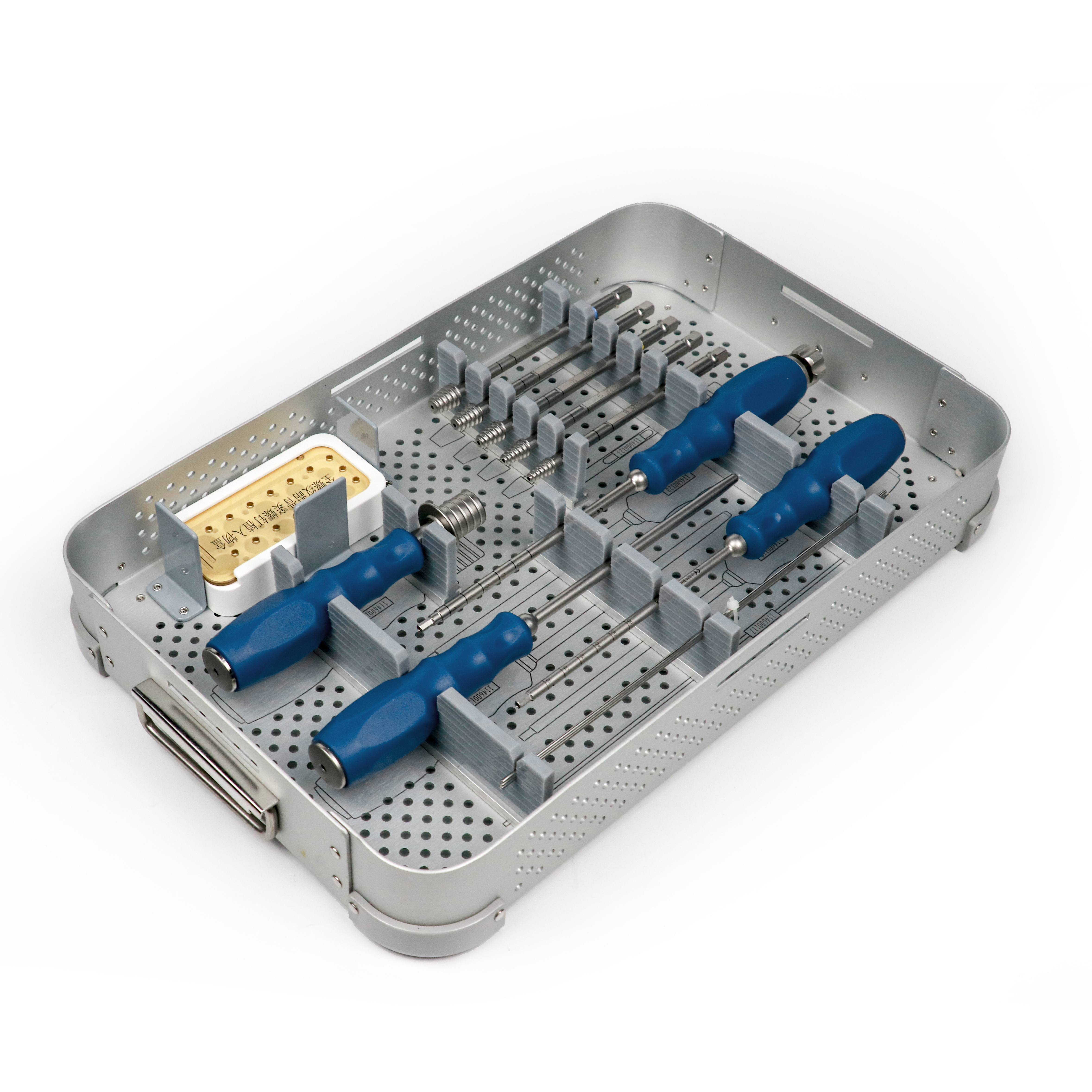
CANWELL Sinus Tarsal Locking Screw Titanium Orthopedic Implant and Instrument Foot Ankle CE ISO 2.4/2.7mm
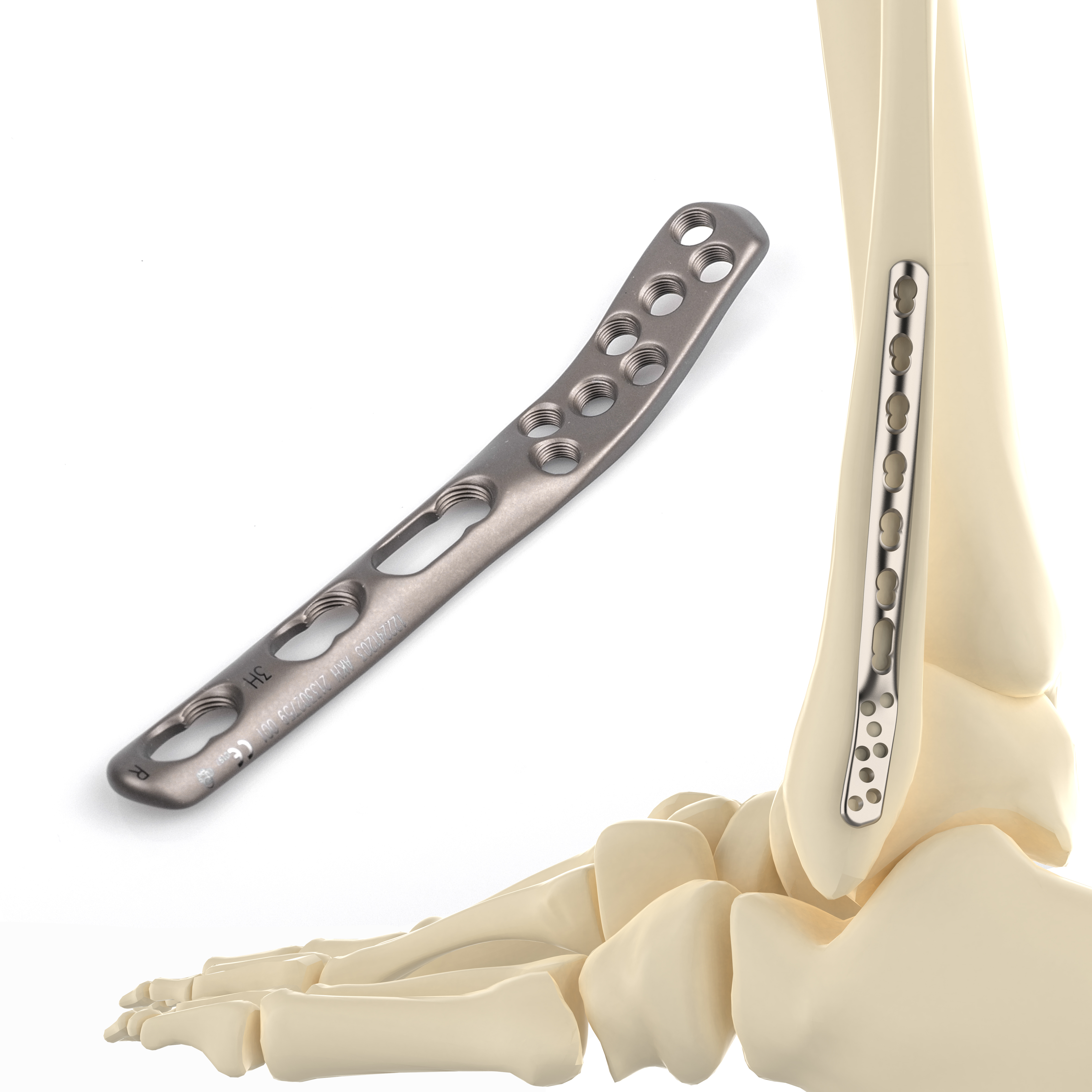
CANWELL Fibula Plate Titanium Posterolateral Distal Fibula Locking Plate 2.7/3.5mm Screw System
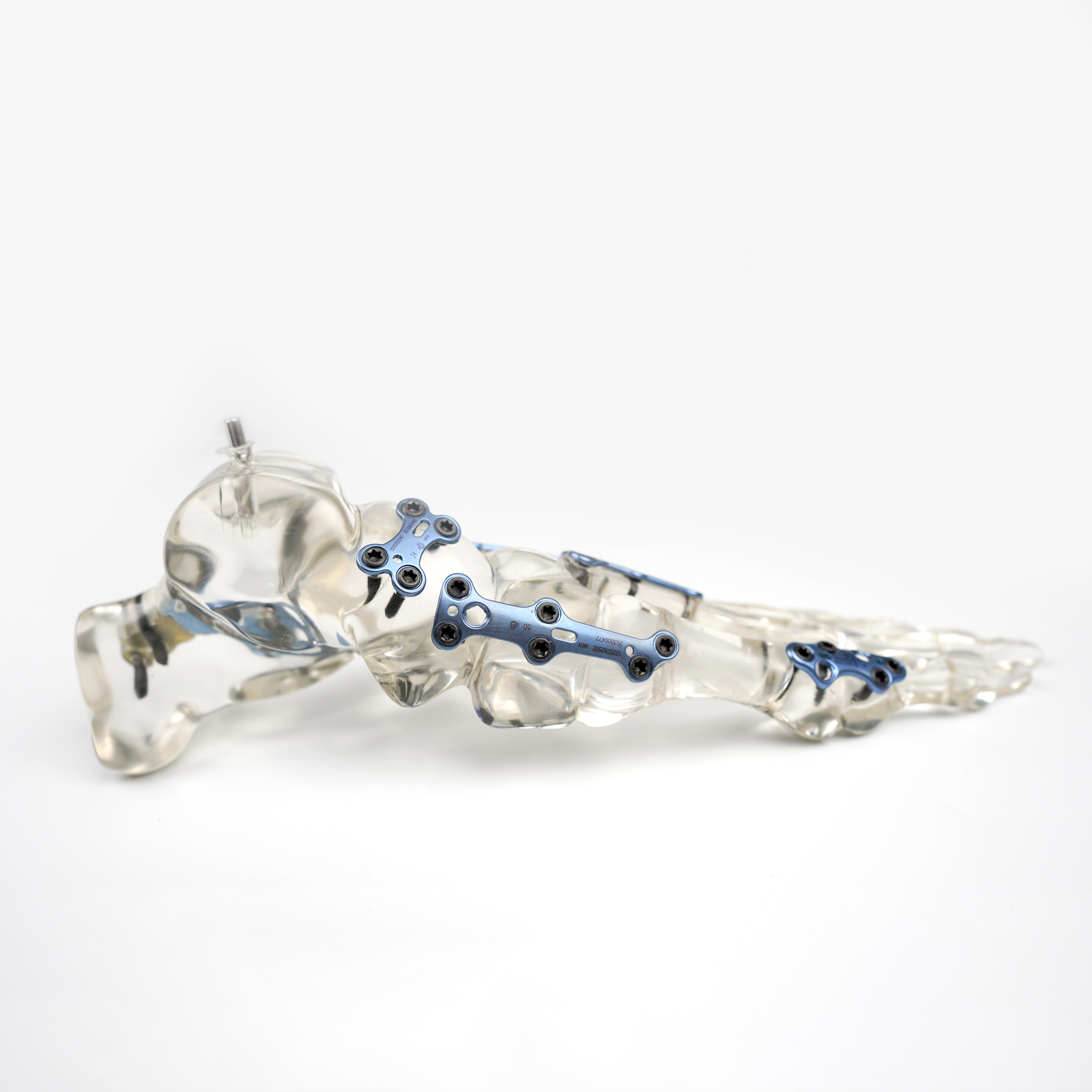
Orthopedic Implants for Foot and Ankle System Hind Foot Reconstruction Trauma Implants Locking Plate
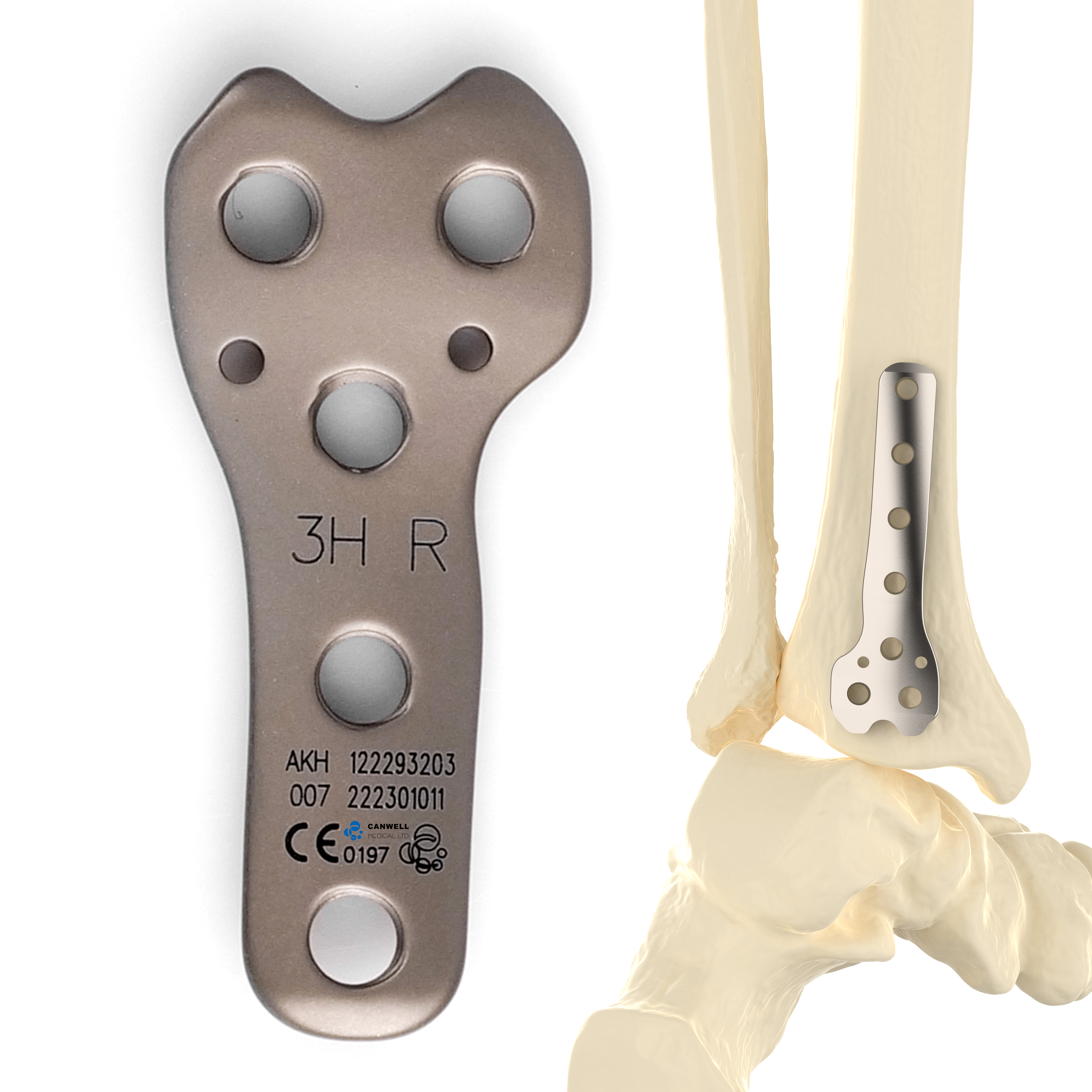
CANWELL Distal Tibial Titanium Locking Plate Posterior Limb Compression Orthopedic Trauma Fracture Implant CE OEM
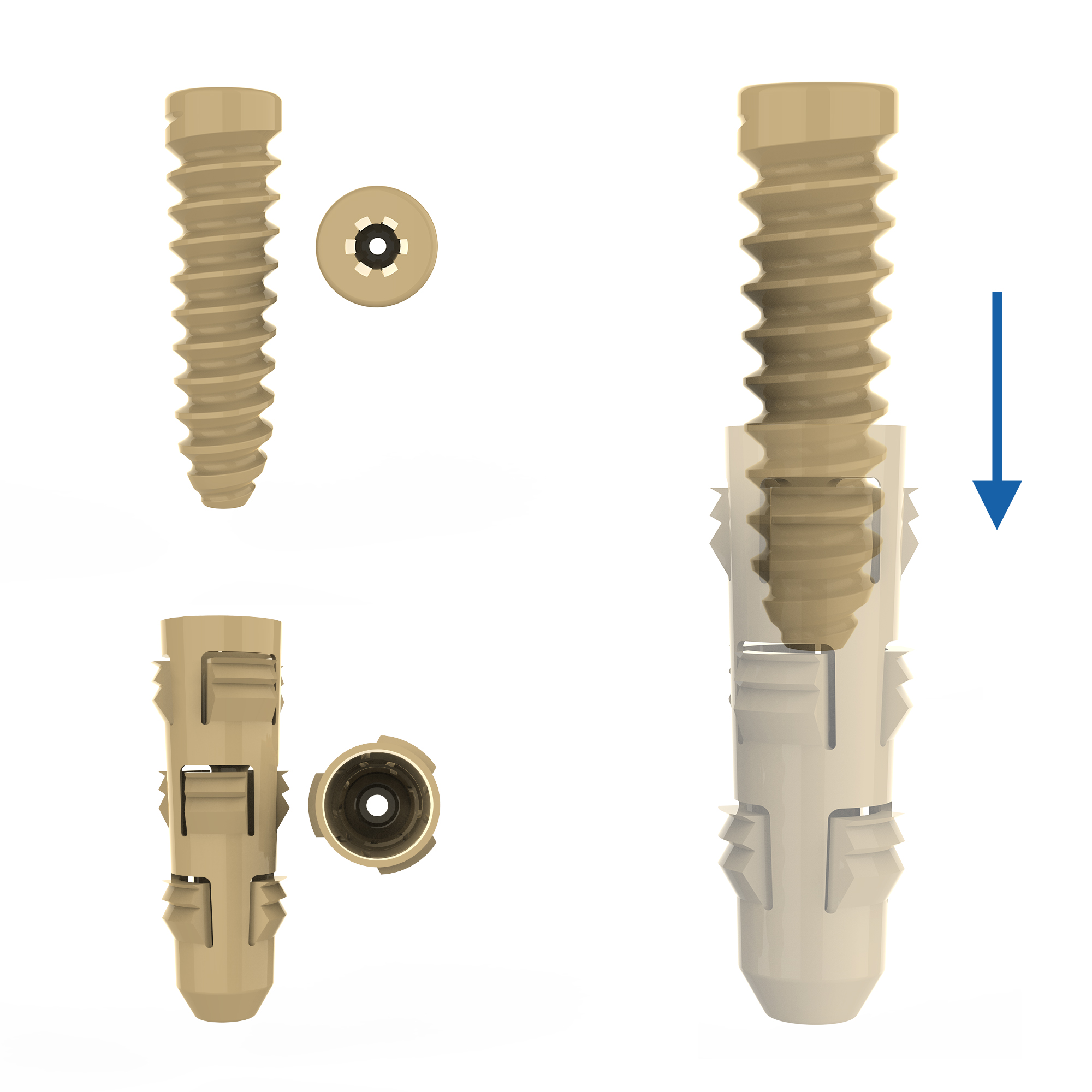
CANWELL Sports Medicine ACL Reconstruction ACL PCL Bioabsorbable Arthroscopy Surgery PEEK Interference Screw
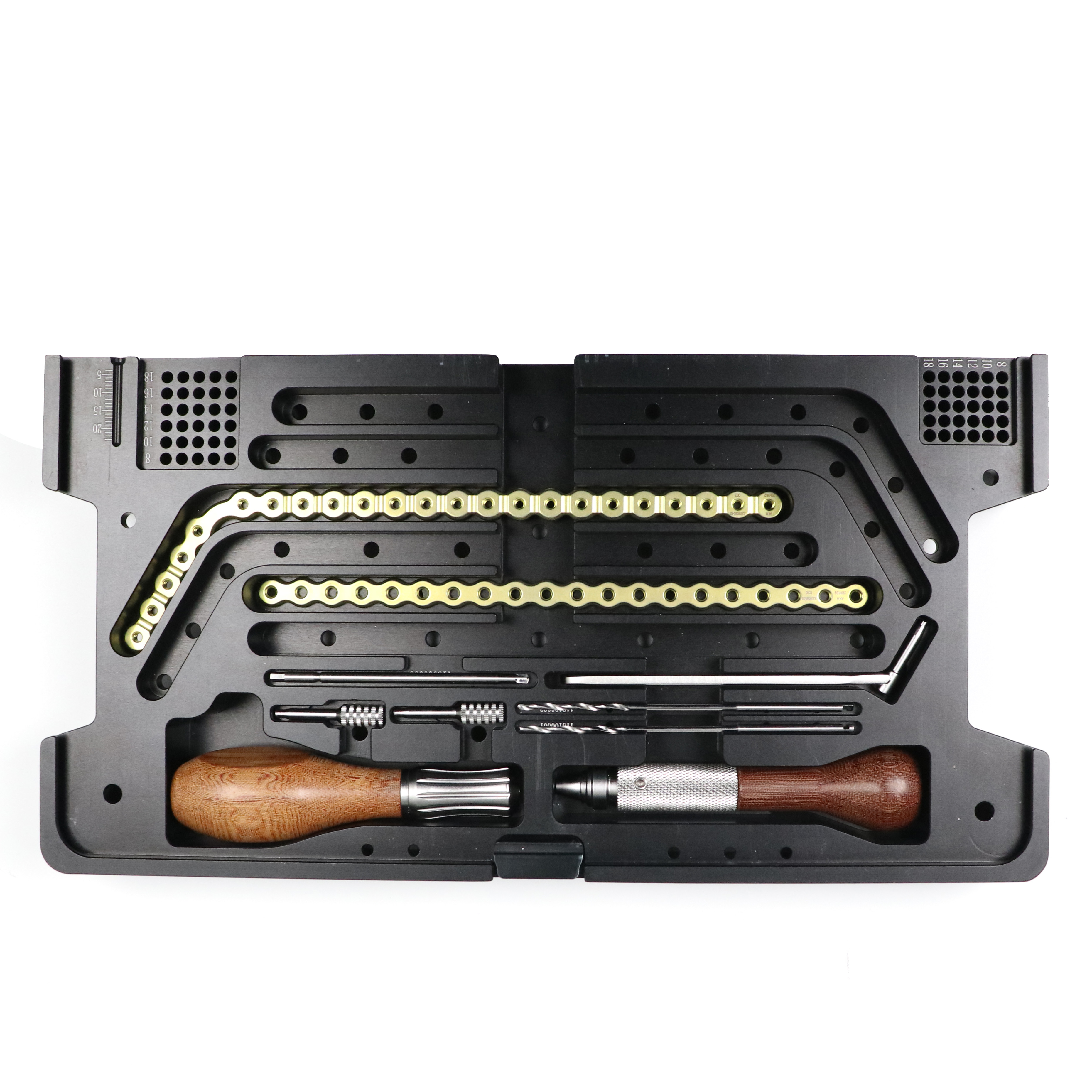
CANWELL Maxillofacial Surgery Instrument Set Drill Surgery Kit Bone Fixation Screwdriver Titanium Mesh
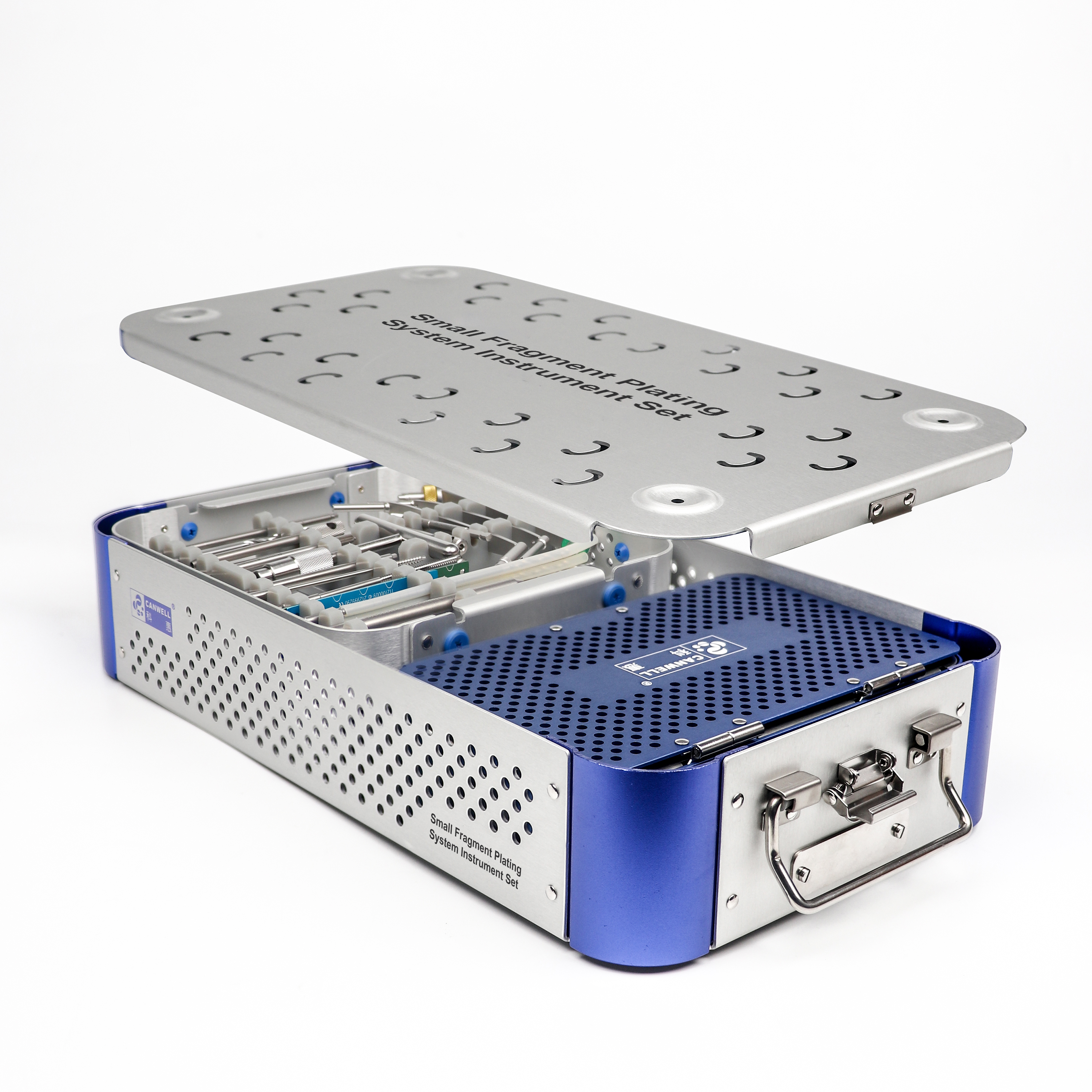
CANWELL Small Fragment Orthopedic Instrument Set Basic Surgical Instruments Traumatology Set
Comprehensive Guide: Interbody PEEK Cages in Modern Spine Reconstruction
The biomechanical evolution of spinal arthrodesis has positioned Polyetheretherketone (PEEK) interbody fusion cages at the apex of surgical intervention for degenerative disc disorders, spinal instability, and trauma reconstruction. PEEK polymer exhibits an elastic modulus (approximately 3.6 to 4.2 GPa) that closely mirrors that of human cortical and cancellous bone. Unlike traditional titanium metallic interbody cages, which present high structural stiffness leading to stress shielding and increased risk of vertebral endplate subsidence, PEEK optimizes load sharing across the fusion site, accelerating the osteogenic cascade and facilitating stable osseointegration.
Furthermore, medical-grade PEEK (such as Invibio PEEK-OPTIMA™) is entirely radiolucent. This native imaging property resolves one of the primary historical dilemmas in spinal surgery: postoperative assessment of bone bridging. Under fluoroscopy, computed tomography (CT), and magnetic resonance imaging (MRI), PEEK implants generate no scattering artifacts. Embedded tantalum or titanium radiographic markers demarcate the anterior, posterior, and sagittal margins of the cage, allowing orthopedic and neurological surgeons in Siem Reap and across the greater Indochina corridor to precisely confirm trajectory, lordosis restoration, and trabecular progression over 6, 12, and 24-month intervals.
Architectural Form Factors: TLIF, PLIF, ALIF, and Cervical ACIF
Modern clinical pathways dictate specialized anatomically contoured designs tailored to surgical access corridors:
- Transforaminal Lumbar Interbody Fusion (TLIF): Curved banana or kidney profiles featuring bullet-nosed tips to minimize neural retraction and dural tension during insertion through narrow transforaminal windows.
- Posterior Lumbar Interbody Fusion (PLIF): Rectangular parallel or lordotic profiles engineered with aggressive anti-migration serrated teeth (pyramidal chevrons) on cranial and caudal contact surfaces to anchor within cortical subchondral bone.
- Anterior Lumbar Interbody Fusion (ALIF): Broad-footprint anatomical geometries engineered to restore pelvic incidence-lumbar lordosis (PI-LL) mismatch while distributing axial loads across the biomechanically dense peripheral ring apophysis.
- Anterior Cervical Interbody Fusion (ACIF): Compact trapezoidal geometries with generous central graft windows designed to house autologous morselized bone or osteoinductive synthetic matrices.
Clinical Standard Insight: Biomechanical studies reveal that subchondral bone failure decreases by over 68% when switching from rigid metallic cages to lordosis-matched PEEK structures, particularly in patients presenting with sub-optimal bone mineral density (T-scores < -1.5).
| Biomechanical Parameter | Medical-Grade PEEK Implants | Titanium / Ti-Alloy Cages | Cortical Allograft Spacer |
|---|---|---|---|
| Elastic Modulus (GPa) | 3.6 – 4.2 GPa (Near native bone) | 110 – 114 GPa (Extremely rigid) | 10 – 18 GPa (Variable) |
| Endplate Subsidence Incidence | Low (< 4.2% across cohorts) | High (14% – 28% in osteopenic bone) | Moderate (Risk of resorption) |
| Diagnostic Imaging Profile | Zero CT/MRI artifact; clear fusion window | Significant halo/scattering artifacts | Artifact-free; indistinct border |
| Torsional & Compressive Yield | >170 MPa Ultimate Compressive Force | >850 MPa | Unpredictable donor variability |
Localized Clinical Applications: Siem Reap & Northwestern Cambodia
Siem Reap Province represents a unique, rapidly transitioning epidemiological landscape within the healthcare ecosystem of Cambodia. While internationally celebrated as the cultural epicenter of the Angkor archaeological empire, the province serves as the critical tertiary healthcare and trauma hub for Northwestern Cambodia, including catchment demographics from Banteay Meanchey, Oddar Meanchey, Preah Vihear, and Kampong Thom. The requirement for precision-engineered, cost-sustainable interbody PEEK cages and orthopedic fixation systems intersects directly with specific localized clinical and logistical real-world conditions.
Degenerative Lumbar Spine in Agrarian Communities
The vast rural labor force surrounding Tonle Sap basin engages in intensive rice cultivation and manual agricultural handling. Repetitive axial loading and flexion stress lead to premature lumbar spondylolisthesis, degenerative disc disease (L4-S1), and lumbar canal stenosis, necessitating dependable TLIF and PLIF decompression and fusion protocols.
High-Energy Road Traffic Trauma (RTT)
National Highway 6 serves as a major logistical corridor characterized by dense motorized two-wheeler traffic. Regional referral centers manage extensive thoracic and lumbar burst fractures, thoracolumbar junction instability, and polytrauma where rigid posterior pedicle instrumentation must be paired with anterior column reconstruction.
Expanding Regional Orthopedic Surgery Services
With major provincial referral hospitals, international charity surgical centers, and private clinical partnerships expanding in Siem Reap, the transition toward minimally invasive spine surgery (MISS) demands ergonomic instrumentation sets, bulleted cages, and fluoroscopically tracked implantation systems.
Clinical Logistics & In-Theater Demands
Operating theaters across Siem Reap frequently balance fluctuating caseloads and stringent sterilization throughput. Surgical teams require instrument trays fabricated from corrosion-resistant, high-grade surgical stainless steel (316L or 17-4 PH) paired with anodized aircraft-grade aluminum alloy boxes that tolerate repeated cycles of pressurized steam autoclaving (134°C) without dimensional warping, metric etching degradation, or mechanical slippage. The single-tray streamlined insertion set provided by Zhejiang INAR Medical eliminates unnecessary surgical steps, reducing anesthesia time in operating theaters that manage high daily case loads.
Macro Trends: Spinal & Orthopedic Device Adoption in Cambodia (2025–2030)
The procurement framework for class III medical devices throughout the Kingdom of Cambodia is undergoing rapid formalization under the direction of the Ministry of Health (MoH) Department of Drugs and Medical Devices. Historically dependent on informal distribution corridors or pre-owned donations, public and private hospital chains are implementing centralized standards for implants, traceable batch production, and accredited quality management systems.
Regulatory Harmonization with AMDD
Cambodia's active transition into compliance with the ASEAN Medical Device Directive (AMDD) enforces rigorous Common Submission Dossier Template (CSDT) submissions, favoring manufacturers with verified CE marking (EU MDR 2017/745 and 93/42/EEC) and full ISO 13485:2016 traceability.
Surge in Universal Health Coverage (NSSF)
The expanding National Social Security Fund (NSSF) coverage across Cambodia is dramatically increasing the volume of formally financed spine and orthopedic procedures, demanding cost-predictable tier-one manufacturing partners who can supply reliable, hospital-tender-ready implant systems.
Modernization of Orthopedic Training
Partnerships between Cambodian surgical societies and international spine surgical teams have accelerated local residency rotations in anterior and lateral fusion corridors (ALIF/OLIF). This clinical maturation requires suppliers capable of delivering multi-angle lordotic options (4° to 12°).
Procurement FAQ: Local Inquiries for Importers & Hospitals in Siem Reap
What regulatory dossiers are supplied to support registration with the Cambodian Ministry of Health?
How does INAR Medical ensure biocompatibility and raw material purity for PEEK interbody implants?
Can hospitals or distributors in Cambodia order custom-branded OEM laser-marking and instrumentation trays?
What are the freight routes and lead times for shipments into Siem Reap or Phnom Penh?
What quality verification steps are performed before non-sterile or sterile packed cages leave the factory?
Manufacturer Advantages: Zhejiang INAR Medical Co., Ltd.
As an industry leader in musculoskeletal device manufacturing, Zhejiang INAR Medical Co., Ltd. unites end-to-end precision fabrication with uncompromised quality assurance. Serving orthopedic distributors, health authorities, and medical device brand owners in more than 60 countries, our facility is engineered to deliver high-volume contract manufacturing alongside boutique anatomical design.
SGS Onsite Audited Facility
Our expansive 29,523 m² manufacturing campus operates under rigorous annual on-site inspections conducted by SGS Group, verifying machine capacities, testing infrastructure, and quality control systems.
22+ Years of Orthopedic Dedication
Staffed by 632 skilled professionals, biomedical engineers, and certified machinists, we specialize exclusively in trauma plates, intramedullary nails, spine reconstruction, and sports medicine arthroscopy systems.
In-House Testing & Aging Laboratories
We do not outsource mission-critical quality control. Our facility operates multi-station axial fatigue endurance testers, package aging testing machines, coordinate measuring systems, and optical comparators.
Factory Overview: Ranked as a premier manufacturer of orthopedic surgical devices, INAR Medical delivers 100% batch traceability, raw material ultrasonic mapping, and pristine Class 100,000 aseptic cleanroom packaging designed for ready-to-sterilize or gamma-irradiated hospital delivery.
Connect with Our Spine Engineering & Sourcing Team
Whether you are outfitting an orthopedic surgical unit in Siem Reap, participating in national hospital tenders across Cambodia, or seeking an established CE-certified OEM/ODM contract manufacturer, our technical representatives are available 24/7 to provide complete product specifications, dossiers, and custom quotations.