Featured Implant Platforms & Precision Surgical Assemblies
Engineered in compliance with ISO 13485 and European CE regulatory directives, our comprehensive product portfolio delivers biomechanical safety, anatomical precision, and repeatable clinical results.
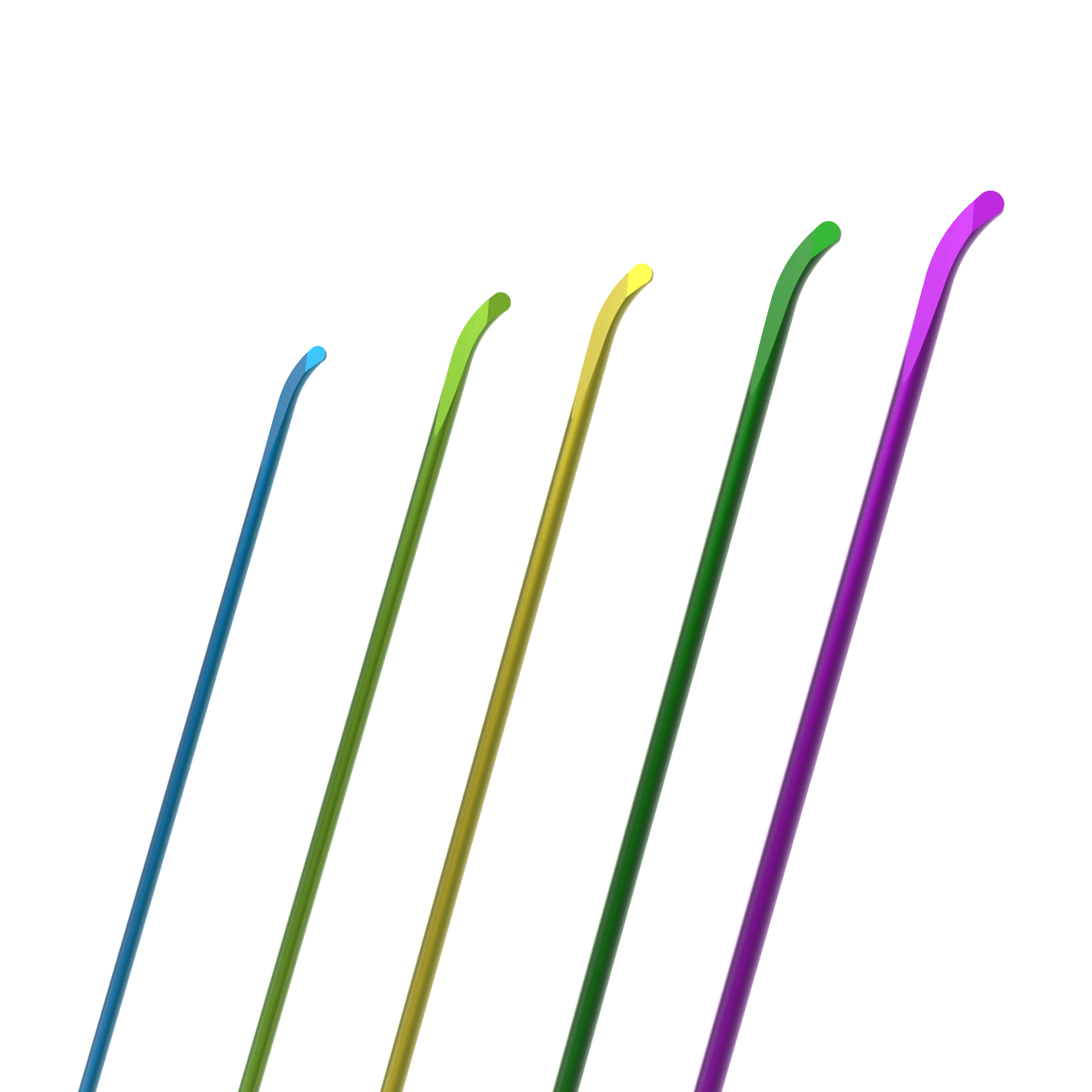
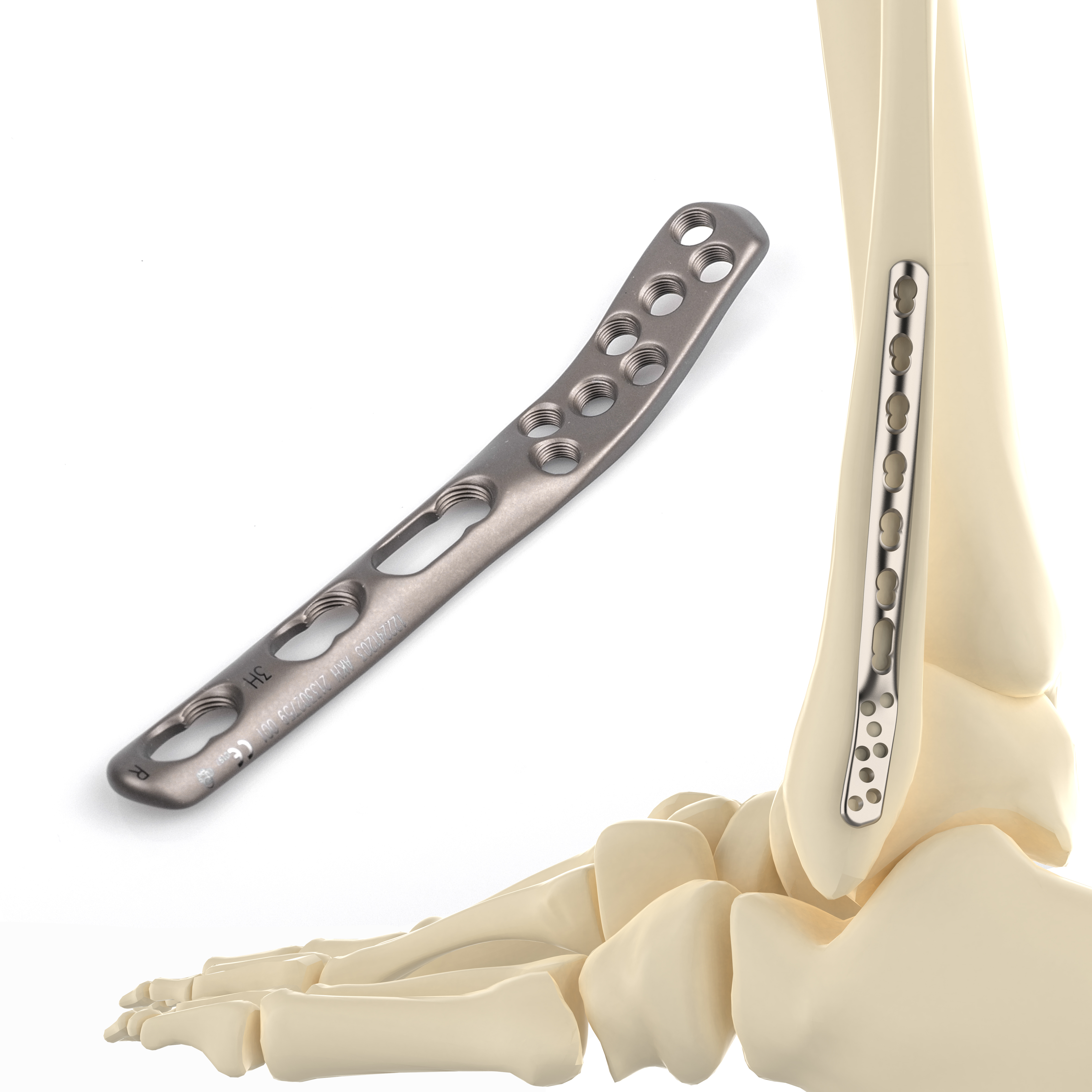
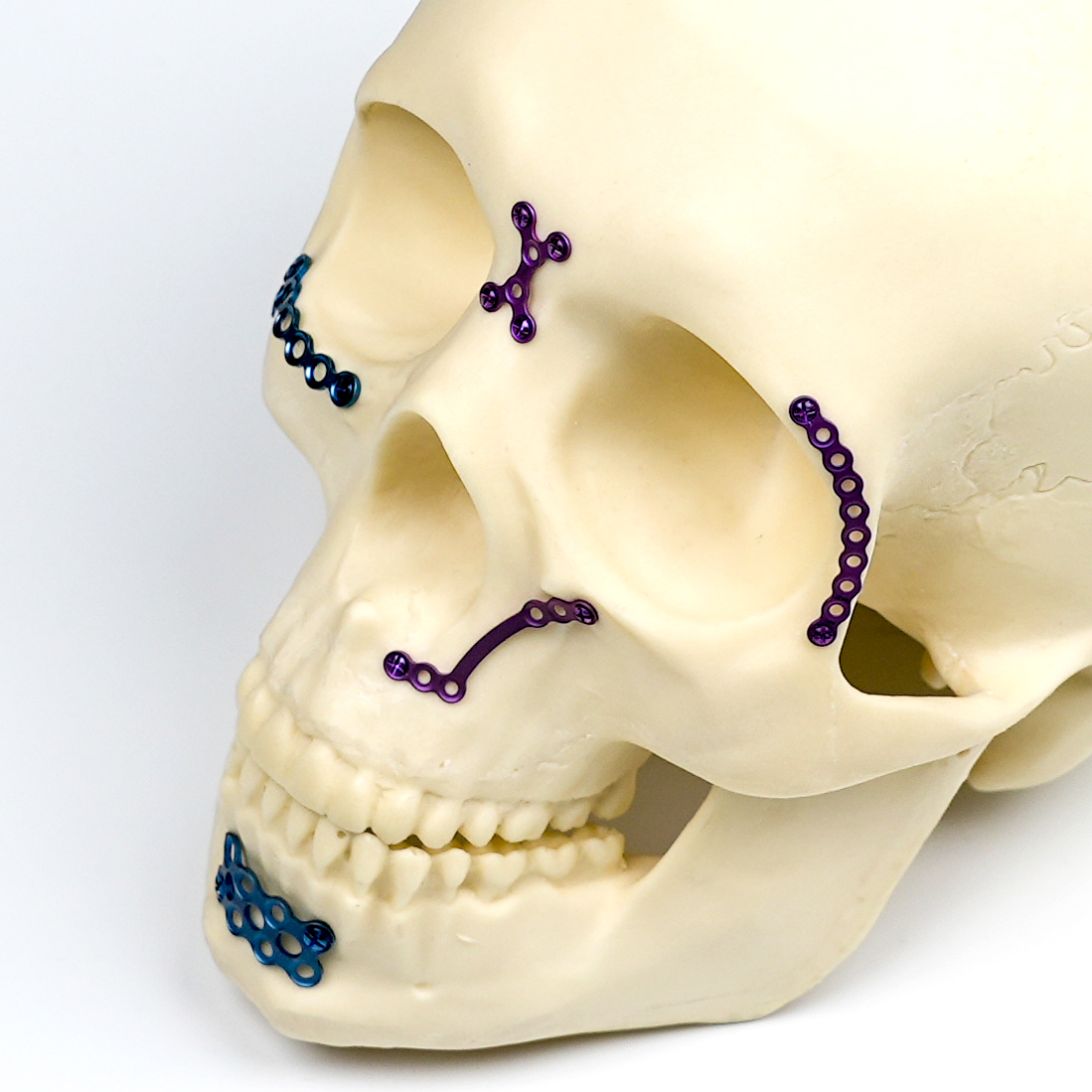
CANWELL CMF Titanium Maxillofacial Plate and Screw System for Facial Fracture Oral and Maxillofacial Surgery OEM Supplier
View Specifications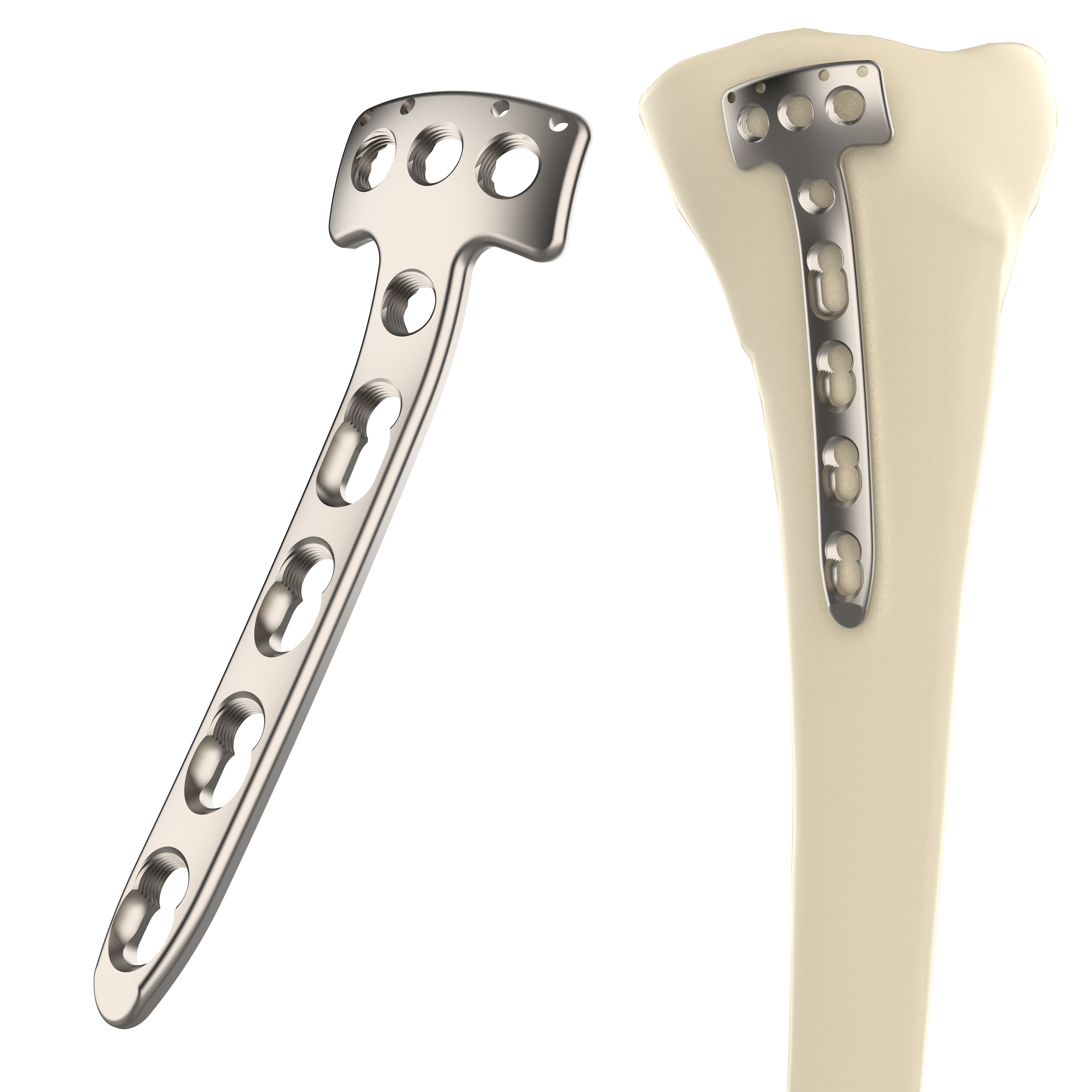
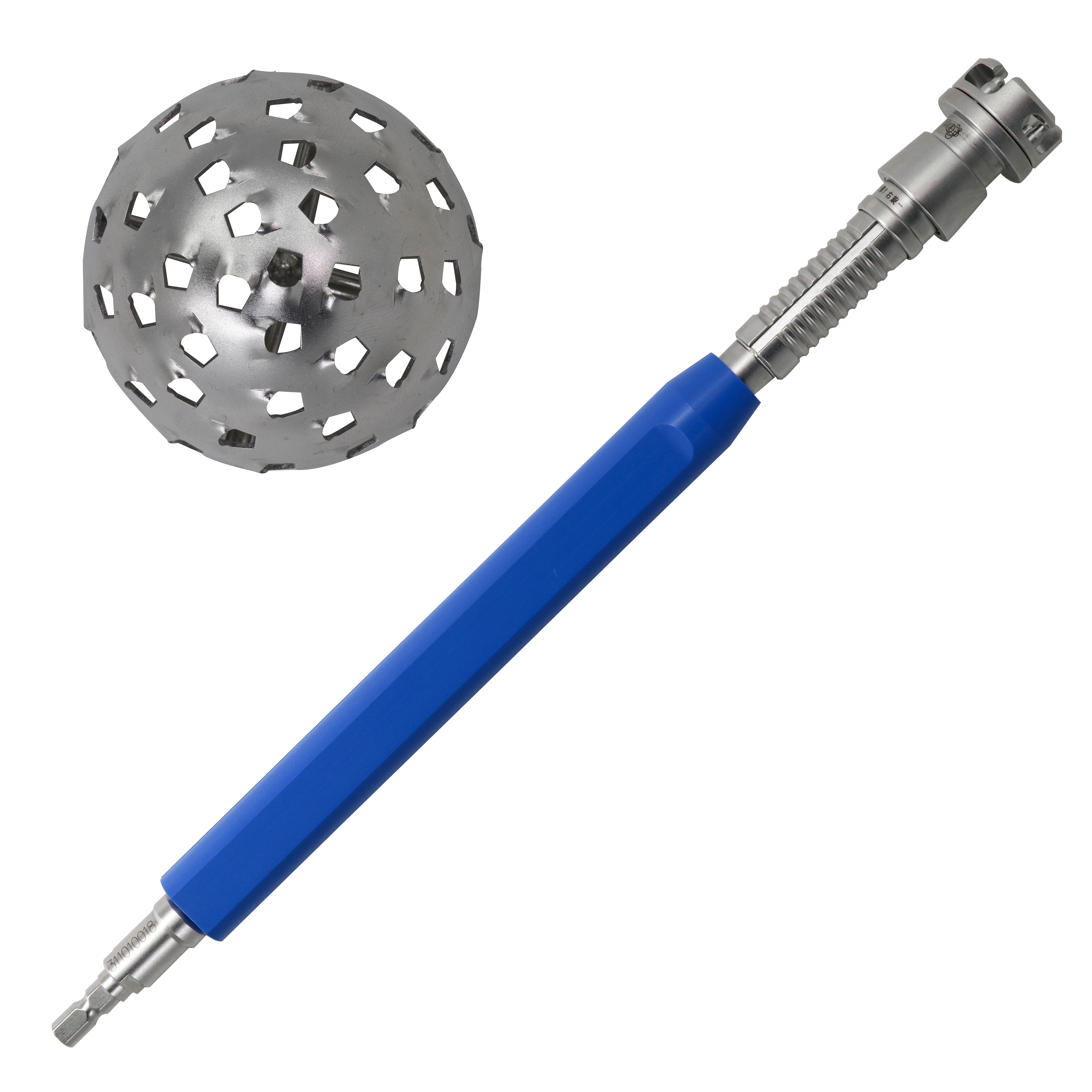
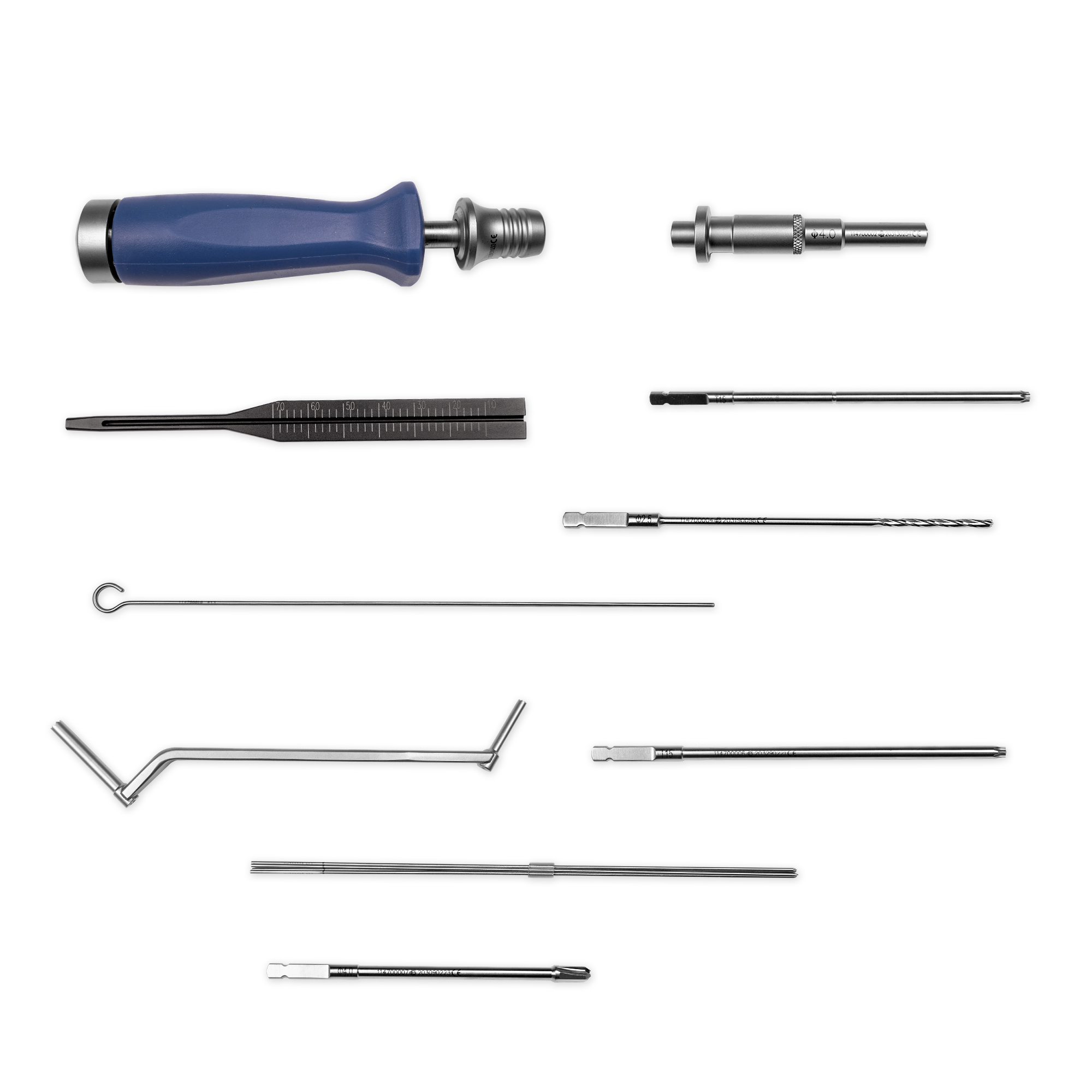
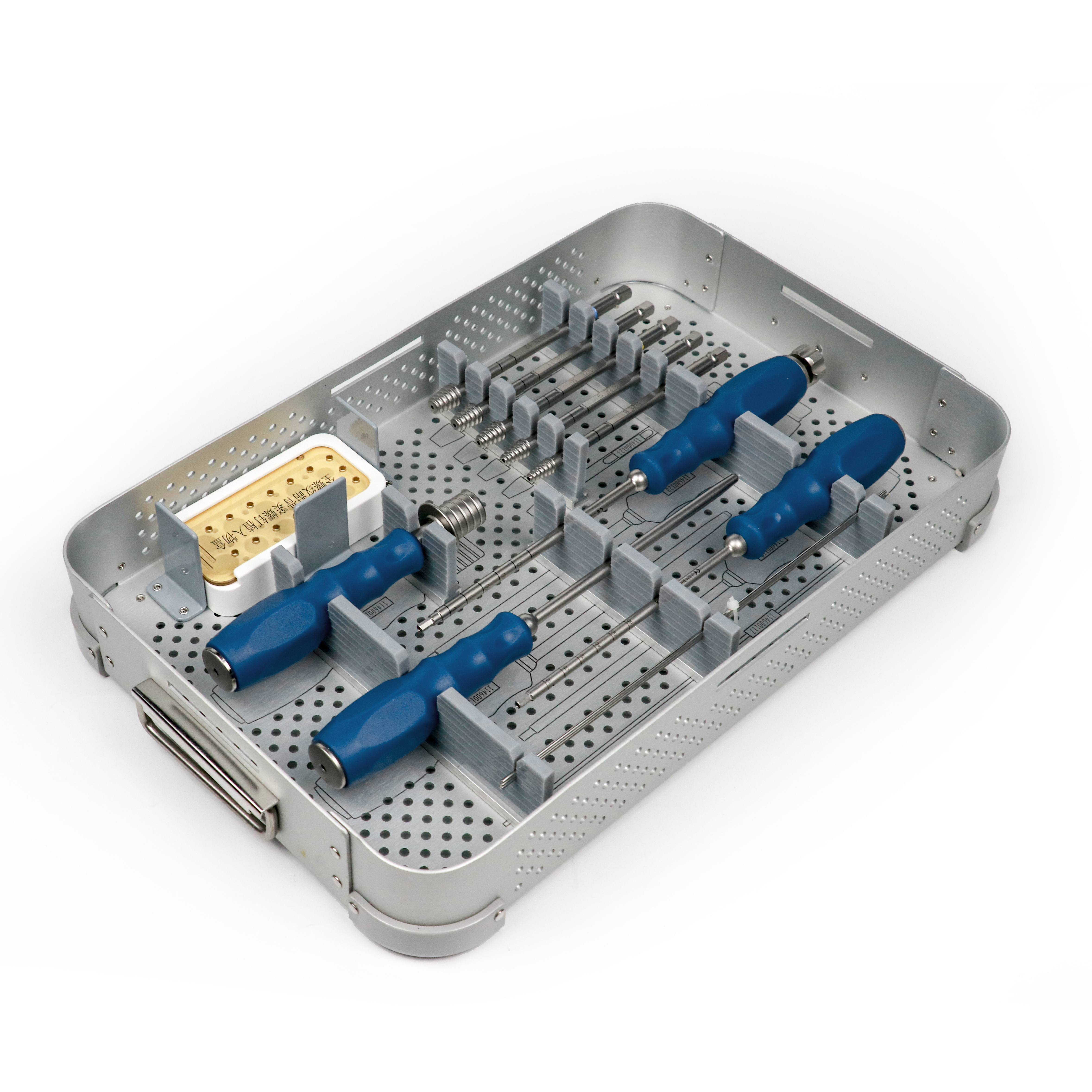
CANWELL Medical Orthopedic Instrument Set Manual Metal Torque Adapter Quick Coupling Handle Torque Limiter Ratchet Handle
View Specifications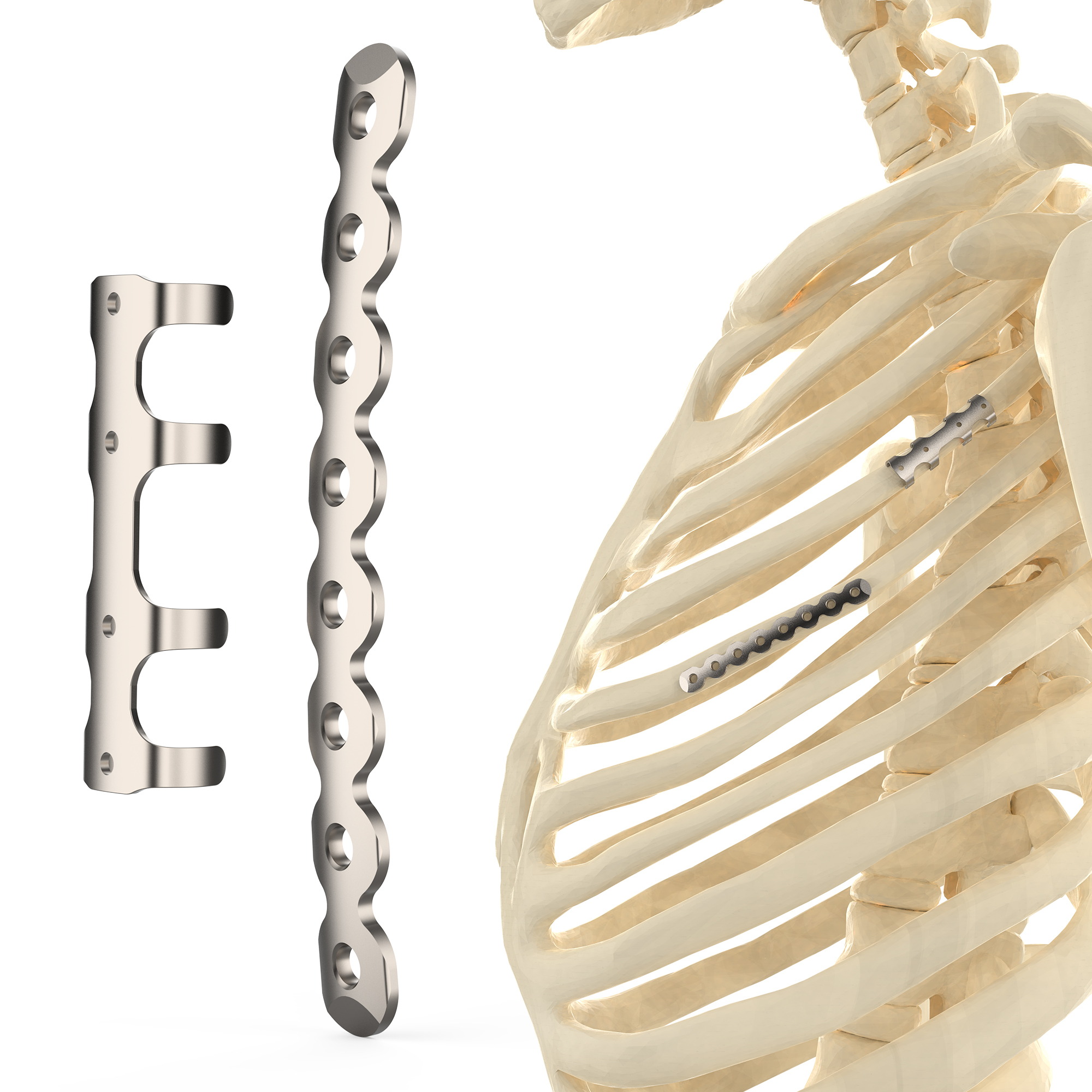
Technical Convergence: Polyetheretherketone (PEEK) Mechanics in Pelagonia Regional Spine Surgery
In the clinical ecosystem of Bitola—anchored by the Clinical Hospital "Dr. Trifun Panovski" alongside regional private surgical institutions—the demand for spinal arthrodesis devices has transitioned toward biomimetic implants. For orthopedic distributors, surgical department leads, and tender compliance officers in North Macedonia, the selection of an interbody fusion cage factory is no longer driven solely by basic dimensioning. Instead, it hinges upon modulus matching, radiolucent monitoring efficacy, particulate wear minimization, and seamless integration with posterior stabilization systems.
1. Biomechanical Rationale: Mitigating Subsidence with Virgin Medical-Grade PEEK-OPTIMA
The predominant challenge documented across posterior lumbar interbody fusion (PLIF), transforaminal lumbar interbody fusion (TLIF), and anterior cervical discectomy and fusion (ACDF) cases is cage subsidence. Traditional titanium-only constructs present an elastic modulus (~110 GPa) significantly higher than human cortical bone (12–18 GPa) and cancellous bone (1–3 GPa). This severe mechanical disparity generates stress shielding, localized micro-fractures of the vertebral endplates, and subsequent loss of disc space height.
Our manufacturing facility utilizes certified, implant-grade Polyetheretherketone (PEEK) exhibiting an elastic modulus of approximately 3.6 to 4.0 GPa. When machined to anatomical lordotic configurations, these cages flex in micro-alignment with physiological load pathways. By allowing physiologic stress distribution through the contained osteogenic bone graft material (Wolff’s Law), interbody fusion velocity is substantially accelerated while preserving the integrity of decorticated endplates.
Structural flexibility calibrated within 3.6–4.0 GPa eliminates the rigid stress-concentration zones associated with dense metal implants, safeguarding endplate vascularity.
Integrated medical-grade tantalum pins (X-ray and fluoroscopy visible) facilitate micro-millimeter precision during intraoperative fluoroscopy without obscuring bone bridging.
Bidirectional pyramidal teeth engage the subchondral bone surface immediately upon insertion, resisting rotational torque and preventing anterior/posterior implant migration.
2. Bitola Regional Healthcare Dynamics: Public Tenders and Private Care Evolution
Bitola serves as the essential healthcare hub for the Southwestern and Pelagonia statistical regions, catering to patients from Prilep, Resen, Demir Hisar, and cross-border clinical traffic. Procurement officers navigating the Ministry of Health (FZO / Fond za zdravstveno osiguruvanje) public tenders require strict regulatory clearance, including active CE markings, declarations of conformity under European directives, and traceable ISO 13485:2016 audited quality trails.
Concurrently, private spine and neurosurgical facilities throughout Bitola and nearby metropolitan centers emphasize minimally invasive surgical (MIS) capabilities. These approaches necessitate streamlined delivery cassettes, modular trial sets, and specialized cage profiles such as curved TLIF, oblique lumbar (OLIF), and low-profile cervical cages with integrated self-locking screw options. Our factory provides direct-tier supply access, decoupling local distributors from layered intermediary markups while maintaining verified batch purity.
3. Advanced Manufacturing Workflow: 13-Stage Quality Architecture
At our 29,523 m² manufacturing facility, zero-defect production is enforced through a strictly validated 13-step route. Medical-grade PEEK polymer rods undergo precision Swiss-type CNC micro-milling under temperature-regulated fluid regimes to prevent material degradation or micro-porosity formation.
Following precision cutting, components pass through multi-stage ultrasonic washing to eliminate particulate debris, rigorous surface de-burring, and dimensional validation via automated optical coordinate measuring machines (CMM). Final processing takes place within certified Class 10,000 / ISO Class 7 aseptic cleanrooms, followed by medical-grade double blister sterilization packaging compatible with gamma irradiation and ethylene oxide (EO) protocols.
Frequently Asked Technical & Sourcing Inquiries in North Macedonia
Key procedural, regulatory, and mechanical questions evaluated by Macedonian hospital committees and medical distribution channels.
How do PEEK cages satisfy Macedonian Agency for Medicinal Products (MALMED) mandates?
Our implants are certified under CE (Directive 93/42/EEC and progressing under EU MDR frameworks) and audited via SGS on-site inspections. We furnish complete technical documentation, biological evaluation reports (ISO 10993), raw material biocompatibility dossiers, and Declaration of Conformity (DoC) certificates, simplifying registration through local authorized representatives before MALMED.
What prevents intraoperative cage migration under severe lordotic correction?
Our engineering design incorporates directional surface teeth machined directly into the PEEK core, establishing initial friction fixation. Simultaneously, anatomical lordotic angles (ranging from 0° to 12°) ensure uniform contact pressure across both inferior and superior endplates, resisting shear forces during rotational patient movements prior to bony consolidation.
Can our hospital or distribution enterprise commission custom cage contours?
Yes. Supported by 632 dedicated personnel and in-house tooling workshops, we provide comprehensive OEM/ODM engineering. From custom footprint adjustments for osteoporotic bone beds to custom instrument trays, laser color-coding, and localized packaging labeling in Macedonian or English, our industrial lines accommodate tailored technical profiles.
What is the standard logistics timeline for delivery to the Pelagonia region?
Standard geometric configurations maintained in cleanroom storage are dispatched via priority air freight within 7–10 days, arriving at Skopje International Airport (SKP) or via regional hubs in Thessaloniki for straightforward road transit into Bitola. Custom OEM production runs typically require a verified 30-day manufacturing and lot-validation cycle.
Why Institutional Buyers Partner with INAR Medical
Operating as an established manufacturer with over 22 years of sustained orthopedic specialization, Zhejiang INAR Medical Co., Ltd. combines heavy industrial machining power with rigorous biomedical cleanroom management.
We do not broker components. From raw bar stock turning and Swiss CNC profiling to ultrasonic degreasing, cleanroom packing, and final quality sign-off, operations occur across our 29,523 m² self-owned campus.
Rigorous third-party audits ensure our production parameters, financial solvency, and export performance meet international tier-one standards, providing complete commercial safety for global distributors.
Our interbody cages integrate seamlessly with our posterior spinal instrumentation, including MIS pedicle screws, rods, crosslinks, and ergonomic torque-limiting ratcheting handles, creating a closed-loop procedural workflow.