Engineered Implant Assemblies & Specialized Instrumentation
Direct factory supply featuring cobalt-chromium molybdenum (CoCrMo) knee replacements, titanium locking constructs, pediatric stabilization nails, and arthroscopic repair solutions validated for Swiss surgical excellence.
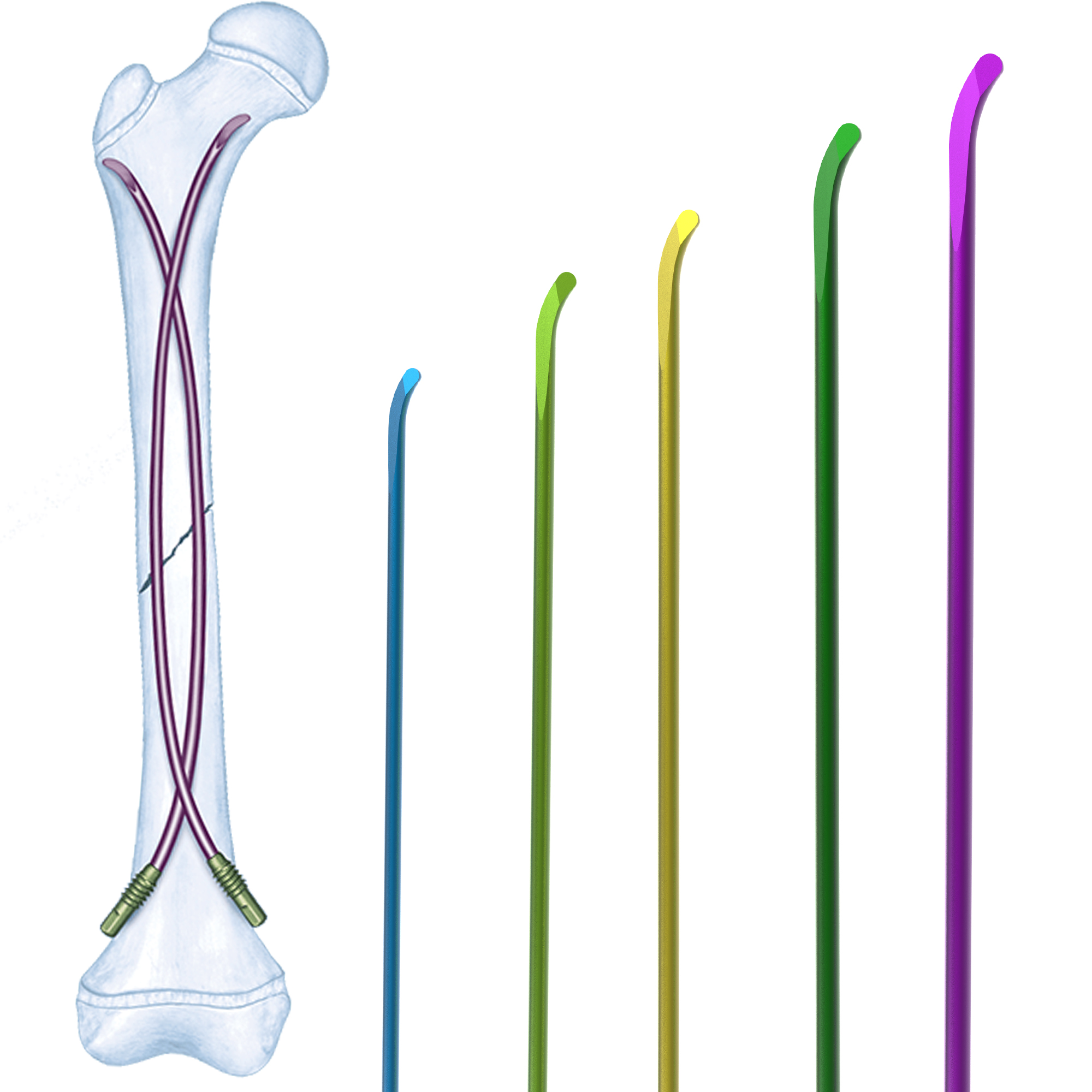
Canwell Titanium Elastic Stable Intramedullary Nail (TEN)
Biocompatible Ti-6Al-4V ELI alloy engineered for pediatric diaphyseal long bone fixation. Symmetrical three-point biological bridging with exceptional elastic memory.
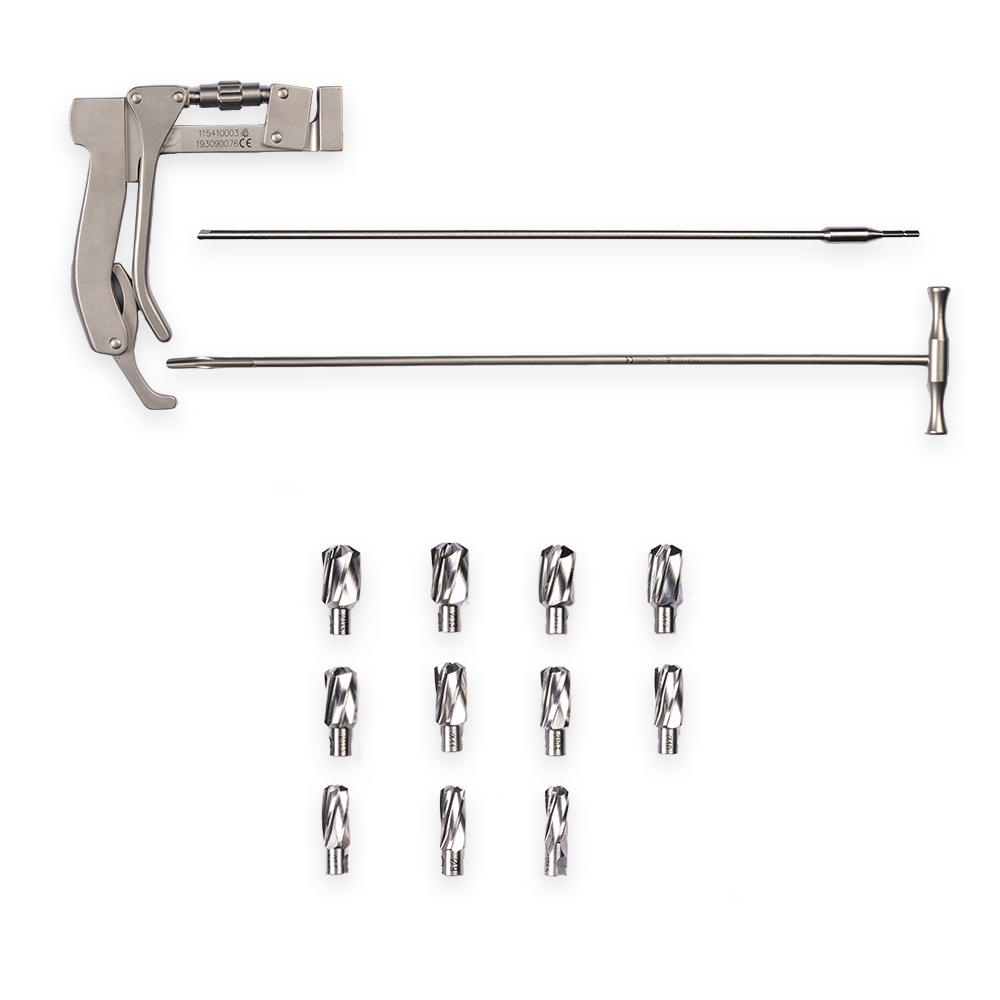
CANWELL Orthopedic Flexible Reamer Set for Nail Surgery
Cobalt-alloyed high-torque drive shaft with modular cutting heads. Minimized intramedullary pressure design preventing fat embolisms during trauma reaming.
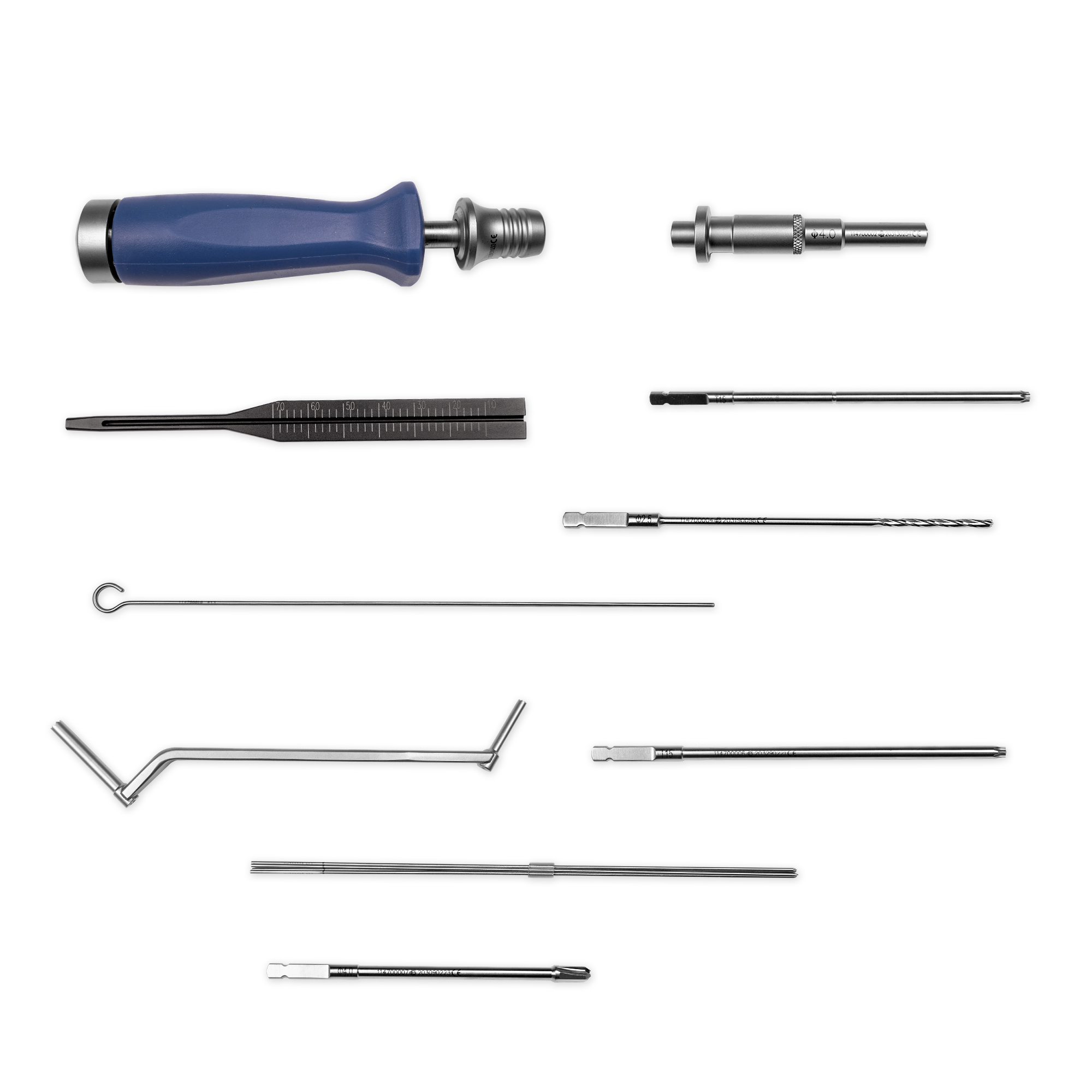
CANWELL Orthopedic Quick-Coupling Torque Limiter Handle
Calibrated bidirectional clutch mechanism preventing screw shear and overtightening. Medical-grade stainless steel with autoclavable ergonomic silicone sleeve.
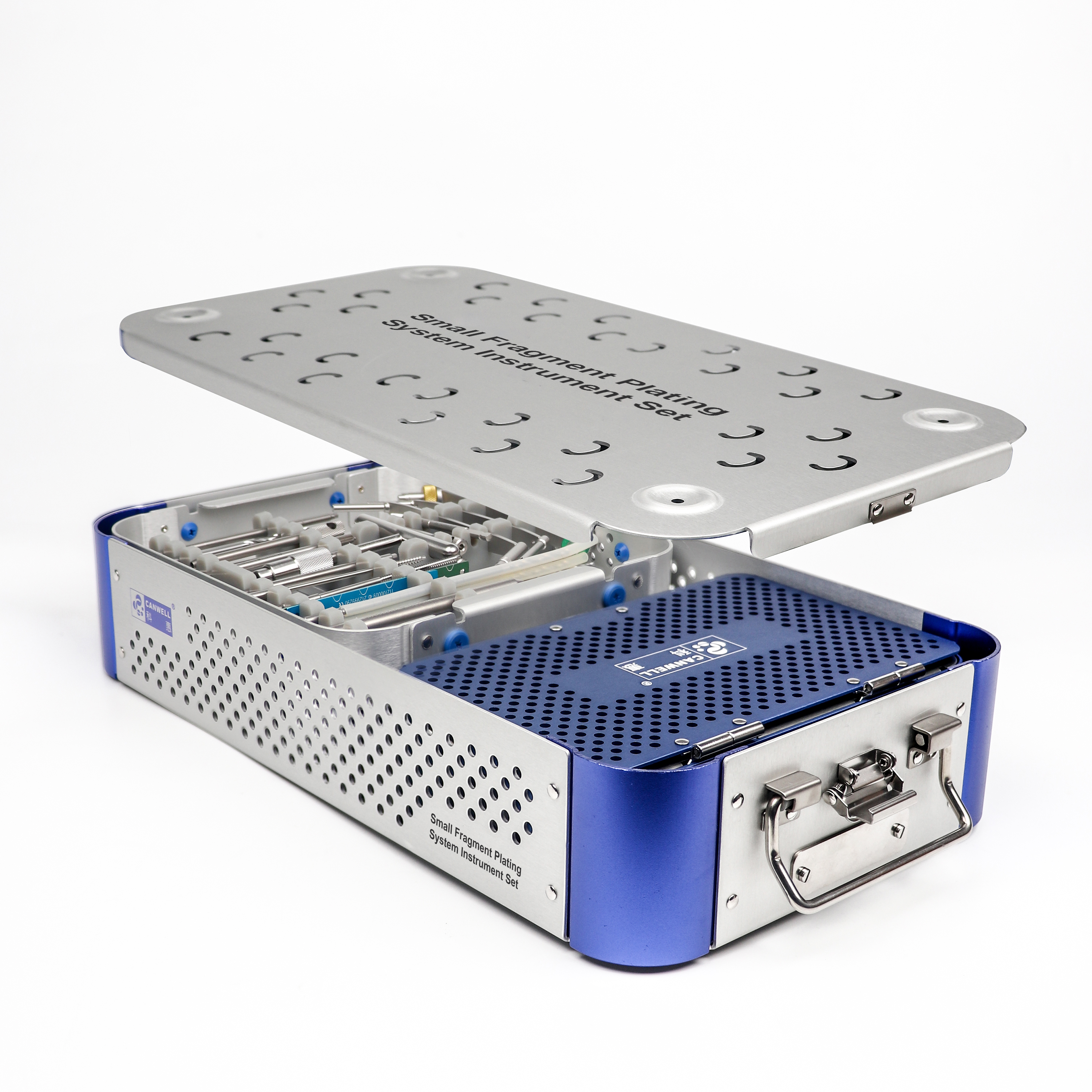
CANWELL Small Fragment Orthopedic Instrument Set
Complete periarticular instrument kit with drill guides, depth gauges, reduction forceps, and taps tailored for 3.5mm/4.0mm plating systems in trauma centers.
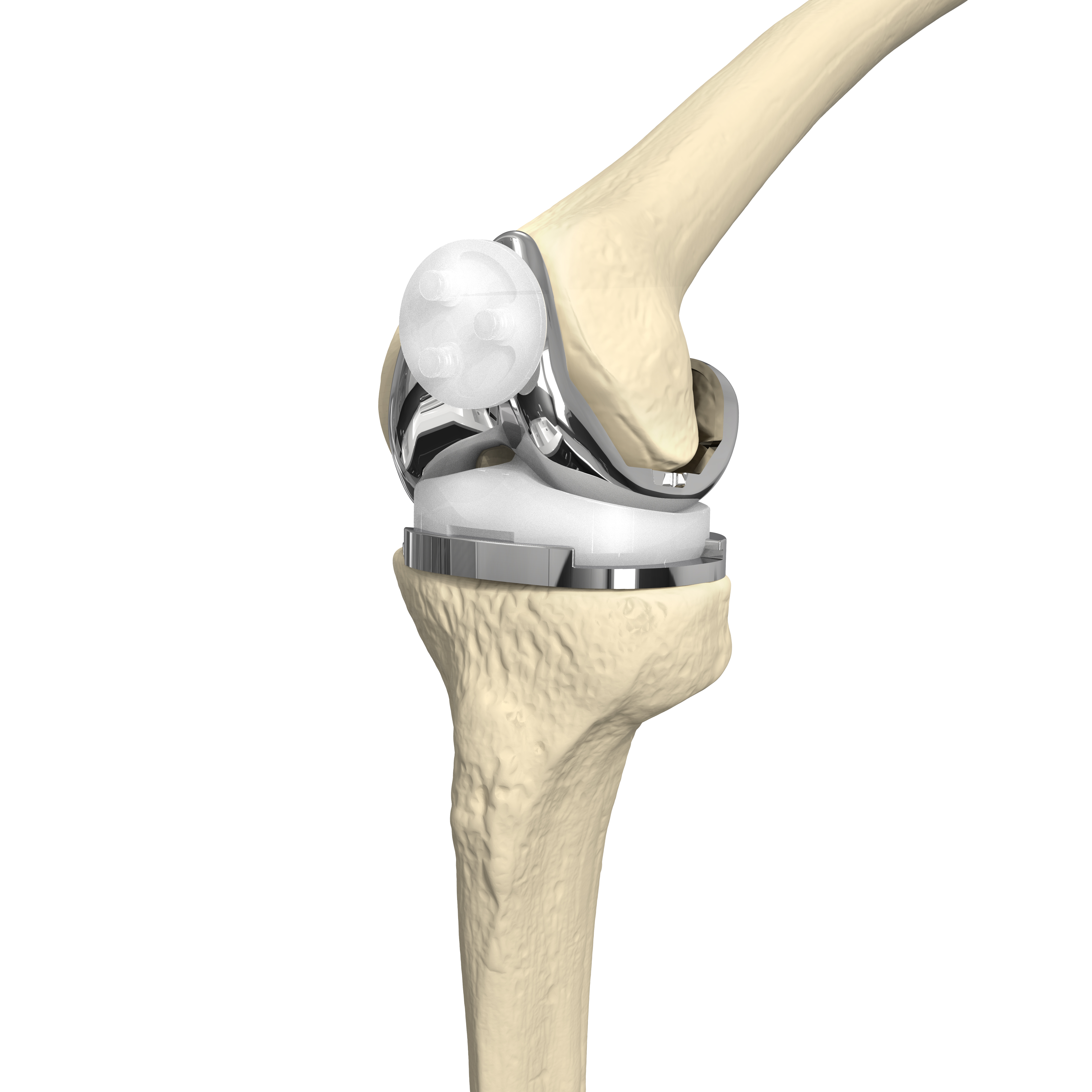
CANWELL CE Certified Arthroplasty Artificial Knee Joint Kit
Vacuum-cast CoCrMo femoral component coupled with high-crosslinked UHMWPE tibial insert. Optimized posterior-stabilized kinematics preserving physiologic rollback.
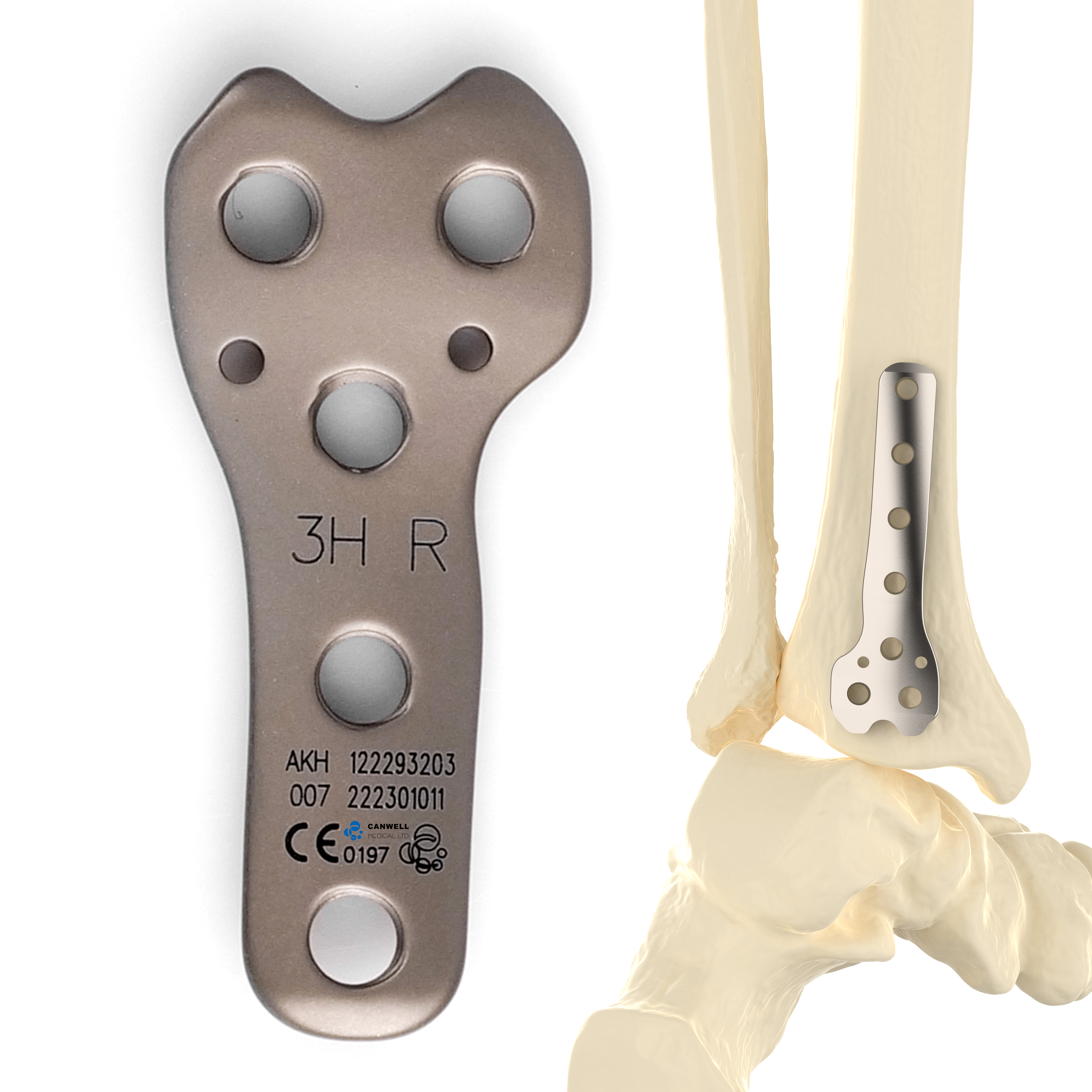
CANWELL Distal Tibial Titanium Locking Compression Plate
Anatomically pre-shaped low-profile titanium construct for distal tibial pilon and articular fractures. Rounded edges to avoid soft-tissue irritation in ankle reconstructions.
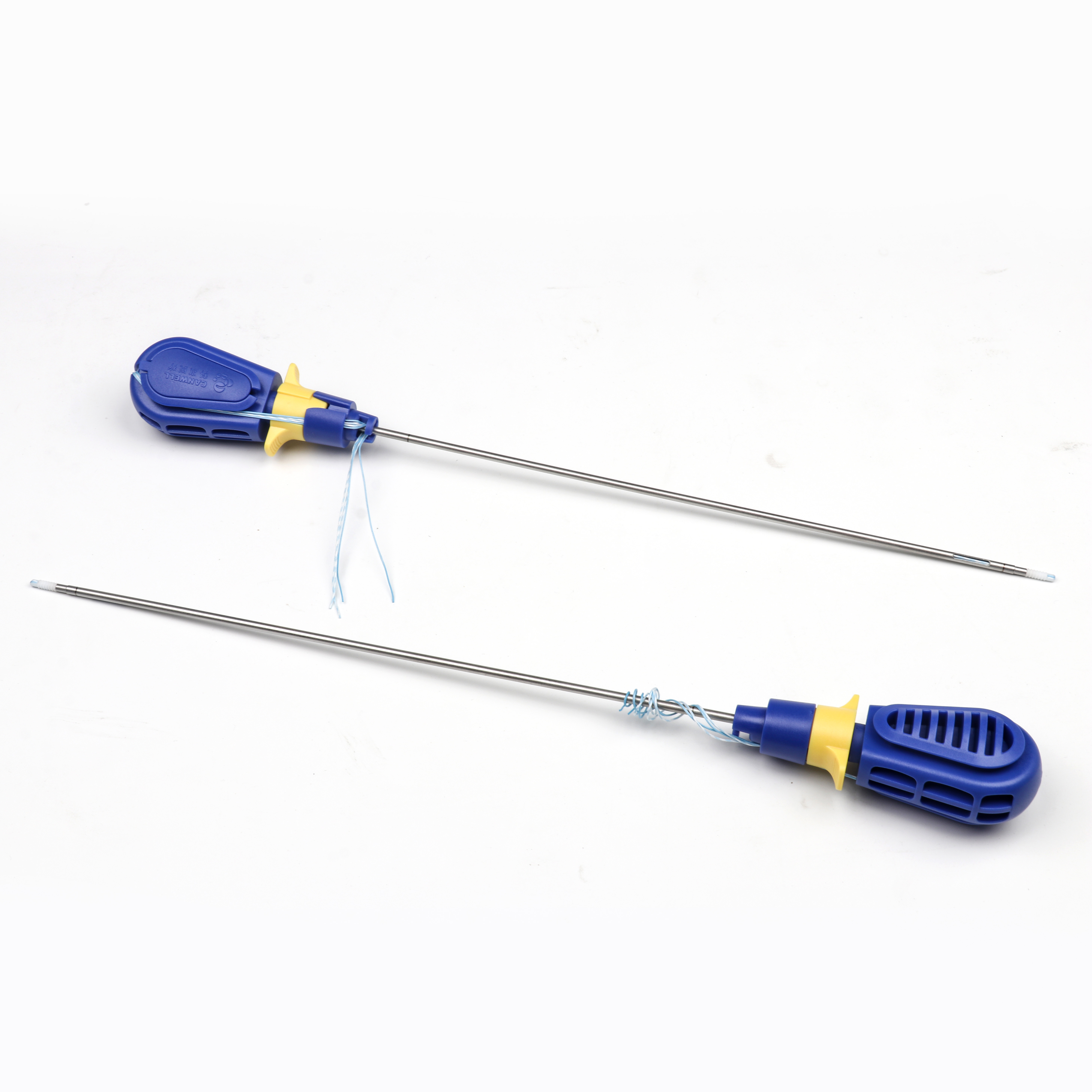
CANWELL Bioabsorbable Knotless PLGA Suture Anchor
Osteoconductive PLGA/β-TCP copolymer anchor for shoulder rotator cuff and labral stabilization. Knotless mechanics paired with ultra-high molecular weight sutures.
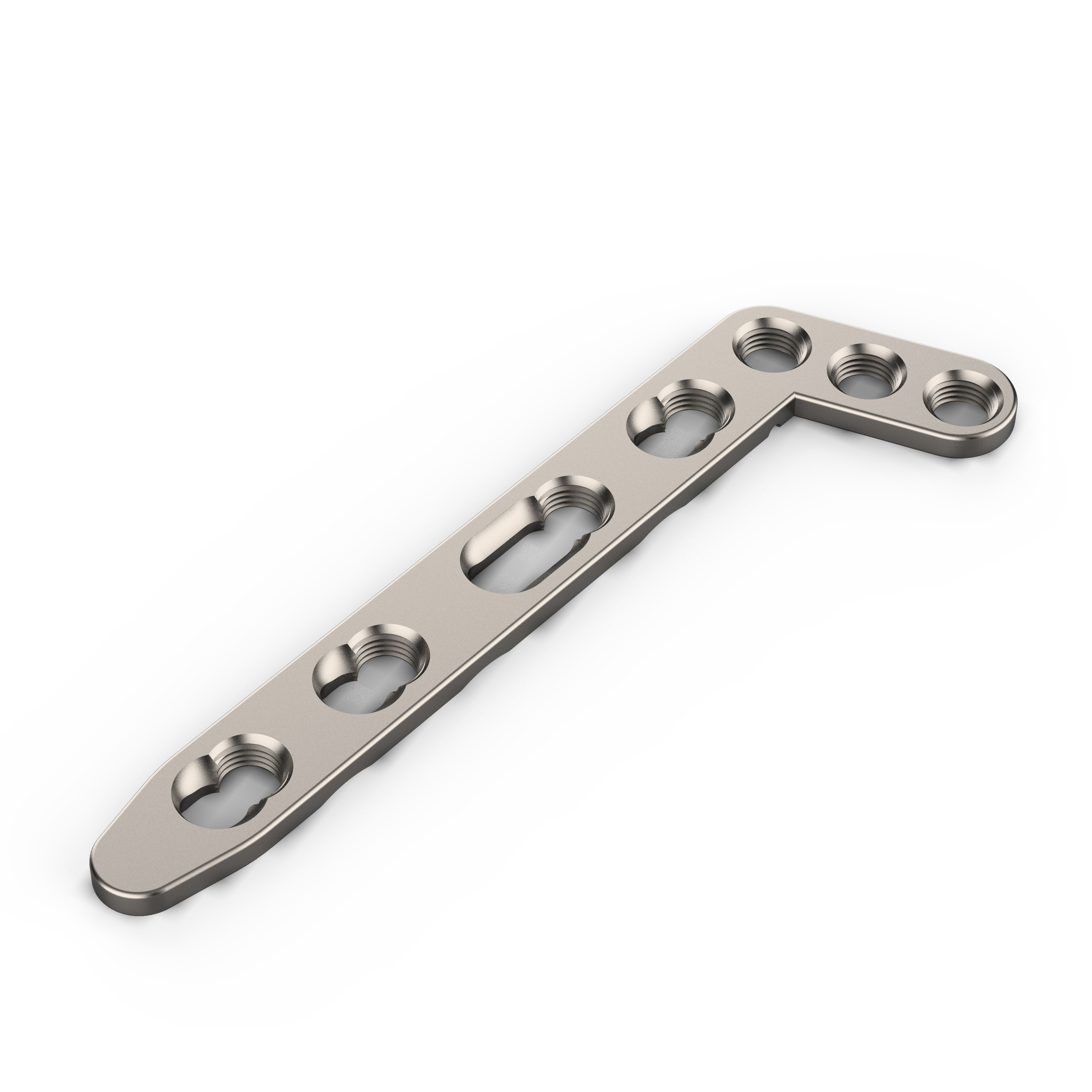
CANWELL Distal Radius Dorsal Titanium Locking Plate
Multi-directional variable-angle locking holes providing rigid buttress support for complex intra-articular fractures. Chamfered profile ensuring extensor tendon preservation.
Engineering Standards for Joint Arthroplasty and Osteosynthesis in Canton Zürich
As one of Europe's most demanding clinical ecosystems, the healthcare landscape of Canton Zürich—anchored by globally renowned institutions such as the Universitätsspital Zürich (USZ), Balgrist University Hospital, and top-tier private surgical clusters including the Hirslanden Private Hospital Group—sets benchmark criteria for surgical implants. To successfully supply this discerning market, orthopedic device manufacturers and exporters must bridge advanced metallurgical precision with Swiss DRG-driven economic sustainability, stringent regulatory harmonization under the Swiss Medical Devices Ordinance (MedDO / MepV), and seamless logistics.
Clinical & Regulatory Imperative for Zurich Procurement: Implants deployed across Swiss surgical theaters require full biocompatibility per ISO 10993, ultra-low volumetric wear rates (<5 mm³/million cycles on knee simulators per ISO 14243), seamless integration with intraoperative imaging systems, and continuous post-market surveillance (PMS) dossiers aligned with Swissmedic requirements via an appointed Swiss Authorised Representative (CH-REP).
Advanced Tribology & Biomechanical Resilience
The clinical longevity of joint arthroplasty assemblies relies directly on tribological design. In primary total knee replacements (TKR) and complex reconstructions, dynamic articulation between the femoral condyle and the tibial polyethylene insert subjects the materials to multi-axial contact stresses, shear vectors, and rotational friction. Our cobalt-chromium-molybdenum (CoCrMo per ISO 5832-4 / ASTM F75) femoral castings undergo multi-stage precision robotic polishing, achieving a specular mirror surface finish with an average roughness (Ra) of less than 0.02 μm.
This atomic-level surface consistency drastically minimizes abrasive micro-wear on the opposing ultra-high molecular weight polyethylene (UHMWPE per ISO 5834-2) tibial bearings. Furthermore, by utilizing controlled vacuum-annealing and cross-linking techniques, free radical presence is mitigated, practically eliminating oxidative degradation over a 20-to-25 year operational lifespan. For hip acetabular and trauma components, medical-grade titanium alloys (Ti-6Al-4V ELI per ISO 5832-3 / ASTM F136) provide an optimal balance between ultimate tensile strength (>860 MPa) and a low elastic modulus (approx. 110 GPa) that mitigates stress shielding and preserves periprosthetic bone mass.
Swissmedic Alignment & Supply Chain Resilience for Zurich
The cessation of the EU-Switzerland Mutual Recognition Agreement (MRA) for medical devices has reshaped MedTech imports into Switzerland. Zurich procurement authorities and distributors require uncompromising compliance with the Swiss Medical Devices Ordinance (MedDO/MepV). As an experienced exporter, our regulatory infrastructure provides complete Technical Documentation files, Class III design dossiers, biological safety evaluations, and dedicated support for your designated Swiss Authorised Representative (CH-REP).
Beyond paperwork, geographical proximity through rapid air transit into Zurich Airport (ZRH - Kloten) allows our logistics network to maintain dependable safety stock, rapid replenishable consignments for elective joint surgeries, and emergency trauma instrumentation replenishment within tight turnaround windows. Our enterprise resource planning coordinates directly with hospital central sterile services departments (CSSD) to supply custom modular trays tailored for ultrasonic washing, thermal disinfection, and autoclaving regimens.
| Implant System Category | Primary Material Specification | Biomechanical Performance Target | Zurich Clinical Application Scenario | Regulatory & Quality Benchmark |
|---|---|---|---|---|
| Primary Total Knee Systems (TKR) | Cast CoCrMo Alloy (ISO 5832-4) + Highly Cross-linked UHMWPE | Wear rate <4.8 mg/10⁶ cycles; flexion arc capability exceeding 140° | Degenerative tricompartmental osteoarthritis in geriatric patient demographics across Zurich cantonal hospitals. | CE Class III (MDR 2017/745), ISO 14243 wear simulation, Swissmedic compliant PMS. |
| Periarticular Trauma Locking Plates | Titanium Grade 5 ELI (Ti-6Al-4V per ISO 5832-3), Type II Anodized | Fatigue limit >450 MPa under cyclic 4-point bending; multidirectional ±15° locking | Complex intra-articular tibial pilon and distal radius fractures, including winter-sports sports injuries in the Alpine foothills. | ASTM F382 static & dynamic fatigue testing; ISO 13485 cleanroom Class 10,000 packaging. |
| Pediatric & Diaphyseal Nails (TEN) | High-tensile annealed Ti-6Al-4V with high spring recovery index | Balanced elastic recoil restoring axial and rotational limb stability without growth-plate damage | Pediatric femoral and tibial shaft fractures treated at specialized pediatric surgical clinics. | Full trace heat numbers, non-destructive fluorescent penetrant inspection (FPI). |
| Bioabsorbable Arthroscopy Anchors | PLGA (85/15 poly-L-lactide-co-glycolide) + β-TCP composite | Gradual resorption profile (18–24 months) with simultaneous osteoconductive bone ingrowth | Day-surgery arthroscopic shoulder rotator cuff and knee ligament repairs in private ambulatory clinics. | ISO 10993 cytotoxicity, hemocompatibility, and pyrogen-free batch certifications. |
Clinical Application Scenarios in Canton Zürich
Our implant architectures are matched to specific clinical, demographic, and operational environments across the Zurich metropolitan region.
Tertiary Arthroplasty Centers & High-Volume Clinics
Major academic centers such as USZ and high-output orthopedic hospitals demand reproducible cutting guides and implants engineered with bone-conserving geometry. Our knee prostheses feature variable tibial tray offset and modular stem augmentations to manage extensive bone loss in primary and revision reconstructions.
Alpine & Urban Sports Medicine Centers
Zurich serves as a clinical hub for high-energy ski, snowboard, and mountaineering trauma transferred from regional resorts. Our knotless PLGA suture anchors and anatomical locking plates deliver immediate primary fixation, facilitating rapid mobilization and early weight-bearing for active patients.
Ambulatory Outpatient Surgical Units (ASCs)
With Swiss healthcare shifting procedures toward outpatient settings under revised reimbursement mandates, specialized private clinics focus on streamlined, pre-sterilized procedure kits. Our compact instrumentation sets reduce CSSD autoclave handling overhead and operating room turnaround times.
Procurement Trends Reshaping the Swiss MedTech Market
How purchasing directors, hospital networks, and distributors across Zurich evaluate implant manufacturing partners in 2025 and beyond.
Value-Based Healthcare & Swiss DRG Pressure
Hospitals in Switzerland face increasing cost pressures under the Swiss DRG lump-sum billing tariff. Procurement boards actively seek high-tier ISO/CE certified manufacturing partners that offer direct OEM/ODM margins, circumventing expensive intermediary distributor markups without compromising metallurgy or precision.
Decoupling from Single-Source Supply Chains
Recent European supply bottlenecks have caused Swiss surgical teams to adopt multi-source procurement strategies. Hospital groups avoid reliance on single legacy conglomerates by establishing qualified alternative pipelines with audited original equipment manufacturers possessing large raw-stock reserves.
Strict MedDO/MepV & Post-Market Scrutiny
The requirement for comprehensive clinical evaluation reports (CER) and continuous post-market surveillance dossiers under Swiss law necessitates manufacturers who maintain exhaustive clinical validation, material certificates of conformity, and cleanroom traceability on every batch.
Minimally Invasive & Bone-Sparing Designs
Surgeons across Zurich increasingly favor low-profile, anatomical contours that preserve periosteal blood flow and minimize soft tissue detachment. Our implants feature chamfered edges, variable-angle combi-holes, and reduced displacement volumes suited for muscle-sparing approaches.
Why Zurich Orthopedic Importers Partner with INAR Medical
With over 22 years of continuous dedicated manufacturing, Zhejiang INAR Medical Co., Ltd. operates one of the region's most modern orthopedic medical device manufacturing infrastructures. Combining European and Japanese CNC machining precision with stringent cleanroom assembly, we empower Swiss MedTech distributors, hospital supply syndicates, and private brand owners with unparalleled manufacturing depth.
Full-Chain In-House Production
Unlike trading companies or virtual manufacturers, every critical stage of our implant production is completed in-house across our 29,523 m² facility. From longitudinal high-precision swiss-type CNC cutting of certified biomedical titanium bars to five-axis simultaneously controlled milling centers, our dimensional tolerances are held within ±0.005 mm.
Our specialized finishing lines feature proprietary automated polishing, abrasive media micro-blasting, multi-stage ultrasonic washing in pure deionized water (conductivity <1.0 μS/cm), and anodizing colour coding. Every batch undergoes non-destructive fluorescent liquid penetrant testing (PT) to verify that surface micro-fissures or stress risers do not exist.
Rigorous Aseptic Validation & Quality Laboratories
Our manufacturing site operates automated Class 10,000 cleanrooms and Class 100 laminar flow packaging stations. Implant double-sterile blister packs are sealed using Tyvek thermal packaging, followed by physical peel-strength testing, dye penetration seal integrity tests, and aging accelerated validation in accordance with ISO 11607.
In our physical and mechanical testing facilities, multi-axis servohydraulic fatigue endurance testers evaluate cyclic load limits up to 10 million cycles under simulated physiological saline baths (37°C). Each shipment leaves our facility accompanied by full 3.1 chemical composition certificates, metallurgical grain structure reports, and coordinate measuring machine (CMM) dimensional inspection sheets.
SGS Group Onsite Verified
Our operational capabilities, corporate governance, and production floor are audited and verified by SGS Group, giving Swiss buyers complete commercial transparency and assurance.
Full OEM & ODM Customization
From CAD modifications to match proprietary European surgical instrumentation to custom laser-marked alphanumeric scales and bespoke sterilisation cassettes, we accommodate specialized product development.
Experienced Global Exporter
With 13+ years of dedicated international export operations, our logistics coordinators manage expedited air cargo to Zurich Airport (ZRH) with compliant customs declarations and medical consignment documents.
Frequently Asked Questions for Zurich MedTech Buyers
Direct answers to the most common regulatory, logistical, and technical questions asked by Swiss hospital purchasing committees and medical equipment importers.
How do INAR Medical devices comply with Swiss MedDO / MepV regulations?
Our implants are certified under the European Medical Devices Regulation (EU MDR 2017/745) and Directive 93/42/EEC. Under the Swiss Medical Devices Ordinance (MedDO/MepV), EU MDR certifications serve as the technical foundation for Swiss registration. We furnish full technical files, CERs, and GMDN/UDI data to support your designated Swiss Authorised Representative (CH-REP) in filing product notifications with Swissmedic.
What are the standard freight and delivery timelines into Zurich?
For standard catalog items, orders are dispatched from our bonded central warehouse within 5 to 7 business days. Air express shipments directly routed into Zurich Airport (ZRH - Kloten) typically clear customs and arrive at cantonal distribution facilities within 3 to 5 business days. Custom OEM/ODM production batches have an average lead time of 30 to 45 calendar days depending on geometric complexity.
Can you provide custom private labeling (OEM) for Swiss MedTech brand owners?
Yes. We offer comprehensive OEM/ODM solutions. Capabilities include custom laser marking of Swiss client branding, specific GS1-compliant Datamatrix barcodes, multilingual labeling (German, French, Italian, English), custom anodization pantones for quick sizing identification in the OR, and bespoke CNC-milled instrument tray graphics.
What metallurgical raw materials are utilized in INAR joint and trauma systems?
We source only fully certified medical-grade raw materials accompanied by mill certificates: Ti-6Al-4V ELI (ASTM F136 / ISO 5832-3) for plates, screws, and nails; high-purity vacuum melted CoCrMo alloy (ASTM F75 / ISO 5832-4) for knee joint prostheses; premium implantable PEEK-OPTIMA for spinal cages; medical grade PLGA 85/15 for bioabsorbable anchors; and ultra-high molecular weight polyethylene (UHMWPE ISO 5834-2) for bearing inserts.
How do you assist hospital purchasing departments with Swiss DRG cost containment?
By engaging directly with our manufacturing facilities in Jinhua, Zhejiang, hospital procurement syndicates and wholesale distributors reduce intermediate distribution margins by up to 35-50% compared to multinational tier-1 brands. This cost delta enables Swiss healthcare institutions to manage surgical intervention costs under fixed Swiss DRG tariffs without compromising clinical quality or patient outcomes.
What quality audits and factory inspection options are available for new partners?
We welcome third-party notified body audits and buyer engineering inspections. In addition to reviewing our SGS onsite supplier assessment reports, European clients can schedule live high-definition virtual audits covering our CNC workshops, CMM metrology rooms, wet labs, and Class 10,000 cleanrooms, accompanied by real-time question-and-answer sessions with our head quality engineers.