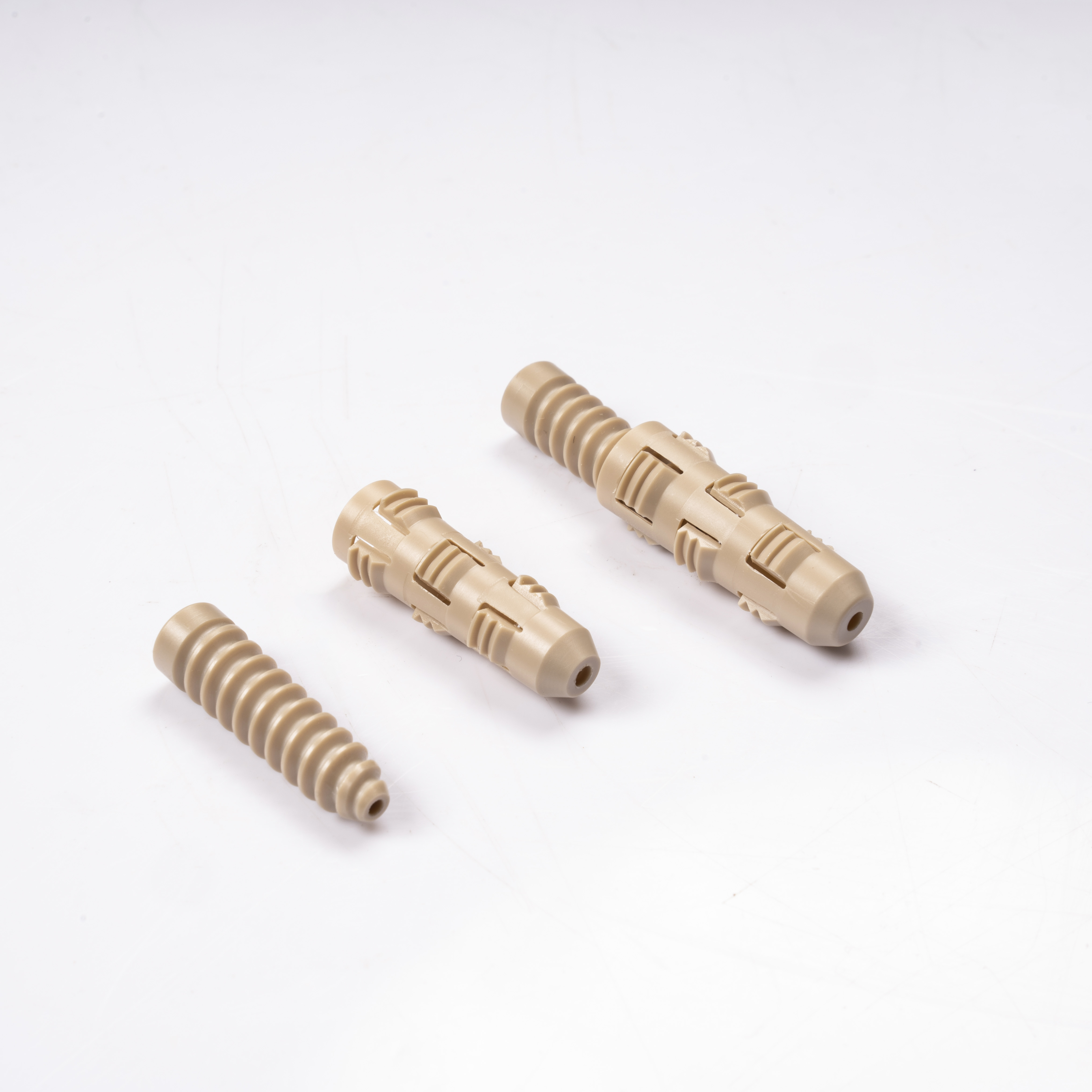
PEEK Interference Screw for ACL/PCL Reconstruction
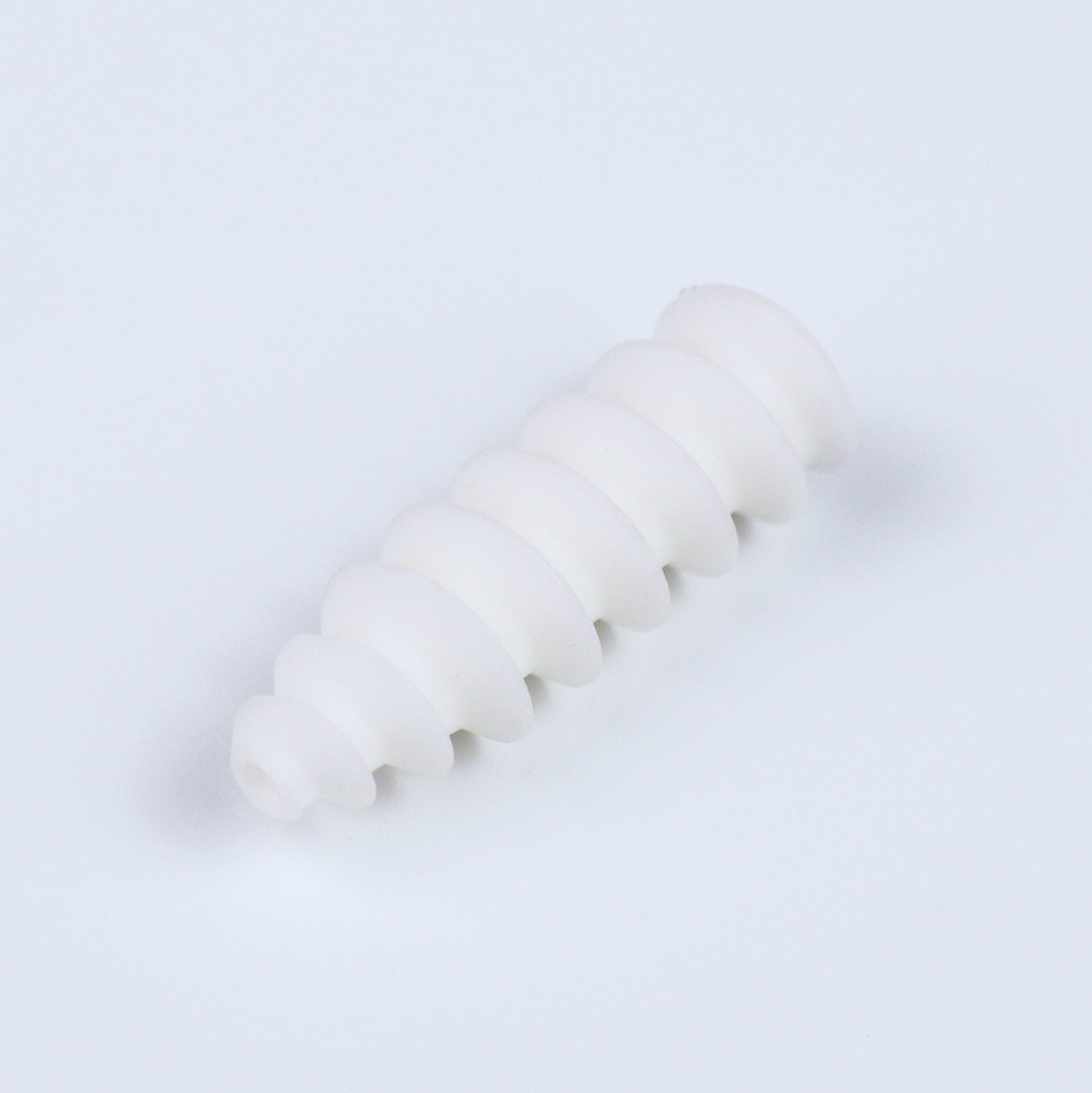
Non-absorbable, radiolucent PEEK polymer delivering anatomical soft-tissue graft engagement without post-operative artifact distortion under CT/MRI scans.
Engineered from implantable grade Ti6Al4V ELI, virgin PEEK-OPTIMA, and bioabsorbable PLGA for superior osseointegration and joint kinematic restoration.
Non-absorbable, radiolucent PEEK polymer delivering anatomical soft-tissue graft engagement without post-operative artifact distortion under CT/MRI scans.
Calibrated surgical steel coupling mechanism providing exact Newton-meter threshold limits to prevent overtightening and stripped screw recesses in joint reconstruction.
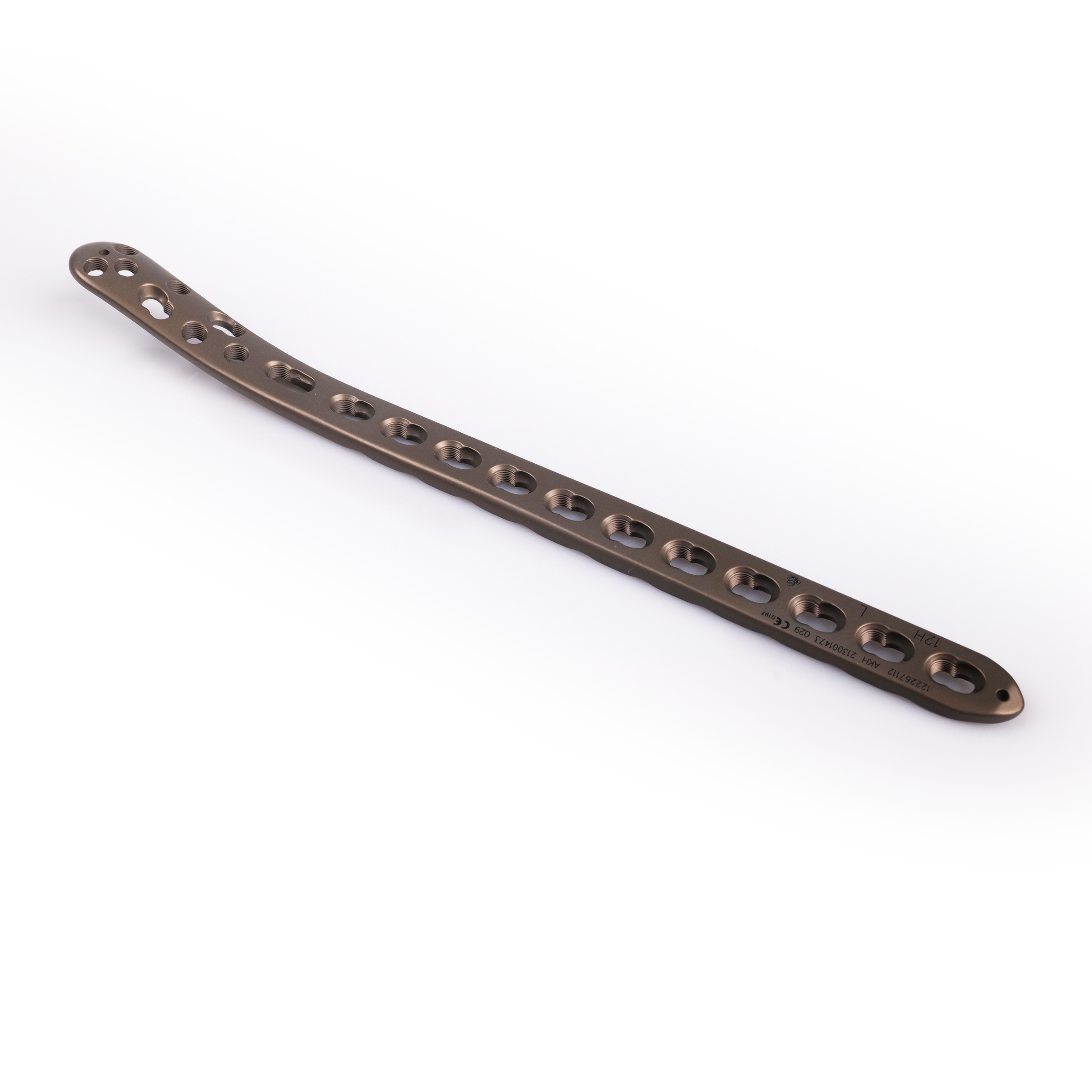
Anatomically contoured low-profile periarticular design conforming to the medial malleolus, stabilizing pilon fractures without impinging thin soft tissue envelopes.
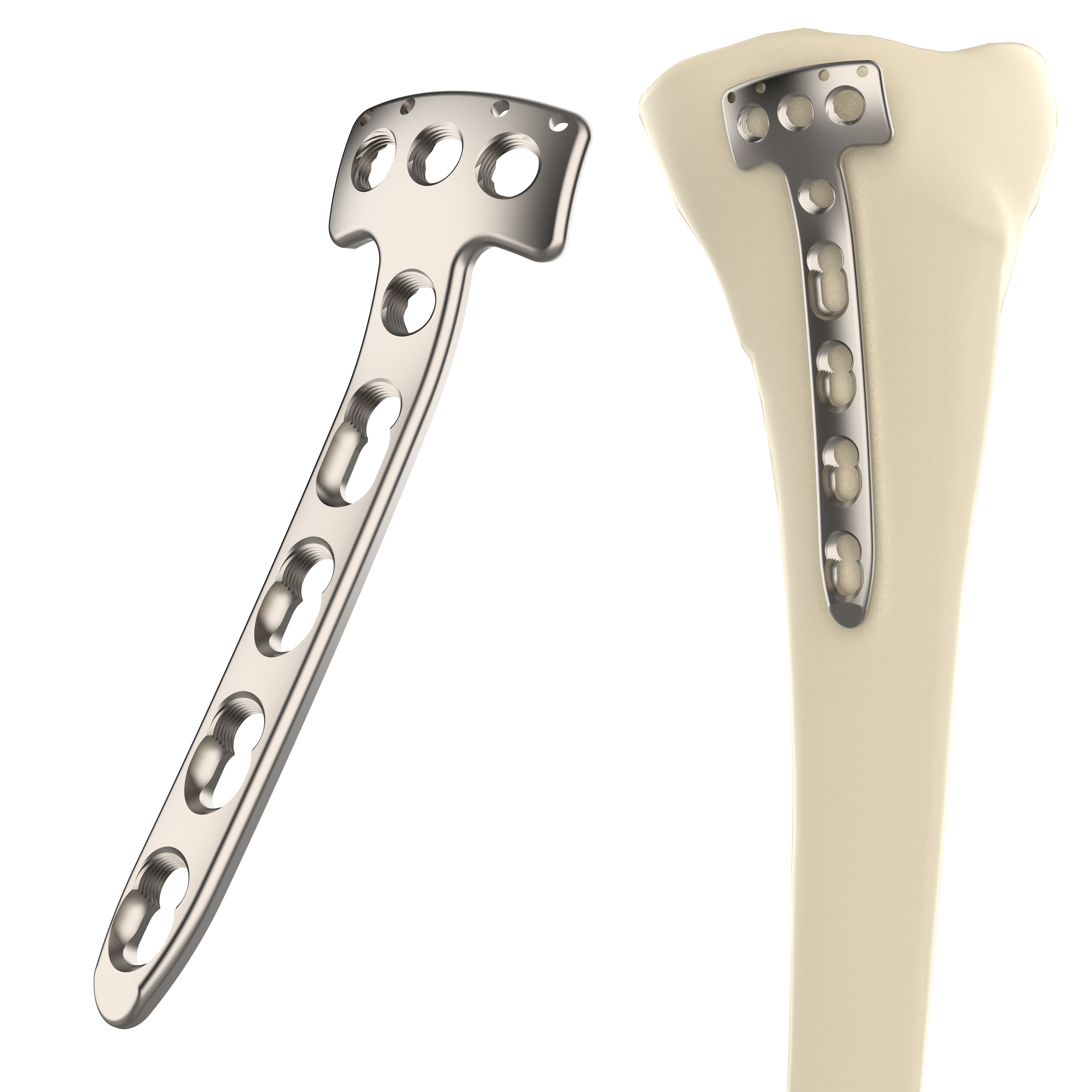
Engineered for complex bicondylar split-depression tibial plateau fracture repair (Schatzker V/VI), restoring knee joint articular congruence under load.
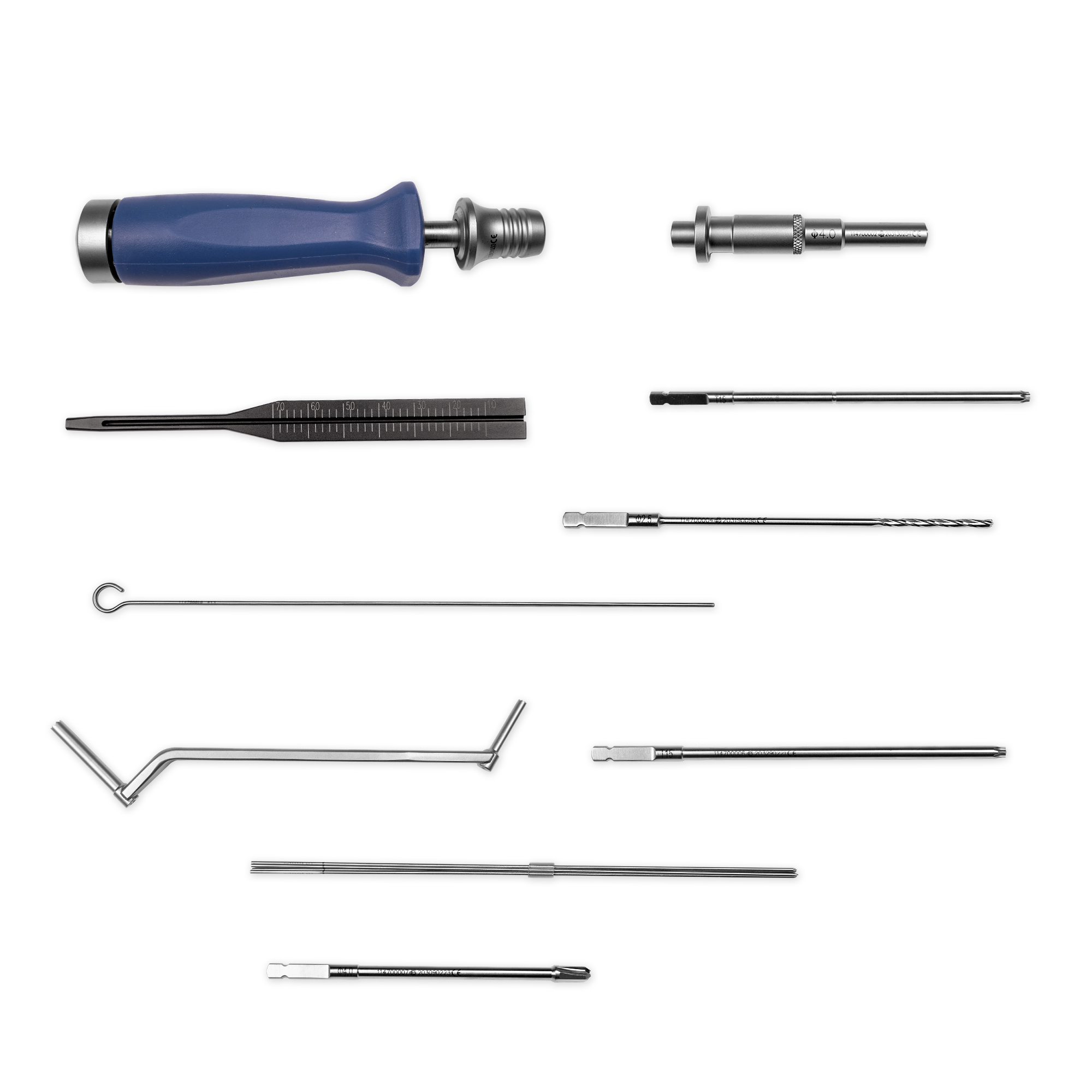
Micro-precision titanium screwdrivers, specialized depth gauges, and autoclavable mesh benders tailored for ultra-delicate joint and craniofacial osteotomies.
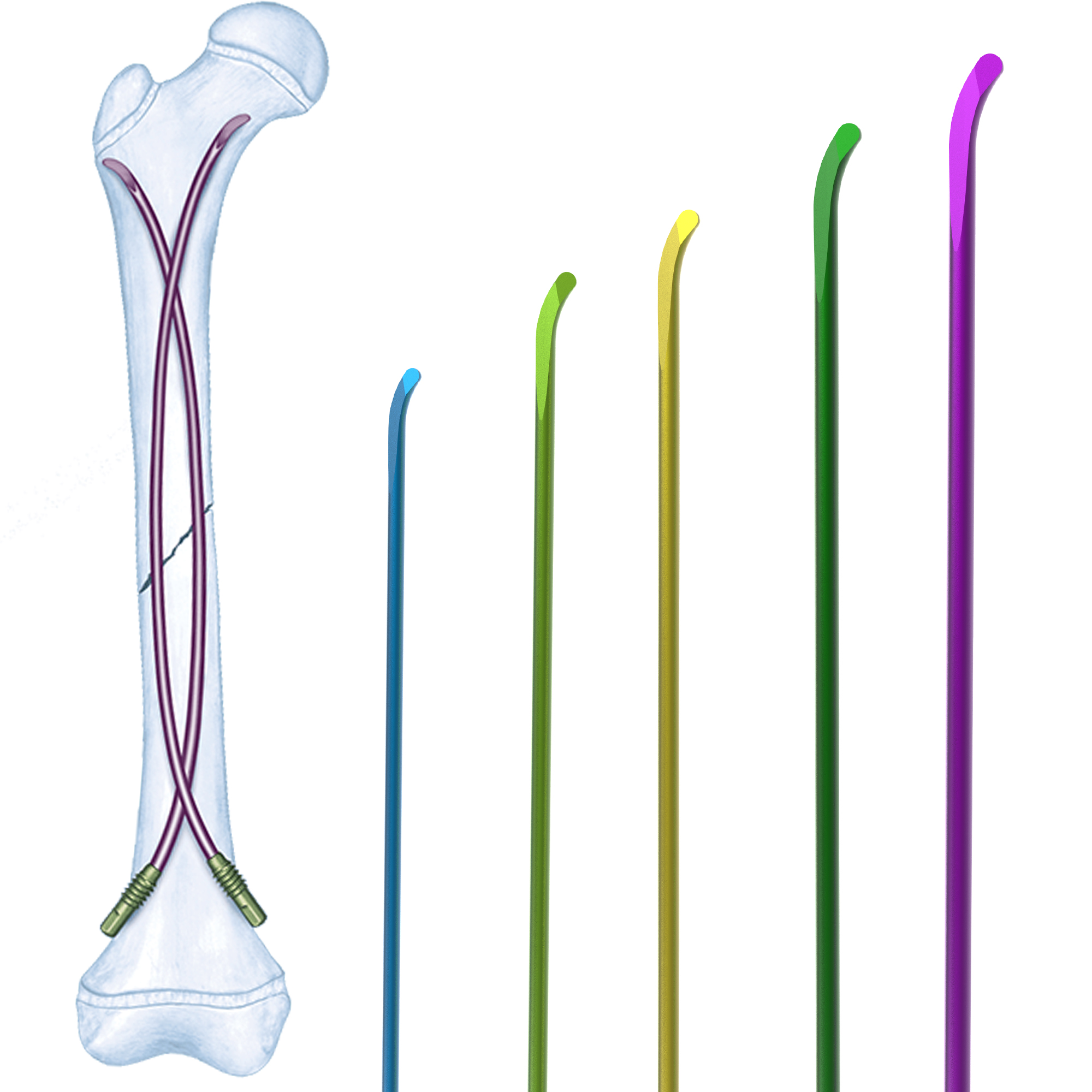
Symmetrical 3-point mechanical bracing system preserving joint physis and periosteum in adolescent femoral and tibial shaft fracture reductions.
Synthesized poly(lactic-co-glycolic acid) exhibiting controlled degradation curves that coincide perfectly with natural osteogenesis and tendon-to-bone ingrowth.
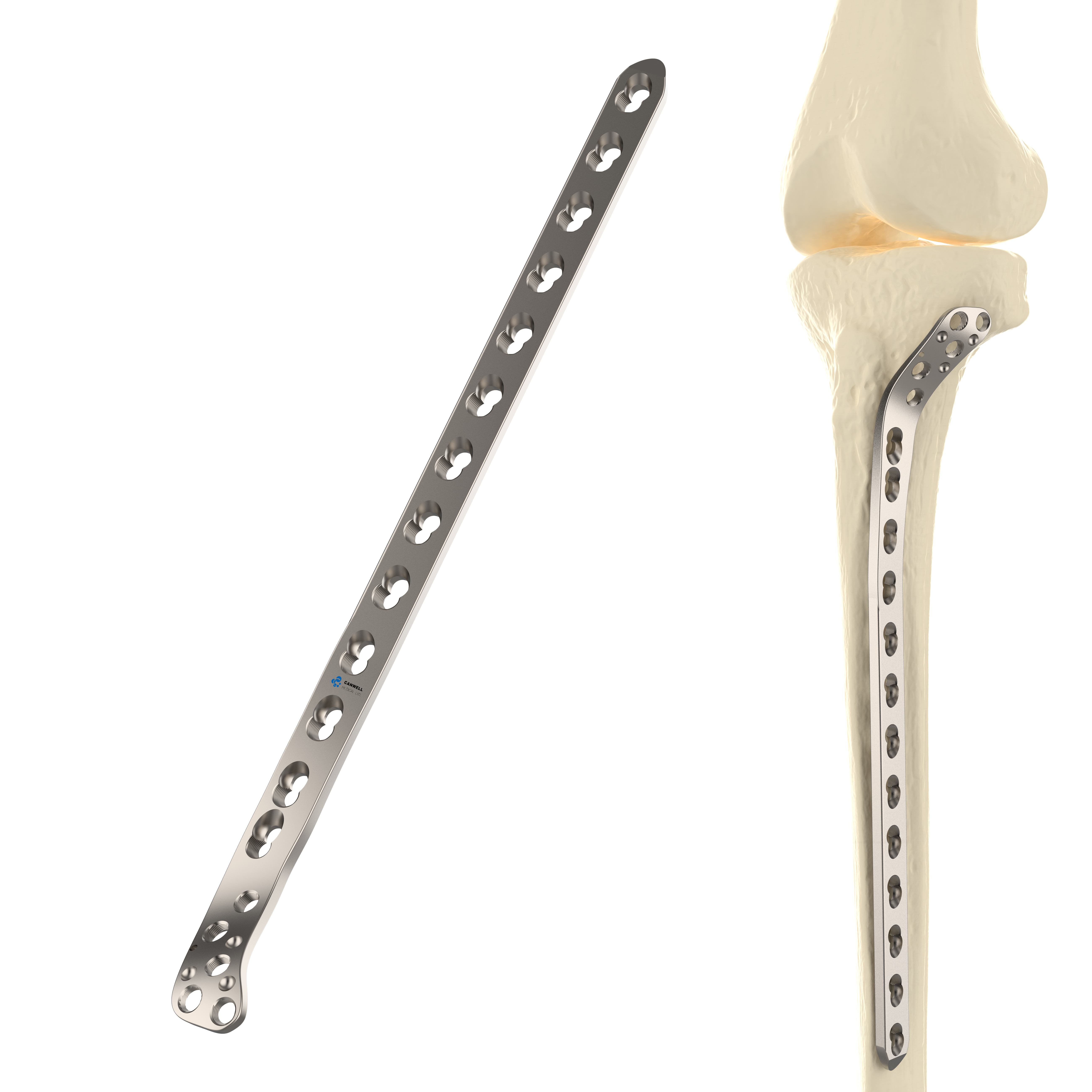
Optimized 5.0mm variable screw trajectory plate designed to buttress lateral tibial plateau collapse, supporting joint mobility in high-impact trauma injuries.
South Korea’s advanced tertiary healthcare framework—concentrated heavily across the Seoul National University Hospital (SNUH), Asan Medical Center, Samsung Medical Center, Severance Hospital, and regional university medical networks—operates under rigorous clinical scrutiny. Joint reconstruction and periarticular fracture repair are subject not only to demanding surgical expectations but also to strict budgetary oversight governed by the Health Insurance Review and Assessment Service (HIRA). Within this competitive ecosystem, orthopedic surgeons and hospital procurement committees require joint-adjacent fixation plates, bio-integrative interference anchors, and sports medicine repair devices that satisfy complex biomechanical criteria while conforming to East Asian anatomical profiles.
Clinical Anatomical Consideration: Skeletal morphology studies across Korean patient demographics consistently demonstrate narrower intramedullary canals in long bones, heightened anterior femoral bowing, and distinct proximal tibial plateau dimensions compared to Western populations. Our high-precision titanium implants integrate calibrated radius curvatures and variable-angle multi-directional locking screw trajectories that reduce the necessity of aggressive intraoperative plate contouring.
In high-volume specialized joint clinics across Gangnam, Songpa, and Incheon, minimally invasive surgical (MIS) protocols have become the gold standard. INAR’s bioabsorbable PLGA interference screws and PEEK-OPTIMA anchors provide orthopedic sports medicine teams with robust initial fixation for autograft and allograft tensioning during anterior cruciate ligament (ACL) and posterior cruciate ligament (PCL) reconstructions. The high mechanical resistance against pull-out forces, paired with an atraumatic rounded thread profile, completely eliminates graft laceration during arthroscopic insertion through narrow arthroscopic portals.
Designed to help Korean medical supply distributors safeguard operational margins under Korean DRG (Diagnosis-Related Group) reimbursements without sacrificing clinical grade.
Anatomically pre-bent low-profile plates minimize intraoperative stress on periarticular soft tissue flaps, decreasing operative times across domestic Korean day-surgery centers.
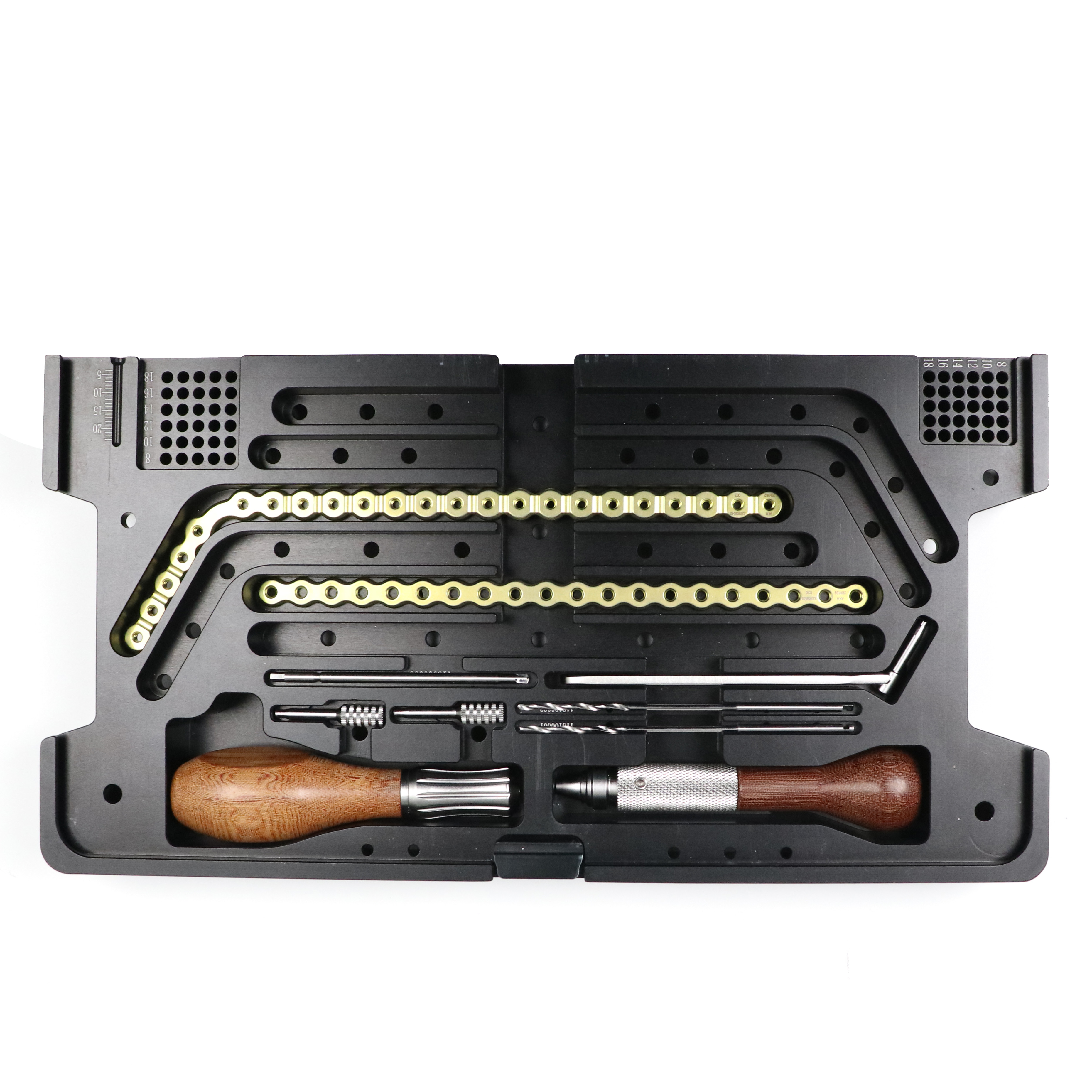
Precision manual instruments, quick-coupling torque limiters, and high-durability sterilization cassettes tailored for seamless processing through hospital CSSD units.
Key technological, regulatory, and demographic catalysts dictating sourcing selections for Korean distributors and hospital purchasing boards.
South Korea stands at the forefront of global demographic shifts, officially entering "super-aged" society parameters where individuals aged 65 and above represent more than 20% of the aggregate population. This demographic trajectory has catalyzed an exponential surge in osteoporotic fracture treatment, periprosthetic joint management, and High Tibial Osteotomy (HTO) interventions. Clinicians are prioritizing low-profile angular stable fixation systems that offer high holding power in compromised trabecular bone structure.
| Implant Classification | Material Metallurgy / Standard | Target Joint / Anatomical Site | Biomechanical & Clinical Advantage | Korean Market Fit |
|---|---|---|---|---|
| Periarticular Locking Plates | Ti-6Al-4V ELI (ASTM F136 / ISO 5832-3) | Distal/Proximal Tibia, Distal Femur | Low-profile plate edge, variable locked angle, reduces soft tissue irritation | High Tibial Osteotomy (HTO) & Geriatric Osteoporotic Fracture Care |
| PEEK Interference Screws | Virgin PEEK-OPTIMA (ASTM F2026) | Cruciate Ligament Femoral/Tibial Tunnels | MRI/CT artifact-free imaging, modulus matched closely to cortical bone | Arthroscopic Sports Medicine Clinics in Seoul/Busan |
| Bioabsorbable Interference Screws | PLGA Copolymer (75:25 / 85:15 Ratio) | Knee Arthroscopy Graft Fixation | Zero secondary removal surgery, gradual hydrolysis, natural bone integration | Active demographic seeking rapid athletic rehabilitation |
| Elastic Stable Nails (TEN) | Medical Grade 5 Titanium (ISO 5832-3) | Pediatric Femur, Tibia & Forearm | Preserves epiphyseal growth plates, dynamic axial elasticity | University Pediatric Trauma Centers |
| Torque Limiting Surgical Handles | 17-4PH / SUS420 Custom Medical Stainless | Universal Modular Coupling System | Exact calibrated torque release, robust endurance through autoclave cycles | Hospital CSSD Standardization & Surgeon Reliability |
Concurrently, the Ministry of Food and Drug Safety (MFDS) has progressively tightened post-market surveillance and technical dossier reviews for Class II, Class III, and Class IV medical devices. Medical device importers in Seoul and Gyeonggi-do face heightened evidentiary requirements concerning biocompatibility testing (ISO 10993), dynamic fatigue verification (ASTM F382, ASTM F543), and cleanroom sterilization validation (ISO 11137). Suppliers possessing comprehensive technical construction files (TCF), CE certificates under European MDR, and independent laboratory verification from institutions such as SGS Group represent the only viable pipeline for local distributors aiming to navigate MFDS approvals swiftly.
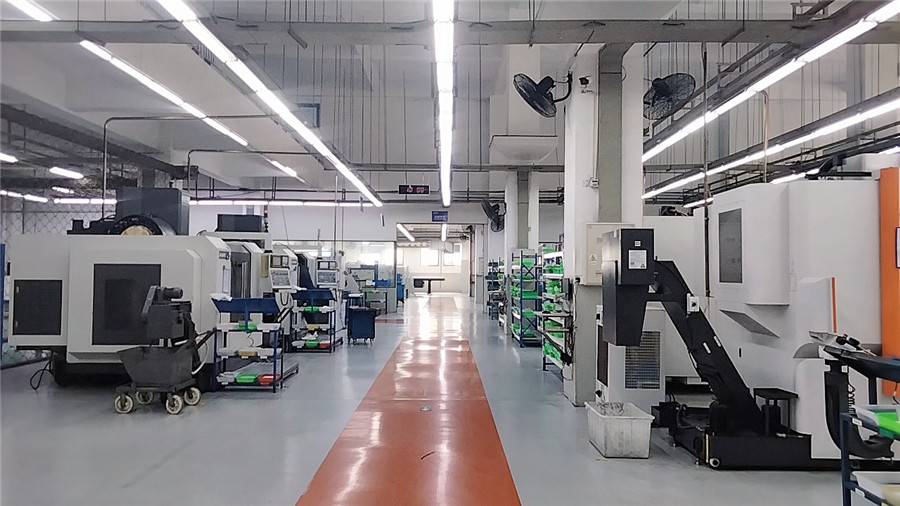
Operating a 29,523 m² integrated manufacturing campus in Jinhua, Zhejiang, INAR Medical eliminates third-party outsourcing risks across all critical production stages.
Full availability of ISO 13485:2016 audit reports, CE Declarations of Conformity, raw material mill certs, and mechanical validation suites formatted to expedite MFDS Class III/IV filings.
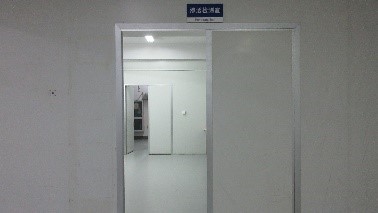
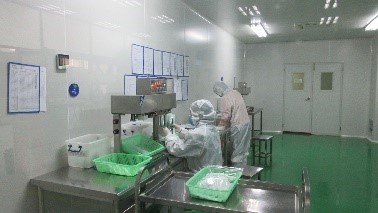
From longitudinal lathe turning and precision 5-axis milling to dual ultrasonic washing, surface electrochemical anodizing, and cleanroom heat-sealing, every implant retains complete lot tracking.
Custom plate geometry customization, individualized sterile packaging blister trays, bilingual Hangul laser etching, and tailored orthopedic instrument sterilization sets.
Crucial commercial, technical, and regulatory clarifications for hospital distributors and medical trading firms in the Republic of Korea.
Whether you require full Class III/IV registration dossiers for the MFDS, evaluation samples for university hospital key opinion leaders (KOLs), or a private-label OEM manufacturing quotation, our dedicated orthopedic international trade team is ready to assist.