Precision Trauma & Joint Arthroplasty Devices
Engineered from medical-grade Ti6Al4V ELI, high-nitrogen CoCrMo alloy, and implant-grade PEEK to meet stringent CE MDR standards for alpine orthopedic and trauma theaters.
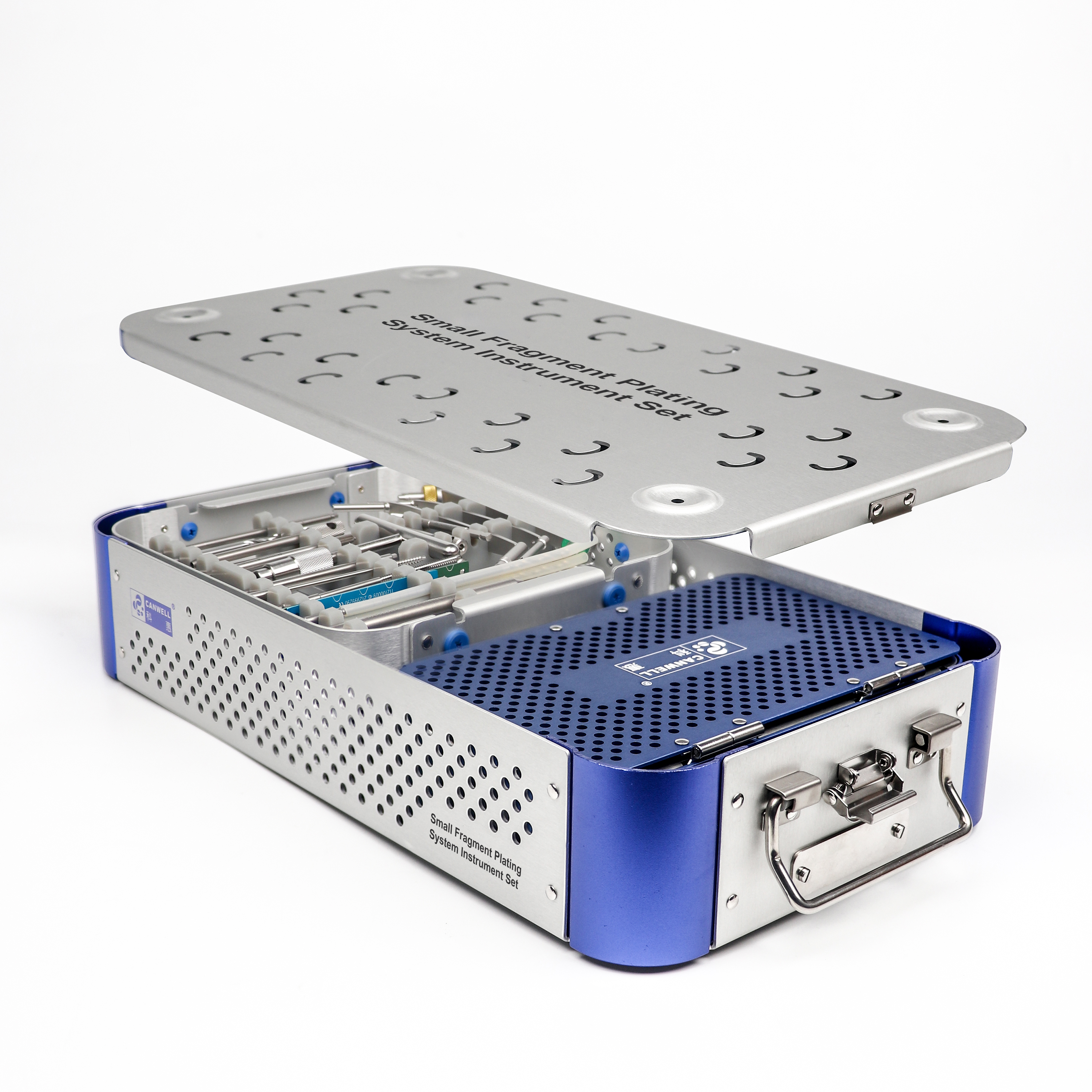
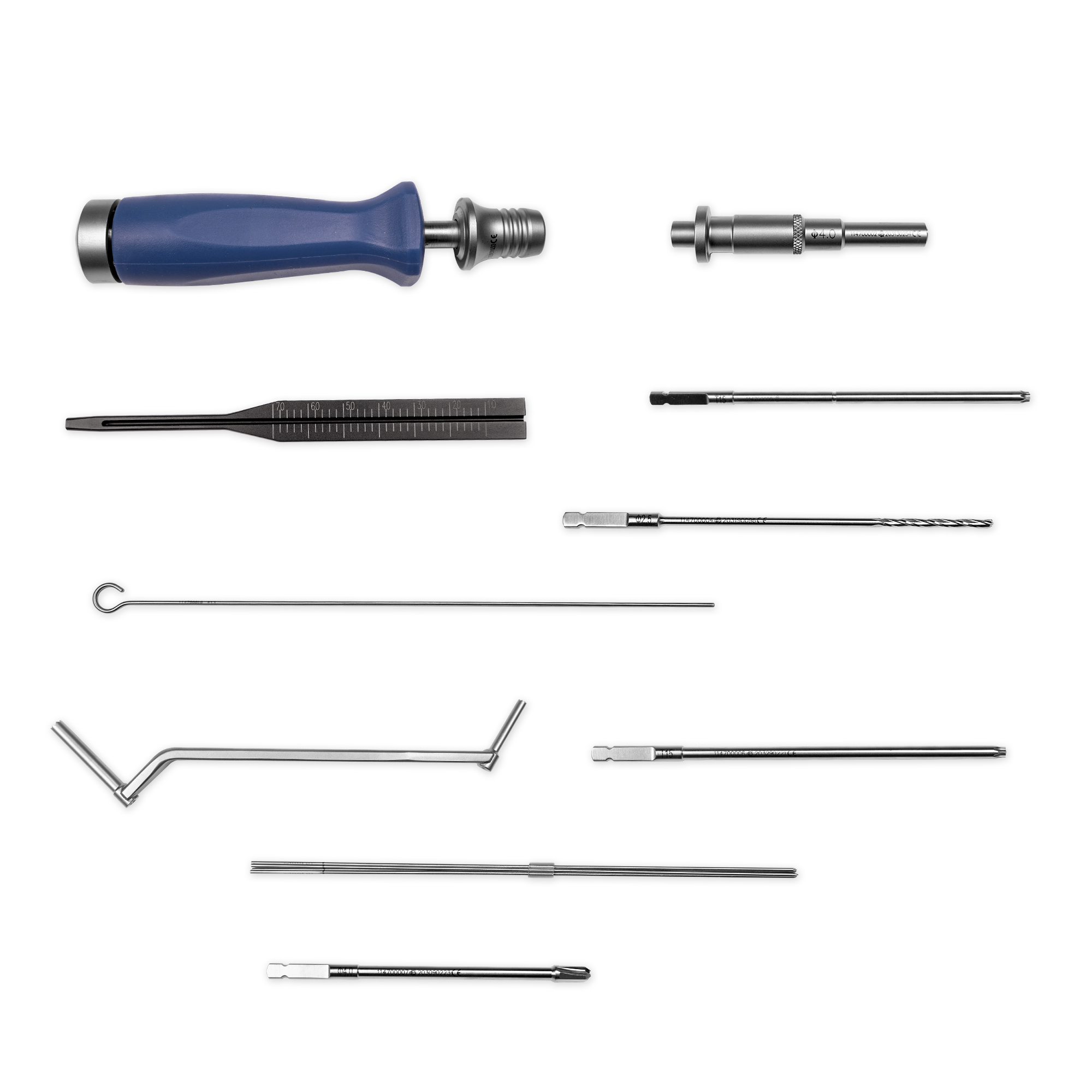
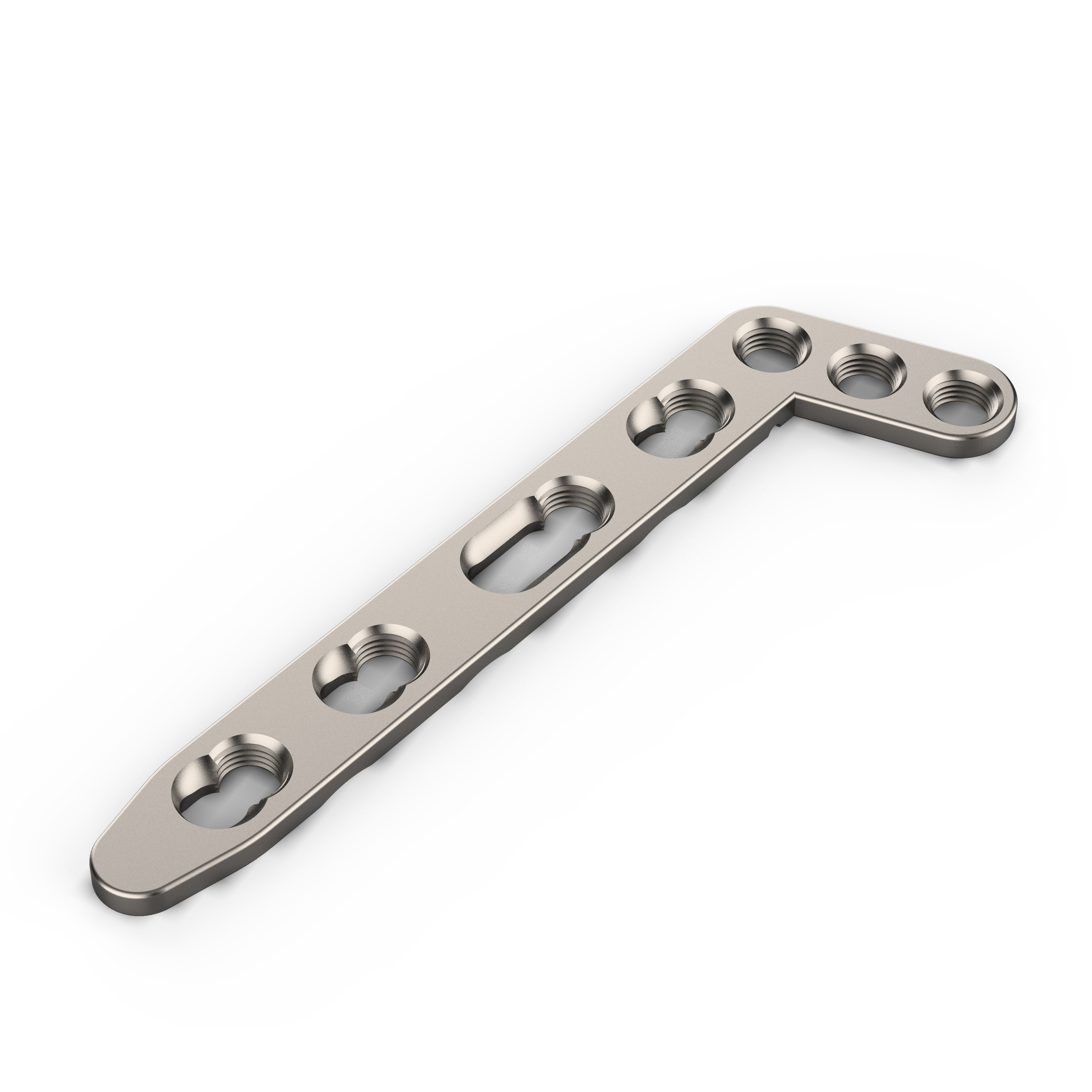
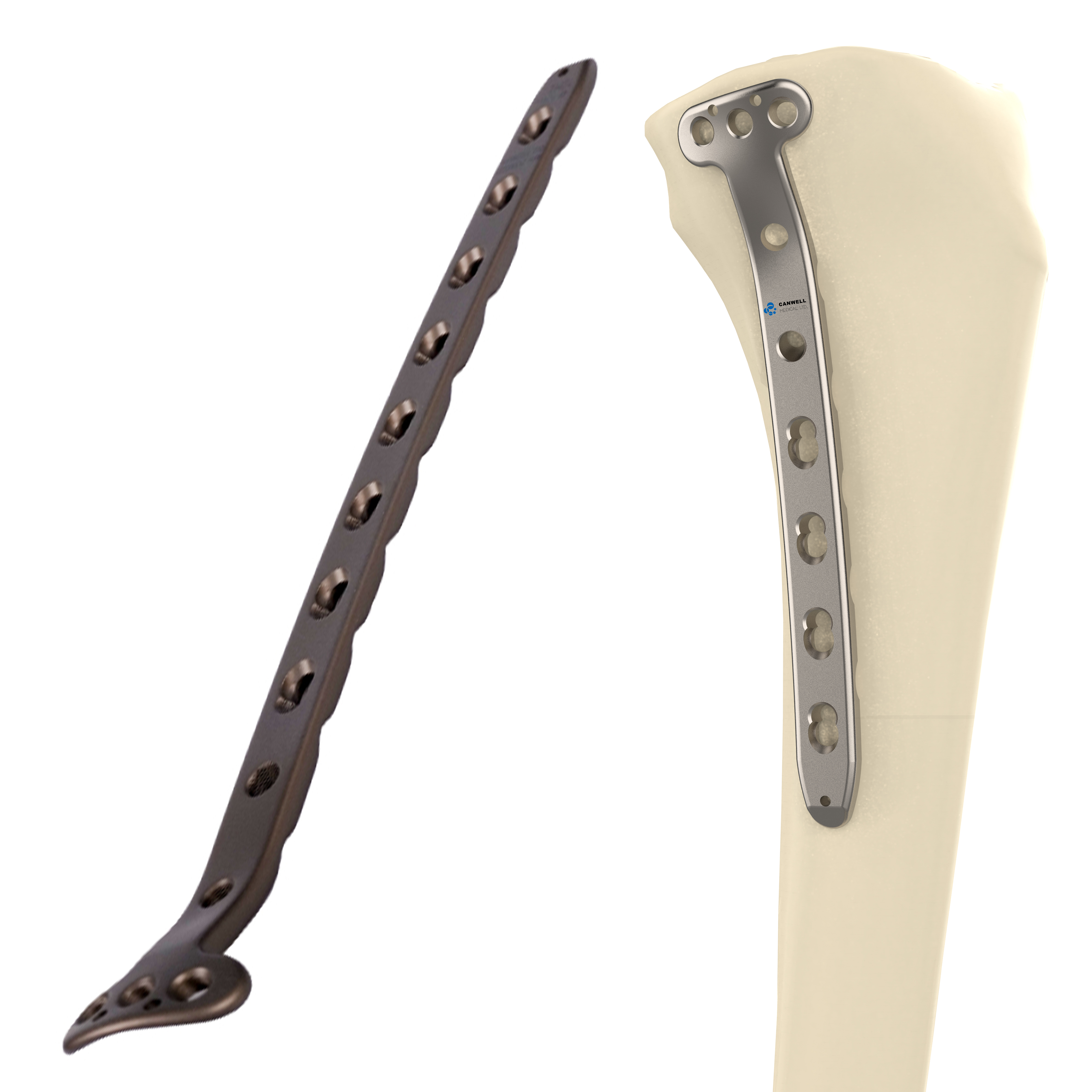
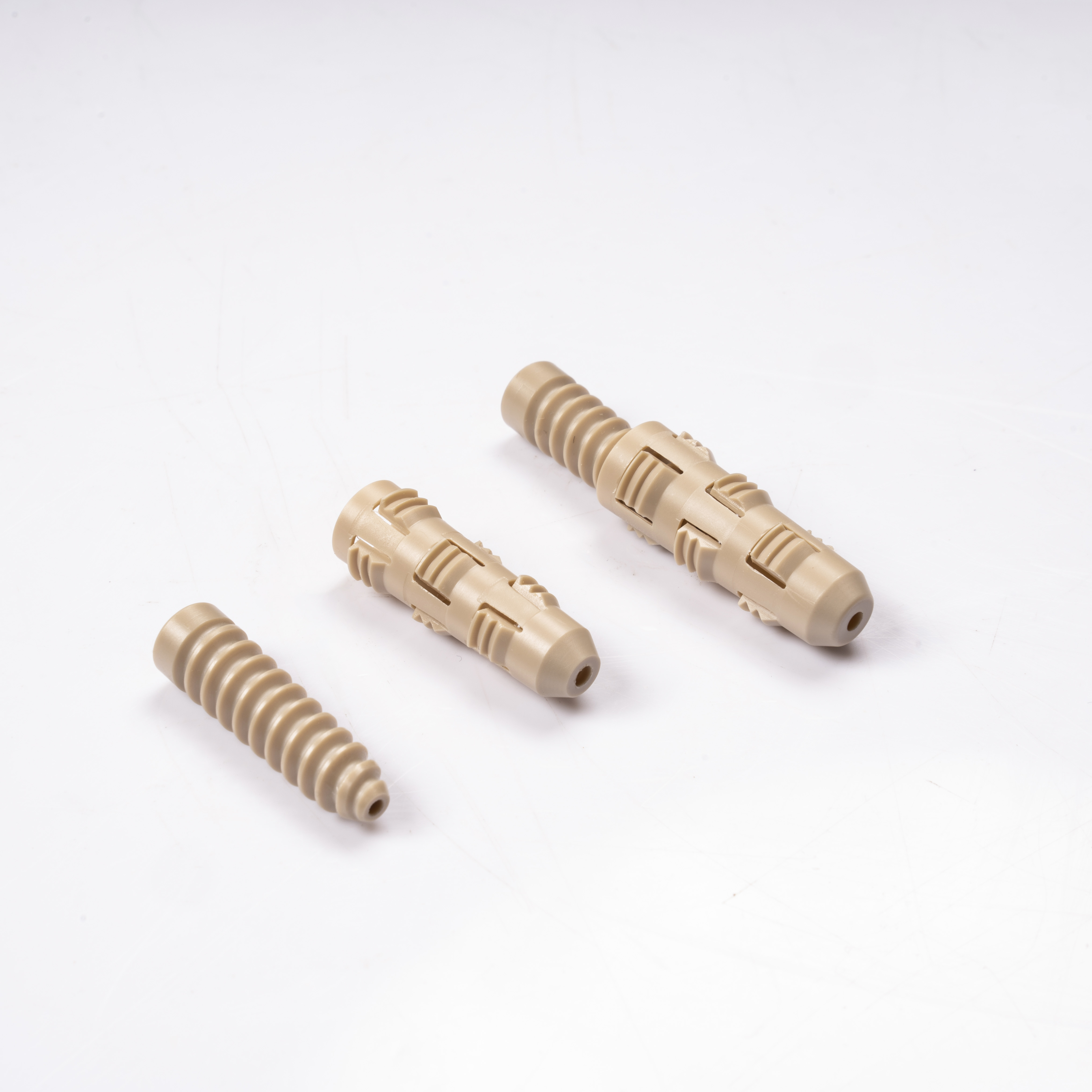
PEEK Interference Screw for ACL/PCL Reconstruction
22+ Years
Implant Engineering Expertise
29,523 m²
SGS-Audited Manufacturing Base
CE MDR
Class III Regulatory Conformity
632 Staff
Technicians, Machinists & QA
Advanced Joint Arthroplasty & Kinematic Biomechanics in Encamp
In modern reconstructive orthopedics, the primary objective of total joint arthroplasty (TJA) is the long-term restoration of natural musculoskeletal kinematics, pain-free joint articulation, and biological osseointegration that withstands high mechanical cyclic fatigue. For surgeons operating in high-demand clinical corridors such as Encamp and the wider Pyrenean micro-region of Andorra, joint replacement is rarely routine. The active demographic of residents and visiting alpine sports enthusiasts places extreme stresses on prosthetic interfaces, requiring an engineering balance of material tribology, anatomical conformity, and dynamic stability.
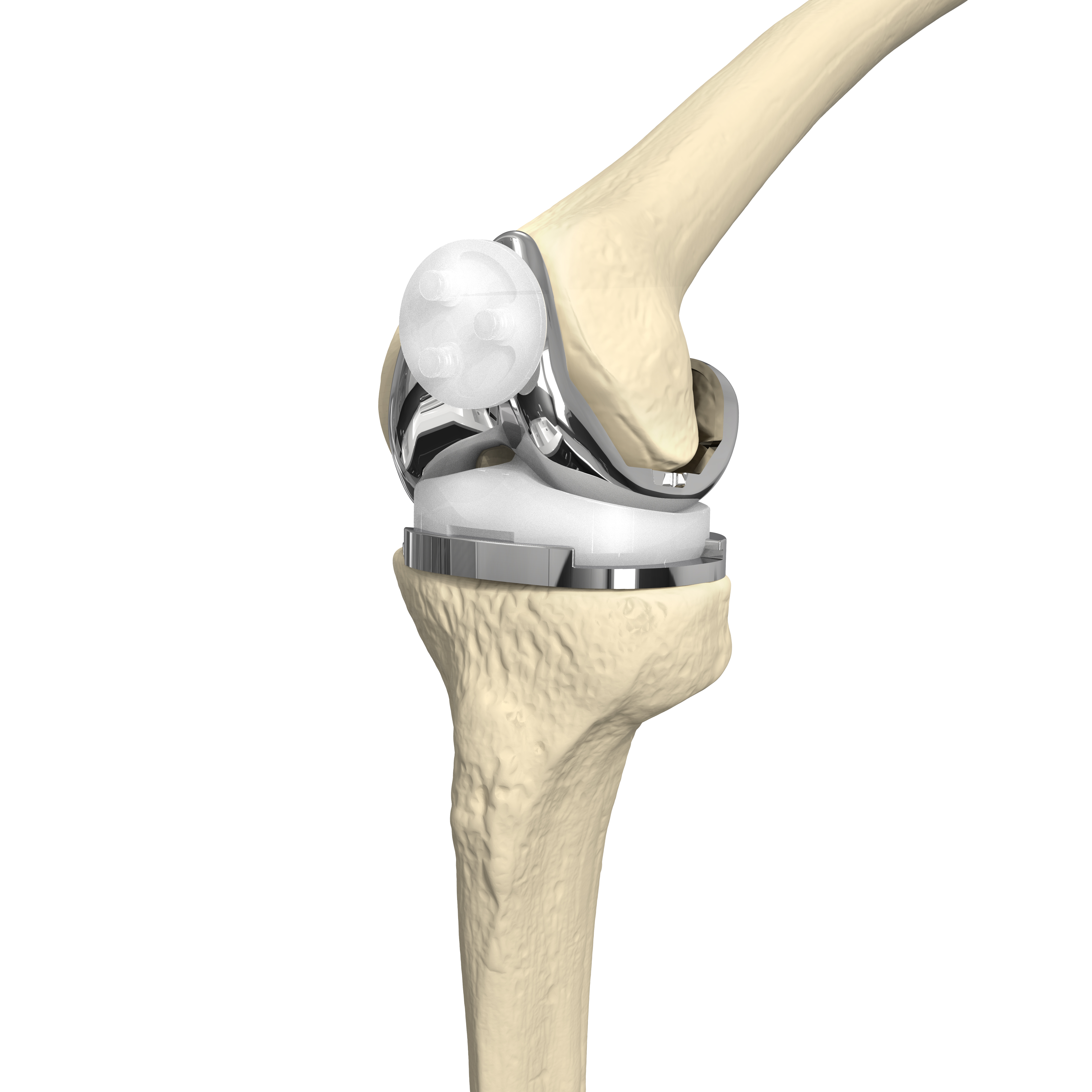
As a verified orthopedic device manufacturer and factory partner, we supply surgical-grade primary total knee arthroplasty (TKA) systems, specialized revision components, and supplementary traumatology hardware machined to sub-micron tolerances. Our artificial joint bearing pairs utilize vacuum induction-melted Cobalt-Chromium-Molybdenum (CoCrMo ISO 5832-4 / ASTM F75) alloys articulated against Highly Cross-linked Ultra-High-Molecular-Weight Polyethylene (XL-UHMWPE), achieving wear-debris rates significantly below standard international benchmarks. By optimizing the sagittal radius of curvature and patellofemoral tracking geometry, our joint prostheses minimize shear forces at the bone-cement interface, mitigating premature aseptic loosening.
Tribological Durability
High-purity CoCrMo casting coupled with mirror-polished femoral condyles ensures low friction coefficients (μ < 0.04) and resistance against third-body abrasive wear under heavy alpine impact.
Kinematic Deep-Flexion
Femoral camber and asymmetric tibial insert topography provide stable femoral roll-back up to 145 degrees of flexion, critical for mountain hiking, skiing, and rugged terrain navigation.
Biological Fixation Profile
Micro-textured macro-porous titanium plasma-spray under-surfaces promote rapid secondary osteoblast migration and long-term trabecular ingrowth in uncemented applications.
Localized Clinical Scenarios: Alpine Traumatology & Arthroplasty in Encamp
Encamp occupies a unique geopolitical and geographical position within the Principality of Andorra. Serving as the vital primary transit gateway to the Grandvalira ski domain via the high-capacity Funicamp gondola, the parish experiences a sustained seasonal convergence of elite alpine skiers, snowboarders, trail marathoners, and mountain cyclists. This dynamic demographic produces a clinical injury profile that differs sharply from standard urban orthopedic centers.
Hospital surgical units, regional outpatient trauma theaters, and specialized private surgical clinics in and around the Encamp parish regularly manage high-energy multi-fragmentary fractures and complex joint derangements. The convergence of high-velocity alpine sports collisions and rotational deceleration leads to acute joint injuries that frequently require immediate osteosynthesis or secondary joint reconstruction:
| Clinical Scenario | Pathological Presentation | Recommended Implant Fixation System | Surgical Performance Objective |
|---|---|---|---|
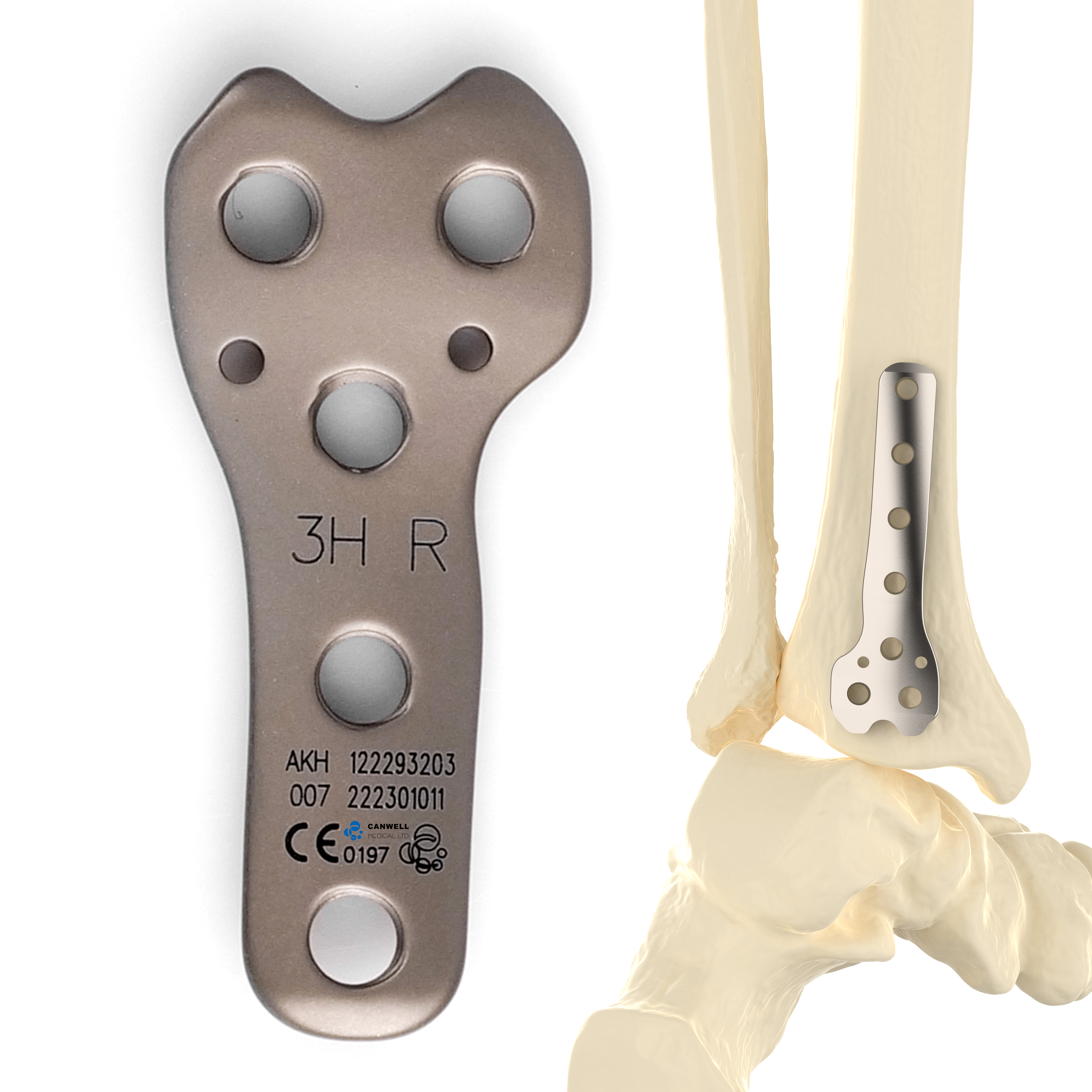
| High-Velocity Skiing Deceleration | Schatzker Type II-VI Tibial Plateau Fractures | Proximal Medial & Lateral Titanium Locking Tibial Plates | Rigid articular buttressing; anatomical reduction preventing post-traumatic osteoarthritis. |
| Rotational Snowboard Impact | Comminuted Distal Radius Fractures with Metaphyseal Void | Dorsal & Volar Variable-Angle Titanium Locking Plates | Subchondral support; early wrist mobilization without loss of radial inclination. |
| Severe Pivot-Shift Ligament Rupture | Multi-ligamentous Knee Derangement (ACL/PCL avulsion) | Medical-grade PEEK Interference Screws + Repair Buttons | High pull-out graft fixation strength; bio-inert MRI compatibility for follow-up. |
| Post-Traumatic Alpine Osteoarthritis | End-stage tricompartmental joint degradation in active adults | CE-Marked CoCrMo Primary Total Knee Replacement System | Restoration of the joint line, collateral ligament balancing, and lifelong stability. |
Furthermore, the aging resident population of the Pyrenees, characterized by longevity coupled with a lifetime of intense mountain labor and outdoor recreation, presents a high rate of degenerative gonarthrosis and coxarthrosis. Our orthopedic solutions bridge the clinical spectrum in Encamp: addressing hyper-acute weekend trauma arriving from the slopes on one hand, while supporting scheduled primary joint reconstructive programs on the other.
Regional Development Trends Shaping Orthopedic Procurement in Andorra
Healthcare infrastructure across the Pyrenean corridor is currently undergoing structural modernization driven by stringent regulatory frameworks, cross-border patient mobility agreements, and a strategic pivot toward specialized medical tourism. Hospital procurement committees, private surgical consortiums, and medical supply chain directors serving Encamp face three transformative trends:
Full EU MDR (2017/745) Harmonization
Although Andorra maintains special sovereign status, clinical purchasing policies align with European Union medical device mandates. Implants lacking CE certification under the EU MDR or Directive 93/42/EEC face immediate procurement exclusion.
Modular Pre-Sterilized Procedure Kits
Hospitals are actively reducing Central Sterile Services Department (CSSD) overheads. Transitioning toward single-patient pre-sterilized implant kits and standardized ergonomic trauma trays shortens operating room turnover times during high-volume winter ski seasons.
Cross-Border Supply Chain Direct Sourcing
To guard against regional logistics bottlenecks between France and Spain, surgical distributors are bypassing multi-tiered middlemen. Partnering directly with high-capacity OEM/ODM manufacturers provides audited quality, price predictability, and direct engineering accountability.
Factory Infrastructure, Metallurgy & Vertical Manufacturing Control
Backed by over 22 years of continuous clinical manufacturing experience, a specialized workforce of 632 technicians, and an expansive 29,523 m² facility, our factory provides hospital partners in Encamp with end-to-end manufacturing integrity. Unlike vendors who outsource critical stages, our entire orthopedic production lifecycle is executed under strict ISO 13485 cleanroom protocols and verified on-site by SGS Group inspections.
Documented 13-Step Precision Manufacturing Flow
Bar Stock to CNC
Medical-grade titanium and CoCrMo round bars undergo spectrometer verification, longitudinal high-speed cutting, and multi-axis Swiss CNC milling to form anatomically pre-contoured profiles.
Finishing & Micro-Grinding
Automated mechanical grinding, surface contour deburring, and specialized abrasive stone tumbling remove stress concentrators and ensure smooth surface finishes (Ra < 0.05 μm on bearing surfaces).
Testing & Surface Treatment
Fluorescent dye penetrant inspection identifies micro-cracks. Titanium components undergo Type II electrochemical anodization for color-coded surgical sizing and increased fatigue endurance.
Ultrasonic Cleaning & OQC
Multi-stage automated ultrasonic baths remove hydrocarbon residues, followed by 100% Outgoing Quality Control checking critical dimensional tolerances on coordinate measuring machines (CMM).
Aseptic Packing & Sterility
Final packaging is conducted within certified Class 100,000 (ISO Class 7) cleanrooms, utilizing double Tyvek blister sealing designed to withstand air transit pressure differentials.
Stringent In-House Mechanical & Fatigue Validation
Joint prostheses and internal fixation implants are subjected to dynamic biomechanical testing that mirrors the extreme physical demands of mountain life. Dynamic fatigue testing machines subject our knee femoral condyles, tibial trays, and trauma plates to 10 million cycles of cyclic compression-shear loading at 5 Hz, adhering to ISO 14879 and ASTM F1800 standards without structural crack initiation or deformation. Real-time accelerated aging chambers validate sterile barrier stability for a minimum shelf life of five years.
Procurement FAQ: Sourcing Joint Prostheses for Encamp
What regulatory documentation is provided for hospital registration in Andorra? ▼
Can implants be customized or supplied with private label branding for regional distributors? ▼
What biomaterials are used in your joint prosthesis and fixation systems? ▼
How do you manage logistics and seasonal replenishment during peak winter ski periods? ▼
Are surgical instrument sets supplied with the artificial joint implants? ▼
What is the minimum order quantity (MOQ) for surgical trial evaluations? ▼
Partner with an SGS-Verified Joint Prosthesis Manufacturer
Whether you are outfitting a sports medicine trauma center in Encamp, participating in Andorran hospital tenders, or expanding an orthopedic distribution footprint across Southern Europe, leverage our 22+ years of precision engineering and ISO 13485 cleanroom infrastructure.