Clinical-Grade Locking Plates & Instrumentation for Belait Orthopedics
Engineered from medical-grade Ti-6Al-4V ELI (ASTM F136) and precision stainless steel to support Open Reduction and Internal Fixation (ORIF) procedures across complex workplace, vehicular, and reconstructive trauma scenarios.
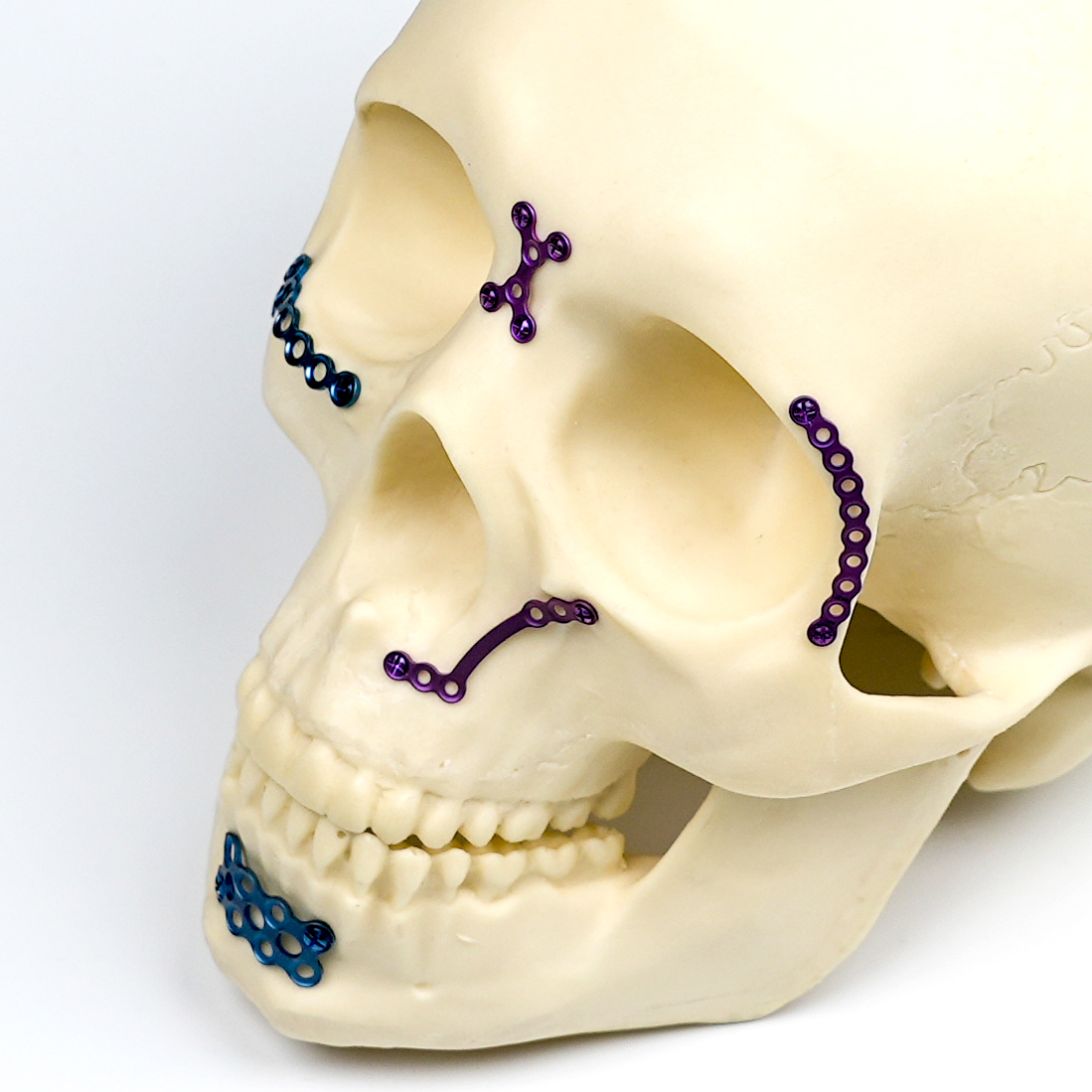
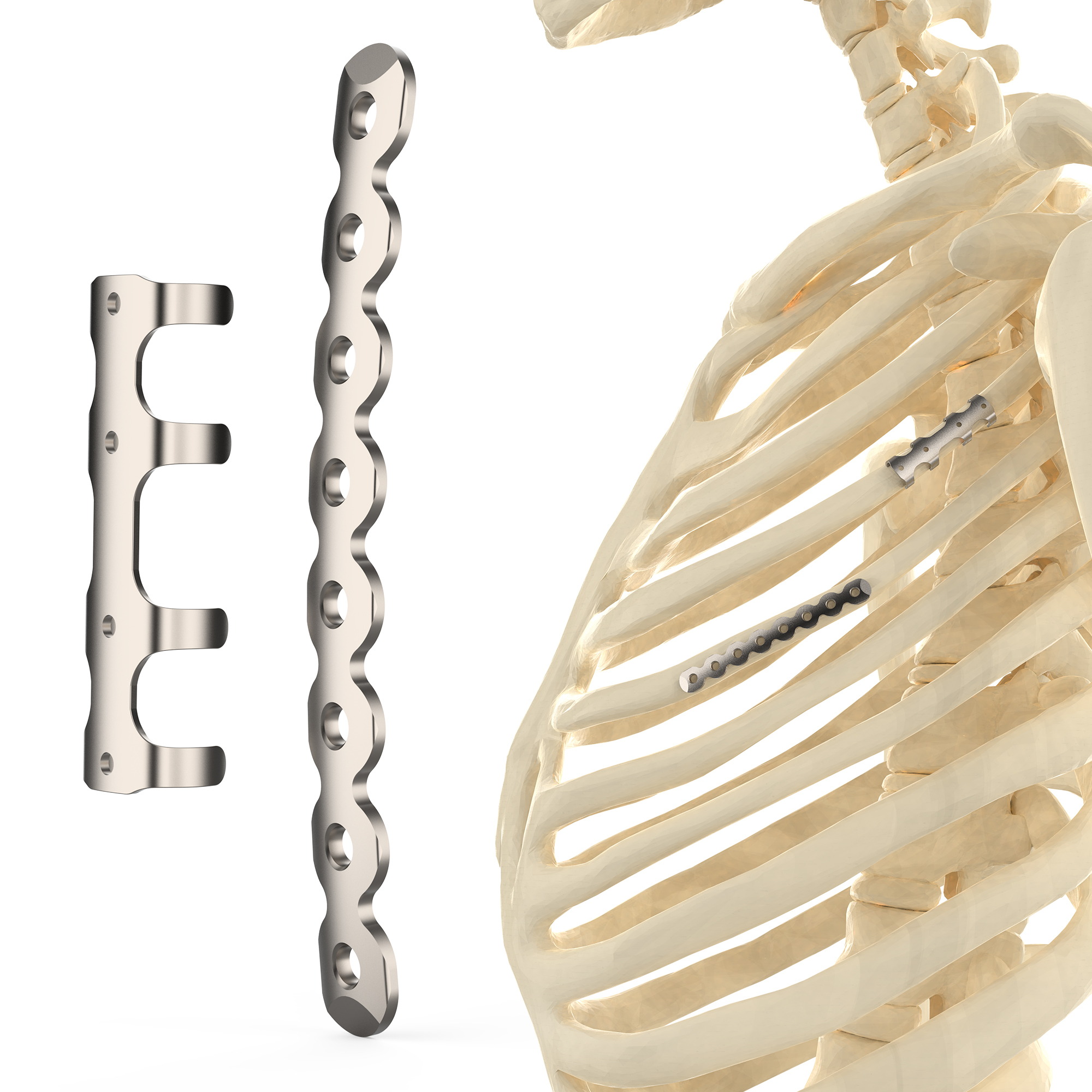
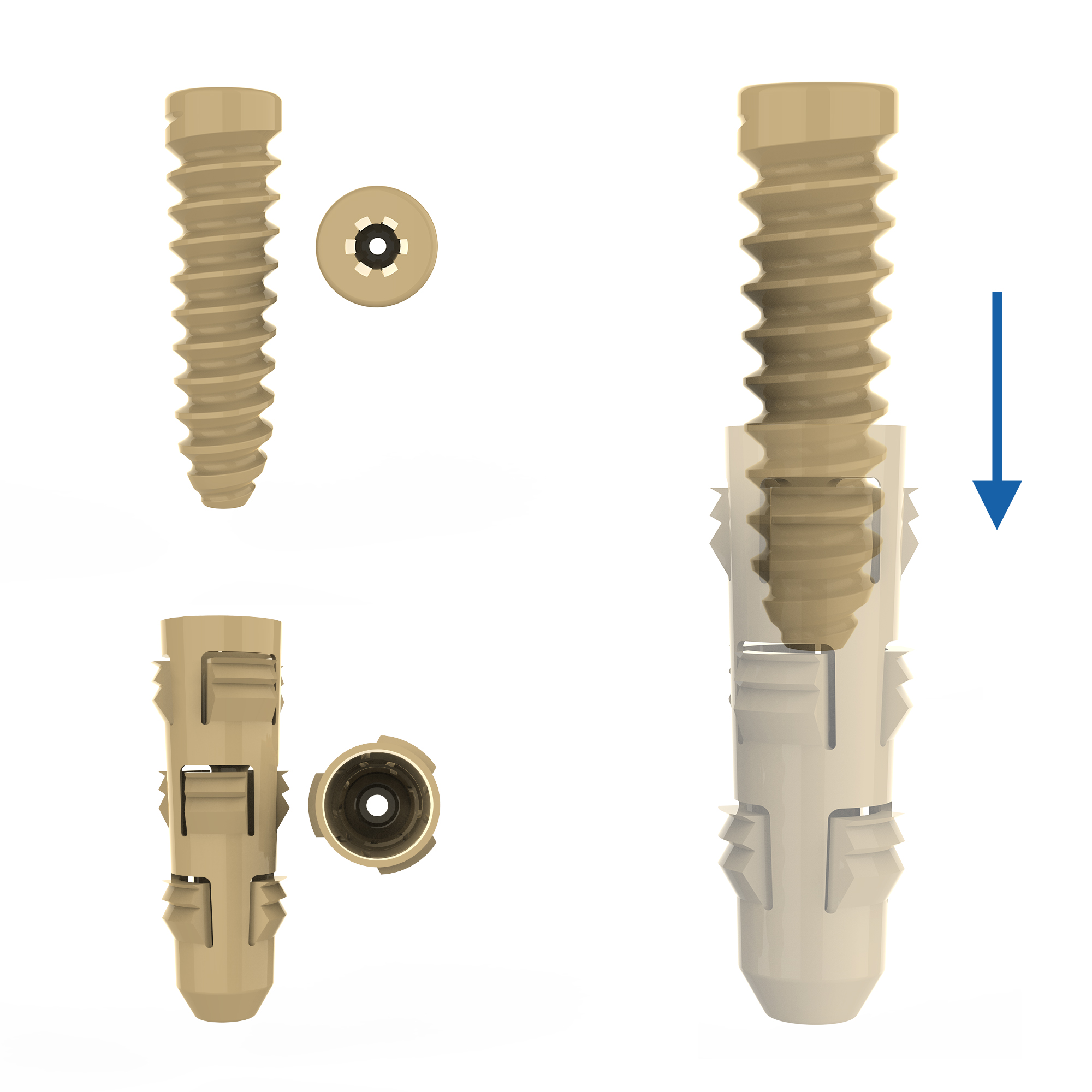
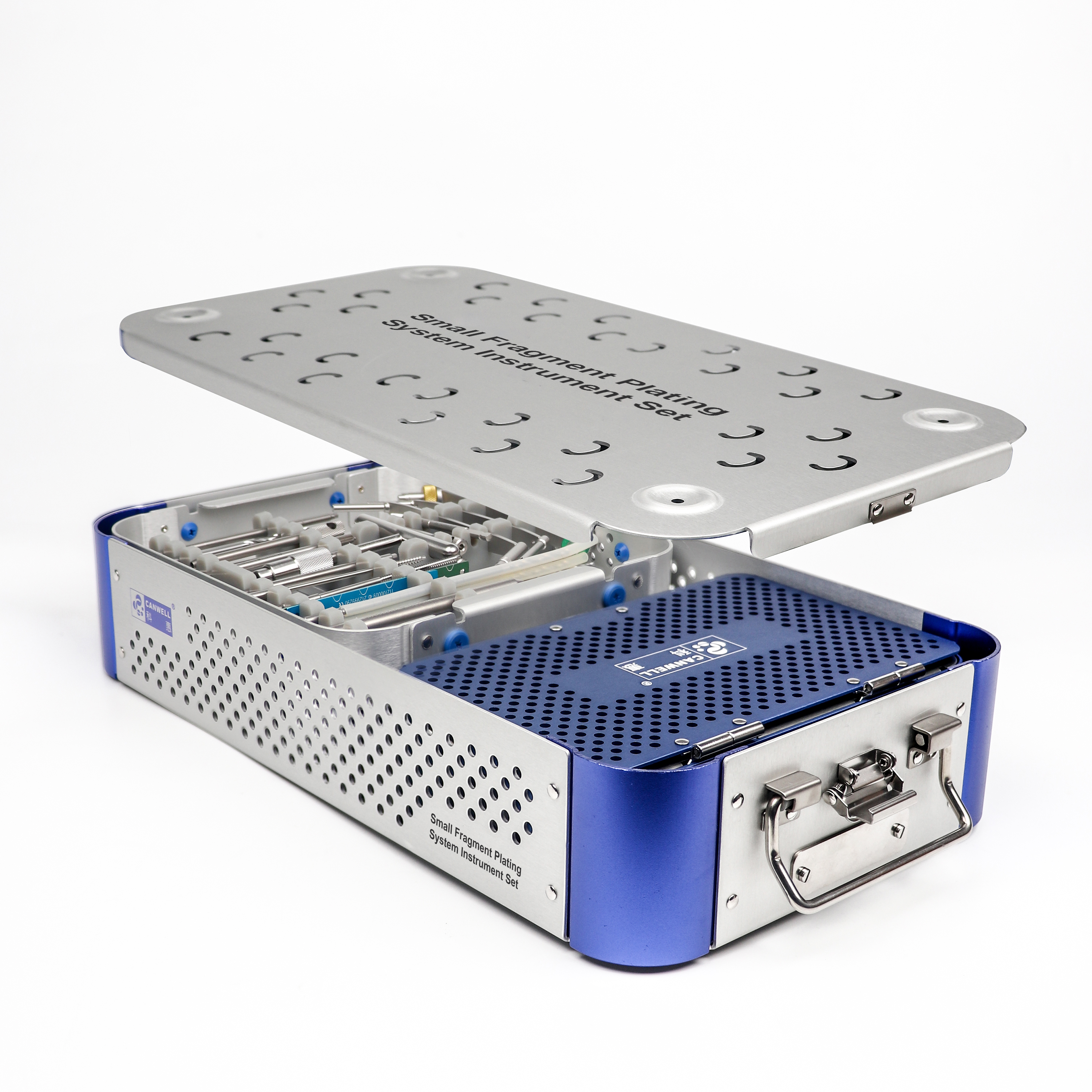
Trauma Dynamics & Plating Requirements in Kuala Belait
Kuala Belait, operating as the administrative center of the Belait District and the primary operational gateway for Brunei Darussalam's petrochemical and energy sector, presents a unique epidemiologic profile for traumatology and reconstructive surgery. Surgical theaters at tertiary centers such as Suri Seri Begawan Hospital (SSBH) routinely manage high-energy musculoskeletal trauma arising from heavy industrial machinery, onshore and offshore oilfield engineering operations, and transit incidents along the busy Seria-Kuala Belait Highway corridor.
Unlike standard urban degenerative cases, industrial trauma in the Belait District frequently manifests as comminuted articular fractures, severe metaphyseal disruptions, polytrauma crush injuries, and complex periprosthetic fractures. These clinical patterns require internal fixation implants that deliver exceptional angular stability, high fatigue strength, and biological preservation of periosteal blood flow.
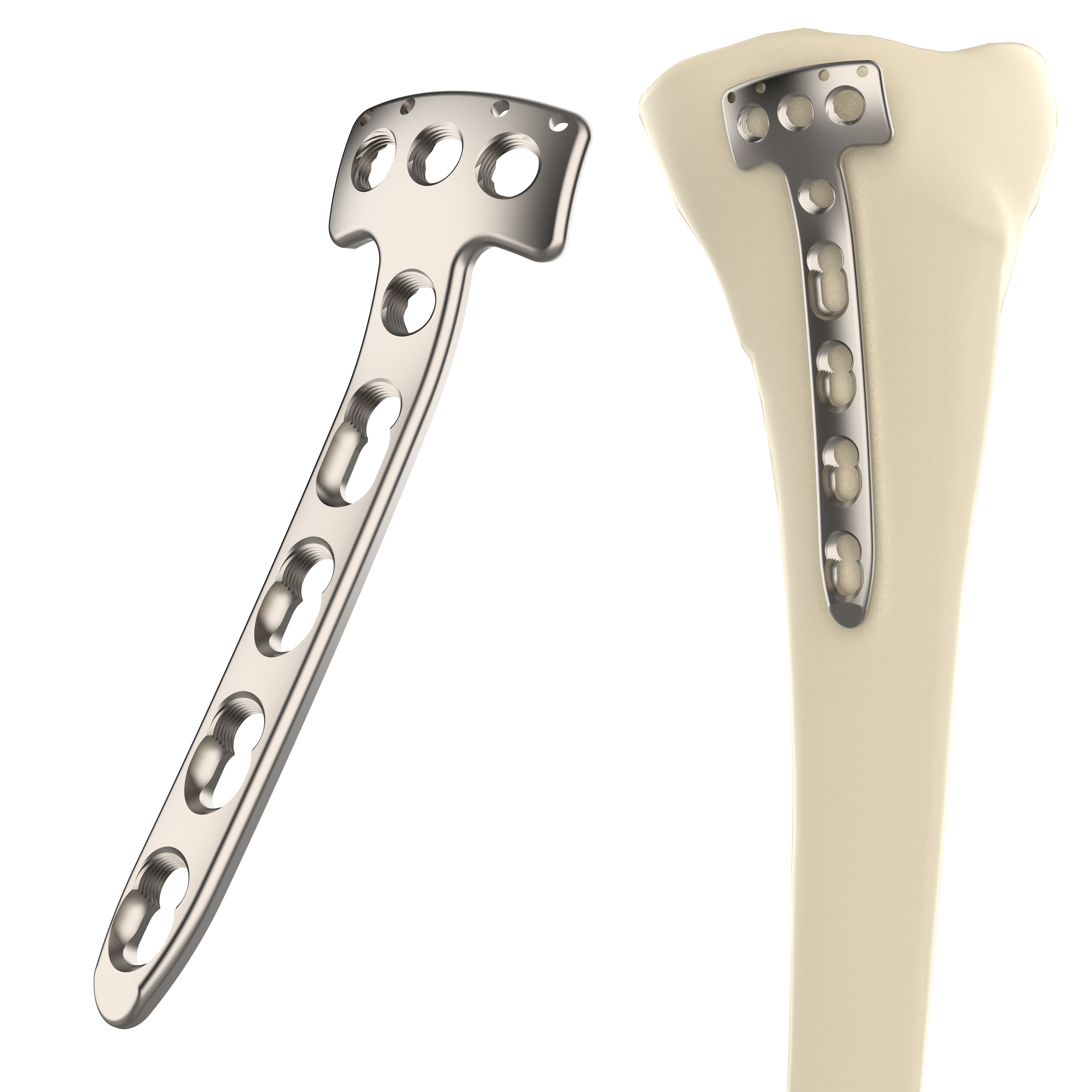
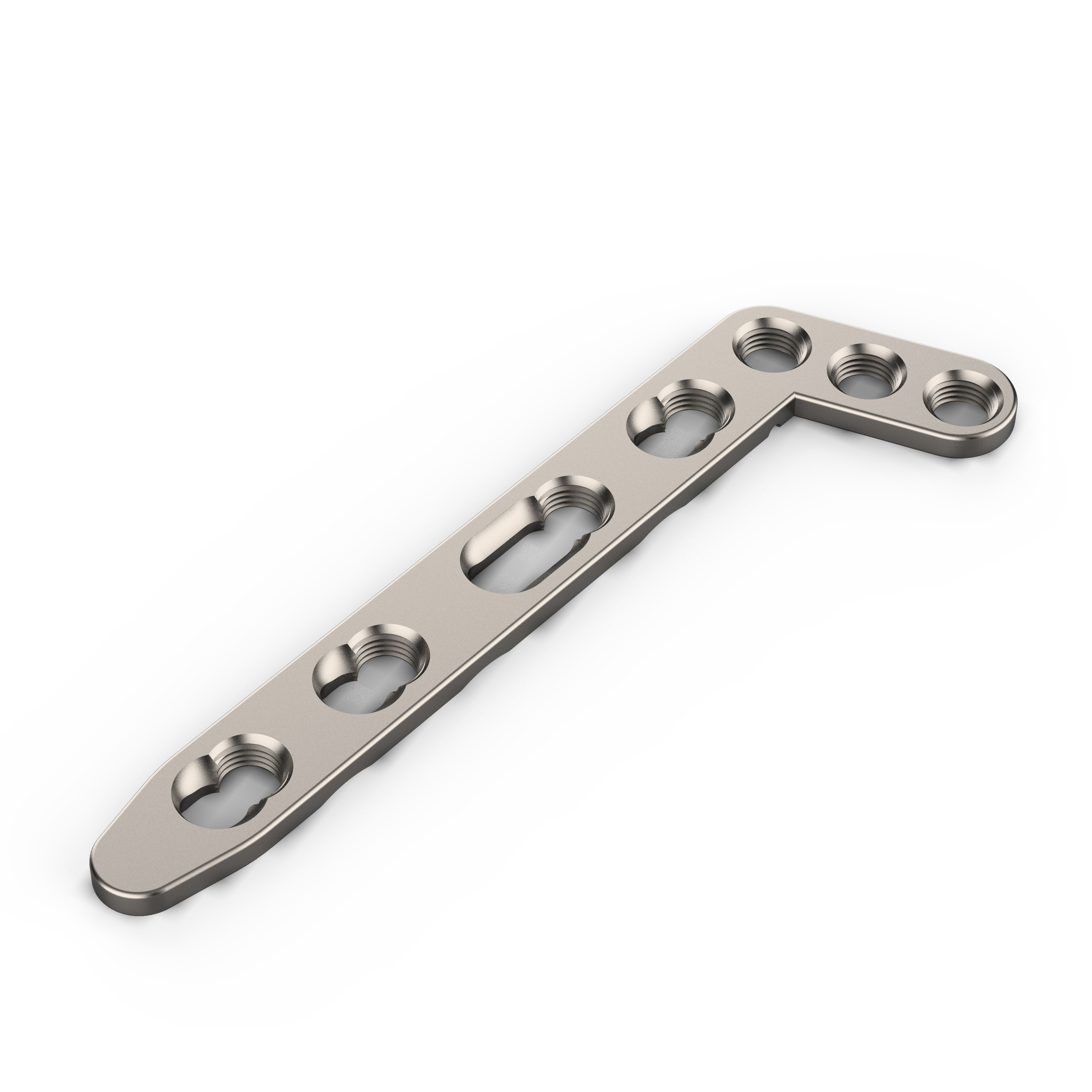
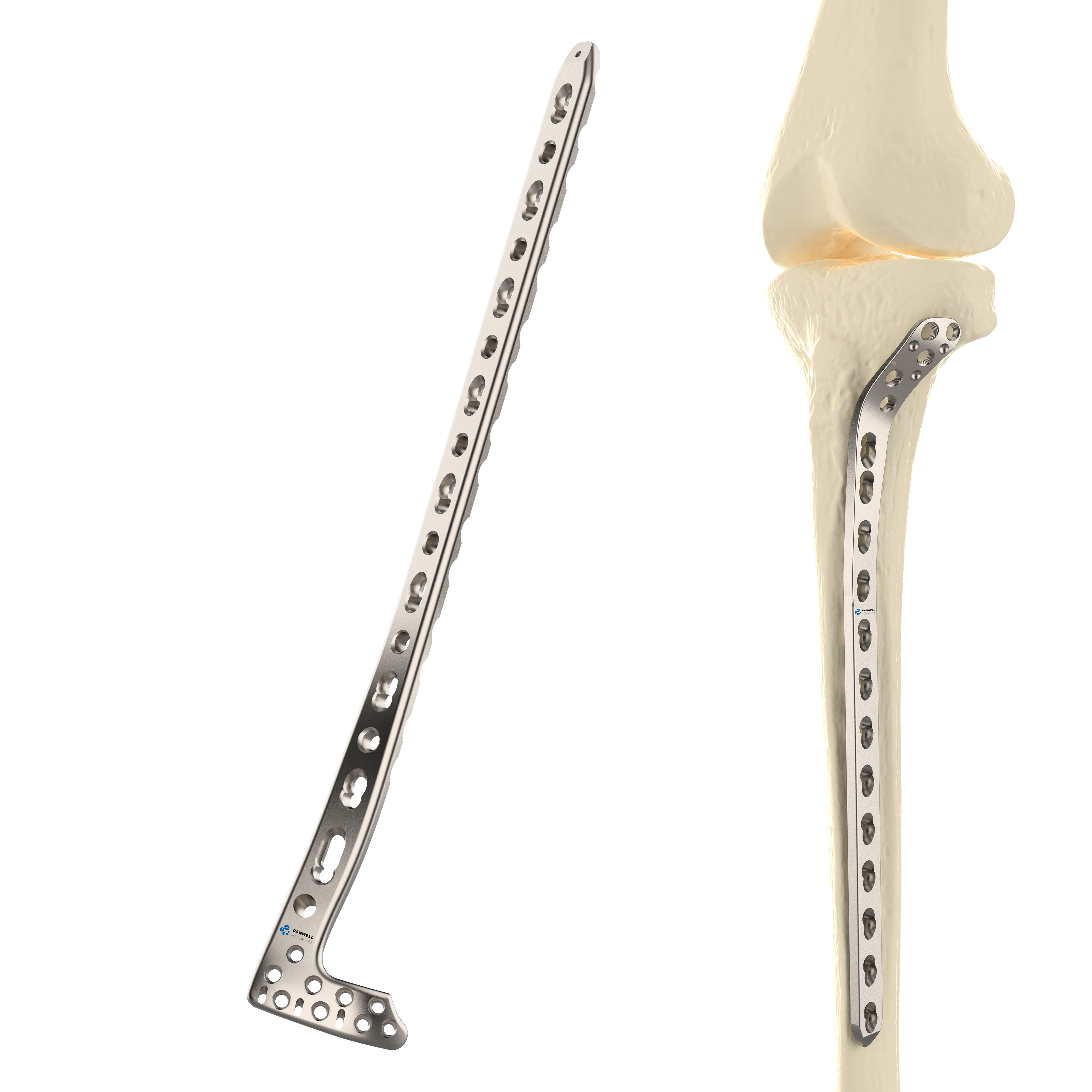
Clinical Insight: In oil and gas operational regions, proximal tibia, distal radius, and complex ankle fractures demand low-profile anatomical plates featuring combi-holes. These enable surgeons to transition dynamically between dynamic compression and rigid angular locking fixation without stripping soft tissue in compromised envelopes.
Furthermore, Brunei's hot, humid tropical climate underscores the clinical importance of high biocompatibility. Ti-6Al-4V ELI (Grade 23) alloy formulations eliminate galvanic corrosion risks, attenuate soft tissue adhesion complications, and prevent late implant loosening, ensuring optimal patient outcomes during extended rehabilitative phases.
Direct-from-Source Precision Manufacturing
As an SGS onsite-inspected orthopedic manufacturer holding CE certifications under EU MDR and Directive 93/42/EEC, Zhejiang INAR Medical Co., Ltd. provides hospitals, distributors, and governmental tender participants in Brunei with an uncompromised supply chain direct from our dedicated 29,523 m² production base.
With an experienced technical staff of 632 specialists and over 22 years of continuous dedicated orthopedic innovation, our facility bridges the critical gap between high-precision Swiss-type longitudinal turning, 5-axis simultaneous CNC milling, and localized healthcare economics. Our state-of-the-art multi-axis machining ensures anatomical pre-contouring that minimizes intraoperative contouring and eliminates notch-induced micro-fractures in plate bodies.
Every locking plate, cannulated compression screw, and matching surgical instrument set dispatched to Southeast Asian supply corridors undergoes rigid quality validation—including fluorescent penetrant surface testing, dimensional coordinate measuring machine (CMM) inspections, mechanical cyclic fatigue verification, and double-barrier aseptic medical packaging.
Continuous focus on trauma locking compression plates, spine reconstruction, and sports medicine arthroscopy.
Housing CNC machining centers, ultrasonic automated cleaning lines, Class 100,000 cleanrooms, and testing labs.
Dedicated biomedical engineers, precision machinists, regulatory specialists, and export logistics coordinators.
Material Science & Biomechanical Benchmarking for Belait Clinical Tenders
Selecting reliable trauma locking systems requires deep metallurgical evaluation. Below is an engineering comparison evaluating our medical-grade titanium systems against conventional stainless steel options in tropical clinical environments.
| Performance Parameter | INAR Titanium Locking Plate System (Ti-6Al-4V ELI) | Conventional 316L Stainless Steel Implants | Clinical Benefit for Belait District Surgeons |
|---|---|---|---|
| Modulus of Elasticity (GPa) | 105 - 114 GPa (Near cortical bone elasticity) | 190 - 210 GPa (Significantly stiffer) | Substantially reduced stress-shielding effect; stimulates faster secondary bone healing & callus formation. |
| Corrosion Resistance in Tropical Envelopes | Superior Passivated Oxide Layer | Susceptible to pitting/crevice corrosion over long dwell times | Eliminates local metallosis, systemic ion release, and inflammatory responses in high-humidity climates. |
| Magnetic Resonance Imaging (MRI) Compatibility | Paramagnetic (Artifact volume < 15%) | Ferromagnetic (Severe image distortion & scattering) | Facilitates clear post-operative MRI evaluation of adjacent soft tissues, joint capsules, and cartilage. |
| Screw-to-Hole Locking Interface | Variable-angle locking with ±15° conical cone trajectory | Fixed-axis perpendicular thread mating | Allows customized trajectory capture of fragmented articular blocks while preserving mechanical stability. |
| Anodization Treatment | Type II Electrochemical Anodization (Anti-galling) | Electropolished or Passivated standard finish | Prevents cold welding between screw threads and plate holes during emergency revision or routine hardware extraction. |
| Regulatory Compliance | CE MDR (EU 2017/745), ISO 13485:2016 | Variable non-harmonized local standards | Meets strict Brunei Darussalam Medicines Control Authority (BDMCA) registration criteria for public hospital tenders. |
Targeted Applications Across Kuala Belait & Belait District Healthcare
Our trauma catalog is engineered to address the full spectrum of acute, reconstructive, and elective orthopedic surgeries encountered in Brunei's industrial corridor.
Industrial Crush & Metaphyseal Trauma
Heavy onshore/offshore industrial workflows present elevated risks of high-energy compound fractures. Our distal tibial low-profile plates and proximal middle tibial locking plates provide durable buttressing and rigid multi-planar fixation across compromised metaphyseal segments.
Highway Corridor & Transit Injuries
The strategic transport arteries connecting Belait with Bandar Seri Begawan and Sarawak see heavy transit traffic. High-speed collisions require versatile small-fragment sets, anatomical clavicle/distal radius plates, and thoracic rib locking systems for acute flail-chest stabilization.
Reconstructive Foot & Ankle Surgery
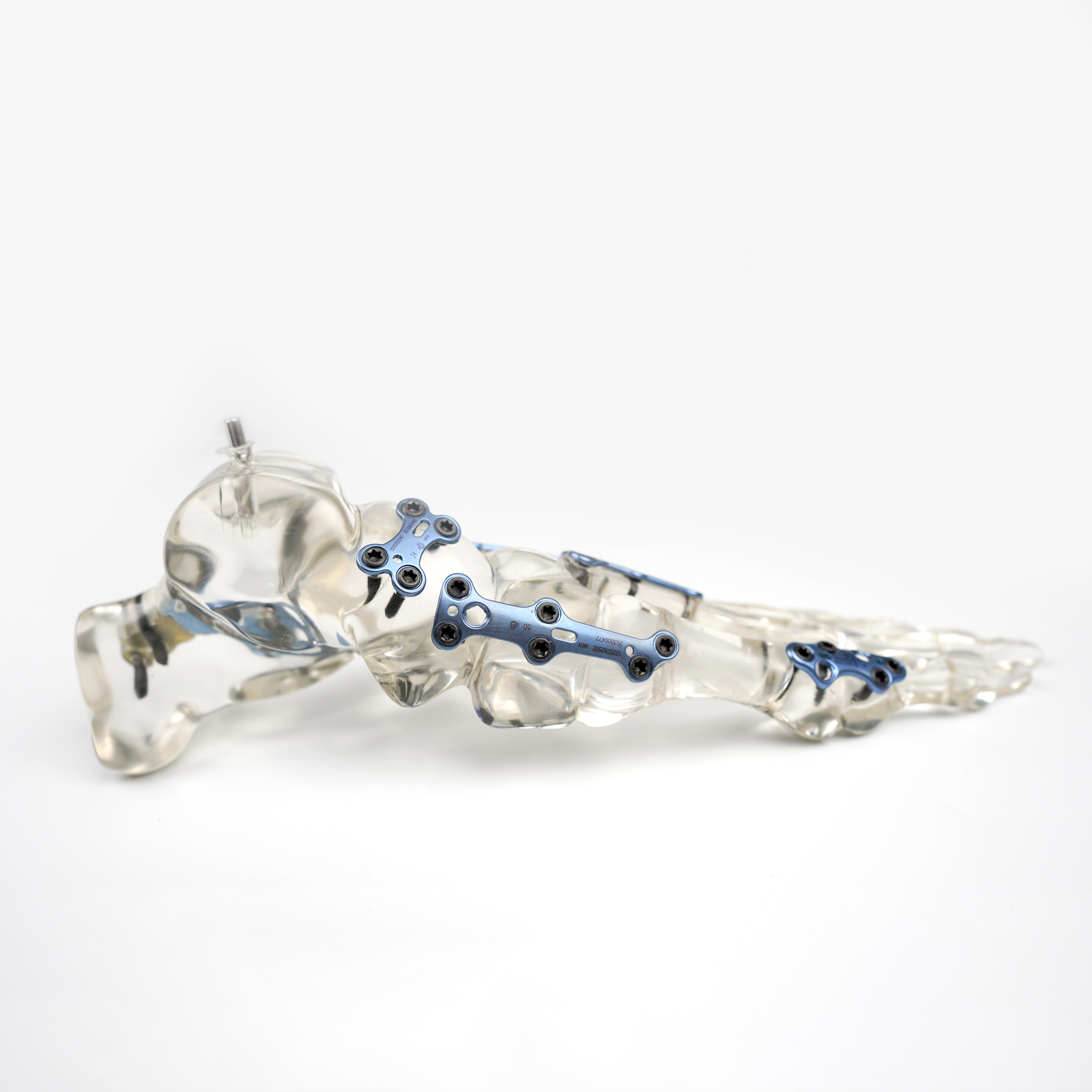
Complex diabetic foot conditions and post-traumatic ankle arthrosis require hindfoot reconstruction plates with integrated compression capabilities. Our systems offer anatomical contouring to achieve secure arthrodesis and minimize symptomatic hardware prominence.
Sports Medicine & Arthroscopy
As community athletics and wellness programs expand across Belait, joint injuries become more prevalent. Our PEEK interference screws, bioabsorbable PLGA implants, and AC joint repair buttons deliver low-abrasion, rigid graft fixation for knee and shoulder reconstruction.
Orthopedic Procurement Trends in Brunei Darussalam
Understanding shifting procurement dynamics in Brunei ensures public healthcare providers and authorized private distributors secure long-term value and regulatory compliance.
Transition to Minimally Invasive & Anatomical Pre-Contoured Systems
Historically, orthopedic theaters across Brunei relied heavily on conventional tubular and reconstruction plates that required extensive manual bending and intraoperative shaping. However, operating room efficiency metrics and post-operative infection prevention mandates have driven rapid adoption of anatomical pre-contoured locking systems.
Surgical teams at Suri Seri Begawan Hospital and national referral facilities increasingly prioritize variable-angle locking plates that facilitate percutaneous insertion through minimally invasive plate osteosynthesis (MIPO) techniques. This shift minimizes periosteal stripping, reduces surgical duration, shortens hospital stays, and accelerates functional rehabilitation for active workers.
Rigid Regulatory Scrutiny & Supply Chain Resilience
The Department of Pharmaceutical Services and the Brunei Darussalam Medicines Control Authority (BDMCA) have established stringent registration protocols for Class III implantable devices. Medical procurement agencies now require verifiable manufacturer audit trails, complete CE MDR conformity, and comprehensive biocompatibility testing (ISO 10993).
Additionally, geopolitical supply chain volatility has led regional distributors to seek direct partnerships with integrated manufacturing facilities. Direct-factory engagement eliminates middleman markups, secures rapid batch replenishment via regional air cargo routes into Brunei International Airport (BWN), and ensures dedicated technical engineering support for customized surgical instrumentation trays.
13-Step Precision Manufacturing & Quality Control Pipeline
Every implant shipped to international clients undergoes exhaustive in-house inspection. We maintain full traceability from raw medical bar stock to final double-sterile pouch packaging.
Raw Material Assay
Certified Ti-6Al-4V ELI & SS316L bar stock undergo spectroscopic & mechanical tensile validation.
Multi-Axis CNC
Precision turning and 5-axis simultaneous milling execute complex anatomical screw holes & tapers.
Surface Finishing
Multi-stage vibratory finishing, hand deburring, and micro-blasting eliminate stress concentrations.
Ultrasonic Clean
Multi-stage automated ultrasonic cleaning cycles remove all particulate and manufacturing lubricants.
Penetrant Check
Fluorescent dye penetrant inspection detects microscopic surface micro-cracks and material flaws.
Type II Anodizing
Electrochemical color coding optimizes thread surface hardness and prevents intraoperative galling.
Second Wash
Demineralized ultra-pure water rinsing cycle prepares surfaces for medical-grade cleanroom transfer.
100% OQC Control
Full dimensional inspection utilizing high-accuracy CMMs and optical comparator thread verifications.
Aseptic Packing
Sealing within certified Class 100,000 / ISO 7 cleanroom suites using medical-grade Tyvek pouches.
Global Delivery
Lot-traceable boxing with bilingual IFUs, full batch certificates, and express air freight dispatch.
Frequently Asked Questions for Belait Healthcare Sourcing
Addressing regulatory, technical, logistical, and commercial inquiries from biomedical engineers, orthopedic surgeons, and tender managers in Kuala Belait and Brunei Darussalam.
What regulatory documentation is provided for BDMCA importation into Brunei Darussalam? +
What are the standard freight options and transit times from the factory to Kuala Belait? +
Can INAR manufacture custom-labeled implants and OEM instrument sets for private distributors? +
How do your locking screw interfaces prevent cold-welding and thread stripping during extraction? +
Are matched instrumentation sets compatible with standard hospital autoclave cycles in Brunei? +
What is the minimum order quantity (MOQ) and warranty policy for tender procurement? +
Partner Directly with an SGS-Verified Orthopedic Manufacturer
Equip your clinical facilities in Kuala Belait with CE MDR-certified trauma locking plates, anatomically pre-contoured osteosynthesis systems, and dedicated surgical sets. Connect with our international technical sales team for comprehensive catalogs, tender dossiers, and customized supply solutions.