Specialized Orthopedic & Sports Medicine Implants for Institutional Supply
Direct manufacturer-engineered arthroscopy instrumentation, bioabsorbable fixation systems, and trauma reconstruction sets certified under rigorous CE MDR and ISO 13485 standards.
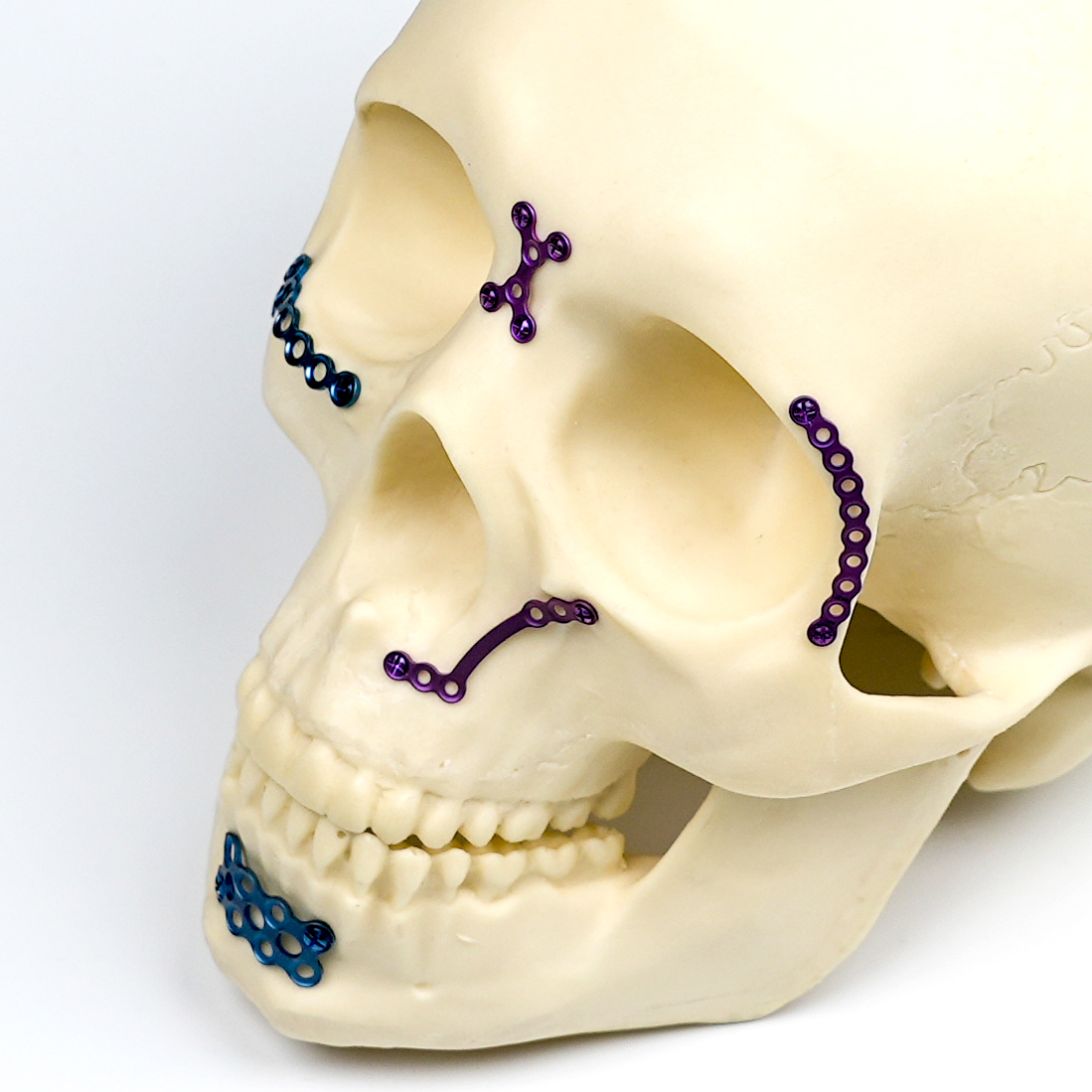
CANWELL CMF Titanium Maxillofacial Plate and Screw System
Anatomical low-profile osteosynthesis for midface trauma, mandibular fracture, and orthognathic alignment.
Explore Specifications →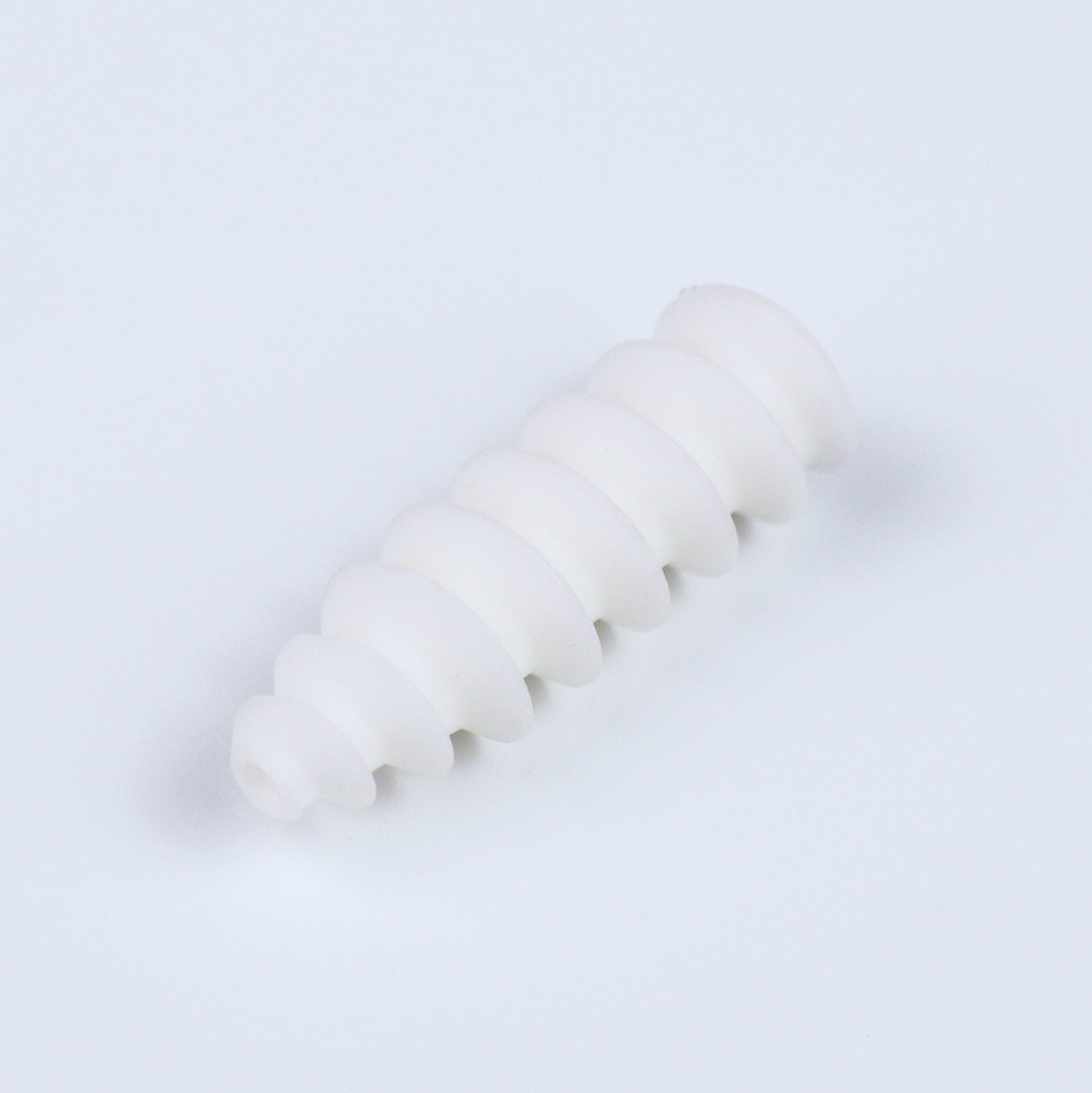
CANWELL Biodegradable ACL/PCL PLGA Interference Screw
Controlled degradation profile optimizing bone tunnel osteointegration in cruciate ligament and tenodesis repair.
Explore Specifications →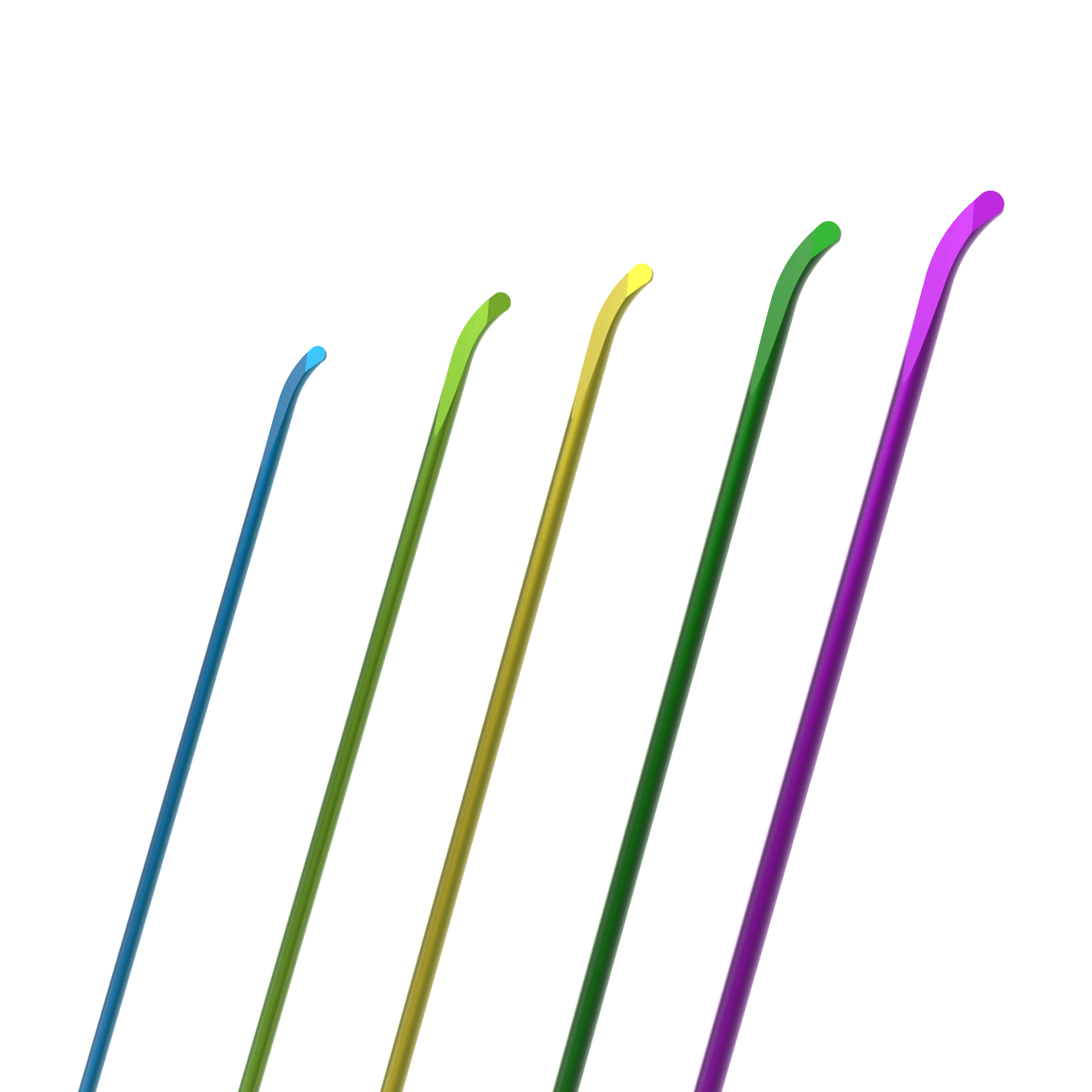
CANWELL Titanium Elastic Nails (TEN) Instrument Set
Elastic stable intramedullary nailing (ESIN) for pediatric diaphyseal long bone fractures with dedicated countersinks.
Explore Specifications →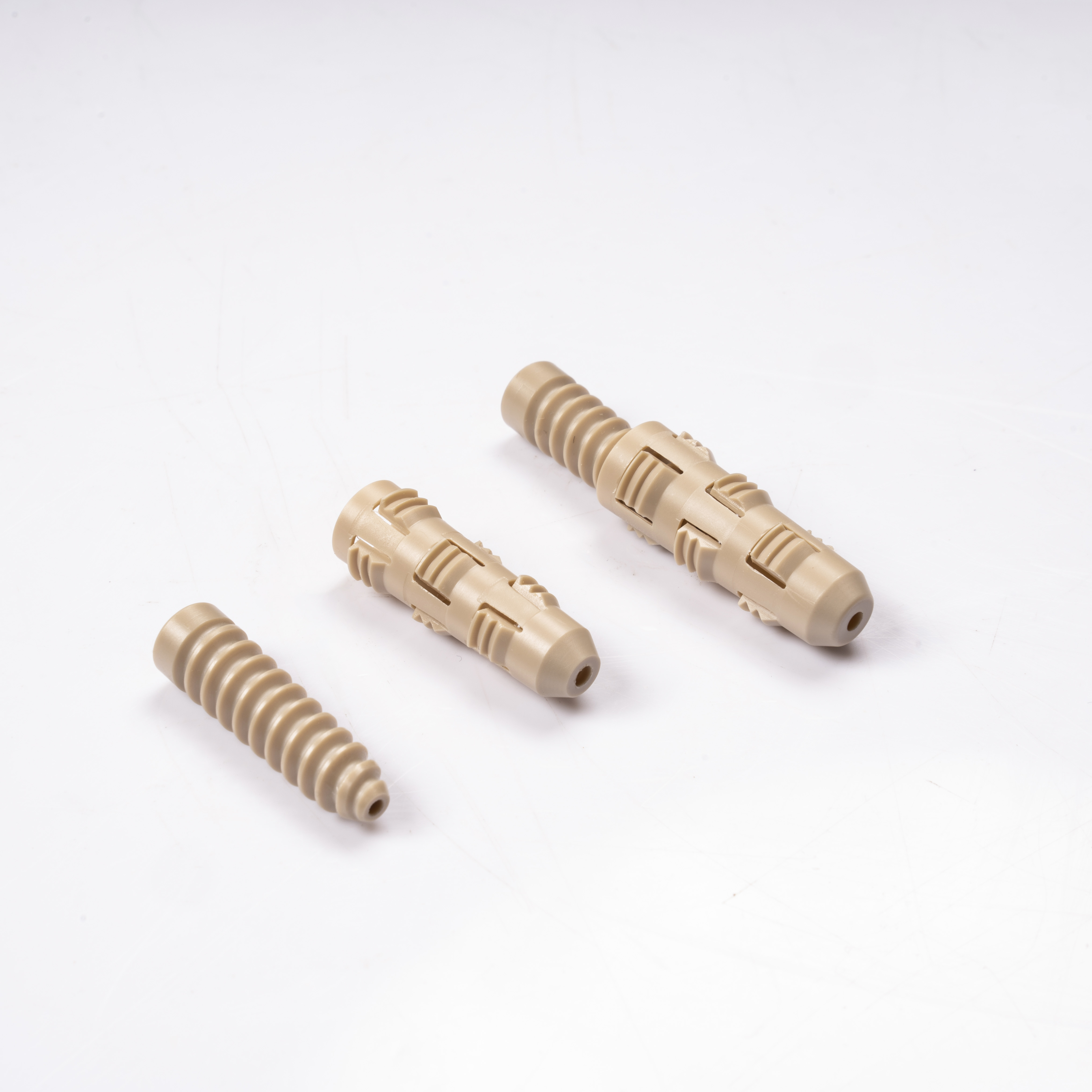
CANWELL Arthroscopy Surgery PEEK Interference Screw
Biocompatible radiolucent polymer thread architecture designed for maximum pull-out shear strength in graft fixation.
Explore Specifications →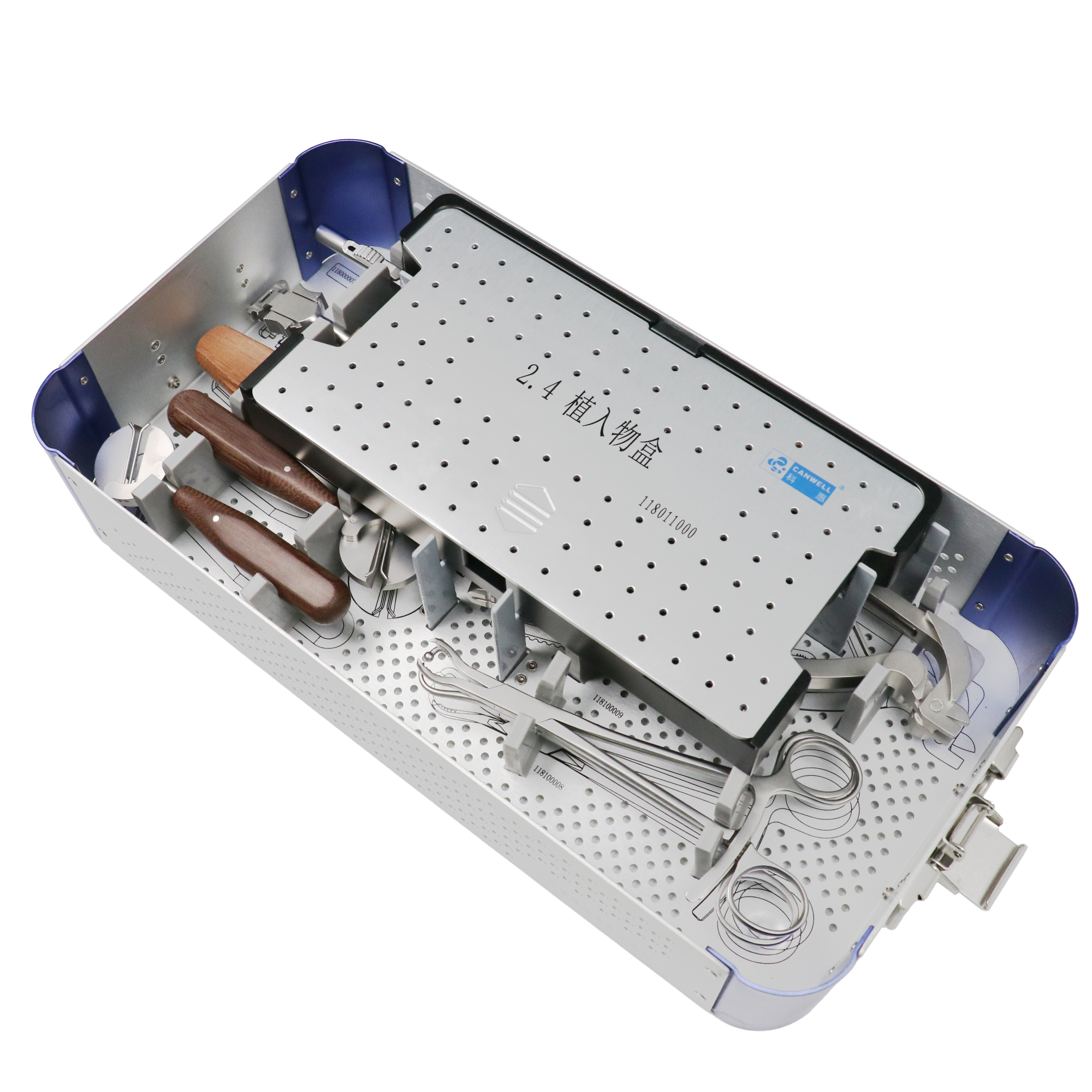
CANWELL Cranium & Maxillofacial Surgery Instrument Kit
Full stainless-steel modular autoclavable tray featuring self-holding screwdrivers, plate benders, and depth probes.
Explore Specifications →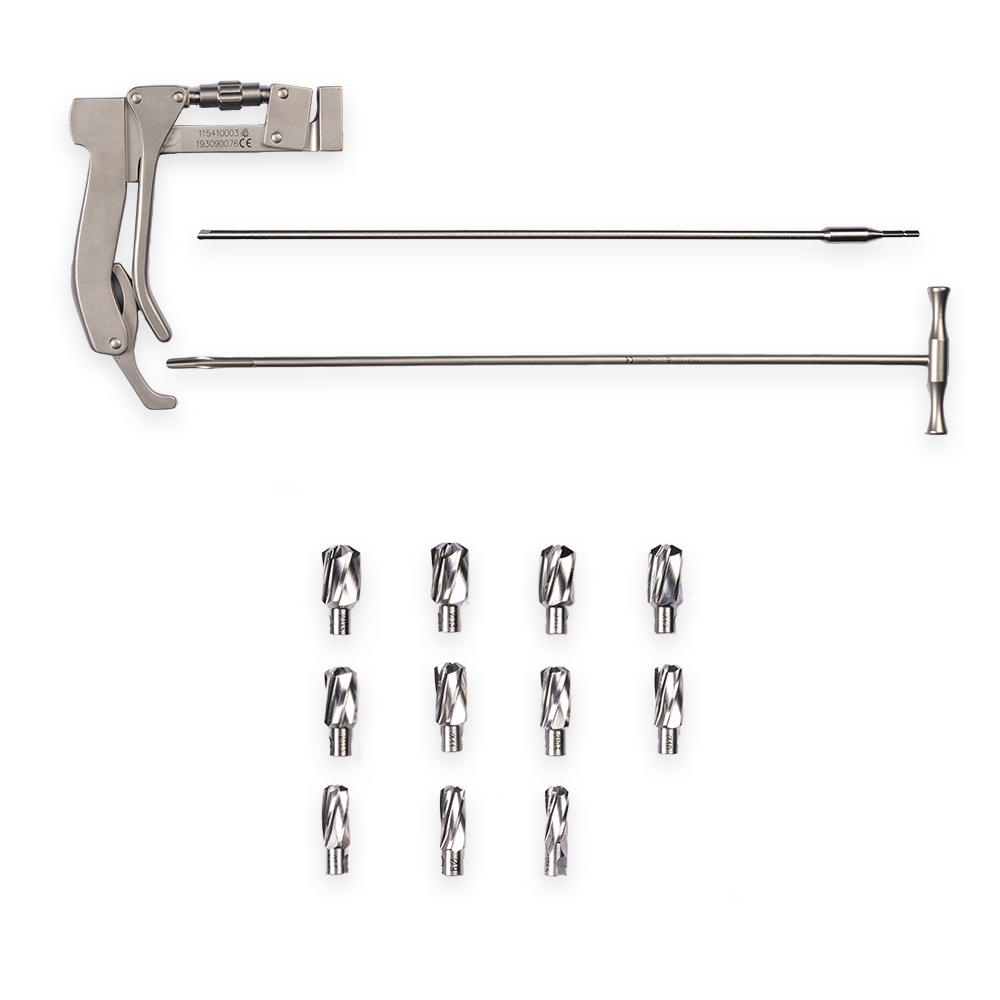
CANWELL Orthopedic Flexible Reamer Set for Nail Surgery
Detachable cobalt-chromium cutting reamer heads with flexible drive shafts delivering smooth medullary expansion.
Explore Specifications →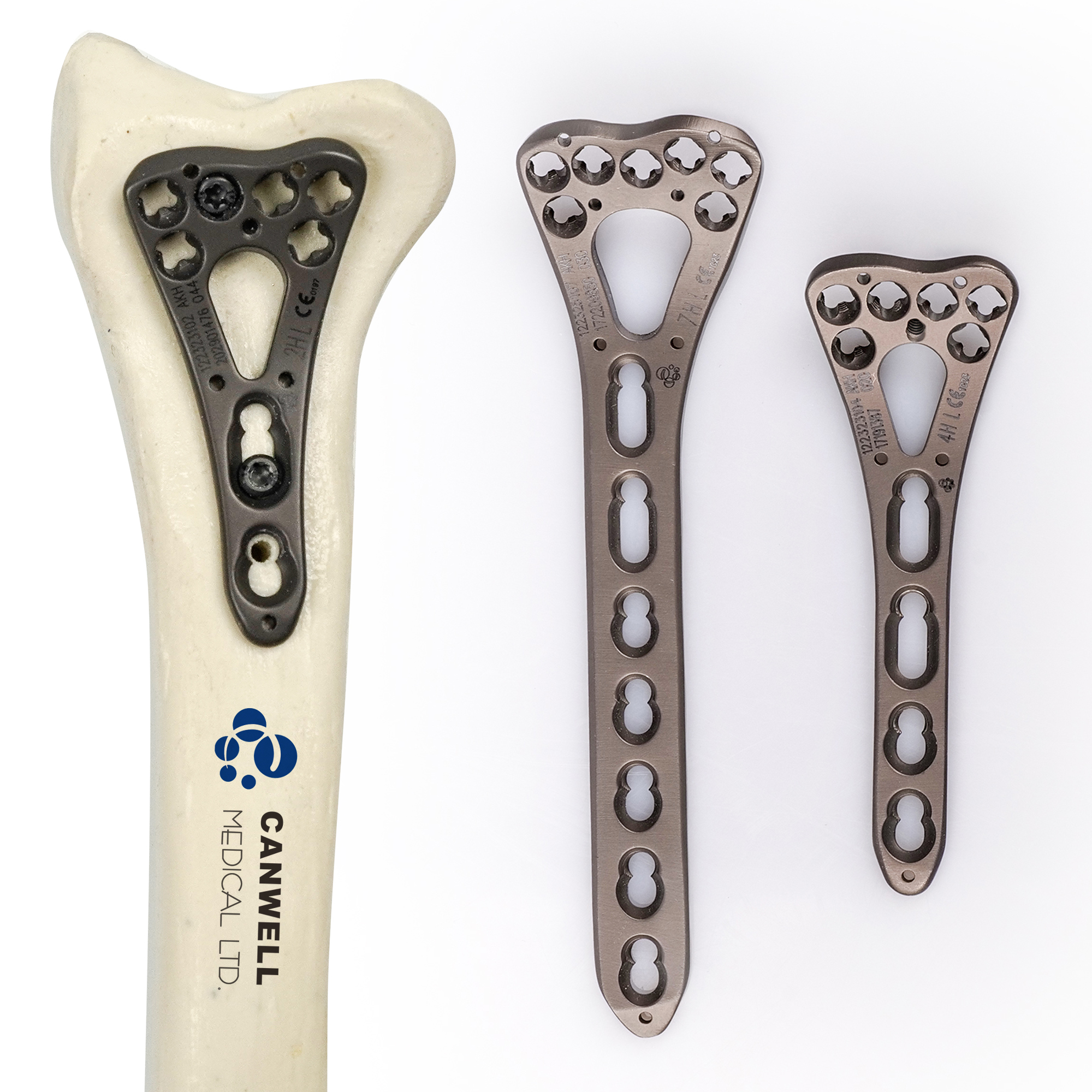
CANWELL 2.4 / 2.7mm Variable-Angle Volar Radius Plate
Anatomically contoured multi-directional locking holes providing subchondral buttress for complex articular wrist trauma.
Explore Specifications →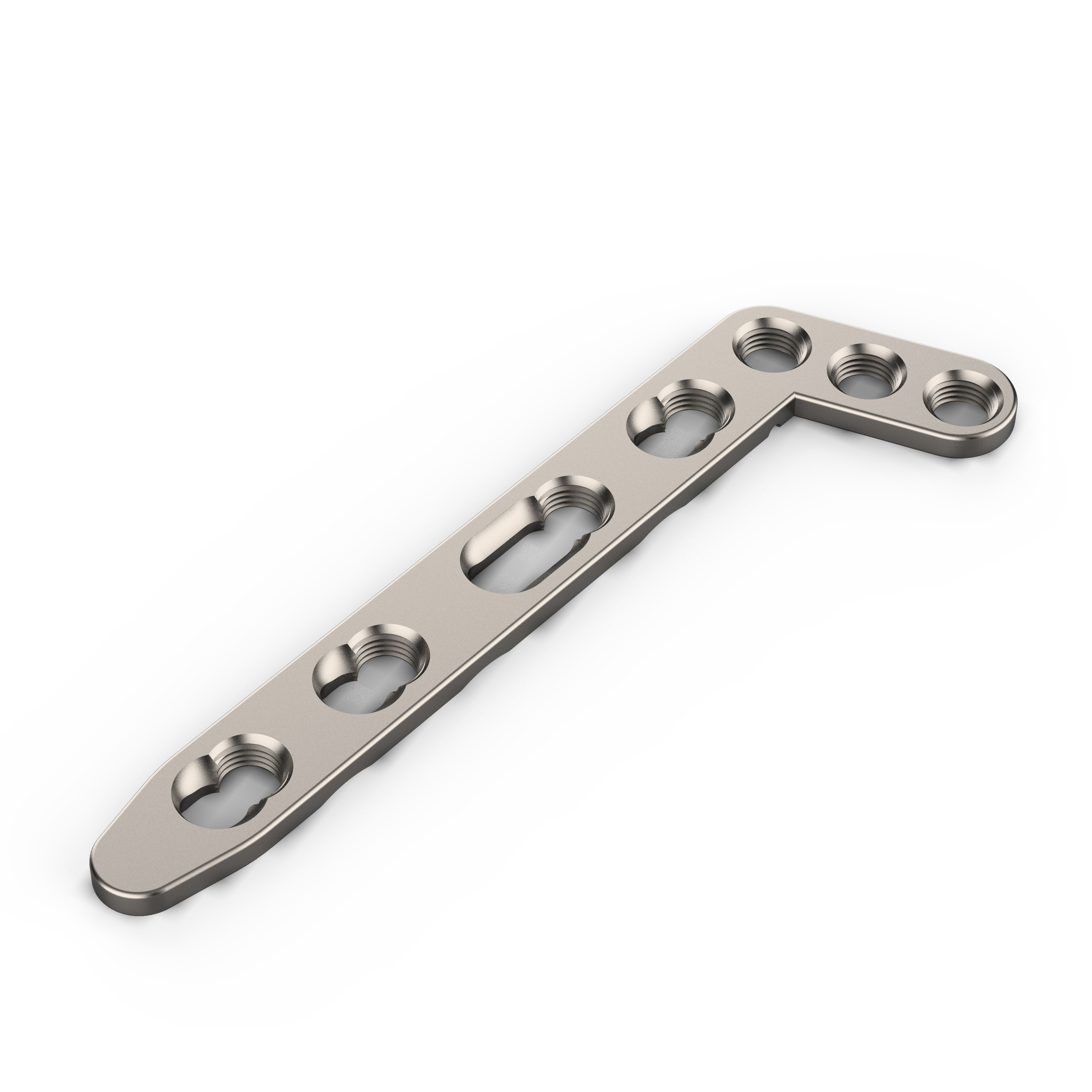
CANWELL Distal Radius Dorsal Titanium Locking Plate
Oblique 3-hole structural configuration engineered for unstable dorsally displaced intra-articular distal radial fractures.
Explore Specifications →The Paradigm Shift Toward Joint Preservation: All-Inside Meniscal Suture Engineering
Bridging translational biomaterials science and minimally invasive arthroscopy: Why knee preservation has supplanted meniscectomy in modern orthopedic surgery.
In the contemporary landscape of sports medicine and trauma reconstructive surgery, the meniscus is universally acknowledged not as an expendable shock absorber, but as an indispensable fibrocartilaginous structure essential for tibiofemoral load distribution, joint stability, proprioception, and long-term chondroprotection. Total or subtotal meniscectomy, once considered standard clinical intervention, is now definitively linked to accelerated articular cartilage wear, peak contact pressure elevations exceeding 235%, and premature progression to severe osteoarthrosis. Consequently, clinical directives across leading orthopedic associations worldwide demand meniscal salvage wherever biologically viable.
Engineering a dependable Meniscal Repair System requires mastering complex mechanical, vascular, and anatomical challenges. The human meniscus exhibits a tri-zonal vascular hierarchy: the peripheral vascularized “red-red” zone, the intermediate transitional “red-white” zone, and the central avascular “white-white” zone. Achieving primary biological union in the vascular and semi-vascular regions hinges upon two non-negotiable biomechanical parameters: absolute gap reduction at the tear margin and high-tension suture stability capable of withstanding the dynamic rotational and compressive forces of early rehabilitative loading.
Tensile Yield Stability > 120N
Our pre-loaded, medical-grade Ultra-High Molecular Weight Polyethylene (UHMWPE) braided sutures exhibit ultra-high tensile yield thresholds, resisting elongation and knot slippage under high cyclical intra-articular stress.
Low-Profile PEEK Anchors
Engineered from medical PEEK-OPTIMA®, the miniaturized deployment toggles provide a flush, atraumatic footprint along the posterior capsule, eliminating the risk of chondral abrasion and soft tissue impingement.
Integrated Depth Limiter
Our ergonomic delivery delivery handpiece features tactile, calibrated penetration stops adjustable from 10mm to 22mm, safeguarding vulnerable popliteal neurovascular structures during posterior horn instrumentation.
Classification-Specific Repair Strategies: From Bucket-Handle to Root Tears
Modern arthroscopic repair systems must be agile enough to address diverse tear patterns. Our manufacturing protocols encompass the entire spectrum of surgical access: All-Inside systems designed for posterior horn and midbody tears, Inside-Out double-armed flexible needles for extensive longitudinal and bucket-handle tears, and Outside-In suture loop passers for anterior horn access. Each technique is underpinned by precision-drawn alloy components and proprietary knotting kinematics that eliminate tissue strangulation while ensuring vascular micro-perfusion along the repair interface.
| Meniscal Repair Modality | Primary Clinical Indications | Implant Biomaterial / Alloy | Mean Load to Failure (N) | Neurovascular Safety Profile |
|---|---|---|---|---|
| All-Inside Auto-Deploy System | Posterior horn, body tears, unstable ramp lesions | Implant-Grade PEEK + UHMWPE #2-0 | 142.6 ± 14.8 N | High safety (Integrated 16–20mm mechanical stops) |
| Inside-Out Double-Arm Needles | Bucket-handle tears, complex multiple-plane tears | 316LVM Medical Stainless Steel + UHMWPE | 165.2 ± 18.1 N | Requires posteromedial / posterolateral safety incisions |
| Outside-In Suture Passer | Anterior horn tears, discoid lateral meniscus | AISI 304 Cannula + Nitinol Shuttle Loop | 118.4 ± 12.3 N | Excellent direct transillumination visualization |
| Transtibial Meniscal Root Anchor | Posterior horn radial avulsions, root ruptures | Titanium Grade 5 (Ti6Al4V ELI) Cortical Button | 238.5 ± 22.0 N | Guided tibial tunnel drilling eliminates vascular compromise |
Clinical Demographics & Arthroscopic Demands in Nieuw Nickerie
Understanding regional surgical workflows, tropical environmental factors, and epidemiology within the Nickerie District and the broader Guiana Shield.
Nieuw Nickerie: Strategic Regional Healthcare Hub of Western Suriname
Nieuw Nickerie, situated along the Corentyne River border directly adjacent to Guyana, represents Suriname’s second most vital economic and clinical territory. Home to the Lachmipersad Mungra Streekziekenhuis Nickerie (LMSZN), the regional healthcare ecosystem serves not only the agricultural heartland of the Nickerie District but also acts as an emergency and elective referral terminus for Coronie, Wageningen, and cross-border populations from the East Berbice-Corentyne region of Guyana. As LMSZN and private clinics expand their orthopedic surgical capacities, upgrading from diagnostic arthroscopy to high-tier therapeutic meniscal repair has become a primary clinical priority.
Agro-Industrial & Sports Trauma
High prevalence of complex knee injuries stemming from mechanized rice agriculture, heavy machinery maintenance, river transport, and active grassroots football clubs requires robust, high-strength implants capable of handling aggressive torsional stress.
Mitigating Long-Haul Patient Transfers
Equipping LMSZN with complete meniscal repair kits directly mitigates the logistical and financial burden of transferring patients 240 kilometers along the East-West Highway to the Academic Hospital Paramaribo (AZP).
Cross-Border Clinical Draw
Clinicians in Nickerie routinely treat Guyanese patients seeking specialized surgical interventions, positioning the district as an international gateway for advanced orthopedic and sports medicine care.
Tropical Packaging Resilience & Supply Chain Integrity
The equatorial coastal climate of Nieuw Nickerie, characterized by relative humidity levels persistently oscillating between 80% and 95% and average ambient temperatures of 28°C to 33°C, presents formidable challenges to sterile barrier integrity and polymer longevity.
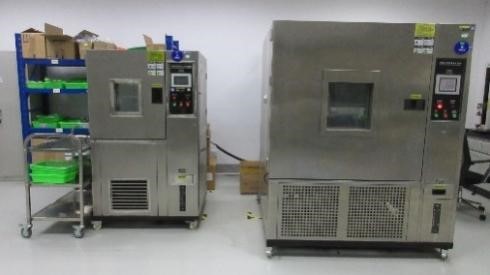
Our export-grade meniscal repair systems, interference screws, and suture delivery instruments utilize medical-grade Tyvek® double-barrier blister packaging combined with moisture-impervious aluminum composite overwrap. Each unit undergoes exhaustive accelerated aging testing in accordance with ASTM F1980, ensuring that bioabsorbable PLGA polymers and pre-threaded UHMWPE sutures maintain zero premature hydrolysis, absolute sterility, and flawless mechanical ductility over a verified 5-year shelf life.
- Dual Tyvek® Aseptic Packaging
- ASTM F1980 Tropical Aging Validated
- Hydrolysis-Resistant PEEK & PLGA
- 100% Traceable Batch Barcodes
Healthcare Evolution: Transitioning to Value-Based Joint Preservation
Analyzing procurement efficiency, long-term revision costs, and the economic return on investment for Caribbean and South American surgical departments.
For municipal hospitals and regional health authorities like Suriname’s Ministerie van Volksgezondheid (Ministry of Health) and private medical insurers, the economic cost of degenerative knee arthritis secondary to meniscectomy represents a compounding clinical liability. Patients undergoing meniscectomy in their third or fourth decade of life invariably present ten to fifteen years later requiring total knee arthroplasty (TKA)—a massively invasive, capital-intensive intervention carrying heavy prosthetic import costs and extensive hospital stays.
By implementing primary all-inside meniscal repair protocols, hospital administrators in Nieuw Nickerie drastically truncate patient rehabilitation cycles, preserve native kinematics, and prevent secondary joint collapse. To facilitate this transformation, our institutional supply framework provides complete, factory-direct OEM/ODM pricing, sidestepping third-party trading markups and ensuring that regional facilities can maintain full instrument trays and continuous consignment stocks without budget overruns.
Day-Surgery Viability
Minimally invasive all-inside repairs convert lengthy inpatient admissions into efficient outpatient procedures, optimizing bed turnaround at regional hospitals.
Zero Arthroplasty Escalation
Preserving the native meniscal chondroprotective rim delays or eliminates the need for expensive primary knee replacements decades later.
Consignment Supply Models
We work directly with Surinamese medical distributors to provide rolling inventory buffers, ensuring immediate availability during acute emergency trauma cases.
Comprehensive Dossiers
Every shipment arrives accompanied by full CE Declarations of Conformity, raw material lot certificates, and biocompatibility documentation ready for MoH customs clearance.
Zhejiang INAR Medical: 22+ Years of Precision Engineering Excellence
Combining state-of-the-art CNC machining, SGS-audited quality management, and cleanroom manufacturing to power global healthcare systems.
Dedicated exclusively to orthopedic implants, spinal systems, and arthroscopic surgical devices.
SGS onsite-audited industrial floorspace encompassing CNC precision milling, cleanrooms, and testing labs.
Including dedicated biomedical research engineers, master machinists, and regulatory QA/QC directors.

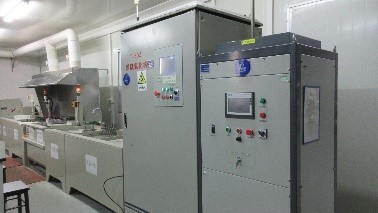
Uncompromising Quality: From Raw Bar Stock to Final Aseptic Barrier
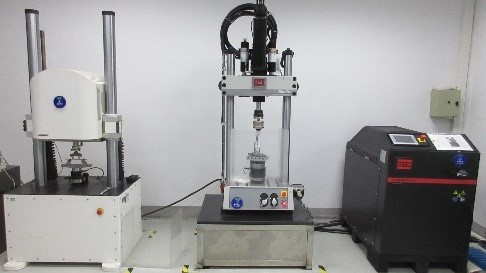
Our manufacturing philosophy admits zero tolerance for material flaw. Every titanium bar, medical PEEK rod, and UHMWPE suture spool entering our Jinhua facility undergoes rigorous spectrometry, ultrasonic flaw detection, and mechanical tensile validation before reaching production.
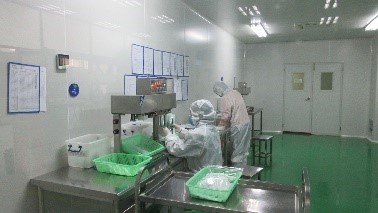
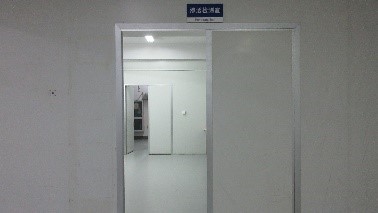
Precision 5-axis DMG MORI CNC milling machines sculpt each component to tolerances measured in microns (±0.005mm). Following ultra-precision grinding and sandblasting, devices undergo dual-cycle ultrasonic passivation, penetrant crack detection, and final assembly in our 100,000-class certified aseptic cleanroom.
Our regulatory certifications form the cornerstone of our global distribution footprint, encompassing CE Marking under EU MDR, compliance with Medical Device Directive 93/42/EEC, and formal onsite validation by the SGS Group.



Frequently Asked Questions: Sourcing Orthopedic Systems in Nieuw Nickerie
In-depth responses addressing customs clearance, shelf stability, surgeon training, and hospital tender mechanics in Suriname.
What export documentation accompanies shipments destined for Suriname?
Every consignment dispatched to Nieuw Nickerie arrives with an exhaustive export portfolio: EU MDR / CE Certificates of Conformity, ISO 13485:2016 Quality Management Accreditations, Certificates of Free Sale (CFS), Batch Inspection Test Reports, and multi-lingual Instructions for Use (IFU) in English and Dutch, ensuring seamless customs entry through Johan Adolf Pengel Airport (PBM) or Paramaribo port facilities.
How does the meniscal repair system resist degradation in Nickerie’s tropical humidity?
Our implants are protected by a hermetically sealed double-layer Tyvek® and aluminum moisture-barrier sheath, validated through continuous accelerated weathering protocols under extreme tropical parameters (40°C ± 2°C, 85% ± 5% RH). This guarantees zero degradation of polymer molecular weight and maintains pristine suture lubricity and tensile elasticity.
Are matching reusable arthroscopy instrument sets provided for hospital autoclaves?
Yes. We manufacture customized, fully autoclavable graphic surgical instrument trays crafted from high-grade anodized aluminum and surgical 316L stainless steel. These trays withstand repeated hospital steam sterilization cycles (134°C autoclave and vacuum drying) without corrosion or marking fading, ensuring seamless integration into LMSZN operating rooms.
Can you accommodate private label OEM branding for Surinamese surgical distributors?
Absolutely. As a dedicated OEM/ODM manufacturer with 13 years of online global export experience, we offer comprehensive white-label customization. This includes custom laser etching of distributor trademarks and part codes on titanium and PEEK implants, localized bilingual sterile packaging labels, and tailored instrument box configurations matched to tender specifications.
What is the standard delivery timeline for urgent hospital replenishment orders?
For standard meniscal repair kits, suture needles, and interference screws, inventory is maintained in stock for dispatch within 3 business days via expedited air cargo (DHL, FedEx, or air charter), reaching Paramaribo and onward transit to Nieuw Nickerie within 7 to 10 days. Customized OEM production batches are scheduled on predictable 30-to-45-day timelines.
Do you supply surgical technique guides and clinical video support for local surgeons?
We provide full clinical onboarding collateral, including high-definition 3D surgical technique animation videos, step-by-step printed clinical manuals, and sawbone demonstration sets for surgical teams at LMSZN. Additionally, our biomedical engineering liaison team offers remote technical consults for hospital theater nursing staff.
Partner Directly with an SGS-Verified Orthopedic Manufacturer
Whether you are outfitting regional operating theaters in Nieuw Nickerie, bidding on Surinamese Ministry of Health institutional tenders, or expanding medical distribution throughout the Caribbean Basin, our engineering and export team is ready to assist with customized pricing, regulatory dossiers, and physical sample kits.