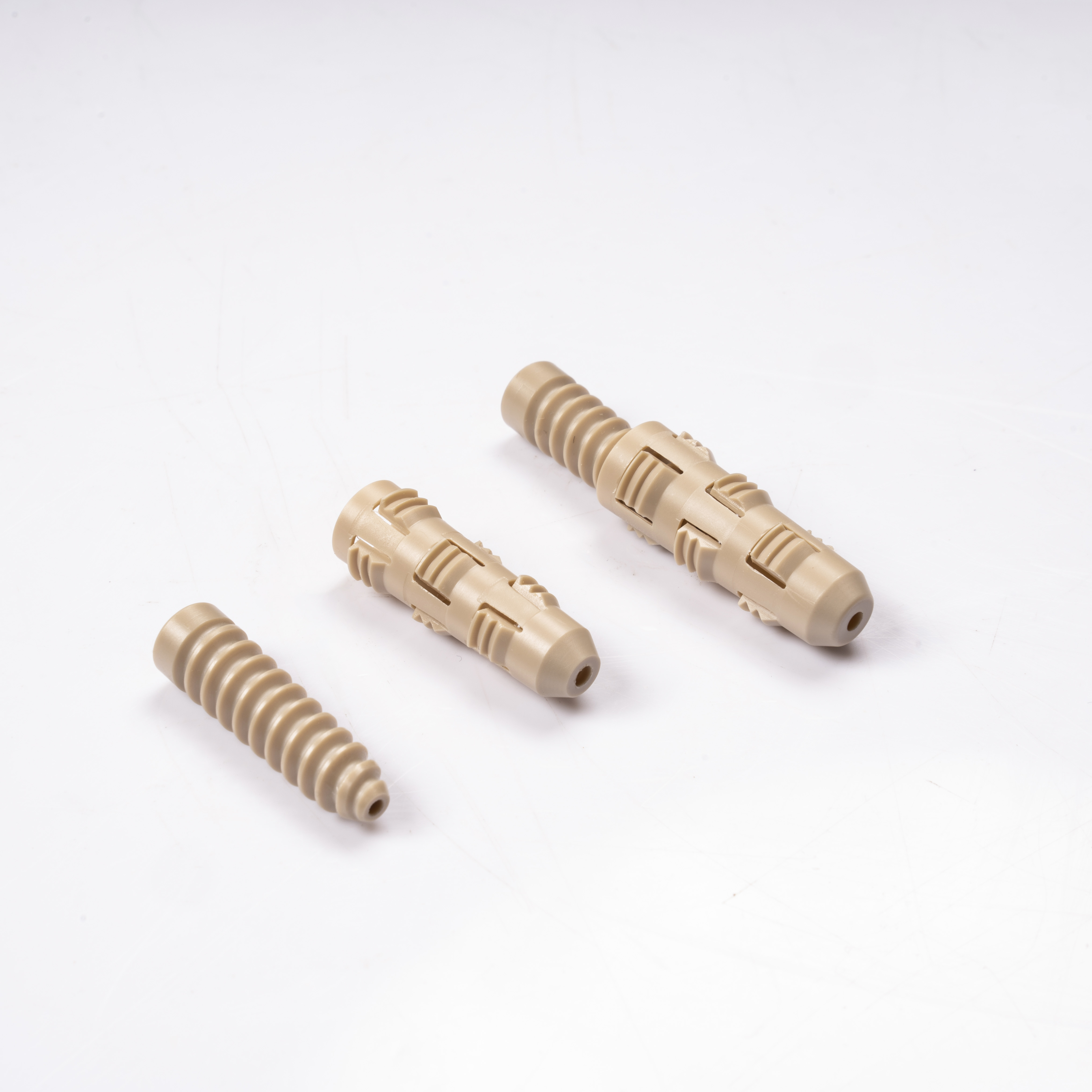
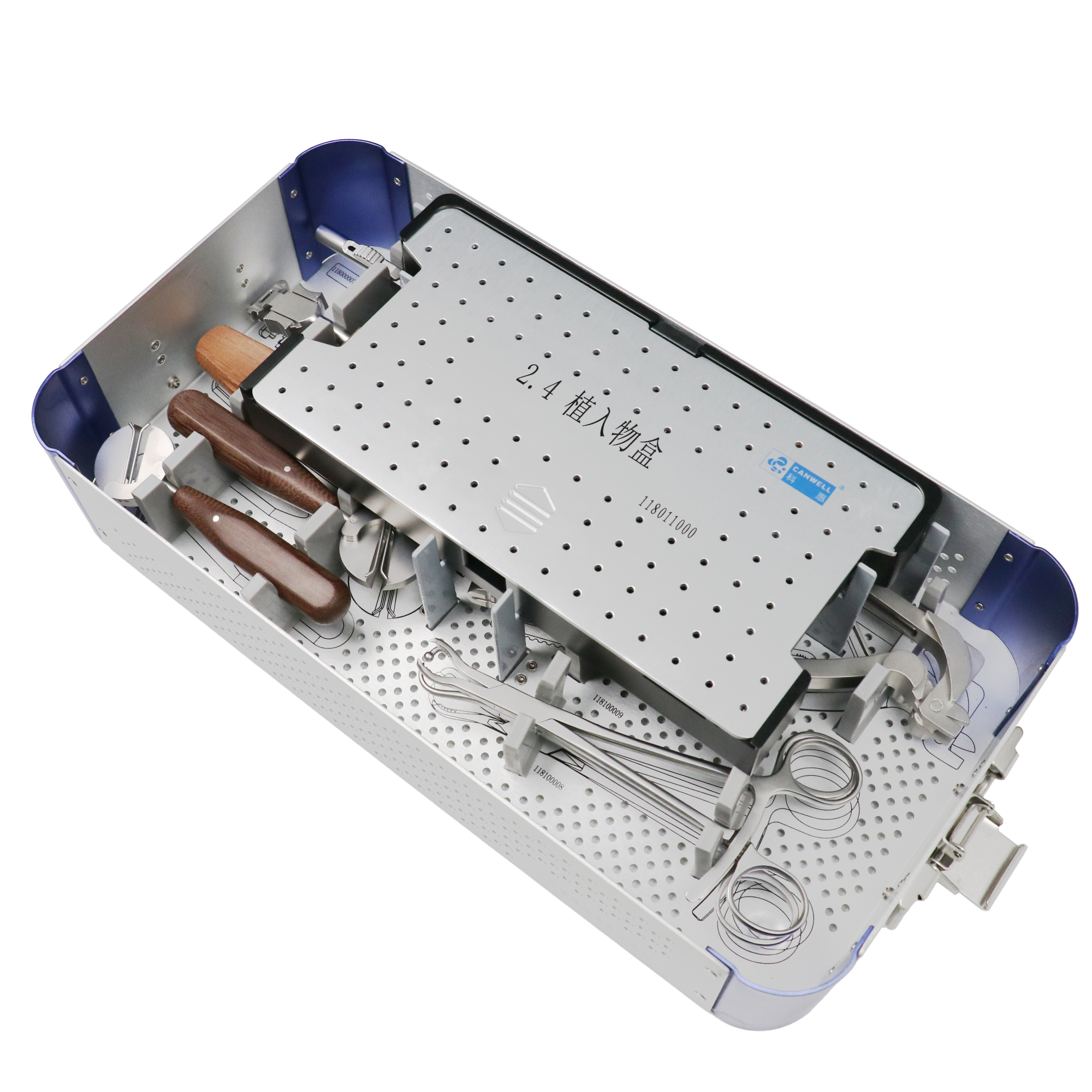
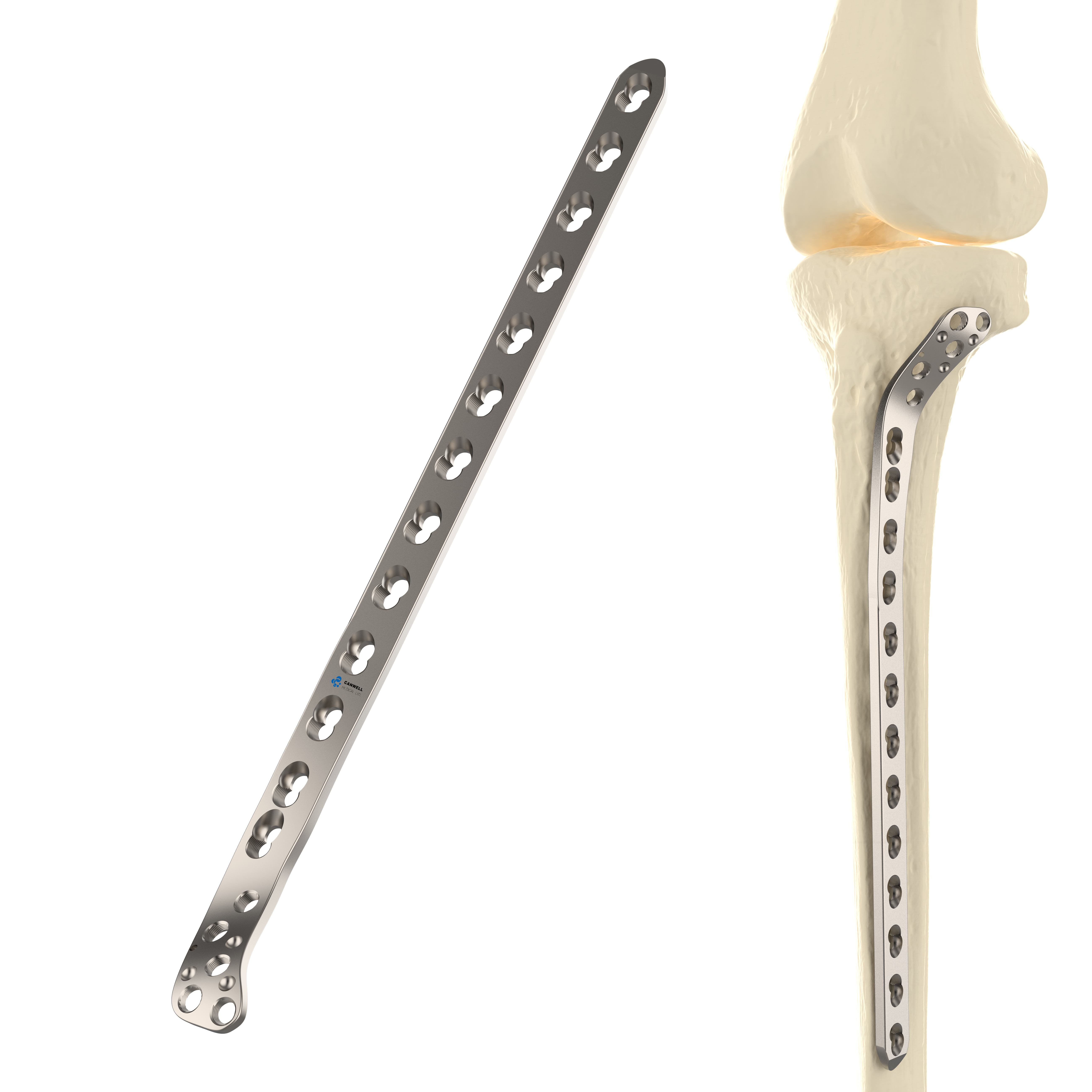
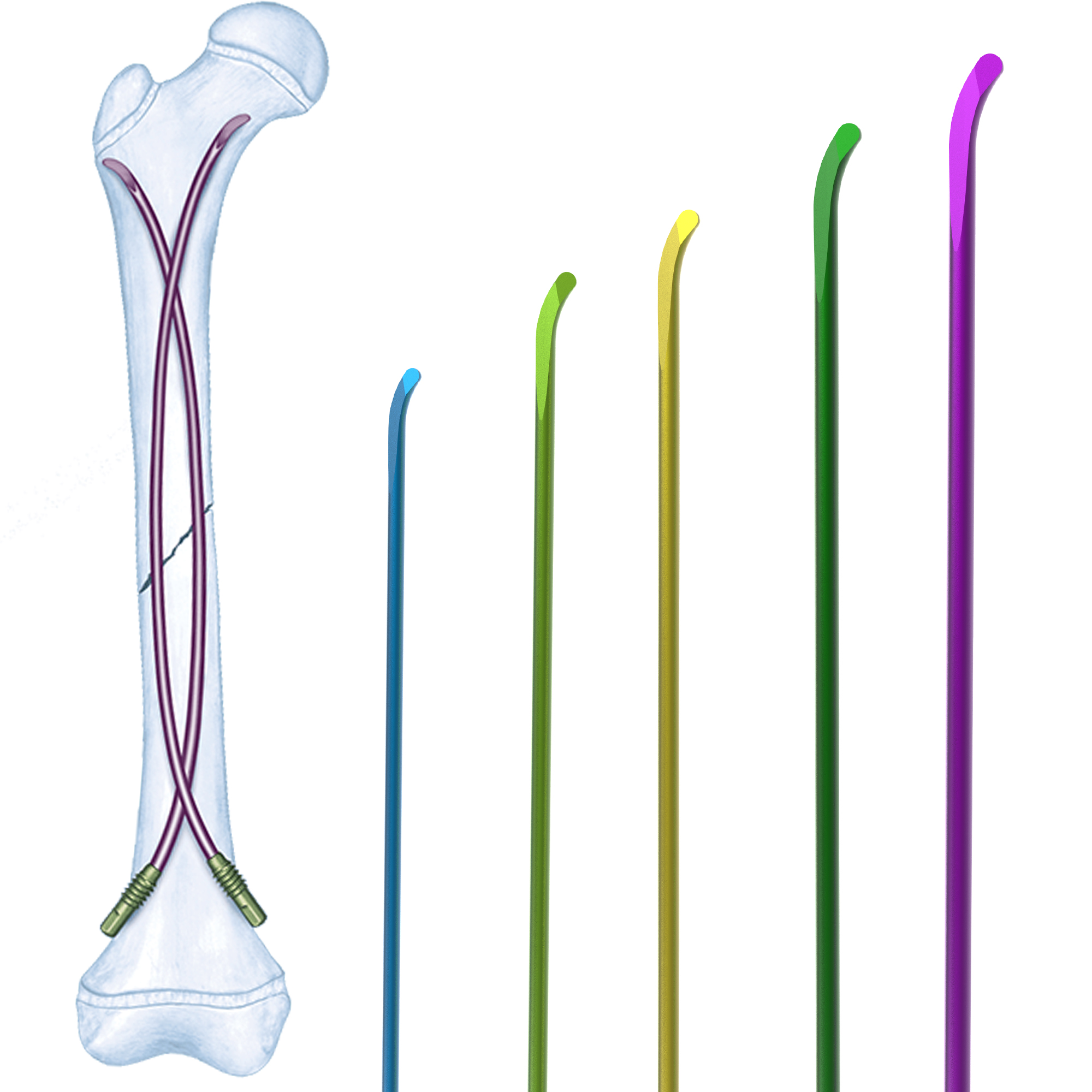
Surgical-Grade Portfolio
Featured Trauma Implants & Specialized Instrumentation
Manufactured inside our SGS-audited 29,523 m² facility under ISO 13485 and CE compliance. Every system provides precision biomechanical alignment, rapid intraoperative contouring, and long-term osteosynthesis.
22+
Years Implant Experience
29,523
Floorspace m² Audited
632
Skilled Technical Staff
100%
Traceable OQC Testing
Biomechanical Engineering
Biomechanics of Calcaneal Plates: Anatomical Fixation & Joint Reconstruction
Reconstruction of the calcaneus demands superior mechanical stability against cyclic heel-strike loads while preventing soft tissue impingement around the thin lateral hindfoot integument.
The human calcaneus is a spongy osseous structure with a thin cortical shell, subjected to severe axial, torsional, and bending moments during the gait cycle. Fractures of the os calcis account for roughly 60% of all tarsal injuries, with up to 75% being intra-articular disruptions involving the subtalar joint. As an established OEM/ODM calcaneal plates exporter, our implant architectures are designed to restore two critical diagnostic indices: Böhler’s angle (normally 20° to 40°) and the Angle of Gissane (120° to 145°). When untreated or fixed with sub-rigid constructs, loss of calcaneal height, persistent varus malalignment, widening of the heel, and secondary post-traumatic subtalar arthritis inevitably follow.
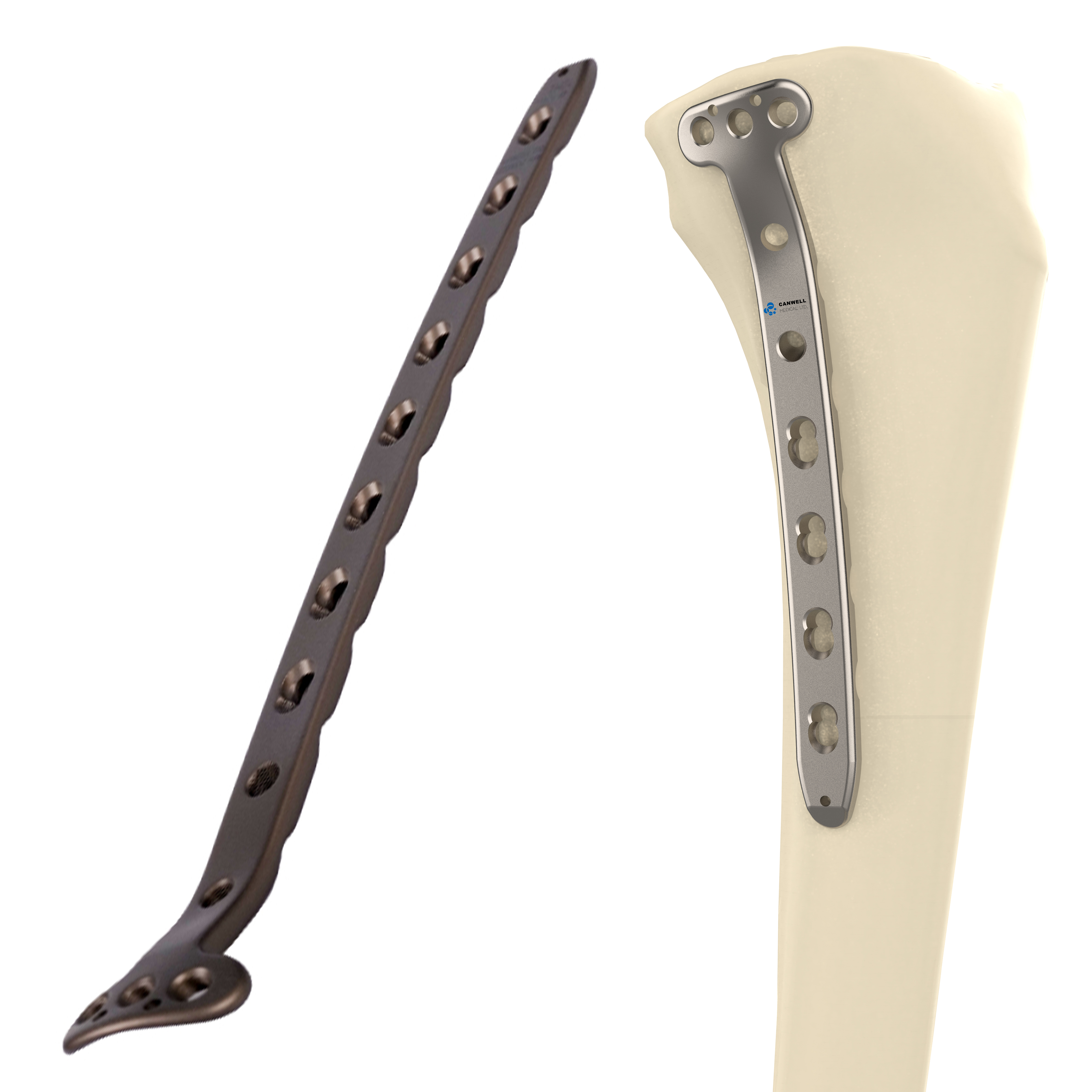
Our precision-machined Ti-6Al-4V ELI (Grade 5, conforming to ISO 5832-3 and ASTM F136) calcaneal perimeter plates utilize a low-profile plate geometry (thickness profiling between 1.3 mm and 1.5 mm). This minimizes tension over the peroneal tendons, sural nerve branches, and the lateral calcaneal artery envelope. Screw clusters within the anterior process, subchondral sustentacular shelf, and posterior tuberosity create a stable triangular internal truss. By directing locking screws into the constant sustentaculum tali fragment—dense cortical bone that rarely comminutes even in Sanders Type III and IV fractures—our implants allow secure subchondral raft support, preserving the posterior facet without loss of primary reduction.
Low-Profile Sinus Tarsi Arrays
Specifically contoured for minimally invasive sinus tarsi approaches. Limits surgical wound dehiscence and devascularization while facilitating precise posterior facet reduction.
Polyaxial Variable-Angle Locking
Allows screw angulation up to ±15° off-axis. Surgeons can target erratic sustentaculum tali bone bridges and capture comminuted anterior fragments without plate deformation.
Cyclic Heel-Strike Fatigue Threshold
Bench-tested beyond 1.2 million dynamic loading cycles at 1,500 N load amplitudes, mirroring active physiologic weight recovery prior to full osseous bridging.
| Parameter | INAR Titanium Calcaneal System | Conventional 316L Calcaneal Plates | Clinical Advantage for Taunggyi Surgical Centers |
|---|---|---|---|
| Raw Material Standard | Ti-6Al-4V ELI (ISO 5832-3 / ASTM F136) | Stainless Steel 316L (ISO 5832-1) | Higher strength-to-weight ratio; minimizes soft-tissue load and allergic reactivity. |
| Profile Thickness | 1.3 mm – 1.5 mm Tapered Edge | 2.0 mm – 2.5 mm Uniform | Drastically lowers skin breakdown rate along the thin lateral hindfoot tissue. |
| Screw System Options | 2.7 mm / 3.5 mm Multi-Directional Locking & Cortex | 3.5 mm Standard Mono-directional | Flexibility in anchoring dense subchondral rafts beneath the collapsed posterior facet. |
| Surface Passivation | Type II Anodization + Ultrasonic Degreasing | Standard Chemical Pickling | Reduces cold-welding risk between screw head and plate; improves corrosion resistance. |
| Imaging Artifact Profile | Minimal CT / MRI blooming artifact | Substantial radiographic distortion | Facilitates clear post-op radiological review of subtalar joint articular congruency. |
Localized Clinical Setting
Clinical Application Scenarios in Taunggyi & Southern Shan State
Addressing high-energy axial hindfoot trauma across Myanmar's highland topography with robust, adaptable fixation solutions.
Taunggyi, situated at an elevation exceeding 1,400 meters on the Shan Plateau, represents the primary medical referral hub for Southern Shan State. The geographic profile—steep limestone hills, intensive upland agriculture (tea, cheroot leaves, coffee), expanding regional infrastructure projects, and widespread motorcycle transit along winding mountain roads—creates an epidemiological cluster of severe musculoskeletal trauma. Intra-articular calcaneus fractures resulting from high-impact axial decelerations (falls from heights, terrace agricultural accidents, and high-velocity motorcycle spills) are among the most debilitating injuries presented at tertiary trauma units such as Sao San Htun Hospital and regional private surgical facilities.
Orthopedic surgeons in Taunggyi face unique clinical hurdles:
Delayed Surgical Presentation
Patients traveling from remote townships (e.g., Hopong, Hsihseng, Nansang) often arrive 7–14 days post-trauma with severe fracture blister formation, significant tissue edema, and early fibrous consolidation.
Sterilization & Tray Autoclaving Demands
Frequent flash autoclaving across high-throughput regional theaters requires durable medical anodizing and corrosion-resistant laser passivation to maintain legibility of size and gauge markers.
Soft-Tissue Complication Prevention
Extensile lateral incisions carry high flap-necrosis rates under warm, humid seasonal conditions. Our low-profile plates support the sinus tarsi approach to safeguard lateral calcaneal blood supply.
Regional Market Evolution
Market Trends: Decentralization of Trauma Care in Shan State
Analyzing procurement transitions from Yangon/Mandalay central distributors toward direct regional sourcing and specialized surgical solutions.
Historically, hospitals and specialized clinics across Shan State relied on sub-tier medical distributors based in Yangon or Mandalay, incurring substantial logistics delays, currency exchange penalties, and inconsistent implant availability. However, over the past five years, a noticeable transformation has swept Myanmar’s orthopedic procurement landscape:
- Expansion of Regional Trauma Centers: Secondary and tertiary health institutions in Taunggyi are expanding their elective and emergency trauma surgeries, reducing transfers to Mandalay General Hospital. This shift requires self-contained implant reserves, particularly calcaneal, tibial, and femoral systems.
- Transition from Stainless Steel to Titanium: While legacy 316L plates once dominated tenders due to lower unit costs, regional clinical leaders in Shan State now actively specify Grade 5 Titanium locking systems to reduce chronic infection rates and avoid secondary hardware removal procedures.
- Demand for OEM/ODM Direct Consignment: Regional purchasing syndicates and hospital networks are bypassing multiple middle layers to contract directly with qualified manufacturers who can provide customized graphic trays, dual-language instrument catalogs, and custom screw rack configurations.
Direct Route Logistics
Streamlined clearance pathways from Zhejiang manufacturing hubs directly through Yangon Port and regional air corridors to Taunggyi.
Sterile Pack Readiness
Growing adoption of peel-pouch sterile gamma-irradiated packaging to alleviate regional hospital sterilization burdens.
Cost-Performance Shift
Replacing high-cost Western imports with CE MDR-certified alternatives that meet identical mechanical benchmarks at competitive pricing.
Modular Tray Kits
Consolidated hindfoot and ankle fracture sets, reducing the overall capital burden for community clinics across Shan State.
Manufacturing Infrastructure
Zhejiang INAR Medical: 22+ Years of Production Rigor
Fully integrated in-house production covering every step from raw titanium bar stock to cleanroom aseptic packaging. Nothing critical is outsourced.
Headquartered in Jinhua, Zhejiang, China, Zhejiang INAR Medical Co., Ltd. operates across a sprawling 29,523 m² facility supported by 632 specialized employees. As an SGS onsite-verified manufacturer, our facility holds credentials under the EU MDR and the Medical Device Directive 93/42/EEC. With over a decade of direct B2B export expertise, we supply trauma locking plates, intramedullary nails, spinal fixation constructs, and sports medicine devices to hospital suppliers worldwide.
Phase 01
Material Inception
Direct sourcing of medical-grade titanium and PEEK stock with certified mill test reports.
Phase 02
Multi-Axis CNC
Swiss-type turning and 5-axis machining centers achieving ±0.005 mm contour precision.
Phase 03
Surface & Anodizing
Ultrasonic cleaning stages, bead blasting, and Type II anodized color coding.
Phase 04
Penetrant & OQC
Fluorescent penetrant inspection to identify micro-fractures, followed by 100% CMM verification.
Phase 05
Aseptic Packaging
Packaging in an ISO Class cleanroom with full lot traceability documentation.
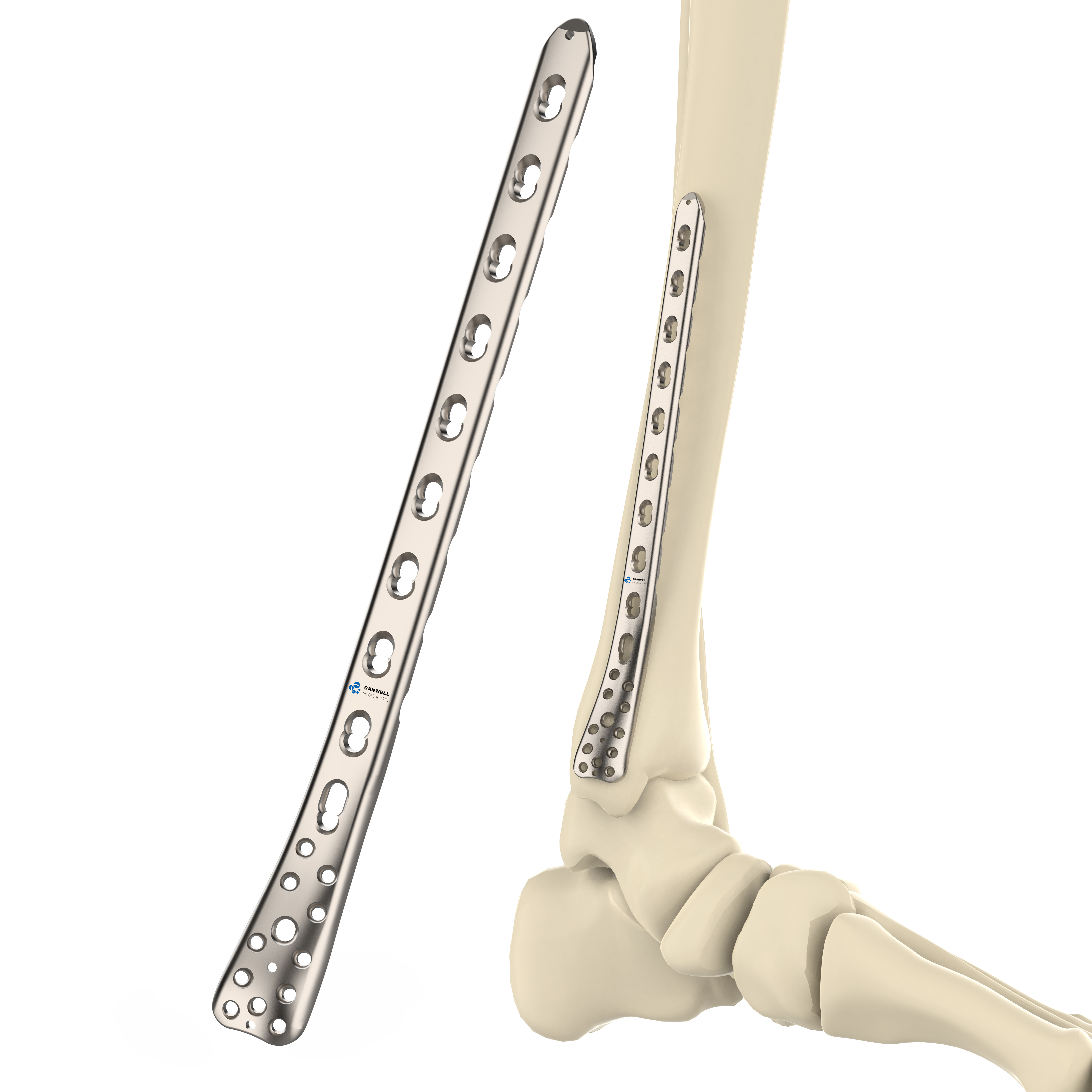
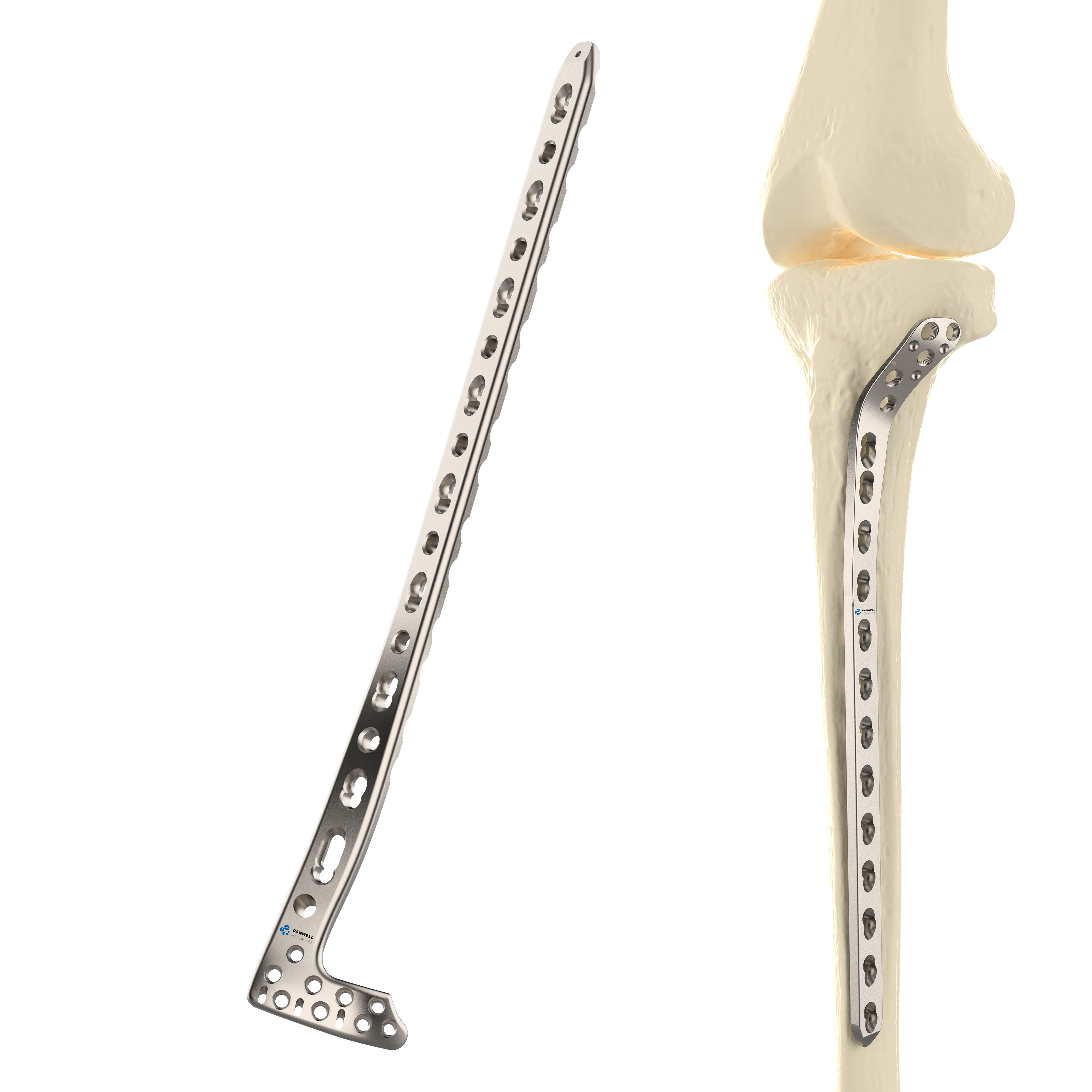
Our in-house biomechanical testing laboratory operates dynamic endurance fatigue testers, torsional screw analyzers, and accelerated packaging aging chambers. Each batch of calcaneal and distal tibial locking plates destined for export undergoes continuous cycle testing to ensure that sudden physiological overloads never compromise patient healing.
Procurement & Regulatory FAQ
Frequently Asked Questions by Myanmar Procurement Teams
Addressing regulatory dossiers, shipping timelines to Shan State, custom OEM options, and payment structures.
What documentation is provided for Myanmar FDA registration?
We provide full technical dossier support for local distributors submitting applications to the Myanmar Department of Food and Drug Administration (FDA). This includes CE Certificates (MDR / 93/42/EEC), ISO 13485:2016 quality system audit reports, Certificates of Free Sale (CFS), declarations of conformity, biocompatibility reports (ISO 10993 series), and validated surgical technique manuals.
What is the typical transit duration and routing into Taunggyi?
Consignments can be routed via air freight from Shanghai/Guangzhou to Yangon International Airport (RGN) or Mandalay International Airport (MDL), typically taking 3 to 7 business days, followed by domestic logistics up to Taunggyi. For container-load volume procurement, ocean freight to Yangon Port (Asia World / MITT) takes approximately 18 to 25 days, followed by inland bonded transit to Shan State.
Do you support small Minimum Order Quantities (MOQs) for trial sets?
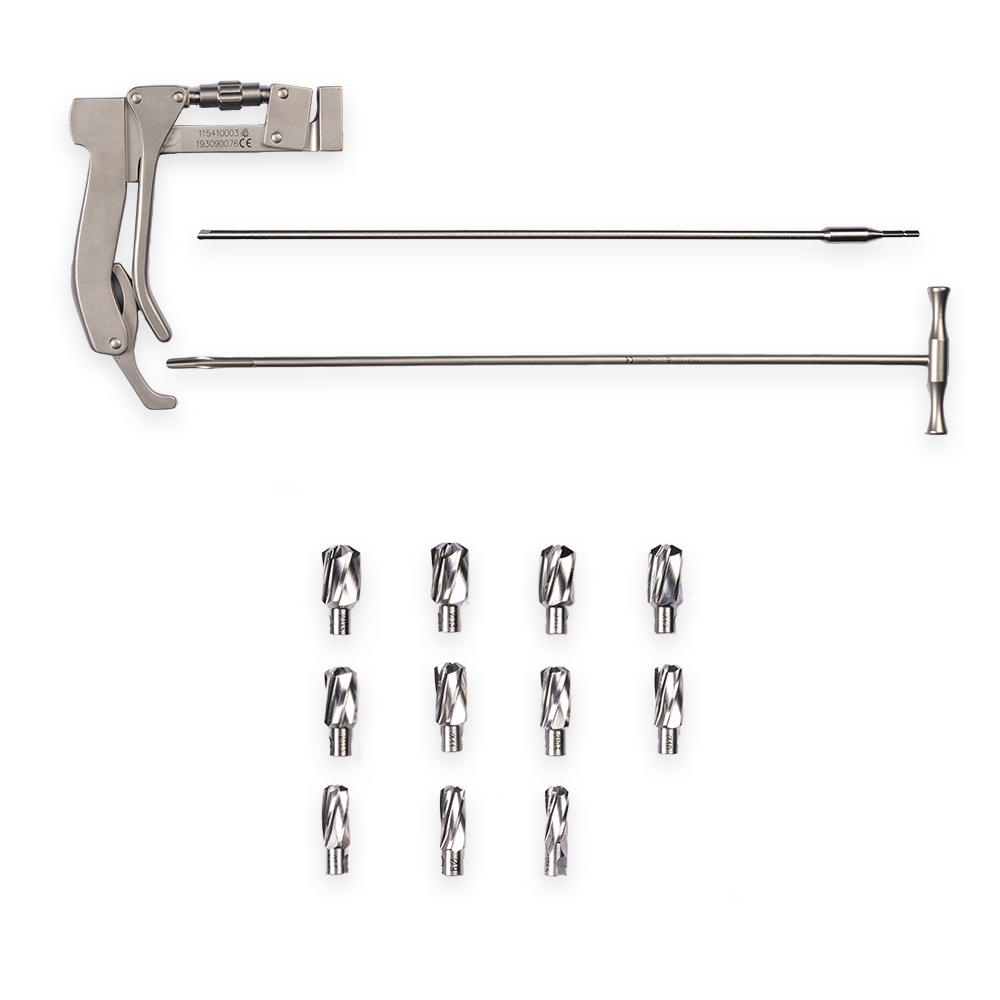
Yes. We recognize that healthcare centers in secondary hubs like Taunggyi often require evaluation kits before committing to large inventory consignments. We support low-threshold starter kits combining calcaneal plates, distal tibial plates, and matching 2.7 mm / 3.5 mm self-tapping locking and cortex screws in dedicated sterilization containers.
Can you provide private label laser marking and customized tray layouts?
Yes. Our comprehensive OEM/ODM service includes fiber-laser engraving of distributor brand marks, lot batch tracking codes, and plate size designations. We also design and fabricate hard-anodized aluminum or PPSU autoclave sterilization trays with custom tool placements tailored to your local surgical preferences.
Are plates supplied sterile or non-sterile for hospital autoclaving?
We provide both options. Non-sterile plates and screws are packed in protective cleanroom polyethylene pouches suitable for loading into autoclave trays. Alternatively, we supply single-use gamma-sterilized double-blister Tyvek packaging with a 5-year shelf-life stability rating, widely favored by private operating suites.
What payment mechanisms are standard for buyers in Myanmar?
We accommodate international B2B settlement mechanisms including irrevocable Letters of Credit (L/C at sight) and Telegraphic Transfers (T/T). For authorized long-term distributor partners in Southeast Asia, flexible milestone payment schedules tied to manufacturing progress and shipment inspection reports can be arranged.
Partner with a Certified Orthopedic Implant Manufacturer
Equip your regional hospital distribution networks across Taunggyi and Shan State with precision-engineered calcaneal, distal tibial, and trauma reconstruction systems. Access direct factory pricing, comprehensive technical dossiers, and reliable OEM/ODM support.