Orthopedic Trauma
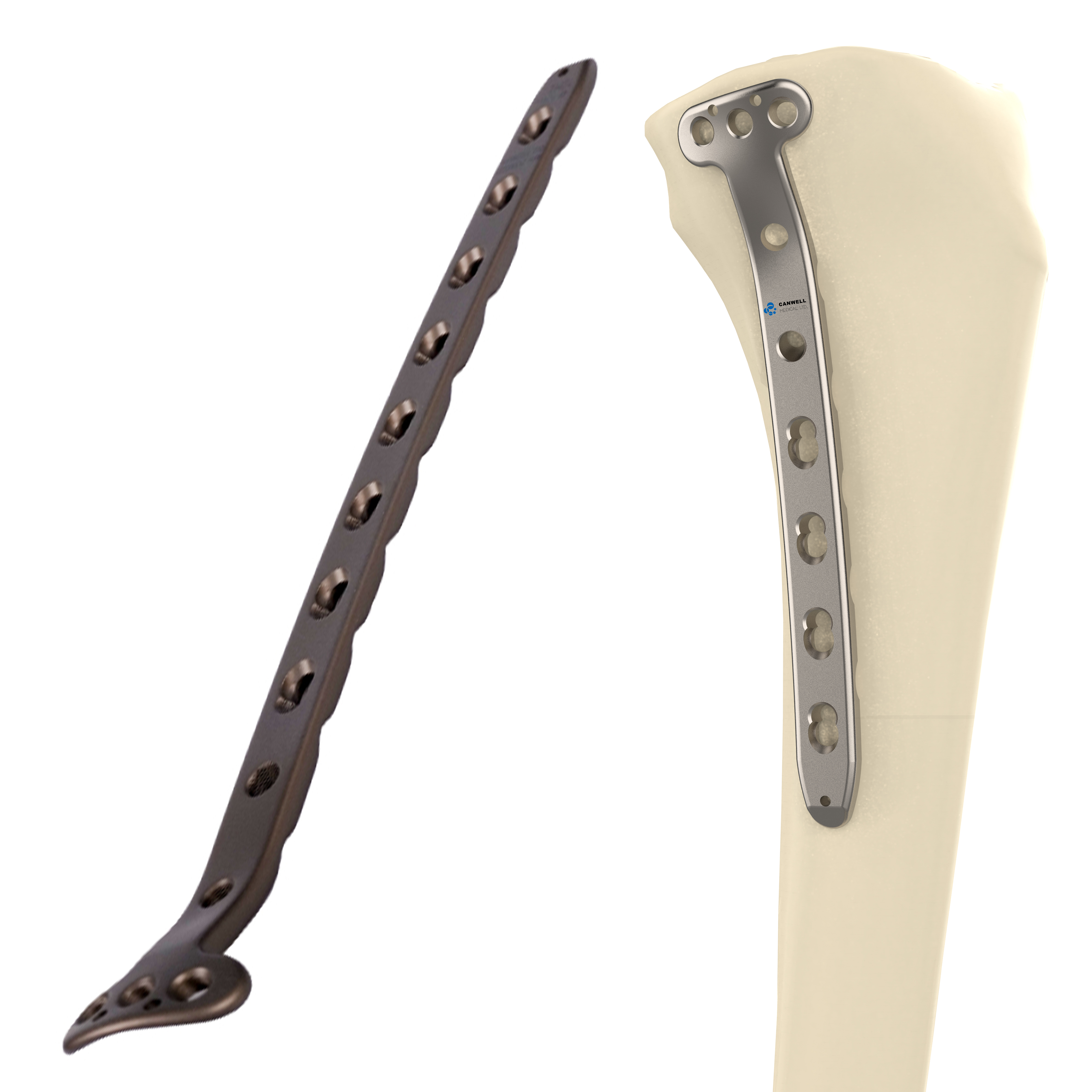
Engineered in ISO 13485 certified facilities with full technical dossiers (DMR/DHF) supporting seamless ARCSA compliance and hospital procurement throughout Ecuador.
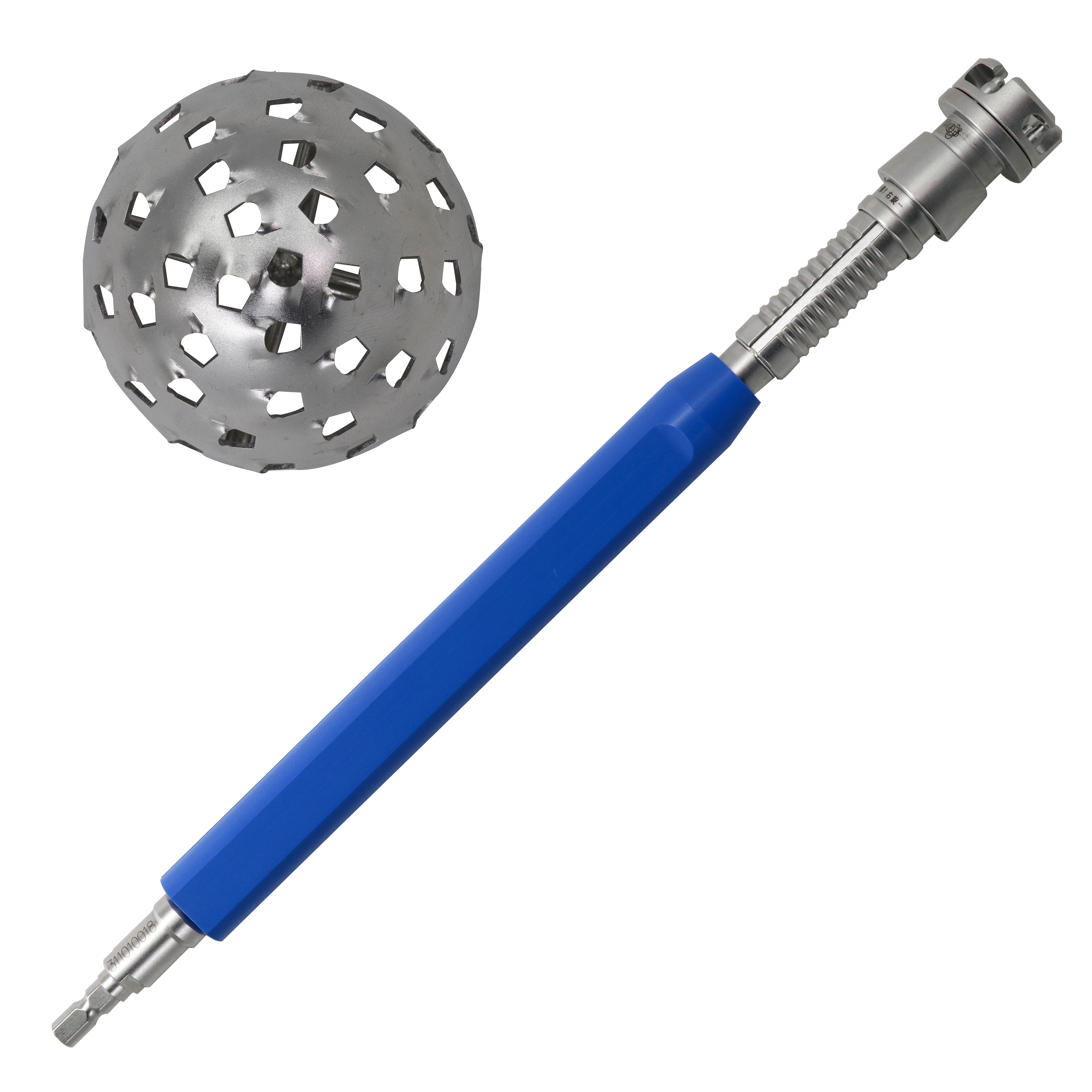
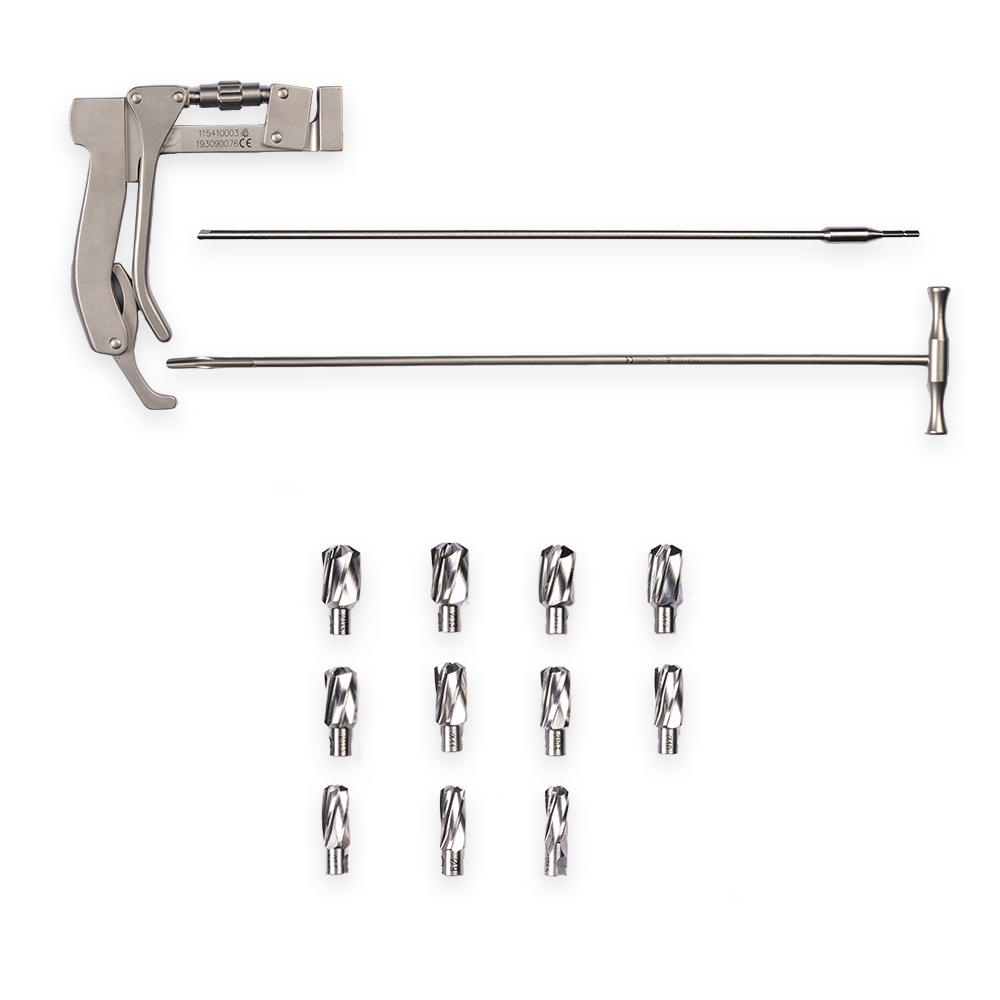
Looking for bespoke Kyphoplasty balloon sizes, radiopaque markers, or custom sterile procedural kits for Machala distributors?
Contact UsPercutaneous Kyphoplasty (PKP) represents a pivotal intervention in modern minimally invasive spine surgery (MISS), specifically engineered to treat osteoporotic vertebral compression fractures (OVCF), primary or metastatic osteolytic spinal tumors, and selected traumatic fractures. Unlike conventional vertebroplasty, which depends strictly on high-pressure cement infiltration into intact trabecular microstructures, PKP incorporates a high-pressure balloon catheter (kyphoplasty balloon) to mechanically restore collapsed vertebral body height, reduce local kyphotic Cobb angles, and create a controlled, low-pressure pre-formed void for polymethylmethacrylate (PMMA) bone cement containment.
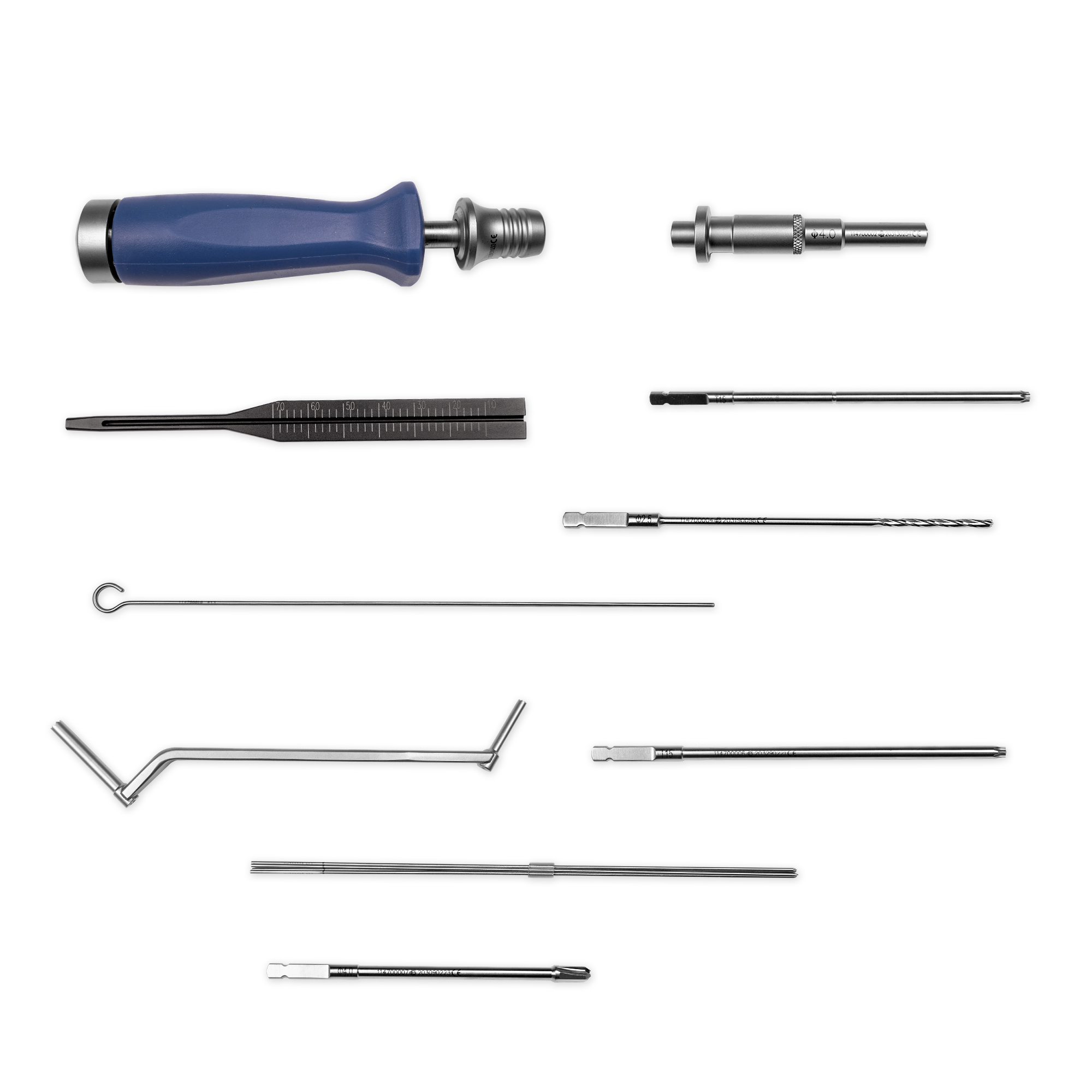
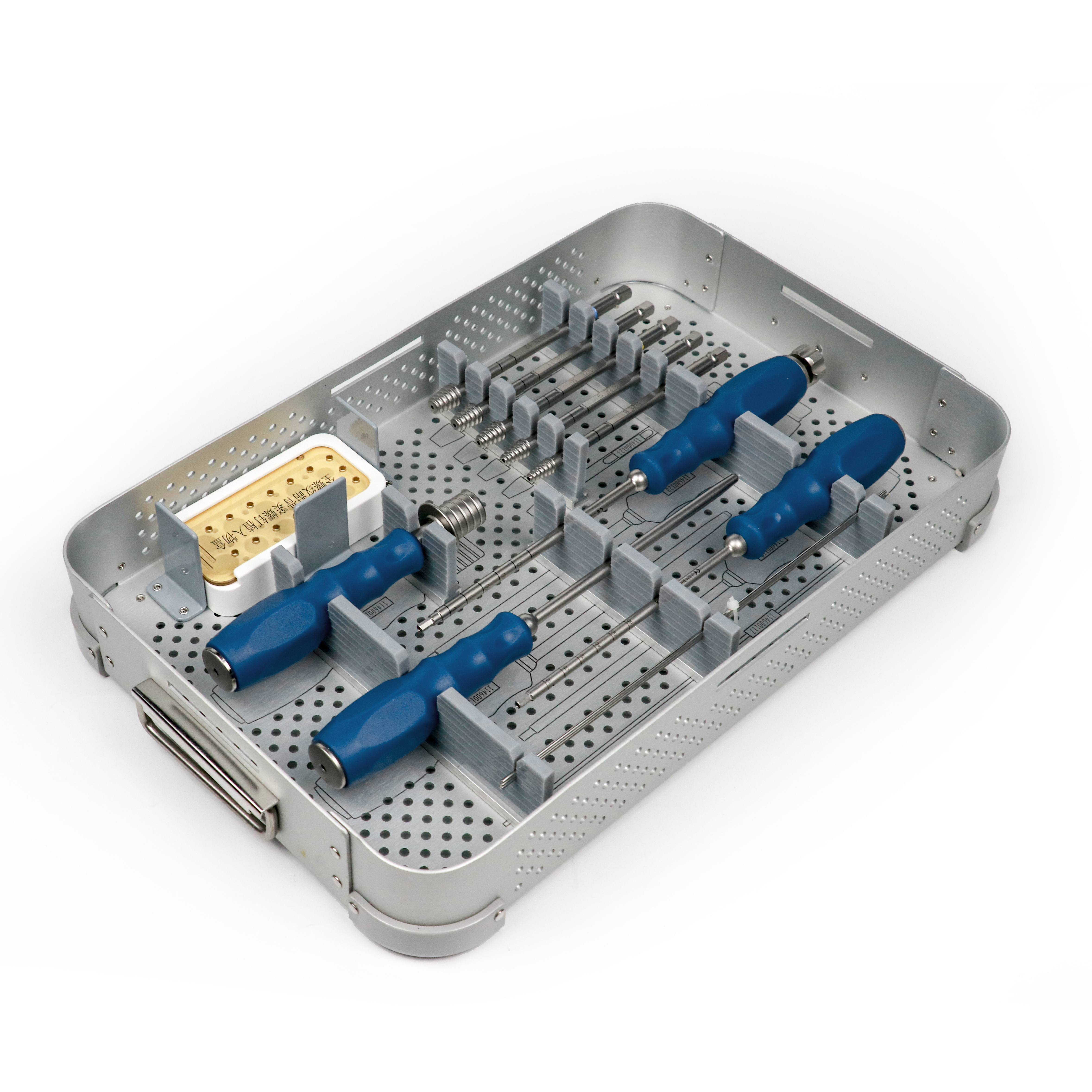
Our OEM/ODM manufacturing protocols prioritize the dimensional precision and material integrity of every critical instrument inside the kit: 1. Access Cannula & Trocar Needle System: Manufactured from medical-grade 304/316L stainless steel with bevel-ground diamond or pyramidal tips, ensuring minimal bone cortical deflection during transpedicular or extrapedicular approaches under fluoroscopic guidance. 2. High-Pressure Balloon Catheter: Fabricated from non-compliant biocompatible thermoplastic polyurethane or PET, delivering burst pressures exceeding 30 atm (440 psi) while featuring dual radiopaque platinum-iridium markers at proximal and distal shoulders for millimetric localization. 3. Mechanical Hydraulic Inflator: Calibrated with high-precision analog or digital pressure gauges and graduated liquid delivery chambers (up to 30 atm), enabling surgeons to monitor volume injection and internal pressure during balloon expansion. 4. High-Viscosity Bone Cement Injection Cannulae: Designed with screw-driven or hydraulic plungers, allowing steady delivery of high-viscosity PMMA at temperatures between 18°C and 24°C, drastically lowering the risk of monomer thermal necrosis and venous leakage.
Machala, situated along the southern coast of Ecuador as the economic hub of El Oro Province, presents unique clinical and demographic parameters that dictate orthopedic procurement needs. Known as the agricultural center of Ecuador with high-density banana production, shrimp farming, and expanding maritime trade via Puerto Bolívar, Machala's working population experiences intense cumulative biomechanical stress. Heavy manual labor, prolonged axial spine loading, and early degenerative disc and bone disease are prevalent among older agricultural laborers and retired workers.
Key institutions such as Hospital General Teófilo Dávila (HTD) and Hospital IESS Machala address high volumes of elderly osteoporosis patients and agricultural vertebral trauma requiring cost-efficient, single-use sterile PKP instrument kits.
Private institutions like Clínica La Cigüeña and localized neurosurgical practices prefer customized, modular kyphoplasty kits with variable balloon lengths (10mm, 15mm, 20mm) and high-viscosity cement injectors for outpatient and day-surgery procedures.
Machala's tropical coastal climate requires packaging solutions resistant to high humidity and temperatures. Our ethylene oxide (EO) sterile double-blister barrier prevents moisture penetration during shipping via Puerto Bolívar or transit from Guayaquil.
The adoption of minimally invasive spinal technologies across Ecuador, and specifically within the El Oro and Guayas medical corridors, is accelerating rapidly due to three principal structural drivers:
1. Transition to Minimally Invasive Spine Procedures: Ecuadorian spine surgeons are shifting from conservative recumbency protocols and invasive open pedicle-screw fixations to percutaneous kyphoplasty for thoracolumbar fractures (T10–L4). PKP slashes patient bed-rest duration from several weeks to less than 24 hours, freeing up hospital bed capacity at Hospital Teófilo Dávila and mitigating pneumonia and deep vein thrombosis (DVT) risks in geriatric cohorts.
2. Stringent ARCSA Technical Dossier Scrutiny: The Agencia Nacional de Regulación, Control y Vigilancia Sanitaria (ARCSA) requires thorough technical files for Class IIb and Class III medical devices. Importers and distributors serving the Machala market cannot work with uncertified workshops. Zhejiang INAR Medical provides complete technical files, biocompatibility test results (ISO 10993), clinical evaluation reports (CER), stability data, and valid CE MDR certificates to streamline sanitary registry approvals.
3. SERCOP Public Procurement Demands: Ecuador's national public procurement platform (Sistema Oficial de Contratación del Estado - SERCOP) demands strict compliance with international manufacturing codes. Bidding contractors in El Oro require OEM manufacturers that can supply standardized sterile kits with laser-etched batch numbering, clear Spanish labelling, and stable supply chains to satisfy tender timelines.
| System Component | Dimensional Range | Material Engineering | Regulatory Standard | Clinical Purpose |
|---|---|---|---|---|
| Kyphoplasty Balloon Catheter | 10mm, 15mm, 20mm (1.5ml – 4.5ml) | Medical TPU / Non-Compliant PET | ISO 10555-1 / CE MDR | Cavity creation & height restoration |
| Bone Access Trocar / Cannula | 10G / 11G / 13G, Length 100–150mm | 316L Stainless Steel / Medical PC | ASTM F899 / ISO 13485 | Transpedicular puncture & guide channel |
| Digital / Mechanical Inflator | Pressure up to 30 atm (440 psi) | Polycarbonate, Brass & NBR Seals | ISO 13485 Cleanroom Class 100K | Precise hydraulic balloon dilation |
| Bone Filler Delivery Cannula | 10G / 11G matching access sleeves | AISI 304 Stainless Steel | ISO 10993 Biocompatibility | Controlled low-pressure PMMA injection |
| MIS Long-Arm Pedicle Screws | Ø4.5mm – Ø7.5mm; 35mm – 55mm | Ti-6Al-4V ELI (Grade 23) | ASTM F136 / CE 93/42/EEC | Percutaneous stabilization of unstable OVCF |
Operating across a modern 29,523 m² production base in Zhejiang, China, Zhejiang INAR Medical Co., Ltd. implements full vertical integration. By handling all steps internally—from raw titanium and stainless steel rod breakdown to CNC Swiss machining, automated ultrasonic cleaning, surface anodization, cleanroom assembly, and packaging—we maintain continuous control over mechanical tolerances and metallurgical consistency.
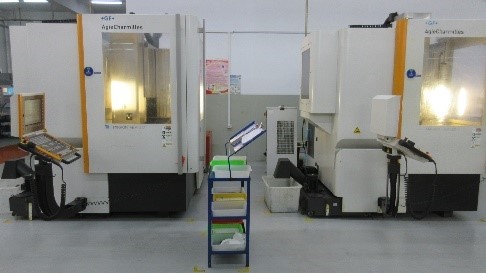
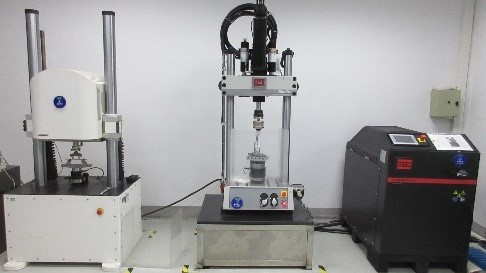
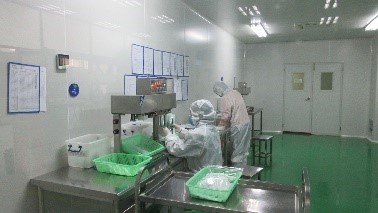
Our manufacturing methodology follows a comprehensive 13-step quality protocol: Every batch of titanium alloy (Ti-6Al-4V ELI) and implantable stainless steel undergo raw material spectroscopic inspection. Access needles and balloon shafts receive surface electropolishing, followed by multi-stage ultrasonic washing in deionized water (conductivity <1.3 µS/cm). Dimensional checks utilize optical video measuring systems and coordinate measuring machines (CMM) with sub-micron resolution. Kyphoplasty balloons undergo 100% burst pressure verification and leakage testing before transfer to the Class 100,000 cleanroom for primary sterile pouch heat-sealing.
Supplying surgical equipment to medical centers across Ecuador requires more than just catalog manufacturing; it requires responsive engineering adaptations and complete commercial reliability:
Private-label laser marking with distributor brand names, custom Spanish sterile label layouts, tailored blister tray designs, and bespoke needle bevel geometries matched to surgeon preference.
We provide full documentation for ARCSA registration, including Free Sale Certificates (CFS/FSC), Declarations of Conformity, ISO 13485 certificates, and detailed biocompatibility test reports.
Flexible shipping routes via air cargo to Guayaquil (GYE - Aeropuerto José Joaquín de Olmedo) with expedited overland transit to Machala, or direct container consolidation to Puerto Bolívar.