Featured Orthopedic Implants & Reconstruction Solutions
Engineered from certified biocompatible Titanium Alloy (Ti-6Al-4V ELI / ASTM F136) and high-grade stainless steel. Standardized for international trauma surgical workflows and available with tailored OEM/ODM dimensional customization for hospital tenders throughout Lao PDR.
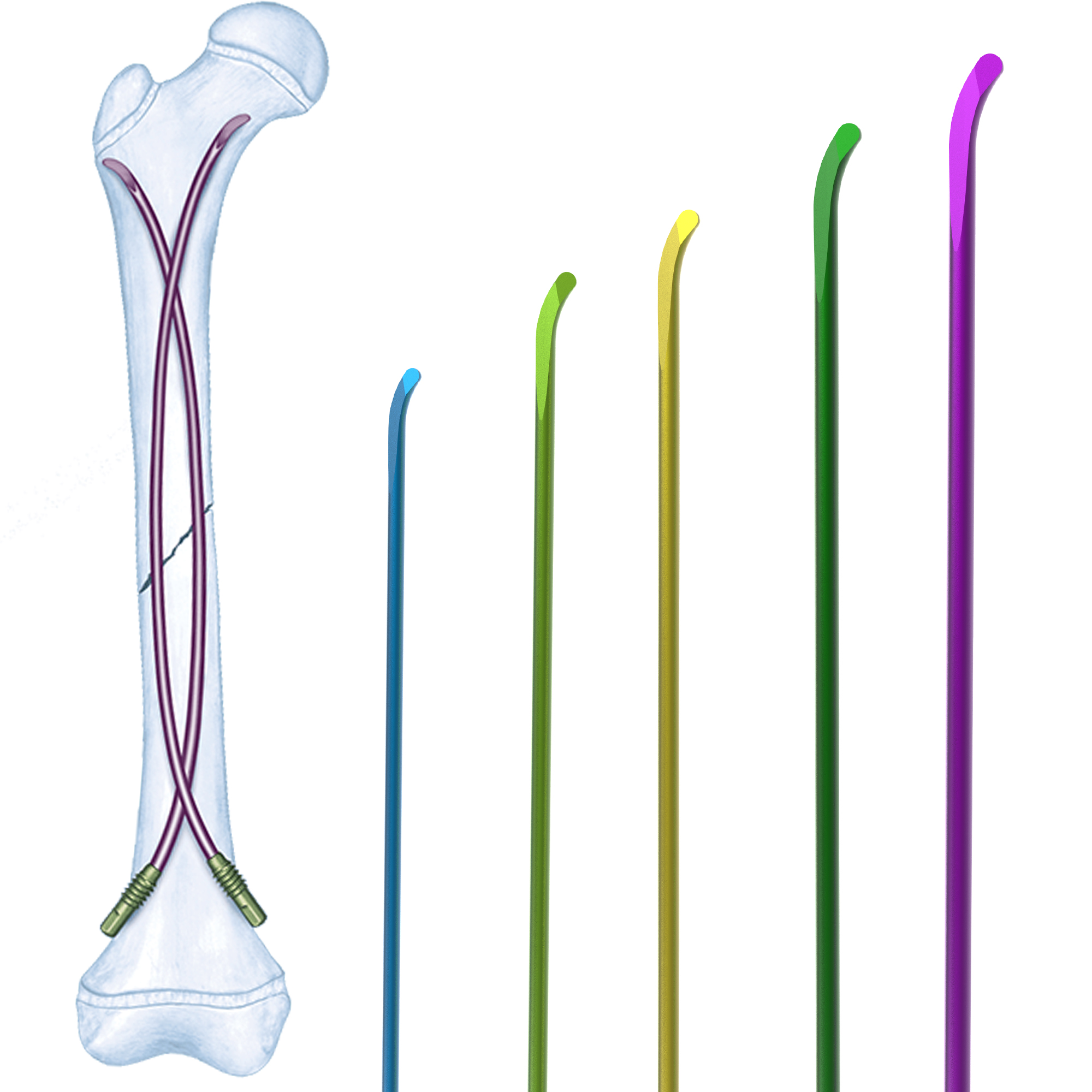
Canwell Titanium Elastic Stable Intramedullary Nail (TEN) Pediatric Implant
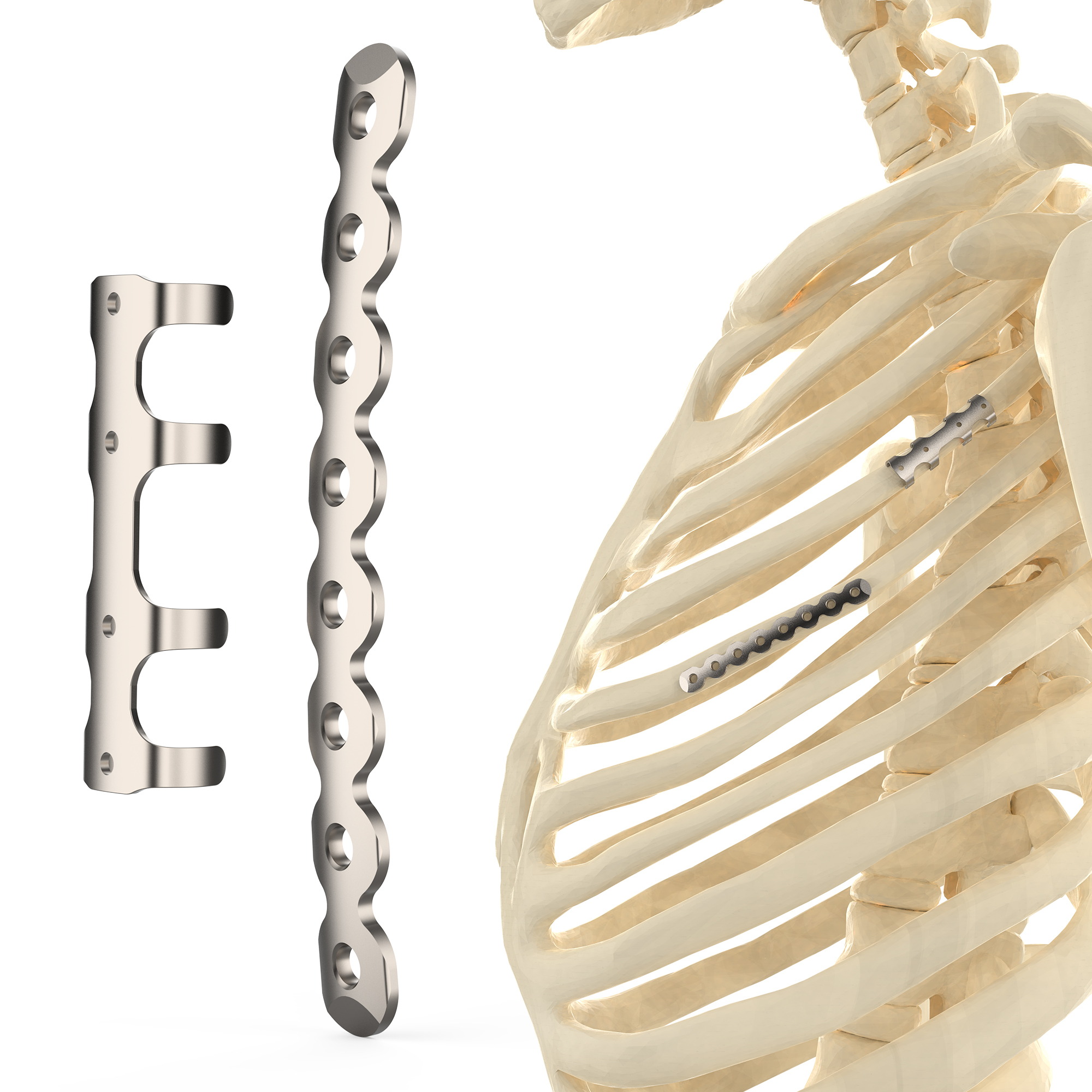
CANWELL Titanium Rib Locking Plate Bone Fixation Trauma Implant CE ISO
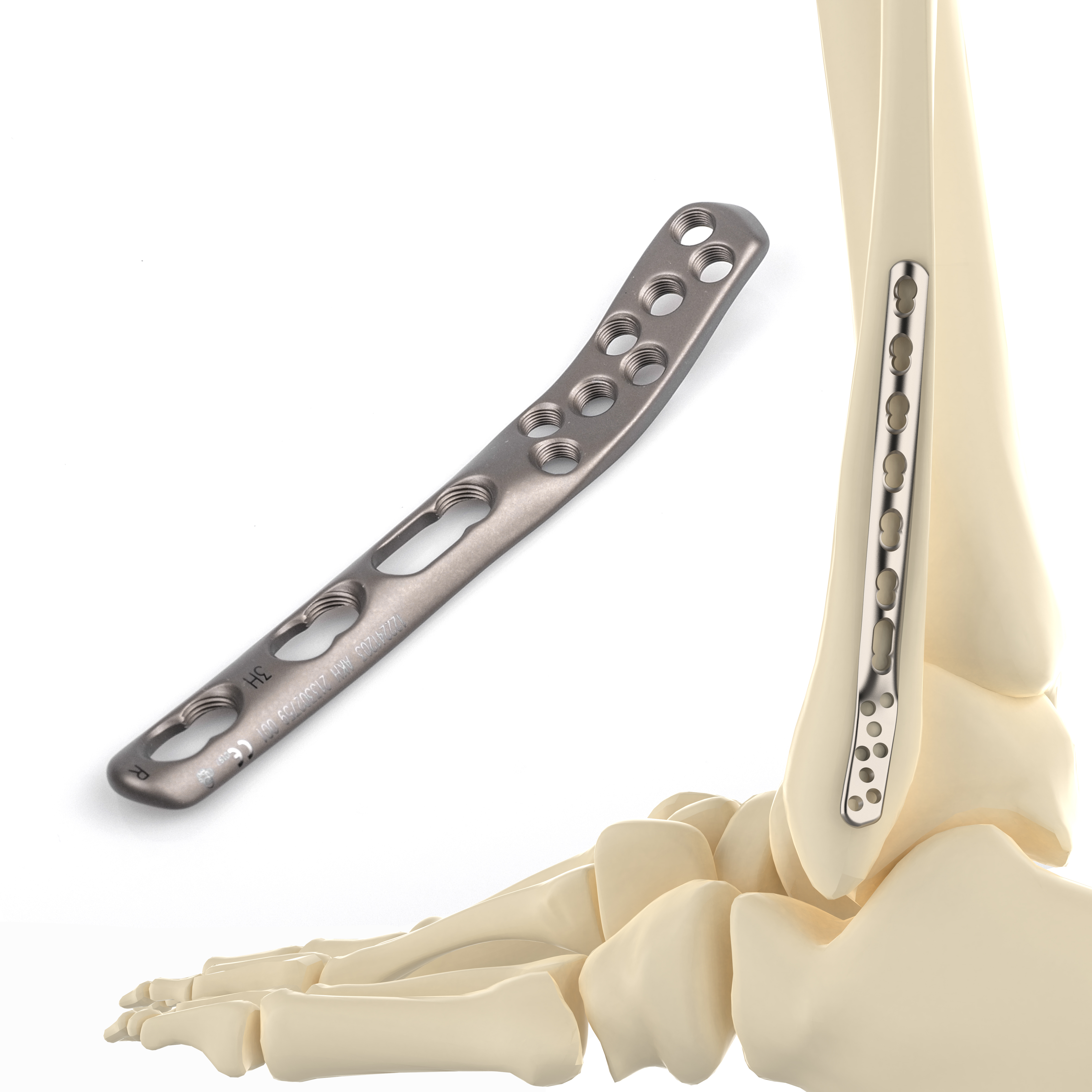
CANWELL Posterolateral Distal Fibula Titanium Locking Plate 2.7/3.5mm
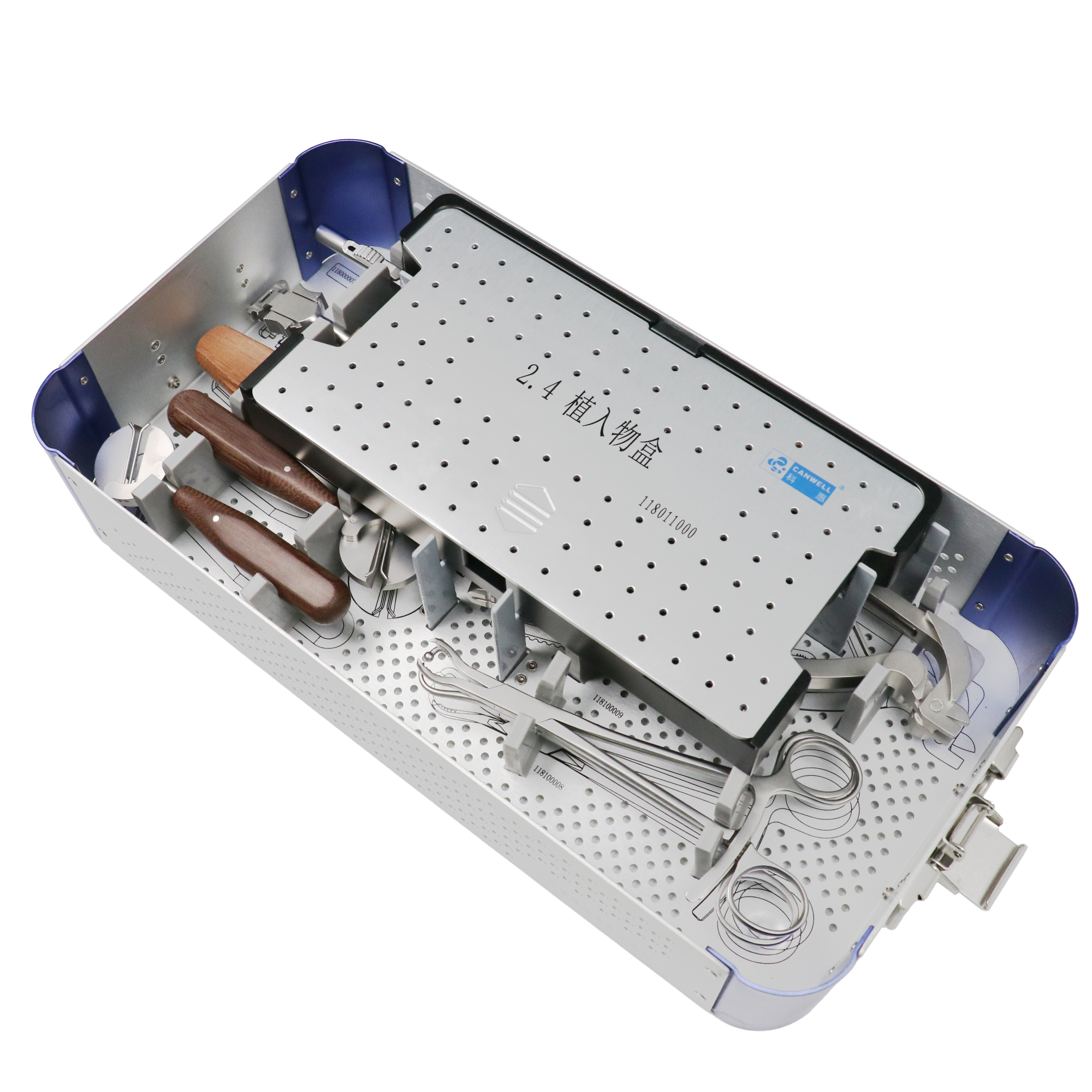
CANWELL Oral and Maxillofacial Surgery Instruments Set & Bone Screwdriver
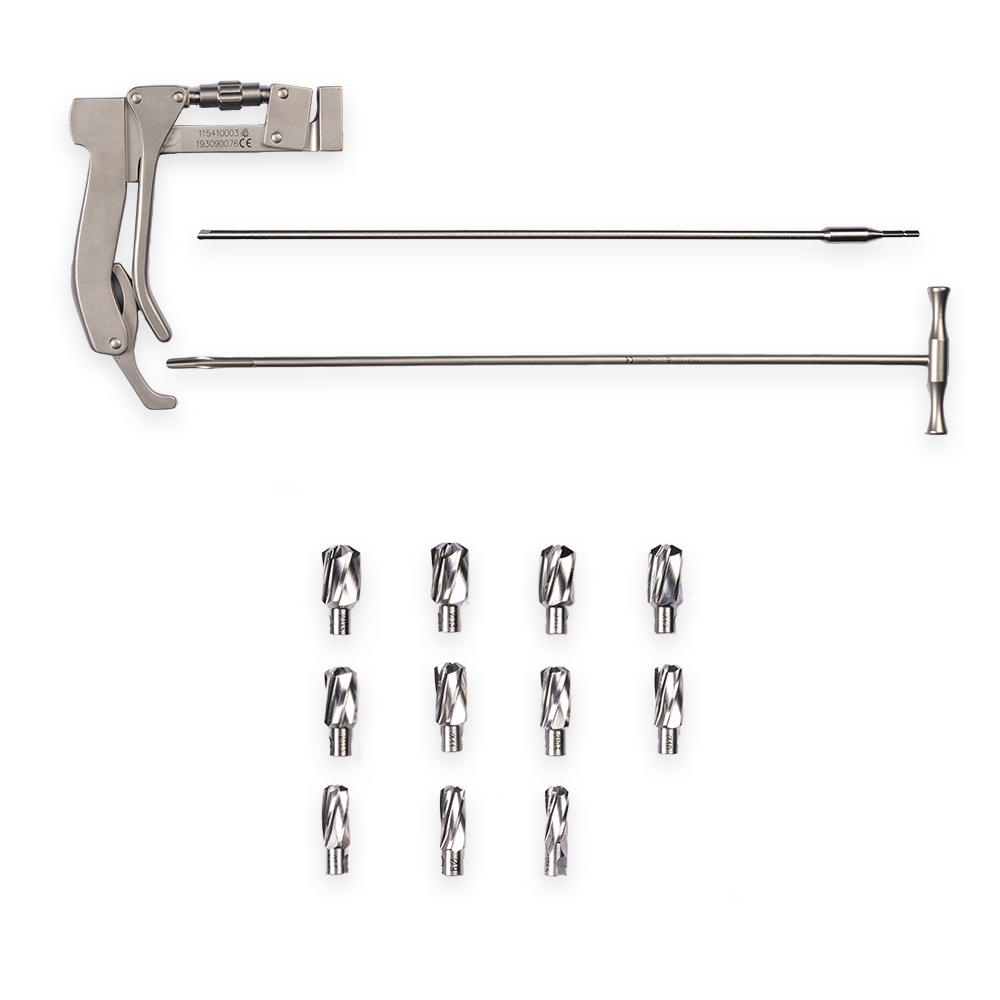
CANWELL Orthopedic Flexible Reamer Set with Modular Reamer Heads
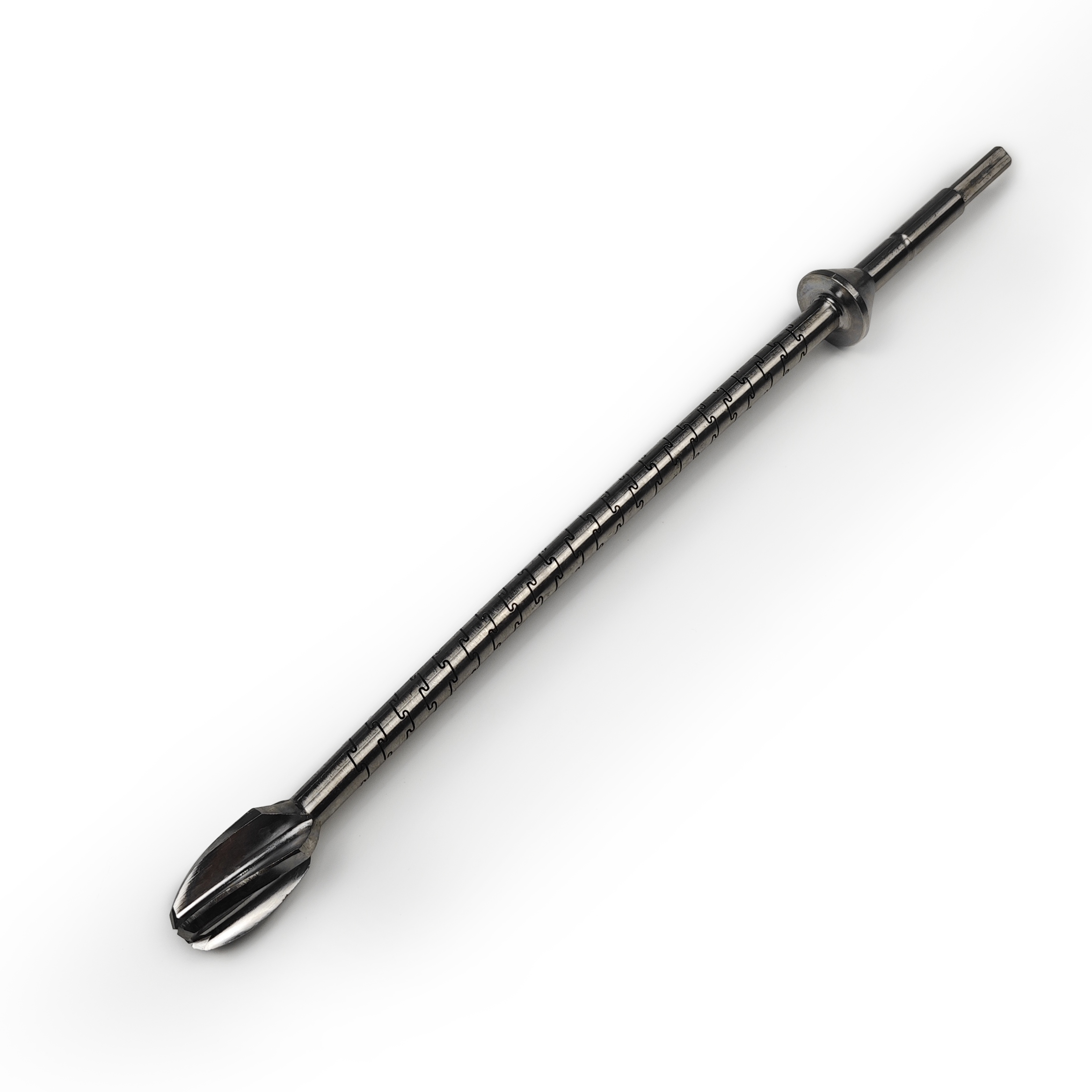
CANWELL Reamer Sterilization Box for Femoral/Tibial Nail Procedures
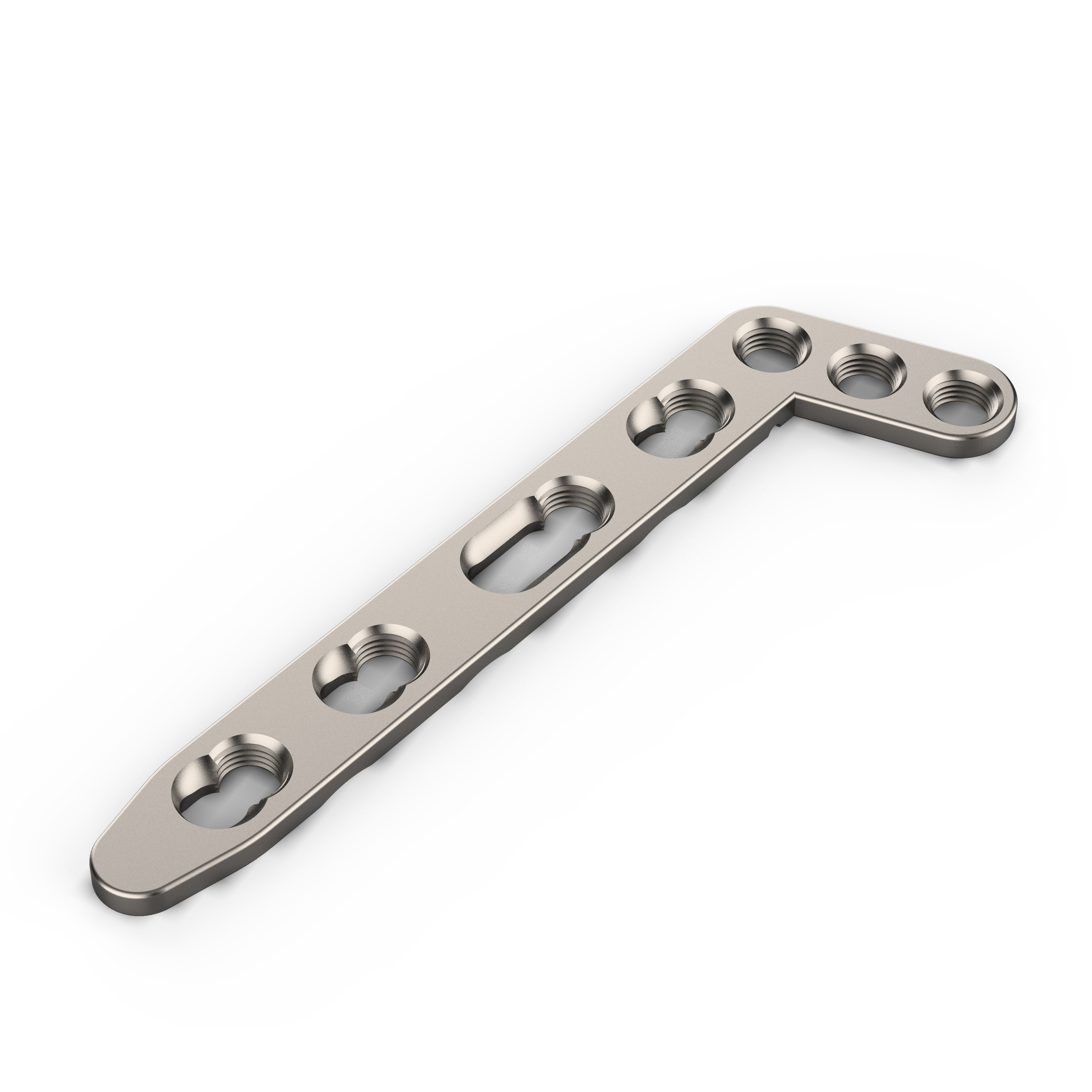
CANWELL Distal Radius Dorsal/Volar Titanium Locking Trauma Plate
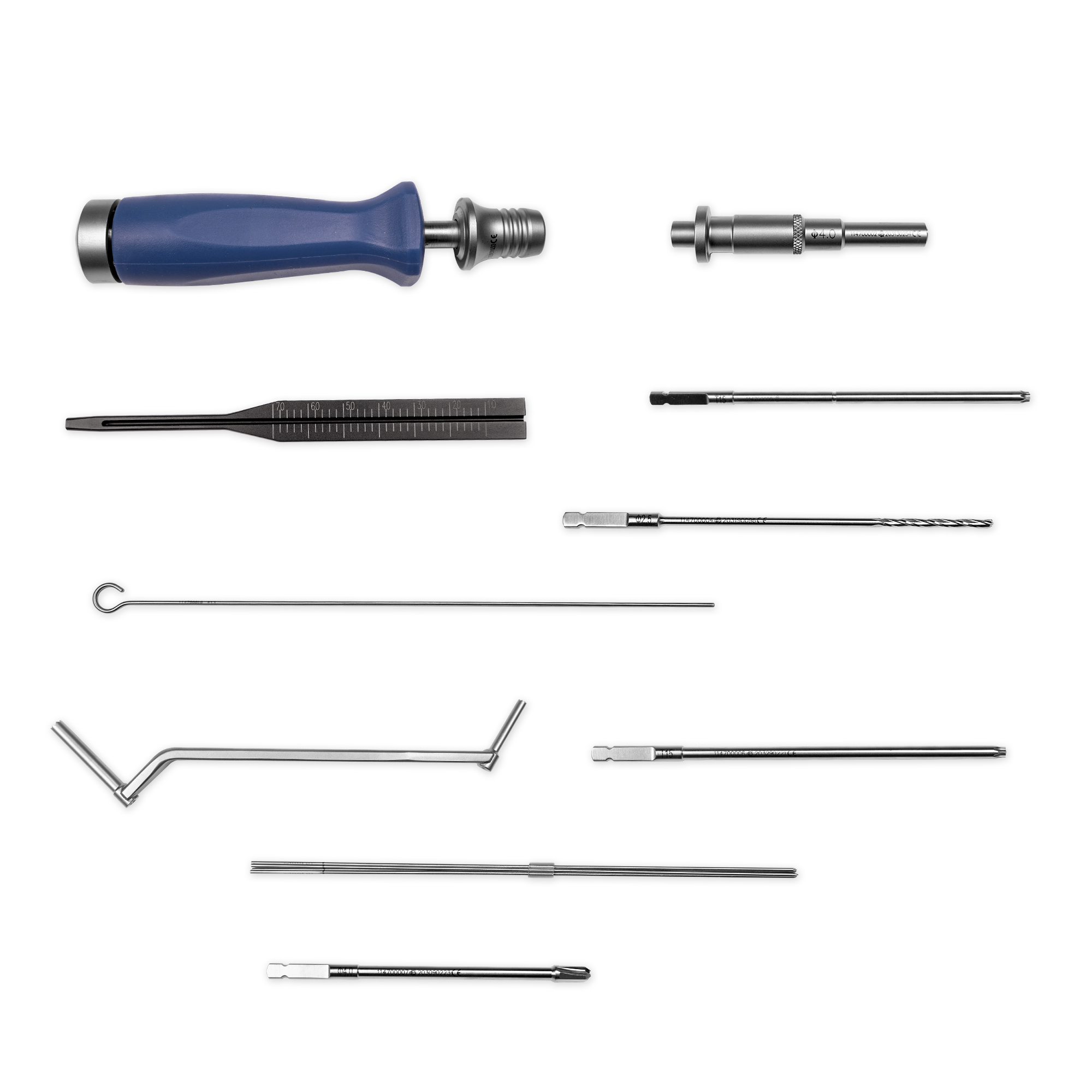
CANWELL Manual Metal Torque Adapter Quick Coupling Torque Limiter Handle
Engineering Reconstruction Plating Solutions for Lao PDR
In the rapidly modernizing healthcare framework of the Lao People's Democratic Republic, clinical demands for advanced orthopedic trauma implants are experiencing unprecedented transformation. High-energy polytrauma resulting from transportation accidents—predominantly motorcycle incidents along Route 13 and primary inter-provincial arteries—demands durable, highly malleable, yet biomechanically rigid orthopedic reconstruction plates. Orthopedic and traumatology departments at national referral facilities, including Mittaphab Hospital (Hospital 150), Mahosot Hospital, and the Military Hospital 103 in Vientiane, alongside regional apex hospitals such as Luang Prabang Provincial Hospital, Savannakhet Provincial Hospital, and Champasak Provincial Hospital in Pakse, require predictable osteosynthesis implants backed by international certifications and continuous delivery guarantees.
As a verified Chinese manufacturing enterprise with more than 22 years of precision orthopedic engineering and an operating footprint spanning 29,523 square meters, our facility acts as an integrated OEM/ODM development engine for medical distributors, tender concessionaires, and surgical supply firms serving Laos. Our reconstruction plating portfolio incorporates pelvic reconstruction plates (curved, straight, and flex-contoured 3.5mm systems), clavicle reconstruction locking plates, CMF (cranio-maxillofacial) and mandibular reconstruction systems, rib fixation frameworks, and versatile periarticular reconstruction strips. By leveraging metallurgical mastery over certified medical-grade titanium alloy (Ti-6Al-4V ELI) and implantable ISO 5832-1 stainless steel, we ensure Lao surgeons can contour plates intraoperatively to match complex patient morphologies without introducing micro-structural fatigue or post-operative plate cracking.
Biomechanical Integrity: Resolving Stress Shielding & Micro-Fissuring
Unlike conventional rigid dynamic compression plates (DCP) or anatomically pre-formed distal plates, orthopedic reconstruction plates feature distinctive lateral notches between screw holes. This configuration reduces the cross-sectional moment of inertia, permitting three-dimensional in-situ deformation—in-plane bending, out-of-plane bending, and rotational torquing. In complex anatomical regions such as the pelvic ring (iliac wing, acetabular rim, pelvic brim), the mandible, and comminuted distal humerus or clavicle fractures, the surgeon must achieve close anatomical adaptation without stripping the underlying periosteum.
Ti-6Al-4V ELI Alloy Microstructure
Our plates are cold-machined exclusively from high-purity Ti-6Al-4V Extra Low Interstitial (ELI) titanium conforming to ASTM F136 and ISO 5832-3 standards. With lower interstitial oxygen content (<0.13%), the alloy demonstrates exceptional ductility (elongation >10%), ensuring plates withstand multi-axis bending using specialized three-prong pliers without developing surface micro-cracks or stress concentration zones.
Dynamic Fatigue & Torsion Tolerances
In accordance with ASTM F382 (Standard Specification and Test Method for Metallic Bone Plates), our plates undergo cyclical four-point bending and endurance evaluations in physiological saline solutions. This ensures that when anchored in load-bearing pelvic applications or complex acetabular reconstructions, the implant maintains structural fatigue limits far beyond the 500,000 cycles typical of clinical union timeframes.
Electrolytic Anodizing & Passivation
Type II electrolytic anodization generates a stable titanium dioxide (TiO2) ceramic passivation surface. This process optimizes biocompatibility, impedes metallic ion leaching into soft tissues, and yields bright, color-coded functional markings (Gold 3.5mm, Blue 2.7mm, Green 2.4mm/2.0mm) that expedite operating room instrument matching and reduce surgical times under regional anesthetic constraints.
| System Category | Available Diameters / Profiles | Hole Configuration | Material Specification | Primary Clinical Indications |
|---|---|---|---|---|
| 3.5mm Pelvic Reconstruction Plates | Thickness: 2.8mm – 3.2mm; Straight & Pre-Curved (Radius 88–108mm) | 4 to 22 Holes (Notched) | Ti-6Al-4V ELI / 316LVM Stainless Steel | Acetabular wall fractures, pelvic ring disruptions, iliopectineal line fixation |
| 2.7mm / 3.5mm Clavicle Reconstruction | Thickness: 2.4mm – 2.8mm; S-shaped & Straight | 6 to 14 Holes (Locking/Cortex) | Grade 5 ELI Titanium (ASTM F136) | Midshaft clavicular nonunions, comminuted multi-fragment clavicle trauma |
| CMF & Mandibular Reconstruction | Profile: 1.5mm, 2.0mm, 2.4mm; Reinforced Bar Designs | Angle, Chin, Straight Strips | Pure Titanium Grade 2 / Ti-6Al-4V | Mandibular continuity resection, gunshot or polytrauma facial reconstruction |
| Rib Locking Fixation System | Thickness: 1.5mm – 1.8mm; Anatomical Rib Profiles | Variable Multi-Segment Spans | Ultra-Flexible Ti-6Al-4V ELI | Flail chest stabilization, rib serial fractures, sternal dehiscence repair |
| Small Fragment Reconstruction | Thickness: 2.0mm – 2.5mm; 2.7mm Screw System | 4 to 12 Holes (Continuous notch) | Titanium Alloy / Stainless Steel | Distal fibula, distal humerus, olecranon periarticular bridging |
Clinical Scenarios & Operative Needs in Lao Provincial Hospitals
Deploying orthopedic implants within Lao PDR requires an intimate understanding of the clinical, environmental, and budgetary conditions governing local hospitals. Healthcare infrastructure in Laos operates on a clear hierarchy: national apex university and military hospitals in the Vientiane capital handle advanced pelvic, acetabular, and maxillofacial reconstructions, while provincial hospitals manage high volumes of acute limb trauma with restricted inventory and autoclaving capabilities.
Vientiane Apex Referral Centers
At Mittaphab Hospital (the primary national trauma hospital) and Mahosot Hospital, orthopedic surgical teams frequently execute complex acetabular reconstruction and open pelvic ring osteosynthesis. Here, our variable-angle locking and non-locking 3.5mm curved pelvic plates provide the necessary mechanical rigidity to achieve anatomic restoration of the pelvic brim without secondary displacement during early mobilized physical rehabilitation.
Route 13 Motorcycle & Transport Trauma
National Route 13, extending from the Chinese border at Boten through Vientiane down to the southern Cambodian frontier, generates high incidences of comminuted clavicle, rib, and distal extremity fractures. Many patients present late due to difficult transit from rural villages. Reconstruction plates are vital for salvage osteosynthesis and non-union debridement, allowing surgeons to bridge irregular bony defects with reliable autogenous bone grafting.
Provincial Sterile Theater Limitations
In provincial hospitals like Champasak (Pakse) or Luang Prabang, operating suites often rely on manual steam autoclaves operating at rapid turnarounds between cases. Our reconstruction instrumentation sets and graphic aluminum sterilization containers are built using hard-coat anodized finishes resistant to alkaline detergents and steam degradation, ensuring long-term longevity under demanding decontamination protocols.
Macro Trends Shaping Orthopedic Procurement in Laos
The medical device market in Laos is undergoing fundamental expansion, driven by three major structural pillars: infrastructure investments, modernization of national healthcare policies, and the operational opening of the China-Laos Railway corridor.
Overland Supply via Mohan-Boten
Historically, medical devices entered Laos through lengthy maritime shipment via Bangkok or Da Nang followed by road freight. With our manufacturing hub connected directly through the high-speed rail corridor via Kunming to Mohan-Boten and directly into Vientiane South, freight transit times have collapsed from 25–35 days to under 4–6 days, minimizing local stock-out risks.
Transition to Internal Fixation
Historically reliant on conservative cast immobilization, traction, or rudimentary external fixators due to cost limitations, Lao surgical departments are rapidly pivoting to primary Open Reduction and Internal Fixation (ORIF). Reconstruction plates represent the most versatile, high-utility inventory item for hospitals, covering clavicular, pelvic, and periarticular needs with minimal tray variations.
Cost-Quality Rationalization
Public healthcare procurement entities and private clinic chains in Laos face tight fiscal environments under Lao Kip (LAK) currency fluctuations. Sourcing directly from verified Chinese OEM/ODM manufacturers allows local distributors to achieve a 40–55% landed cost reduction compared to European or US brands, without sacrificing ISO or CE compliance.
Expansion of Health Insurance
The gradual expansion of the National Health Insurance (NHI) scheme in Laos is expanding surgical access across low- and middle-income segments. This democratic access is increasing hospital surgical volumes exponentially, making standardized, affordable trauma reconstruction plate kits an absolute tender priority.
Regulatory Registration with the Lao FDD & AMDD Compliance
Importing orthopedic implants into Lao PDR requires adherence to regulations overseen by the Food and Drug Department (FDD), Ministry of Health of Lao PDR. As an ASEAN member state, Laos progressively implements the ASEAN Medical Device Directive (AMDD) framework. Sourcing from our certified facility ensures smooth, hassle-free registration and customs clearance.
Device Classification (Class C / III)
Orthopedic reconstruction plates and associated locking screws are categorized under Class C (or Class III for specialized spinal/pelvic configurations) under the AMDD risk classification. Registration requires submission of the Common Submission Dossier Template (CSDT), including executive summaries, design verification, biocompatibility reports (ISO 10993), and sterilization validation data.
Dossier Support & Legalization
We provide our authorized Lao partners with fully authenticated export dossiers: Free Sale Certificates (FSC) issued by national competent authorities, Declarations of Conformity (DoC), CE certificates under MDR 2017/745, and test summaries translated and certified with consular legalization where mandated by Vientiane authorities.
Customs Clearance & Duty Exemption
Under the ASEAN-China Free Trade Area (ACFTA), medical implants accompanied by a properly endorsed Form E Certificate of Origin qualify for preferential or zero-tariff importation into Laos. We coordinate with your freight forwarder to provide Harmonized System (HS) Code alignment (HS 9021.10.00) and full traceability packaging labels.
Why Global Healthcare Brands & Lao Importers Partner with INAR
Based in Jinhua, Zhejiang, China, Zhejiang INAR Medical Co., Ltd. represents the apex of modern orthopedic contract manufacturing. Backed by 22+ years of surgical manufacturing dedication, an on-site workforce of 632 skilled technicians and biomechanical engineers, and an SGS onsite-audited modern facility, our manufacturing processes eliminate quality compromises.
Material Inflow
100% spectral optical testing of Ti-6Al-4V ELI titanium bar stocks ensuring zero porosity.
Swiss CNC Turning
5-axis simultaneous high-precision machining with microscopic dimensional tolerances (+/-0.01mm).
Deburring & Polish
Automated vibratory and micro-bead blasting providing smooth contour edges that prevent tendon abrasion.
NDT & Ultrasonic
Fluorescent dye penetrant inspection followed by multi-stage ultrasonic decontaminating baths.
Aseptic Cleanroom
Class 100,000 cleanroom packaging conforming to ISO 11607 for sterile and non-sterile configurations.
Full OEM & ODM Customization
We provide complete turn-key private labeling for established Lao brand distributors. From custom laser etching of distributor logos and catalogue codes to bespoke plate thicknesses, proprietary screw-head drive shapes (Torx, Star, Hexagonal), and custom Lao/English labeling, our engineers execute rapid design prototypes in under 15 working days.
SGS Audited & CE MDR Verified
Our manufacturing site undergoes annual surveillance by SGS Group, verifying quality management, production capacity, mechanical durability testing laboratories, and environmental compliance. Implants hold validated CE declarations (under both MDR 2017/745 and 93/42/EEC pathways) ensuring seamless qualification for both public hospital tenders and private institutional procurement.
Dedicated Matching Instrumentation Sets
An implant is only as effective as the instruments delivering it. Every reconstruction plate system is supported by dedicated, ergonomic surgical sets: plate-bending pliers, contouring templates, calibrated drill sleeves, threaded tissue protectors, and quick-coupling torque-limiting drivers manufactured from German-standard stainless steel to prevent operating room delays.
Frequently Asked Questions by Lao Medical Distributors
What are the freight routes and typical delivery lead times from your factory to Vientiane, Laos?
Can you supply the necessary regulatory documentation required by the Lao Food and Drug Department (FDD)?
What is your Minimum Order Quantity (MOQ) for custom private-label branding or tender supply?
How do your titanium reconstruction plates withstand acute contouring during complex pelvic surgery?
What payment terms and currency options do you support for Lao importing companies?
Do you provide matching surgical instrument sets and autoclave containers for hospital tenders?
Partner with a Verified Orthopedic Manufacturer for the Lao Market
Whether you are preparing a national public hospital tender in Vientiane, expanding clinical supplies across Savannakhet and Champasak, or establishing your own private orthopedic implant brand in Lao PDR, INAR Medical provides certified engineering precision, regulatory documentation, and dependable overland delivery.