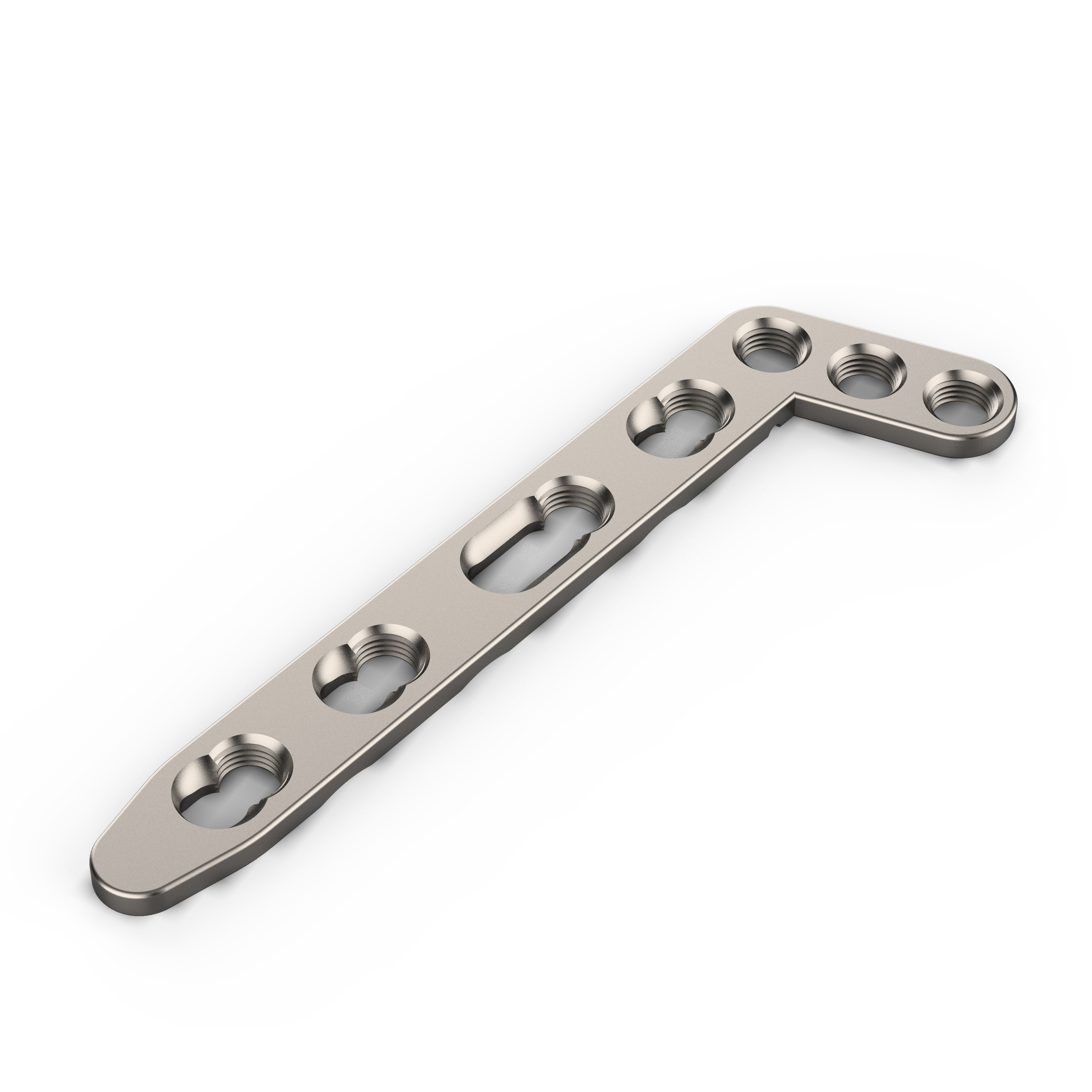
Medical Device Portfolio
Featured Orthopedic Systems for Clinical Traumatology
Engineered for precise anatomical restoration, enhanced biomechanical stability, and seamless intraoperative handling in acute trauma and joint reconstruction workflows.
Sinus Tarsal Titanium Locking Screw
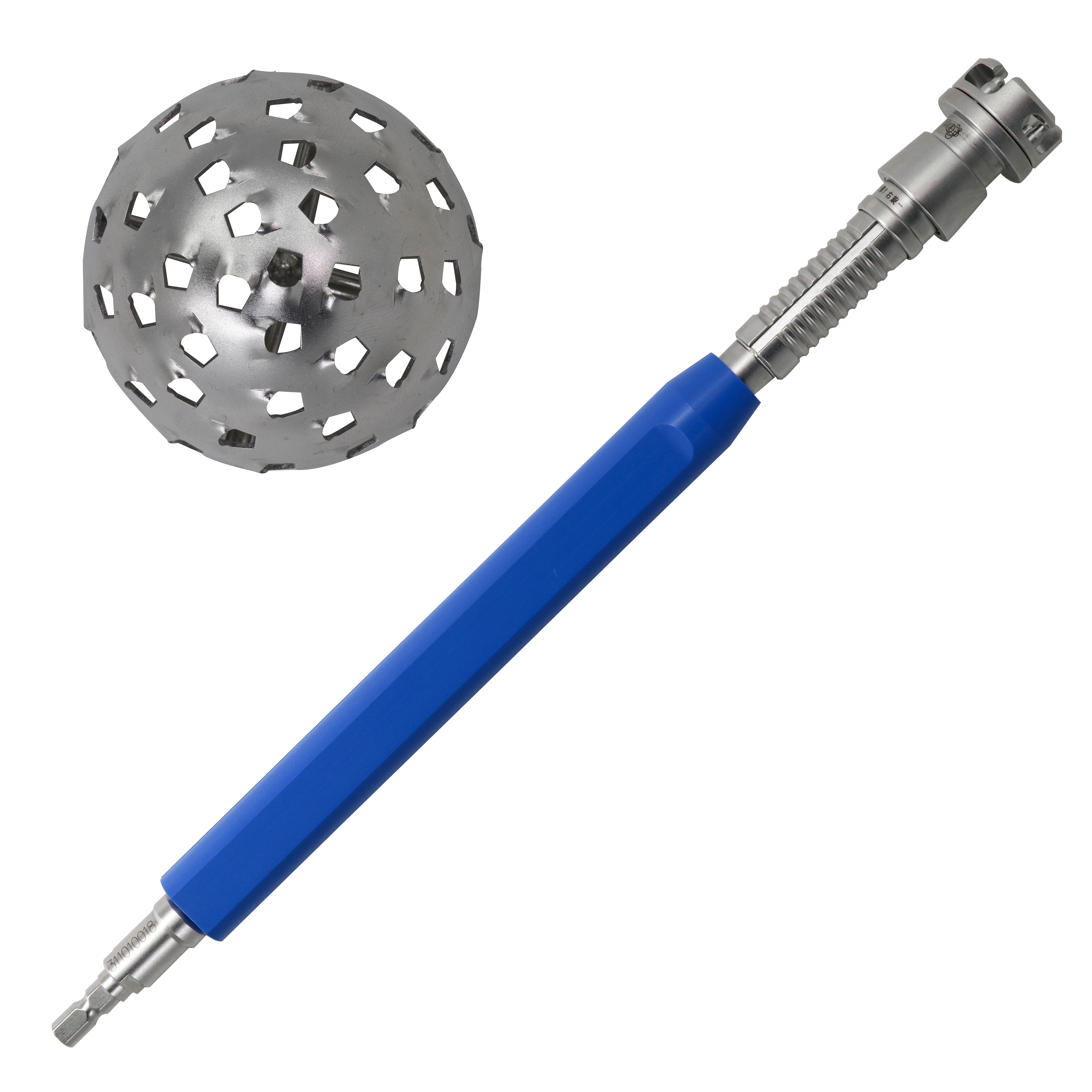
Precision Acetabular Reamer Set
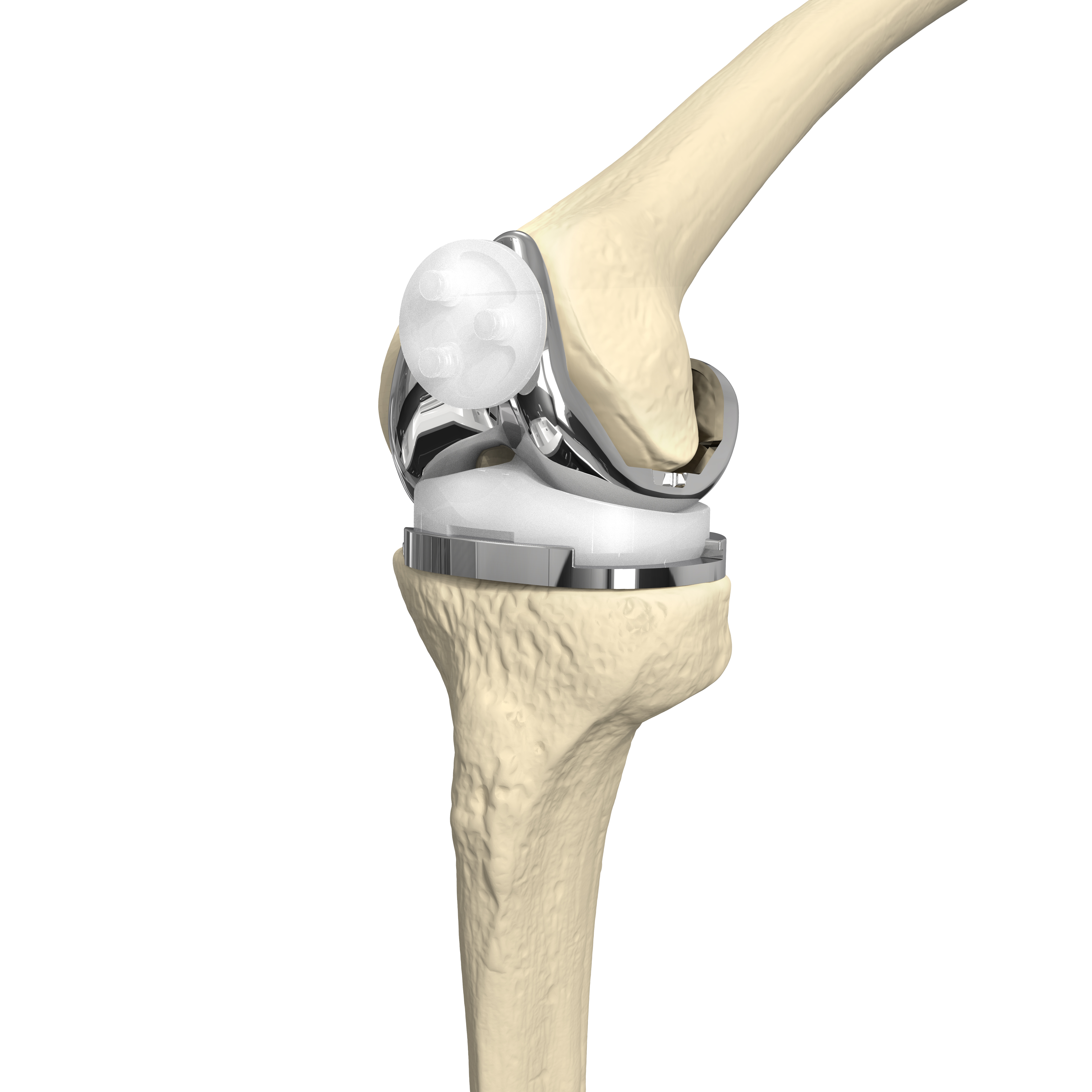
Artificial Knee Joint Prosthesis
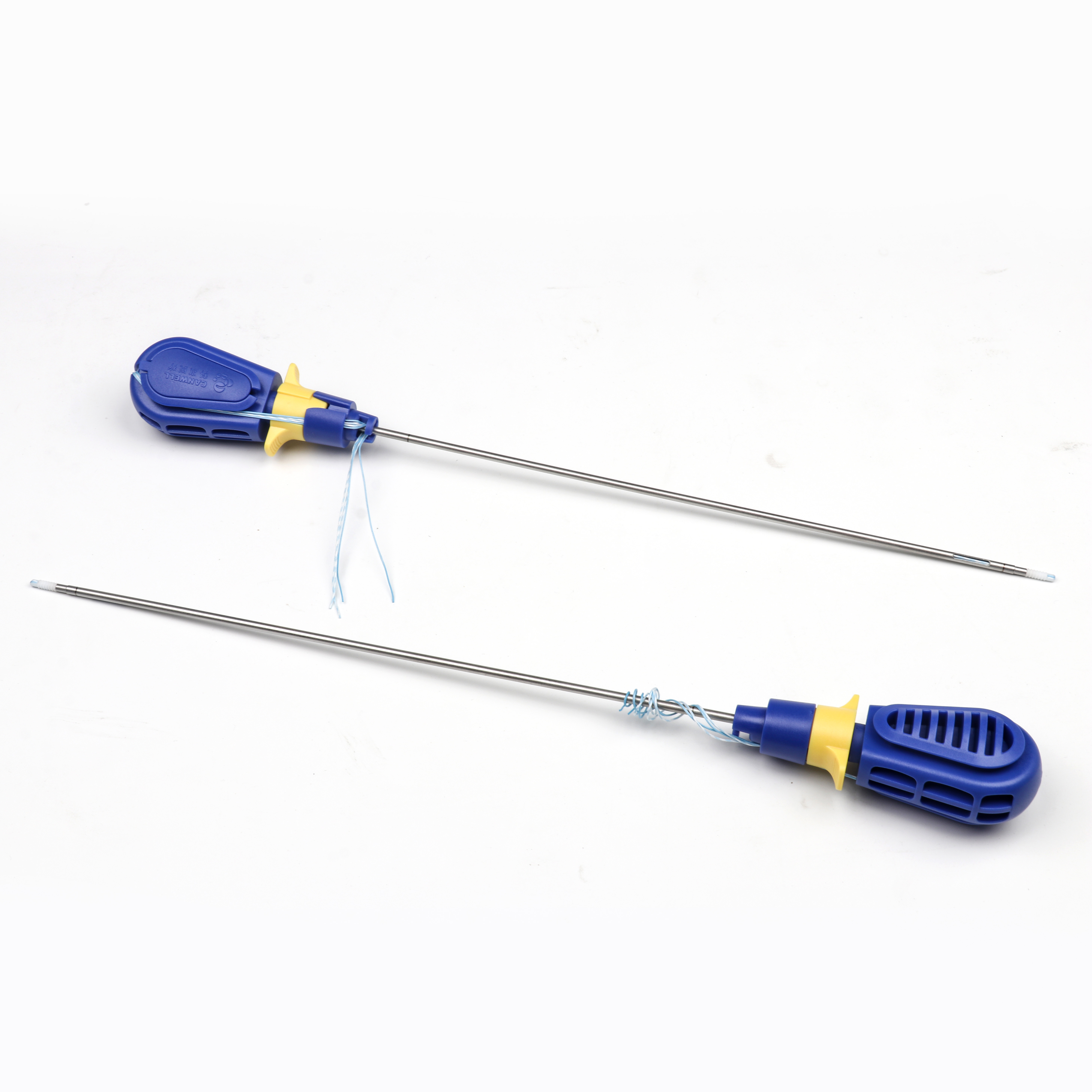
Knotless PLGA Suture Anchor
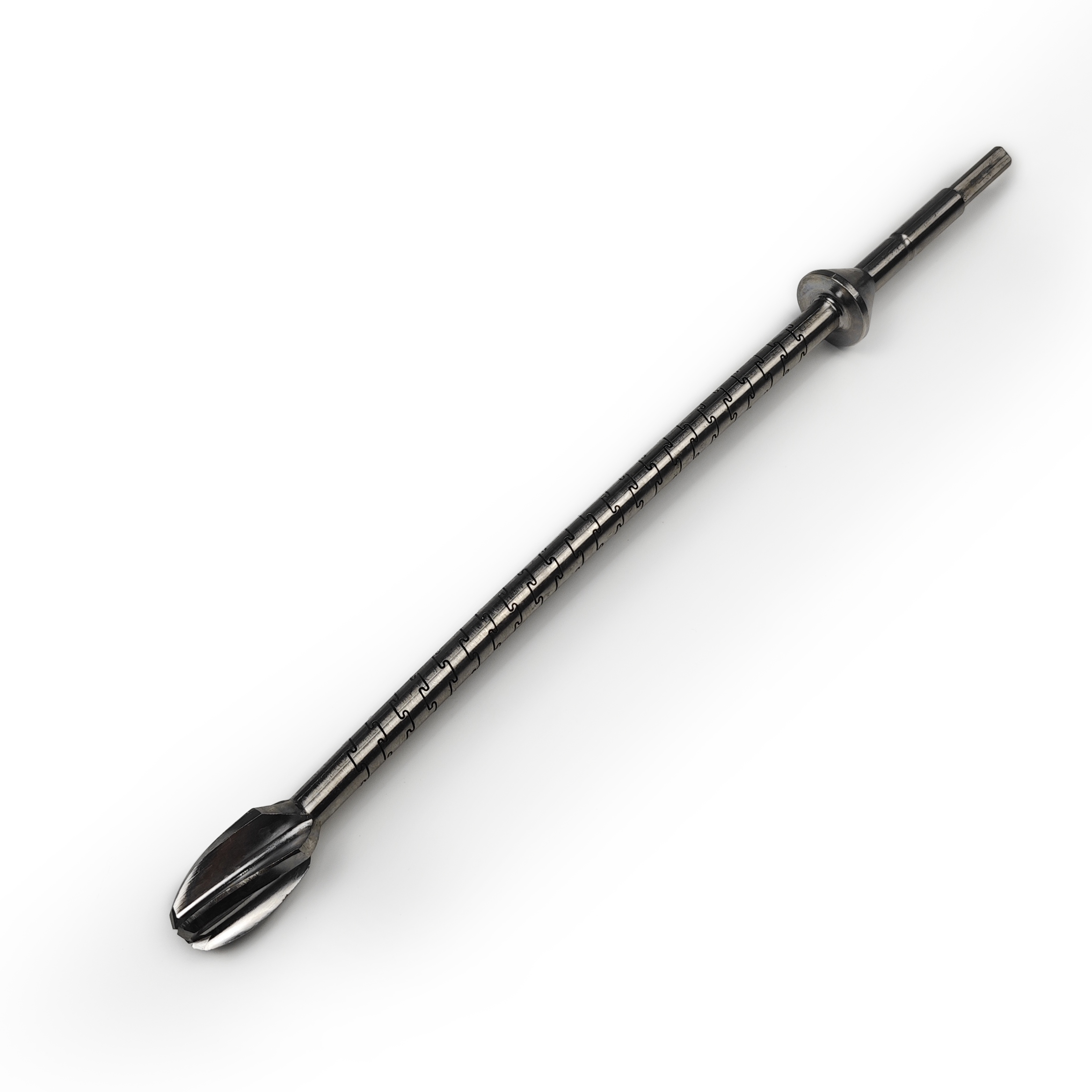
Flexible Medullary Reamer System
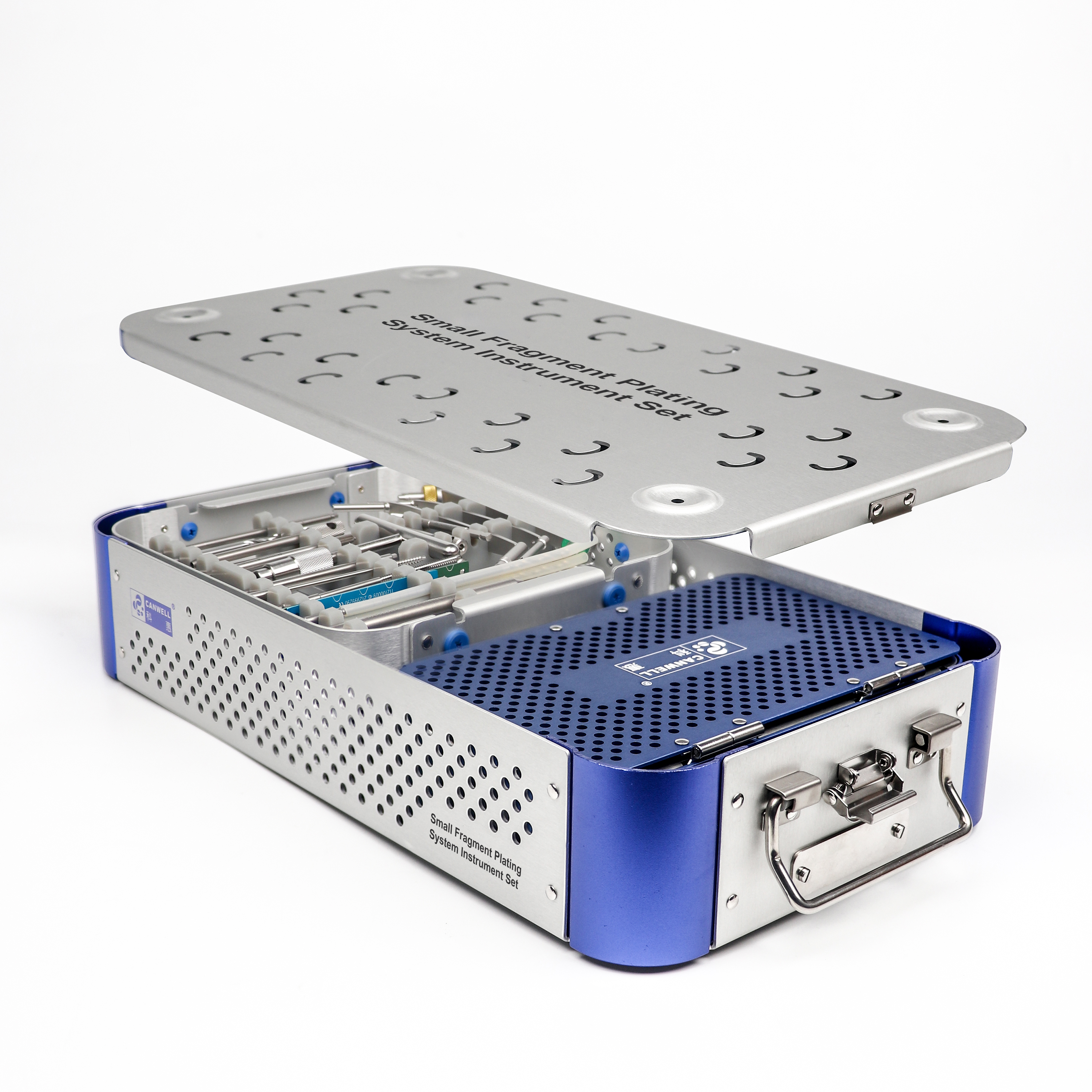
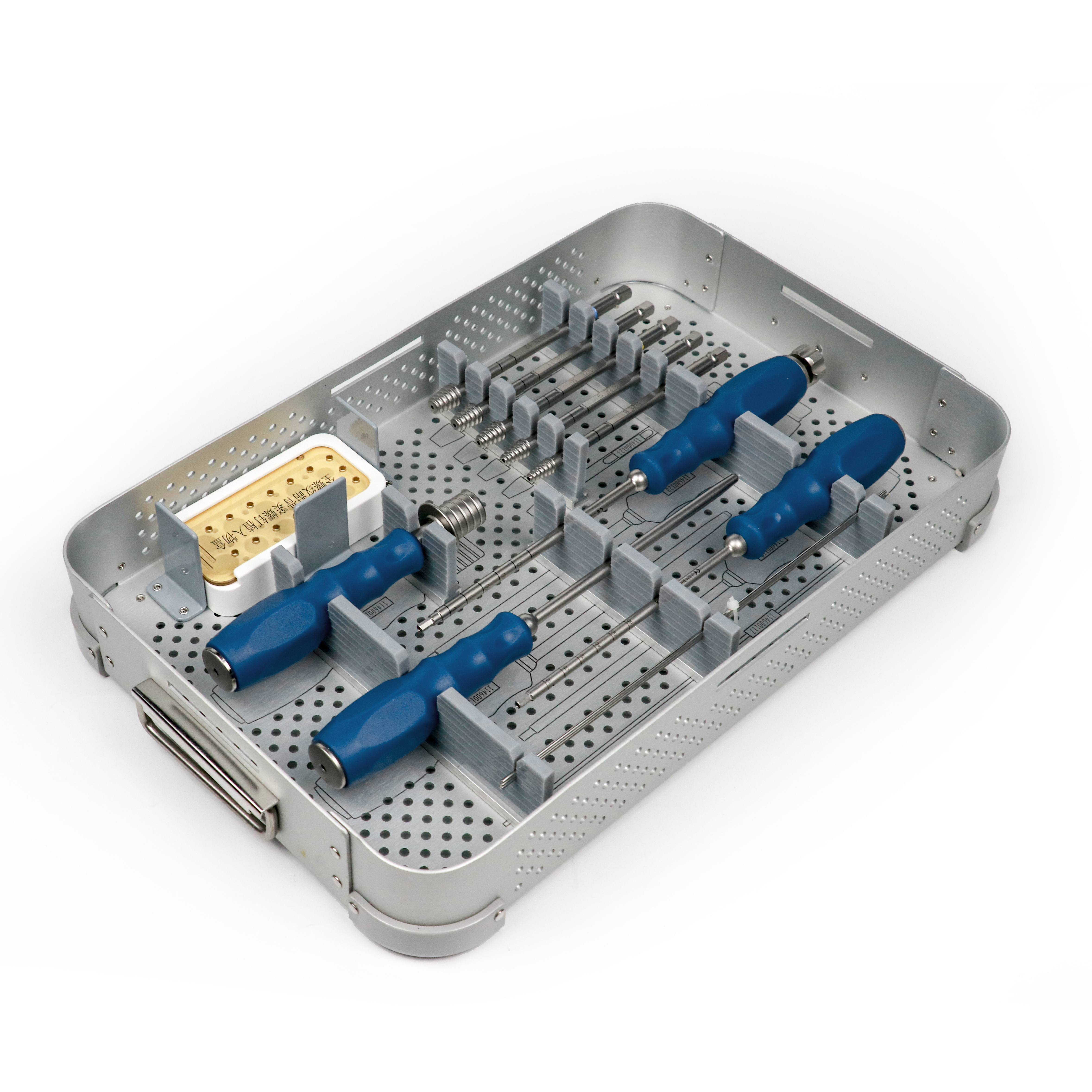
Small Fragment Instrument Tray
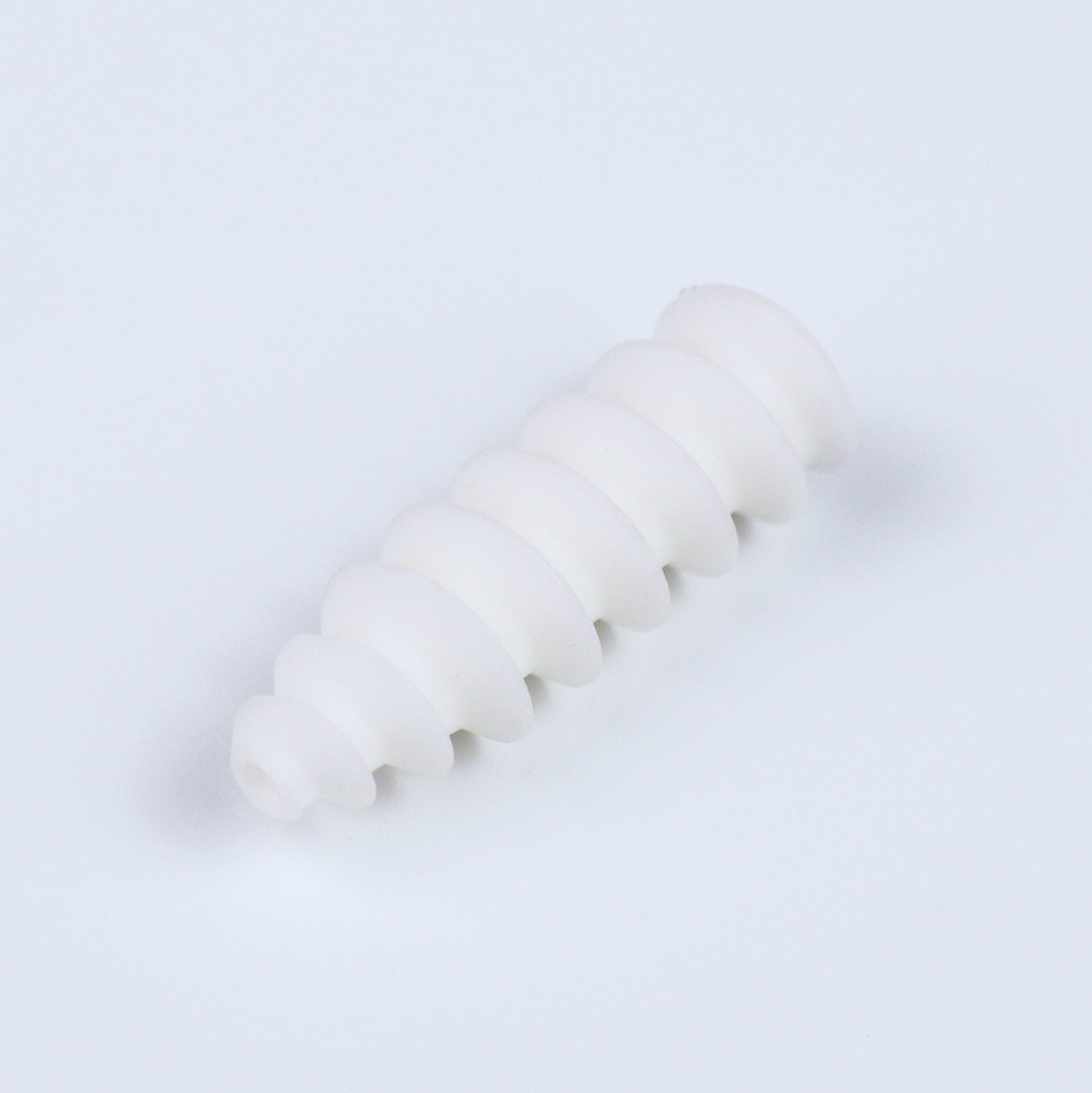
Biodegradable Interference Screw
Technical White Paper
Clinical Architecture & Biomechanical Performance of Tibia Plates in Osaka's Healthcare Ecosystem
The management of complex tibial fractures—spanning proximal tibial plateau fractures (Schatzker Types I-VI), diaphyseal comminution, and intra-articular distal tibial pilon injuries (AO/OTA Type 43)—demands strict biomechanical stability paired with surgical elegance. In the metropolitan medical infrastructure of Osaka and the broader Kansai economic corridor, clinical centers are operating under dual demographic pressures: an ultra-aging population vulnerable to complex osteoporotic fragility fractures and an active urban society requiring swift functional rehabilitation. Supplying osteosynthesis systems to institutions such as Osaka University Hospital, Osaka City General Hospital, and acute critical trauma centers requires engineering rigor that satisfies the stringent oversight of the Pharmaceuticals and Medical Devices Agency (PMDA) under the Japanese Pharmaceutical and Medical Device Act (PMD Act).
As a verified orthopedic device manufacturer, our OEM/ODM tibia plating systems incorporate the state-of-the-art Variable-Angle (VA) locking compression mechanism. Unlike standard locked plates with fixed screw trajectories, variable-angle technology permits up to a 15-degree cone of angulation. This kinematic freedom enables trauma surgeons in Osaka's operating suites to deliberately target solid subchondral bone, steer clear of concurrent joint arthroplasties, and secure multi-fragmentary periarticular blocks without risk of cross-threading or mechanical notch weakening. Our plates utilize certified medical-grade titanium alloy (Ti6Al4V ELI conforming to ASTM F136 and ISO 5832-3), imparting an optimal elastic modulus (110 GPa) that mitigates stress shielding against cortical bone, accelerating callus bridge consolidation compared to rigid stainless steel alternatives.
Crucially, regional anatomical morphometry dictates specialized pre-contouring. Extensive anthropometric studies demonstrate that East Asian skeletal geometries, particularly the medial tibial condyle curvature and distal tibia anterior-medial helical twist, exhibit smaller anterior bowing radii and narrower medullary dimensions compared to Western populations. INAR Medical manufactures tibia plates pre-shaped to these precise regional anatomic profiles, virtually eliminating the need for intraoperative plate contouring. This geometric optimization preserves periosteal vascularity, minimizes soft-tissue tension over the vulnerable anteromedial subcutaneous border of the shin, and drastically reduces operative room time across emergency trauma shifts in Osaka prefecture.
22+
Years Industry Expertise
632
Specialized Employees
29,523m²
Total Modern Production Area
100%
Traceable OQC & Validations
Clinical Indications
Localized Application Scenarios Across Osaka Acute Hospitals
Addressing specific trauma demographics with specialized low-profile geometries and tissue-preserving osteosynthesis profiles.
Geriatric Fragility Fractures & Osteopenia Fixation
With Japan's hyper-aged demographic, low-energy falls resulting in bicondylar tibial plateau depression fractures (Schatzker VI) represent an everyday clinical challenge in Osaka wards. Our medial and lateral proximal tibia locking plates incorporate multiple converging raft screws beneath the subchondral joint line. When paired with bioabsorbable graft fillers or bone cement augmentation, our plates supply instantaneous multi-planar angular stability, facilitating early partial weight-bearing rehabilitation regimens designed to avoid chronic recumbency complications in elderly patients.
High-Energy Industrial & Transit Polytrauma
As a sprawling commercial and transportation nexus, Osaka experiences high-velocity motor vehicle collisions and industrial logistics trauma along Osaka Bay's industrial zones. These cases frequently present as severe compound pilon fractures (AO/OTA 43-C3) accompanied by acute soft-tissue compromise. Our distal tibia anterolateral and medial plates are engineered with ultra-tapered profiles, rounded low-contact relief cuts that safeguard periosteal blood flow, and electropolished borders designed to prevent skin necrosis.
MIPO Subcutaneous Tunneling Workflows
Minimally Invasive Plate Osteosynthesis (MIPO) is the preferred standard among orthopedic chiefs of staff throughout the Kansai region. Our tibia plating sets are accompanied by carbon-fiber radiolucent outriggers, bullet-nosed plate tips, and percutaneous trocar instrumentation. Surgeons can execute closed reduction, slide the low-profile titanium implant subcutaneously through a 3cm skin incision, and position locking cortical screws under fluoroscopy without stripping the hematoma envelope.
Strategic Analysis
Procurement Trends & Regulatory Evolution in the Japanese MedTech Sector
How regulatory scrutiny, supply chain autonomy, and medical economics are reshaping trauma device sourcing.
The orthopedic device marketplace in Osaka is experiencing a decisive structural pivot. Historically reliant on tier-one multinational brands originating from North America and Western Europe, Japanese hospital networks, GPOs (Group Purchasing Organizations), and local medical device distributors are confronting immense budget constraints induced by the Ministry of Health, Labour and Welfare's (MHLW) biennial revisions to the official Zairyo-Kakaku (National Health Insurance reimbursement pricing). As reimbursement caps for osteosynthesis trauma devices steadily contract, hospital procurement directors are turning to high-caliber contract manufacturing partners who can supply identical metallurgical and mechanical excellence at sustainable cost structures.
Furthermore, post-pandemic logistics volatility and geopolitical shifts have forced Osaka distributors to emphasize supply chain resilience. Relying solely on fragmented intermediaries is being superseded by direct agreements with scaled, SGS-verified OEM/ODM manufacturers capable of managing end-to-end processing. INAR Medical provides Japanese importers with a comprehensive Technical Master File (STED - Summary Technical Documentation) including certified mechanical fatigue testing data (ASTM F382 static four-point bending and dynamic endurance thresholds exceeding 1 million cycles without failure), full biocompatibility reports compliant with ISO 10993 series, and documented gamma sterilization packaging validations conforming to ISO 11607.
Strict PMDA Regulatory Harmony
Navigating PMDA requirements mandates that Foreign Manufacturing Facilities (Gaikoku Seizousho Nintei) maintain airtight cleanroom standards and validation matrices. Our 29,523 m² production base undergoes rigorous continuous audits, offering full assurance for Japanese Marketing Authorization Holders (MAH / Seihan-gyo) that all technical data will pass PMDA evaluation without delays.
Demand for Sterile Single-Pack Kits
Operating rooms across Osaka and Sakai City are increasingly transitioning away from heavy non-sterile loaner trays toward single-use, sterile peel-pack systems. Pre-sterilized implants eliminate sterile processing department bottlenecks in hospitals, mitigate infection liability, and provide complete lot-number UDI (Unique Device Identification) barcoding for streamlined digital inventory management.
Deep Brand OEM Customization
Kansai distributors require differentiated product identities to maintain healthy margins. We engineer customized plate contours, custom surface finishes (including Type II anodization for fatigue life improvement and reduced soft-tissue adhesion), individualized laser etching of Japanese kanji/branding, and tailor-made ergonomic silicone handle instrument sets.
Manufacturing Precision
Vertically Integrated Infrastructure: From Raw Ingot to Cleanroom Pack
Audit-proven manufacturing capabilities verified on-site by SGS Group and certified under EU MDR and ISO 13485.
Unlike trading entities or assemblers that outsource critical processing steps, Zhejiang INAR Medical Co., Ltd. operates a fully integrated, self-sufficient manufacturing campus spanning 29,523 square meters in Jinhua, Zhejiang. With over 22 years of continuous engineering heritage and a specialized team of 632 technicians and regulatory experts, we command full metallurgical and dimensional sovereignty over our entire orthopedic catalog. Our workshops are outfitted with imported high-precision 5-axis CNC machining centers, sliding-head Swiss lathes, robotic abrasive deburring units, and state-of-the-art closed-loop anodization plants.
Every single batch of titanium tibia locking plates conforms to an exhaustive 13-stage manufacturing chain: longitudinal raw stock cutting, multi-axis milling of anatomically curved screw pockets, mirror-grade edge polishing, two cycles of ultrasonic cleaning in deionized water, automated sand-blasting for homogenous satin surfaces, liquid penetrant testing for microscopic crack screening, biocompatible anodization color-coding, outgoing mechanical quality control (OQC), and class 10,000 cleanroom aseptic blister packaging. Our mechanical testing facility operates real-time dynamic cyclic testers, salt-spray corrosion chambers, and accelerated packaging aging chambers ensuring complete product compliance prior to dispatch.

5-Axis High-Precision CNC Machining
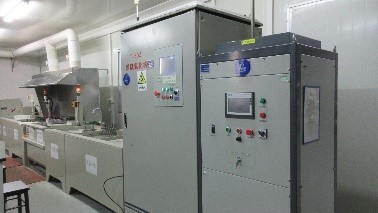
Biocompatible Titanium Anodization
Non-Destructive Penetrant Inspection
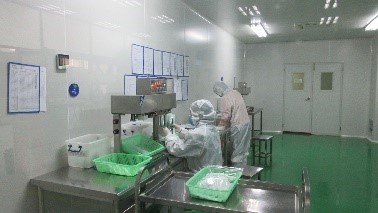
Aseptic Class 10,000 Cleanroom Packaging
Procurement Assurance
Frequently Asked Questions by Japanese Importers & Procurement Teams
Addressing regulatory documentation, quality verifications, custom tooling, and supply logistics for Osaka distributors.
What regulatory files are provided to support PMDA Shonin / Ninsho submissions in Japan? +
We provide a comprehensive technical documentation package formatted according to STED guidelines. This includes certified material mill test certificates (ISO 5832-3 / ASTM F136 ELI), static and dynamic biomechanical fatigue test data compliant with ASTM F382 (four-point bending structural stiffness, proof moment, and runout fatigue limits exceeding 1 million cycles), ISO 10993 cytotoxicity, sensitization, and implantation biocompatibility reports, residual cleaning analysis data, and ISO 11607 sterile barrier validation files. Our regulatory department collaborates directly with your designated Japanese Marketing Authorization Holder (MAH / Seihan-gyo) throughout the registration trajectory.
Can INAR manufacture custom pre-contoured tibia plates based on proprietary Japanese surgeon designs? +
Yes. We possess dedicated CAD/CAM biomechanical engineering capabilities. We can work directly from 3D STEP/IGES digital models, CT-scan volumetric datasets, or physical prototype samples. Our engineering team can iterate custom plate contours, alter screw hole clustering, modify plate thickness tapering, and develop specialized companion instruments (such as customized targeting guides and drill sleeves). Rapid functional metal prototyping is typically delivered within 20 working days for mechanical validation.
What specific quality controls prevent screw-plate cold welding and cross-threading? +
Cold welding in titanium osteosynthesis is prevented through a strict combination of tight thread machining tolerances (within ±0.005mm) and optimized differential surface hardness. Our plates undergo controlled Type II surface treatment or proprietary anodization formulations that create an inert, hardened oxide layer. Combined with high-precision CNC multi-thread tapping on our Swiss sliding-head lathes, this minimizes galling risks even when screws are locked under high torque during emergency trauma reduction.
How does INAR guarantee batch traceability and material purity for medical titanium? +
Every production lot is fully traceable back to the raw ingot smelting batch. We source medical titanium strictly from audited suppliers adhering to ASTM F136 and ISO 5832-3. Prior to cutting, bar stocks undergo in-house spectral composition verification. Every finished tibia plate and locking screw receives a high-resolution, deep laser marking indicating brand/OEM code, catalog number, lot number, and unique UDI barcode compatible with international hospital procurement track-and-trace scanners.
What are the typical OEM production lead times and shipping schedules for Kansai ports? +
Standard OEM production cycles for recurring batches range from 30 to 45 business days. With our manufacturing hub situated in Zhejiang, we are strategically positioned near major maritime ports (Ningbo and Shanghai) and international air cargo terminals. Air shipments to Kansai International Airport (KIX) or marine shipments to the Port of Osaka typically arrive within 3 to 7 days, ensuring seamless inventory replenishment for consignment stocks in Osaka warehouses.
Partner with a Verified Orthopedic OEM/ODM Leader
Whether you require private-label trauma systems, tailored East Asian anatomical tibia plate contouring, or complete CE/ISO/PMDA compliant instrument sets, our engineering directors are ready to review your tender specifications and technical drawings.