Featured Orthopedic Implants & Surgical Instruments for Vietnam
Precision-machined from implant-grade titanium alloy (Ti-6Al-4V ELI) and certified biocompatible polymers. All equipment is fully supported with complete technical dossiers (CSDT) for seamless Vietnamese Ministry of Health registration.
Localized Application Scenarios in Vietnam's Healthcare Tiers
Vietnam's orthopedic surgery requirements exhibit distinct demographic and epidemiological profiles, heavily shaped by rapid motorization, sports adoption, and an evolving public-private healthcare split.
Motorcycle Traffic Trauma Fixation
With over 72 million registered two-wheelers in Vietnam, high-energy collisions represent the overwhelming majority of acute emergency admissions in tier-1 trauma hubs like Chợ Rẫy Hospital in Ho Chi Minh City and Việt Đức Hospital in Hanoi. These accidents typically generate severely comminuted fractures of the tibial plateau, distal femur, and midshaft humerus.
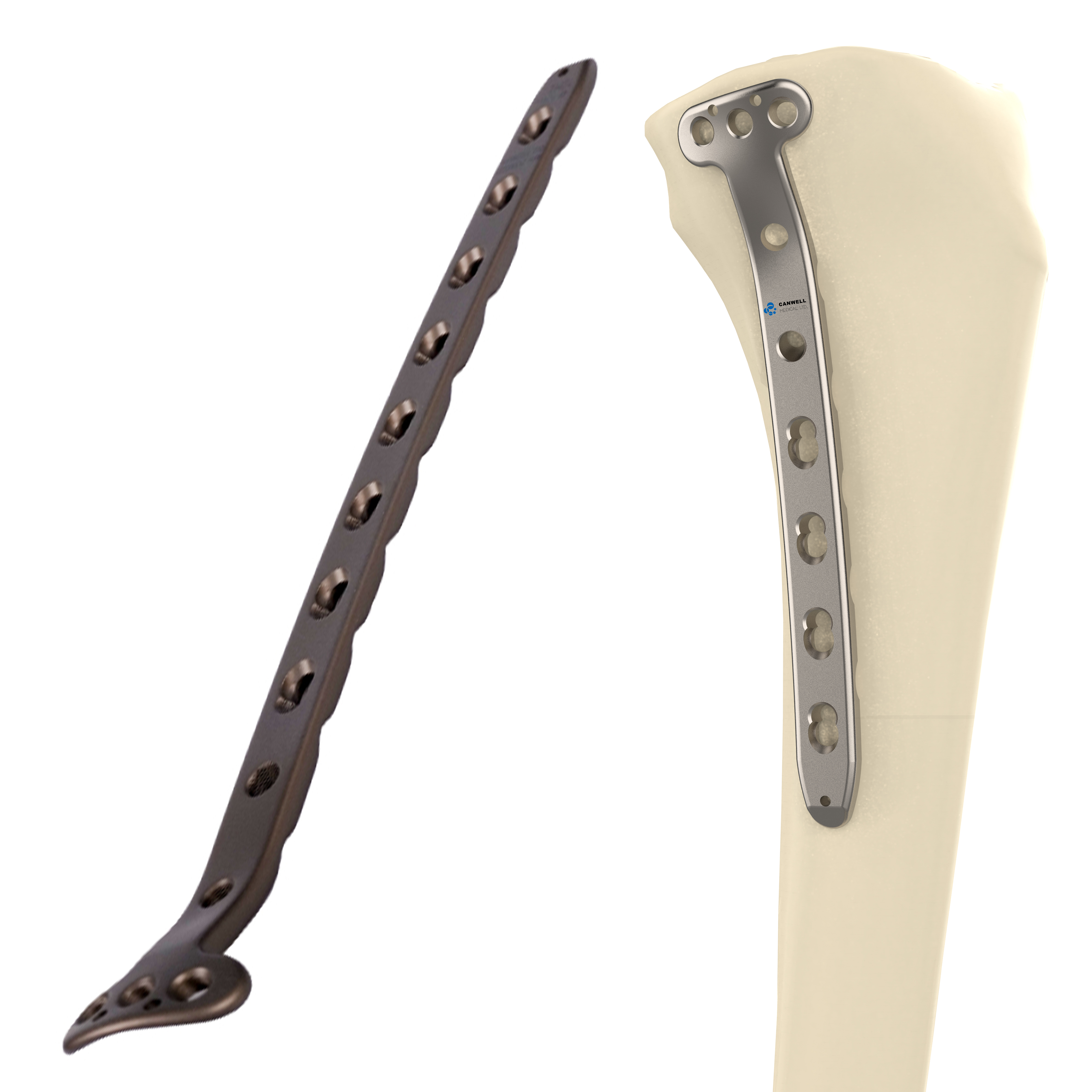
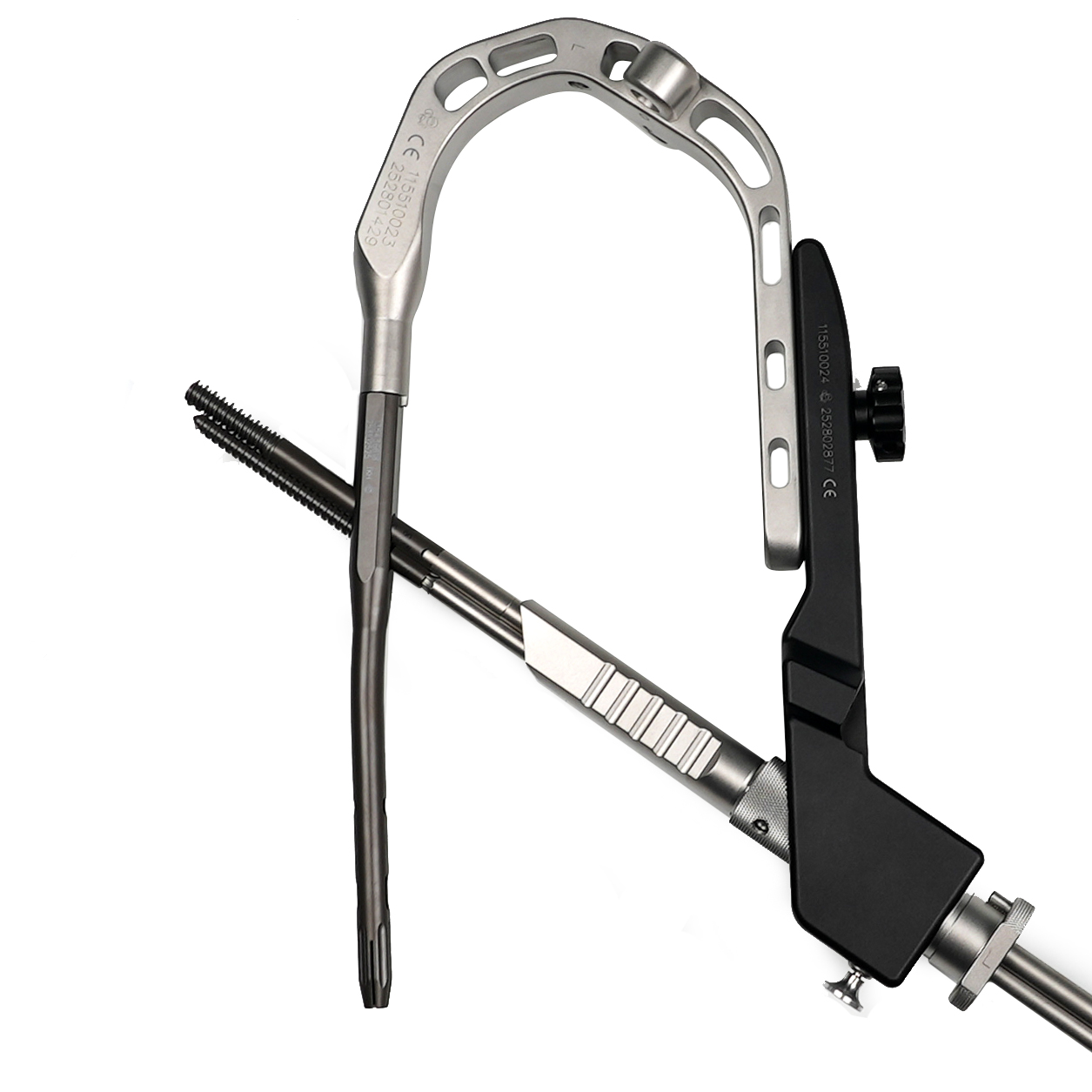
Our pre-contoured anatomical titanium locking compression plates (LCP) and suprapatellar intramedullary nailing systems allow orthopedic surgeons to conduct rapid biological osteosynthesis with minimal periosteal stripping, accelerating healing and mitigating osteomyelitis risks in humid tropical operating environments.
Provincial Hospital Decentralization
The Vietnamese Ministry of Health (MoH) has implemented extensive capacity-building programs (Project 1816 and satellite hospital frameworks) designed to redirect orthopedic patient flows away from congested metropolitan centers to provincial general hospitals in regions such as Nghệ An, Đắk Lắk, and Cần Thơ.
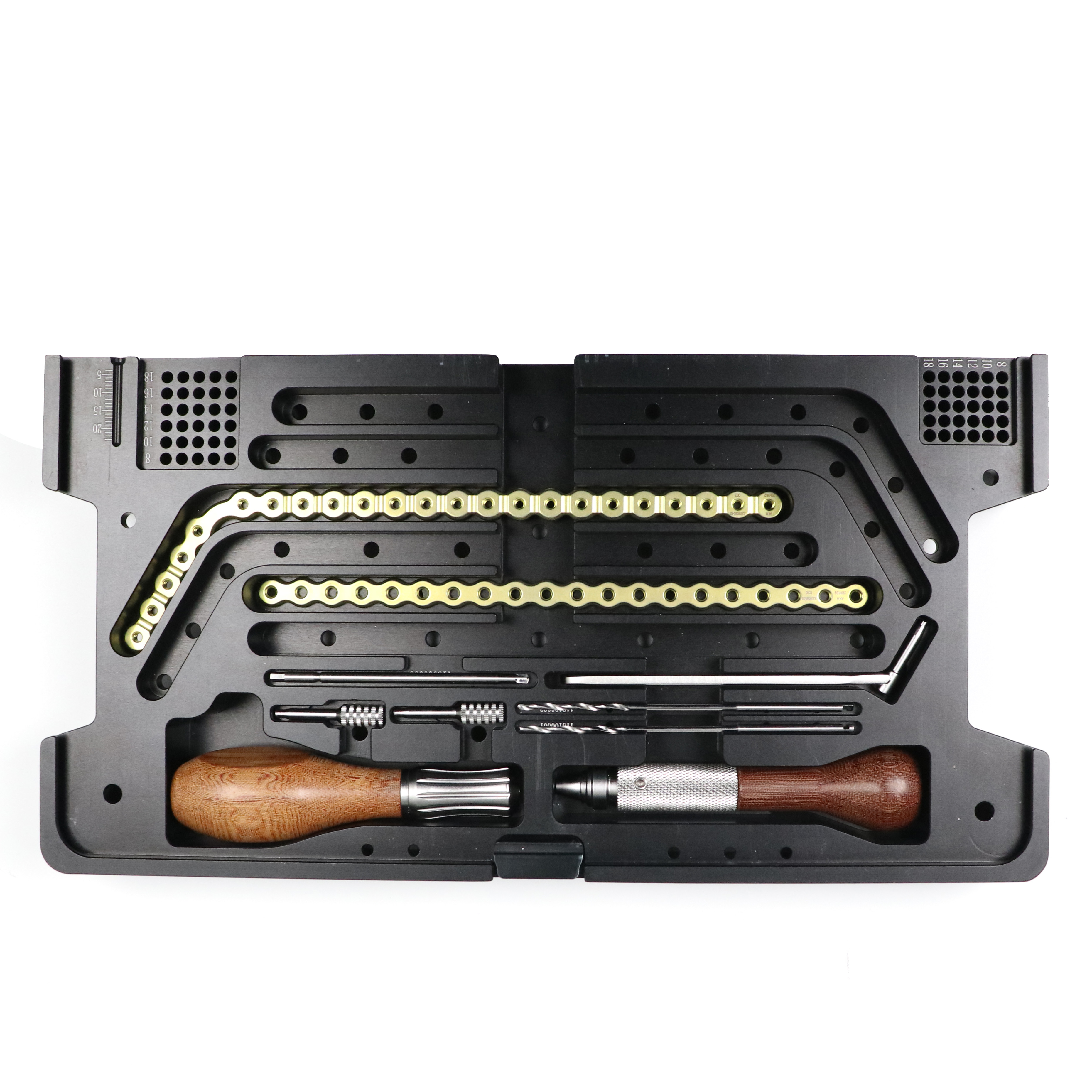
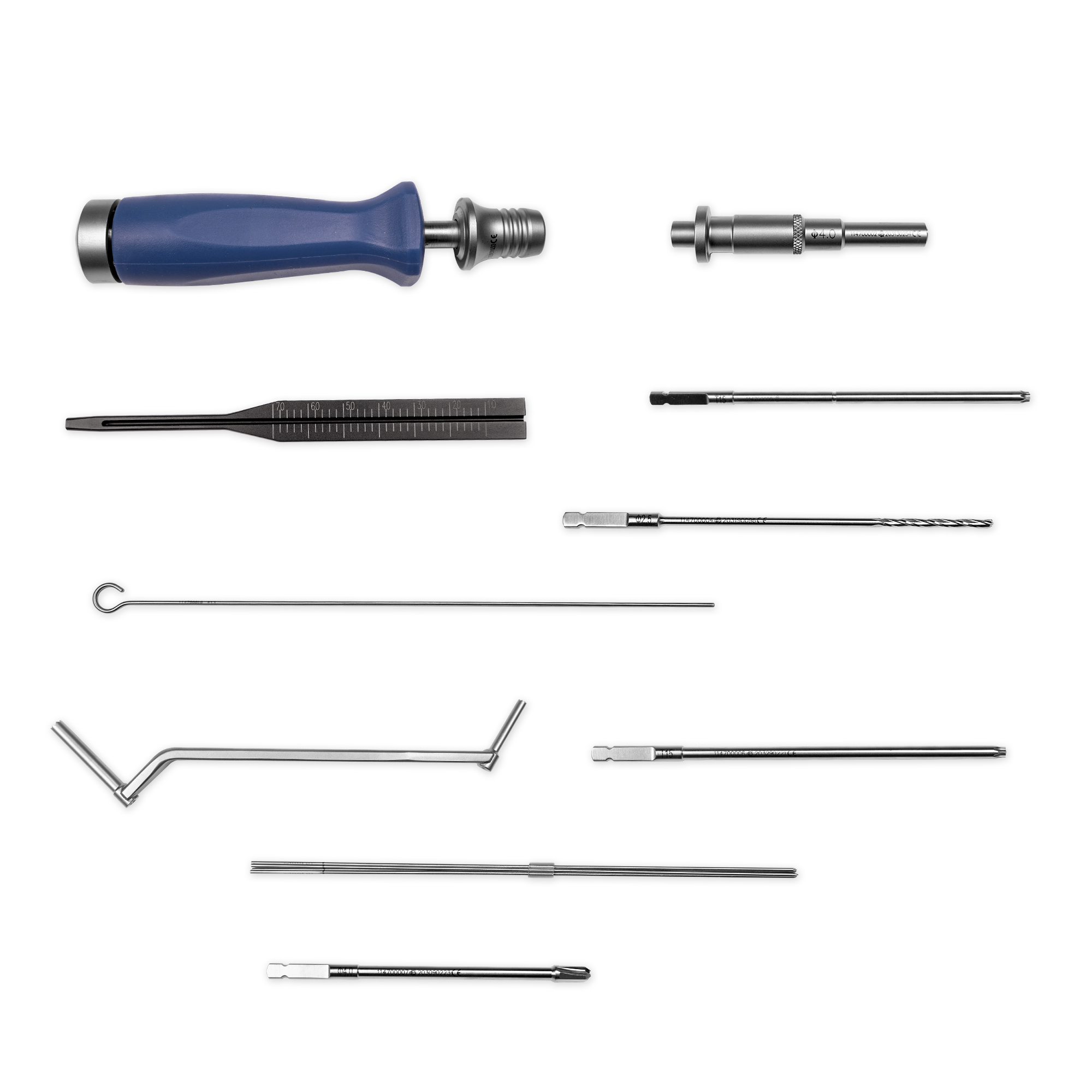
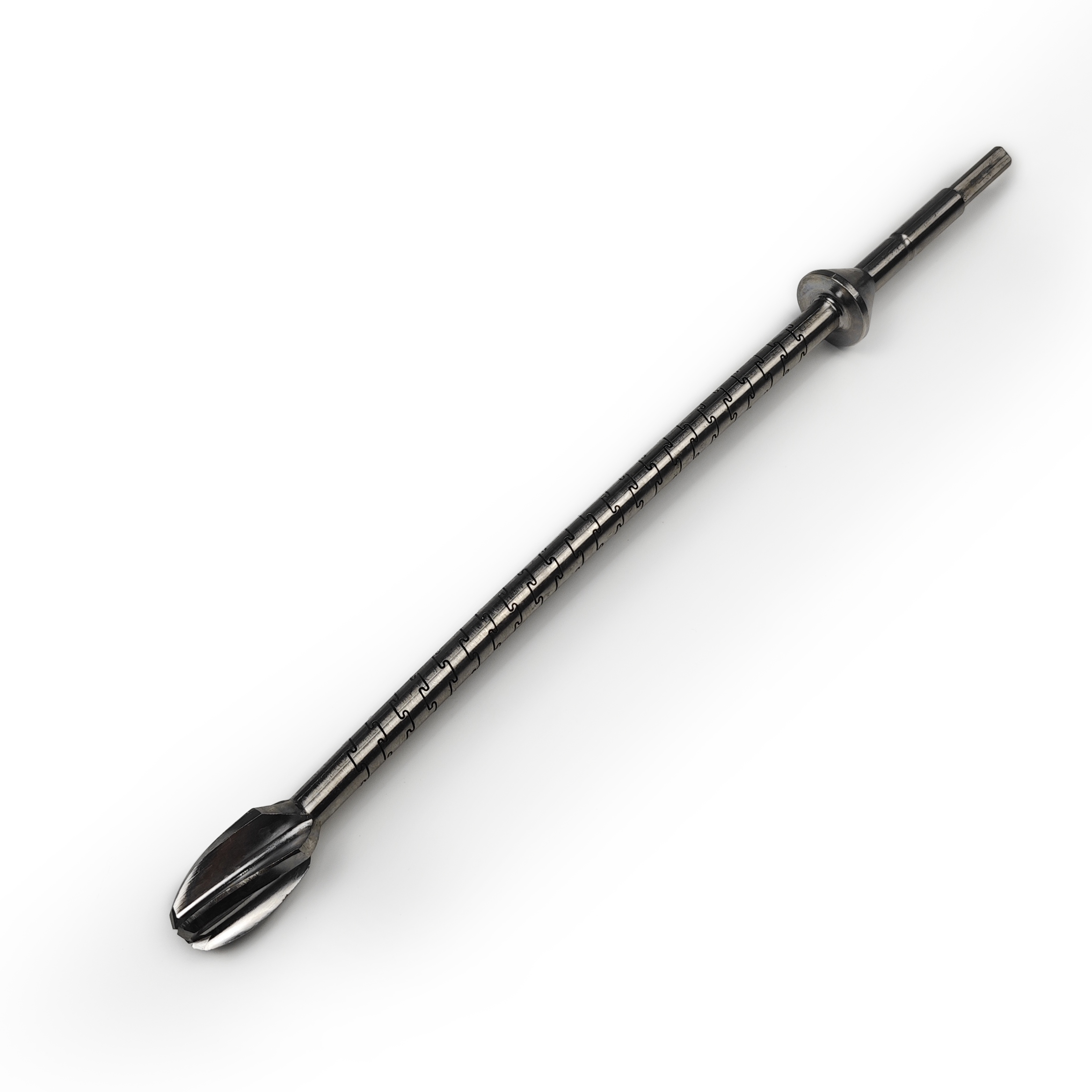
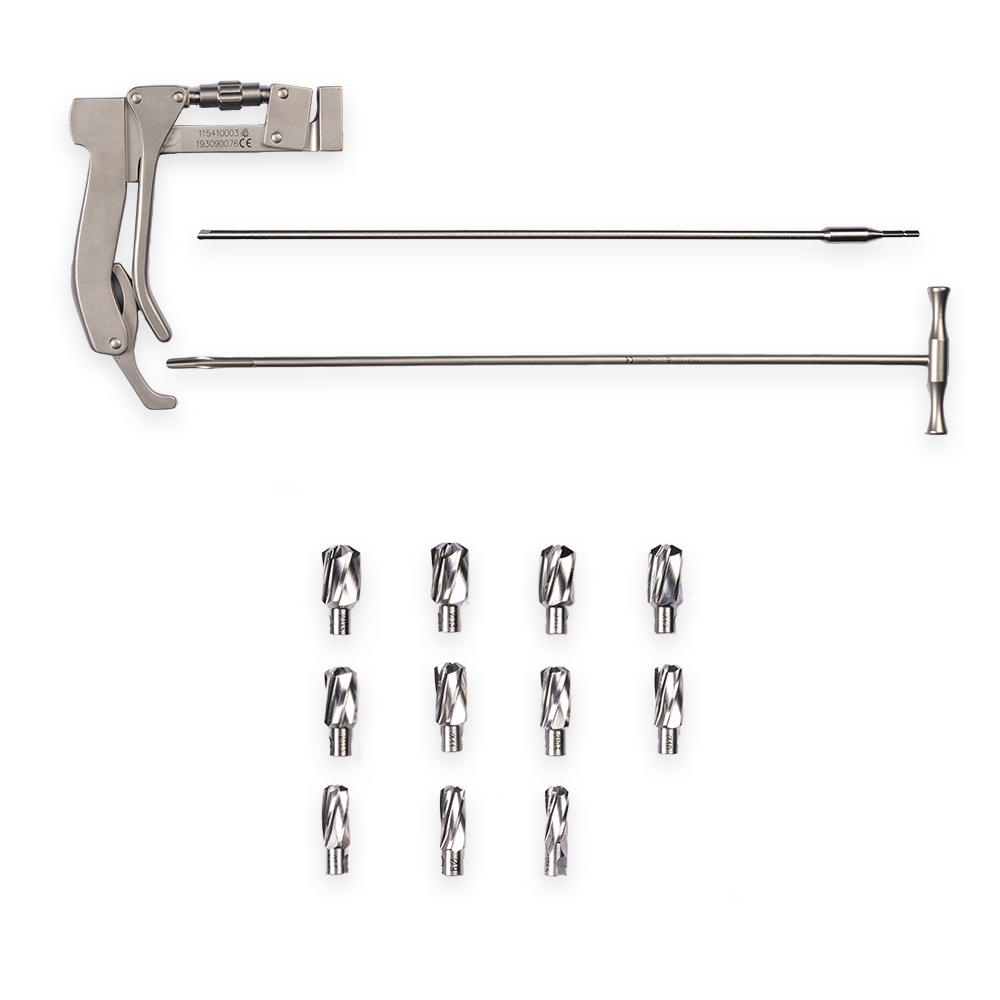
These secondary facilities demand comprehensive, modular instrument trays with high interchangeable compatibility—such as unified torque-limiting ratchet handles, standardized quick-coupling screw drivers, and flexible cannulated reamer systems that allow lower surgical budgets to handle broad surgical repertoires safely without multiple instrument purchases.
Private & Sports Medicine Centers
Urban youth and the growing middle class in Da Nang, Ha Noi, and Binh Duong have catalyzed demand for minimally invasive sports medicine procedures. Clinics such as Vinmec International Hospital and FV Hospital handle escalating numbers of arthroscopic anterior cruciate ligament (ACL) reconstructions and rotator cuff repairs.
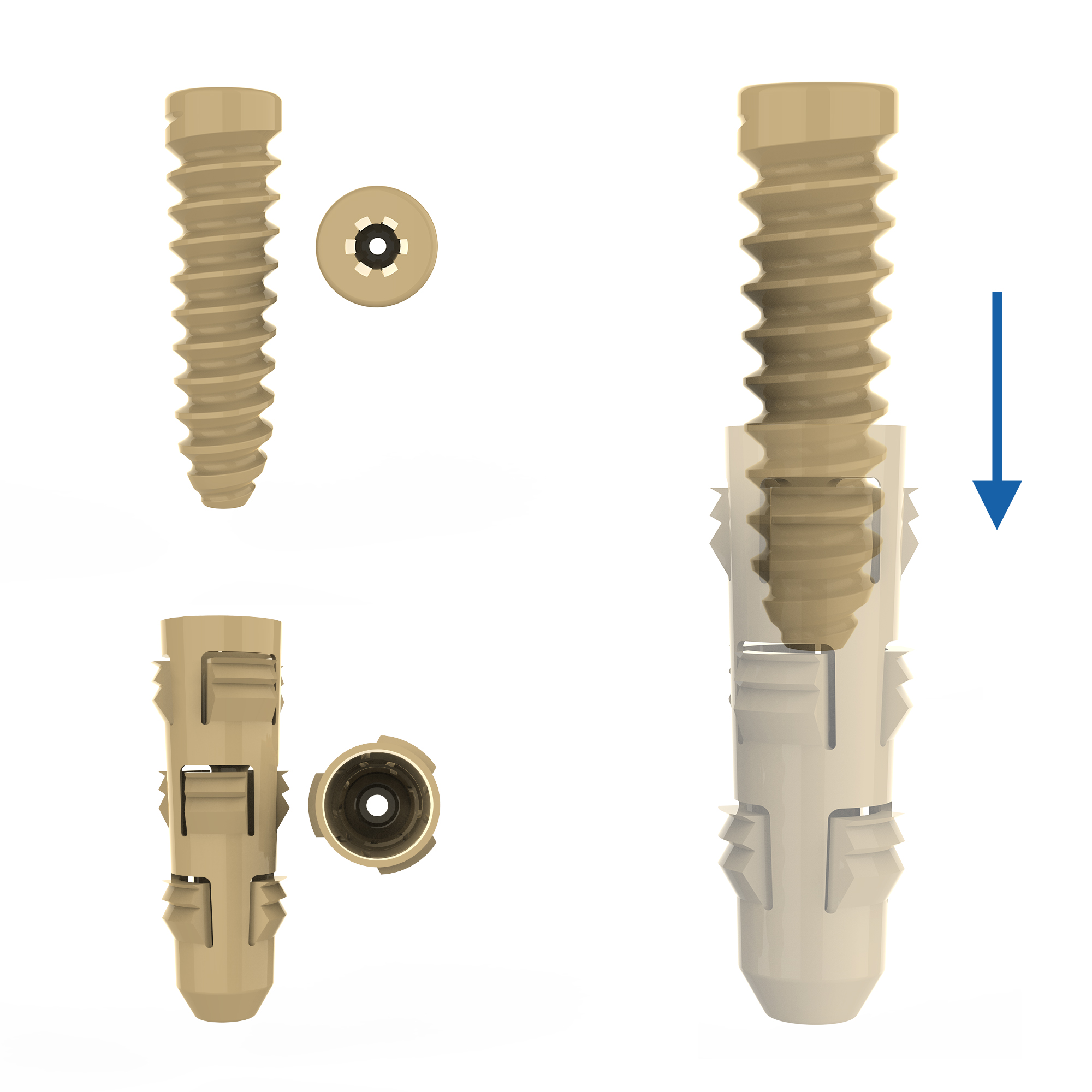
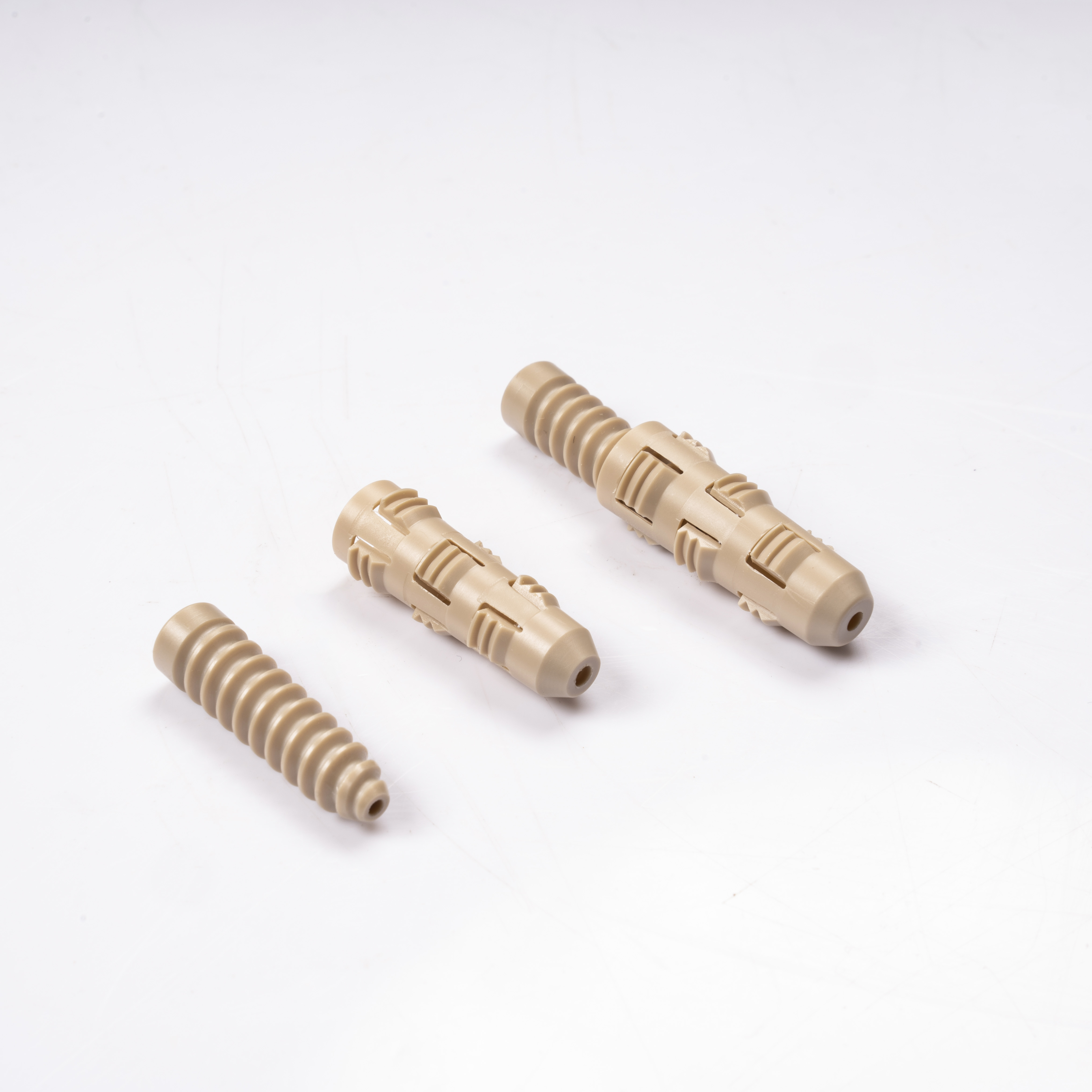
Our bioinert PEEK and fully bioabsorbable interference screws provide rock-solid graft fixation while preserving bone stock and eliminating foreign-body reaction risks. Their radiolucent characteristics ensure that subsequent MRI assessments provide clear visualization of graft incorporation without metallic distortion artifacts.
Vietnam Orthopedic Device Market Outlook (2025–2030): Trends, Tenders & Regulatory Reforms
1. Transition to CSDT and Decree 98/2021/ND-CP Enforcement
Vietnam’s regulatory framework has matured rapidly from legacy ad-hoc import permits to the stringent ASEAN Common Submission Dossier Template (CSDT) under Decree 98/2021/ND-CP. Implants categorized as Class C (invasive long-term surgical tools) and Class D (implantable devices such as spinal cages, joint prostheses, and locking plates) now require exhaustive mechanical fatigue validation, validated ethylene oxide (EO) or gamma sterilization verification, and documented biostability proof. Manufacturers that hold accredited CE certification under EU MDR (2017/745) and SGS-verified technical data packages dramatically reduce registration approval timelines for local Vietnamese commercial distributors from years to months.
2. Shift from Monolithic Tenders to Centralized Price-Performance Bidding
Public procurement across Vietnam's 63 provinces is monitored closely by the Ministry of Health and Vietnam Social Security (VSS). Public bidding packages categorized under Tier 2 and Tier 3 hospital tenders are shifting away from overpriced multinational brands toward world-class original equipment manufacturers that deliver equivalent metallurgical precision (ISO 5832-3 compliant Ti-6Al-4V) at sustainable pricing structures. Distributors partnering with automated, vertically integrated manufacturers can preserve their bidding margins while guaranteeing hospitals long-term supply stability during tender supply periods.
3. Preference for Minimally Invasive Surgery (MIS) & Pre-Sterilized Modular Packaging
Vietnamese orthopedic surgeons are increasingly adopting minimally invasive percutaneous plate osteosynthesis (MIPPO) and suprapatellar intramedullary nailing. These techniques minimize soft tissue disruption and reduce hospital stays—a critical operational metric for overcrowded wards in central hospitals. In response, exporters must provide precision radiolucent carbon-fiber insertion guides, anatomical plate geometries that require zero intraoperative bending, and color-coded anodization systems that mitigate nursing errors in fast-paced surgical theaters.
- Regulatory Acceleration: Complete technical support for fast-tracking Class C and D import licenses through the Department of Medical Equipment and Construction (DMEC).
- Metallurgical Reliability: Exclusively medical-grade titanium and PEEK-OPTIMA polymers sourced with traceable raw material mill test certificates.
- Supply Chain Redundancy: Scalable batch volume capabilities ensuring uninterrupted deliveries for multi-year hospital bidding framework contracts.
Engineering Excellence Built on 22+ Years of Orthopedic Manufacturing
We are not mere trading intermediaries; we operate an SGS-verified, vertically integrated 29,523 m² manufacturing campus where every surgical plate, nail, screw, and instrument is sculpted from solid metal stock to final aseptic barrier packaging.
SGS Verified & CE Marked
Our manufacturing protocols undergo rigorous on-site facility assessments by SGS Group. We maintain CE certifications under both EU MDR and Medical Device Directive 93/42/EEC, supported by continuous ISO 13485 audit surveillance.
Vertical In-House Operations
From longitudinal CNC Swiss-lathe cutting and 5-axis machining to precision sand-blasting, electrolytic color anodizing, and Class 100,000 cleanroom packaging, no critical production phase is outsourced.
Tailored OEM / ODM Capabilities
We configure custom plate lengths, anatomical contours, laser-etched Vietnamese nomenclature, customized sterilization caddies, and customized torque handles aligned with specific regional bidding specifications.
Complete Regulatory Assistance
We provide Vietnamese distributors with full technical documentation packages including Declarations of Conformity (DoC), biocompatibility reports (ISO 10993), packaging aging trials, and localized surgical manuals.
Frequently Asked Questions by Vietnamese Importers & Hospitals
Practical answers regarding regulatory registration, import duties, shipping logistics, and product customization for doing business in Vietnam.
How do your products comply with the Vietnamese Ministry of Health (MoH) Decree 98/2021/ND-CP? ▼
What are the typical lead times and customs logistics arrangements for shipments to Hai Phong and Cat Lai ports? ▼
Can you provide customized OEM surgical kits tailored to specific hospital tender specifications in Vietnam? ▼
How does your factory ensure surface biocompatibility and structural endurance under tropical clinic conditions? ▼
What is the minimum order quantity (MOQ) and warranty policy for new hospital distributors in Vietnam? ▼
Connect with our Vietnam Technical Sourcing Desk
Looking to participate in upcoming hospital orthopedic tenders or expand your trauma product portfolio in Vietnam? Request localized CSDT registration files, product samples, or direct factory quotation lists immediately.