Featured Orthopedic Systems for Trauma Centers
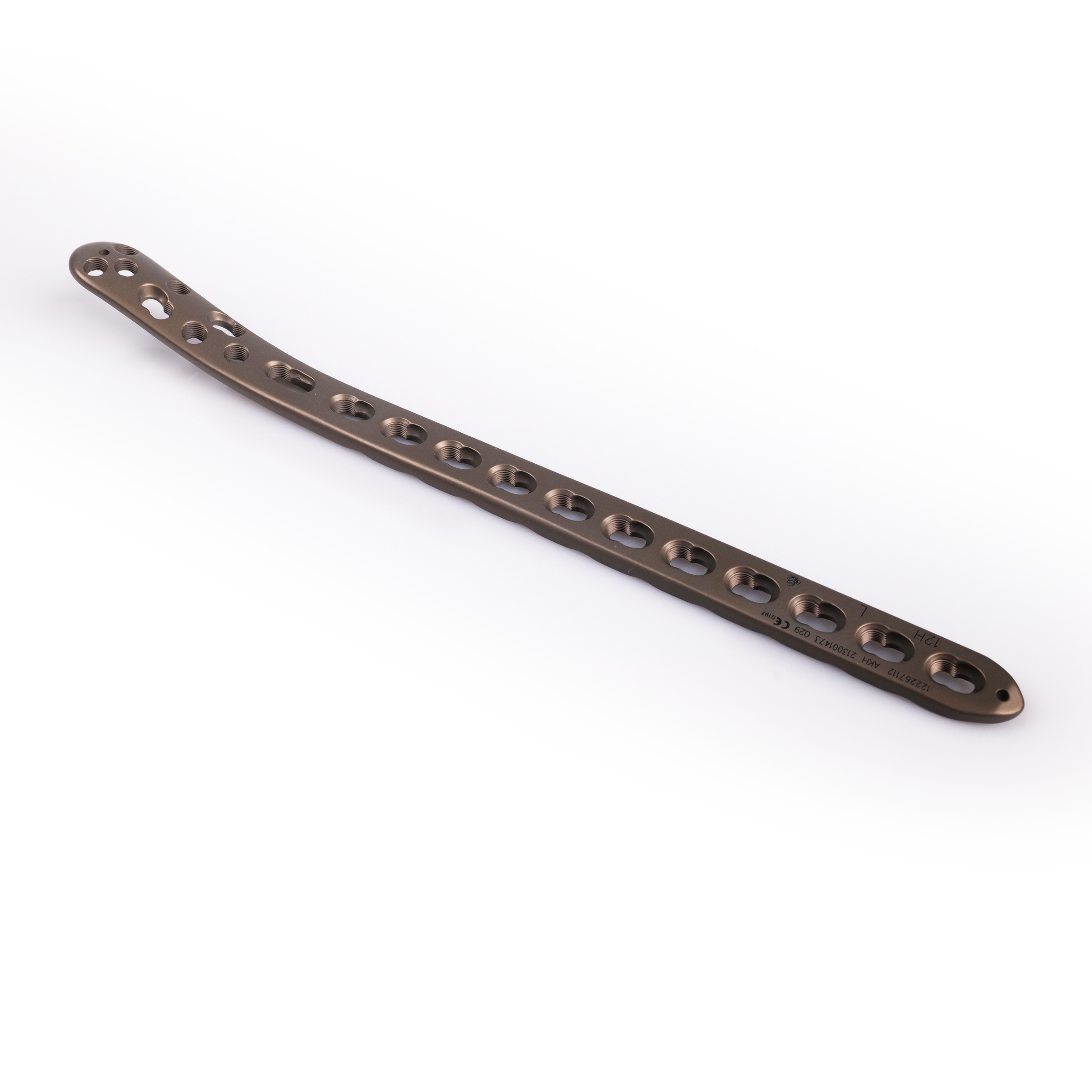
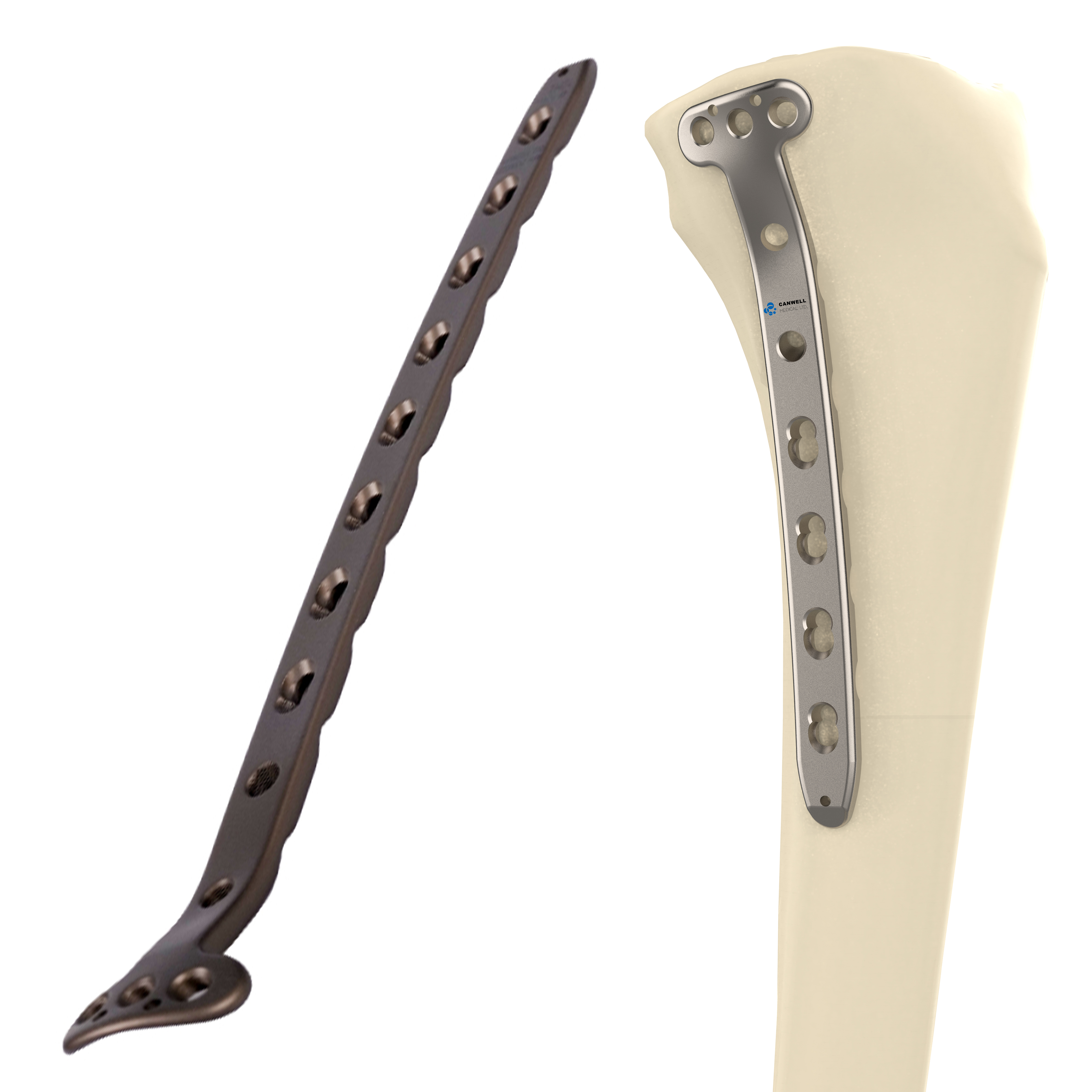
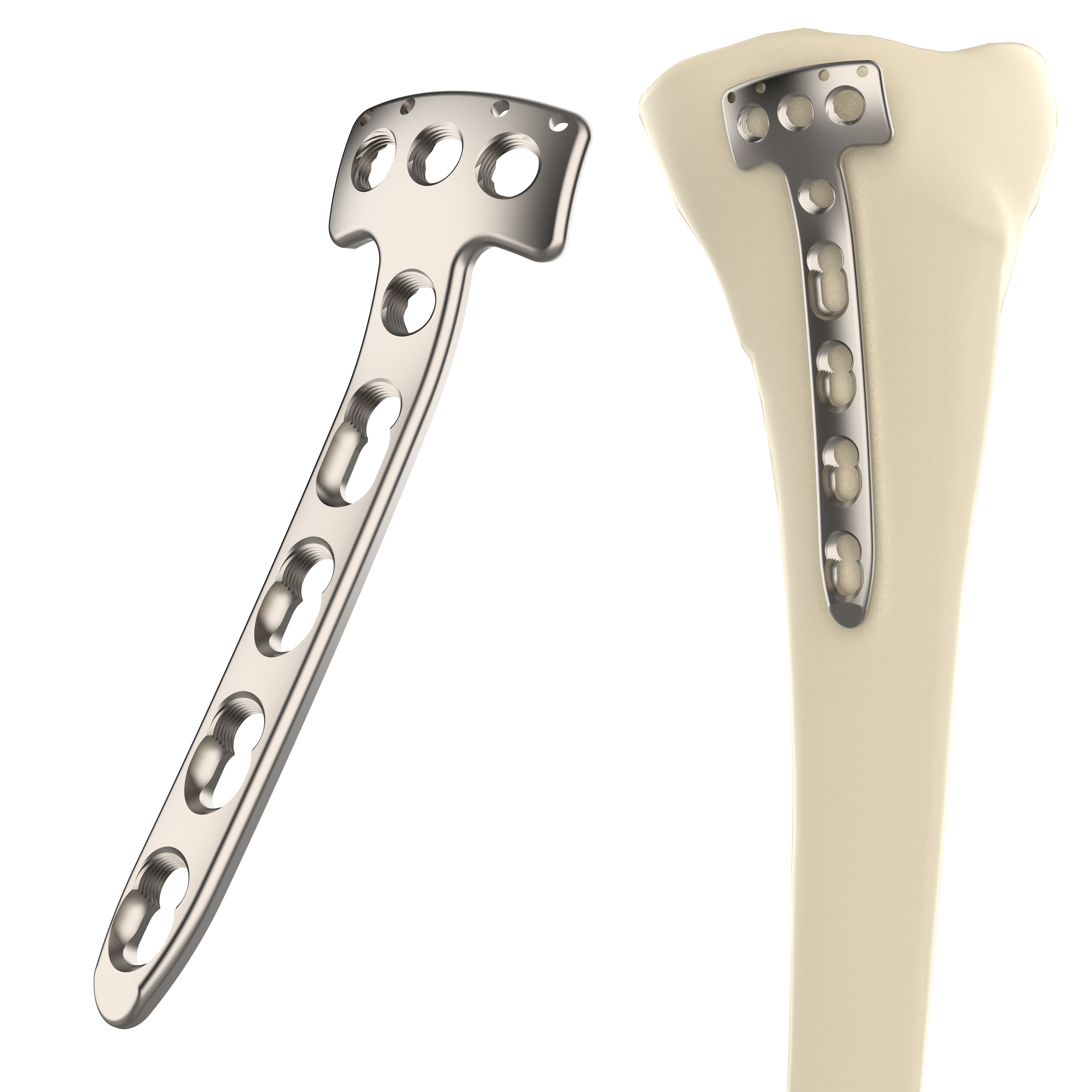
Compliant with ISO 13485 and Medical Device Regulation (EU MDR), our titanium interlocking nails and osteosynthesis implants offer clinical biomechanical stability and streamlined instrumentation.
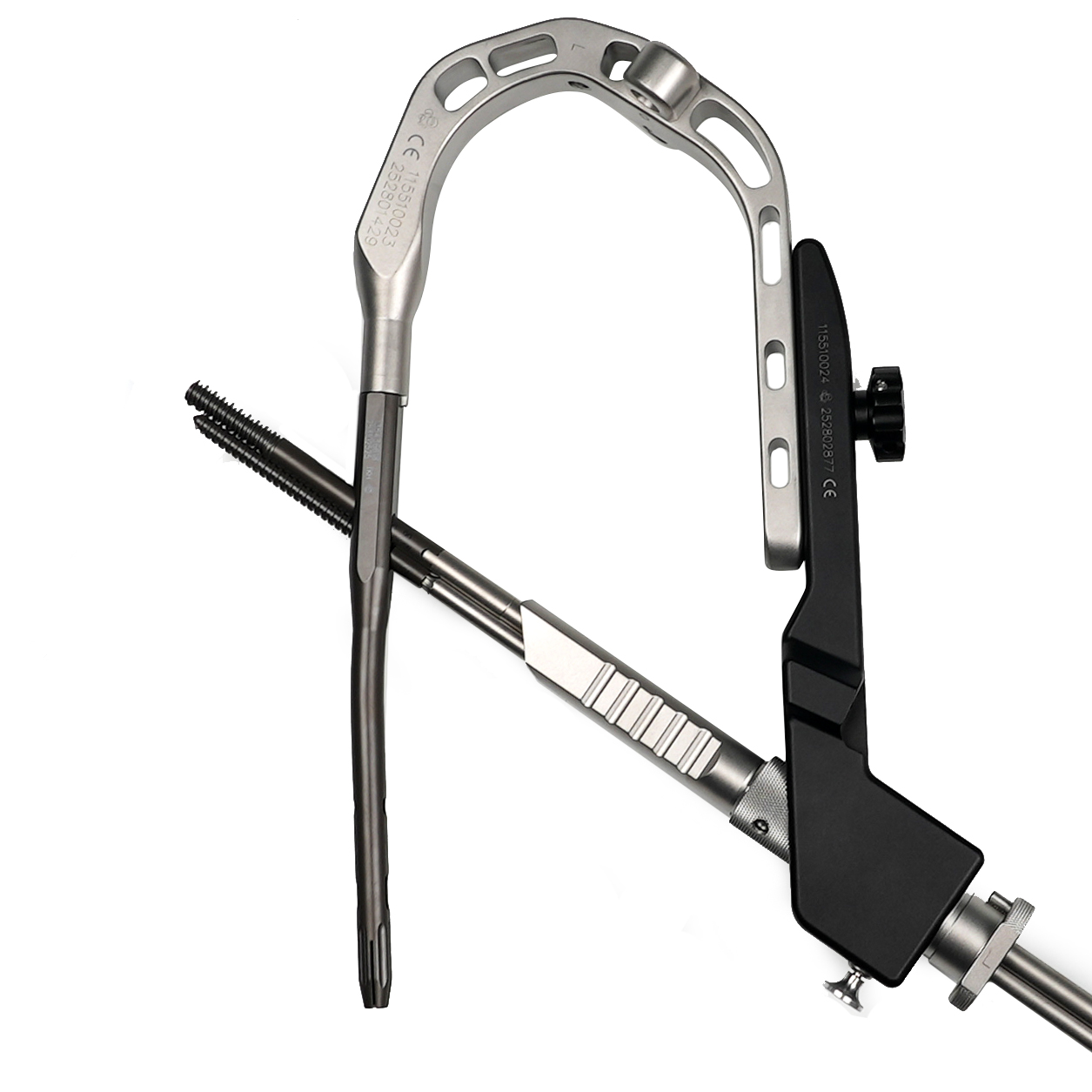
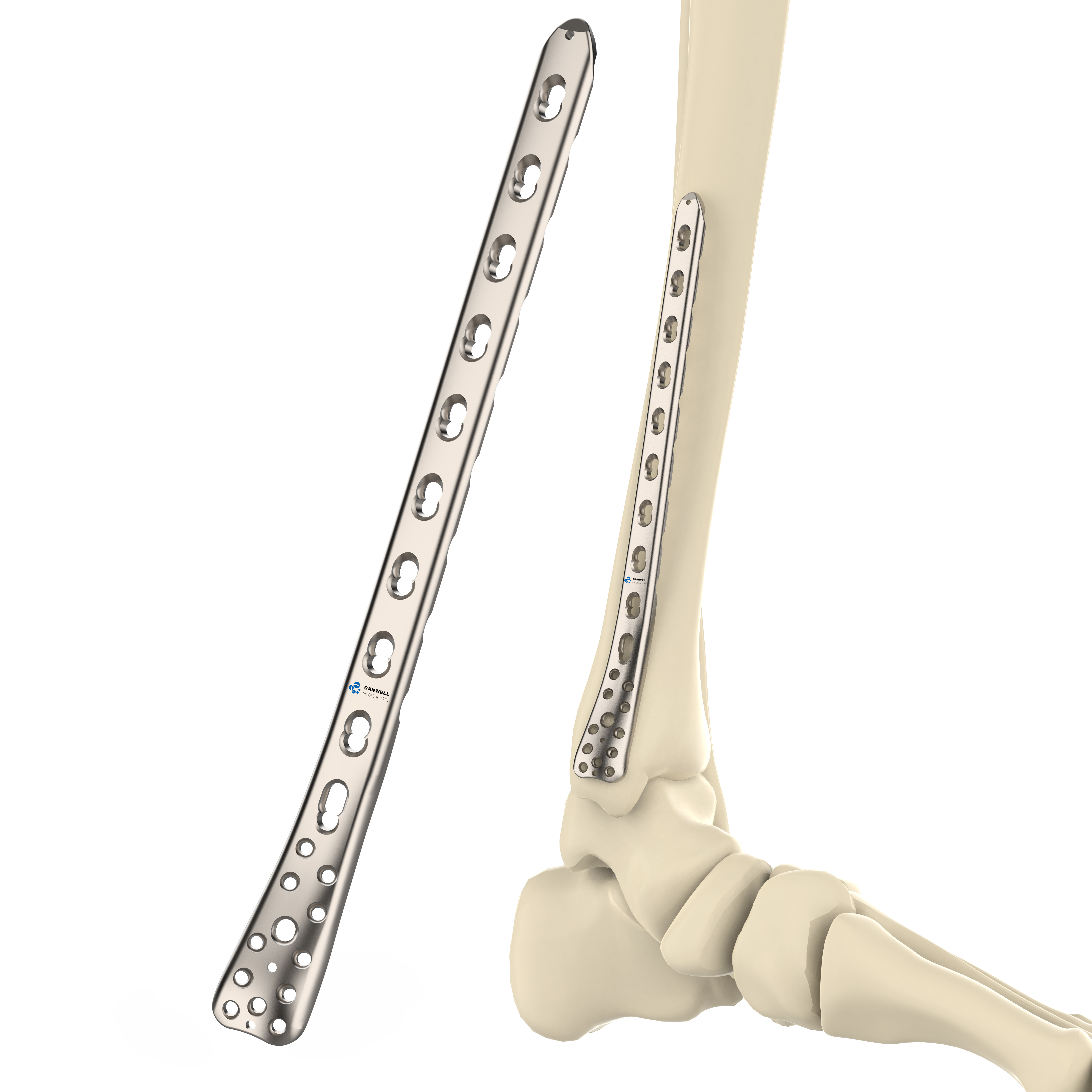
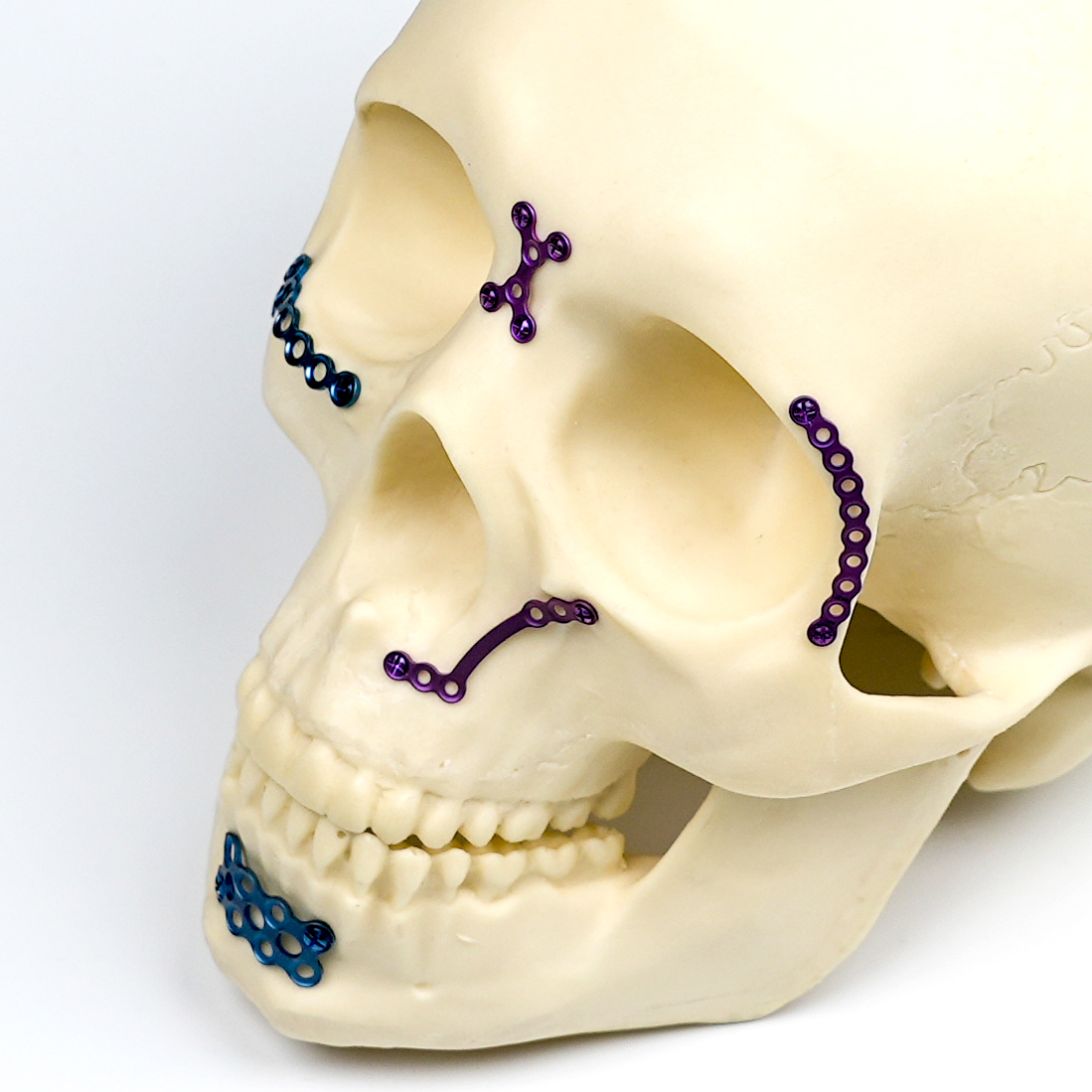
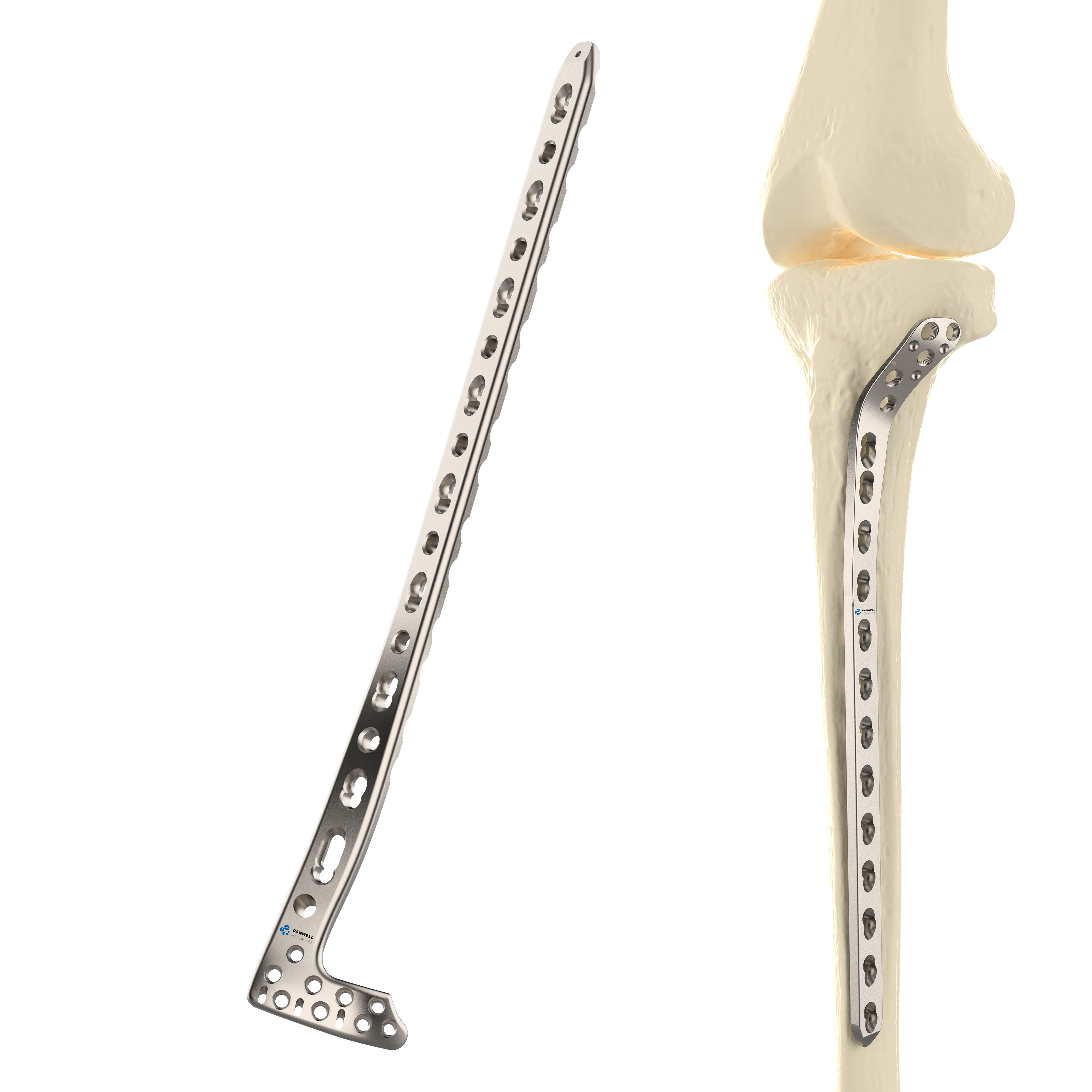

Biomechanical Engineering & Clinical Paradigms in Modern Intramedullary Osteosynthesis
Intramedullary interlocking nailing has long stood as the gold standard for diaphyseal and select metaphyseal fractures across long bones, notably the femur and tibia. In modern trauma care, the primary surgical objective transcends basic anatomical alignment; it focuses on establishing an optimal biomechanical environment that preserves local periosteal vasculature while facilitating micromotion for robust secondary bone healing. For clinical facilities across the North West of England, and specifically trauma hubs within the Mersey and Cheshire Trauma Network, implementing an intramedullary nail system requires an intricate balance between torsional stiffness, bending compliance, and intuitive proximal/distal targeting accuracy.
Manufactured from premium medical-grade Ti-6Al-4V ELI (ASTM F136 / ISO 5832-3), our interlocking intramedullary nailing portfolio offers an elastic modulus significantly closer to cortical bone than traditional 316L stainless steel. This physical property directly attenuates stress shielding, thereby mitigating proximal cortical resorption and accelerating periosteal callus formulation. Whether deploying our retrograde/antegrade universal femoral nail configurations or implementing semi-extended suprapatellar approaches for comminuted tibial fractures, the internal architecture features optimized wall-thickness profiles. These configurations withstand dynamic weight-bearing physiological loads while maintaining cannulated lumens engineered for frictionless insertion over reamed guide wires.
Clinical Applications Across Liverpool & North West Regional Care Pathways
The city of Liverpool, anchored by major tertiary institutions such as The Royal Liverpool University Hospital, Aintree University Hospital (Major Trauma Centre), and specialized pediatric care at Alder Hey Children's NHS Foundation Trust, handles one of the highest densities of complex polytrauma, industrial, and high-energy road traffic collisions in the United Kingdom. Within this intensive operational environment, orthopedic implant requirements must adhere to strict perioperative standards:
1. Polytrauma and Damage Control Orthopedics (DCO): In critically injured patients presenting with thoracic injury or coagulopathy, operating theaters demand unreamed or minimally reamed interlocking nail configurations. The rapid deployment targeting jigs allow Liverpool surgical teams to execute definitive stabilization within minutes, reducing operative blood loss and pulmonary fat embolization risks.
2. Geriatric Fragility & Periprosthetic Fixation: Echoing demographic shifts across Merseyside, elderly fragility fractures—particularly subtrochanteric and distal femoral fractures above total knee arthroplasties—represent an escalating clinical burden. Our interlocking systems incorporate specialized reconstruction caps and multi-angle locking screws that achieve rigid purchase even within osteoporotic bone beds, facilitating immediate postoperative rehabilitation and early mobilization protocols recommended by the British Orthopaedic Association (BOA).
3. Pediatric & Adolescent Trauma: The CANWELL Titanium Elastic Nail (TEN) system addresses pediatric long-bone fracture stabilization with minimally invasive access, safeguarding sensitive epiphyseal growth plates while affording symmetrical elastic bracing within the medullary canal.
Regional Evolution: Transitioning to Semi-Extended Suprapatellar Tibial Nailing
A profound surgical trend rapidly evolving across NHS Trusts in Liverpool, Manchester, and Leeds is the widespread transition from conventional infrapatellar incisions to semi-extended suprapatellar nailing techniques. Traditional infrapatellar access in high-energy proximal third tibial shaft fractures regularly risks procurvatum and valgus deformities due to quadriceps tendon tension during knee flexion. Furthermore, long-term anterior knee pain remains a persistent morbidity.
Our dedicated suprapatellar instrumentation and specialized interlocking nail contours resolve these clinical bottlenecks. By operating with the knee in partial extension (15° to 20°), muscular deforming forces are neutralized, fluoroscopic visualization under the C-arm is markedly improved, and intraoperative traction becomes ergonomic. Designed with high-performance radiolucent carbon fiber insertion handles and specialized intra-articular sleeve shields, our systems protect patellofemoral cartilage from iatrogenic abrasive damage during instrumentation insertion.
Streamlined Procurement for UK Healthcare Systems
Navigating the UK Medical Device Regulations post-Brexit requires a factory partner equipped with rigorous documentation, certified quality management systems, and transparent lead times.
UK MDR & CE Marking Compliance
All implants and auxiliary instruments carry complete technical files, notified body CE certifications under EU MDR / 93/42/EEC, and comprehensive biological evaluation reports (ISO 10993) to facilitate rapid MHRA registration and UKCA transition through local UK Responsible Persons (UKRP).
NHS Framework Cost Rationalization
UK NHS Integrated Care Systems (ICS) confront stringent spending caps. By engaging directly with our original equipment manufacturing facility in Zhejiang, distributors and procurement consortiums eliminate intermediate distributor markups, achieving 30-45% cost efficiencies across high-volume trauma sets.
Rapid Maritime & Air Freight Channels
Leveraging the direct ocean-rail routes to the Port of Liverpool and direct air corridors into Manchester International Airport (MAN) or London Heathrow (LHR), consignment inventories and bespoke instrument replenishment cycles maintain unbroken continuity.
Why Global Healthcare Brands Source From Us
Operating a 29,523 m² facility with 632 dedicated personnel, our manufacturing ecosystem combines cutting-edge CNC precision with exhaustive ISO cleanroom packaging.
End-to-End In-House Control
From raw titanium bar machining via five-axis Swiss longitudinal turning lathes to ultrasonic deep cleaning, automated sandblasting, and Type II anodization, zero critical biological or mechanical processes are outsourced.
SGS Onsite Verified Capacity
Our facility is independently inspected by SGS Group. We operate dedicated Class 100,000 cleanrooms and on-premise biomechanical laboratories running dynamic multi-million cycle axial fatigue and torsional testers.
Tailored OEM / ODM Customization
Comprehensive contract engineering options include custom nail bow radii, proprietary variable-angle locking geometry, private-label laser marking (UDI compliant), and graphic sterilizing tray configuration for UK surgical staff.
Liverpool Procurement Team FAQ
Detailed answers addressing regulatory compliance, instrument sterilization compatibility, and supply agreements for NHS and private clinical groups.