Engineered Interlocking Nail & Trauma Implantation Portfolio
Certified medical devices conforming to MDR and ISO 13485 standards. Precision manufactured using certified titanium alloy (Ti-6Al-4V ELI) and implantable biocompatible polymers to ensure biomechanical stability.
22+
Years Manufacturing Excellence
632
Engineers & Technical Staff
29,523 m²
Floor Capacity & Cleanrooms
100%
In-House Batch Traceability
Biomechanical Engineering of Modern Interlocking Nail Systems
Intramedullary nailing has become the gold standard for diaphyseal and select metaphyseal fractures of long bones. Understanding structural geometry, load-sharing dynamics, and surgical instrumentation guarantees optimal surgical outcomes.
⚒ Dynamic Multi-Planar Locking
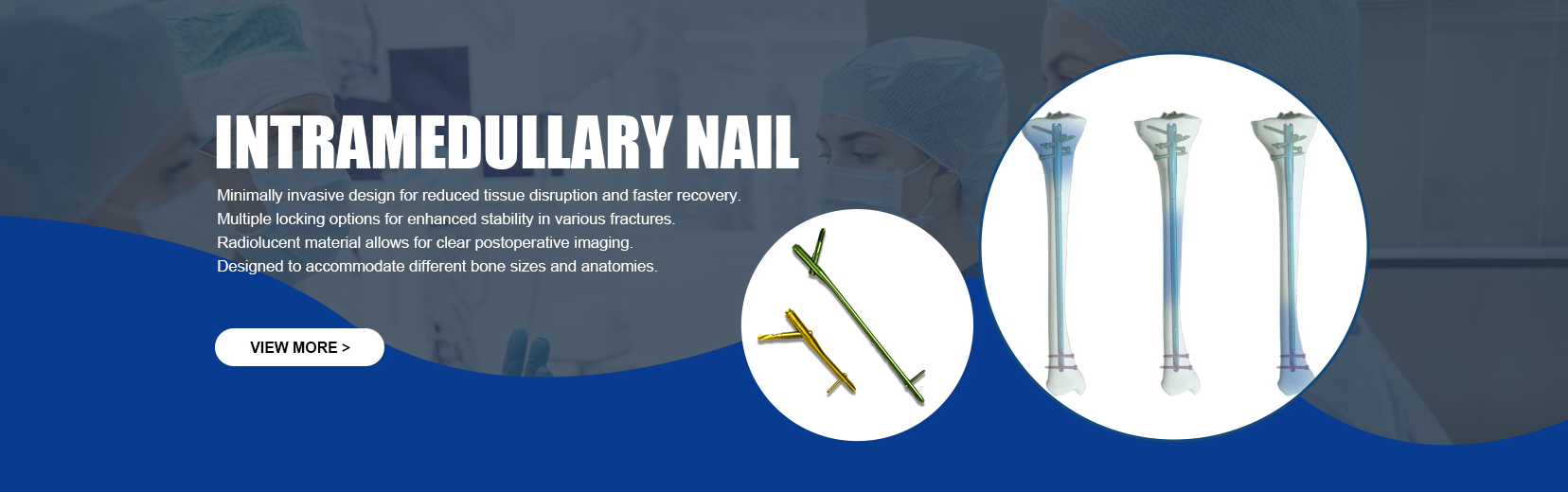
Our interlocking intramedullary nails feature strategically engineered multi-axial locking holes at proximal and distal locations. This allows surgeons to select between static stabilization and controlled dynamic axial compression, minimizing non-union risks and promoting secondary periosteal callus formation under functional physiological weight-bearing loads.
★ Anatomical Bowing & Radius Curvature
Each femoral and tibial nail is machined with anatomically validated sagittal curvature (ROC - Radius of Curvature matching contemporary East Asian clinical anthropometry). This avoids anterior cortical impingement, facilitates insertion without cortical perforation, and ensures high torsional stiffness while matching natural medullary canal geometry.
⚙ Cannulated Instrumentation Compatibility
System components are fabricated from medical-grade Ti-6Al-4V ELI (ASTM F136) and high-strength stainless steel. Fully cannulated designs accommodate reamed or unreamed surgical techniques over flexible guide wires, paired with high-precision radiolucent carbon fiber aiming arms for parallax-free distal locking execution.
Clinical Application Scenarios Across Busan's Healthcare Infrastructure
Serving University Hospitals, Regional Trauma Centers, and Specialized Orthopedic Clinics throughout the Busan-Jinhae Free Economic Zone and Southeastern Industrial Belt.
Addressing Urban, Maritime, and Geriatric Trauma Profiles
Busan operates as South Korea's principal maritime logistics center and second-largest metropolis. This geographic profile demands versatile orthopedic trauma implants capable of addressing complex, high-energy polytrauma along with an expanding volume of fragility fractures associated with an aging population:
- High-Energy Industrial & Maritime Accidents: Severe comminuted diaphyseal femoral and tibial fractures originating from Busan New Port operations, commercial shipping yards, and logistics infrastructure, necessitating high-load load-sharing interlocking devices.
- Geriatric Subtrochanteric & Pertrochanteric Fractures: Increased incidence of osteoporotic fractures requiring cephalomedullary and proximal femoral nail systems with helical blade or lag screw options to avoid implant cut-out.
- Pediatric & Adolescent Trauma Fixation: Titanium Elastic Nails (TEN) providing minimally invasive biological fixation for pediatric long bone fractures without damaging epiphyseal growth plates.
Market Trends & Regulatory Evolution in the Korean Orthopedic Sector
Strategic supply chain evolution matching the regulatory guidelines of Korea's Ministry of Food and Drug Safety (MFDS) and global MDR standards.
1. Transition to Suprapatellar Approaches
Busan orthopedic trauma departments are rapidly transitioning from traditional infrapatellar approaches toward suprapatellar tibial nailing techniques. Suprapatellar entry keeps the knee in semi-extension, mitigating quadriceps muscle tension, simplifying fluoroscopic imaging, and eliminating post-operative anterior knee pain.
2. Cost Containment & Insurance Reimbursement
Hospitals operating under the Health Insurance Review and Assessment Service (HIRA) reimbursement framework seek direct OEM partnerships with verified manufacturers. By purchasing directly from audited factories, hospital networks optimize surgical inventory costs without sacrificing international regulatory conformity.
3. Sterilization Tracking & UDI Compliance
Korea's mandatory Medical Device Unique Device Identification (UDI) regulations require granular traceability from the manufacturing line to patient discharge. Fully automated laser-etched DataMatrix codes ensure seamless batch tracking across hospitals in Busan, Ulsan, and South Gyeongsang Province.
Direct Manufacturing Advantages & Rigorous Quality Control
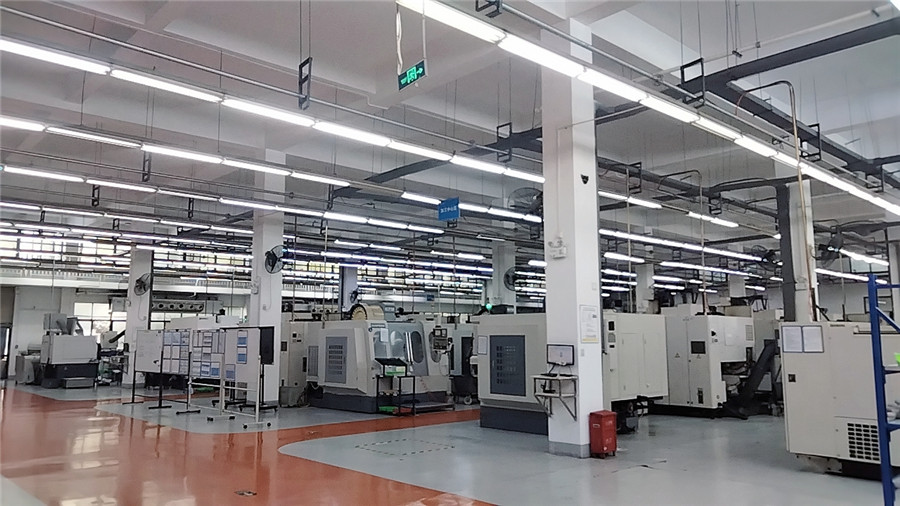
Full in-house industrial capabilities spanning precision 5-axis Swiss CNC milling, cleanroom handling, ultrasonic surface treatments, and third-party supplier audits.
Phase 01
Certified Raw Material
Procurement of biomedical-grade titanium alloy bars and stainless steel with metallurgical melt certificates, verifying chemical purity and tensile yield limits.
Phase 02
5-Axis Precision Milling
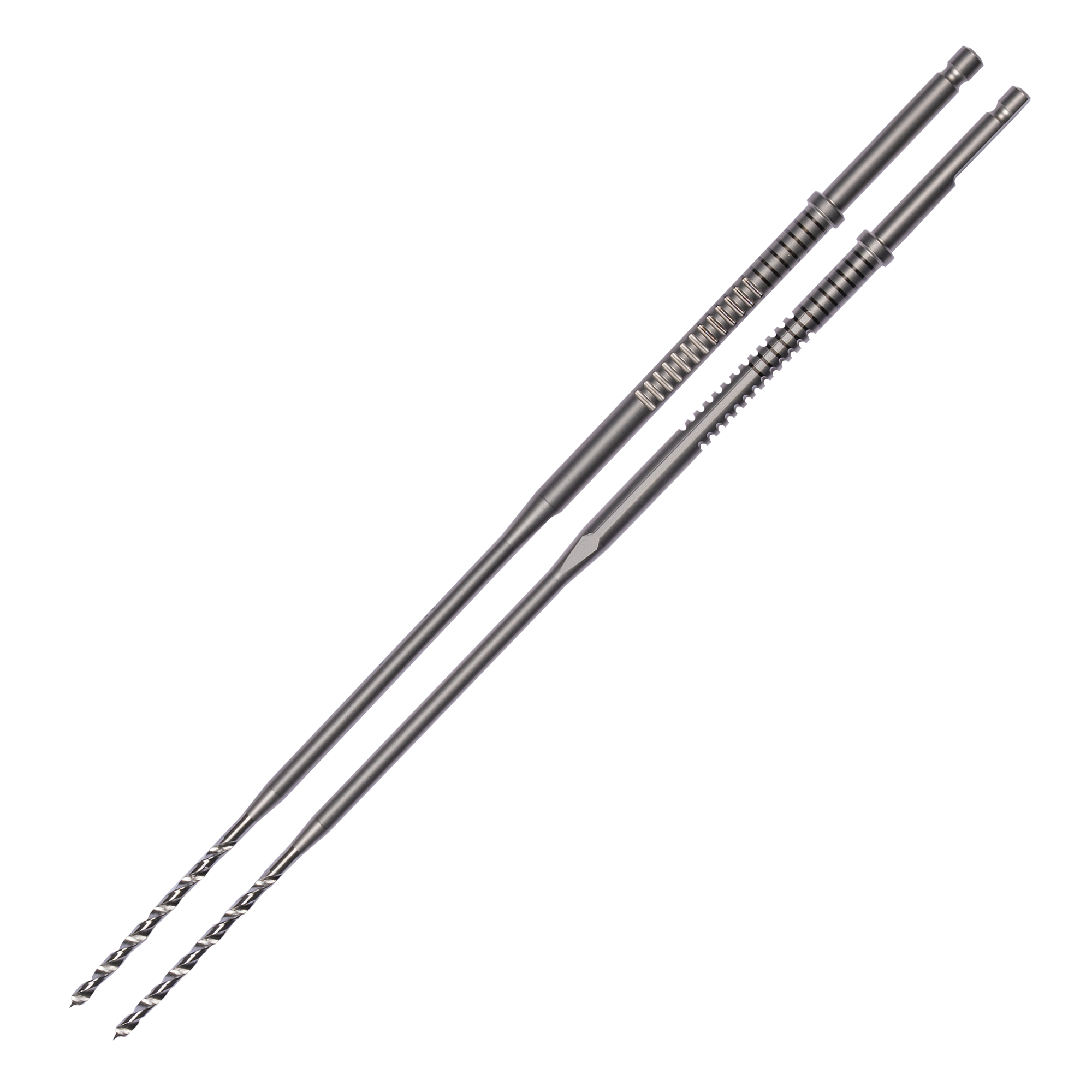
Complex geometry tooling and deep-hole drilling performed on high-precision CNC longitudinal machining centers with micrometric tolerances.
Phase 03
Surface & Fatigue Testing
Ultrasonic multi-stage washing, automated electrolytic anodization for color coding, and dynamic mechanical fatigue endurance validation.
Phase 04
Aseptic Cleanroom Pack
Class 10,000 cleanroom packaging lines utilizing sterile medical-grade Tyvek blister trays, fully compliant with ISO 11607 barrier validation.
Verified Quality Certifications & Factory Scale
Zhejiang INAR Medical Co., Ltd. operates across 29,523 m² of modern manufacturing infrastructure staffed by 632 dedicated personnel. Our facility is validated by rigorous onsite assessments conducted by SGS Group.
With CE certifications covering EU MDR and 93/42/EEC directives, alongside ISO 13485 quality systems, we provide comprehensive regulatory documentation packages (Technical Files, Risk Management Files, Biocompatibility Reports according to ISO 10993) to streamline procurement audits for distributors in Busan and across international markets.
Procurement & Clinical Application FAQ for Busan Buyers
Clear insights addressing regulatory documentation, logistics, OEM customization, and clinical instrumentation support.
❓ How do INAR interlocking nail systems comply with Korean medical import regulations?
We provide full technical documentation dossiers compliant with international standards, including CE (MDR), ISO 13485 certificates, and detailed mechanical testing reports (axial, torsional, and bending fatigue data). These files support local Korean distributors during the MFDS device notification and approval processes.
❓ What are the shipping lead times and freight corridors to Busan Port?
Standard inventory items and instrument kits can be dispatched within 7–10 days. Utilizing ocean container freight directly to Busan Port (BPA) or air freight shipments to Gimhae International Airport (PUS), delivery timelines range from 3 to 7 business days following dispatch.
❓ Are surgical instrumentation sets customized for specific surgical preferences?
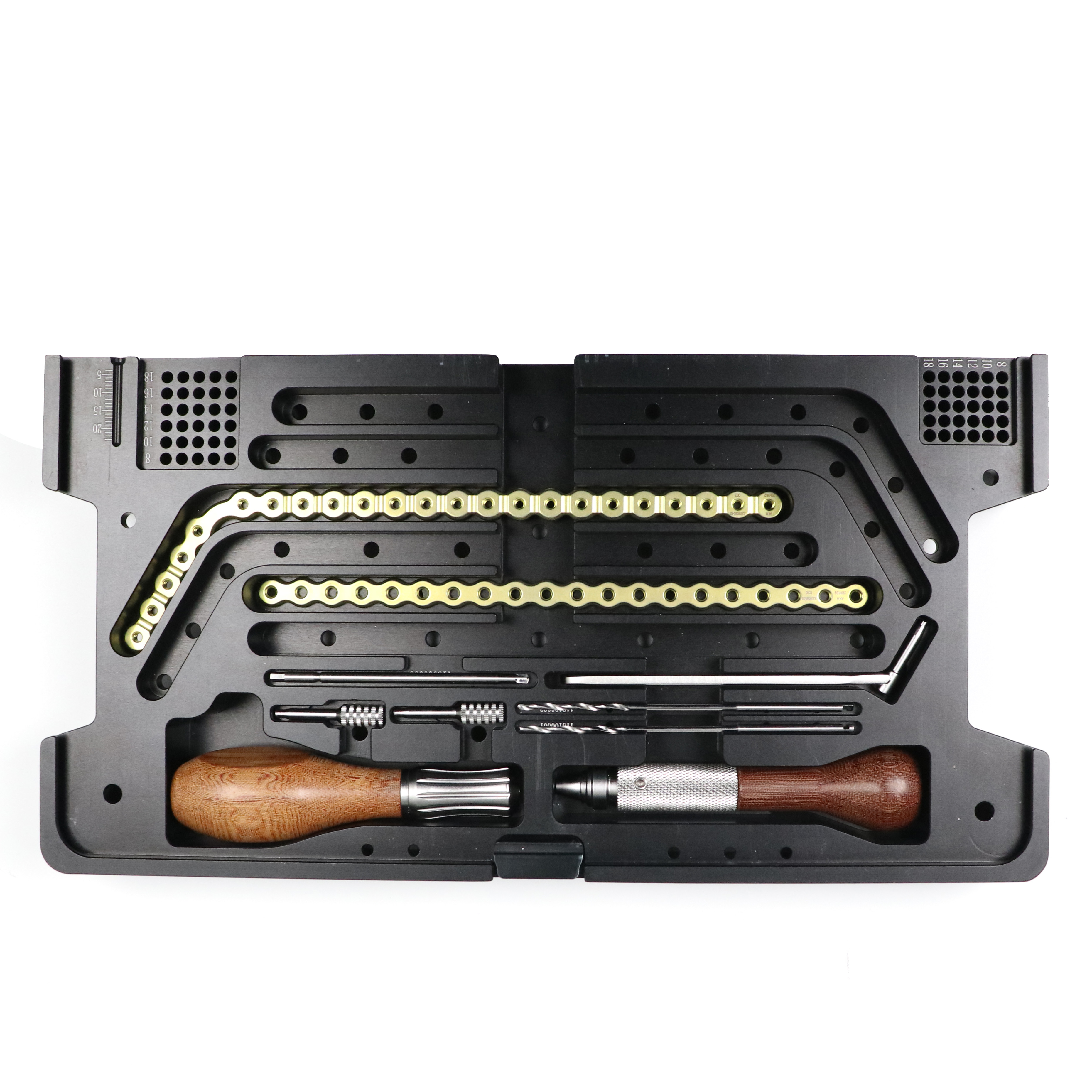
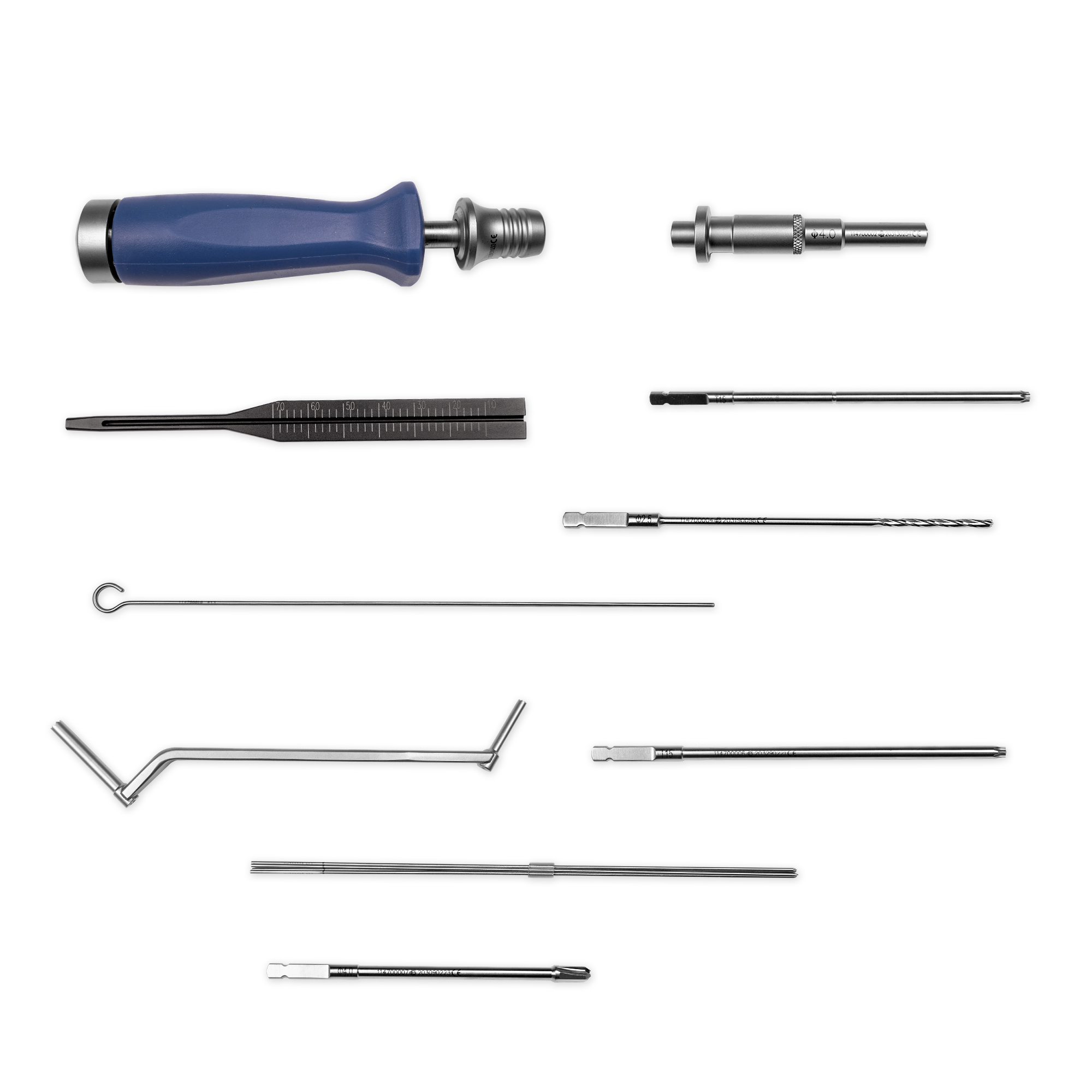
Yes. We offer fully configured, autoclavable instrument trays tailored to surgeon workflow preferences. Instruments feature quick-coupling silicone handles, torque-limiting ratchets, carbon fiber radiolucent targeting guides, and specialized extraction devices for trauma surgery.
❓ Do you support private label OEM/ODM services for local surgical brands?
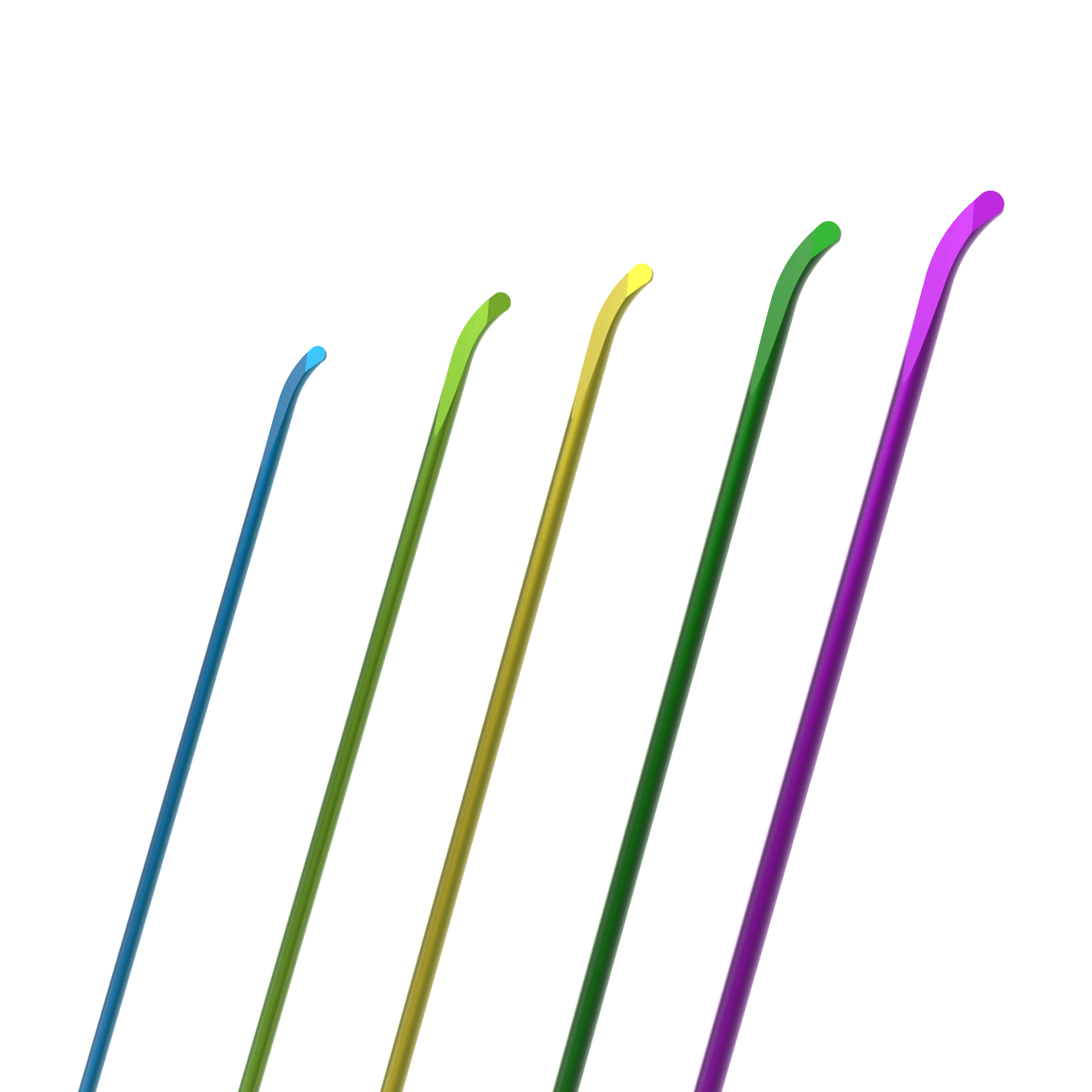
We provide complete OEM/ODM production, including custom laser etching (hospital logos, part catalogs, GS1 2D DataMatrix), tailored anodization color coding (blue, gold, green, gray), and private packaging box designs verified through accelerated aging validation.
❓ What raw materials are used in nail and locking screw manufacturing?
Implantable systems are machined from certified Ti-6Al-4V ELI (Grade 5 Titanium / ASTM F136) and implant-grade 316LVM stainless steel (ASTM F138). Raw materials are accompanied by full chemical composition and tensile elongation certificates with mill lot traceability.
❓ How is mechanical fatigue failure prevented in distal screw locking apertures?
All locking holes undergo radius-chamfering and micro-polishing treatments to eliminate internal notch stress concentrations. Endurance cycle tests under dynamic load scenarios ensure that screws and nail bodies withstand standard ambulatory cycles without early mechanical deformation.
Partner with an SGS-Verified Orthopedic Manufacturer
Direct supply chain access for distributors, hospital groups, and surgical implant providers throughout Busan and the Korean market. Request product catalogs, technical drawings, and surgical technique manuals.