Volar Trauma
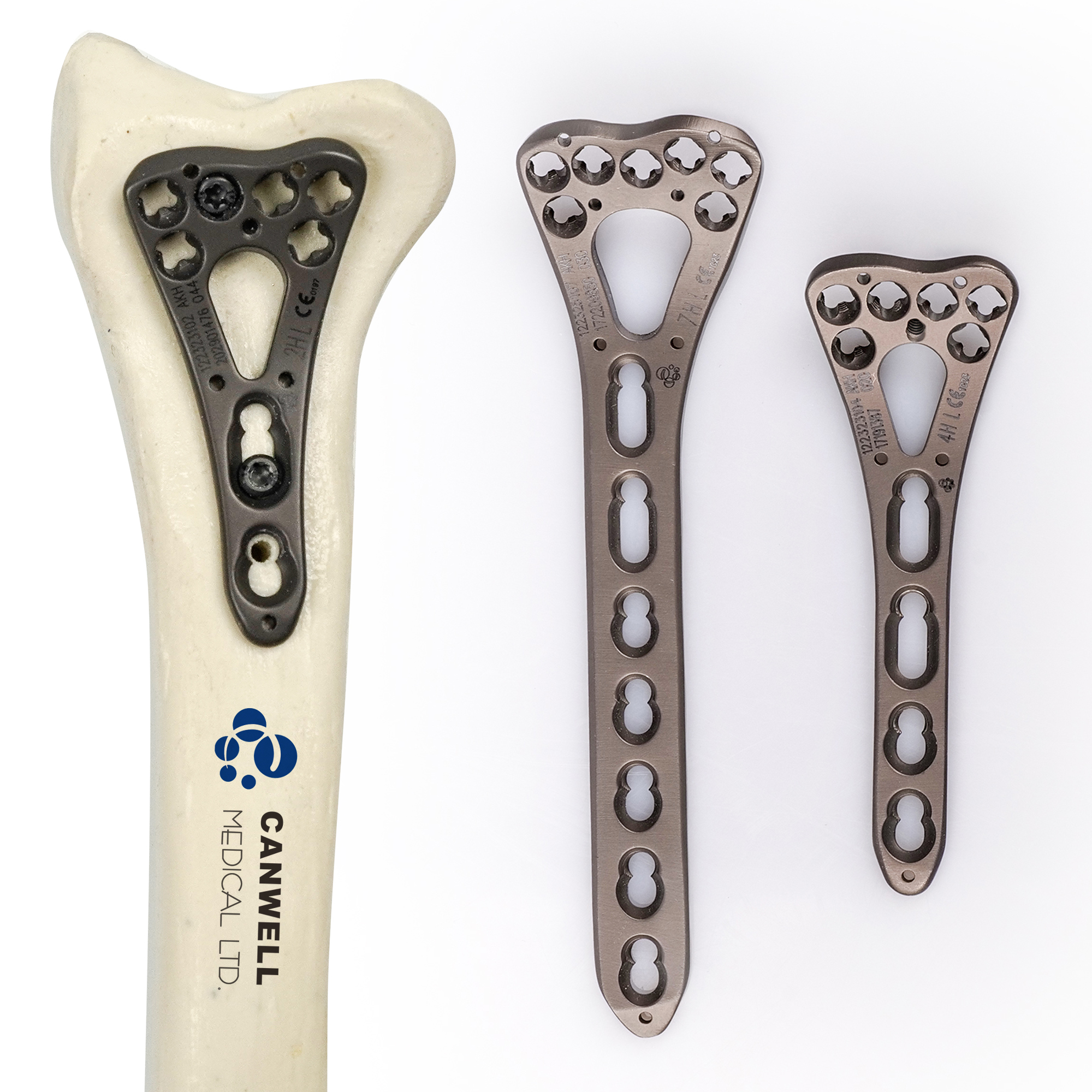
Manufactured in ISO 13485:2016 and SGS-verified facilities. Every titanium implant undergoes strict mechanical testing and cleanroom processing to meet European University Clinic standards.
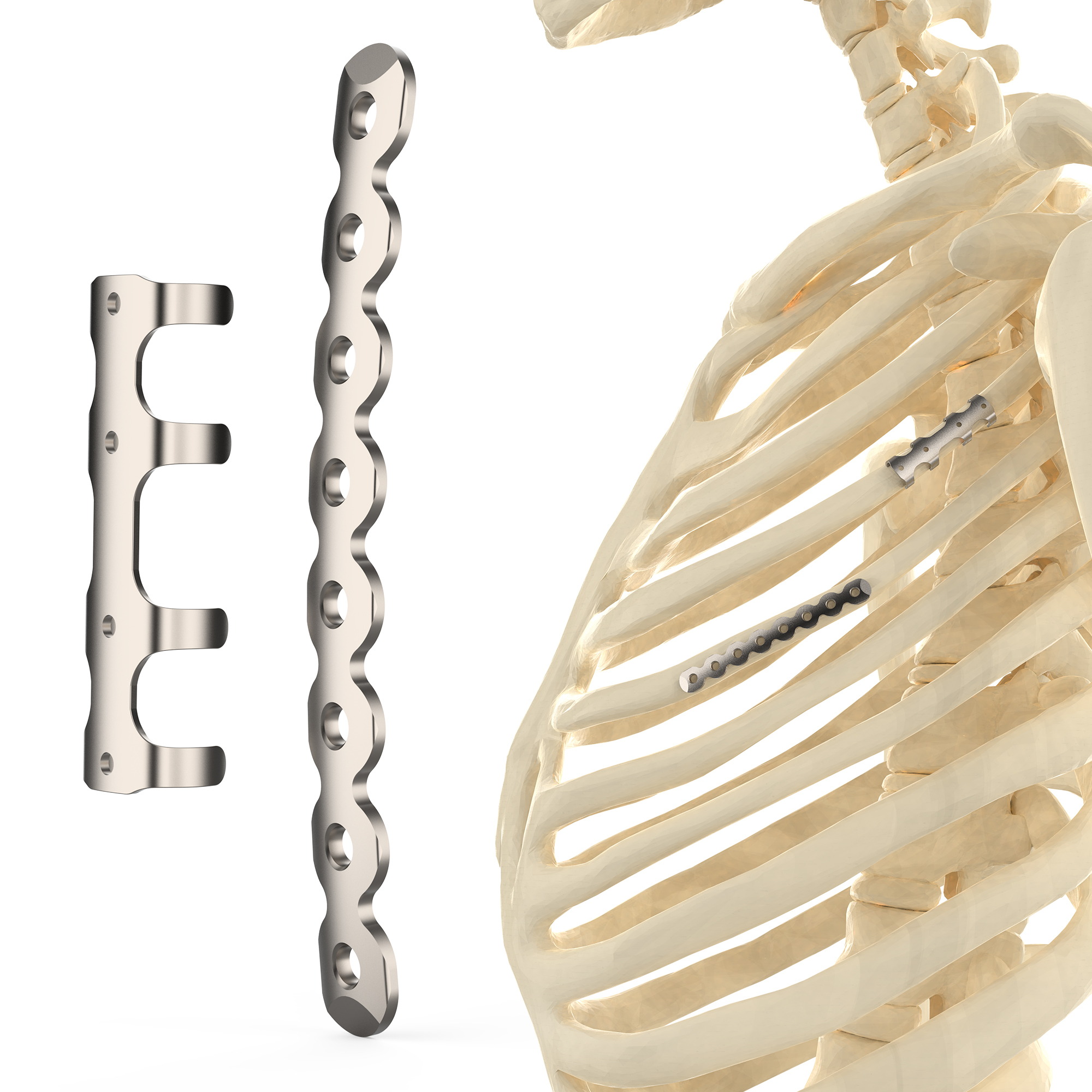
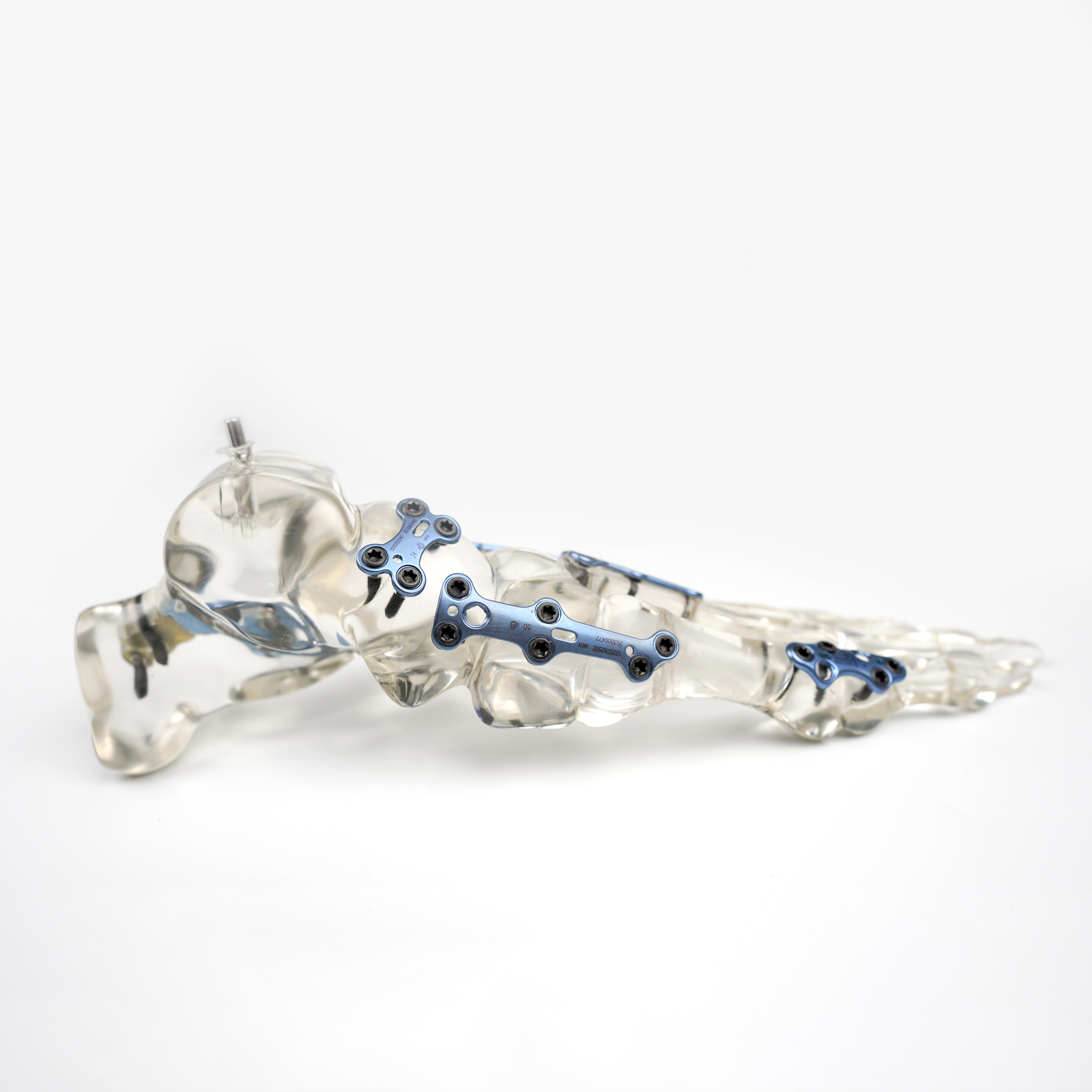
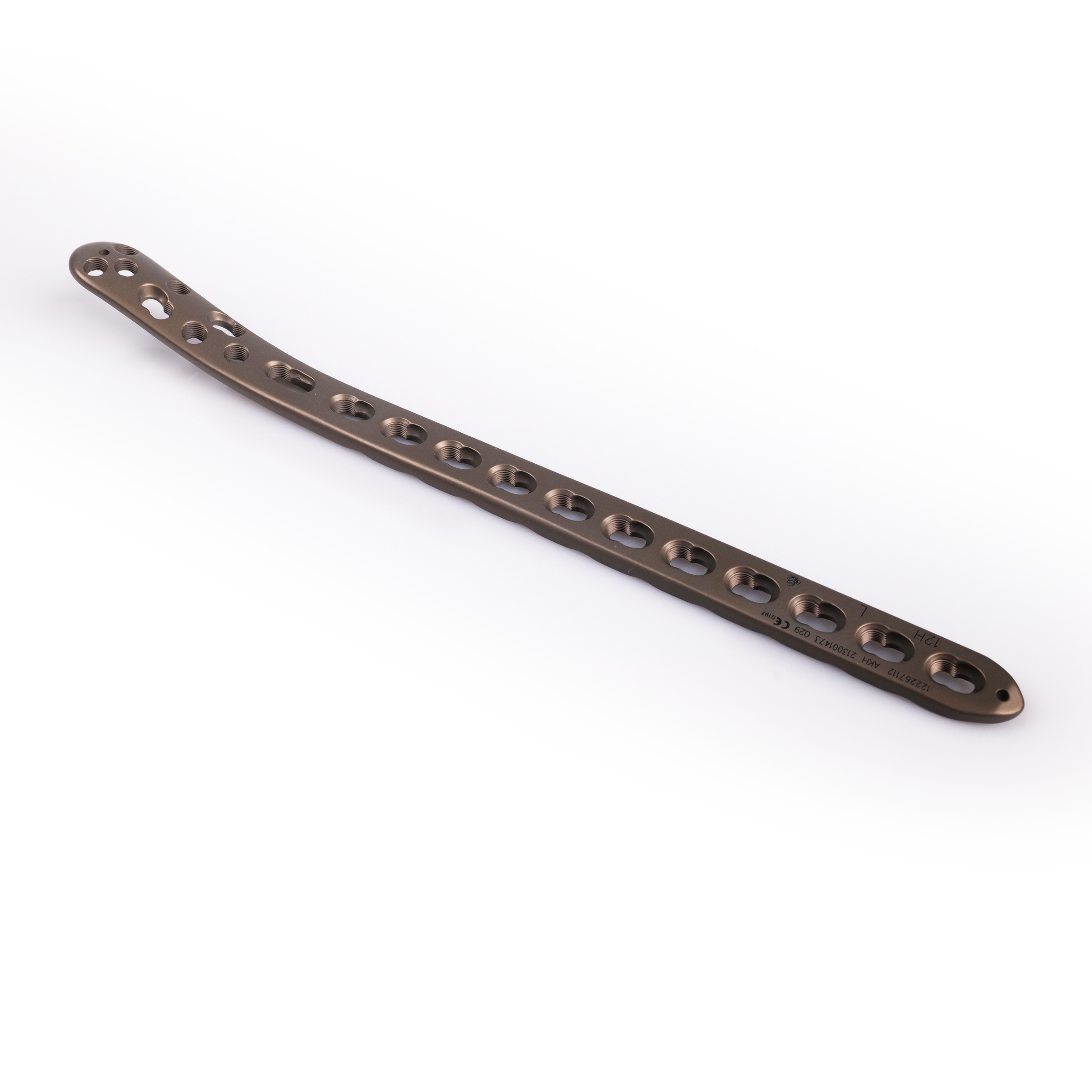
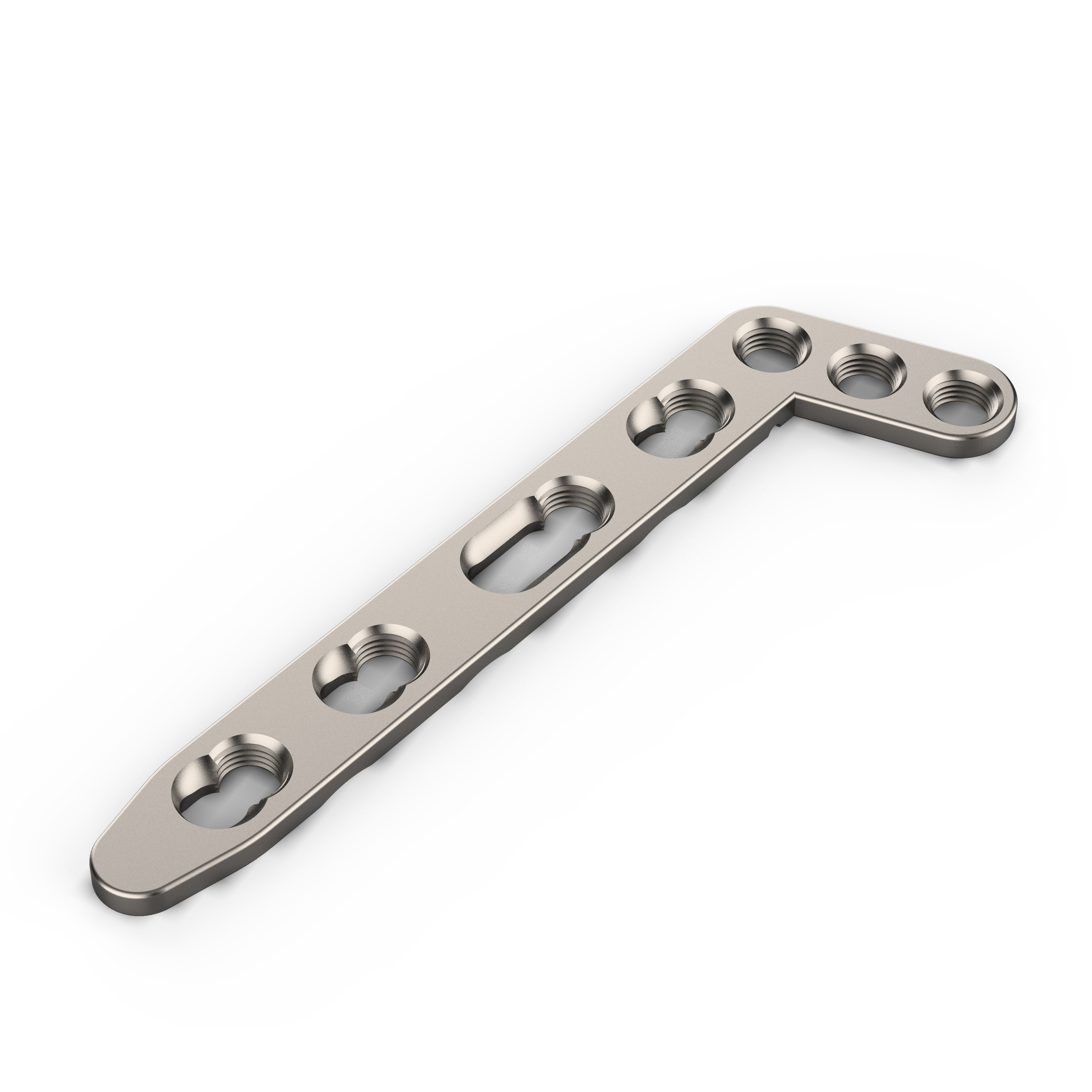
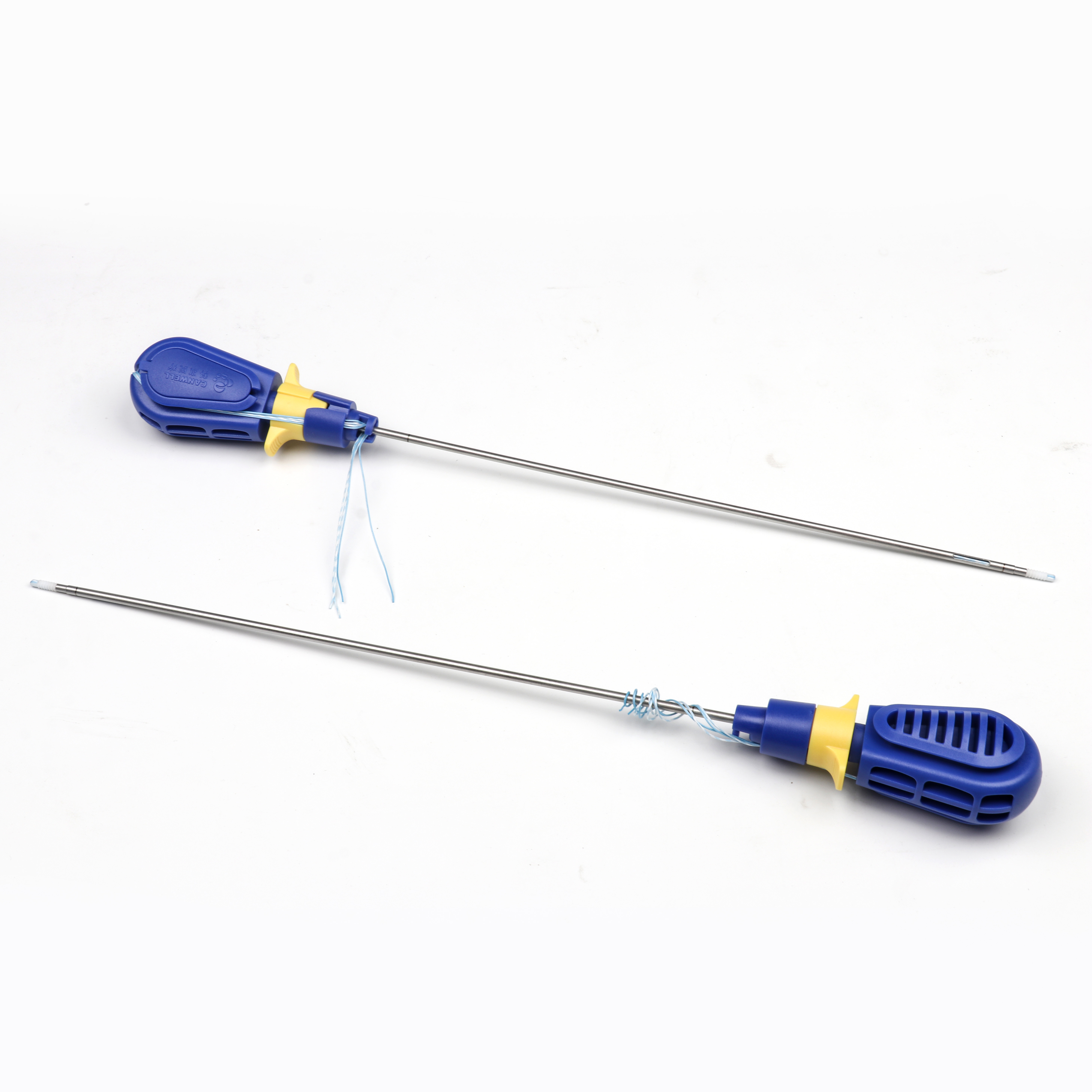
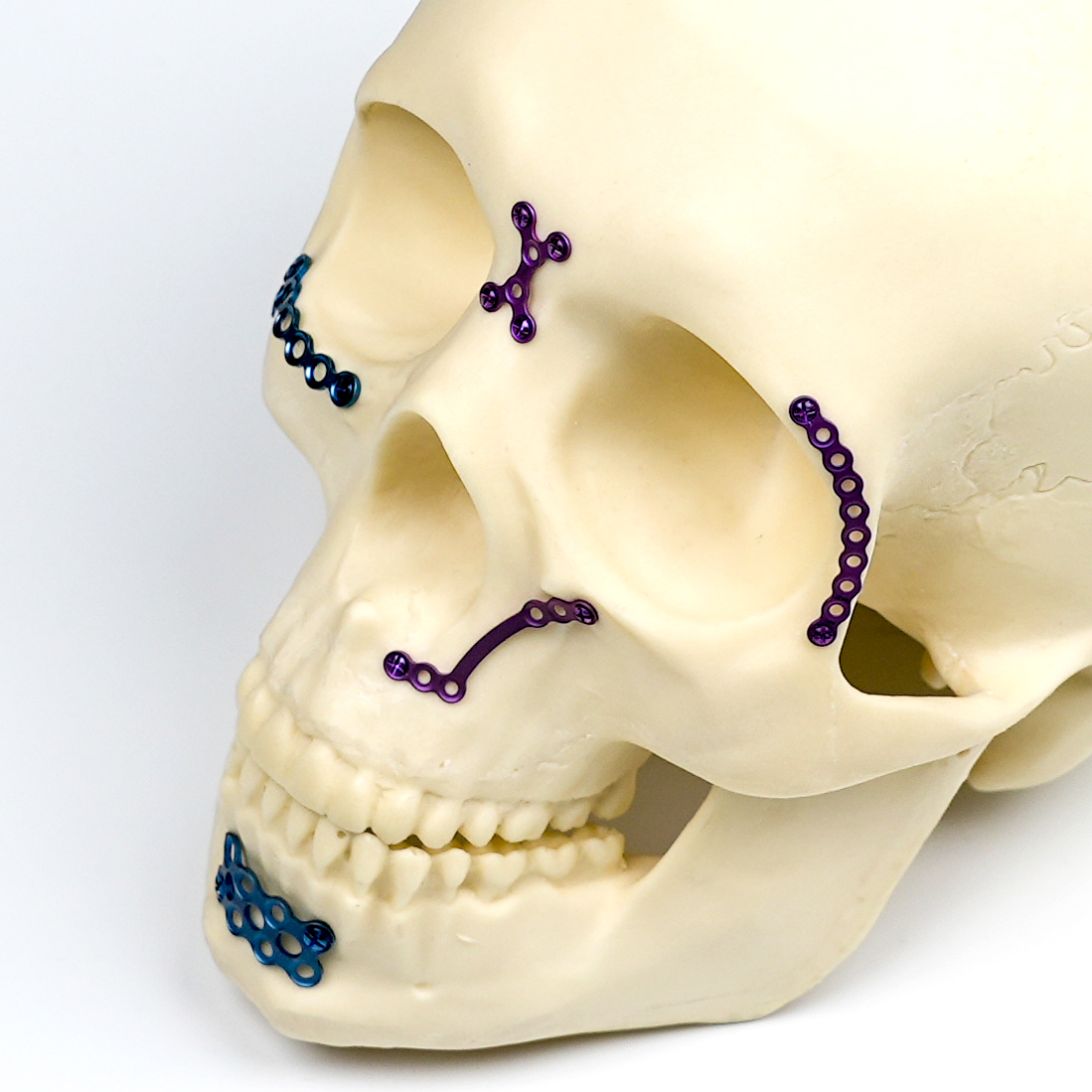
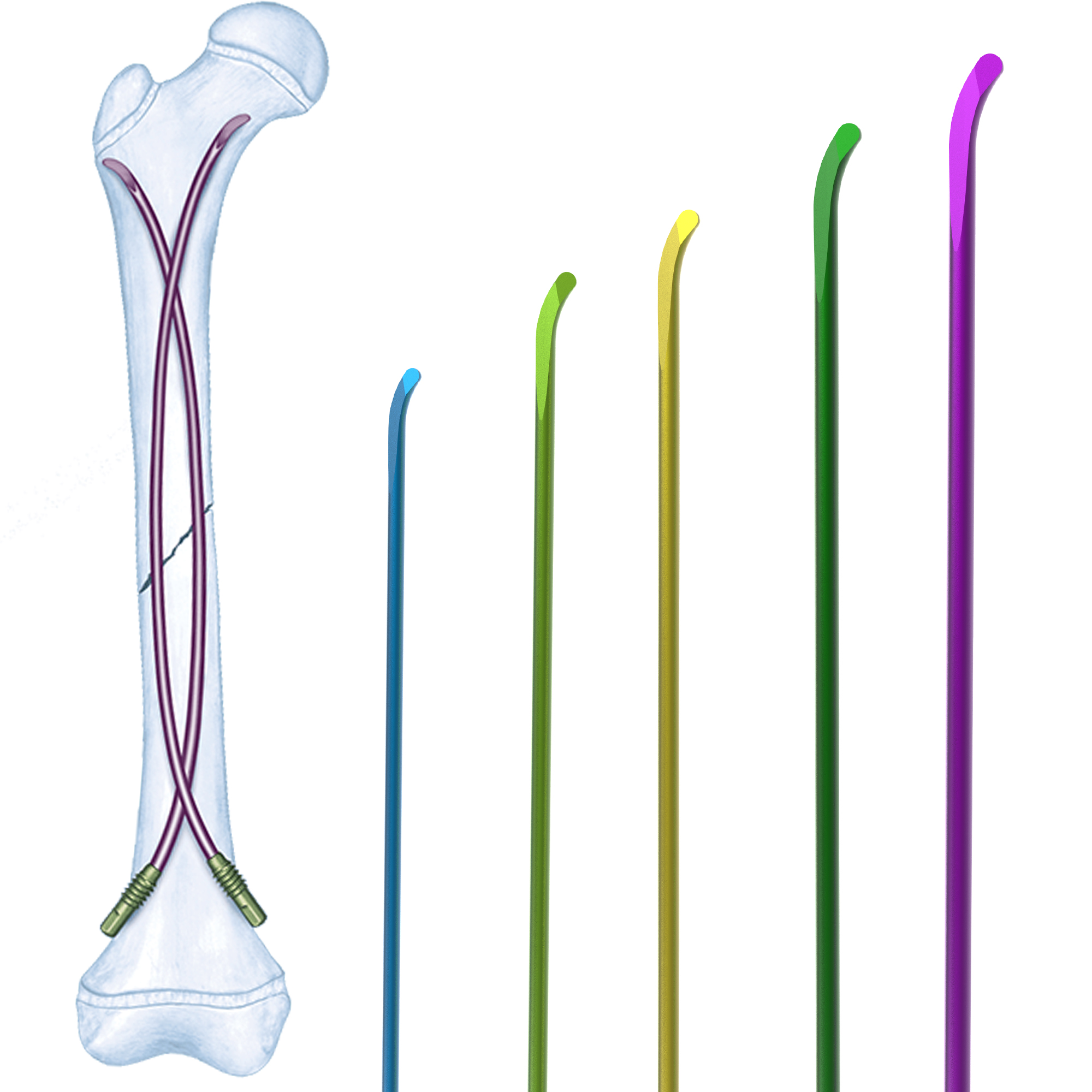
Intramedullary osteosynthesis represents the modern gold standard in stabilizing diaphyseal and meta-diaphyseal long bone fractures. Through load-sharing mechanics rather than load-bearing plate fixation, modern orthopedic interlocking nail systems preserve the osteogenic periosteal blood supply, minimize soft-tissue stripping, and stimulate rapid secondary bone healing through controlled micromotion.
Unlike eccentrically positioned trauma plates that endure severe cantilever bending loads, an interlocking nail occupies the anatomical neutral mechanical axis of the intramedullary canal. This central position dissipates bending moments evenly across the diaphysis, substantially mitigating the risk of implant fatigue failure in non-union cases.
Advanced multi-planar proximal and distal locking configurations convert unstable rotational and translational shear stresses into longitudinal axial compression. Dynamization slots permit scheduled conversion from static lock modes to dynamic compression, accelerating cortical bridging in delayed union scenarios.
Crafted from medical-grade Ti-6Al-4V ELI (ASTM F136 / ISO 5832-3), our nails provide an elastic modulus closer to cortical bone (~110 GPa) than traditional 316L stainless steel (~210 GPa), dramatically reducing stress shielding and cortical osteoporosis underneath the device.
Extensive metallurgical and animal biomechanical studies confirm that endosteal blood supply reconstitutes within 6 to 10 weeks post-reaming. The slightly reamed technique facilitates larger nail diameters, providing 40% greater torsional rigidity and higher distal fatigue strength, critical for polytrauma patients requiring immediate postoperative mobilization.
Strategic positioning within Csongrád-Csanád county shapes specialized surgical demands, varying from geriatric fragility interventions to acute highway polytrauma.
As the primary Level I academic trauma referral center for the Southern Great Plain (Dél-Alföld), the Traumatology Clinic at the University of Szeged (SZTE) routinely handles high-energy complex fractures. Our interlocking systems feature radiolucent carbon-fiber targeting arms compatible with hospital fluoroscopy towers, minimizing surgeon radiation exposure and cutting OR setup duration by up to 25%.
Szeged functions as the southern gateway of Hungary, interfacing key transport corridors with Serbia and Romania. Severe motor vehicle collisions along the M5 motorway and M43 highway produce multi-fragmentary segmental long bone fractures. Universal femoral nails (supporting antegrade trochanteric/piriformis and retrograde distal approaches) allow surgeons in triage conditions to swiftly adapt to concomitant pelvic or cranial trauma.
Demographic shifts in southeastern Hungary drive a high volume of pertrochanteric and subtrochanteric hip fractures among elderly patients. Our proximal femoral nail antirotation (PFNA-style) intramedullary systems deploy helical blades or dual-integrated lag screws that compact cancellous bone rather than removing it, dramatically decreasing the risk of cut-out in poor bone stock.
| Implant System | Primary Indications | Material Standard | Diameter Range (mm) | Targeting Mechanism | EU MDR Status |
|---|---|---|---|---|---|
| Proximal Femoral Nail (PFN) | Pertrochanteric, Intertrochanteric, Subtrochanteric fractures | Ti-6Al-4V ELI (ISO 5832-3) | Ø 9.0, 10.0, 11.0 | Carbon Fiber Aiming Arm | Class IIb Certified |
| Distal / Retrograde Femoral Nail | Supracondylar, Diaphyseal-condylar femoral fractures | Ti-6Al-4V ELI (ASTM F136) | Ø 10.0, 11.5, 13.0 | Magnetic/Distal Radiographic Jig | Class IIb Certified |
| Suprapatellar Tibial Nail | Proximal, shaft, and distal third tibial shaft fractures | Medical Grade Titanium | Ø 8.0, 9.0, 10.0, 11.0 | Extended Cannulated Sleeve Jig | Class IIb Certified |
| Humeral Interlocking Nail | Pathological, 2-part proximal, humeral shaft fractures | Ti-6Al-4V ELI / SS 316LVM | Ø 7.0, 8.0, 9.0 | Multi-directional proximal jig | Class IIb Certified |
| Elastic Stable Intramedullary Nail (TEN) | Pediatric long-bone diaphyseal fractures | Grade 5 Ti-6Al-4V | Ø 1.5 - 4.0 | Freehand curved introducer | Class IIb Certified |
Understanding tender compliance, centralized purchasing (OKFŐ), and clinical migration toward minimally invasive techniques.
Hungary’s National Institute of Pharmacy and Nutrition (OGYÉI) mandates complete conformity under EU MDR. Importers and hospital procurement offices must guarantee that implant technical documentation files (CER, PMCF, and biological evaluation ISO 10993) are up to date. Our manufacturing lines possess active CE certificates under MDR and 93/42/EEC.
Hospital procurement governed by the National Directorate General for Hospitals (OKFŐ) focuses on long-term supplier stability, batch uniformity, and low post-surgical infection rates. We support Hungarian local distribution partners with comprehensive tender packages, including verified trade credentials and factory audit certifications.
Surgeons in Szeged and Budapest are increasingly abandoning traditional infrapatellar incisions for suprapatellar semi-extended tibial nailing. By positioning the knee in 15-20° flexion, retropatellar entry prevents procurvatum deformity and drastically diminishes chronic anterior knee pain.
Global logistic disruptions have catalyzed Hungarian healthcare buyers to partner with primary manufacturers capable of maintaining dedicated buffer stocks and rapid air delivery options, avoiding extended clinical waiting lists for trauma sets.
With 22+ years in orthopedic manufacturing, Zhejiang INAR Medical Co., Ltd. operates a 29,523 m² facility with 632 skilled personnel. Zero outsourcing of critical phases guarantees uncompromising clinical safety.
Spectroscopic verification of ASTM F136 Ti-6Al-4V ELI & ISO 5832 stainless steel billets.
Simultaneous 5-axis high-speed milling of cannulated conduits and proximal locking geometries.
Sub-millimeter concentric drilling ensuring uniform wall thickness and uninhibited guidewire transit.
Precision anatomical curvature formation (Herzog curve for tibia, anterior bow for femur).
Elimination of microscopic surface notches to maximize dynamic fatigue resistance.
High-frequency degreasing to purge residual cutting fluids and particulates.
Tolerances within ±0.005 mm for self-tapping locking screw engagement.
Creating uniform micro-texture surfaces that reduce soft-tissue shearing while retaining release ease.
100% optical and fluorescent dye penetration verification for sub-surface fractures.
Biocompatible color-coding layer for instant clinical identification of diameters and sides.
Pyrogen-free deionized water decontamination complying with USP standards.
Full dimensional, tensile, and coordinate measuring machine (CMM) verification per batch.
In our mechanical testing laboratory, prototype and production samples undergo dynamic four-point bending and fatigue endurance cycle testing (ASTM F1264 and ASTM F384 standards) exceeding 5,000,000 cycles without structural yielding or micro-cracking.
Sterile implants are packaged inside Class 100,000 cleanrooms using medical-grade Tyvek peeling pouches. Accelerated aging chambers validate an intact 5-year sterile shelf-life barrier against moisture and microbiological penetration.
We provide bespoke contract manufacturing for private medical brands and hospital groups across Europe: custom laser marking, custom anodization, personalized sterile packaging, and dedicated instrument tray configuration.
Clear, authoritative technical answers to assist biomedical engineers, purchasing managers, and distributors in Szeged and broader Hungary.
Whether you are competing for national health tenders in Hungary, supplying regional trauma units in Szeged, or looking for reliable OEM contract manufacturing, our engineering and export regulatory team is ready to assist with detailed technical dossiers, samples, and competitive supply terms.