Featured Orthopedic Implants & Instrument Systems
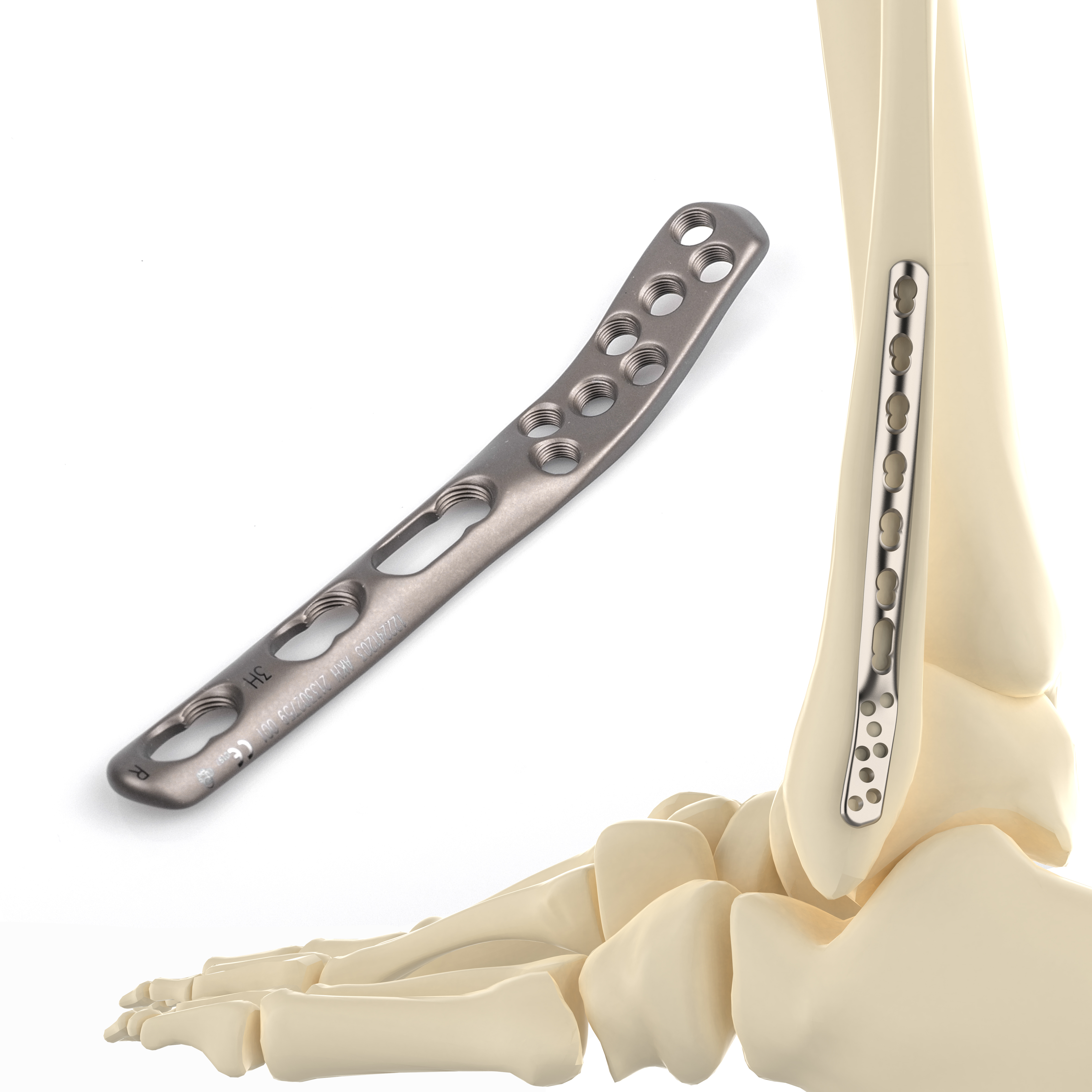
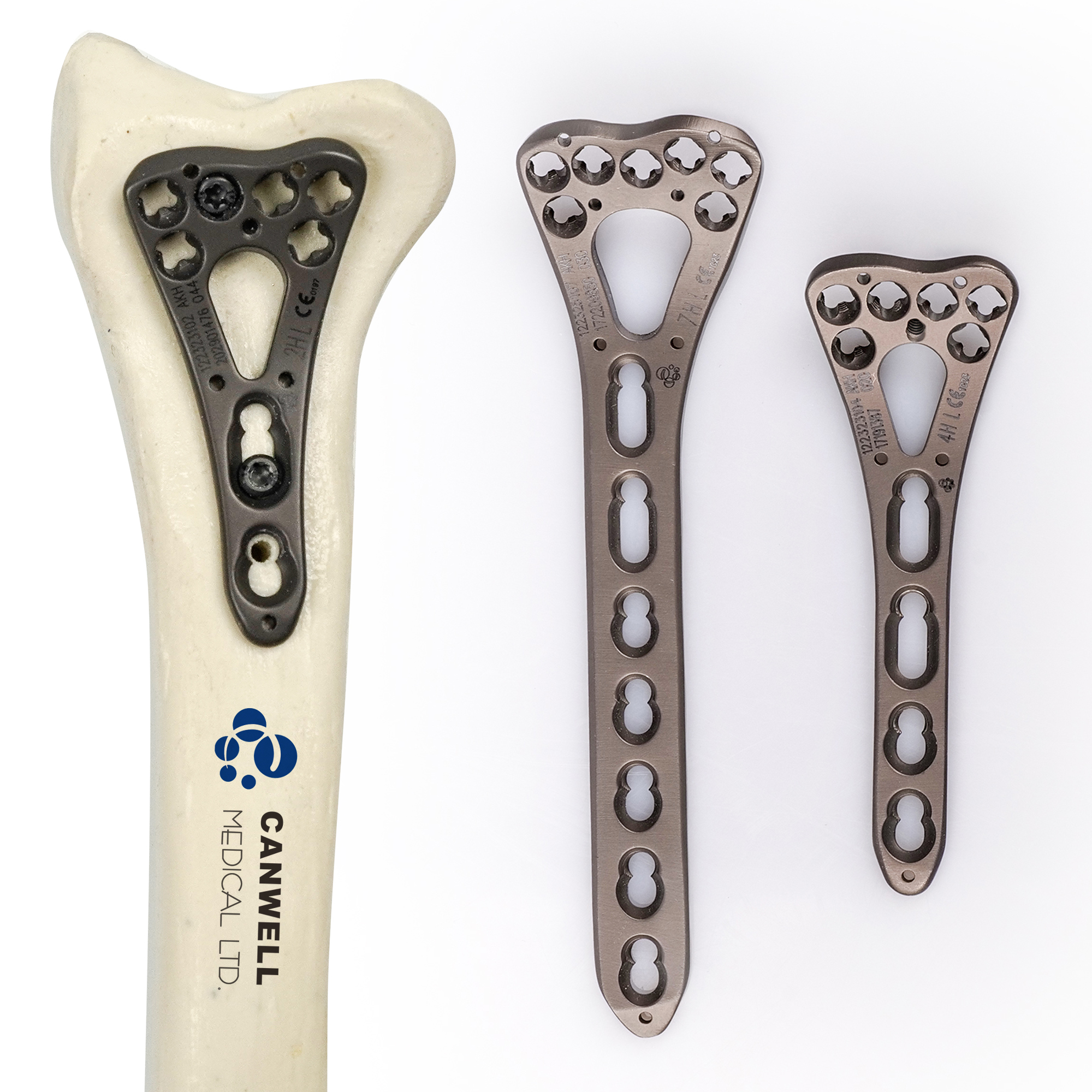
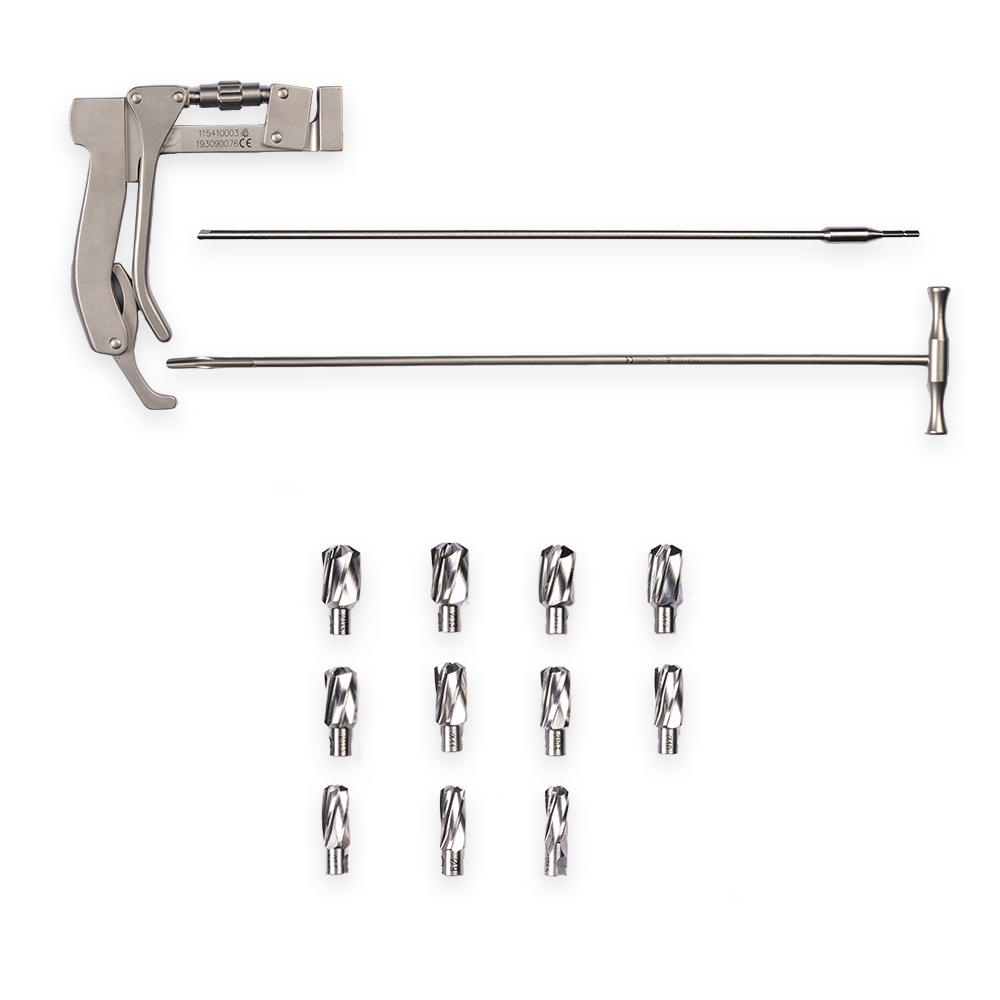
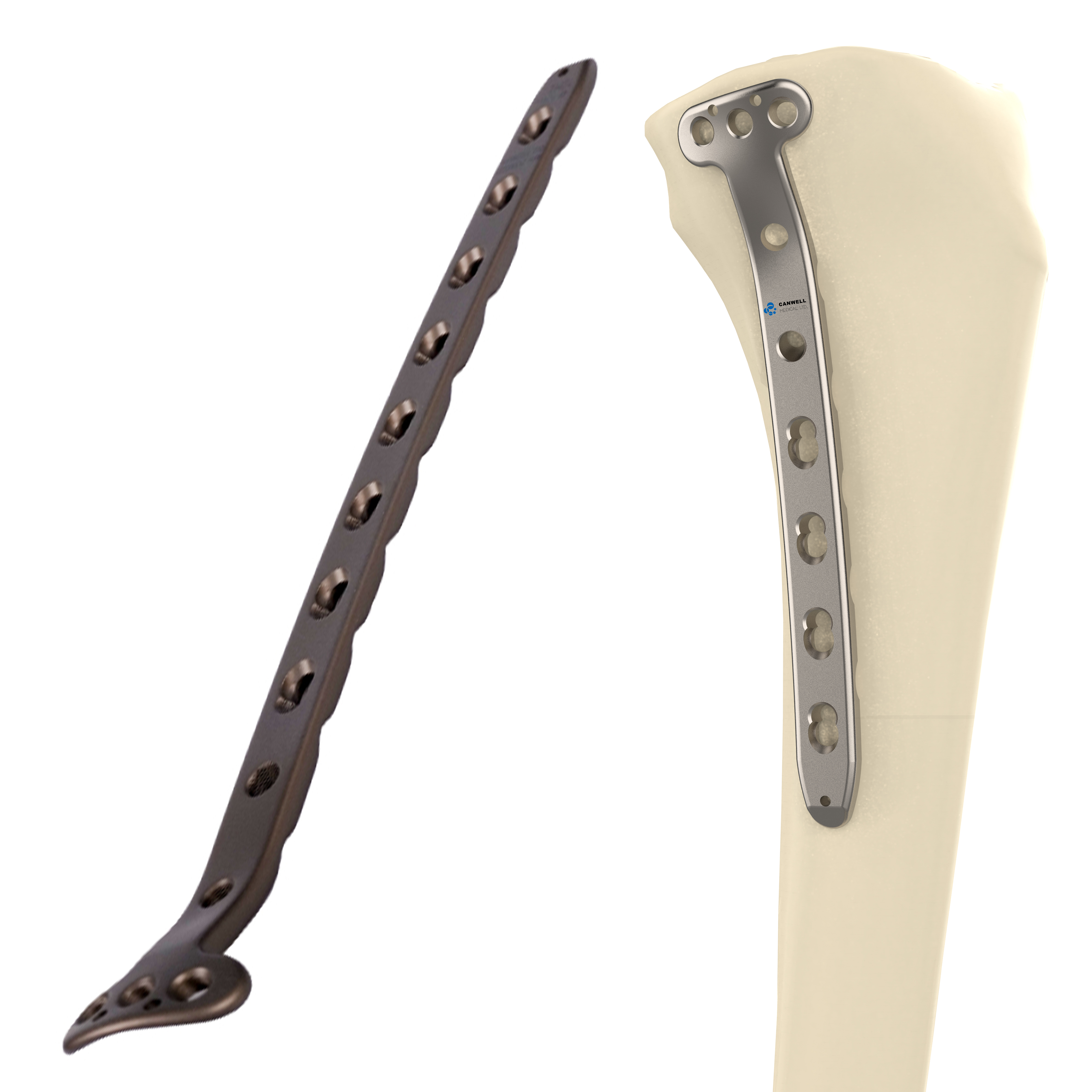
Standardized titanium locking plates, variable-angle osteosynthesis systems, flexible reamers, and pediatric nails manufactured under ISO 13485 and SGS-verified cleanroom conditions for medical device distributors and hospital procurement teams.
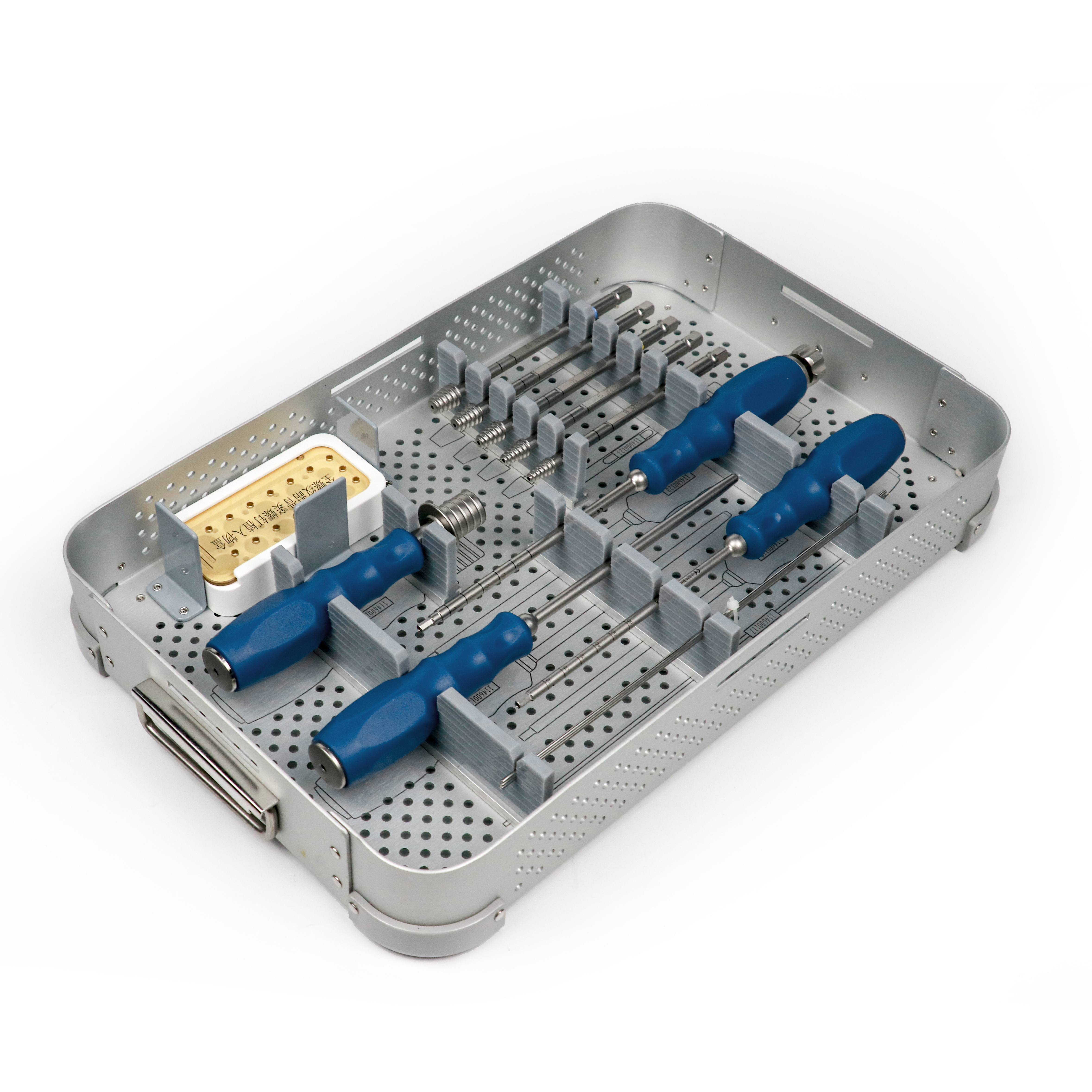
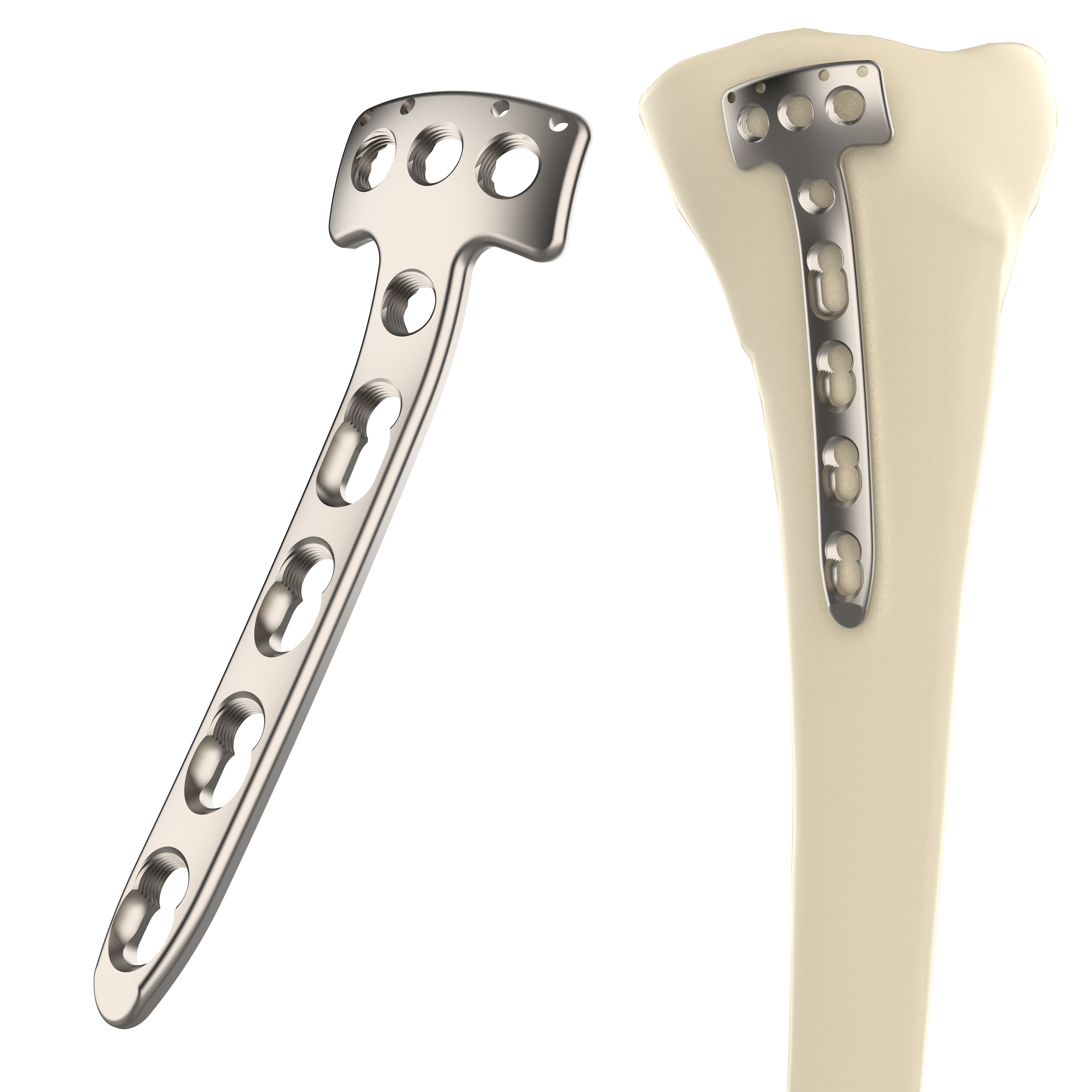
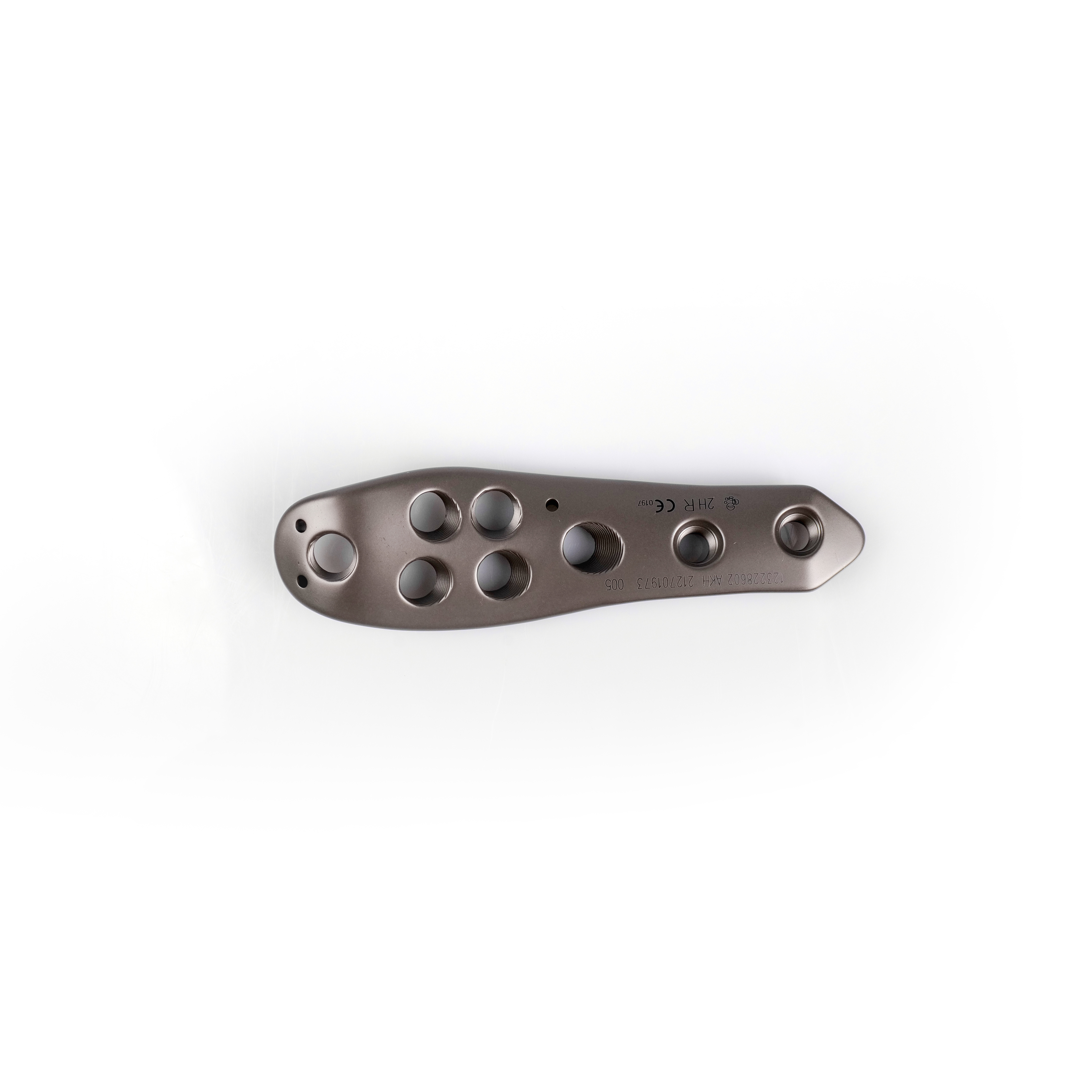
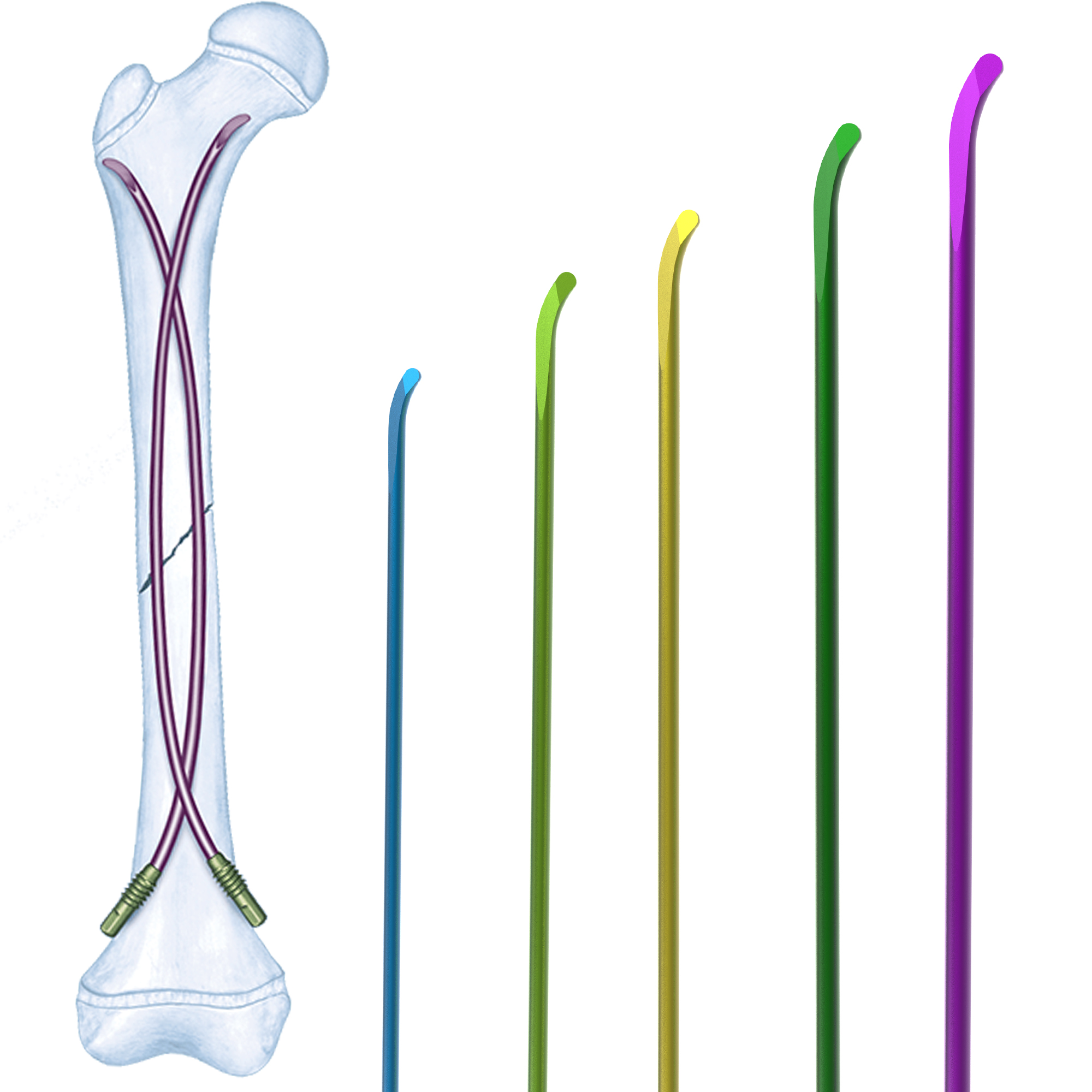
Serving Kyoto’s Advanced Healthcare Ecosystem: Clinical Application Scenarios
Kyoto Prefecture presents a unique intersection of world-class academic research centers, such as Kyoto University Hospital and Kyoto Prefectural University of Medicine, paired with one of Japan’s most rapidly aging demographic cohorts. Precision, biocompatibility, and procedural ergonomics dictate orthopedic surgical supply across the Kansai basin.
Geriatric Osteoporotic Fracture Care
With the geriatric population across Kyoto reaching over 29%, fragility fractures of the distal radius, proximal tibia, and femoral neck require implants engineered for low bone mineral density. Our variable-angle locking plates and multi-planar cannulated screws provide angular stability without relying on cortical purchase alone, minimizing screw pull-out in comminuted osteoporotic bone.
Minimally Invasive Surgery (MIS) & Tissue Preservation
Kyoto orthopedic surgeons prioritize muscle-sparing approaches to accelerate ambulation. Low-profile titanium plates featuring anatomically pre-contoured torques match Eastern Asian skeletal morphology. Chamfered plate ends facilitate percutaneous submuscular insertion, drastically reducing intraoperative soft-tissue disruption and blood loss.
Pediatric Long Bone Orthopedics
Pediatric orthopedic units throughout Kansai rely on Titanium Elastic Stable Intramedullary Nails (TEN) for diaphyseal femur and forearm fractures. The elasticity of high-grade Ti-6Al-4V ELI ensures biological internal splinting that preserves the periosteum and epiphyseal growth plates, promoting rapid callus formation without requiring open reduction.
Metallurgical Integrity & Biocompatibility Standards
In the Japanese surgical market, material purity is not merely an engineering benchmark; it is a clinical prerequisite. Zhejiang INAR Medical Co., Ltd. machines implants strictly from certified medical-grade titanium alloy (Ti-6Al-4V ELI per ASTM F136 / ISO 5832-3) and implant-grade stainless steel (316LVM per ISO 5832-1).
Our micro-arc anodization surface treatments produce a controlled titanium dioxide passivation layer, neutralizing nickel leaching, mitigating ion release in synovial fluid, and improving fatigue endurance under repetitive cyclical loading.
- Fully compliant with Japan MHLW Ordinance 169 (QMS) and JIS T 0311 medical standards.
- Swiss-type 5-axis longitudinal CNC lathes ensuring sub-micron dimensional repeatability.
- Electropolished screw threads minimizing torque-to-clamp discrepancies during insertion.

Orthopedic Supply Chain & Procurement Shifts Across Kyoto
Hospital administrators and orthopedic device importers throughout the Keihanshin metropolitan area face escalating reimbursement pressures under Japan’s DPC/PDPS (Diagnosis Procedure Combination) payment scheme. Balancing fiscal restraint with uncompromised clinical outcomes is transforming procurement strategies.
Rationalization of Orthopedic Tenders
Kyoto public prefectural hospitals and private medical foundations are shifting away from high-markup tier-one multinational brands for standard trauma cases. Sourcing directly from certified original equipment manufacturers (OEM) allows healthcare institutions to cut implant acquisition expenses by 35% to 50% without compromising patient safety or CE/ISO validation.
Pre-Packaged Sterile Procedural Kits
Central Sterile Services Departments (CSSD) in Kyoto hospitals encounter severe operating staffing shortages. There is an accelerating migration toward single-use, gamma/EO-sterilized blister pack kits for volar wrist and fibular fractures. Pre-sterilized implants eliminate on-site autoclaving cycles, trackable via GS1-128 barcodes directly integrated into hospital HIS software.
Resilient Dual-Sourcing Strategies
Following recent supply chain vulnerabilities in Kansai international shipping corridors, medical device marketing authorization holders (MAH) in Japan require agile manufacturing partners. Our facility’s inventory reserves and rapid sea-freight lanes via Osaka and Kobe ports ensure seamless consignment replenishment within 48 to 72 hours of regulatory dispatch.
Built by Orthopedic Specialists: 22+ Years of Verified Heritage
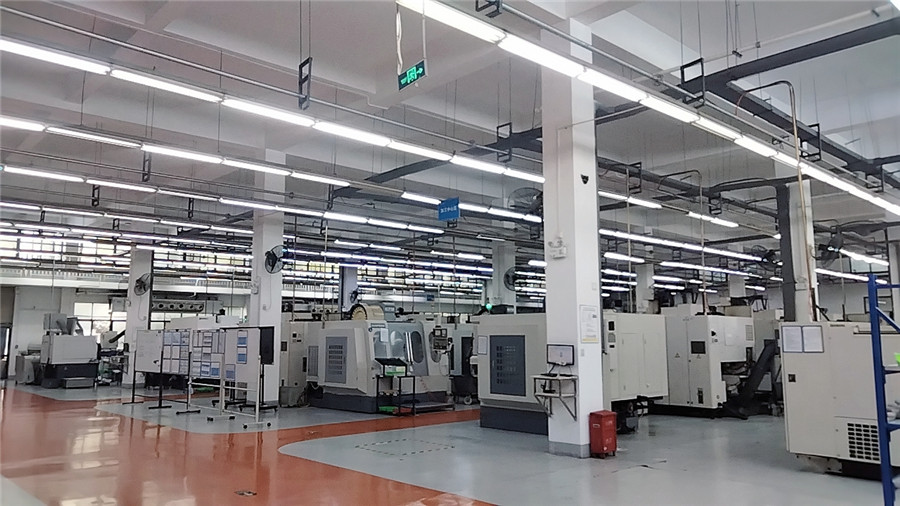
Operating from a 29,523 m² production base in Jinhua, Zhejiang, INAR Medical houses 632 skilled professionals, incorporating end-to-end CNC machining, automated vibratory deburring, chemical passivation, multi-stage ultrasonic washing, and Class 10,000 cleanroom packaging.
Our production site is assessed onsite by SGS Group, and our implants carry CE certification under EU MDR and 93/42/EEC. With over 13 years of transparent global export execution, we collaborate directly with Japanese medical device MAH license holders to provide complete Technical Documentation Files (STED), biocompatibility matrices (ISO 10993), and biomechanical endurance logs (ASTM F382 & ASTM F543).
Zero-Defect Quality Control from Bar Stock to Aseptic Package
Nothing critical is outsourced. Our vertically integrated 13-step workflow ensures mechanical consistency, traceability, and sterility assurance for institutional clinical procurement.
1. Spectrometric Verification
XRF metal composition analysis on every incoming titanium and stainless steel heat batch.
2. 5-Axis CNC Milling
Sub-micron tolerances on anatomical contours, dynamic compression slots, and combi-holes.
3. Dye Penetrant Testing
Rigorous fluorescence surface-crack and structural void inspection per ASTM E1417 standards.
4. Laser GS1 UDI Coding
Precision annealing laser marking for full lifetime traceability across hospital inventories.
Kyoto Orthopedic Procurement & Regulatory FAQ
Authoritative answers concerning Japanese medical device import regulations, PMDA approval documentation, sterilization parameters, and supply chain timelines for Kyoto and Kansai healthcare buyers.
What regulatory documentation is provided for PMDA registration in Japan?
How do your titanium implants match Eastern Asian anatomical curvature?
Can INAR Medical accommodate custom OEM/ODM surgical instrument trays?
What are the lead times and shipping corridors for deliveries to Kyoto?
How does your quality control lab validate fatigue resistance?
Empower Your Orthopedic Supply Chain in Kyoto
Whether you are a medical device distributor, hospital tender procurement authority, or brand owner seeking OEM/ODM manufacturing, partner with an SGS-verified manufacturer committed to clinical precision and transparent regulatory support.