Engineering Certified Polyetheretherketone Spinal Implants and High-Altitude Surgical Arthrodesis Systems for Cusco Regional Hospitals and Southern Peruvian Healthcare Networks
Clinical Whitepaper & Market Intelligence
Biomechanical Superiority and Procurement Realities in the Andean Corridor
As spinal surgery advances across Southern Peru, neurosurgical and orthopedic spine units in Cusco face distinct physiological, geographical, and institutional challenges. This whitepaper establishes how advanced medical-grade Polyetheretherketone (PEEK) interbody fusion cages bridge the gap between rigorous ISO 13485/CE MDR manufacturing standards and the rigorous biomechanical demands of Andean patient populations.
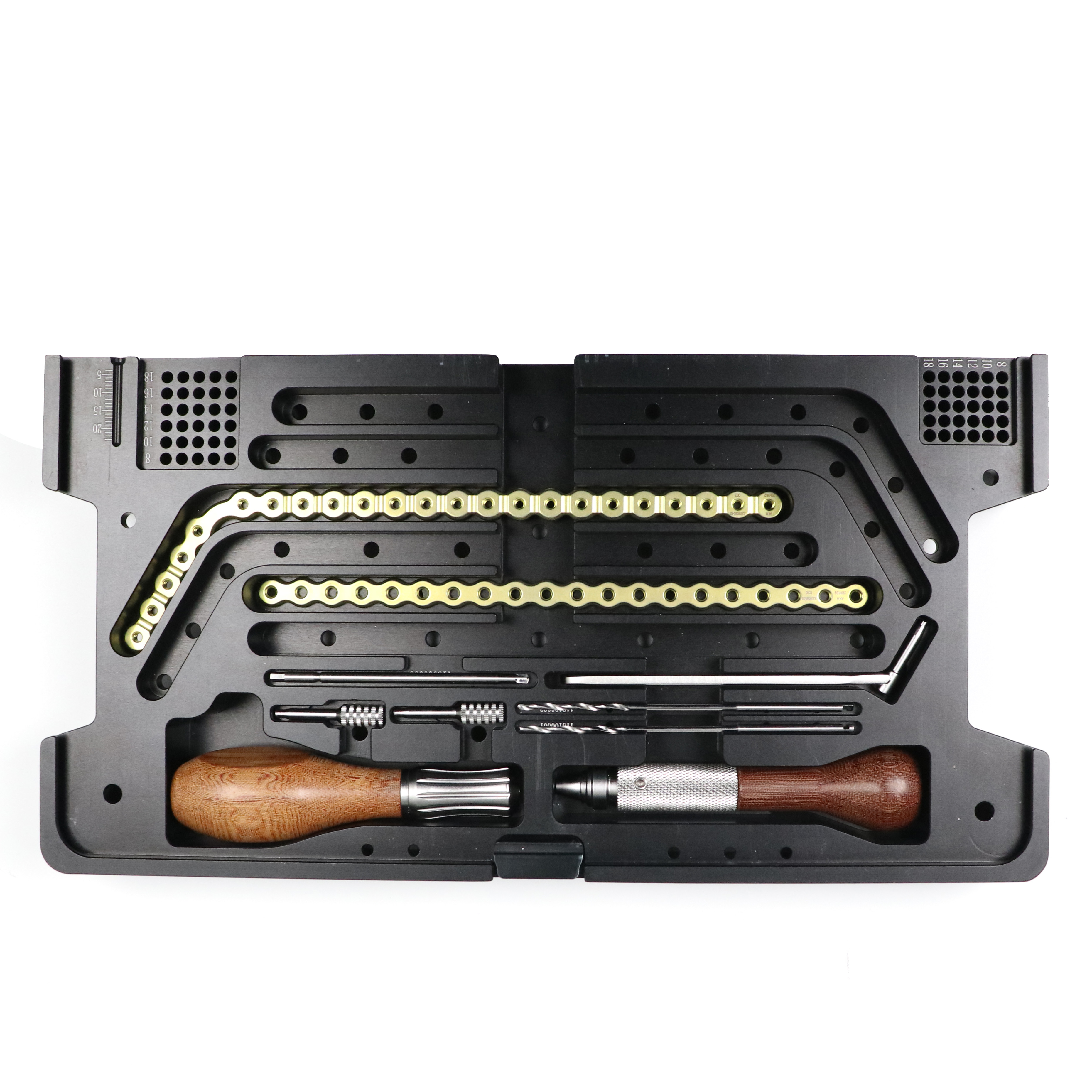
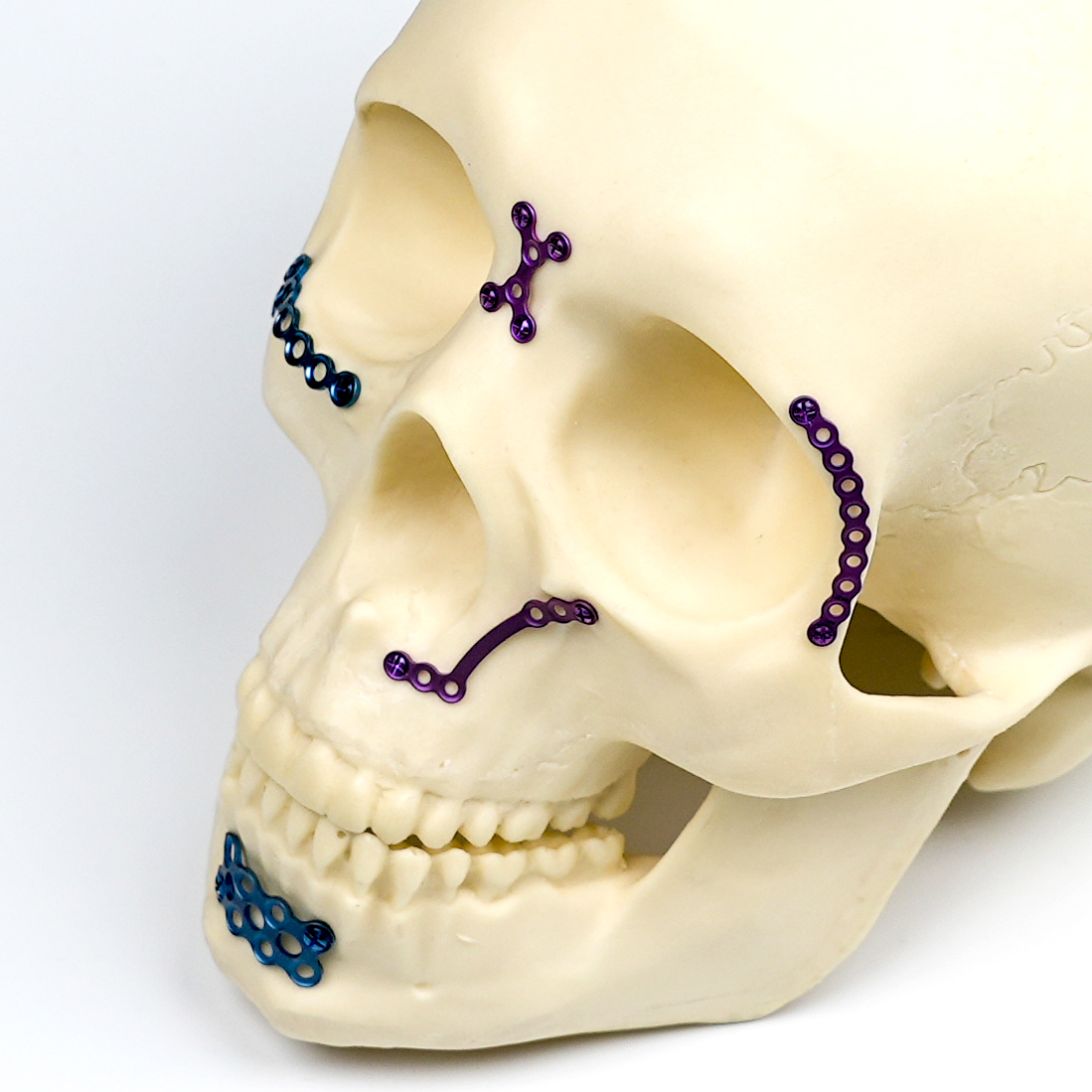
Ultra-precision bone fixation screwdriver, drill bits, and titanium mesh designed for complex cranio-maxillofacial reconstruction and high-altitude trauma stabilization.
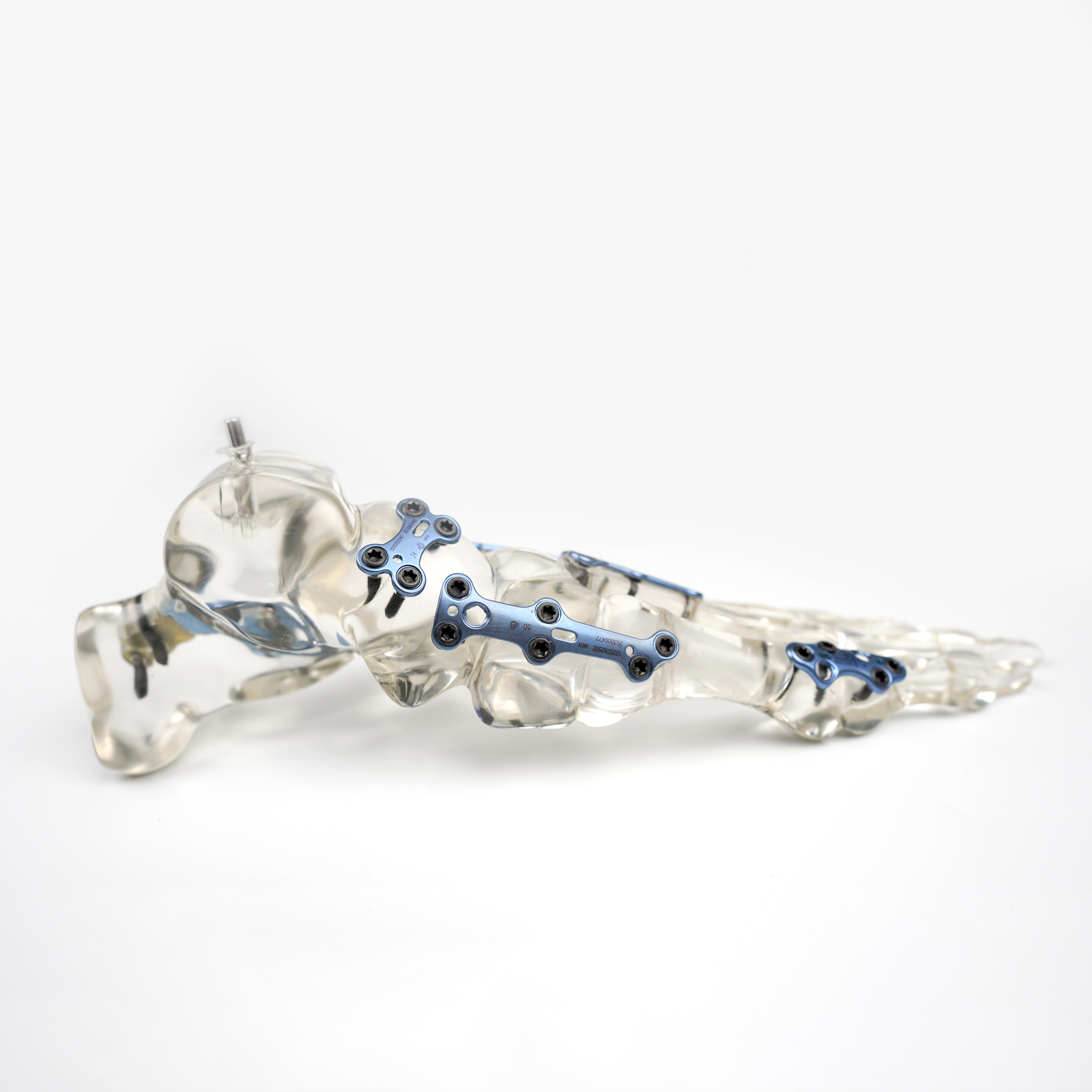
Complete orbital, mandibular, and midface osteosynthesis plates designed for rigid fixation under minimal soft tissue tension, supplied with emergency backup screw caddies.
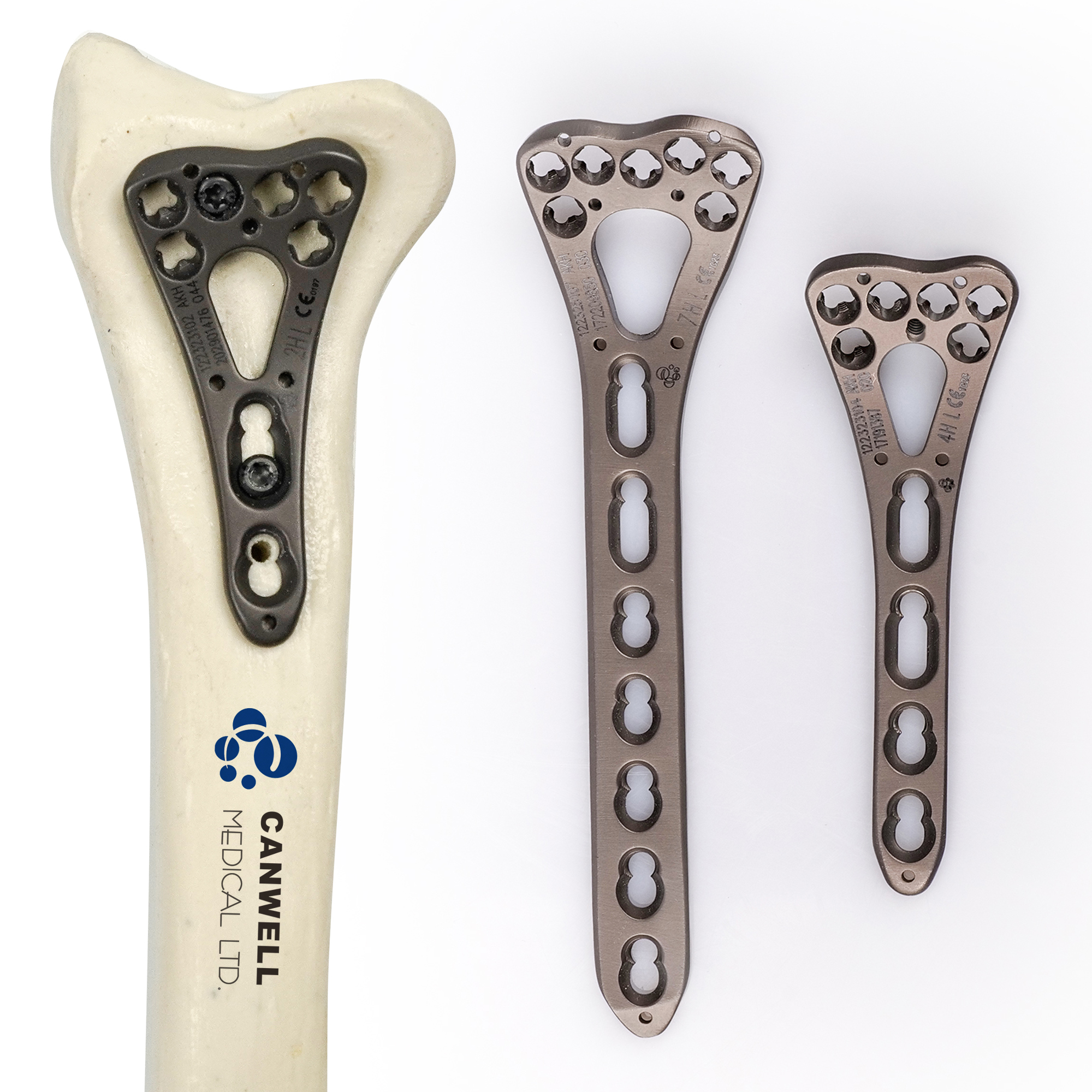
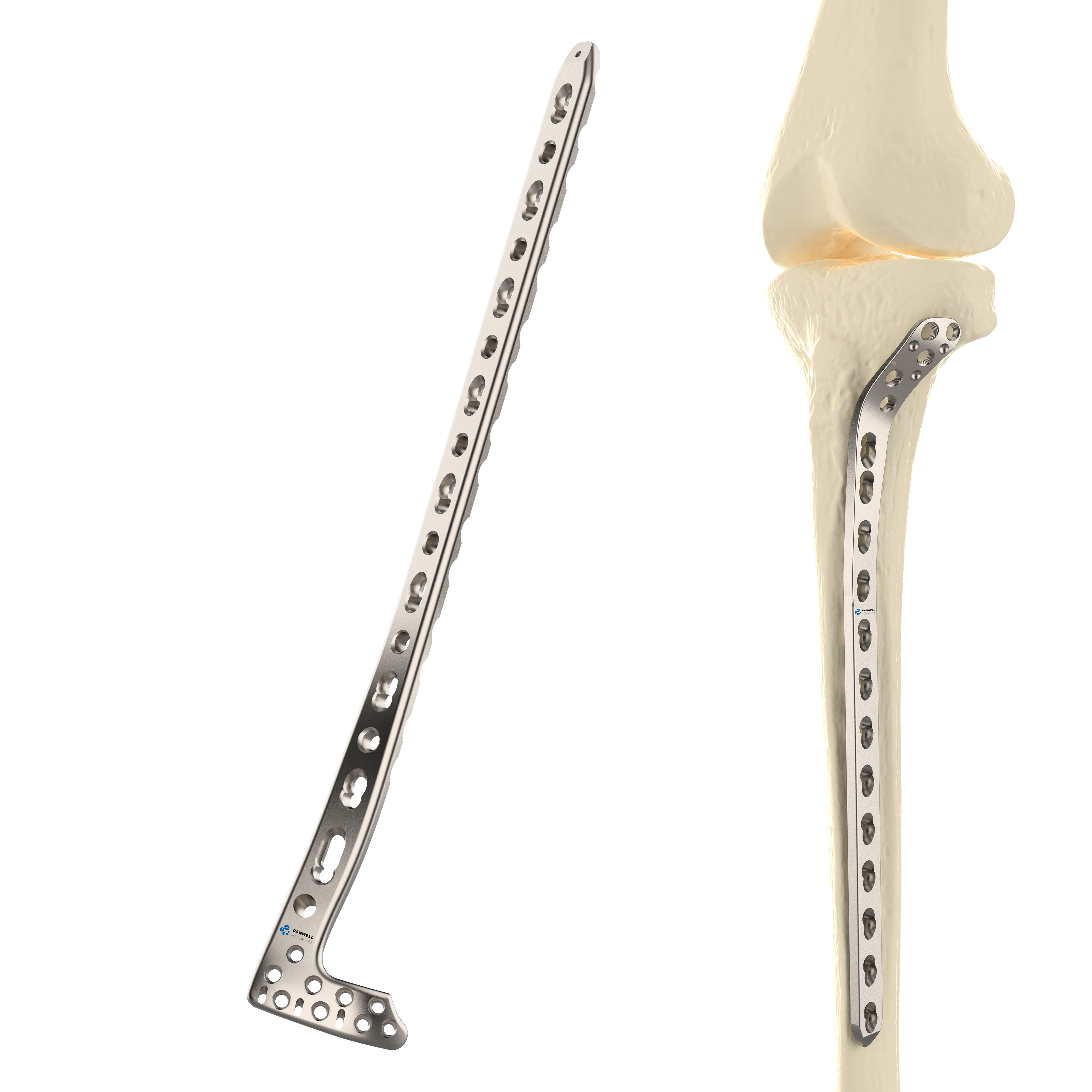
Engineered for pilon fractures and distal tibial metaphyseal injuries, combining angular stability with optimized screw distribution to minimize skin necrosis.
Why PEEK Cages Outperform Titanium in Andean Spine Reconstruction
In high-altitude medical practice across Cusco, Puno, and Apurímac, specific clinical variables alter surgical recovery rates. Understanding the material physics of medical Polyetheretherketone (PEEK-OPTIMA) is essential for purchasing directors and surgical department chairs.
Modulus Matching Cortical Bone
Titanium implants have an elastic modulus (~110 GPa) significantly higher than human cortical bone (12–18 GPa). This severe mismatch triggers "stress shielding", whereby the rigid metal bears disproportionate axial load, causing surrounding vertebral bone resorption, implant loosening, and subsidence.
Medical PEEK features an elastic modulus of approximately 3.6 to 4.0 GPa, perfectly mimicking natural trabecular and cortical load transfer, stimulating bone formation in accordance with Wolff's Law.
Artifact-Free Diagnostic Radiance
Titanium cages generate heavy starburst scatter artifacts under postoperative CT and magnetic resonance imaging (MRI). This imaging distortion makes early confirmation of interbody bridging trabeculae or neural canal compression exceptionally difficult.
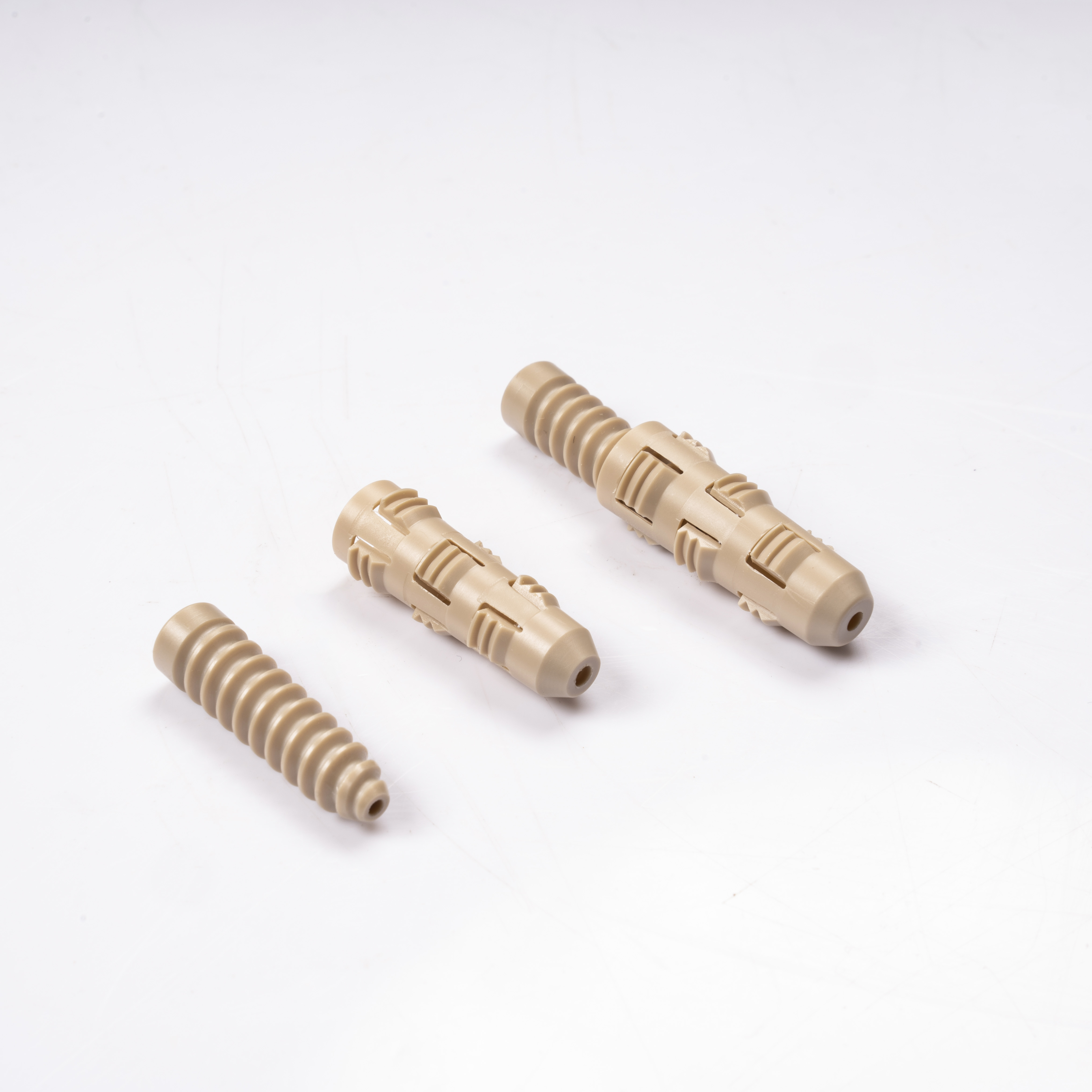
PEEK is totally radiolucent. Equipped with integrated tantalum or titanium x-ray marker pins, INAR PEEK cages provide surgeons in Cusco with crystal-clear radiographic visibility to track precise arthrodesis development across monthly reviews.
Hydrophobic Chemical Inertness
PEEK demonstrates outstanding biocompatibility without triggering local tissue metallosis, localized inflammation, or toxic ion release over multi-decade implantation timelines. Its chemical stability remains stable under continuous axial fatigue cycles within physiological saline environments.
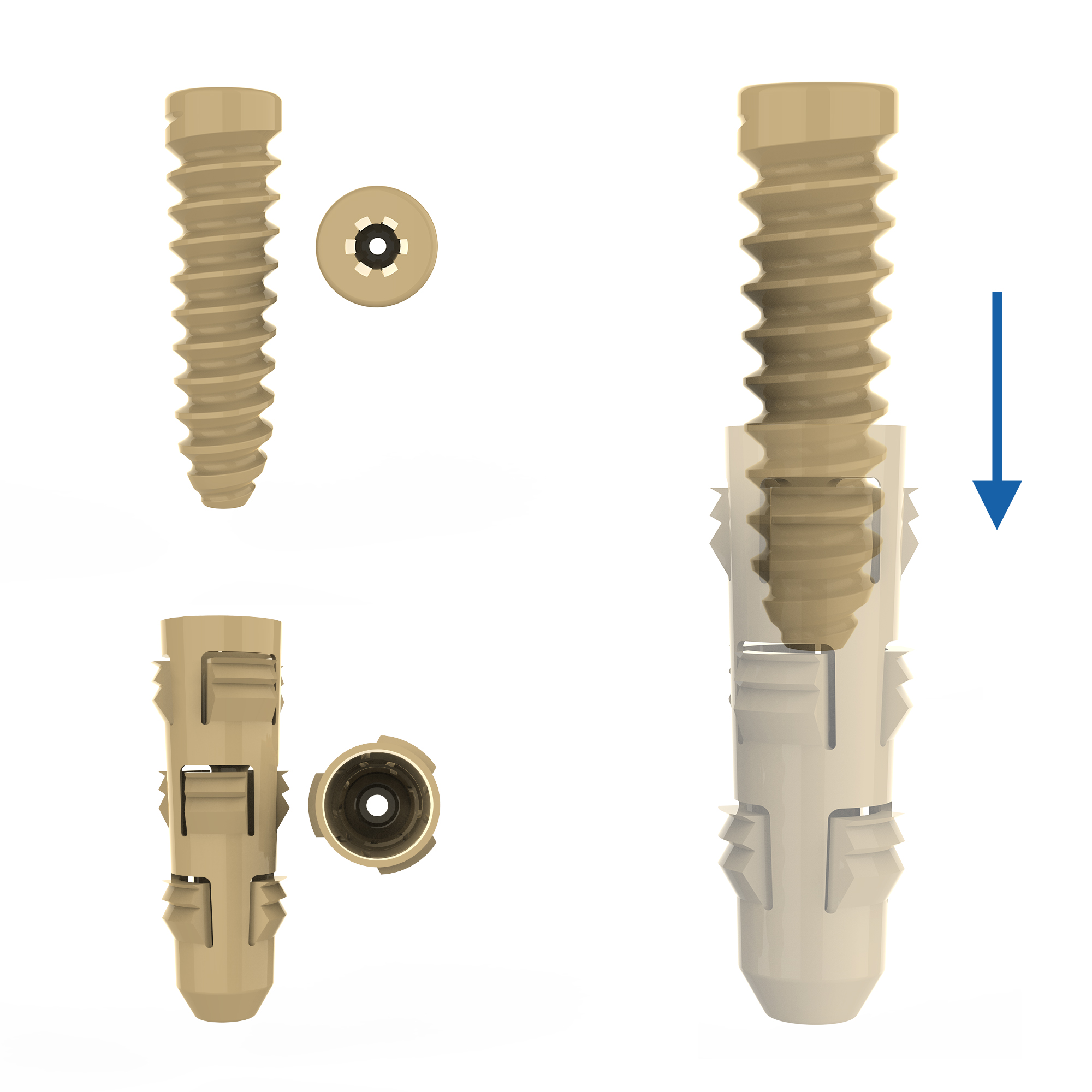
Furthermore, INAR PEEK cage surfaces are machined with anti-migration serrated pyramidal teeth to ensure maximum primary mechanical grip against the vertebral endplates prior to biological fusion.
Maximizes autograft/allograft contact with bleeding bone bed.
Sterilization Resilience
High thermal tolerance
Exceptional steam autoclave stability (134°C)
Permits on-site hospital reprocessing without dimensional drift.
Targeted Regional Healthcare Architecture
Localized Clinical Applications Across Cusco Hospitals and Clinics
Cusco stands at 3,400 meters above sea level, acting as the tertiary surgical referral apex for over 1.4 million residents across the Cusco Department, Madre de Dios, and parts of Apurímac. Supplying spinal implants to this region requires precise alignment with local clinical pathology profiles and institutional procurement systems.
Trauma Arthrodesis in High-Energy Road Injuries
Severe spinal burst fractures, thoracolumbar dislocation injuries, and unstable posterior element disruptions frequently emerge from transit accidents across the mountainous Cusco-Abancay-Urcos corridors. In tertiary public hospitals such as Hospital Regional del Cusco and Hospital Antonio Lorena, surgical teams utilize INAR TLIF/PLIF PEEK cages alongside pedicle screw systems to reconstruct sagittal alignment and re-establish anterior column load support.
Degenerative Disc Pathology in Andean Populations
The agricultural, construction, and portering labor characteristic of the Sacred Valley and rural highland zones causes premature degenerative disc disease, severe spondylolisthesis, and canal stenosis in adult patients aged 35–65. EsSalud Cusco (Hospital Nacional Adolfo Guevara Velasco) performs routine TLIF and anterior cervical discectomy and fusion (ACDF). PEEK cervical and lumbar cages preserve intervertebral lordosis, alleviate nerve root impingement, and support rapid return to strenuous activity.
Medical Tourism & Private Hospital Interventions
Private surgical clinics in Cusco—serving international trekking tourists injured on the Inca Trail or Salkantay Route, alongside private domestic patients—demand premium international-standard implants. The presence of CE MDR documentation, individual sterile packaging, and surgical instrumentation sets reduces surgical duration, decreases infection risks, and satisfies international health insurance requirements.
Physiological Considerations at High Altitude
Patients residing above 3,000 meters often exhibit polycythemia (elevated hematocrit) and distinct microvascular hemodynamics that can impact peripheral soft-tissue oxygenation. Interbody cages with extensive graft containment chambers ensure uninhibited revascularization of autogenous bone paste, avoiding non-union and pseudarthrosis risks exacerbated by sub-optimal tissue perfusion.
Strategic Market Evolution
Spinal Care Trends & Procurement Transformation in Cusco
Modernization of healthcare infrastructure in Southern Peru is driving fundamental changes in how hospitals select, purchase, and deploy spine implants.
1. Direct Hospital Importation & Transparent Bidding
Regional procurement entities under MINSA (Ministry of Health) and EsSalud are actively decentralizing their purchasing frameworks. Rather than relying exclusively on Lima-based trading intermediaries that impose 40–70% markups, Cusco hospital consortiums and regional distributors are executing direct factory supply contracts with certified Chinese manufacturers like INAR Medical to optimize public healthcare budgets.
2. Transition toward Minimally Invasive Surgery (MIS)
Spine surgeons across Cusco are shifting from open PLIF procedures to minimally invasive TLIF (Transforaminal Lumbar Interbody Fusion) and oblique approaches. This evolution necessitates streamlined bullet-nosed PEEK cages that slide effortlessly through tubular retractors, minimizing paraspinal muscle damage and patient bed rest time.
3. Strict DIGEMID Regulatory Compliance
Peru's health regulatory authority, DIGEMID, continues to intensify regulatory oversight on Class III orthopedic implants. Procurement authorities in Cusco now require comprehensive Dossier Técnico submissions, including complete CE certificates under EU MDR, Free Sale Certificates (CLV), and third-party ISO 13485 audit reports, eliminating unverified gray-market suppliers.
Backed by over 22 years of continuous manufacturing experience and 632 dedicated personnel in Jinhua, Zhejiang, China, INAR Medical delivers the precision, scale, and compliance necessary for long-term distributor partnerships.
Swiss-Type 5-Axis CNC Precision
Operating longitudinal CNC turning centers and 5-axis high-speed milling equipment dedicated exclusively to medical PEEK-OPTIMA, achieving surface tolerances within ±0.005mm for anatomically accurate lordotic angles (0°, 4°, 8°).
SGS Onsite Audited Facility
Our 29,523 m² production facility has undergone full on-site assessment by SGS Group. Every step—from bar stock verification, ultrasonic clean rooms, penetrant flaw testing, to Class 100,000 cleanroom packaging—is strictly audited.
Complete OEM / ODM Flexibility
Full support for private-label laser marking, custom surgical instrument caddy design, regional language labeling (Spanish DIGEMID formats), and tailored sizing charts matching South American anthropometric profiles.
Rapid Global Export Logistics
With 13 years of continuous export track record and #2 ranking in orthopedic surgical instrument supply, we manage air express shipments reaching Lima Jorge Chávez International Airport within 5–7 days, followed by rapid transfer to Cusco.
Comprehensive Tender Dossier Support
We furnish authorized Peruvian importers with CE Declarations of Conformity, ISO 13485:2016 certifications, raw material biocompatibility analysis (ISO 10993), and factory validation data ready for tender submissions.
Matched Surgical Instrumentation Sets
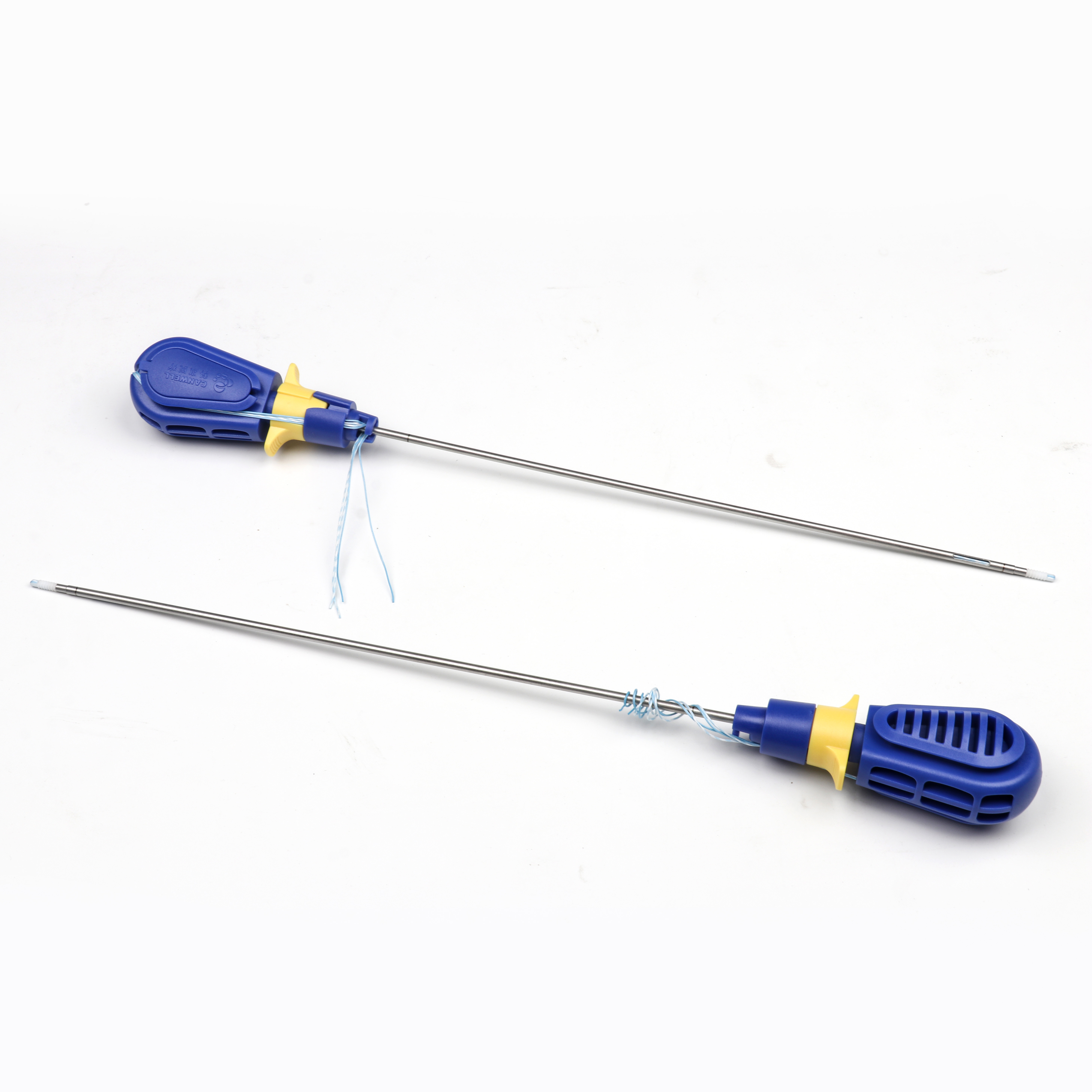
INAR delivers matched, medical-grade stainless steel (17-4PH / 316LVM) trial sizers, inserters with quick-release rotational threads, slap hammers, and rasp curettes, guaranteeing zero intraoperative jamming.
Procurement & Regulatory FAQ
Frequently Asked Questions by Medical Buyers in Cusco
Direct, authoritative answers addressing customs, regulatory licensing, surgical trials, and commercial terms for distributors in Cusco and Southern Peru.
How do INAR PEEK cages satisfy DIGEMID registration requirements in Peru?
Our interbody PEEK cages are manufactured under strict ISO 13485:2016 quality management systems and carry CE certification under EU MDR / 93/42/EEC. To assist Peruvian distributors and direct hospital importers in securing DIGEMID sanitary registries (Registro Sanitario para Dispositivos Médicos Clase III), INAR provides a complete technical dossier. This includes legalized Free Sale Certificates (CLV), Declarations of Conformity, raw material biocompatibility test certificates (ISO 10993), aging validation data, and mechanical fatigue reports (ASTM F2077 / ASTM F2267).
What specific PEEK cage footprints and profiles are available for delivery to Cusco?
INAR Medical manufactures a comprehensive interbody portfolio covering:
Cervical (ACDF): Footprints 12x14mm, 14x16mm; heights from 5mm to 10mm; 0° and 4° lordotic angles with serrated endplate teeth.
TLIF (Transforaminal): Curved banana/bullet-nosed shapes; lengths 26mm, 28mm, 32mm; heights 7mm to 16mm; 0° and 4° lordosis.
PLIF (Posterior Lumbar): Bulleted tips for eased insertion; lengths 22mm, 26mm; heights 8mm to 16mm.
ALIF & LLIF/XLIF: Wide-aperture lordotic cages designed for maximum coronal deformity correction and direct anterior column support.
All cages incorporate medical-grade radiopaque tantalum marker pins for multi-angle fluoroscopic alignment.
How is logistics and freight handled from China to Cusco (Alejandro Velasco Astete Airport)?
Standard shipment is conducted via DHL, FedEx, or specialized air cargo directly from Shanghai/Hangzhou to Lima Jorge Chávez International Airport (LIM). Upon customs clearance managed by your customs broker (agente de aduana), domestic air freight brings the consignment to Cusco (CUZ) within 24–48 hours. The total transit time from factory sign-off to Cusco warehouse typically ranges between 7 to 10 business days for urgent implant batches. We provide export-grade double-corrugated cartons, desiccant barriers, and shock-resistant custom crating.
Can we request demonstration instrument kits and trial implants for neurosurgery evaluations?
Yes. For established orthopedic distributors and hospital procurement committees in Cusco participating in regional health bids, INAR Medical provides sample sets and sterilization-ready surgical instrument demonstration kits. These sets permit neurosurgeons and orthopedic spine specialists to evaluate handle ergonomicity, trial sizer accuracy, and inserter grip stability prior to finalizing bulk contracts. Contact our export department using the inquiry link to coordinate demonstration agreements.
What is the minimum order quantity (MOQ) and warranty term for custom OEM implant runs?
For standard INAR-branded interbody PEEK cages, we maintain ready inventory with zero strict MOQ constraints, supporting initial hospital evaluation orders of 10–50 units across mixed sizes. For specialized OEM private labeling (laser-etched buyer logos, proprietary box designs, and customized instrument caddies), the baseline MOQ is typically 100 units per category. All INAR orthopedic implants carry a verified 3-year warranty alongside complete batch traceability records.
How does INAR guarantee sterile integrity and endurance against high-altitude atmospheric pressure shifts?
Implant sterilization packaging is performed in our Class 100,000 cleanroom utilizing medical-grade Tyvek blister packs sealed under calibrated heat parameters. Our lab operates packaging aging and negative-pressure burst testers verifying that vacuum blisters and sterile barriers withstand significant altitude changes (from sea-level export hubs to 3,400m+ Cusco storage) without pouch rupture or sterile seal compromise.
Empower Your Surgical Supply Chain in Cusco
Partner directly with Zhejiang INAR Medical Co., Ltd.—a proven, SGS-verified Chinese manufacturer of CE MDR orthopedic implants. Contact our global engineering and regulatory export team today to receive product catalogs, surgical technique guides, CIF Cusco pricing, and tender registration files.