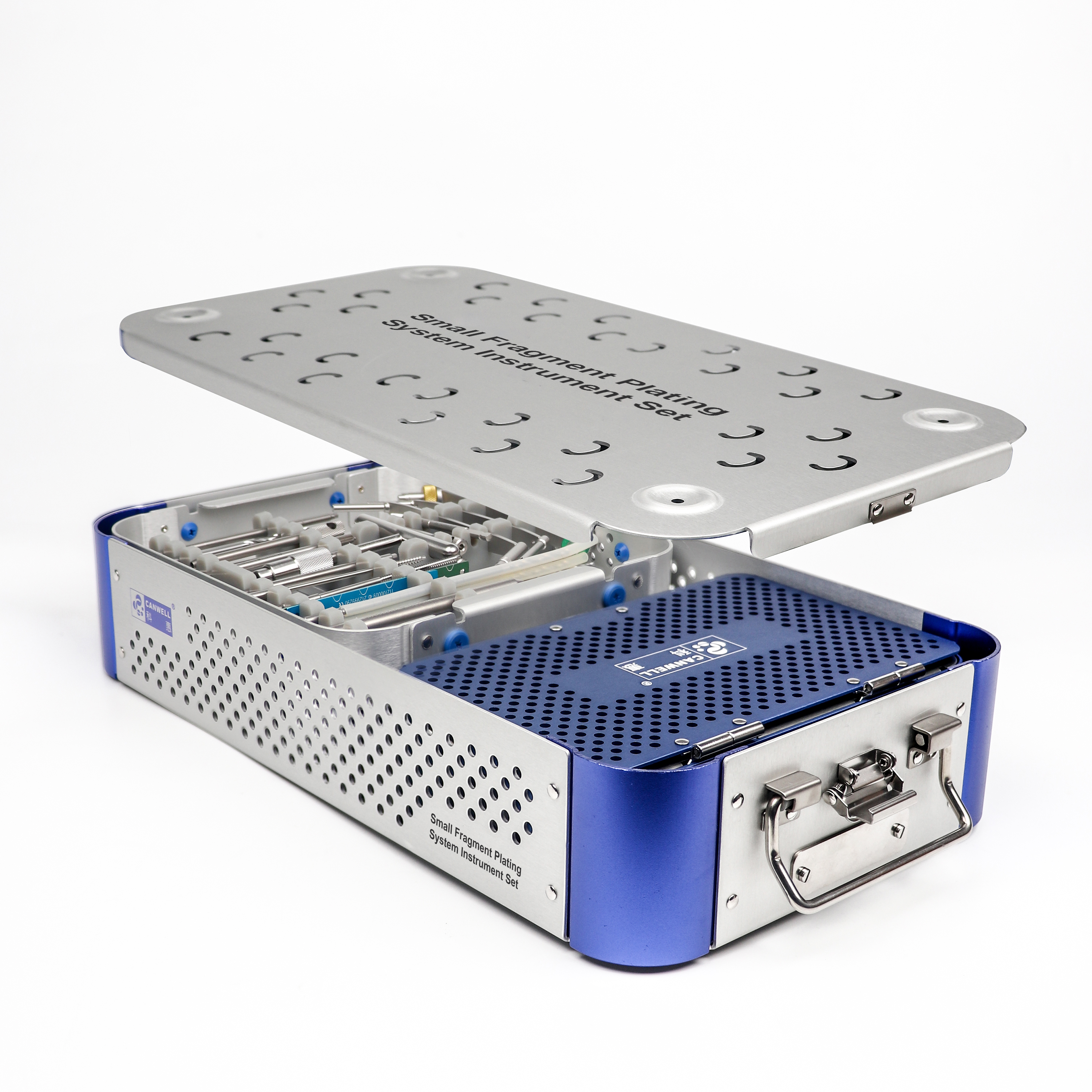
Surgical Instrumentation
Constructed from certified medical-grade titanium (Ti-6Al-4V ELI) and PEEK polymers. Our implant systems pass multi-axis fatigue testing and feature streamlined ergonomic instrumentation fully compliant with EU MDR 2017/745 mandates.
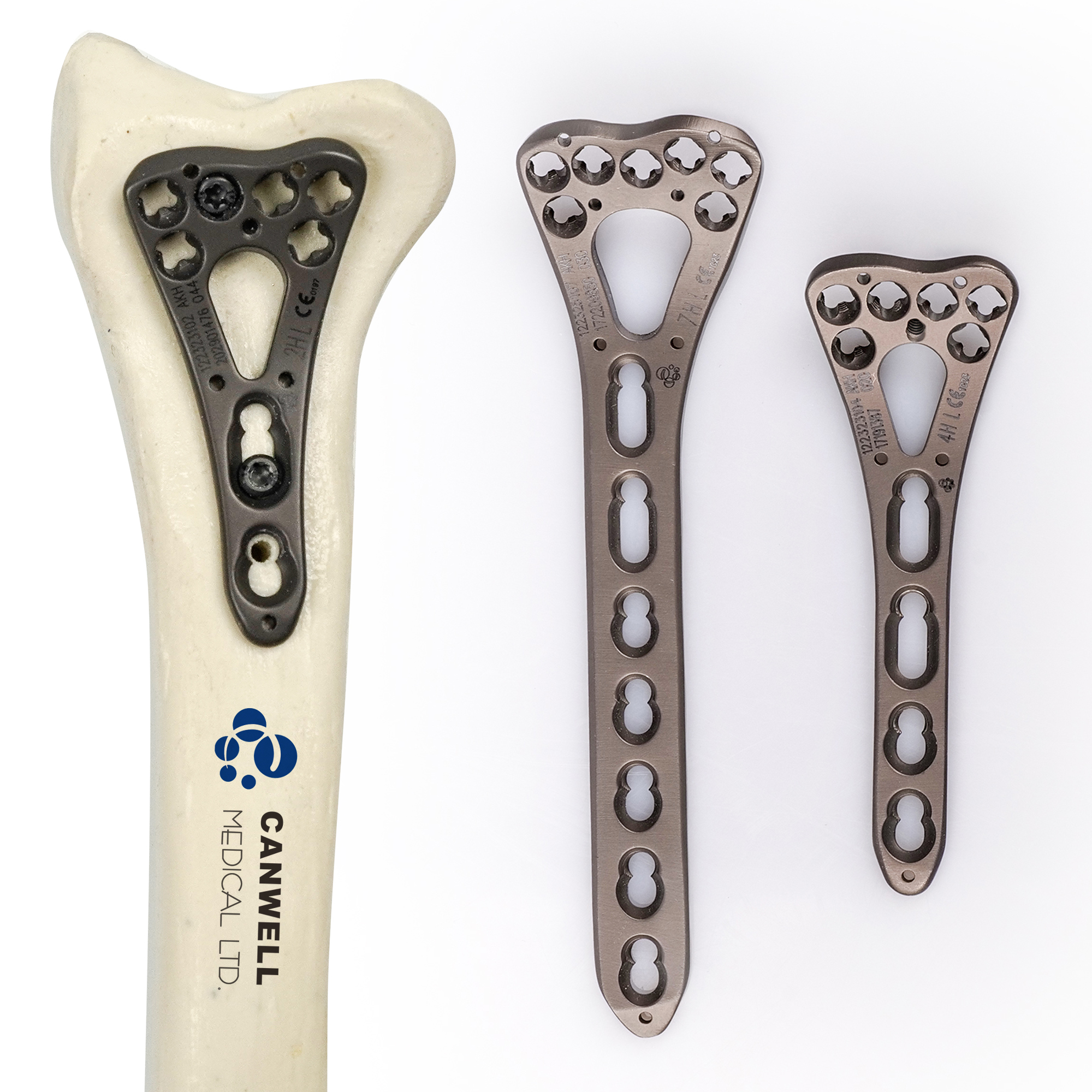
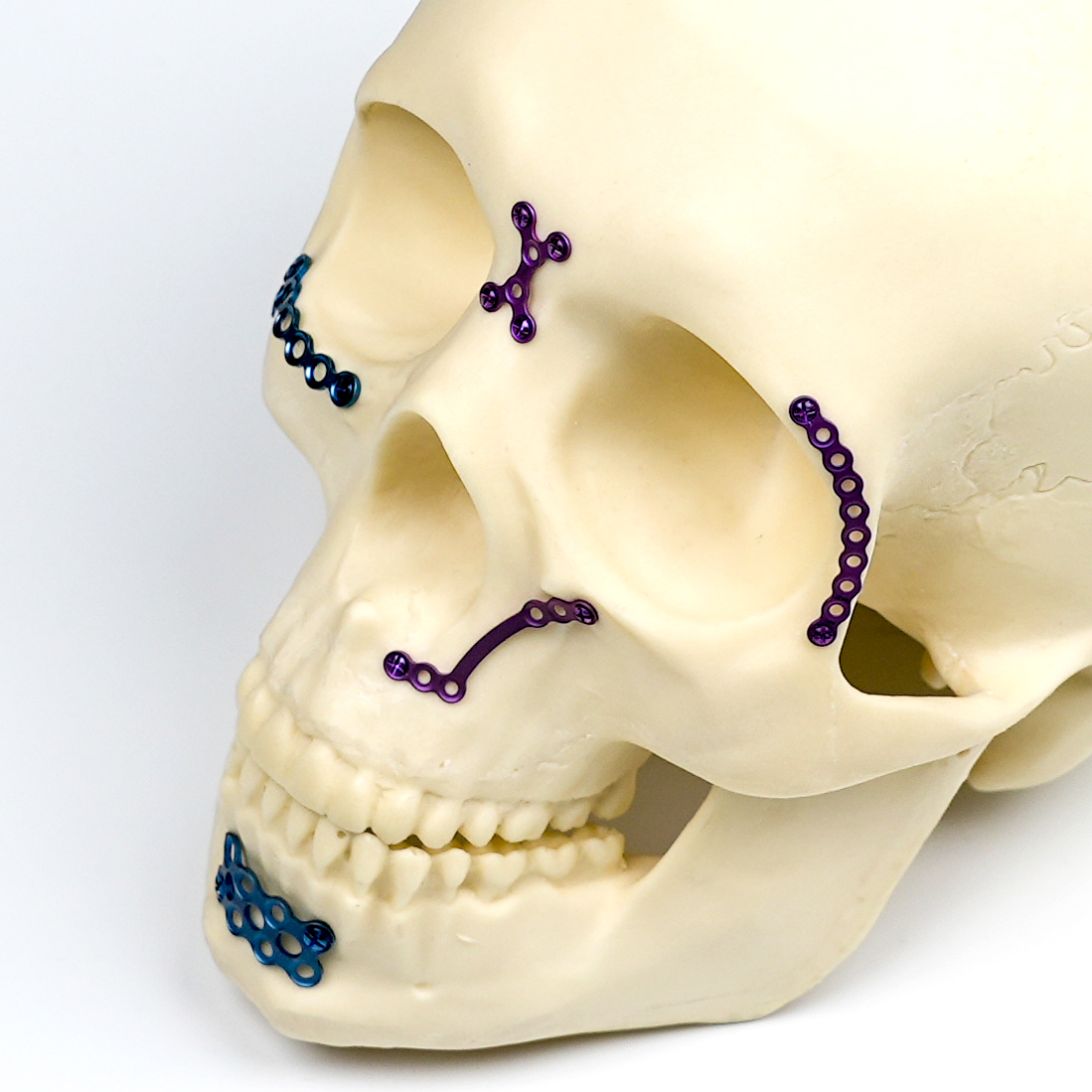
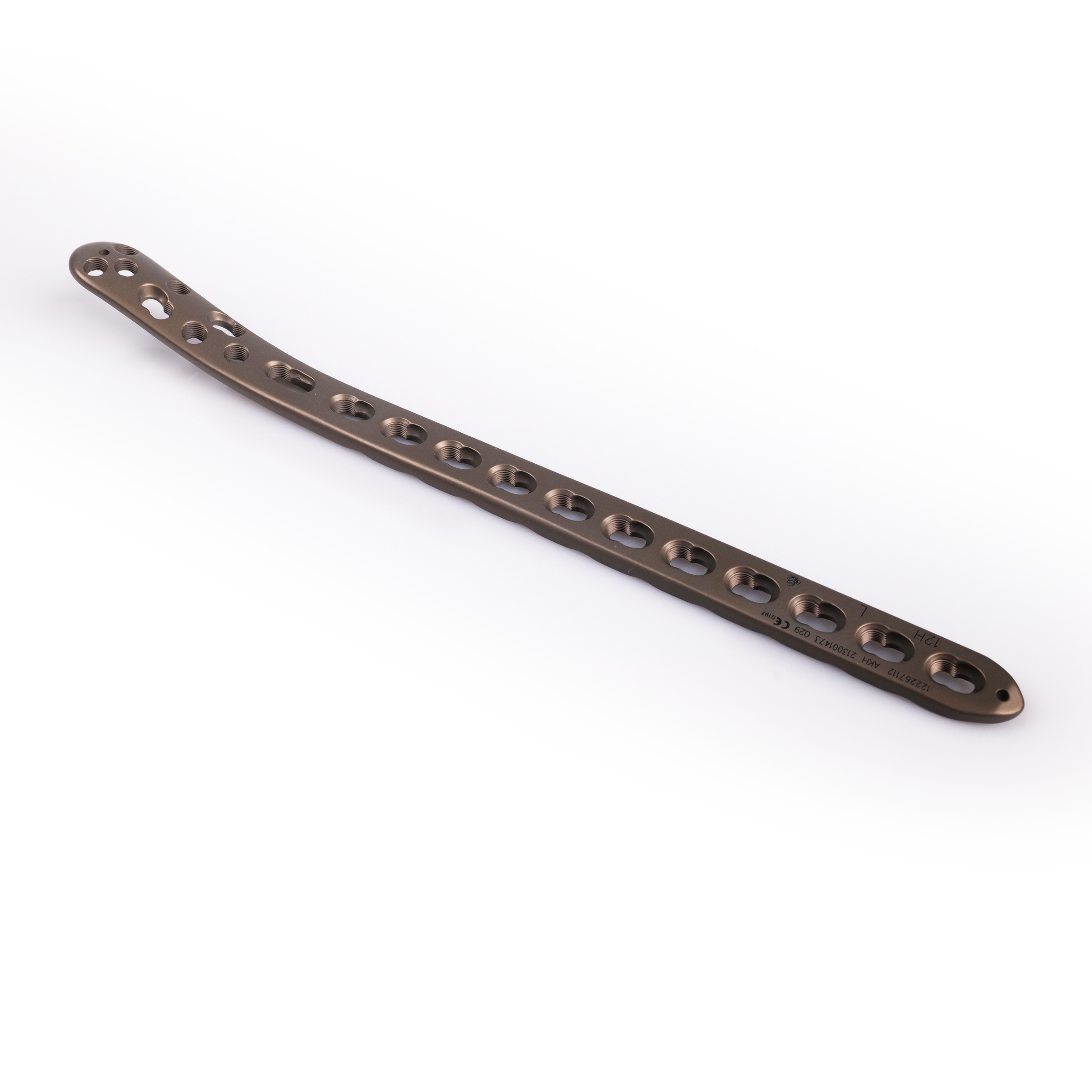
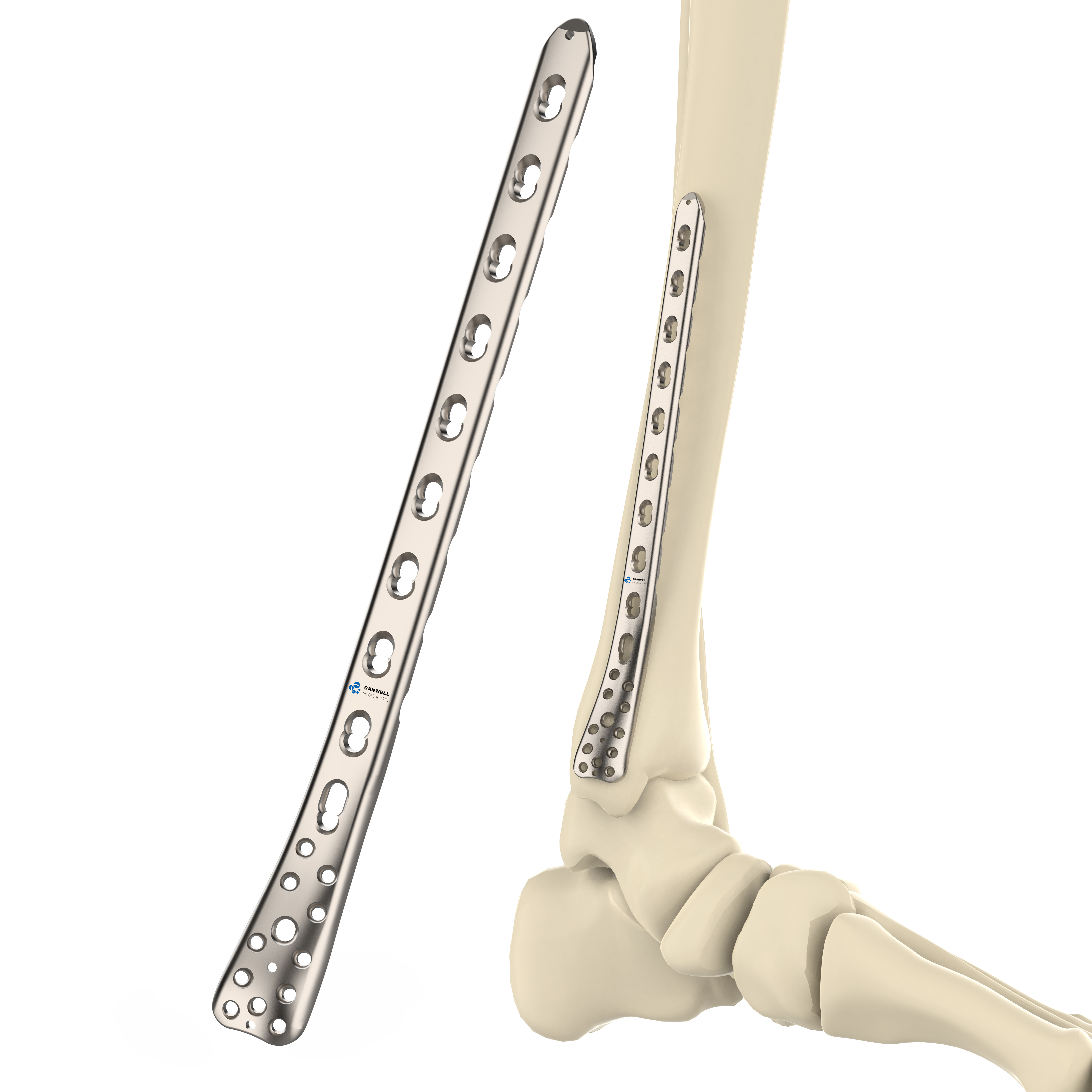
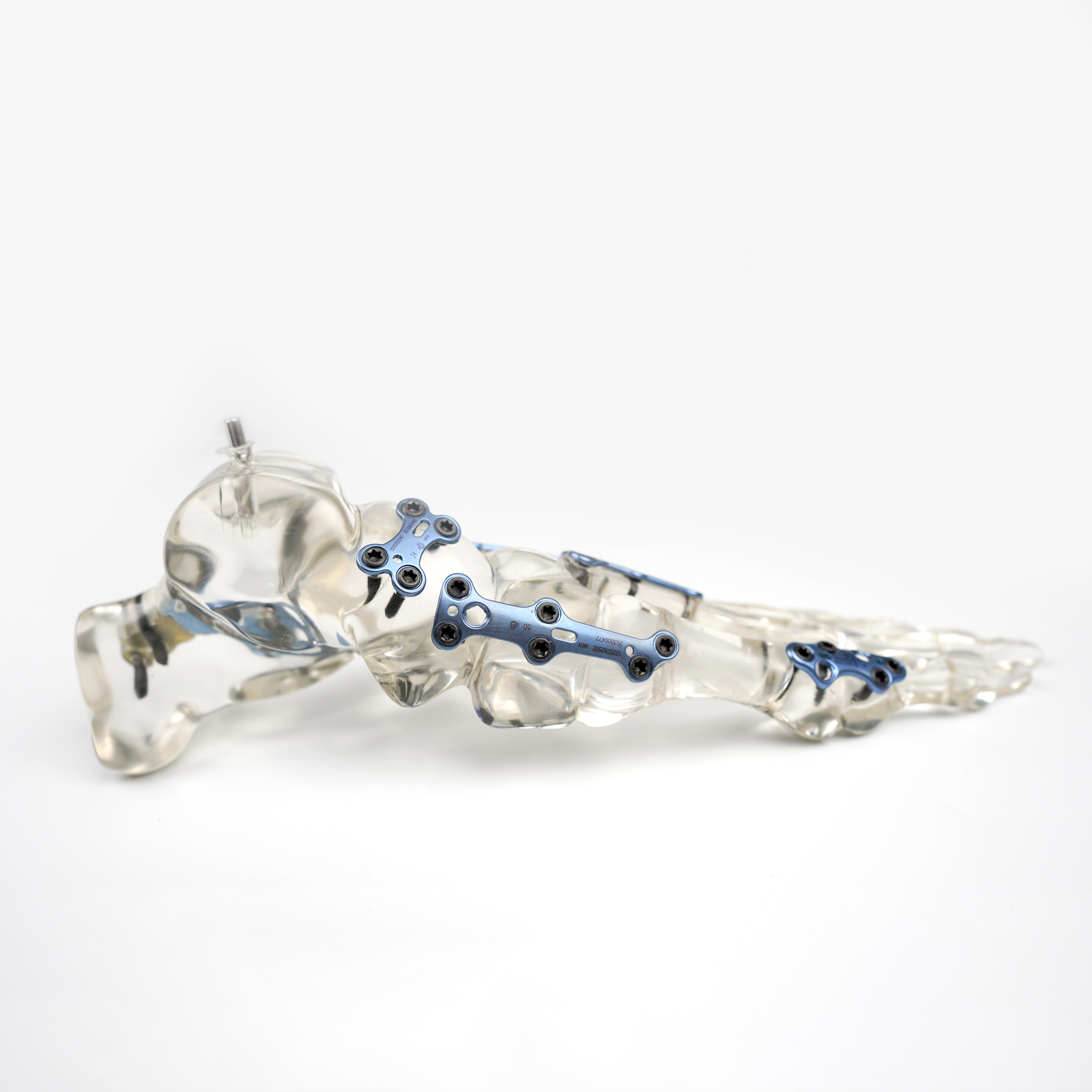
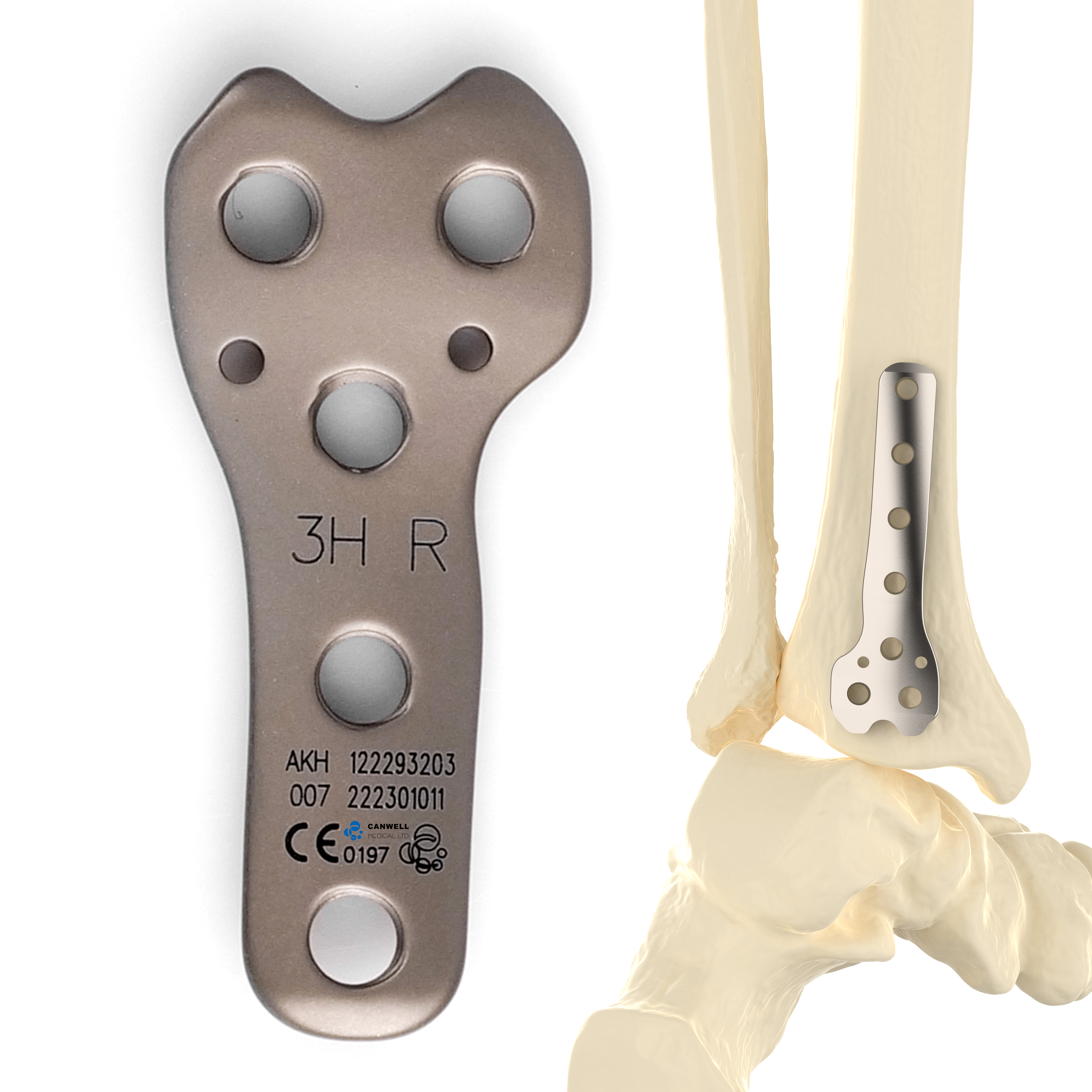
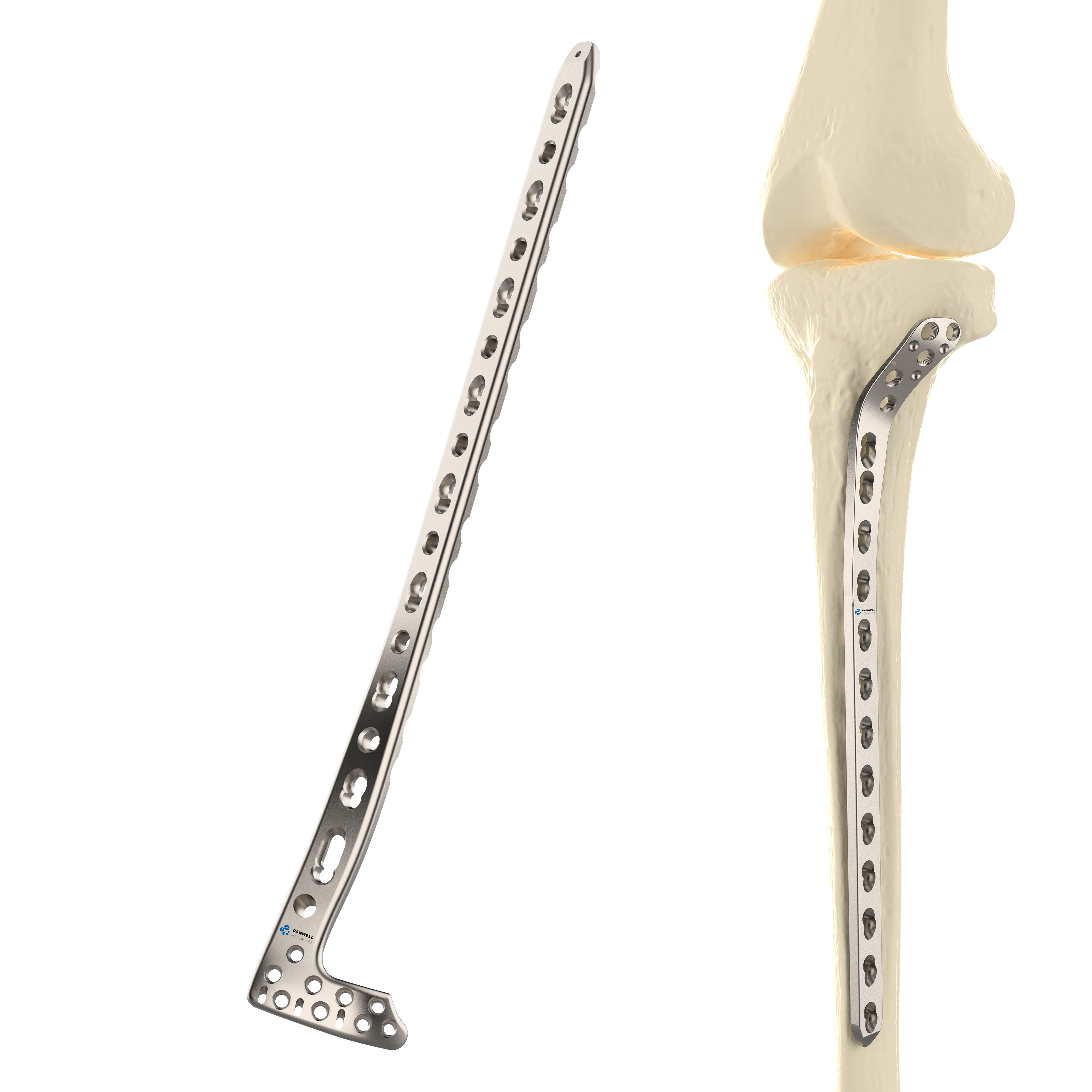
Dedicated exclusively to precision orthopedic & spinal hardware fabrication.
High-precision longitudinal CNC Swiss turning, Class 10,000 cleanrooms.
Orthopedic bio-engineers, metallurgical specialists, and MDR regulatory consultants.
Individual laser UDI coding, raw material melt certificates, penetrant defect testing.
A comprehensive evaluation of multi-angle stabilization, friction head retention, and fatigue resistance under high physiological load cycles in spinal reconstructive surgery.
In modern spinal arthrodesis, pedicle screw loosening remains the predominant mechanism of construct failure—particularly in degenerative osteoporotic bone. Our polyaxial pedicle screws incorporate a dual-lead cortical-cancellous thread design. The proximal core features a cylindrical outer envelope with a dense buttress thread that maximizes purchase in the pedicle cortex, while the distal section employs an expansive conical taper with deep cutting flutes for self-tapping insertion.
The articulating polyaxial head mechanism provides a conical arc exceeding ±30° (>60° total cone angulation), enabling surgeons to seat contour-free Ø5.5mm or Ø6.0mm titanium/cobalt-chromium rods without inducing micro-strains or pedicular shear stresses.
Manufactured strictly from biocompatible Ti-6Al-4V ELI (Grade 23 ASTM F136 / ISO 5832-3), our pedicle systems deliver exceptional tensile modulus matching native cancellous structures to reduce stress-shielding artifacts. Operating in temperature-regulated facilities with automated Citizen and Star multi-axis longitudinal CNC lathes, each component is machined to sub-5-micron tolerances.
Following high-precision milling, every screw undergoes multi-stage ultrasonic washing, electrolytic micro-polishing, and Type II hard anodization. This creates a dense, non-porous titanium dioxide protective layer that drastically curtails fretting debris release at the head-to-tulip and saddle-to-rod interfaces while accelerating peri-implant osseointegration.
How INAR Medical's advanced OEM/ODM spinal engineering interfaces with Eindhoven's world-class clinical research, surgical robotics, and Dutch procurement frameworks.
Eindhoven stands as the deep-tech epicentre of the Netherlands. Home to institutions like Eindhoven University of Technology (TU/e) and pioneering biomedical engineering labs, regional clinicians expect extreme dimensional accuracy. Our OEM spinal implants match the exact micro-tolerances required by computer-assisted navigation and emerging surgical robotic platforms deployed throughout North Brabant healthcare institutions.
From university medical centres such as Maastricht UMC+ and Radboudumc Nijmegen to specialized trauma centres across Eindhoven (Catharina Ziekenhuis and Maxima Medisch Centrum), our polyaxial systems accommodate complex adolescent idiopathic scoliosis (AIS) corrections, degenerative spondylolisthesis decompression, and high-energy thoracolumbar trauma stabilization.
Dutch hospital procurement syndicates (Inkoopcoöperaties) operate under strict budgets while transitioning into EU MDR 2017/745 conformance. By sourcing directly from INAR Medical's vertically integrated 29,523m² facility, distributor and hospital partners in the Netherlands eliminate multiple tiers of markups while obtaining fully certified implants supported by MDR Class IIb documentation.
Key developments driving spinal implant specifications across leading medical centers in the Benelux region.
The push toward rapid post-operative rehabilitation in Dutch clinics has amplified demand for extended-tab cannulated polyaxial pedicle screws. These integrate seamlessly with percutaneous rod inserters and mini-open portals to preserve paraspinal musculature.
With Dutch university hospitals deploying intraoperative O-arm CT scanning and AR navigation headsets, pedicle screw drive geometries must resist stripped driver hexes. Our precision star-shaped Torx-plus drives ensure positive torque transmission under optical guidance.
Dutch tenders prioritize cradle-to-grave traceability and recyclable sterilization modular trays. Every INAR screw comes sealed in high-barrier Tyvek blister packaging with laser-etched GS1 DataMatrix 2D codes for streamlined hospital scanning.
Decades of orthopedic excellence backed by SGS on-site audits, advanced cleanroom packing, and proven export capacities across 60+ countries.
Nothing critical is outsourced. Our documented 13-stage manufacturing cycle spans raw titanium bar inspection, multi-axis longitudinal milling, high-energy sandblasting, liquid penetrant crack testing, dual-stage ultrasonic wash cascades, and Class 10,000 aseptic cleanroom sealing.
Our featured product portfolios carry CE marking under EU MDR and Directive 93/42/EEC, supported by technical documentation, Risk Assessment Reports (ISO 14971), Biocompatibility Testing (ISO 10993), and dynamic biomechanical endurance reports for swift national registration.
Whether you require private-label custom laser branding, custom anodization coloration systems to differentiate screw diameters instantly, or customized sterilization trays constructed for specific surgical protocols, our bio-engineering department executes prototypes with speed.
Straightforward answers concerning EU compliance, delivery lead times into the Netherlands, and custom instrument sterilization configurations.
Seeking a certified OEM partner for polyaxial pedicle screws, trauma locking plates, or specialized surgical sets? Request our comprehensive clinical catalog, MDR compliance packs, and customized distributor price frameworks.