Featured Orthopedic & Spinal Implants
High-precision trauma fixation plates, interlocking systems, and arthroscopic repair solutions validated through strict mechanical endurance protocols for clinical centers in Andorra la Vella.
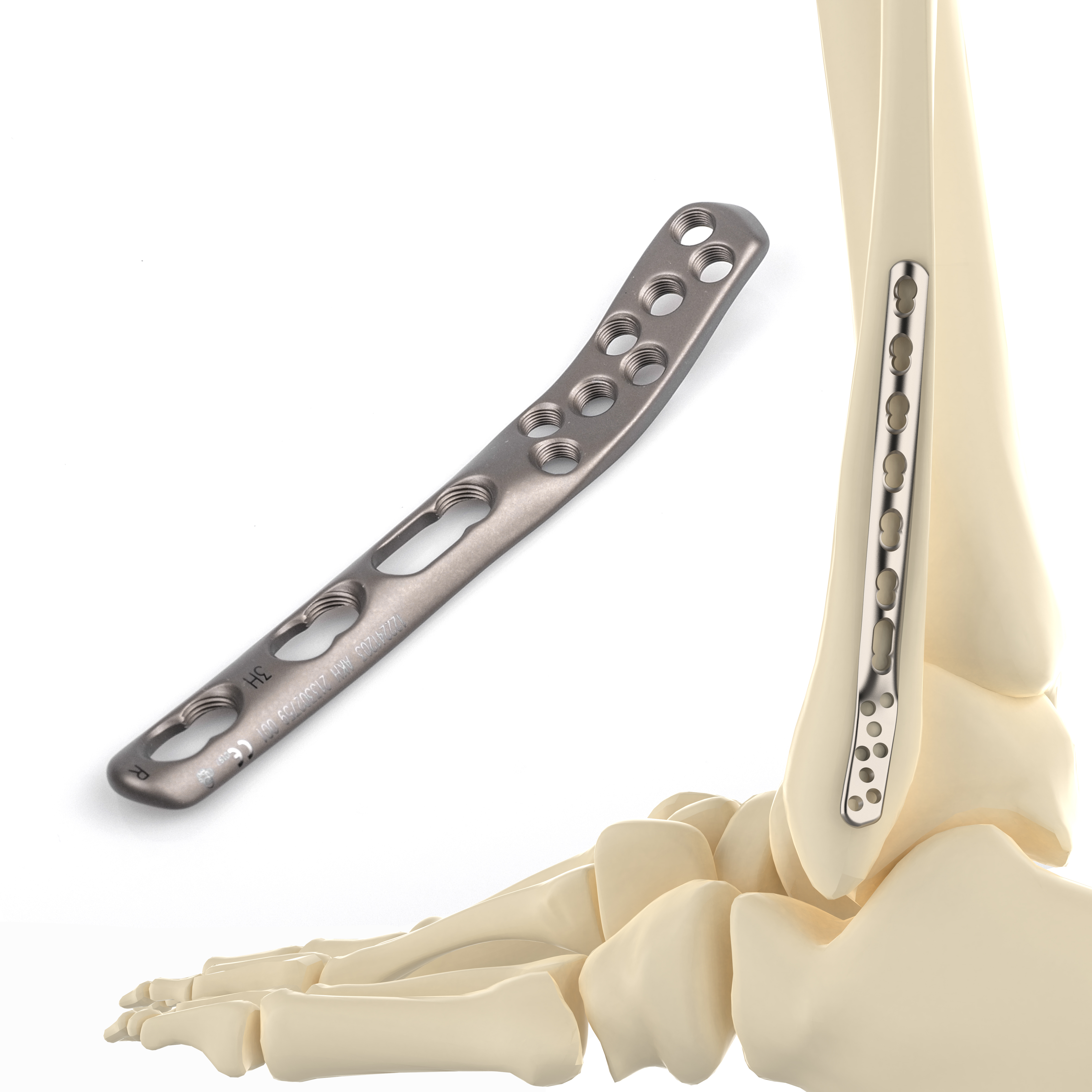
CANWELL Fibula Plate Titanium Posterolateral Distal Fibula Locking Plate 2.7/3.5mm Screw System
Explore Technical Specs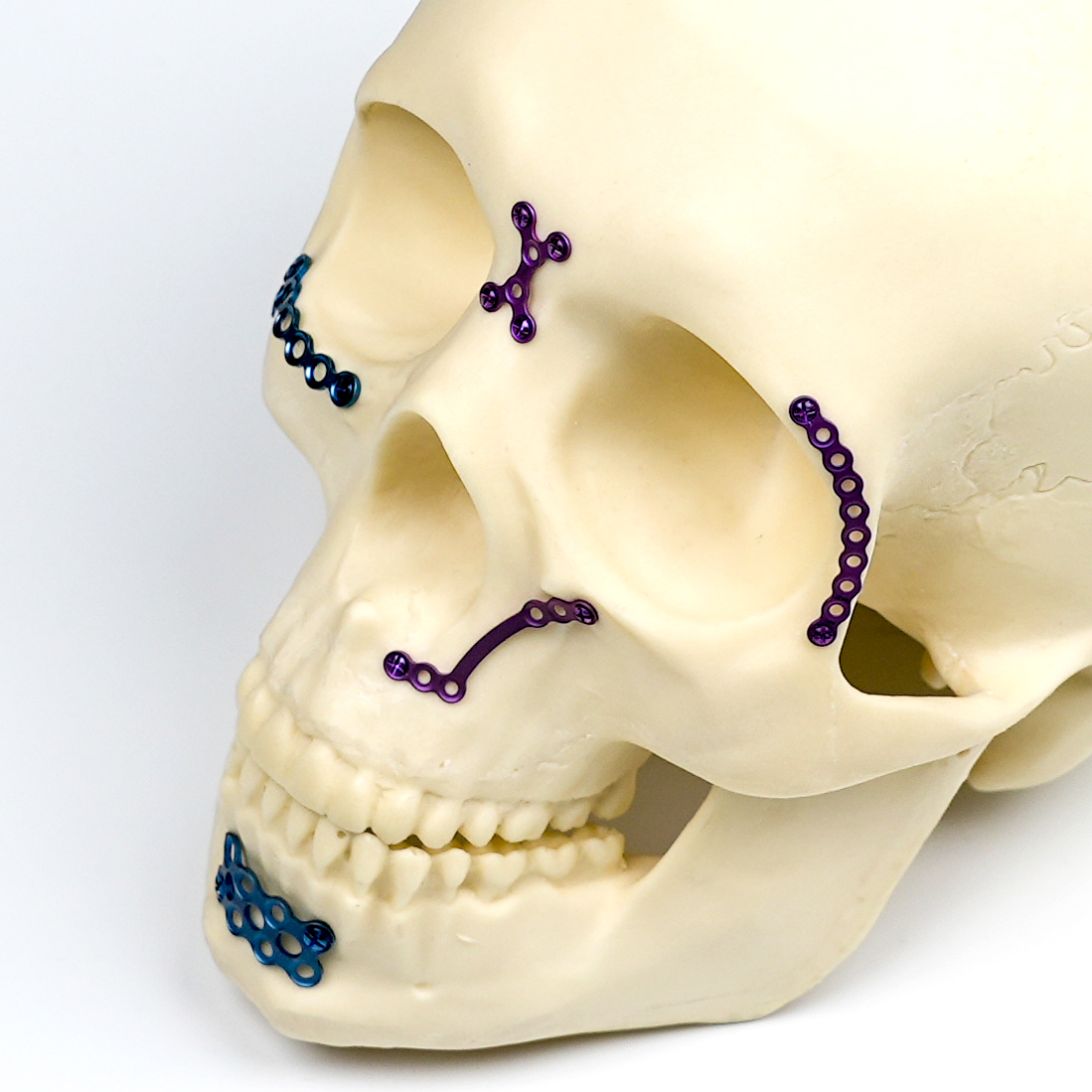
CANWELL CMF Titanium Maxillofacial Plate & Screw System for Facial Fracture Reconstruction
Explore Technical Specs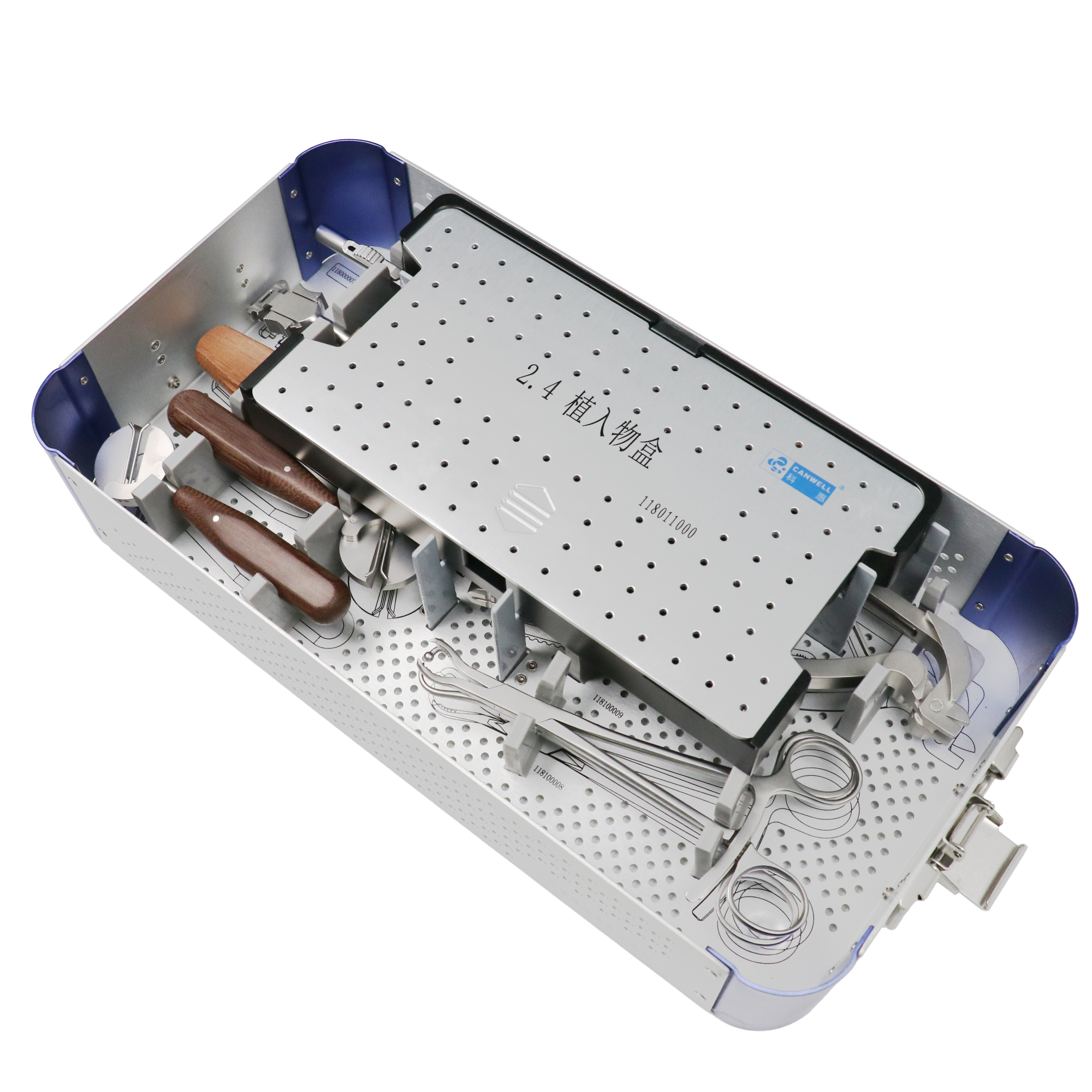
CANWELL Cranium & Maxillofacial Surgical Instruments Set with Precision Bone Screwdrivers
Explore Technical Specs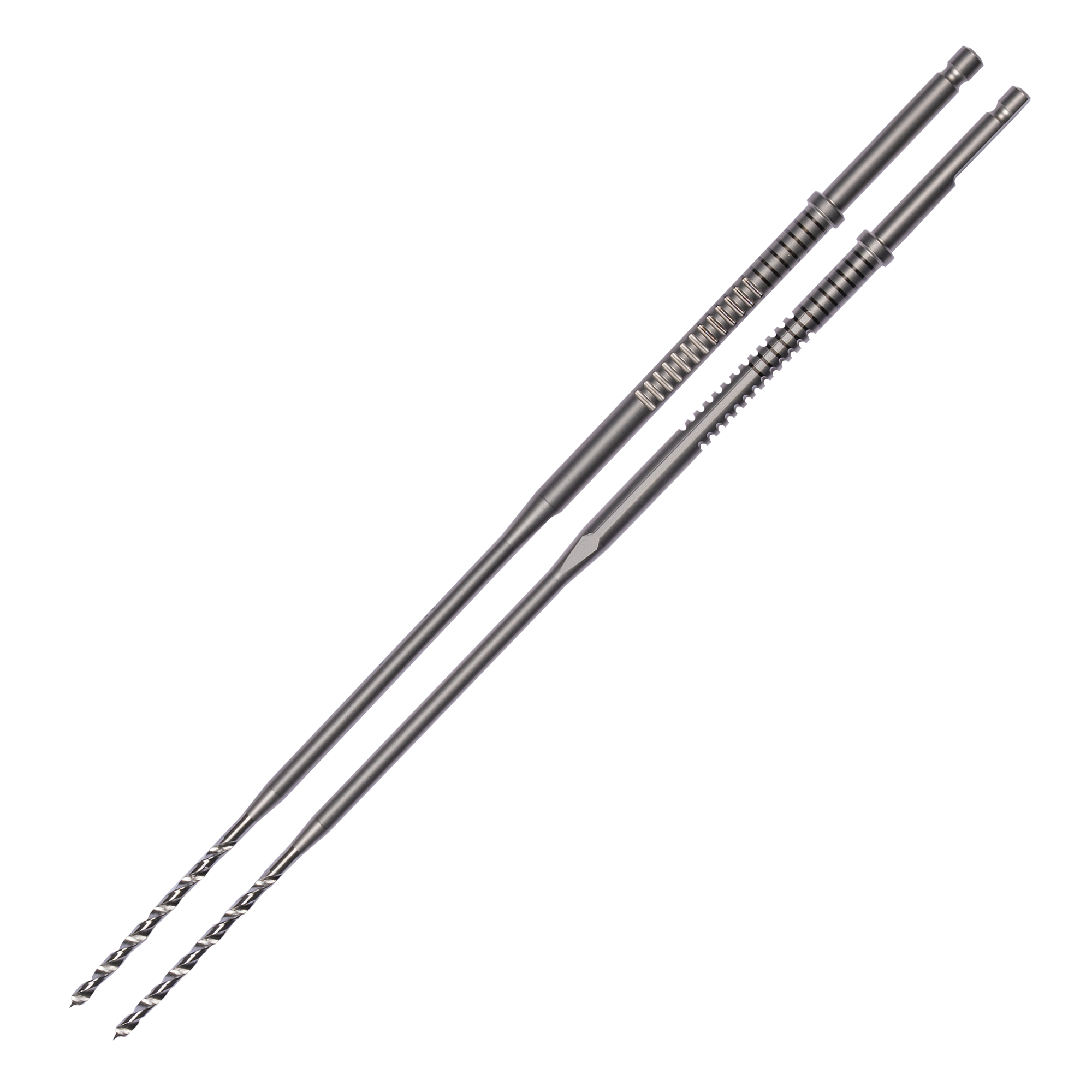
CANWELL Flexible Bone Drill Bit Quick Coupling Surgical System Soft AO Type for Locking Plates
Explore Technical Specs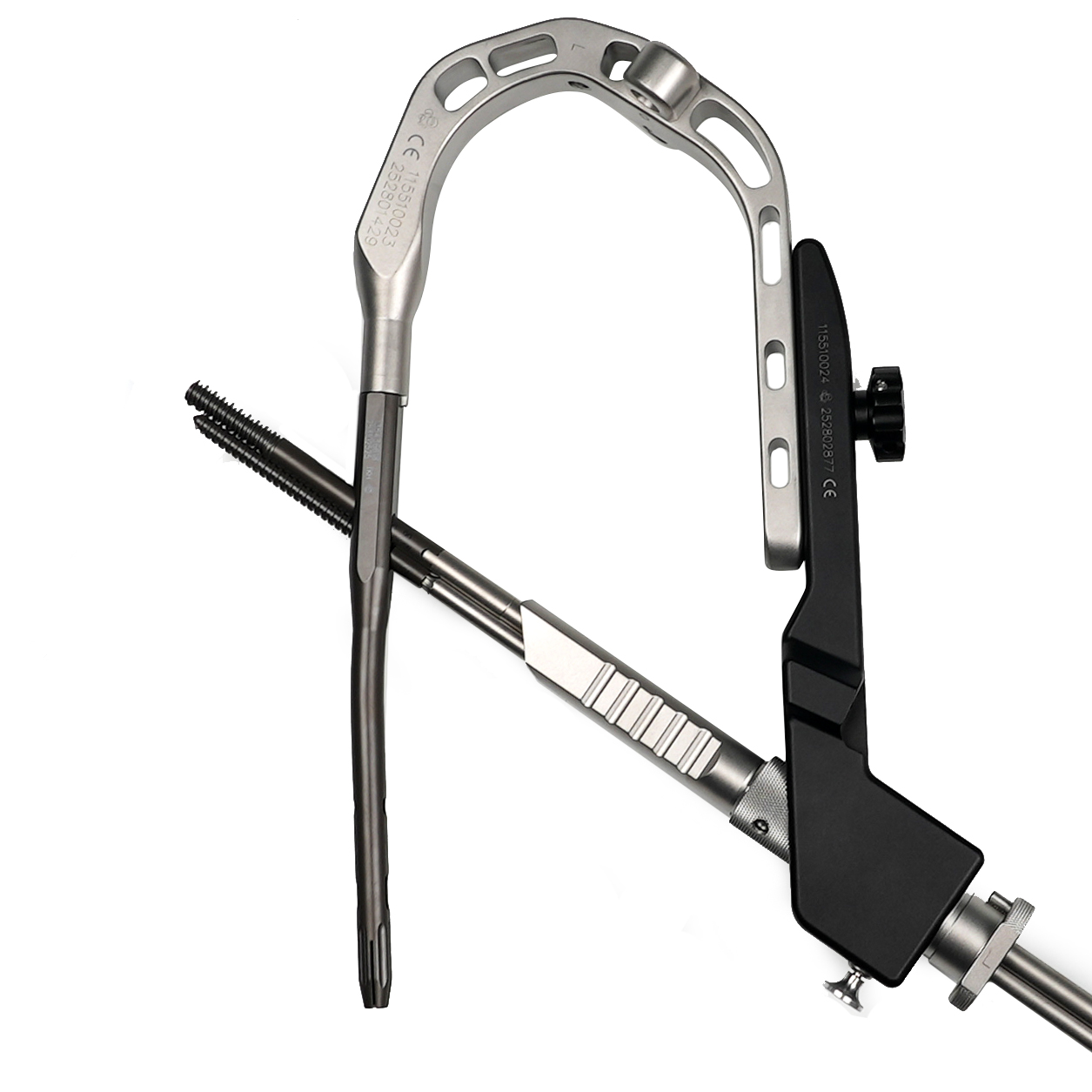
CANWELL Titanium Femoral Intramedullary Interlocking Nail System for Femur Fracture Reconstruction
Explore Technical Specs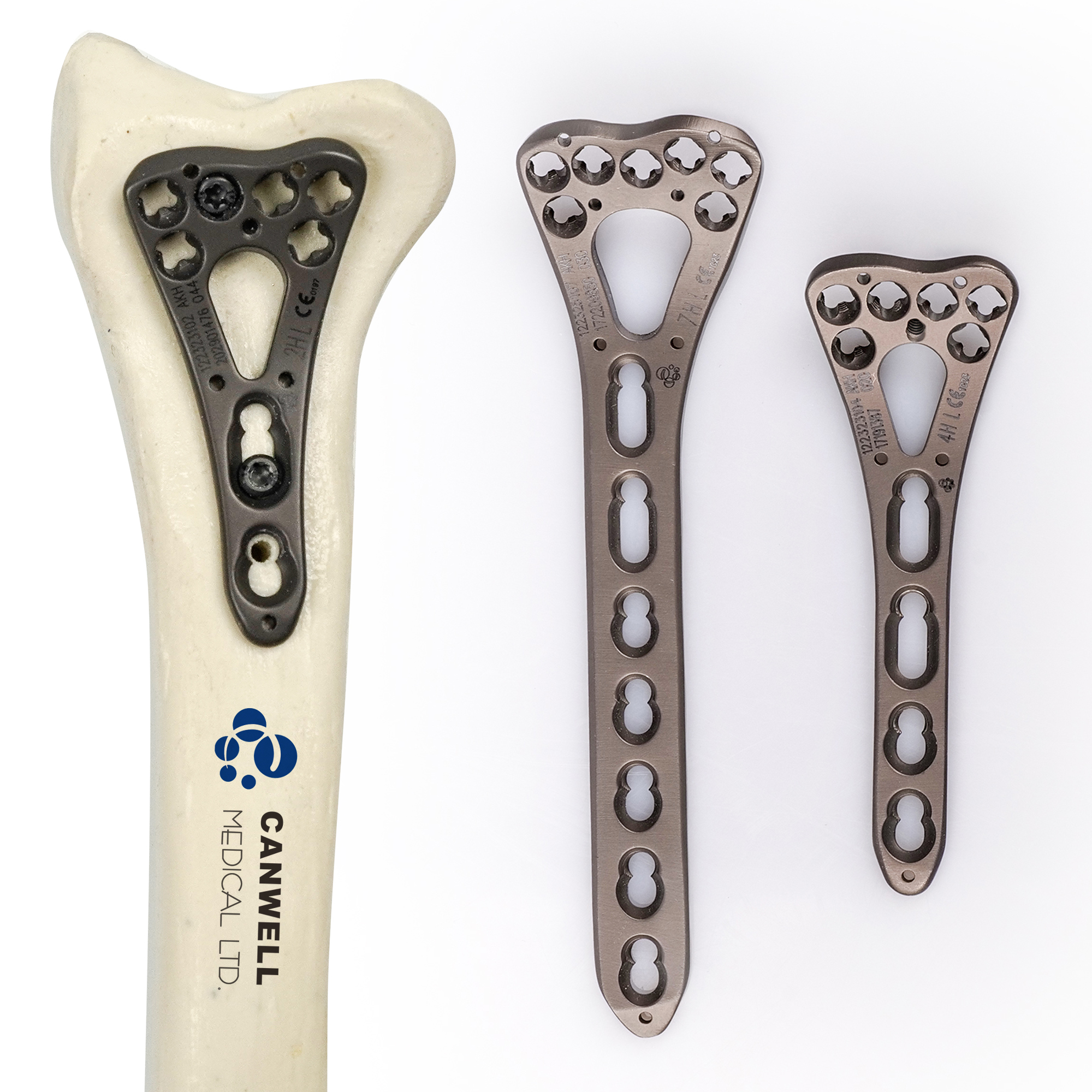
CANWELL 2.4/2.7mm Variable Angle Titanium Distal Palmar Radius Volar Locking Plate System
Explore Technical Specs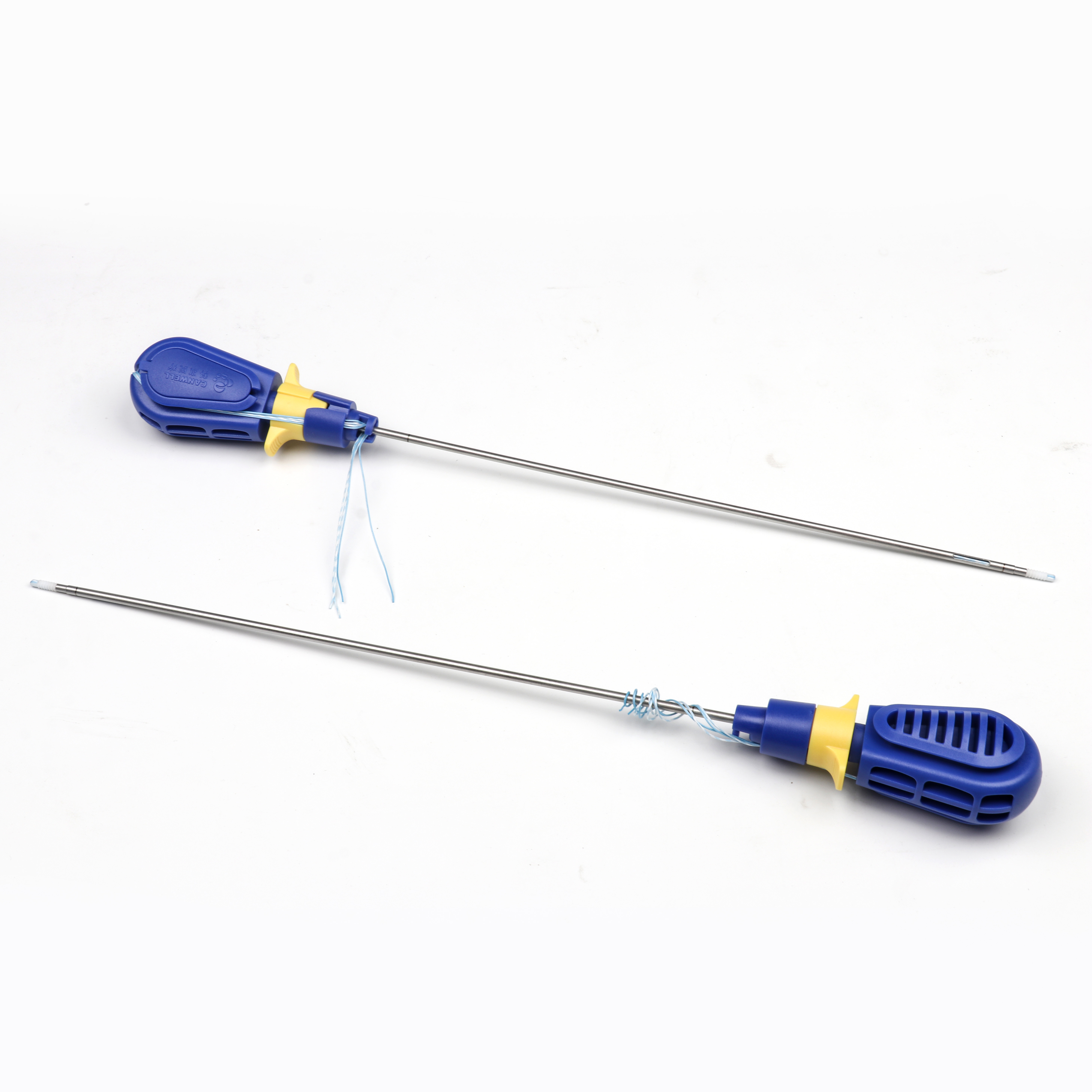
CANWELL Bioabsorbable PLGA Knotless Suture Anchor for Arthroscopic Rotator Cuff Repair
Explore Technical Specs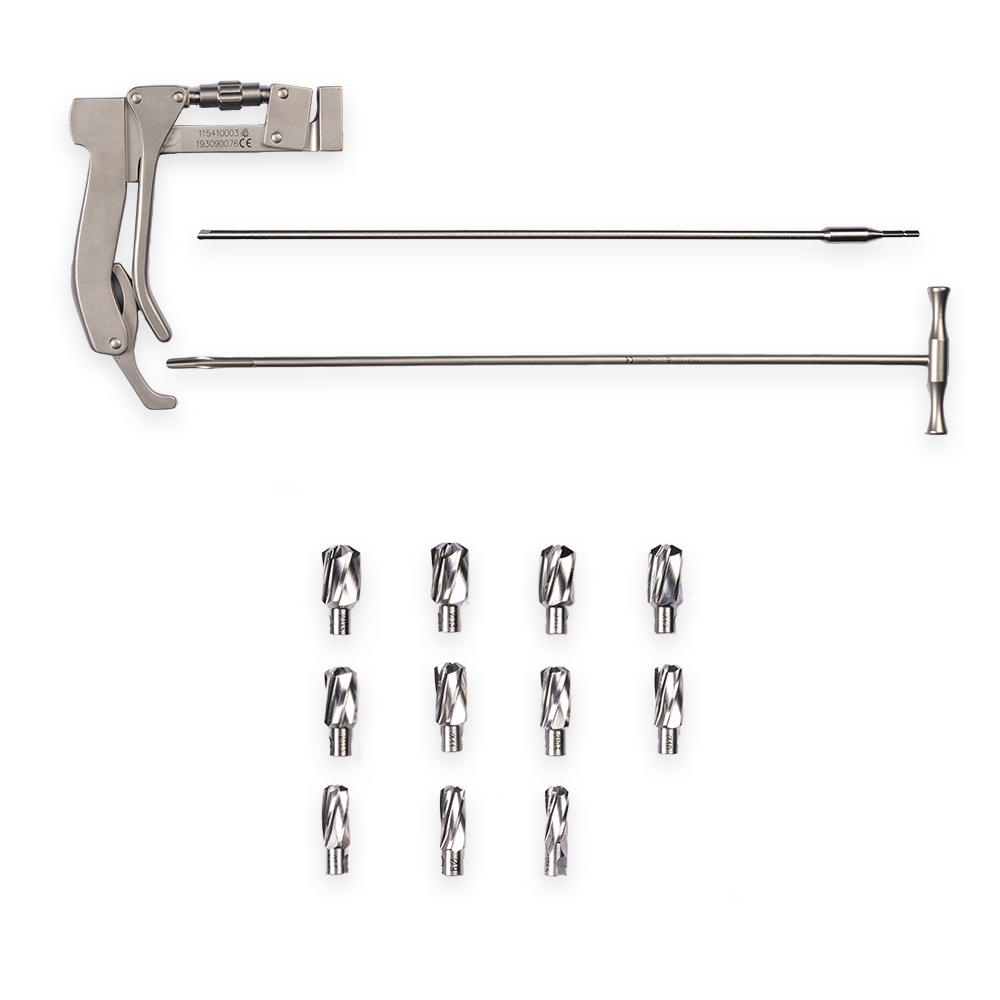
CANWELL Orthopedic Flexible Reamer Set for Intramedullary Surgery with Flexible Shaft System
Explore Technical SpecsEngineered Excellence in Orthopedic Manufacturing
Data audited via independent SGS Onsite Supplier Assessments, demonstrating industrial capacity, strict metallurgical tracing, and Class 100,000 cleanroom sterilization environments.
Years Experience
Decades of continuous focus on precision spinal & orthopedic manufacturing
Total Personnel
Specialized biomedical engineers, machinists, and QC specialists
Factory Area (m²)
Fully vertically-integrated CNC machining, testing, and cleanroom packaging
Years Exporting
Direct supply to global distributors, regional tenders, and hospital networks
Buyer Trust Index
SGS audited production workflow and verified MDR quality management
Biomechanical Engineering of Interbody Fusion Cages for Alpine Clinical Practice
In spinal arthrodesis, the interbody cage serves as a critical mechanical spacer and osteoconductive conduit. For spine specialists operating in Andorra la Vella and the broader Pyrenees region, achieving immediate segmental stabilization while promoting long-term biological osseointegration requires an advanced understanding of biomaterial mechanics, spatial geometry, and load-sharing dynamics. Our range of interbody fusion devices utilizes medical-grade Polyetheretherketone (PEEK-OPTIMA®) and additive-manufactured Ti-6Al-4V ELI (Grade 23) to satisfy demanding biomechanical tolerances.
1. Modulus Matching and Subsidence Mitigation
One of the primary post-operative complications encountered in spinal fusion is cage subsidence—the gradual sinking of the implant into adjacent vertebral endplates. This phenomenon is closely tied to mechanical stiffness mismatches. Cortical bone possesses an elastic modulus of approximately 12 to 18 GPa, while cancellous bone ranges from 0.1 to 1.5 GPa. Conventional metallic cages fabricated from solid titanium alloys (modulus of ~110 GPa) exhibit significant stress shielding, where the rigid implant bears excessive axial loads, depriving the intervening bone graft of physiologic strain (Wolff's Law) and causing micro-fractures in the subchondral bone.
Our PEEK interbody systems exhibit an elastic modulus of 3.6 GPa, closely mirroring the structural behavior of native human cancellous and cortical architecture. This promotes uniform compressive load distribution across the biological graft bed, minimizing focal stress concentrations at the implant-bone junction. For high-demand structural stability, our porous titanium surface-modified PEEK cages combine the favorable bulk biomechanics of PEEK with an osteophilic 3D micro-textured titanium boundary layer, providing an optimal environment for vascular ingrowth without altering the elastic core.
2. Radiographic Visualization & Fusion Assessment
Precise post-operative verification of arthrodesis is paramount. Solid titanium implants generate severe scattering and starburst artifacts on computed tomography (CT) and magnetic resonance imaging (MRI), obscuring the central graft window and making early detection of non-union or pseudoarthrosis challenging. Our PEEK cages are radiolucent, enabling clear, artifact-free imaging of trabecular bone bridging through the central cavity. High-purity medical-grade Tantalum radiographic pins embedded at anterior, posterior, and lateral quadrants offer surgical navigation under fluoroscopy without distorting diagnostic scans.
- Anatomical Lordotic Restoration: Bi-convex profiles engineered in 4°, 8°, and 12° lordosis to re-establish physiological sagittal alignment in lumbar degenerative pathologies.
- Aggressive Anti-Migration Serrations: Pyramidal teeth designed with directional resistance to counteract shear forces and prevent anterior or retropulsion displacement during early mobilization.
- Maximized Graft Volume Ratio: Optimized thin-wall structural engineering providing up to 45% central void capacity for autologous and allogeneic bone matrix filling.
- Smooth Bulleted Nose Inserters: Self-distracting leading edge geometry reducing neural retraction time and facilitating minimally invasive transforaminal (TLIF) delivery.
Localized Clinical Indications & Surgical Scenarios in Andorra la Vella
The Principality of Andorra presents a distinct epidemiology of spinal conditions, centered around its capital, Andorra la Vella, and its central tertiary medical facility, Hospital Nostra Senyora de Meritxell, managed by the Servei Andorrà d'Atenció Sanitària (SAAS). The demand for spinal instrumentation is shaped by two distinct clinical demographics: high-velocity seasonal sports trauma and an active, long-lived resident population.
High-Energy Alpine Sports Trauma Intervention
Surrounded by major ski resorts such as Grandvalira, Pal-Arinsal, and Ordino Arcalís, Andorra la Vella is an international center for extreme mountain sports. Winter and summer sports activities—including alpine skiing, freeride snowboarding, and downhill mountain biking—result in a steady incidence of axial compression and flexion-distraction thoracolumbar fractures (AO Spine Type A and B injuries).
In acute burst fractures (T11–L2), restoring anterior column height is critical to preventing post-traumatic kyphosis. Our expandable and lordotic TLIF (Transforaminal Lumbar Interbody Fusion) and PLIF (Posterior Lumbar Interbody Fusion) cages allow orthopedic spine surgeons to perform anterior column reconstruction via a posterior-only approach. This significantly reduces operative time, blood loss, and physiological stress compared to traditional dual-approach thoracotomies, enabling quicker stabilization and rehabilitation for competitive and recreational athletes.
Degenerative Spinal Pathologies in an Aging Mountain Demographic
Andorra boasts one of the highest life expectancies globally. However, decades of high-altitude living, mountainous terrain navigation, and cold climate conditions contribute to an increased prevalence of lumbar spinal canal stenosis, degenerative spondylolisthesis, and cervical spondylotic myelopathy among senior residents. In patients presenting with reduced bone mineral density (osteopenia and osteoporosis), traditional interbody implants carry a heightened risk of subsidence.
Our wide-footprint ALIF (Anterior Lumbar Interbody Fusion) and OLIF/ATP (Oblique Lumbar Interbody Fusion) systems are specifically engineered to address this clinical challenge. By spanning the strong apophyseal ring of the vertebral endplates, these wide-body implants reduce contact pressure per square millimeter, allowing secure restoration of disc height and indirect decompression of neural foramina without compromising fragile osteoporotic subchondral bone.
Interbody Fusion Configurations & Approaches
Targeted solutions engineered for diverse surgical approaches, clinical pathologies, and patient-specific anatomical requirements.
Cervical Interbody Systems (ACDF)
Engineered for Anterior Cervical Discectomy and Fusion. Featuring anatomical lordotic contours, integrated zero-profile locking plate mechanisms, and medical PEEK-OPTIMA® cores. Designed to mitigate dysphagia risks while providing rigid immediate stability across C3–C7 segments.
Transforaminal & Posterior (TLIF / PLIF)
Optimized for unilateral transforaminal and bilateral posterior approaches. Bulleted leading tips facilitate insertion past the exiting nerve root in minimally invasive surgical corridors. Extensive graft apertures maximize biological bone fusion across L1–S1 segments.
Lateral & Oblique Solutions (LLIF / OLIF)
Wide-span footprint geometry engineered to sit across the dense cortical peripheral ring. Delivers major indirect decompression for adult degenerative scoliosis and severe disc space collapse via retroperitoneal muscle-splitting corridors.
Surgical & Procurement Trends Shaping Andorra’s Orthopedic Sector
Healthcare delivery in Andorra la Vella is characterized by high clinical standards, tight integration with international medical hubs, and adherence to European regulatory structures. Understanding these regional dynamics is essential for hospital administrators, orthopedic procurement boards, and clinical department chairs.
1. Shift Toward Minimally Invasive Spine Surgery (MISS) & Navigation
Surgical suites at Hospital Nostra Senyora de Meritxell and private surgical clinics across Andorra are increasingly adopting computer-assisted navigation, intraoperative 3D fluoroscopy, and tubular retraction systems. Minimally invasive approaches require implants with self-aligning insertion tooling, low profile footprints, and intuitive connection mechanisms. Our MIS TLIF and lateral cage suites are engineered with quick-release instrumentation and compact handles that function smoothly within narrow surgical tubes, minimizing soft-tissue disruption and blood loss.
2. Cross-Border Health Coordination with Catalonia and Occitanie
The Andorran social security system (Caixa Andorrana de Seguretat Social - CASS) maintains clinical collaboration agreements with university hospitals in Barcelona (e.g., Hospital Clínic, Hospital Vall d'Hebron) and Toulouse (e.g., CHU de Toulouse). Complex spinal reconstructions, revision surgeries, and oncological resections may involve cross-border surgical consultations. Consequently, spinal implants procured within Andorra must align seamlessly with European standard instrumentation, screw threading pitches, and universal AO coupling systems to facilitate surgeon familiarization across international medical teams.
3. Transition to Biologically Active & Titanium-Surface Modified Cages
While standard PEEK remains an industry benchmark for elasticity, the Pyrenean surgical community is transitioning toward advanced osteoinductive interface solutions. Clean mechanical fusion without fibrous tissue interposition is a major surgical benchmark. To meet this objective, our production lines utilize high-vacuum plasma spraying and 3D selective laser melting (SLM) to produce porous titanium structures on PEEK substrates. This provides a bio-inert mechanical core with an osteophilic surface topography characterized by micro-roughness (Ra 3–5 µm) that stimulates early bone cell attachment.
Spinal Interbody Cage Biomechanical Specifications
Comprehensive engineering parameters comparing INAR Medical interbody cage platforms against human physiological cortical and cancellous bone values.
| Implant Material Platform | Elastic Modulus (GPa) | Radiographic Clarity | Primary Osseointegration Mechanism | Subsidence Probability | Typical Clinical Indication |
|---|---|---|---|---|---|
| Native Human Cancellous Bone | 0.1 – 1.5 | Baseline | Natural Remodeling & Autologous Fusion | N/A | Physiological Reference |
| Native Human Cortical Bone | 12.0 – 18.0 | Baseline | Haversian Remodeling Dynamics | N/A | Physiological Reference |
| Standard Medical PEEK-OPTIMA® | 3.6 | Artifact-Free (Radiolucent) | Graft Compartment Ingrowth | Very Low (< 2.5%) | Degenerative Disc Disease, Lumbar Spondylolisthesis |
| Titanium Plasma Spray (Ti-PEEK) | 3.8 – 4.2 | High (Graft Window Visible) | Cellular Adhesion to Rough Micro-Pores | Low (< 3.0%) | Multi-level Cervical Fusion, High Non-Union Risk |
| 3D Porous Titanium Matrix (SLM) | 8.0 – 12.0 | Moderate CT Scatter | Macro/Micro Trabecular Interconnected Flow | Moderate (Low with wide footprint) | Severe Alpine Sports Trauma, Vertebral Reconstruction |
| Solid Ti-6Al-4V ELI (Legacy) | 110.0 – 114.0 | Severe Artifact Distortion | Mechanical Surface Interlocking Only | Higher Risk (> 12.0%) | Corpectomy Struts, Severe Osteotomy Anchors |
Why Global Distributors and Regional Hospitals Choose INAR Medical
Zhejiang INAR Medical Co., Ltd. stands as a benchmark in orthopedic and spinal implant manufacturing. Backed by 22+ years of manufacturing experience, a 29,523 m² production infrastructure in Jinhua, Zhejiang, and a specialized workforce of 632 professionals, we operate as both a high-precision manufacturer and trusted international trade partner.
End-to-End Quality Architecture & SGS Verification
Our manufacturing facility has undergone strict onsite assessments by the international verification agency SGS Group. We manufacture, finish, inspect, and package trauma plates, intramedullary interlocking nails, interbody PEEK cages, pedicle screw systems, and sports medicine arthroscopy tools entirely in-house. This closed-loop industrial process eliminates third-party manufacturing risks and delivers total traceability for international healthcare distributors.
Rigorous 13-Stage In-House Manufacturing Protocol
Every single implant leaving our facility follows an audited 13-stage manufacturing cycle:
- Stage 1–3: Material & Machining: Certified medical bar stock (PEEK-OPTIMA®, Ti-6Al-4V ELI), longitudinal CNC swiss turning, and multi-axis machining centers.
- Stage 4–7: Surface Engineering: Multi-phase automated micro-polishing, ultrasonic washing bath I, precision edge grinding, and clean sand-blasting treatments.
- Stage 8–10: Surface Validation: Fluorescent penetrant crack testing, automated anodizing color-coding, and high-purity ultrasonic washing bath II.
- Stage 11–13: Quality & Cleanroom: Outgoing Quality Control (100% CMM dimensional checks), Class 10,000 / 100,000 cleanroom packaging, and final boxed warehouse storage.
Furthermore, our on-site physical and biological testing laboratories are equipped with multi-axis dynamic fatigue endurance testers and accelerated aging chambers, validating product wear characteristics and seal integrity over 5-year sterile shelf-life cycles.
Regulatory Architecture: Navigating CE MDR & Andorra Health Procurement
Exporting orthopedic medical devices to Andorra la Vella involves a specific regulatory framework. While Andorra is not an EU member state, it maintains a comprehensive customs union with the European Union and closely mirrors the rigorous medical device quality requirements enforced across Western Europe.
1. Compliance with Regulation (EU) 2017/745 (MDR) & Directive 93/42/EEC
Under the regulatory oversight of the Andorran Ministry of Health (Ministeri de Salut) and SAAS hospital tender frameworks, spinal implants are categorized as Class IIb or Class III high-risk implantable medical devices. All our spinal cage systems and trauma sets are manufactured under strict ISO 13485:2016 quality management standards and maintain full CE certification under European MDR and MDD 93/42/EEC. We provide qualified distributors and hospital procurement groups with comprehensive technical files, including Declarations of Conformity (DoC), biocompatibility evaluations (ISO 10993 series), and mechanical performance validation reports (ASTM F2077 and ASTM F2267 for static and dynamic axial compression, shear, and torsion).
2. Multilingual Surgical Technique Guides and Traceability
Given the multilingual environment of Andorra—where Catalan is the official language, and Spanish and French are ubiquitous in hospital clinical practice—our surgical instrumentation trays, product labeling, and Surgical Technique Manuals (STM) are provided with multilingual documentation. Each spinal cage is laser-marked with a unique DataMatrix UDI (Unique Device Identifier) code, lot number, and anatomical sizing indicators, enabling immediate traceability from the central sterile supply department (CSSD) to the operative log.
Frequently Asked Questions for Andorra la Vella Procurement Teams
Detailed insights addressing clinical, commercial, and regulatory questions from orthopaedic distributors and hospital purchasing boards.
How do INAR Medical's PEEK spinal cages address the subsidence risks associated with Andorra's active geriatric population?
What European regulatory documentation is supplied for import clearance into the Principality of Andorra?
Can your spinal cage systems be supplied with matching surgical instruments and custom sterilizing trays?
How do the radiographic markers embedded in your PEEK cages facilitate post-operative fusion assessment?
What mechanical test protocols have INAR Medical spinal cages completed to confirm fatigue endurance?
Empower Your Surgical Center with Verified Spinal & Orthopedic Instrumentation
Partner with an SGS-verified manufacturer with 22+ years of surgical production excellence. We provide medical distributors, hospital purchasing committees, and clinic networks in Andorra la Vella with direct-from-factory pricing, CE MDR certified technical dossiers, and complete instrument support.
- Full regulatory documentation (CE MDR, ISO 13485, DoC, Material Pedigrees)
- Precision engineering in biocompatible PEEK-OPTIMA® & Grade 23 Titanium
- Complete surgical instrument kits with customizable sterilization containers
Initiate a consultation with our spinal product engineering and export team. Receive detailed technical specifications, volume pricing, and tender evaluation samples.
Get a Quote