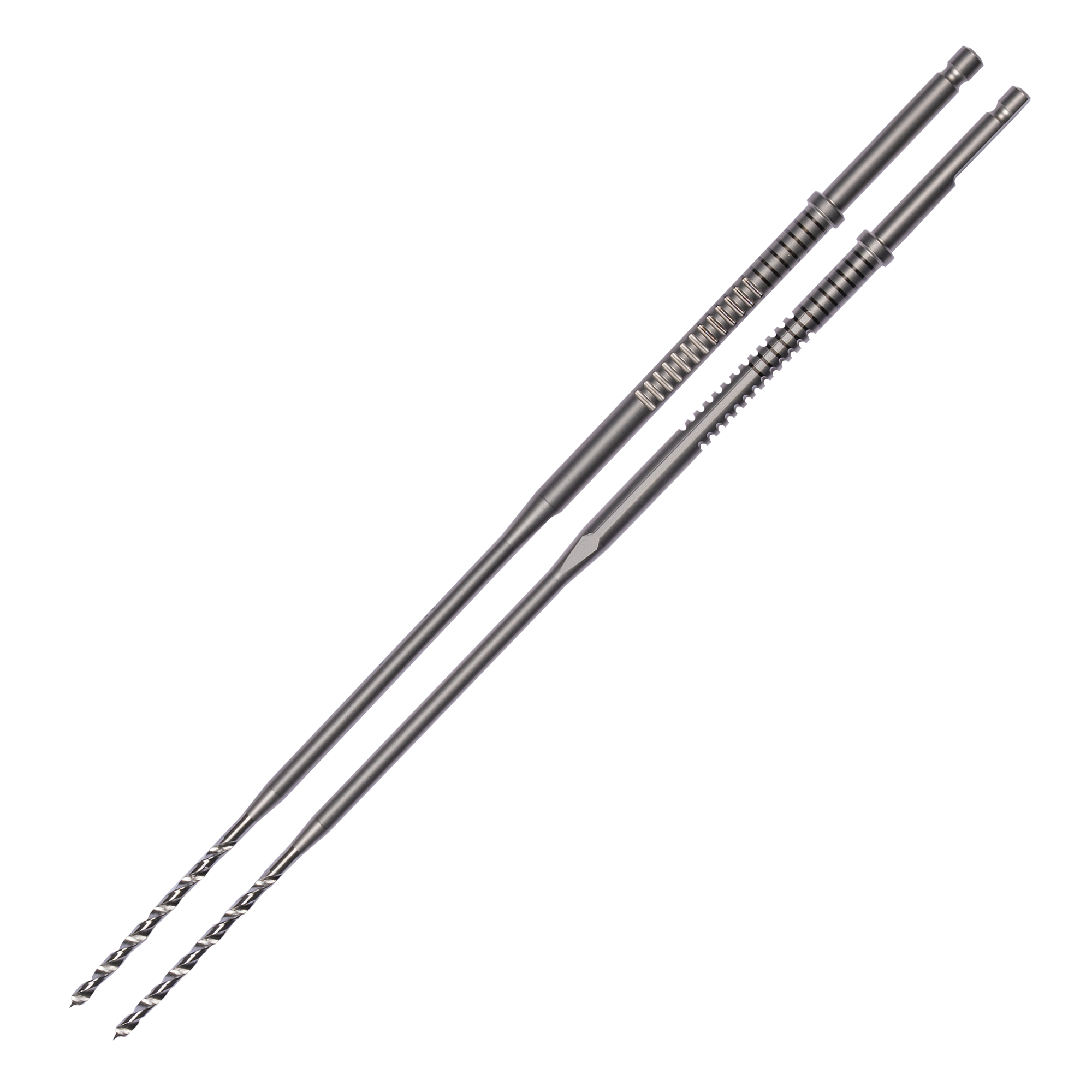
Surgical Drilling
Explore our export-ready, ISO 13485 and CE certified instrument systems and supportive orthopedic implants, engineered with medical-grade titanium and chromium-cobalt alloys for maximum surgical precision.
The State of São Paulo represents the pinnacle of complex surgical oncology, trauma reconstruction, and adult degenerative spine treatments in Latin America. Operating within tertiary reference institutions—such as the Hospital das Clínicas da Faculdade de Medicina da USP (HCFMUSP), Hospital Israelita Albert Einstein, and Hospital Sírio-Libanês—spinal surgeons consistently address complex deformities, degenerative disc diseases, spondylolisthesis, and trauma. Delivering successful clinical outcomes in procedures ranging from Transforaminal Lumbar Interbody Fusion (TLIF) and Extreme Lateral Interbody Fusion (XLIF) to Posterior Lumbar Interbody Fusion (PLIF) requires instrumentation capable of withstanding torsional loading while offering tactile ergonomic feedback.
Historically, the Brazilian surgical community faced binary sourcing challenges: purchasing costly European and North American instrumentation that heavily strained hospital capital expenditures, or accepting variable-quality regional alternatives. As public healthcare administrators under the Sistema Único de Saúde (SUS) negotiate aggressive cost caps and private healthcare providers navigate strict HMO/insurance fee schedules (ANS regulations), medical instrument procurement has fundamentally shifted. Paulista distributors, importers, and hospital networks now demand tier-1 manufactured instruments direct from qualified global factories that provide substantial Information Gain, complete metrological documentation, and proven endurance tolerances under cyclic fatigue conditions.
Our manufacturing division bridges this gap by engineering custom and standard spinal fusion instrument sets—including long-arm pedicle screw inserters, MIS retractor frames, Kerrison rongeurs, distraction-compression forceps, calibrated torque-limiting screwdrivers, and flexible reamer modules. Fabricated from medical-grade surgical stainless steel (AISI 17-4 PH, 420) and high-strength titanium alloys (Ti-6Al-4V ELI conforming to ASTM F136), our instruments endure rigorous autoclave cycles without passivation loss, pitting, or structural misalignment.
From private surgical hubs along Avenida Paulista to specialized university teaching hospitals across Campinas, Ribeirão Preto, and Santos, our instruments cater to demanding clinical protocols.
Engineered for low muscular disruption in private day-surgery centers in Jardins and Itaim Bibi. Our radiolucent retractors and bayoneted tubular instruments reduce surgical exposure, blood loss, and postoperative stay durations.
Designed for public hospitals under SUS contracts where instrument sets undergo nonstop operational turnover. Hardened tungsten carbide inserts on bone curettes and robust osteotomes prevent dulling across recurring high-volume fusion cases.
Addressing urban polytrauma across São Paulo's primary emergency trauma wards. Quick-coupling drivers, flexible drill systems, and heavy-duty reduction forceps allow immediate pedicle cannulation, vertebral realignment, and rigid rod clamping.
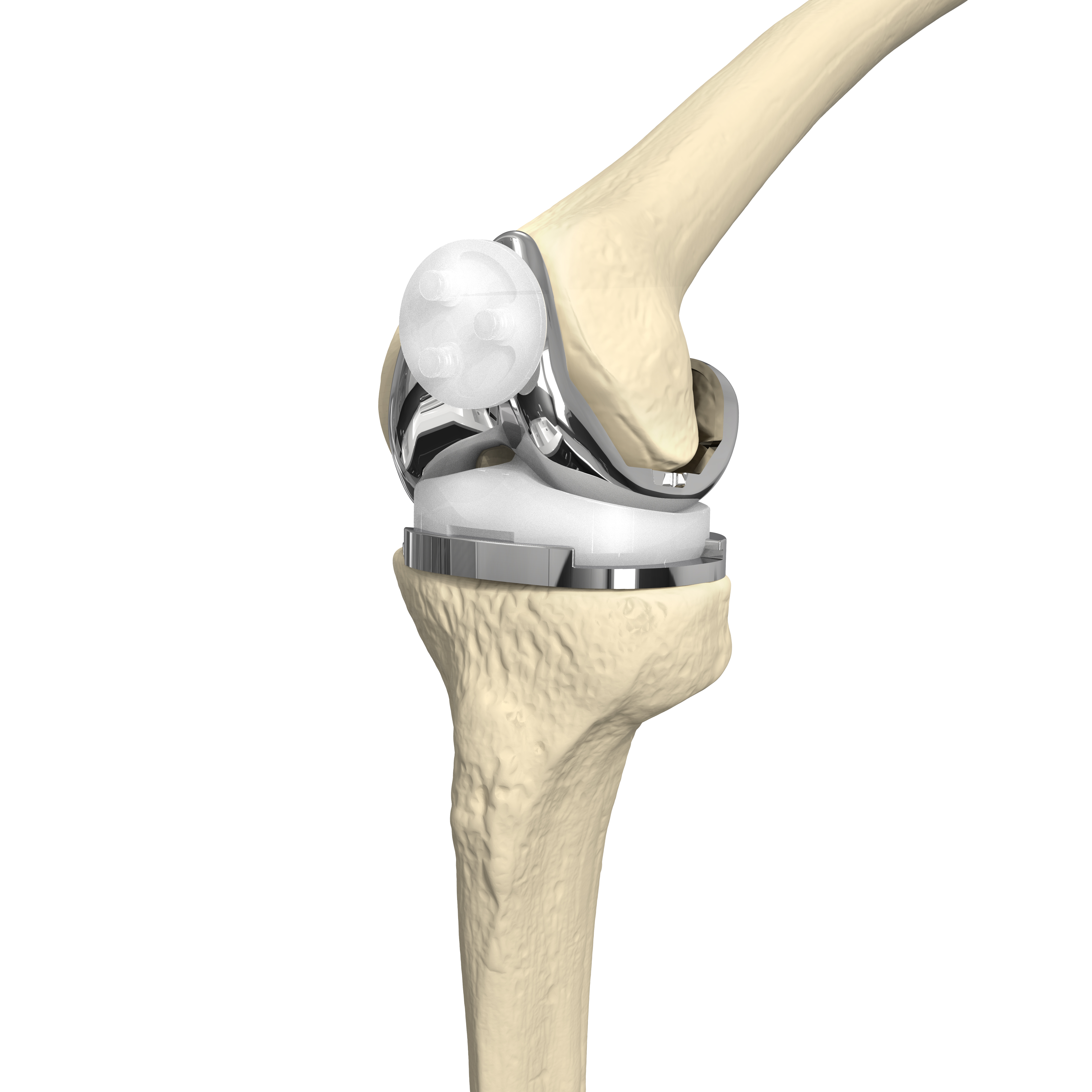
1. Accelerated Adoption of 3D-Printed Titanium & PEEK Cages: Surgical centers throughout São Paulo are rapidly moving toward porous 3D-printed titanium implants that optimize osteointegration. This evolution requires compatible, non-abrasive insertion devices that grip implants securely without damaging porous micro-lattice structures during high-impact tapping.
2. ANVISA Regulatory Scrutiny & RDC 665/2022 Mandates: Brazil's health regulatory agency, ANVISA (Agência Nacional de Vigilância Sanitária), has raised the bar on Good Manufacturing Practice (Boas Práticas de Fabricação - BPF) under RDC 665/2022. Importers across São Paulo are eliminating unverified brokers, choosing instead direct relationships with factory lines holding CE MDR, ISO 13485:2016, and on-site SGS inspection accreditations to accelerate product registration (Registro ANVISA).
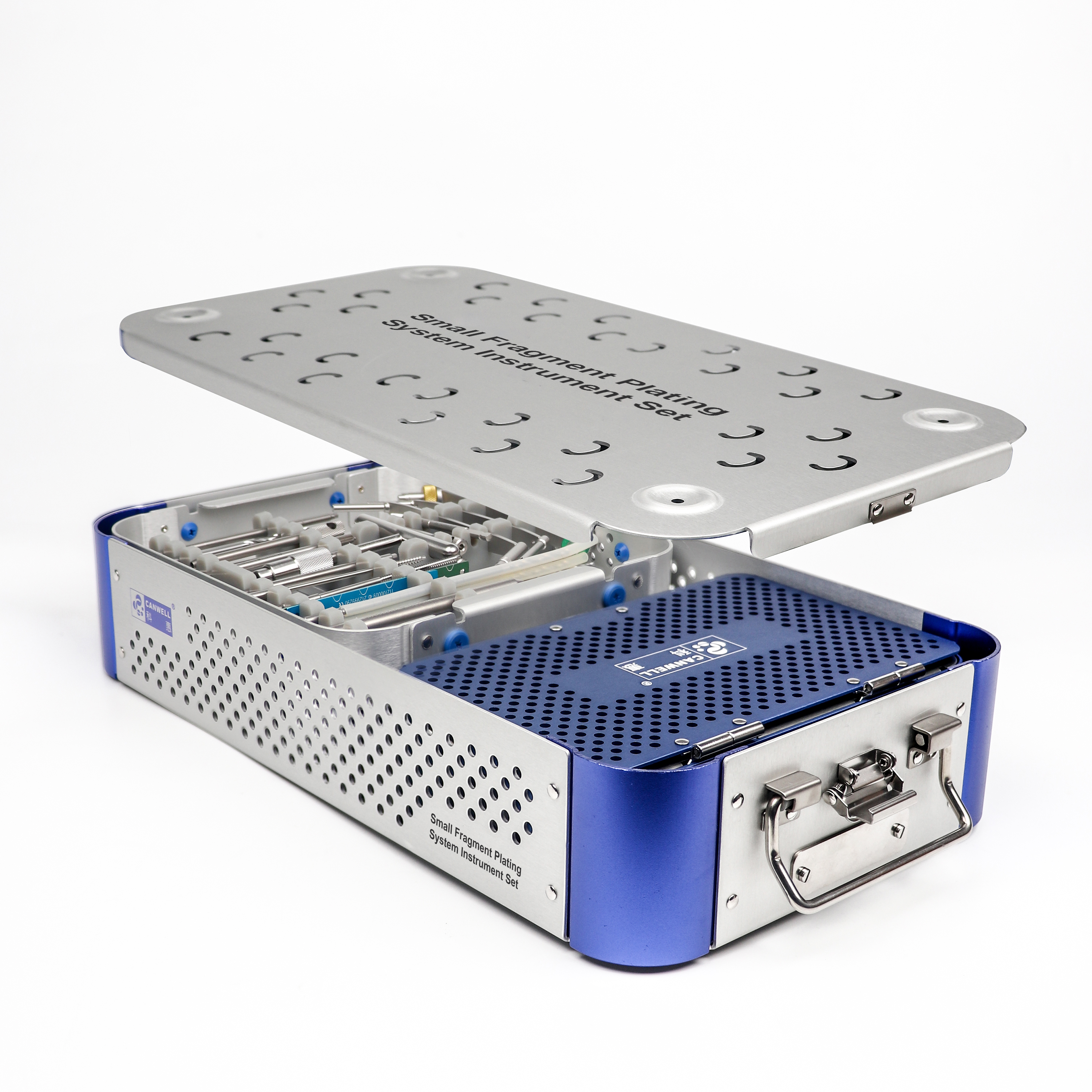
3. Direct-from-Factory Consignment & Custom Trays: Private spine hospital consortiums in Campinas and greater São Paulo are partnering directly with international manufacturing hubs to build custom laser-marked, color-anodized surgical trays. This direct consignment paradigm removes intermediaries, slashing replacement cycle costs by up to 40% while preserving strict metallurgical repeatability.
Our 29,523 m² facility integrates precision five-axis CNC machining, ultrasonic cleaning arrays, and an on-site mechanical testing laboratory.
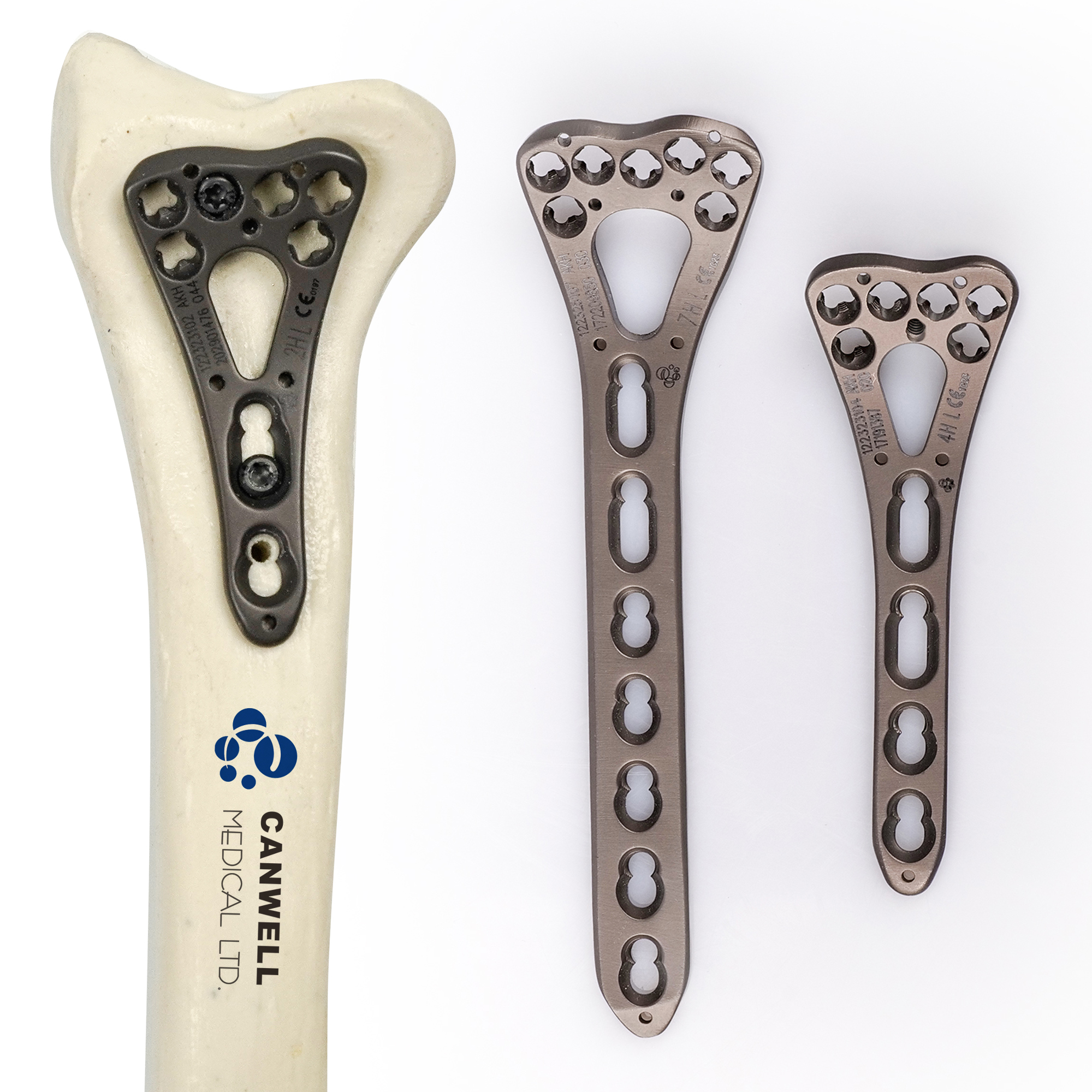
Staffed by 632 dedicated employees including senior orthopedic tooling specialists. We machine trauma locking plates, interlocking nails, PEEK interbody cages, and spine screw systems with micrometer precision entirely in-house.
Evaluated on-site by SGS Group. Our facilities meet the strictest quality assurance criteria, providing full material test reports (MTR), certificate of analysis (CoA), and bio-burden validations to streamline ANVISA technical dossier submission.
Custom instrument contours, private-label laser marking, custom surgical tray layout design, and surface finishes (electropolishing, hard-anodizing, titanium nitride coatings) built according to exact hospital tender criteria.
Essential technical, regulatory, and logistics answers for procurement managers, distributors, and medical importers in Brazil.