Featured Instrumentation & Implant Solutions for Clinical Practice
Hospital-grade titanium fixation sets, trauma locking devices, and flexible intramedullary instruments manufactured to support comprehensive orthopedics and traumatology units.
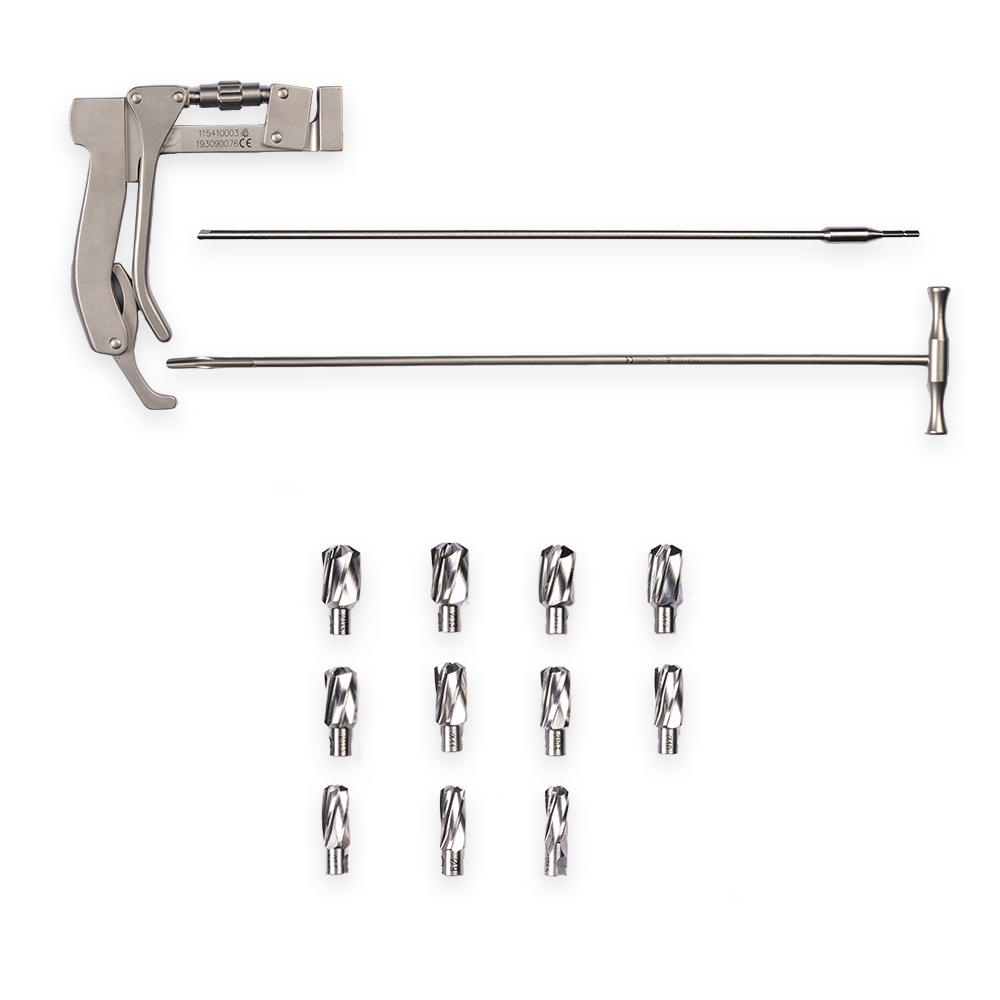
CANWELL Orthopedic Flexible Reamer Set for Intramedullary Nail Surgery OEM Supplier
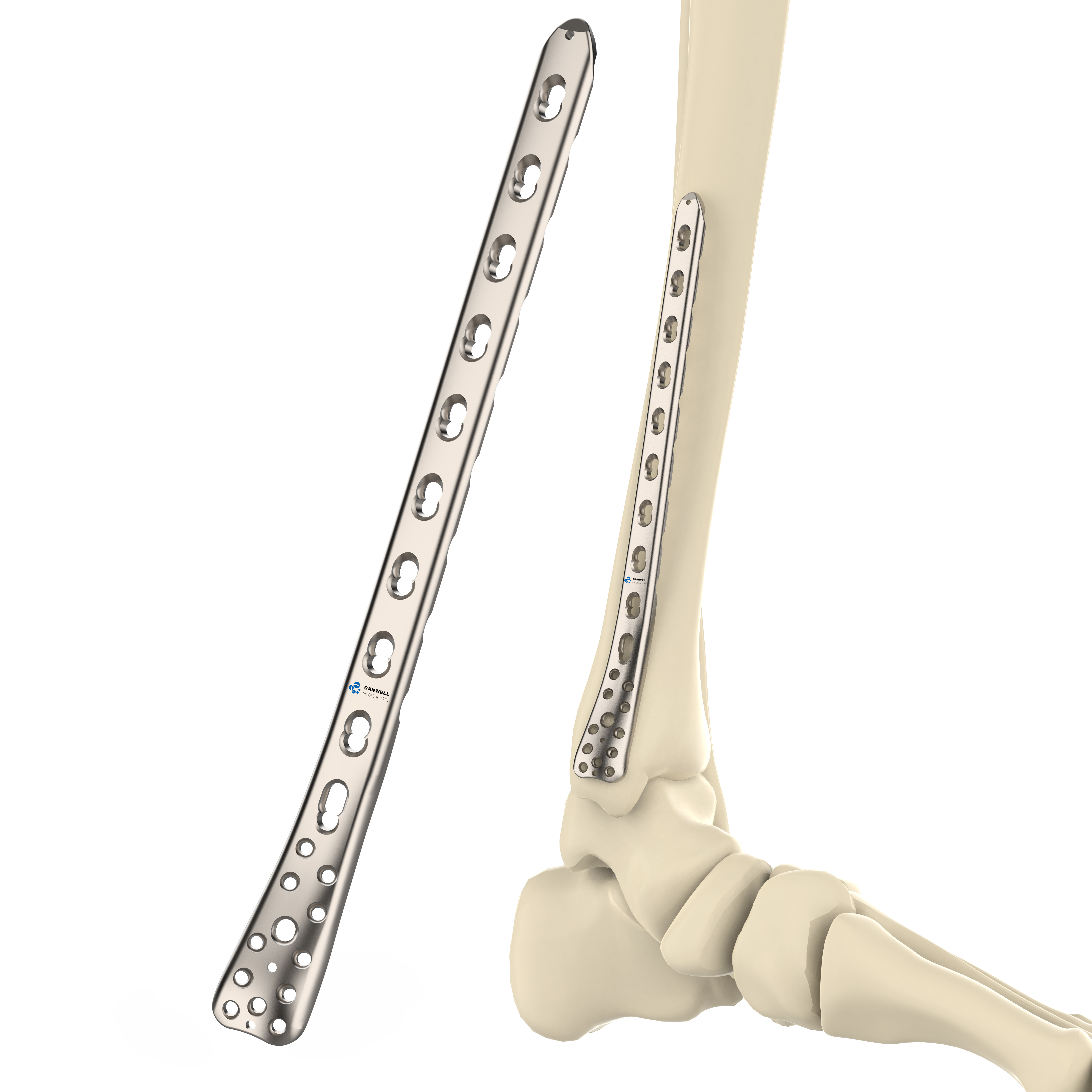
CANWELL Distal Tibial Locking Plate Titanium Metaphyseal Compression Fixation System
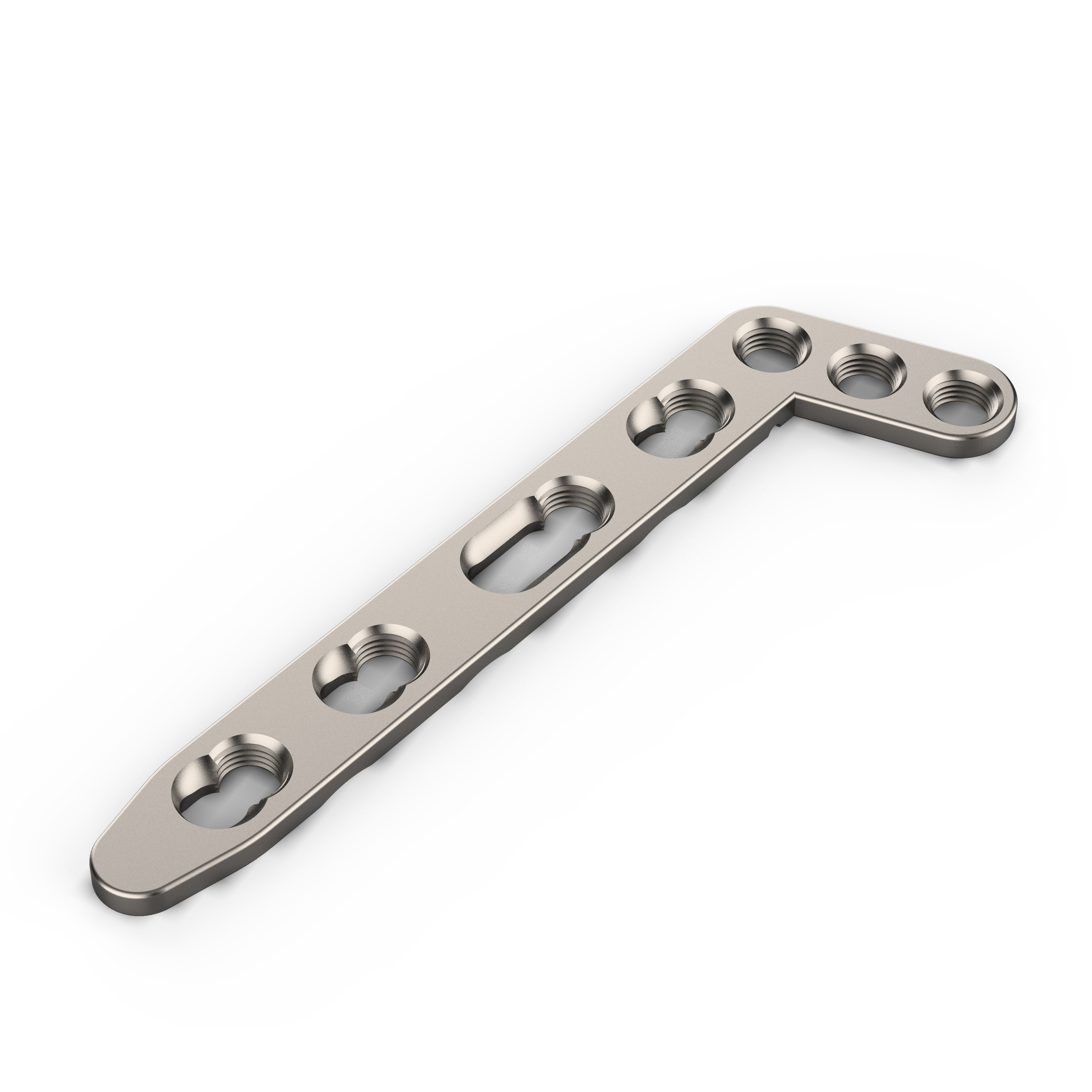
CANWELL Distal Radius Dorsal Titanium Locking Plate 3 Holes Oblique Volar Wrist Plate
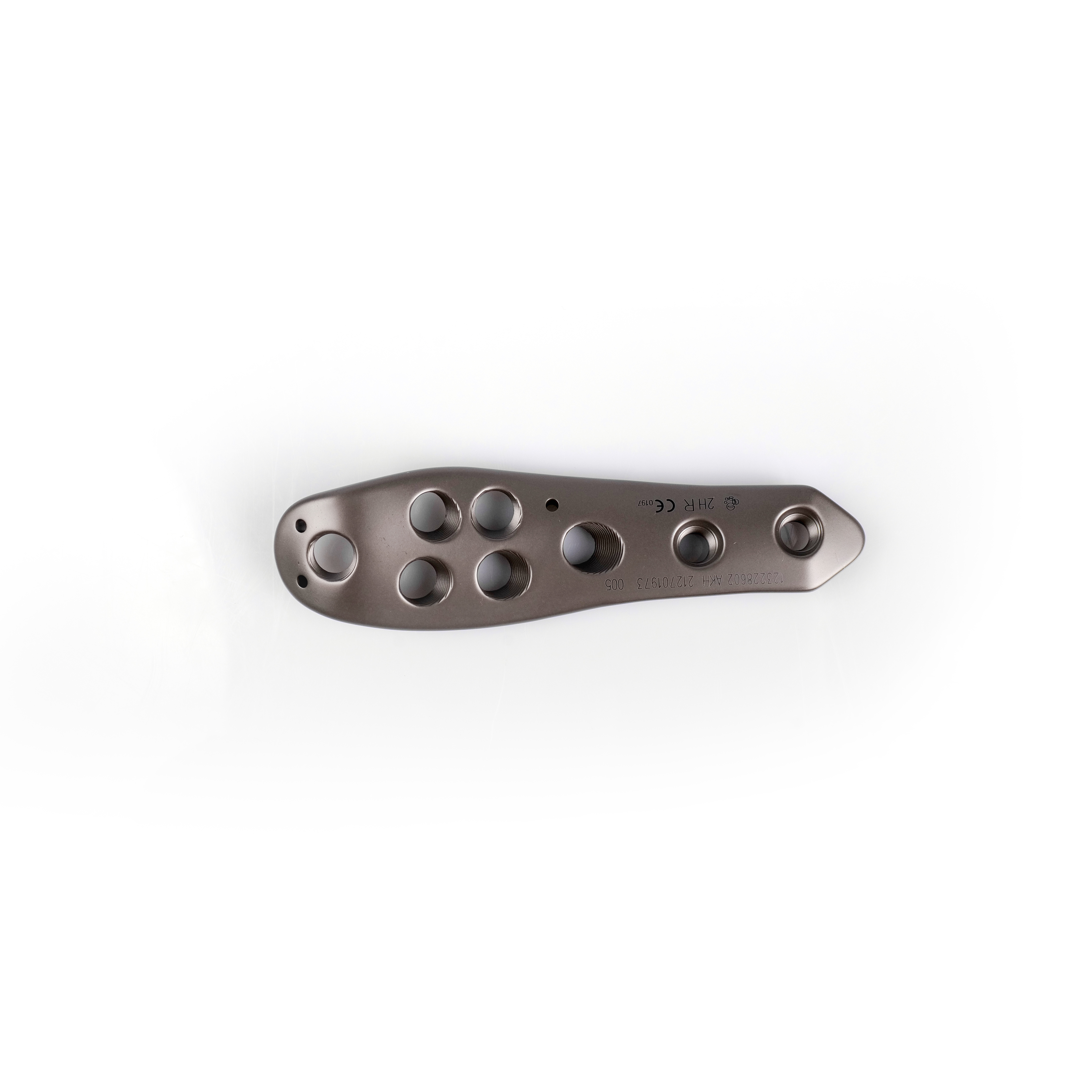
CANWELL Titanium Tibia Locking Plate Price Factory Distal Femur Lateral Orthopedic Lock Plates
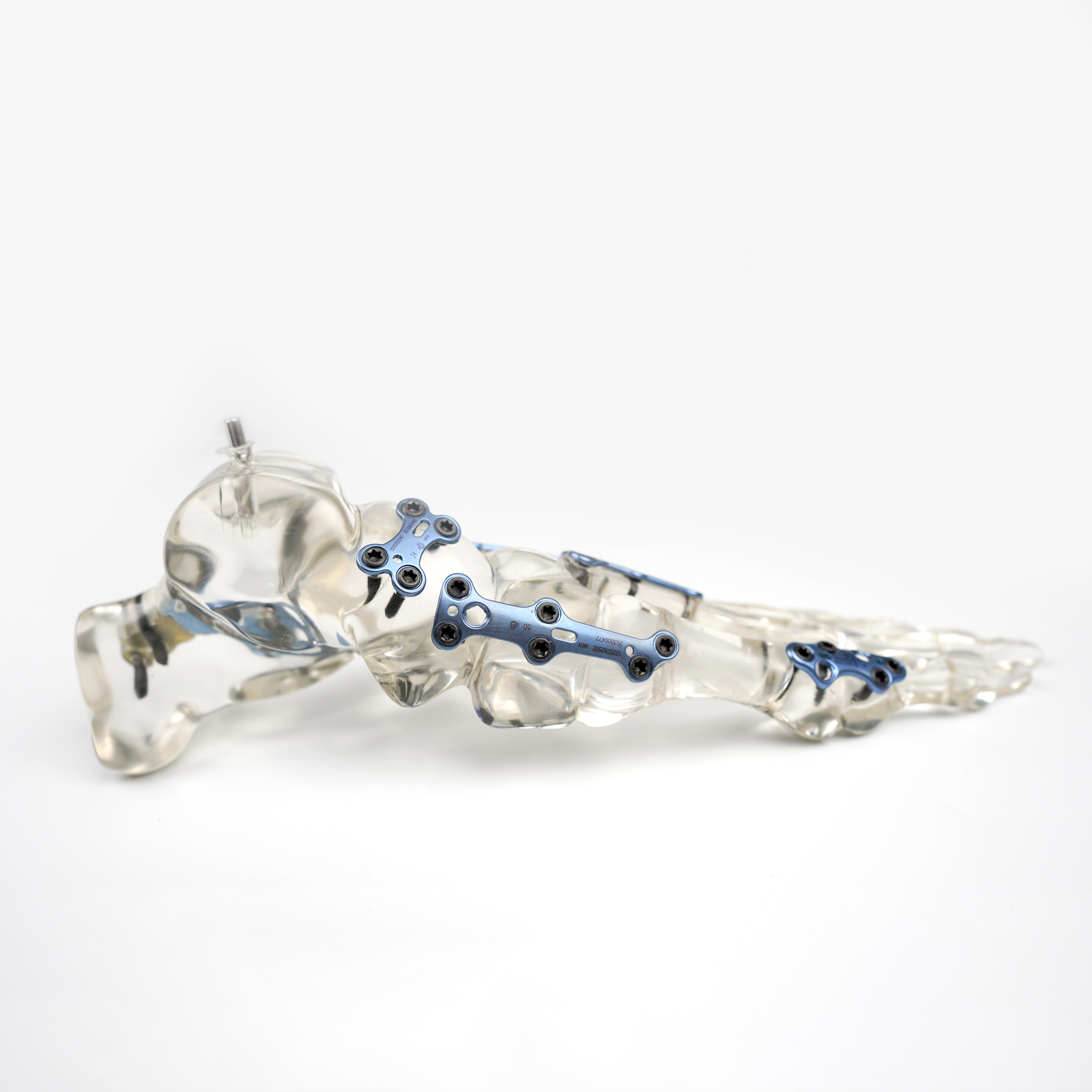
Orthopedic Implants for Foot and Ankle System Hind Foot Reconstruction Trauma Plate
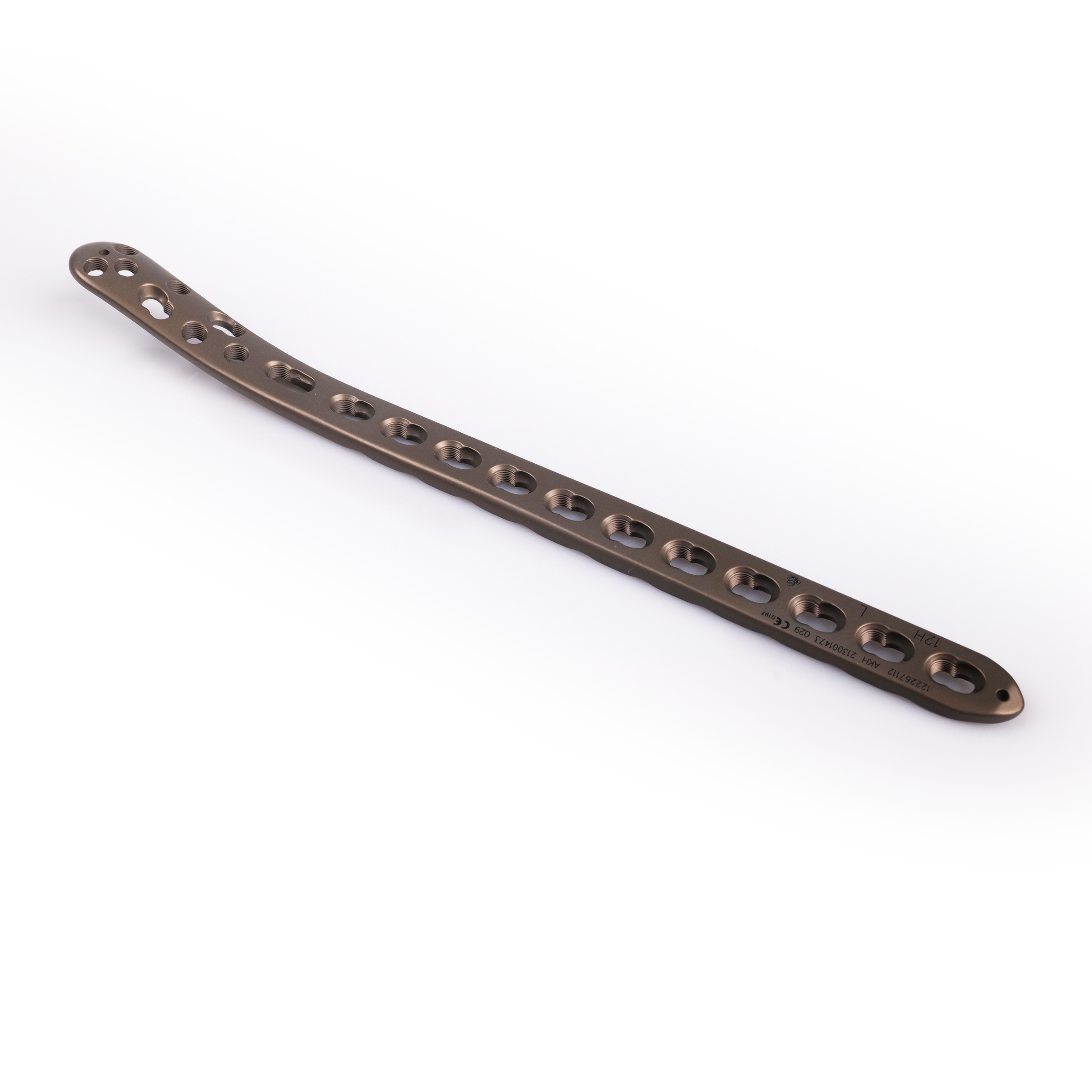
CANWELL Distal Medial Tibial Locking Plate Titanium Orthopedic Trauma Implant CE ISO OEM
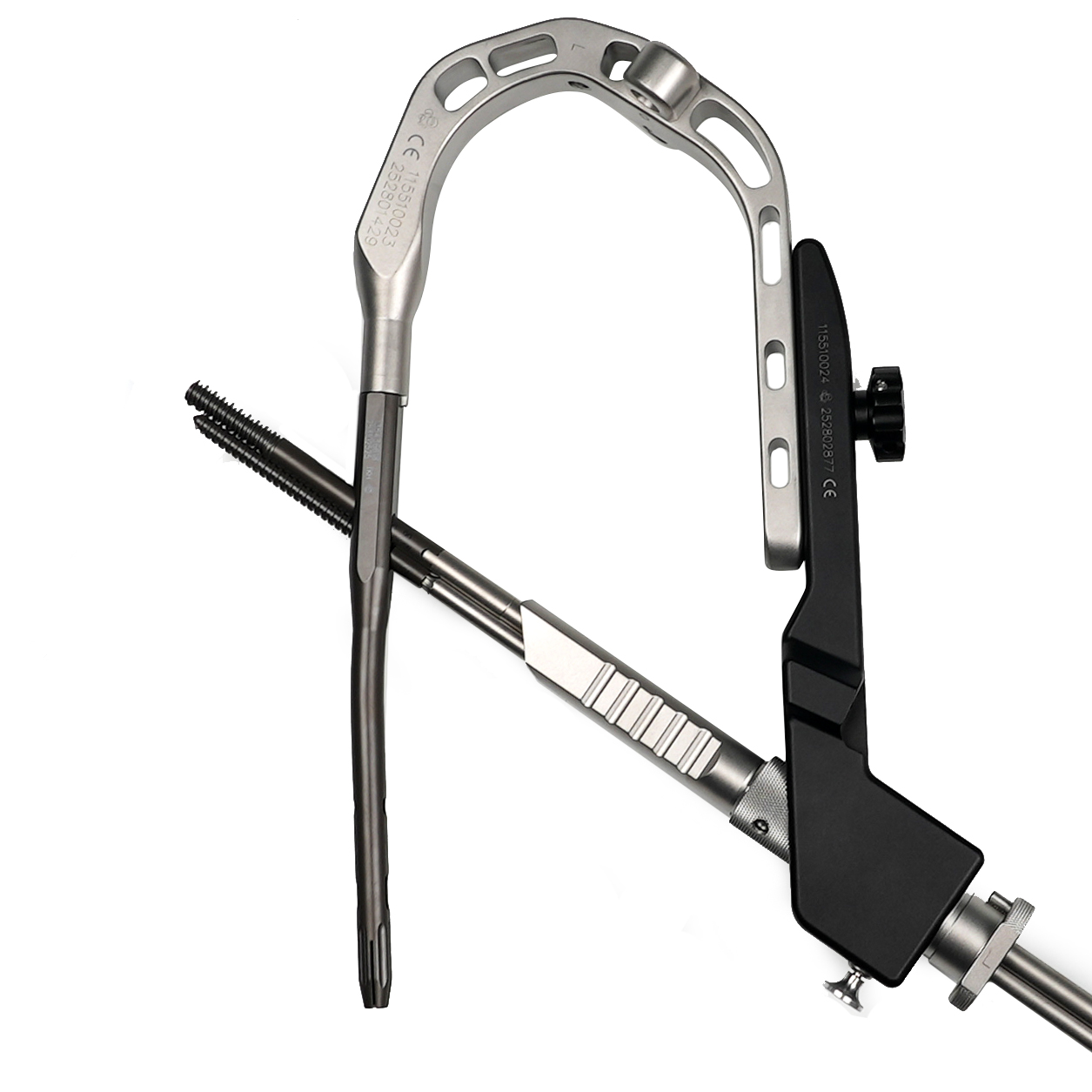
CANWELL Titanium Femoral Intramedullary Nails Interlocking Nail Bone Fracture Fixation
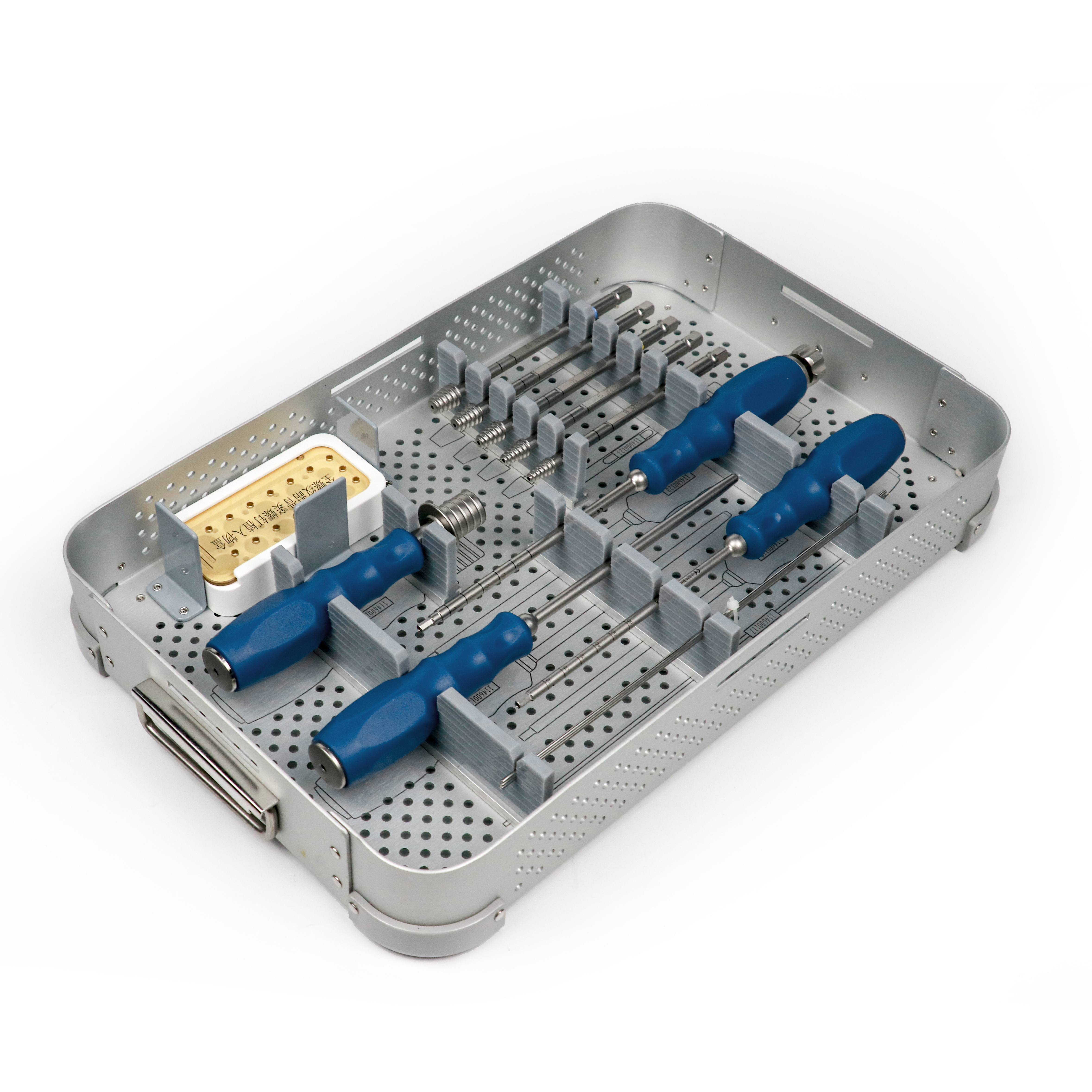
CANWELL Sinus Tarsal Locking Screw Titanium Orthopedic Implant & Instrument 2.4/2.7mm
Localized Clinical Application Scenarios: Debrecen and the Northern Great Plain
Debrecen stands as the primary clinical, educational, and trauma hub for the Northern Great Plain (Észak-Alföld) region of Hungary. At the center of this medical ecosystem is the University of Debrecen Clinical Center (Debreceni Egyetem Klinikai Központ), serving as a tertiary referral center receiving complicated polytrauma cases, spinal cord trauma, degenerative musculoskeletal conditions, and oncology-related vertebral reconstructions from across Hajdú-Bihar, Szabolcs-Szatmár-Bereg, and Jász-Nagykun-Szolnok counties.
Geriatric Spondylolisthesis & Stenosis
Addressing severe degenerative disc disease, canal stenosis, and adult lumbar instability in an aging regional demographic requiring high-pullout-strength cannulated and solid pedicle screws alongside load-sharing PEEK cages.
High-Energy Spinal Polytrauma Fixation
Rapid pedicle cannulation, rod distraction, and posterior long-segment stabilization for unstable thoracolumbar burst fractures channeled into Level-I clinical trauma theaters via county emergency networks.
Cervical Decompression & Fusion (ACDF)
Radio-dense marker integrated interbody spacer systems, offering immediate biomechanical restoration of lordosis and intervertebral height while preserving radiological visibility under post-op fluoroscopy.
Procurement Trends & Regulatory Evolution Across Eastern Hungary
Healthcare procurement across Hungary—governed closely under the centralized frameworks of the National Directorate-General for Hospitals (Országos Kórházi Főigazgatóság - OKFŐ) alongside decentralized clinical center tenders—is undergoing significant structural shifts. When purchasing spinal fixation systems, orthopedic implants, and complementary surgical trays, medical distributors and clinical directors in Debrecen encounter three critical market drivers:
Strict EU MDR Compliance (Regulation 2017/745)
The phased sunset of the MDD 93/42/EEC directive requires Hungarian tender applicants to furnish complete Class IIb and Class III documentation, including Post-Market Clinical Follow-up (PMCF) reports, biological safety data, and Notified Body certificates. Sourcing from audit-ready factories with direct EU MDR dossiers is now mandatory.
Tender Cost Rationalization & Direct Factory Partnerships
Public healthcare budgets face consistent reimbursement caps under the National Health Insurance Fund (NEAK). Hospitals and their tier-one distributor intermediaries are actively eliminating multi-layer European brokerage markups, creating direct supply partnerships with original manufacturers capable of private-label customization and volume pricing stability.
Instrumentation Durability & Tray Standardization
Autoclave fatigue and wear resistance in high-turnover central sterile processing departments (CSSD) remain a primary grievance in regional hospitals. Surgical teams require medical-grade stainless steel (17-4PH, 316LVM) reamers, taps, drivers, and ratcheting handles that withstand repeated thermal cycles without mechanical degradation or plating flaking.
Integrated Factory Production: Engineering Spinal & Trauma Implants
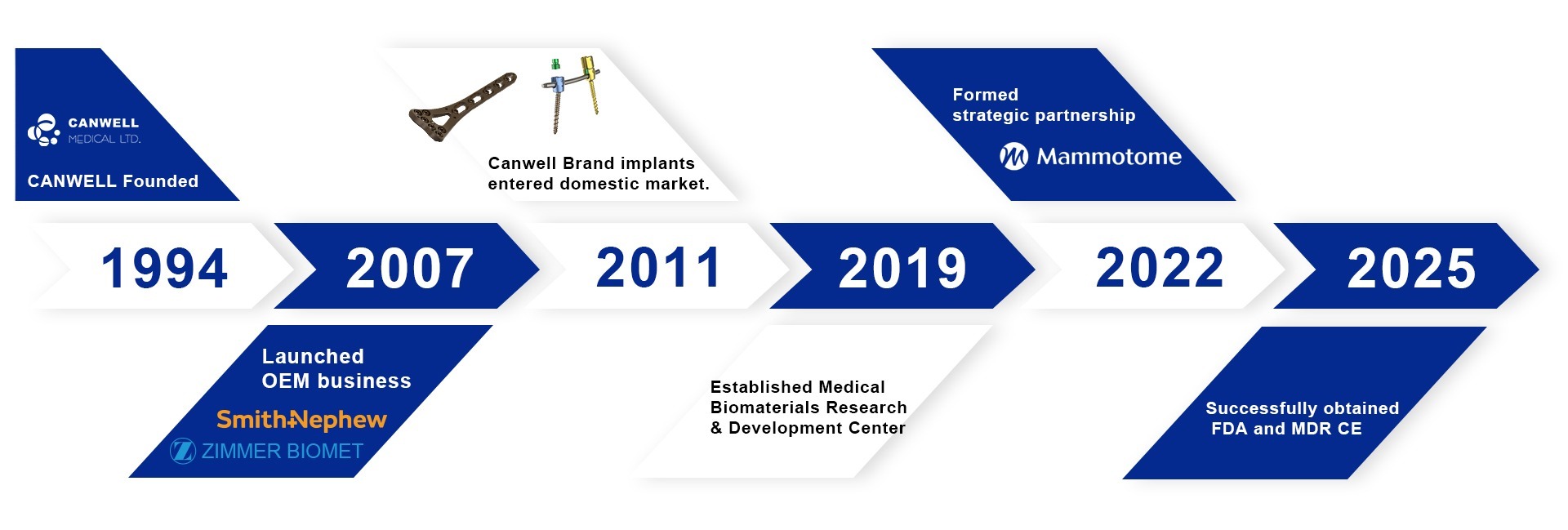
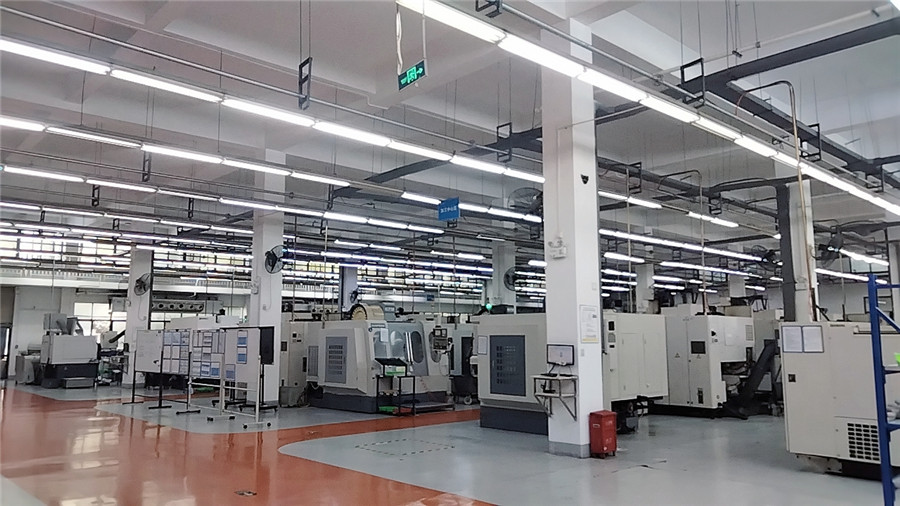
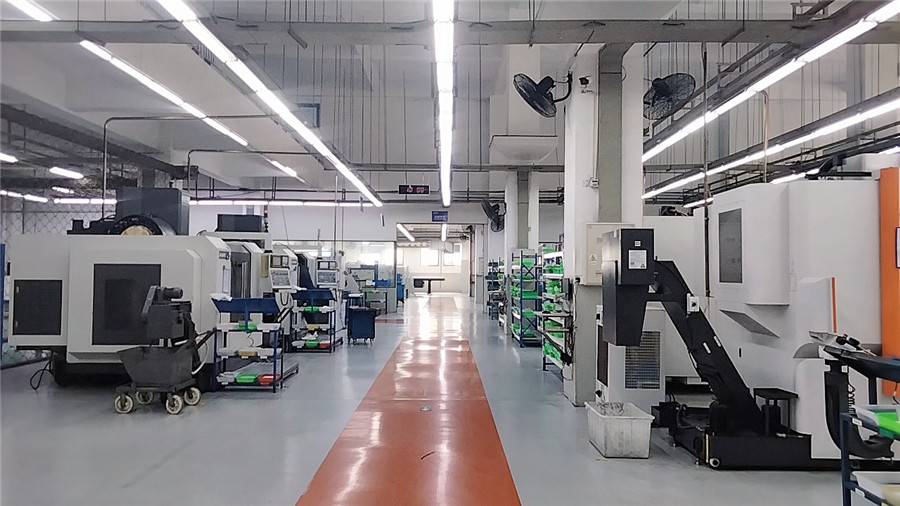
Operating with over 22 years of continuous engineering heritage, our integrated Jinhua production hub covers 29,523 m² of temperature-controlled CNC workshops, metallurgical testing facilities, Class 100,000 cleanrooms, and automated passivation bays. Unlike export aggregators, every implant and instrument tray delivered to European distributors undergoes direct physical tracking from incoming raw bar stock to individual laser marking.
Rigorous 13-Phase Controlled Manufacturing Route
Spinal pedicle screws, rods, crosslinks, PEEK spacers, and trauma plates adhere strictly to documented QA milestones:
1. Raw Stock Verification
Spectrometric and mechanical validation of certified implant-grade Ti6Al4V ELI (ASTM F136), pure titanium (ASTM F67), and PEEK-OPTIMA polymers.
2. Subtractive Multi-Axis CNC
Tight-tolerance thread milling, cannulation, polyaxial cup grooving, and anatomical contouring performed under constant coolant telemetry.
3. Surface Finishing & Blasting
Multi-stage tumbling, micro-glass bead blasting, and automated electropolishing eliminating microscopic stress concentrators and burrs.
4. Type II Anodization
Electrochemical oxidation enhancing wear resistance and delivering rapid color-coded identification for operating room scrub staff.
5. Fluorescent Penetrant Testing
Level-II NDT surface flaw evaluation ensuring zero surface micro-fractures prior to ultrasonic washing and passivation.
6. Cleanroom Packaging
Sterile barrier pouching and double Tyvek blister packaging executed inside validated ISO Class 7 / Class 8 cleanrooms.
Why Hungarian Distributors & Hospital Groups Partner With Us
Navigating international supply chains for mission-critical surgical implants requires verifiable technical competence, regulatory clarity, and manufacturing scale. Here is how our production infrastructure addresses hospital requirements:
22+ Years Clinical Dedication
Over two decades of persistent focus on musculoskeletal implants, supporting leading orthopedic distributor networks in more than 60 countries across Europe, Latin America, and Southeast Asia.
SGS Onsite Verified Facility
Our campus, manufacturing lines, cleanrooms, and testing facilities are assessed by SGS Group, giving procurement committees uncompromised verification of authentic production capacity.
Complete Technical Documentation
Every batch ships with comprehensive material certificates (MTR), bio-compatibility validation records, dimensional CMM inspection certificates, and surgical technique manuals ready for hospital committee review.
Purchasing & Supply FAQ for Debrecen Procurement Teams
Essential answers addressing the technical, regulatory, and logistics questions most commonly raised by Hungarian healthcare distributors, tender managers, and hospital logistics coordinators.
Connect Directly with Our Orthopedic Technical Engineering Team
Request comprehensive product catalogs, surgical technique guides, MDR certification records, or tailored quotes for your hospital procurement tenders in Debrecen.
Inquire Now