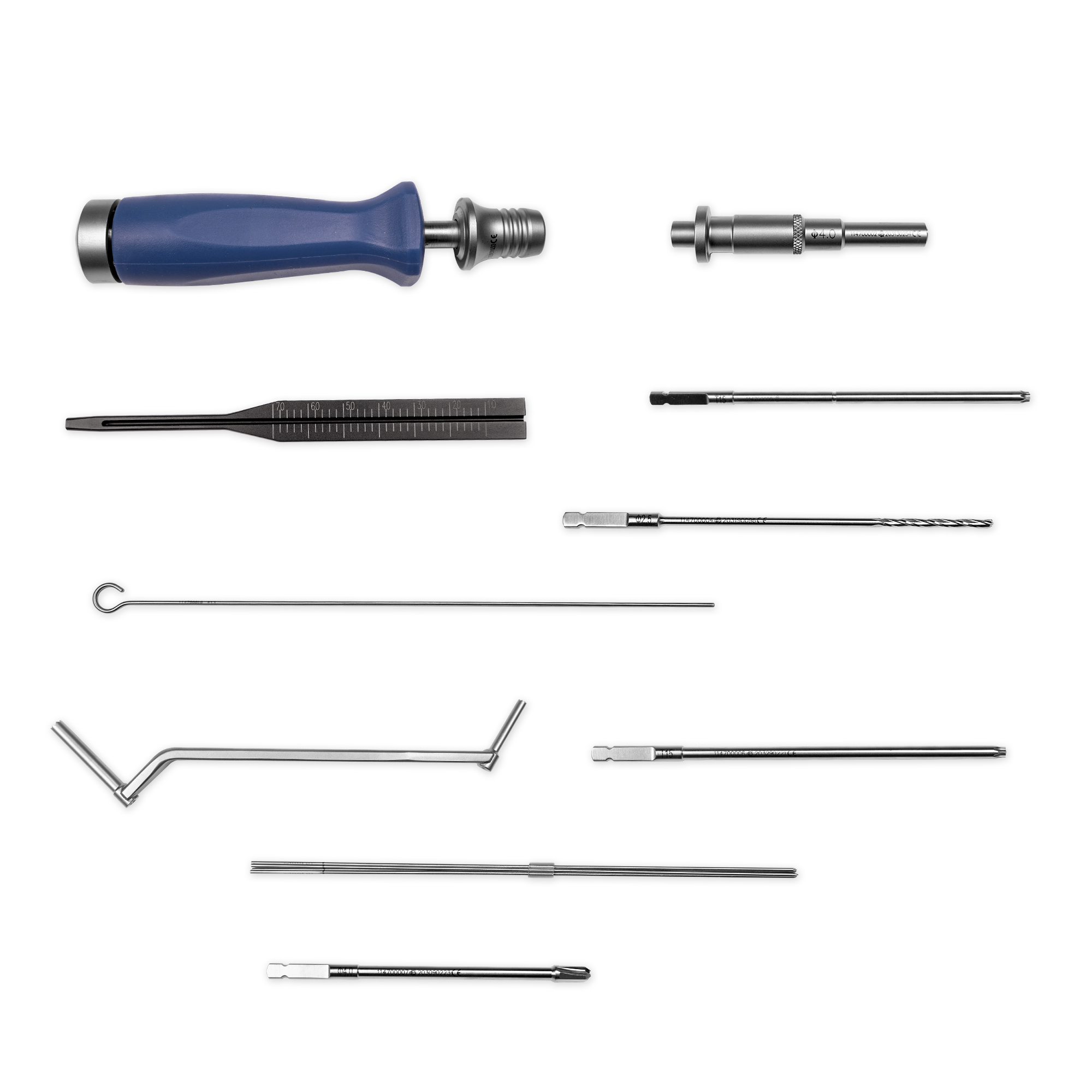
Surgical Instrumentation
Direct-from-manufacturer orthopedic systems engineered for acute trauma, spinal fusion, joint reconstruction, and sports medicine arthroscopy with traceable material testing and global regulatory dossiers.
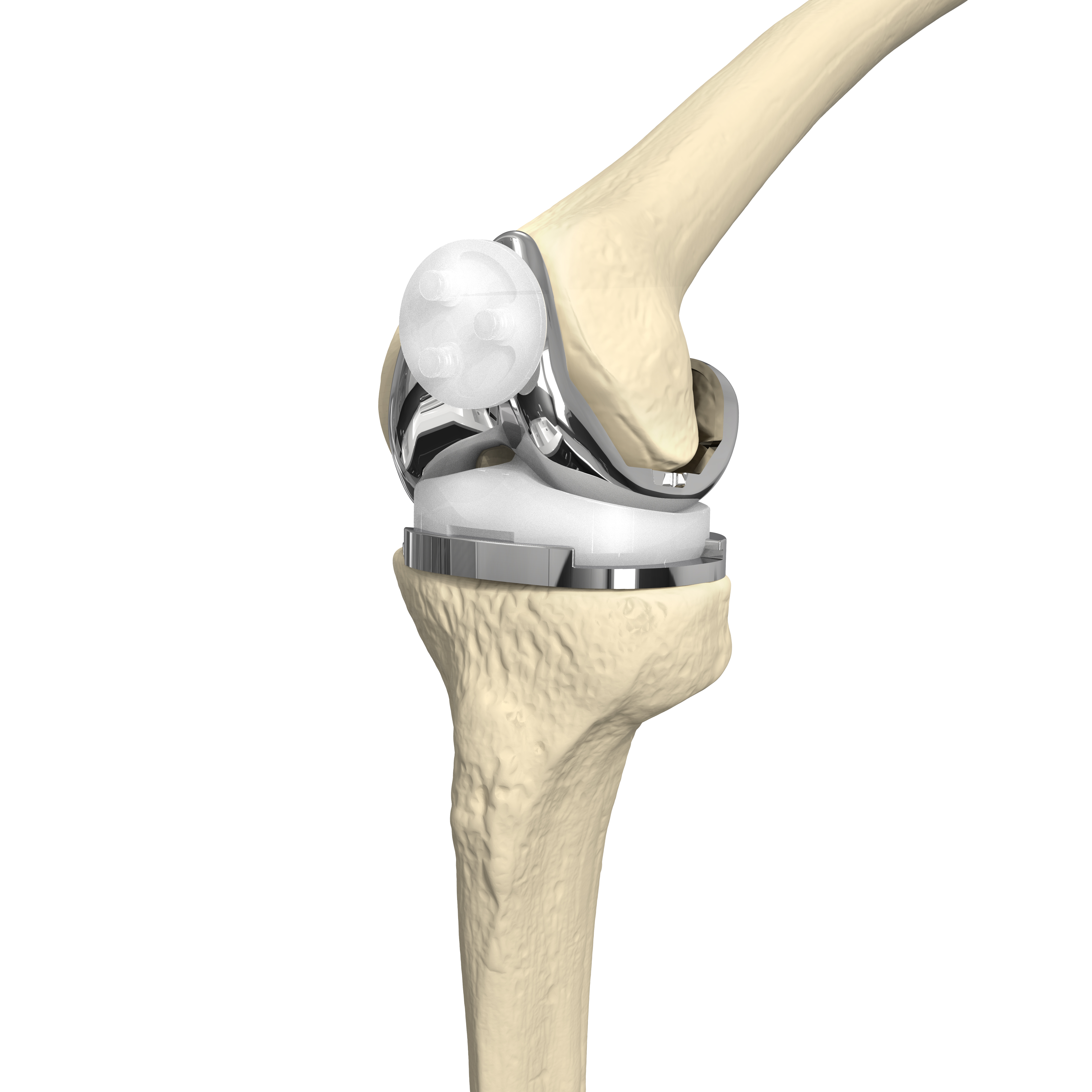
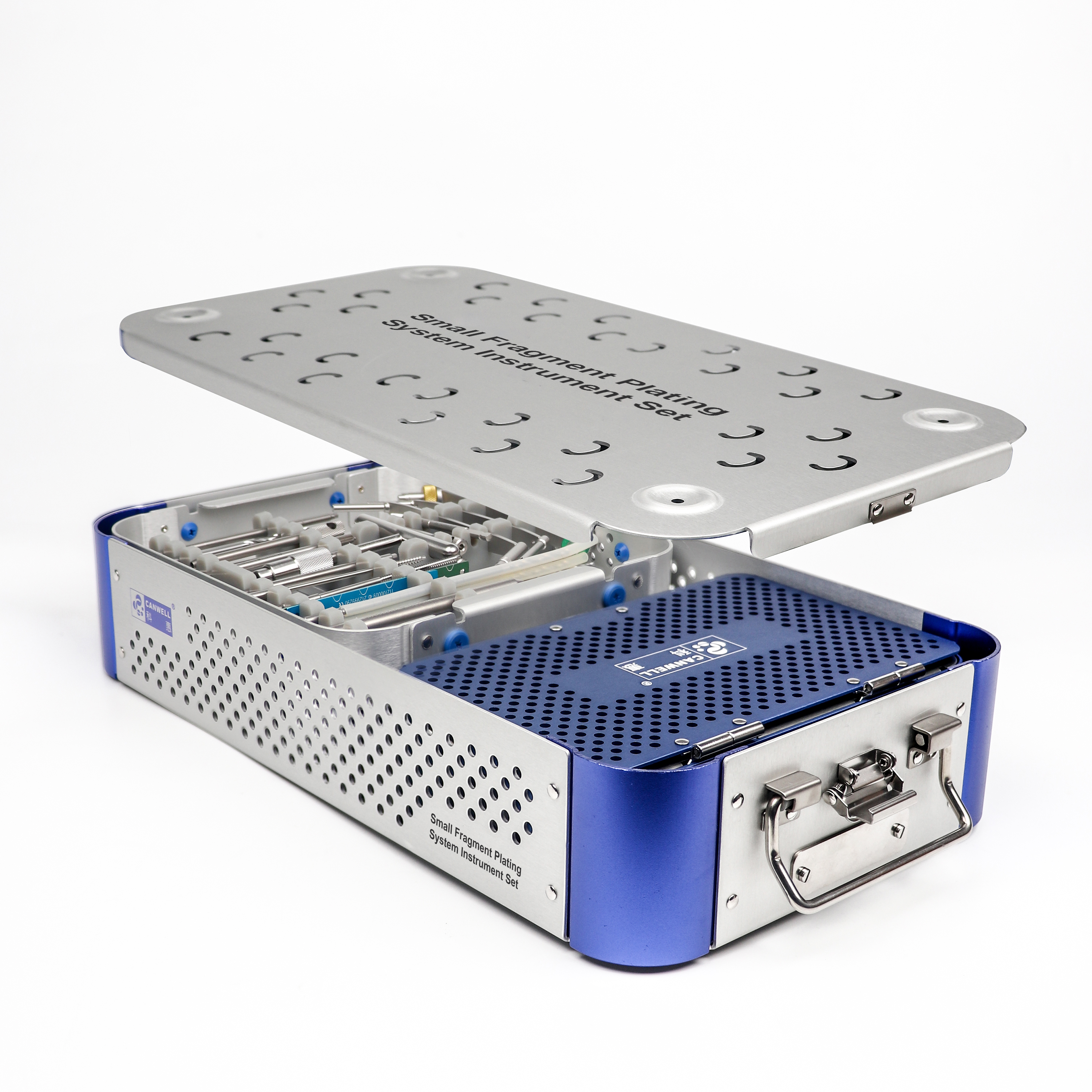
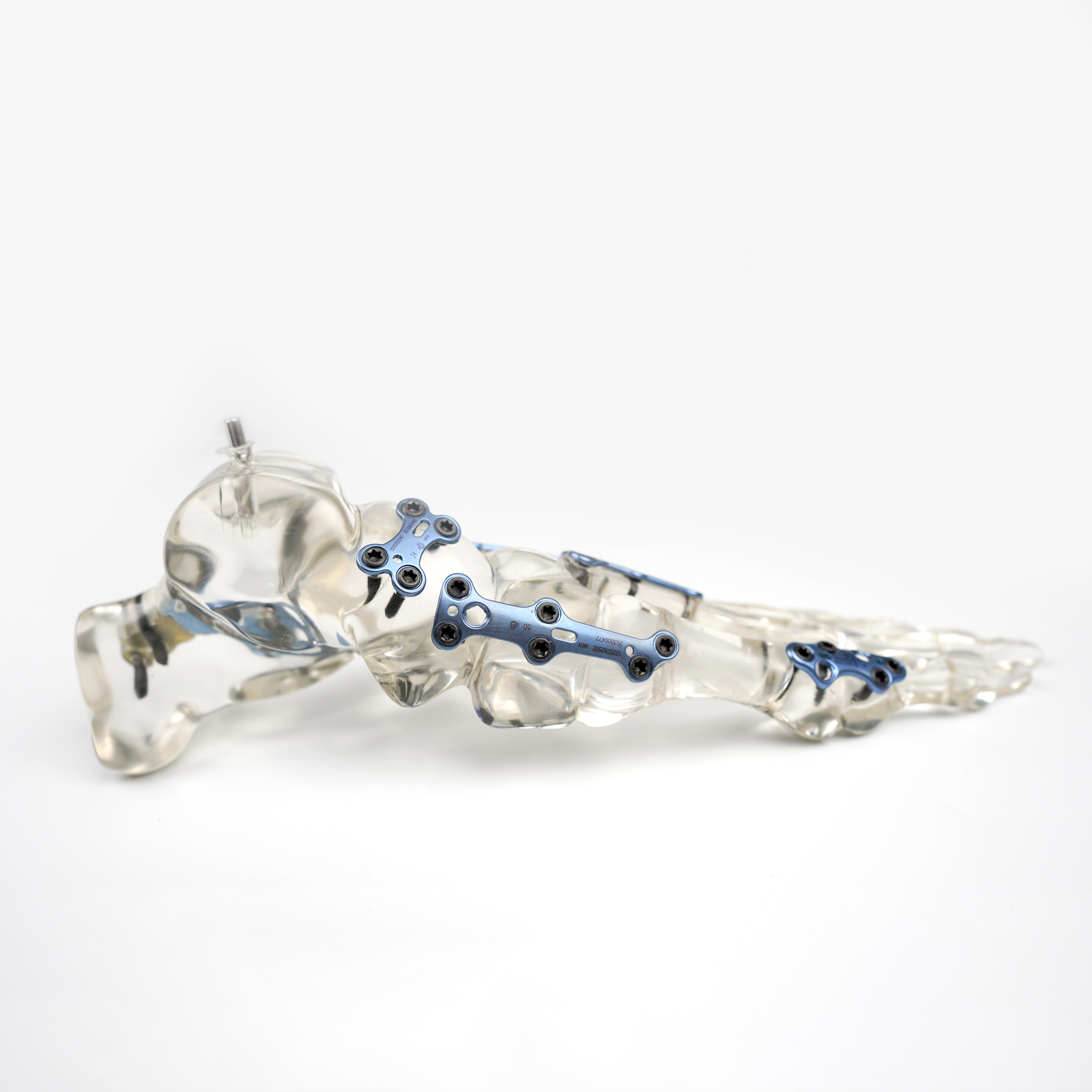
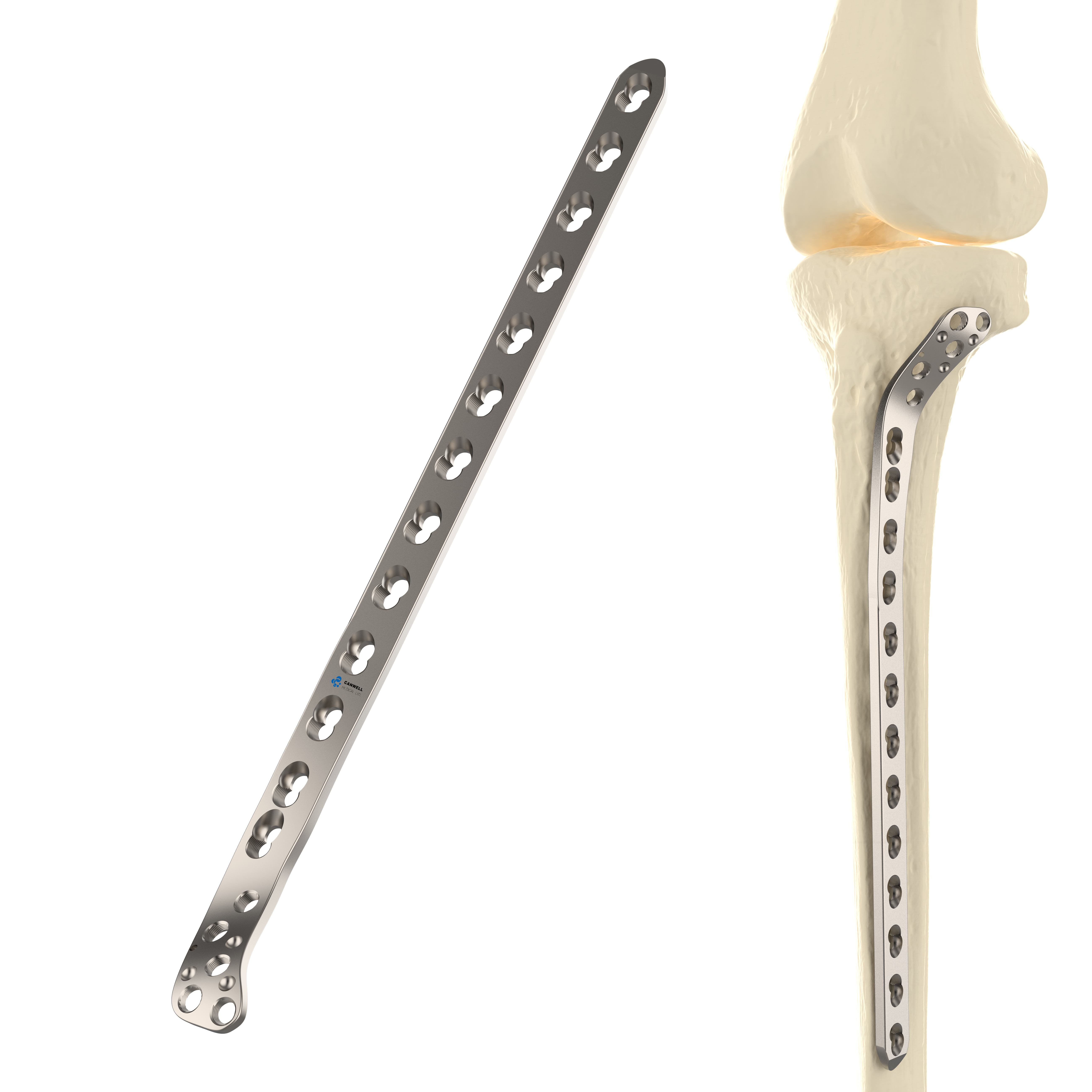
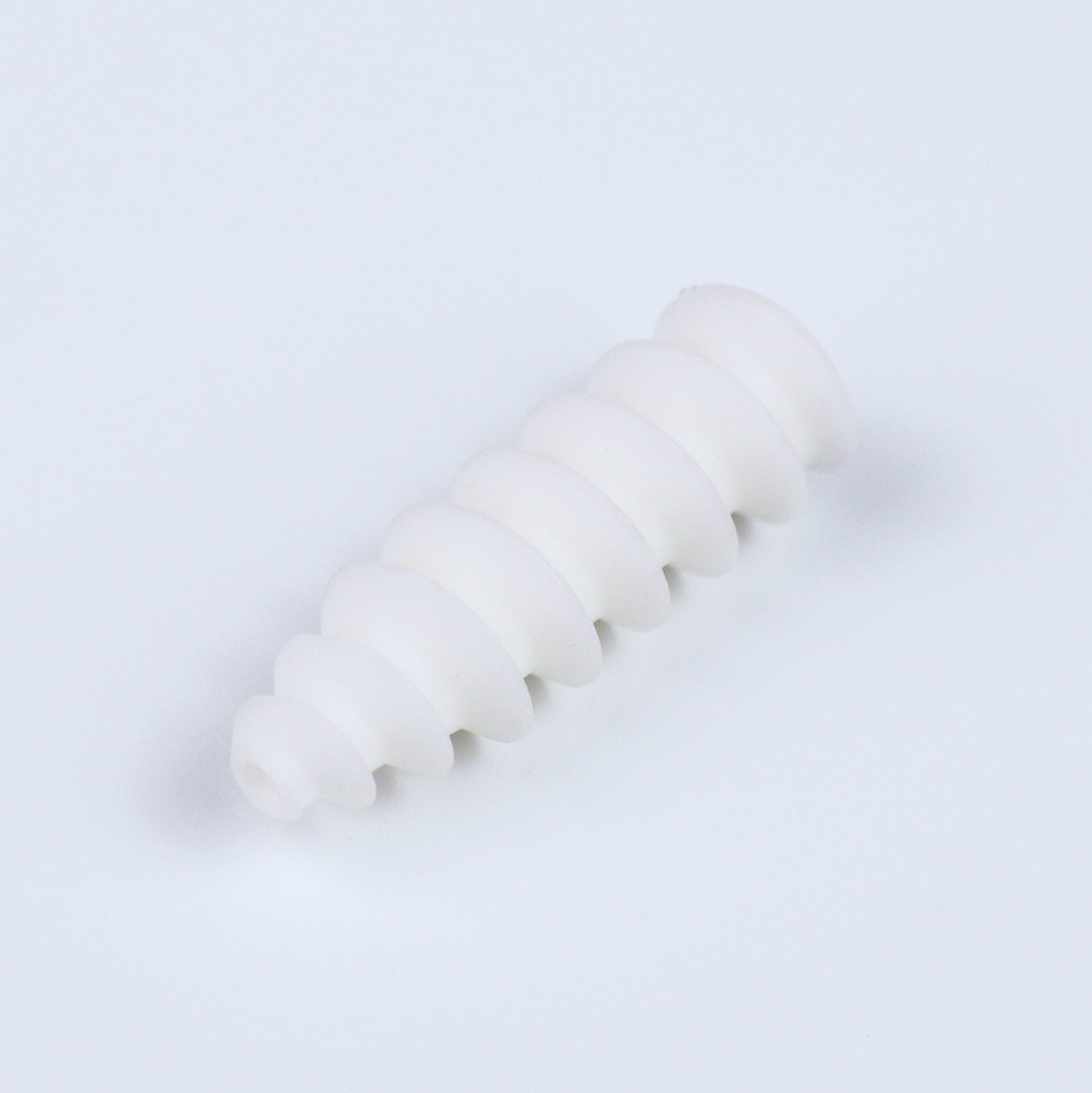
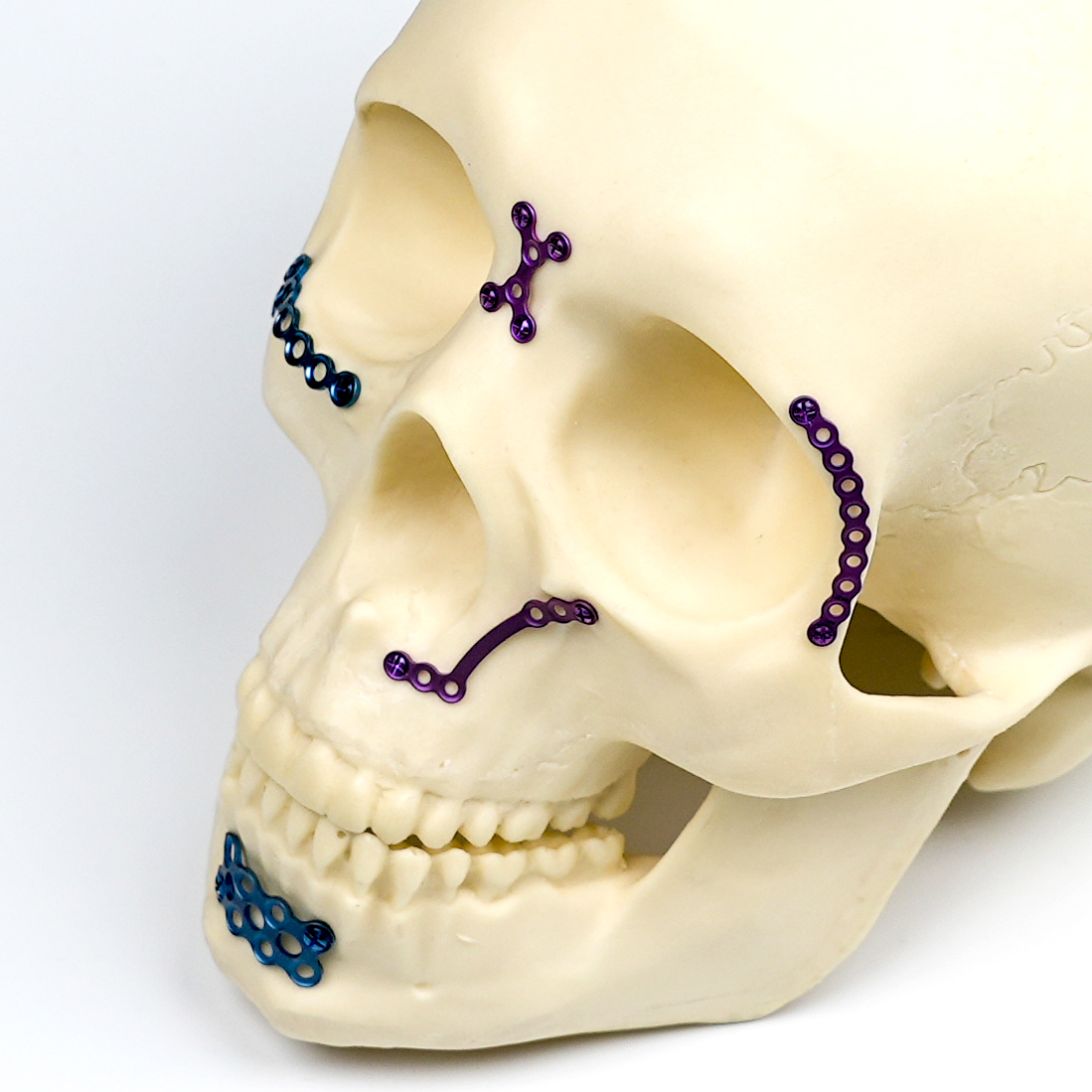
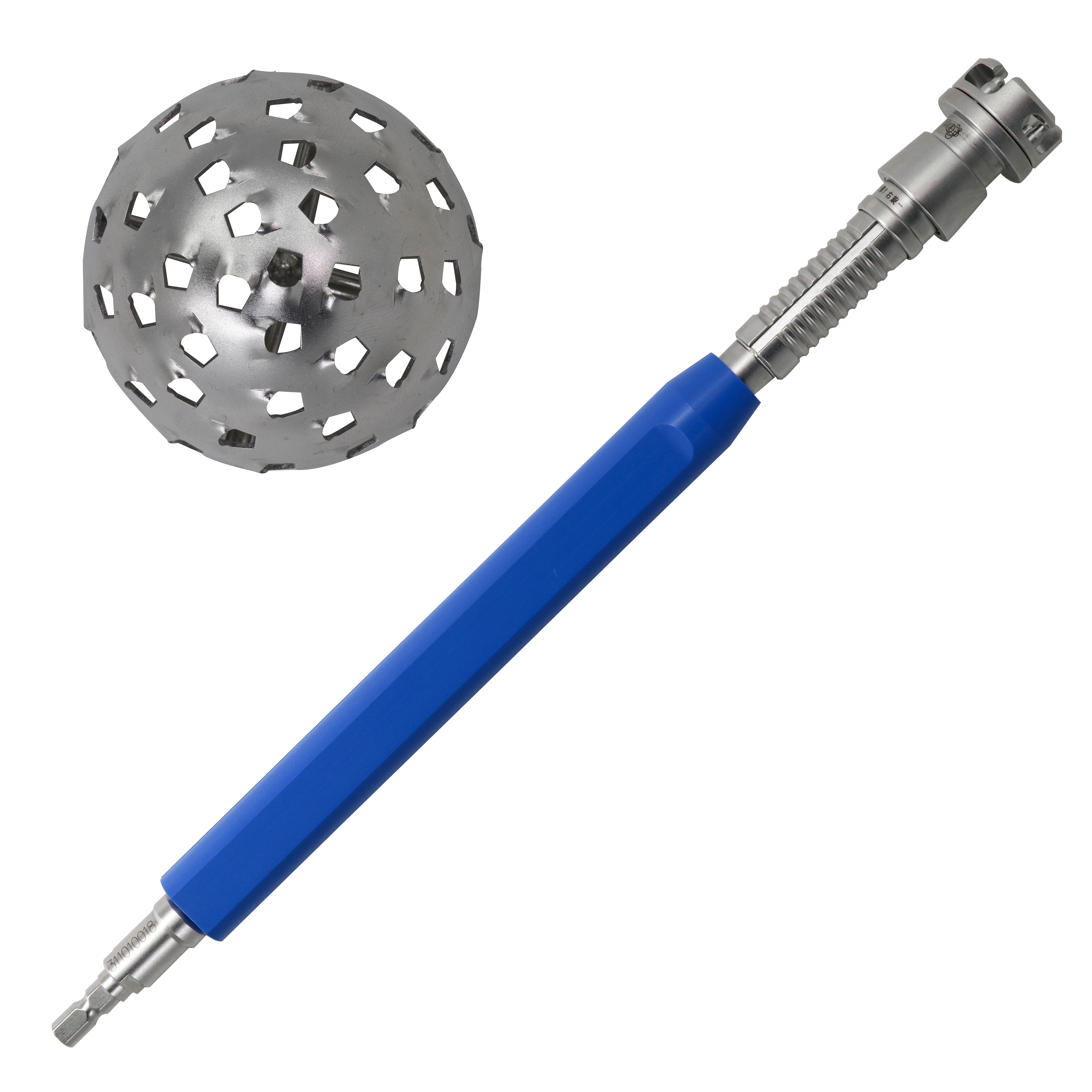
A clinical evaluation of implant micro-architecture, dual-lead thread geometries, torque dissipation, and fatigue life designed to reduce pseudoarthrosis and pedicle blowout in complex spinal procedures.
Our pedicle screws integrate differential thread pitches: a tightly spaced, dual-start thread in the proximal shaft for rigid cortical rim purchase, transitioning into a deeper, self-tapping cancellous profile at the distal tip. This dual-geometry enhances pullout resistance by up to 28% in osteopenic vertebral bodies compared to standard single-lead designs, decreasing intraoperative insertion revolutions by half and minimizing heat necrosis at the bone-screw interface.
Engineered with a 55-degree conical angulation envelope, our polyaxial tulip heads allow multi-planar rod capturing without introducing excessive shear stress across the pedicle axis. A proprietary titanium friction-collar preserves head orientation during rod manipulation, preventing unintended tulip flopping during multi-level thoracic and lumbar constructs, while reverse-angle saddle threads mitigate tulip splay under peak set-screw torque loads.
For minimally invasive spine surgery (MISS), the system features integrated 120mm break-off reduction towers. These rigid, low-profile long-arm guides facilitate transmuscular rod seating without cumbersome external sleeve assemblies. Precise laser-etched depth calibrations provide real-time anatomical orientation under fluoroscopic or navigated surgical workflows, reducing paraspinal muscle denervation, operative blood loss, and postoperative recovery windows.
| Implant Parameter | Material Specification | Available Dimensions | Biomechanical Performance (ASTM F1717) | Regulatory Classification |
|---|---|---|---|---|
| Monoaxial Pedicle Screws | Grade 5 Ti-6Al-4V ELI (ASTM F136) | Ø 4.5mm – Ø 8.5mm (Lengths: 30mm – 65mm) | Static Bending Yield: > 18.5 Nm; Fatigue Run-out > 5M cycles | CE MDR Class IIb |
| Polyaxial Pedicle Screws | Titanium Alloy + CoCr Locking Saddle | Ø 4.5mm – Ø 8.5mm (Lengths: 30mm – 60mm) | Conical Range: 55°; Axial Pullout Force: > 1850 N | CE MDR Class IIb |
| MIS Cannulated Screws | Grade 5 Ti-6Al-4V ELI (ASTM F136) | Ø 5.0mm – Ø 8.0mm (Lengths: 35mm – 60mm) | Cannula ID: 1.6mm (Guidewire 1.5mm); Torque Failure > 9.8 Nm | CE MDR Class IIb |
| Spinal Fixation Rods | High-Strength Titanium / CoCrMo Alloy | Ø 5.5mm & Ø 6.0mm (Pre-bent / Straight 40–500mm) | Ultimate Flexural Rigidity: > 2.4 GPa; Dynamic Endurance Validated | CE MDR Class IIb |
| Fenestrated Cement Screws | Ti-6Al-4V ELI with 6 Radial Ports | Ø 6.0mm – Ø 8.0mm (Lengths: 40mm – 55mm) | PMMA Flow Distribution: Uniform Circumferential 360° Wetting | CE MDR Class III / IIb |
Addressing the surgical case mix, trauma demographics, and elective spine consolidation strategies within County Waterford, University Hospital Waterford (UHW), and regional clinical networks.
University Hospital Waterford functions as the primary acute trauma referral center for the South-East Hospital Group, serving Waterford, Kilkenny, South Tipperary, and Wexford. Road traffic accidents along the major transport arteries (M9, N25, and N24) generate complex unstable thoracolumbar burst fractures (AO Spine Type A3/B2/C). These acute presentations demand rapid instrument turnover, robust reduction instrumentation, and pedicle systems with high fatigue strength to preserve sagittal balance during long-segment posterior stabilization without sudden implant failure during the critical post-injury healing phase.
With an aging demographic across the South-East region, elective orthopedic and neurosurgical theaters in Waterford manage significant volumes of degenerative spondylolisthesis, multi-level lumbar canal stenosis, and degenerative scoliosis. Surgical teams require low-profile polyaxial screws that reduce muscular impingement, coupled with ergonomic rod benders and persistent distractor/compressor clamps that allow precise decompression and fusion without causing soft-tissue crowding in compact operating environments.
Private and elective institutions in the area, such as UPMC Whitfield Hospital and ambulatory surgical suites, increasingly prioritize minimally invasive stabilization techniques. The percutaneous long-arm cannulated pedicle screw system enables day-case or accelerated-discharge lumbar fusion (MIS-TLIF). By utilizing dedicated percutaneous rod inserters and wireless EMG monitoring compatibility, Waterford surgeons can significantly curtail intraoperative hemorrhage, postoperative opioid dependence, and length-of-stay metrics.
The rising prevalence of severe osteoporosis among elderly patients across Waterford and neighboring coastal rural communities poses substantial risks of early screw loosening and cut-out. Our fenestrated pedicle screw solutions incorporate laser-machined perforations along the distal third of the cannulated shaft. Coupled with standardized high-viscosity bone cement delivery adapters, they ensure controlled PMMA interdigitation into the surrounding trabeculae, substantially elevating axial anchor stability in compromised bone mineral densities.
How regional medical procurement strategies are shifting under EU MDR frameworks, supply chain de-risking policies, and value-based healthcare directives.
The Health Products Regulatory Authority (HPRA) of Ireland and HSE procurement bodies enforce stringent adherence to EU MDR requirements for surgically invasive Class IIb and Class III orthopedic implants. Hospitals servicing Waterford can no longer tolerate ambiguous CE documentation under obsolete 93/42/EEC directives without clear legacy transition milestones. Manufacturers must supply transparent Notified Body certificates, Post-Market Clinical Follow-up (PMCF) summaries, and full technical documentation for inclusion in local surgical governance files.
Ireland's public hospital waiting lists for elective spinal and arthroplasty procedures have created an imperative for dependable supply chain partners. Surgical theaters in the South East require guaranteed consignment stock levels, reliable replenishment turnarounds, and backup instrumentation kits. Procurement directors in Waterford actively seek direct relationships with high-capacity, audited manufacturers to circumvent third-party logistics bottlenecks, volatile distributor markups, and unexpected backorders.
Modern CSSD (Central Sterile Services Department) protocols across Irish clinical networks demand machine-readable GS1 Datamatrix 2D barcodes on both inner sterile blister packaging and secondary packaging. This ensures seamless EUDAMED integration, theater inventory tracking, and patient traceability in compliance with international patient safety protocols. Furthermore, gamma-irradiated double-barrier sterile packaging eliminates on-site pre-sterilization costs and eliminates the risk of autoclave-induced instrument calibration loss.
Zhejiang INAR Medical Co., Ltd. operates state-of-the-art production and testing facilities, combining over two decades of metallurgical expertise with rigorous European conformity standards.
With 22+ years of continuous innovation in surgical implants and traumatology instruments, INAR Medical maintains comprehensive vertical integration across a 29,523 m² facility. From raw aerospace-grade titanium alloy bar stock cutting on CNC longitudinal Swiss-turning centers to automated surface anodization, penetrant flaw testing, cleanroom packaging, and in-house mechanical endurance testing, nothing critical is outsourced.
Our production baseline has been independently audited and verified on-site by SGS Group. This gives Irish procurement committees, NHS/HSE distributors, and hospital biomedical engineering departments total peace of mind regarding batch-to-batch consistency, dimensional repeatability, and absolute material purity.
Submission of tender requirements, surgical instrumentation checklists, or OEM engineering CAD drawings.
Rapid CNC prototyping, laser-marking verification, and tactile evaluation of surgical driver handles.
Provision of Declarations of Conformity, biocompatibility files (ISO 10993), and sterilization validations.
High-precision Swiss CNC machining, automated ultrasonic washing, optical CMM checks, and 100% OQC.
Secure packaging, validated sterile barrier pouches, and expedited air delivery directly into Ireland/Waterford.
Clear answers on regulatory compliance, customs clearance, surgical trial evaluation, and instrument compatibility for healthcare buyers serving Waterford.
Whether you are sourcing thoracolumbar pedicle fixation systems for hospital tenders, evaluating trial sets for surgical teams, or seeking a certified OEM/ODM manufacturing partner, our engineering and export team is ready to assist with technical dossiers and rapid quotations.