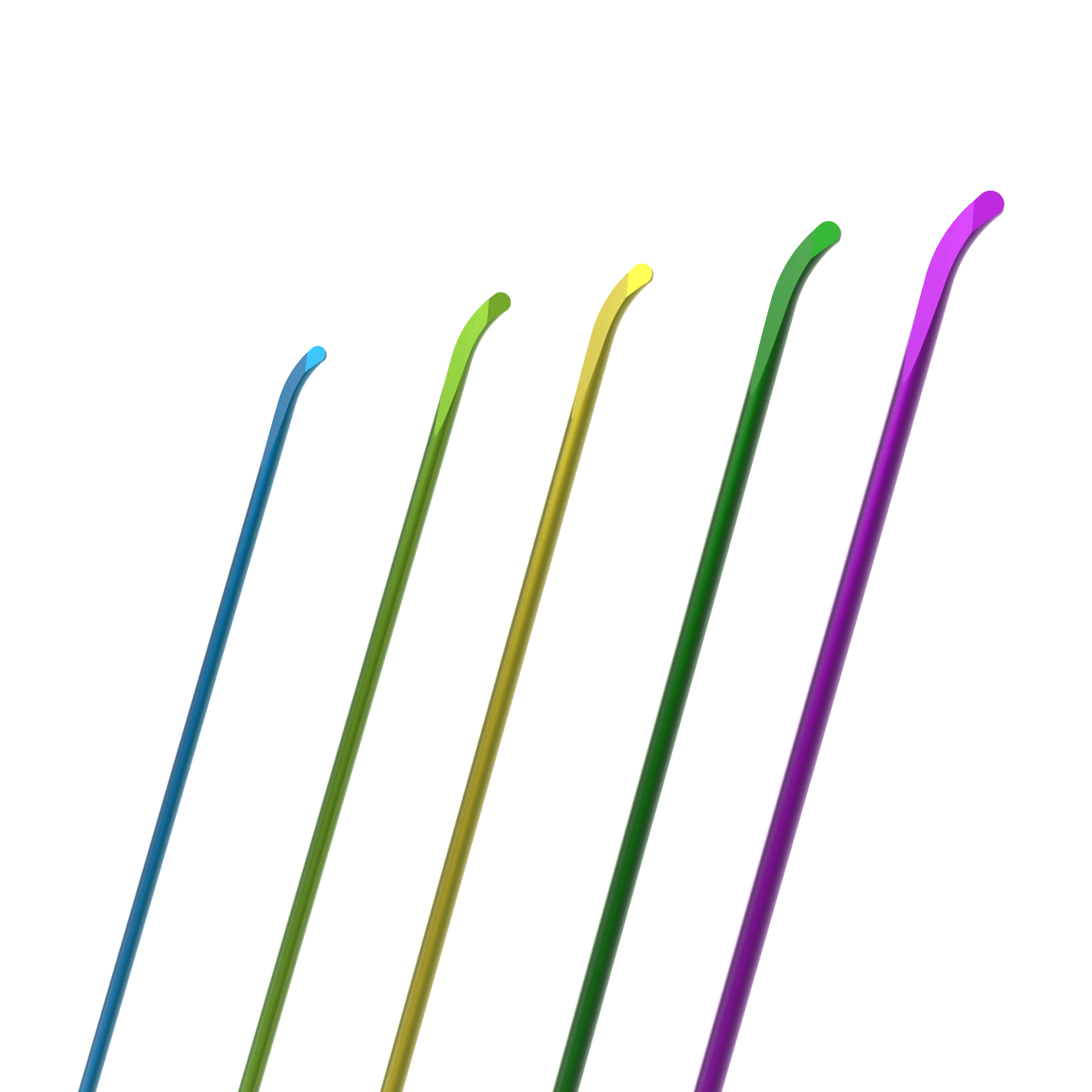
High-Precision Orthopedic Solutions
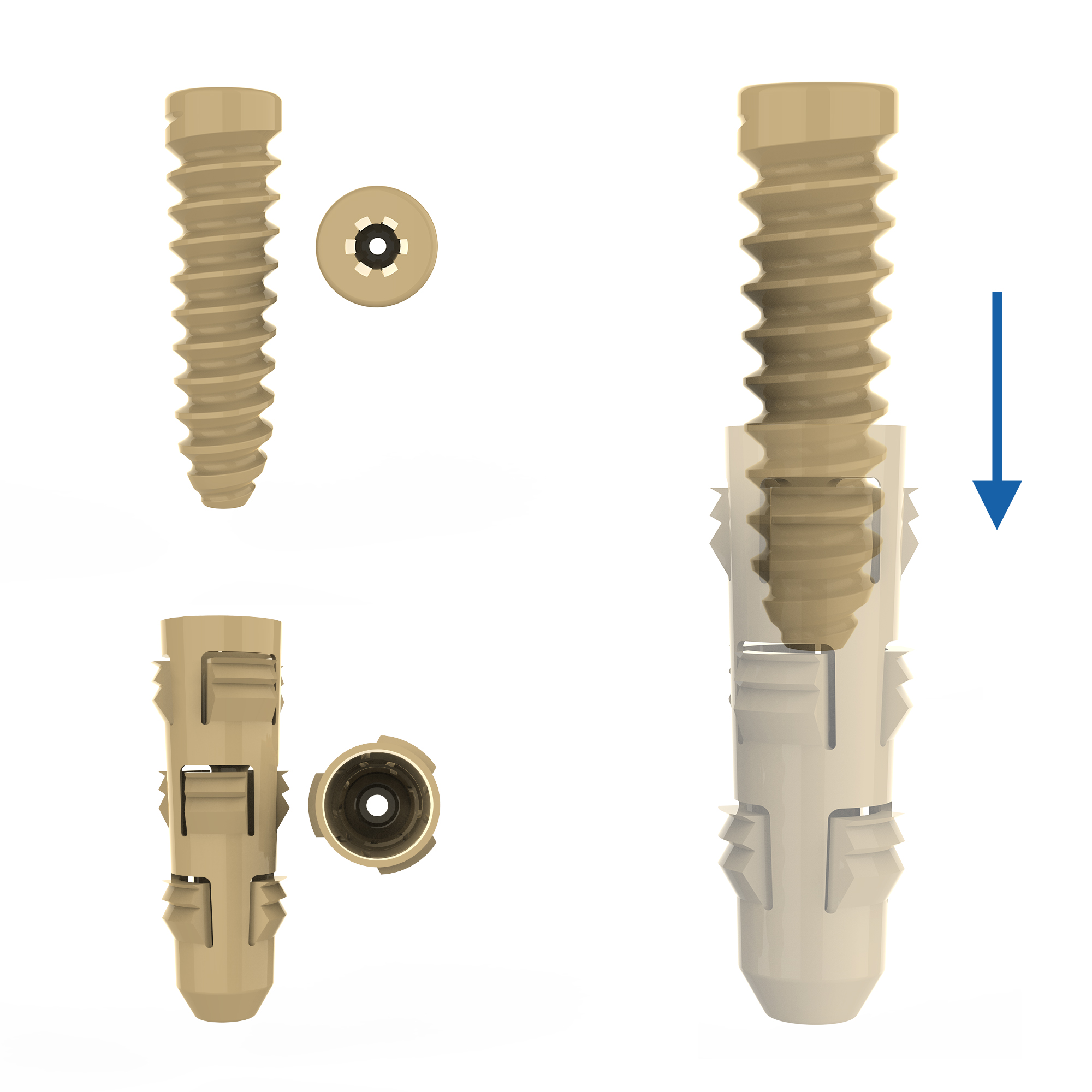
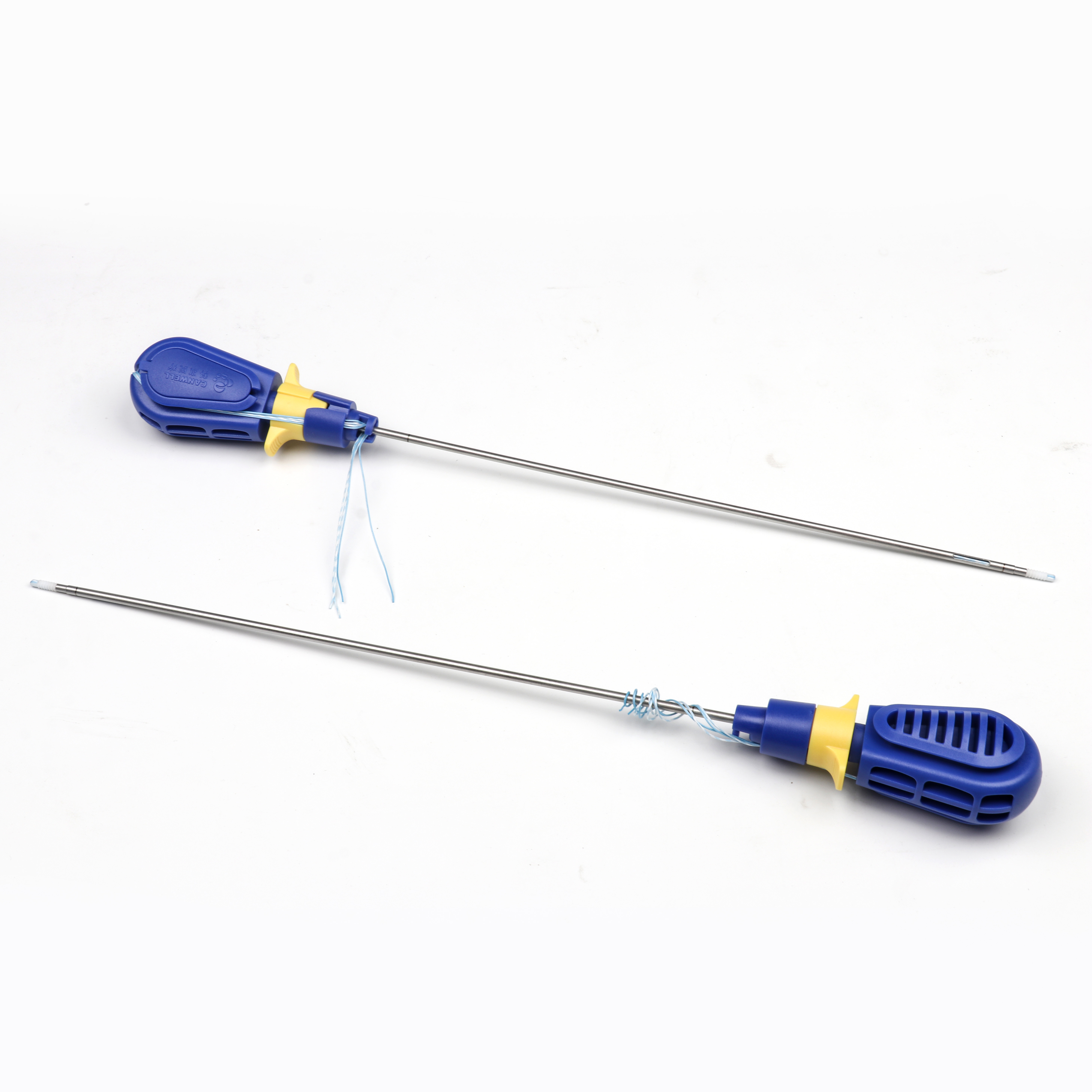
Featured Implant Systems & Instruments
Directly manufactured under cleanroom conditions to ensure dimensional stability, fatigue strength, and complete biocompatibility compliant with international standards.
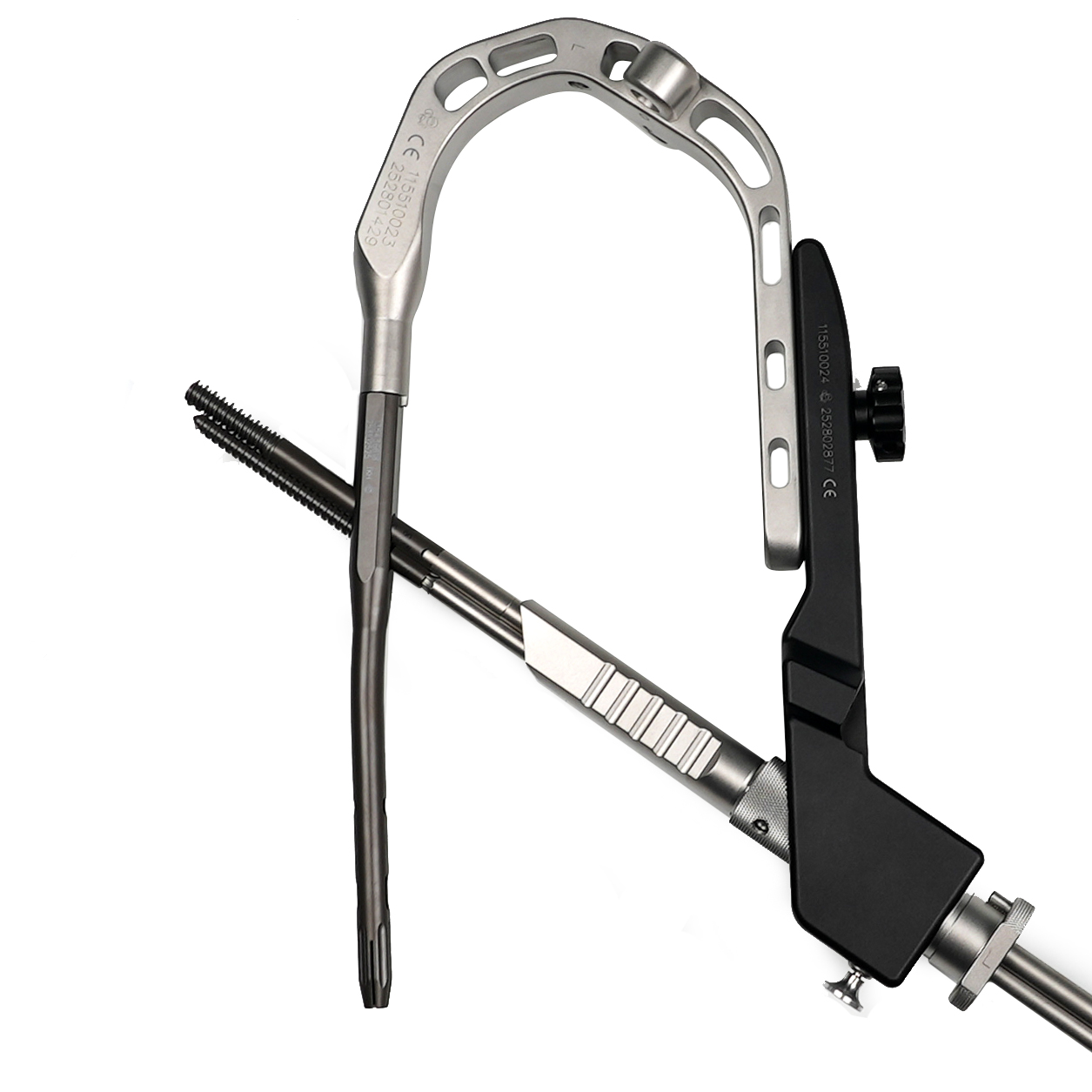
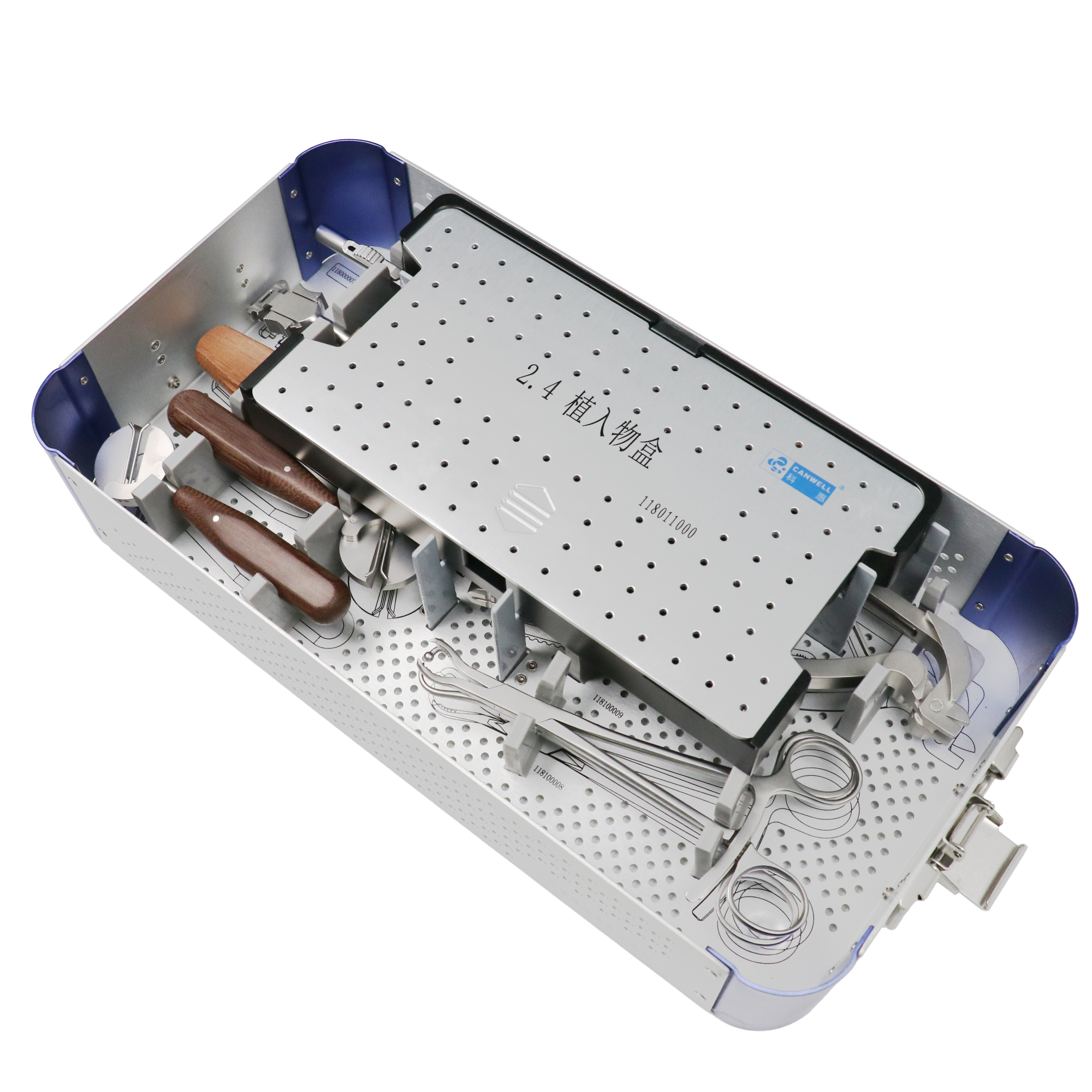
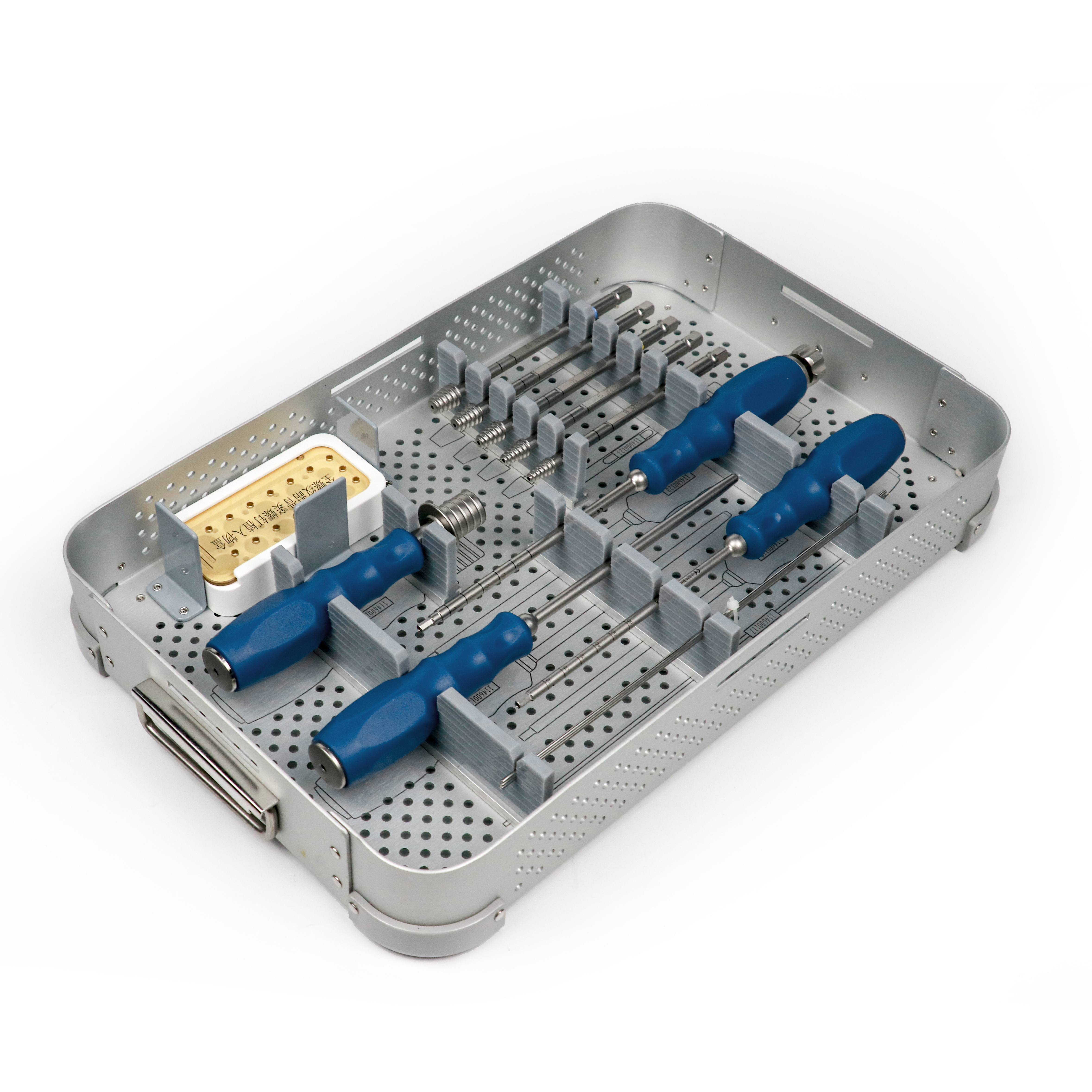
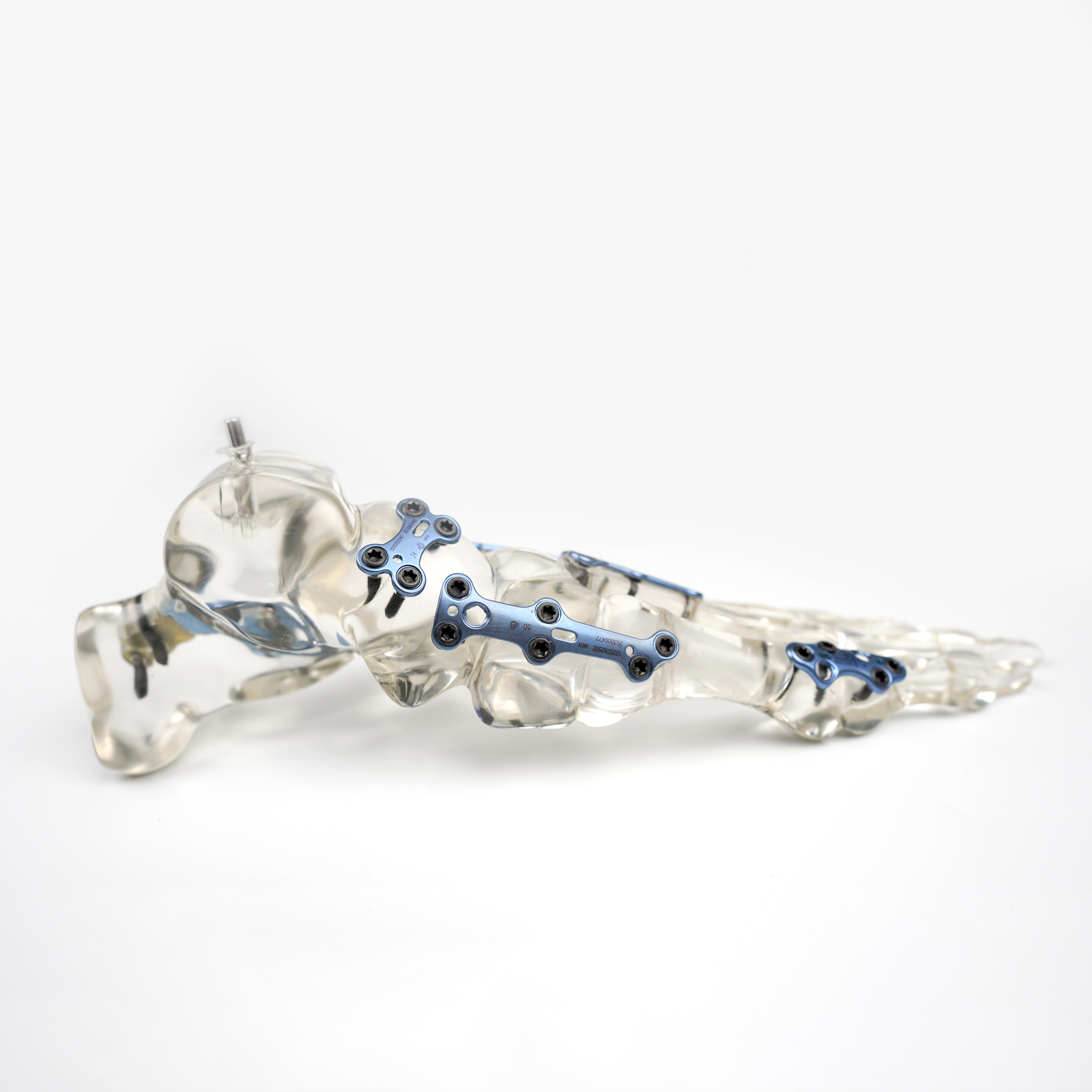
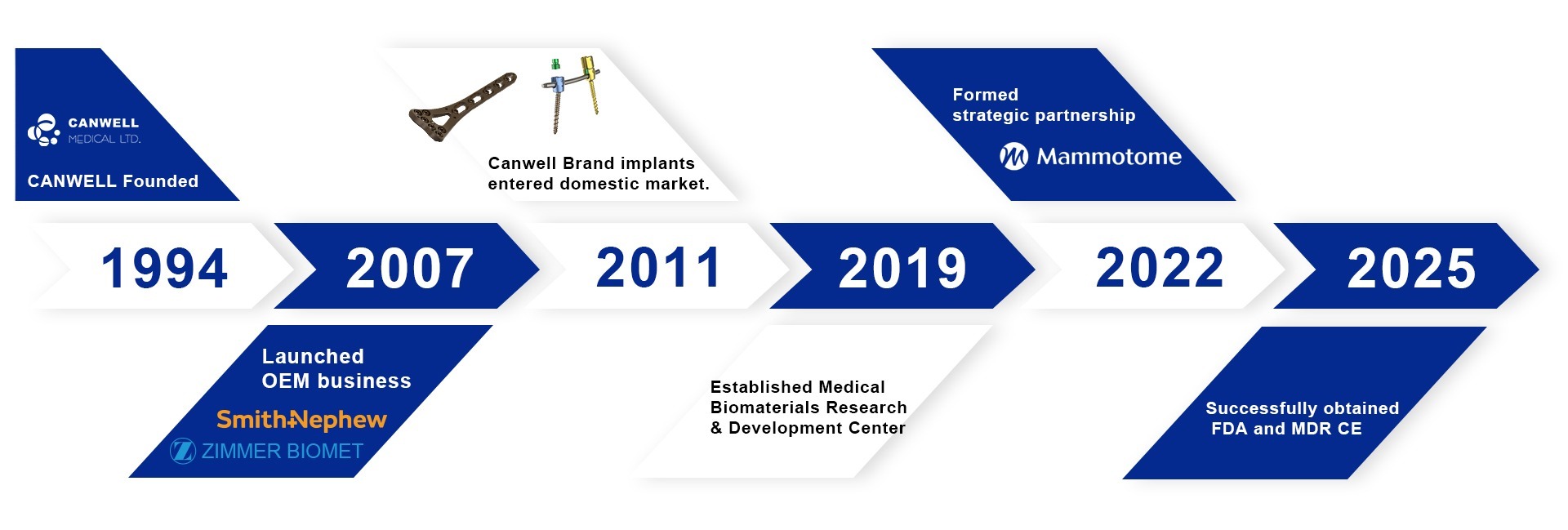
22+
Years of Manufacturing
632
Specialized Personnel
29,523m²
Integrated Factory Area
100%
Traceable Cleanroom OQC
Engineering Whitepaper
Spinal Rod Biomechanics & Metallurgical Specifications
An authoritative evaluation of alloy performance, surface topography, and stress dispersion criteria in modern thoracolumbar reconstruction.
Medical Grade Ti-6Al-4V ELI Alloy
Our factory utilizes ASTM F136 compliant extra-low interstitial titanium alloy, which delivers an ideal balance between high tensile yield strength (≥ 860 MPa) and a modulus of elasticity that dampens stress shielding against healthy adjacent vertebrae during long-construct spinal fusions.
Cobalt-Chromium-Molybdenum (CoCrMo)
For severe pediatric scoliosis, adult spinal deformity (ASD), and complex osteotomies requiring exceptional contour retention, we machine ASTM F1537 CoCrMo rods. The increased bending stiffness mitigates dynamic rod flattening and post-operative sagittal alignment loss across multilevel constructs.
Controlled Surface Finishing
Fatigue failures typically initiate at surface micro-notches caused by contouring pliers. Our specialized finishing protocol pairs automated centerless grinding with glass-bead surface conditioning, drastically reducing micro-notch sensitivity and extending cyclical endurance beyond 5 million loading cycles.
| Property Parameter | Ti-6Al-4V ELI (ASTM F136) | Co-Cr-Mo (ASTM F1537) | Clinical Implication for Spine Surgeons |
|---|---|---|---|
| Modulus of Elasticity (GPa) | 110 – 114 GPa | 210 – 240 GPa | Titanium reduces stress shielding; CoCr maintains rigid correction in heavy deformity realignment. |
| Tensile Yield Strength (MPa) | ≥ 860 MPa | ≥ 1,000 MPa | High resistance to permanent deformation under heavy thoracolumbar mechanical axial loads. |
| Contouring Behavior & Notch Sensitivity | Moderate; requires smooth bending arcs | Superior rigidity; minimal in situ springback | Reduces postoperative sagittal decompensation; demands calibrated contouring dies. |
| MRI / CT Artifact Interferences | Minimal metallic artifact shadow | Moderate distortion in gradient-echo sequences | Titanium allows superior post-operative visualization of neural canals and graft incorporation. |
Regional Clinical Perspective
Spinal Rod Applications in the Albanian Healthcare System
Navigating institutional tenders, trauma surge demands, and surgical modernization across public hospitals and private clinical centers in Albania.
Public Hospital Modernization
Tertiary clinical centers like the Mother Teresa University Hospital Center (QSUT) in Tirana handle complex road trauma, degenerative disc conditions, and tuberculous spondylitis. Procuring standard 5.5mm and 6.0mm spinal fixation rods with CE marking under the EU Medical Device Directive / EU MDR guarantees hospital compliance under Ministry of Health and Social Protection guidelines.
Private Hospital Medical Tourism
Albanian private health groups in Tirana and Durrës increasingly perform elective spine surgery for patients from neighboring Kosovo, North Macedonia, and Italian expatriates. These centers prefer cost-effective, premium-finish spinal systems that support minimally invasive (MIS) percutaneous rod insertion without sacrificing aesthetic incision recovery or construct stability.
Modernization and Tender Dynamics
With Albania actively aligning its health sector regulations with the European Union acquis, tender authorities now strictly enforce rigorous conformity evaluations (ISO 13485 and verified biocompatibility files). Direct factory sourcing offers local distributors dependable margins while reliably passing every public procurement audit.
Full-Cycle Production Infrastructure
Engineering Integrity Backed by INAR Medical
Operating from our 29,523 m² facility, we combine advanced German and Japanese CNC machine tools with meticulous cleanroom assembly.
Multi-Axis Swiss CNC Machining
Precision turning and micro-milling guarantee tight outer-diameter tolerances (±0.005mm) across spinal rods, eliminating fit discrepancies inside pedicle screw tulip saddles.
SGS Onsite Verified
Our operational plant undergoes thorough third-party assessment by SGS Group, verifying factory equipment capacity, calibrated testing setups, and cleanroom air classifications.
CE MDR Certification
Our orthopedic trauma, spine, and sports medicine implant series hold full CE certifications under MDR and 93/42/EEC directives, simplifying customs and health regulatory registration in Albania.
Custom OEM / ODM Solutions
We support private-label laser marking, pre-bent lordotic contours, specialized hex/torx instrumentation trays, and modular graphic sterile packaging suited for regional brand owners.
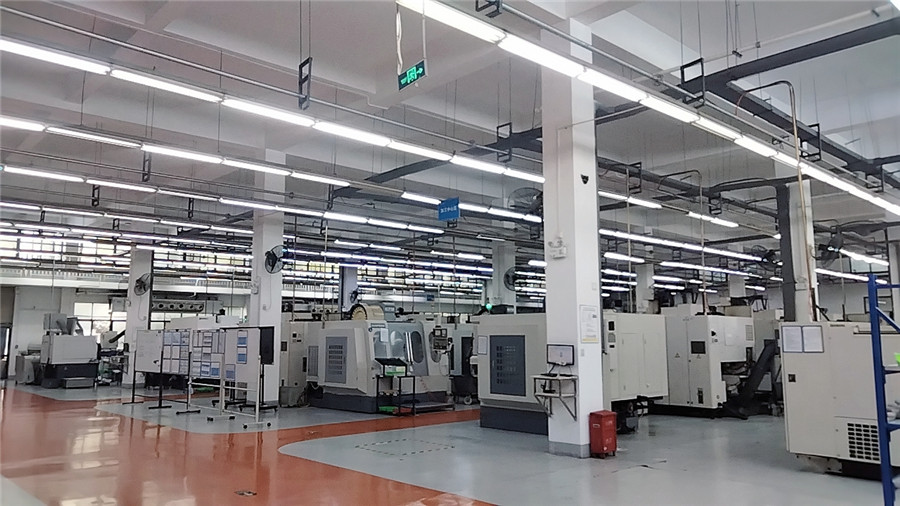
Integrated 29,523 m² Facility
Houses high-speed automated lathe banks, precision polishing stations, automated anodizing, and Class 10,000 cleanrooms for zero-contamination implant finishing.
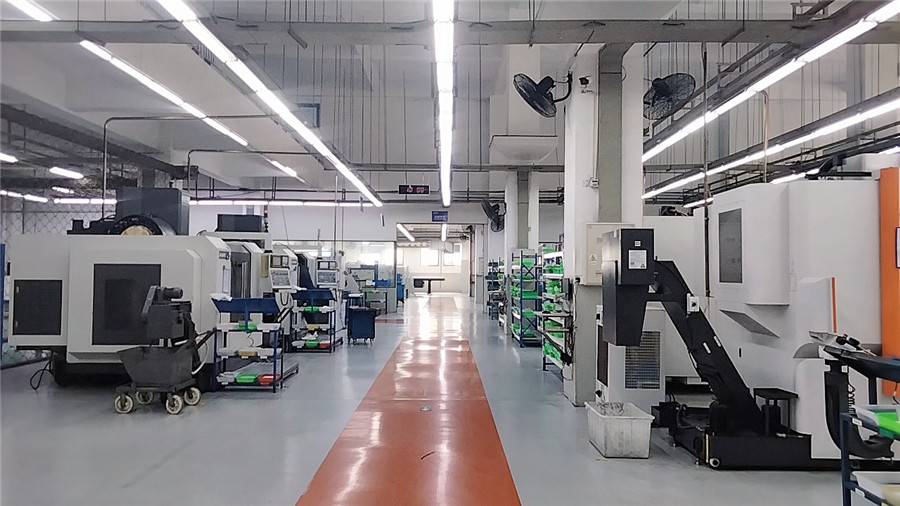
13-Step Production Control
From raw material spectrum analysis to multi-stage ultrasonic de-greasing, surface penetrant inspection, and laser batch verification, every process is documented.
Over 2 Decades of Industry Trust
Supplying dependable trauma systems and spinal implants to over 40 global markets, ensuring reliable logistical and regulatory documentation support for all international partners.
Procurement Guidelines
Frequently Asked Questions by Albanian Buyers
Clear answers to questions on import regulations, documentation requirements, minimum orders, and surgical instrumentation compatibility.
Are INAR Medical spinal rods and implants eligible for public tenders in Albania? +
Yes. Our orthopedic and spine implants carry CE certifications under the Medical Device Directive 93/42/EEC and are transitioning under EU MDR. We provide Declarations of Conformity (DoC), ISO 13485 certification, and audited quality management files recognized by the Albanian National Agency for Medicines and Medical Devices (AKBPM) for hospital procurement tenders.
What rod diameters and lengths are commonly ordered for the Albanian market? +
The prevailing standard in Albania across both public trauma services and private spine clinics is Ø5.5mm titanium rods for thoracolumbar applications, along with Ø6.0mm systems for heavy deformity corrections. Standard lengths range from 40mm to 500mm, available in straight configurations and pre-curved anatomical sagittal contours.
Can you provide matching surgical instruments along with custom trays? +
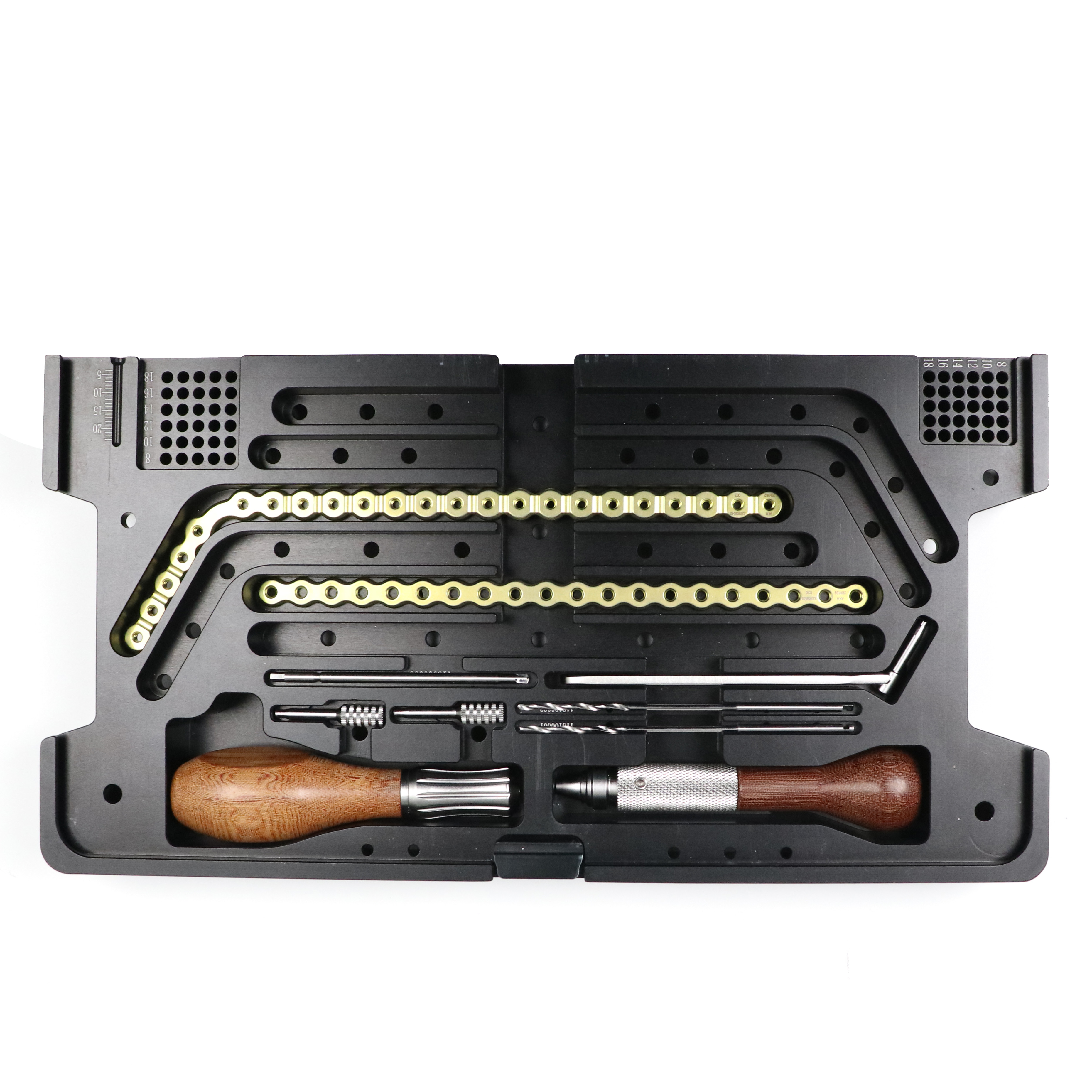
Yes. We design and machine complete spinal instrumentation sets, including ergonomic French rod benders, in situ contourers, rod rotators, persistent reduction benders, torque-limiting screwdrivers, and autoclavable anodized aluminum sterilization trays, customized with your brand logo and layout.
What is the typical shipping timeline and delivery method to Albania? +
For standard in-stock catalog configurations, items are dispatched within 5 to 7 working days. For custom OEM lengths or private labeling, production cycles average 25 to 35 days. Shipments are forwarded directly to Tirana International Airport (TIA) via air freight (DHL, FedEx, or dedicated air cargo) or via marine freight through the Port of Durrës.
What quality testing documentation is supplied with each delivery batch? +
Every shipment arrives with mill material test certificates (chemical analysis and physical tensile properties), batch dimensional inspection sheets, surface roughness data, cleanroom particulate verification, and outgoing quality control (OQC) releases signed by our quality engineers.