Featured Surgical Instruments & Trauma Implants
Engineered with sub-micron surgical tolerances, advanced surface micro-texturing, and strict biocompatibility validation to complement our spinal rod and pedicle screw assemblies in demanding hospital reconstructive procedures.
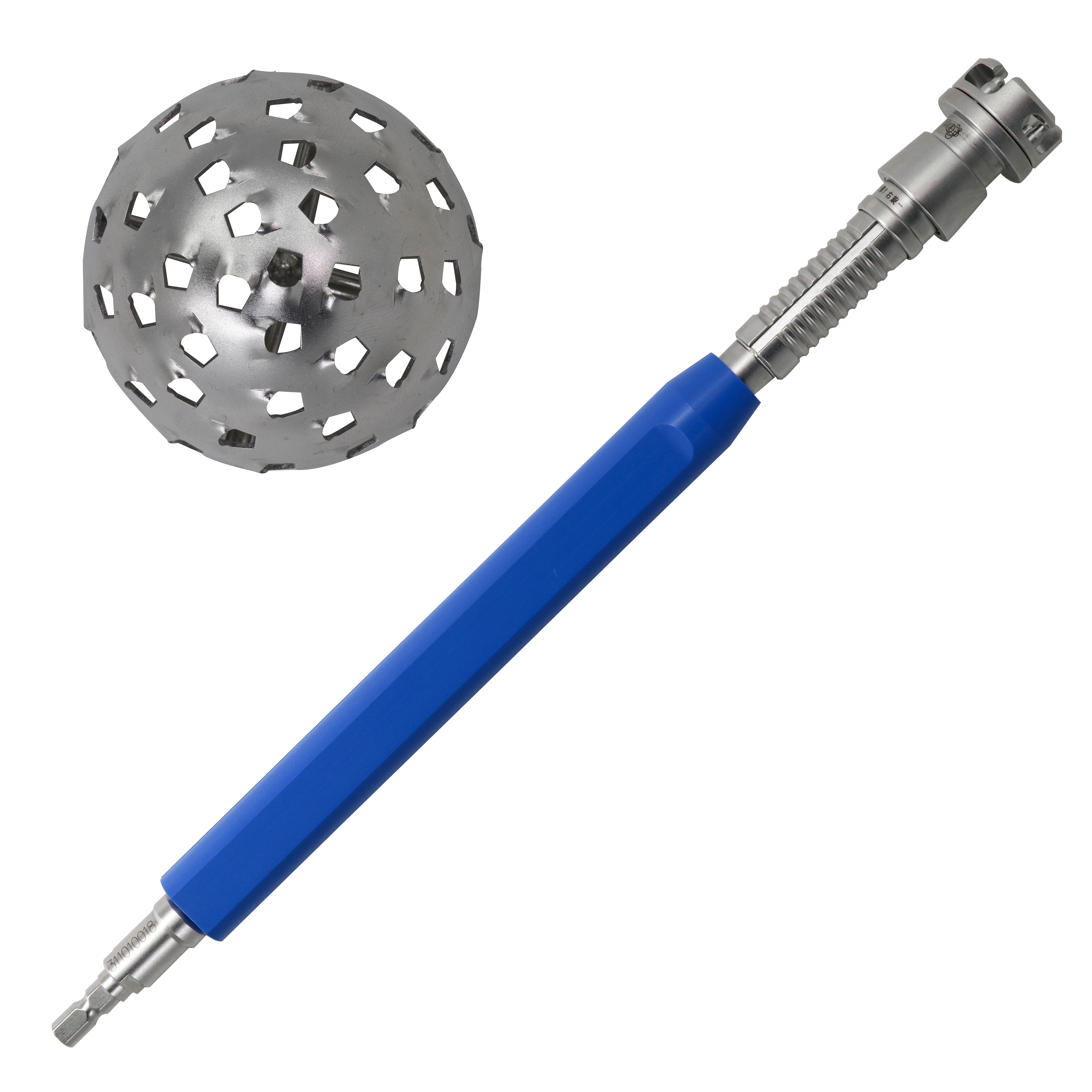
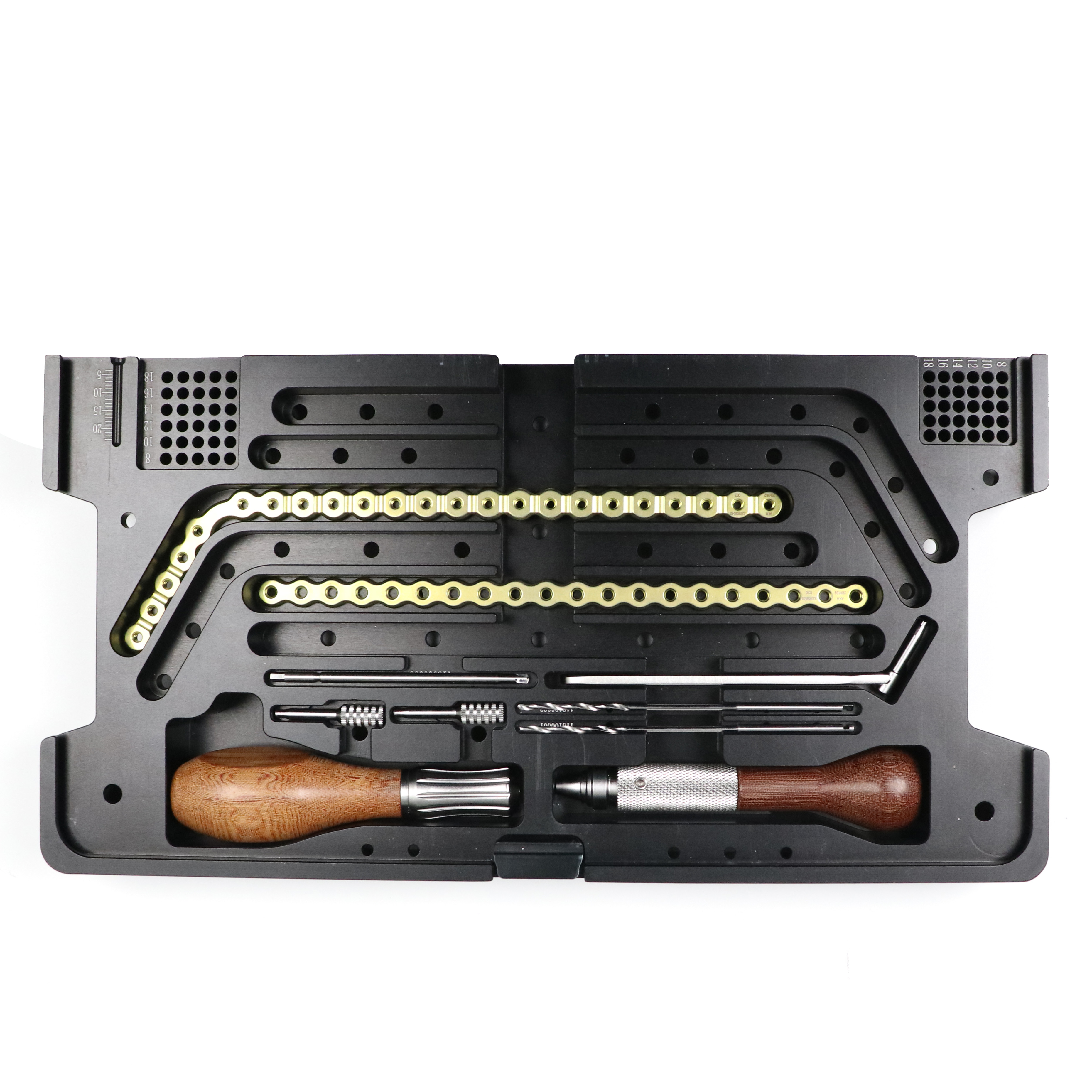
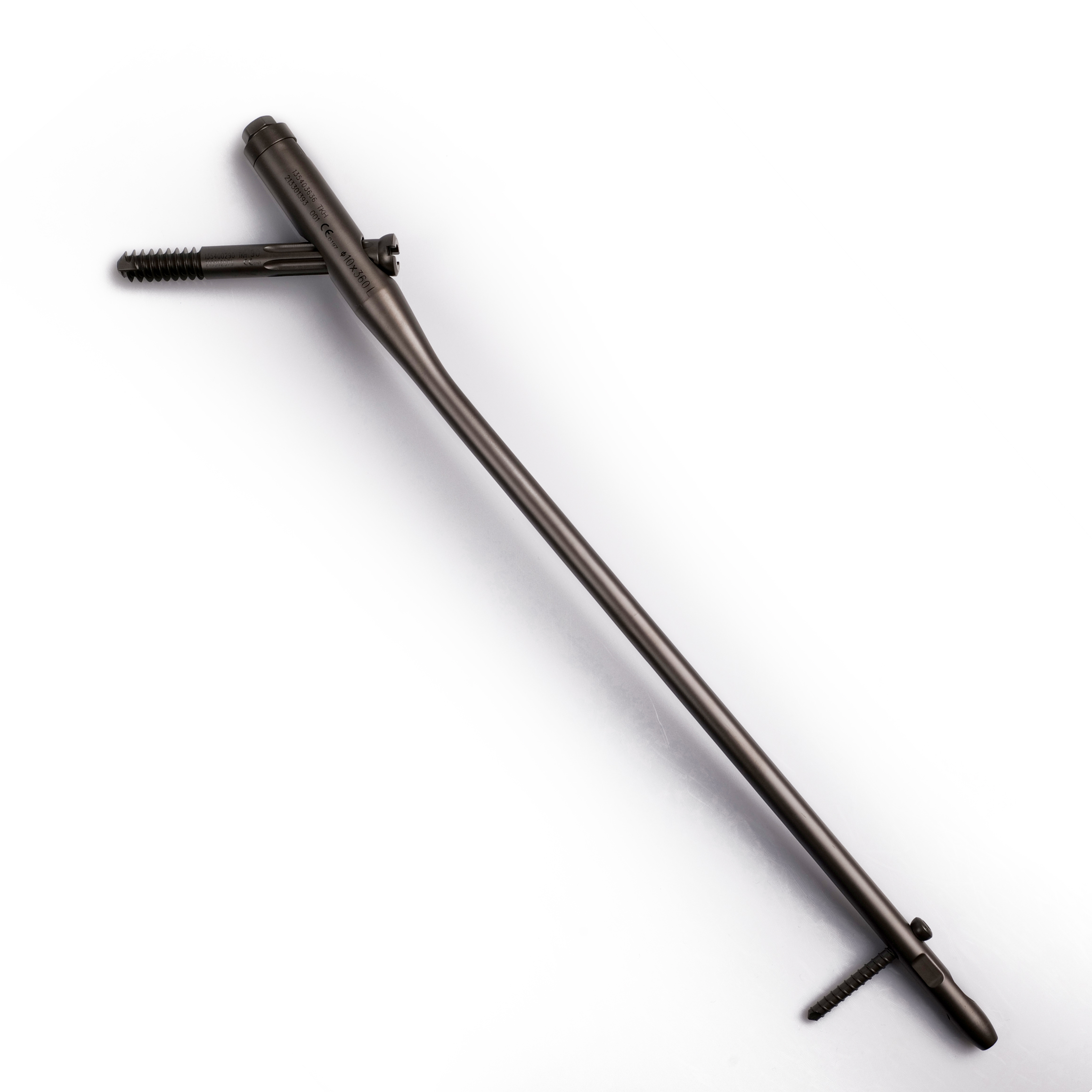
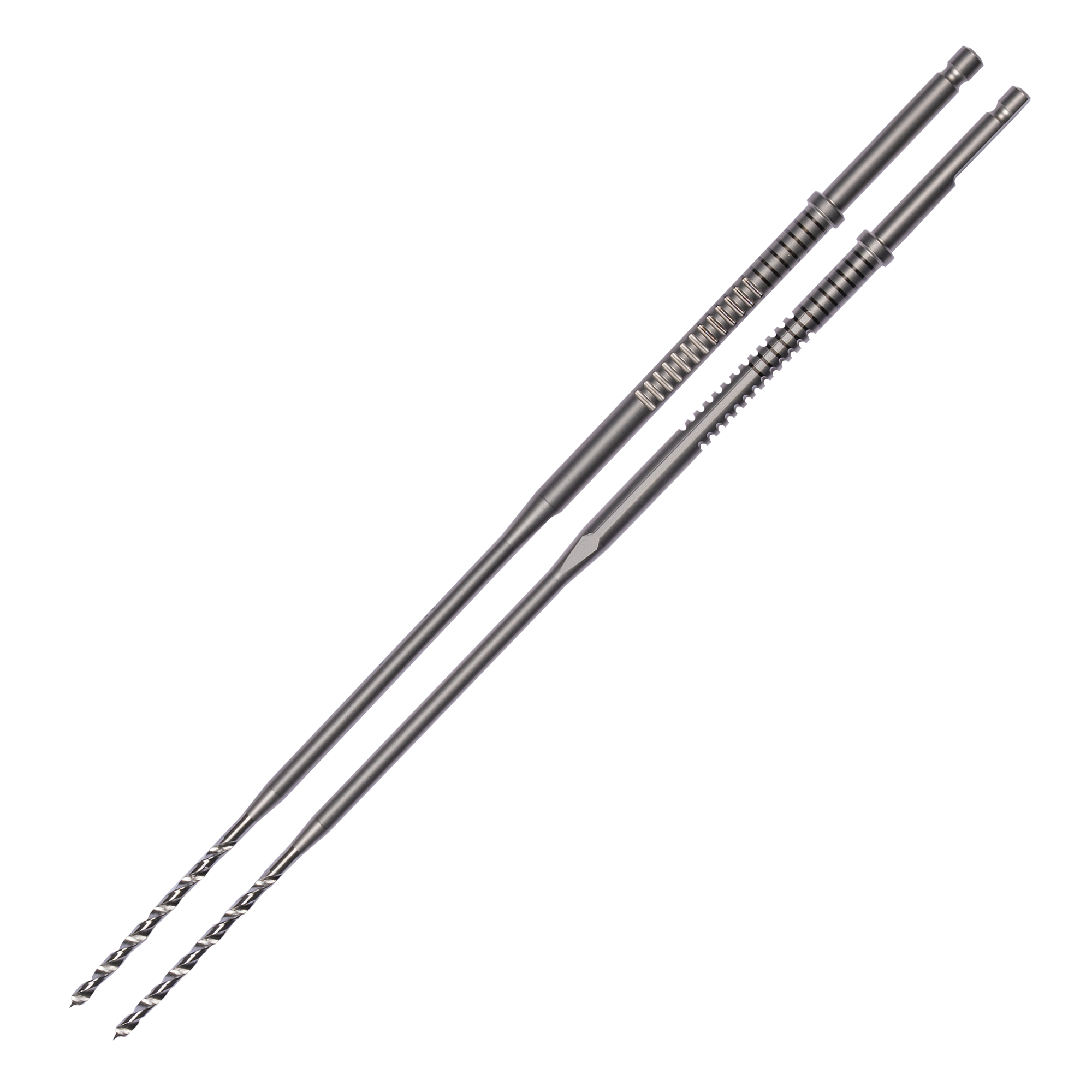
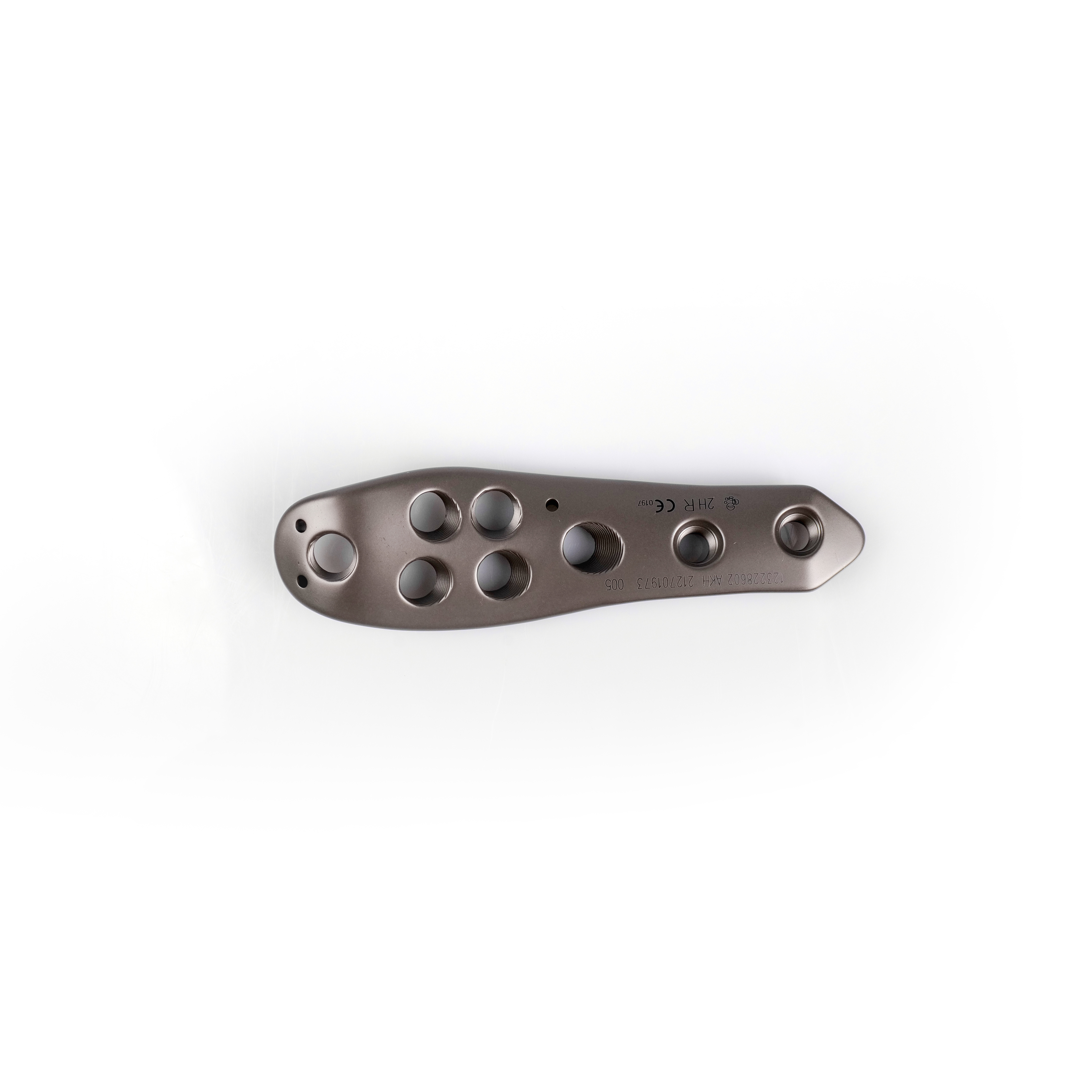
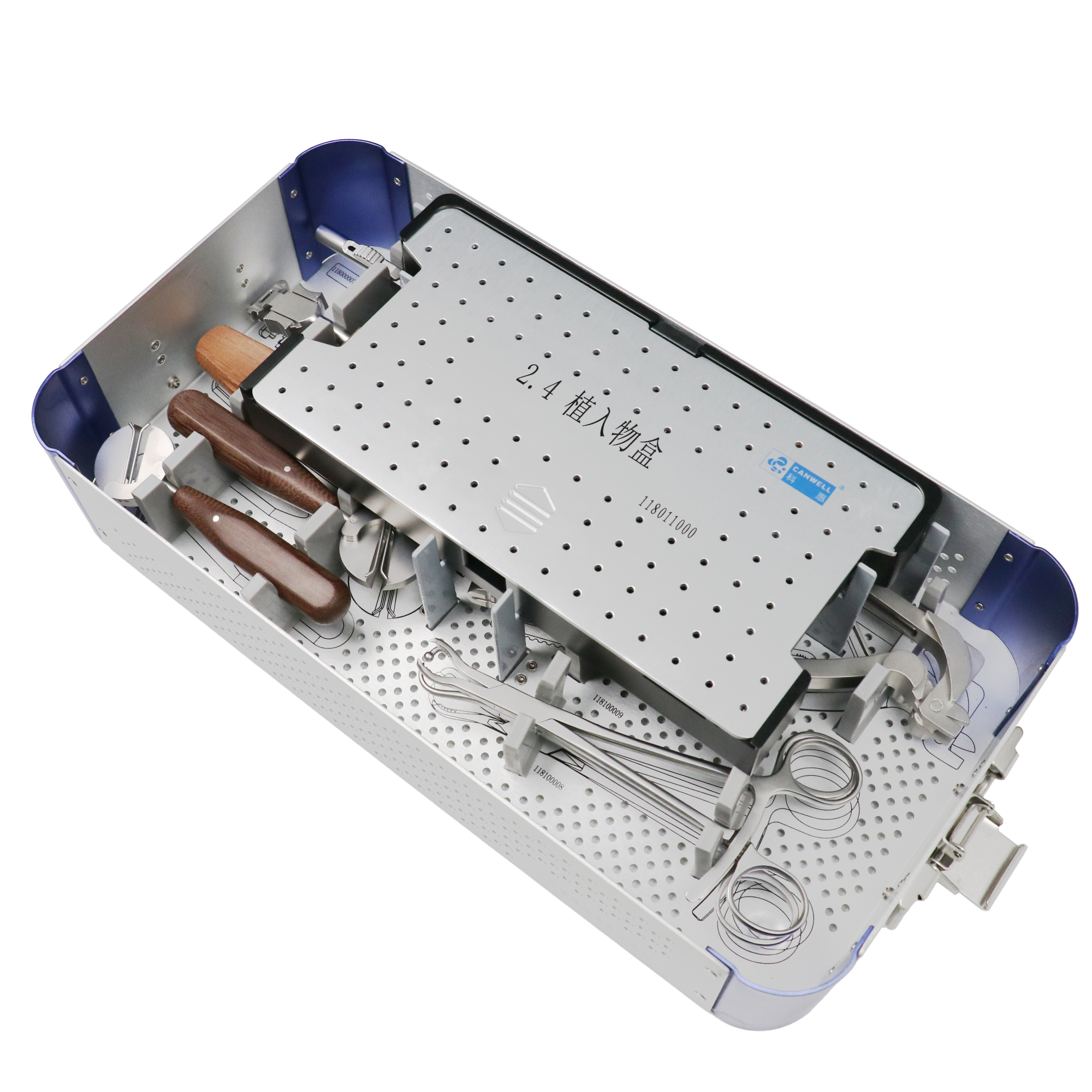
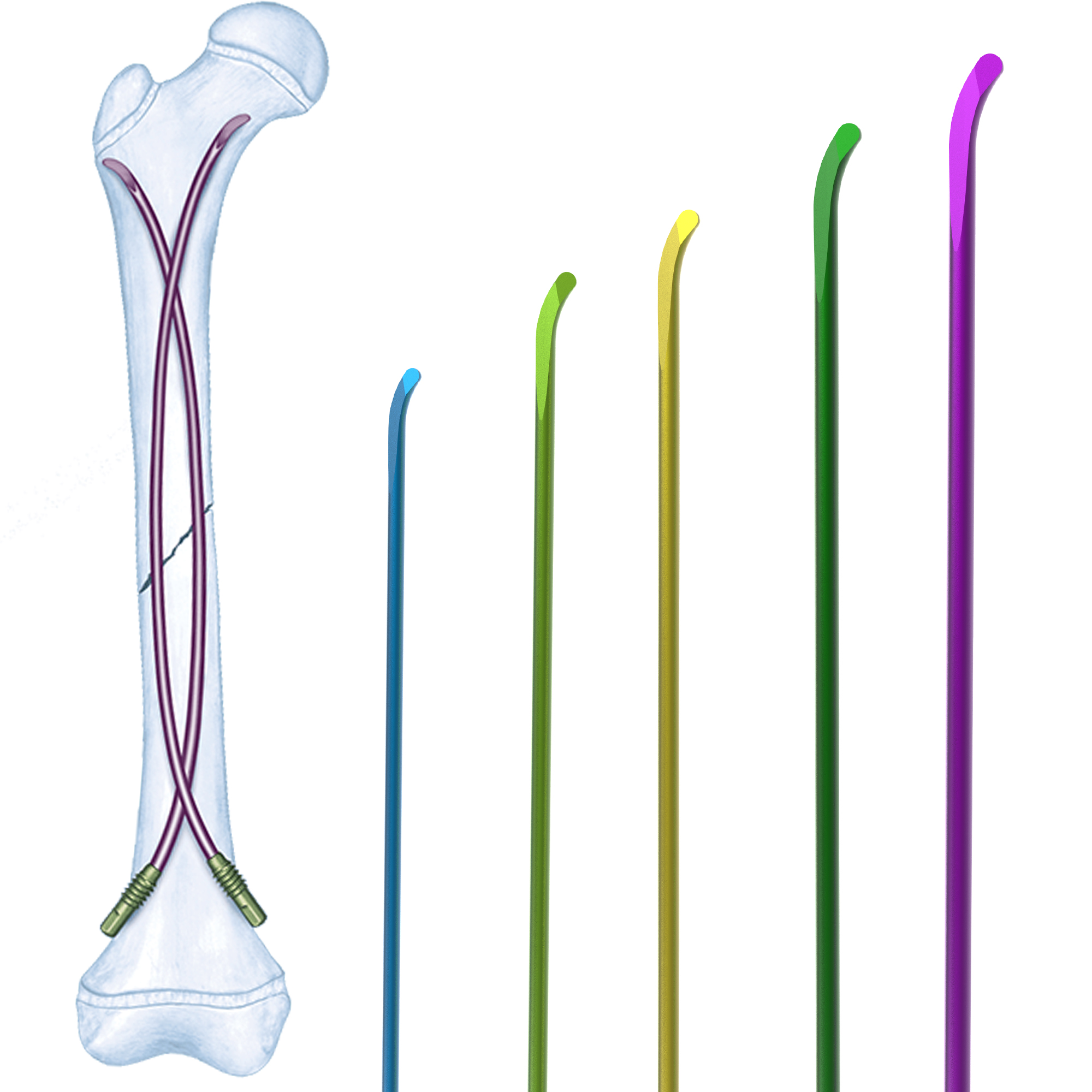
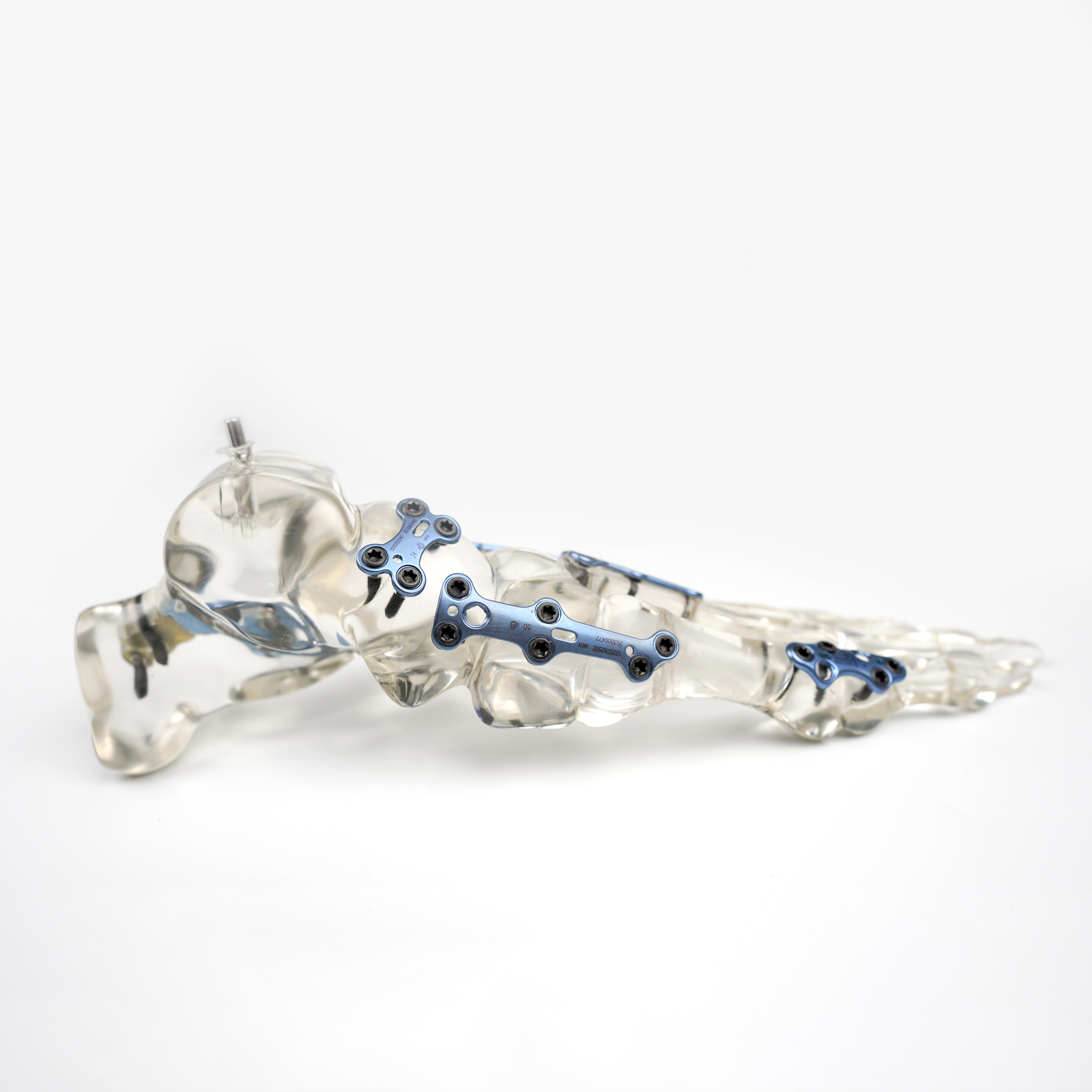
Engineering Spinal Rods for the Berlin Clinical Landscape: Fatigue Limits, Dynamic Yield & Notch Sensitivity
In the demanding spine surgery departments of the Berlin-Brandenburg metropolitan healthcare belt—such as the Charité – Universitätsmedizin Berlin, Vivantes Klinikum Neukölln, and specialized spinal rehabilitation centers like Unfallkrankenhaus Berlin (ukb)—spinal rod instrumentation is subjected to severe multi-planar mechanical demands. As an established spinal rod factory and exporter, our engineering focus is centered on eradicating early construct breakage caused by low-cycle notch sensitivity and dynamic micro-fretting corrosion at the rod-screw saddle interface.
Posterior thoracolumbar and sacropelvic arthrodesis requires load-sharing constructs that maintain exact sagittal and coronal profile correction while promoting interbody bone graft fusion. Standard commercial implants frequently fail to balance tensile strength with elastic modulus compatibility. When rigid instrumentation is over-engineered, stress shielding induces junctional kyphosis and adjacent segment disease (ASD). Conversely, under-engineered alloys undergo plastic deformation under cyclic ambulation before definitive arthrodesis occurs.
| Material Specification | Elastic Modulus (GPa) | Ultimate Tensile Strength (MPa) | Bending Yield Strength (MPa) | Primary Clinical Indications in Berlin Hospitals |
|---|---|---|---|---|
| Ti-6Al-4V ELI (Grade 23 / ISO 5832-3) | 110 – 114 | ≥ 860 | ≥ 790 | Degenerative lumbar instability, multi-level spondylolisthesis, MIS percutaneous fusion |
| Co-Cr-Mo Alloy (ISO 5832-12) | 210 – 240 | ≥ 950 | ≥ 650 | Severe adult spinal deformity (ASD), scoliosis derotation, long-segment pedicle subtraction osteotomy (PSO) |
| Commercially Pure Titanium (Gr 4) | 105 | ≥ 550 | ≥ 480 | Cervical laminoplasty anchoring, light anterior plating reconstructions |
| Direct Extruded Dynamic PEEK Rods | 3.5 – 4.2 | ≥ 170 | ≥ 130 | Dynamic stabilization, topping-off junctional protection to prevent adjacent segment fractures |
To prevent localized notch fatigue introduced during intraoperative French rod-bender manipulation, our factory integrates a proprietary deep electropolishing treatment combined with controlled stress-relief vacuum annealing. This eliminates tensile surface micro-striae and micro-fissures, raising cyclic dynamic fatigue life beyond 5,000,000 continuous loading cycles at 65% of yield stress under ASTM F1717 axial and torsional cantilever test standards.
Type II Titanium Anodization
Eliminates cold-welding galling between the titanium spinal rod and the set-screw blocker, standardizing final tightening torque values across diverse clinical surgical theaters.
Dual-Diameter Transition Rods
Monolithic 5.5 mm to 6.0 mm transition geometry engineered without welded structural junctions, ensuring uncompromised load transfer in cervicothoracic and lumbosacral junctions.
Pre-Contoured Lordotic Geometries
Factory-calibrated physiological sagittal curvature minimizes intraoperative bender contact, preserving outer-cortex tensile integrity and accelerating MIS surgical turnaround.
Clinical Application Scenarios Across Berlin-Brandenburg Spinal Operating Theaters
Orthopedic and neurosurgical purchasing in the federal capital region of Berlin operates within specific diagnostic and economic parameters dictated by the Deutsche Wirbelsäulengesellschaft (DWG), regional trauma network protocols (TraumaNetzwerk DGU®), and German statutory health insurance mandates. Sourcing hospital-grade spinal rods requires alignment with real-world operating room scenarios:
- Osteoporotic Fractures & Pathological Vertebral Collapse in an Aging Population: In geriatric wards across Berlin (such as the Martin-Luther-Krankenhaus or Helios Kliniken Berlin-Buch), spine surgeons frequently encounter severe osteoporotic compression fractures (OF 3 to OF 5 according to the DWG classification). Our titanium 5.5 mm spinal rods, paired with cement-augmented fenestrated pedicle screws and cross-link connectors, ensure multi-level posterior stability, distributing the physiological axial load over 4 to 6 anchor points to prevent screw pull-out in porous trabecular bone.
- Minimally Invasive Surgery (MIS) & Ambulatory Decompressions: In response to the expanded German outpatient surgery catalog (AOP-Katalog § 115b SGB V), private clinics and surgical day-centers throughout Berlin are executing percutaneous pedicle screw fixations. Our pre-bent, bulleted hex-ended spinal rods allow low-friction tissue dilatation and glide seamlessly through percutaneous extension towers, minimizing paraspinal muscle damage and patient recovery times.
- Complex Pediatric & Adult Deformity Correction: Specialized orthopedic centers managing adolescent idiopathic scoliosis (AIS) or adult degenerative kyphoscoliosis utilize our ultra-high-stiffness Cobalt-Chromium-Molybdenum (CoCrMo) rods. The high flexural modulus provides superior derotational forces, allowing Berlin spine surgeons to re-establish physiological Cobb angles and pelvic incidence-lumbar lordosis (PI-LL) balance without rod relaxation or sag during long-term bone remodeling.
- High-Energy Polytrauma Stabilization at Regional Emergency Centers: As a supra-regional Level 1 trauma hub, Berlin handles severe vehicular and industrial spine trauma. Cannulated pedicle instrumentation combined with our cold-worked, high-yield titanium rods enables rapid posterior bridging fixation from T2 down to the sacrum, resisting hyper-flexion and shear stress under emergency trauma protocol timelines.
Macro Trends Transforming the German Spinal Implant Supply Chain
The German orthopedic medical device landscape is undergoing the most severe structural realignment in decades. Procurement directors, chief medical officers, and hospital purchasing syndicates across Berlin are adjusting their purchasing strategies based on four structural drivers:
The EU MDR (2017/745) Reality
Due to the rigorous clinical evaluation and notified body bottlenecks imposed by the European Medical Device Regulation, several legacy European brands have culled product lines. Berlin hospitals now rely on established direct manufacturers possessing intact Class IIb and Class III technical dossiers, full EUDAMED registration, and certified ISO 13485:2016 quality management systems.
G-DRG Reimbursement Deficits
Under the German Diagnosis Related Groups (G-DRG) fixed-case payment system, hospital profit margins are under systemic strain. Purchasing consortia such as Sana Einkaufsgemeinschaft, Prospitalia, and ClinicPartner must decouple from inflated intermediary markups, sourcing premium implants directly from verified volume-manufacturing facilities.
Supply Chain Due Diligence (LkSG)
Germany's Lieferkettensorgfaltspflichtengesetz mandates strict human rights and environmental oversight down to Tier-2 metal refiners. Sourcing from our verified factory guarantees end-to-end traceability of medical grade bar stock, documented via EN 10204 3.1 chemical and mechanical inspection certificates with zero ethical compliance blind spots.
Zhejiang INAR Medical: Complete In-House Production Ecosystem
Unlike commercial trading brokers, Zhejiang INAR Medical Co., Ltd. operates an integrated 29,523 m² manufacturing campus staffed by 632 medical machining professionals. With more than 22 years of surgical manufacturing history and 13 continuous years of verified global export expertise, every spinal rod and trauma implant traverses a validated, non-outsourced 13-stage manufacturing and inspection route:
Raw Material
100% Certified medical Ti6Al4V ELI & CoCr stock
Precision Slicing
High-speed longitudinal CNC cold cutting
Swiss CNC Lathes
5-axis multi-spindle rod profiling
Robotic Polishing
Mirror surface finishing without micro-striae
Ultrasonic Stage I
Multi-frequency particulate de-greasing
Centerless Grinding
Tight dimensional tolerance ±0.005 mm
Micro Sand-Blasting
Targeted root surface texturing
Penetrant Testing
Fluorescent surface defect inspection
Type II Anodizing
Anti-galling electrochemical surface barrier
Ultrasonic Stage II
Aseptic final rinse with medical DI water
100% OQC Inspection
Laser micrometer & optical CMM verification
Aseptic Packing
ISO Class 7 cleanroom vacuum heat-sealing
Sterilization / Vault
EO / Gamma validation & lot tracking storage
Our in-house bio-testing laboratory continuously executes cantilever fatigue endurance tests, tensile failure evaluations, and accelerated aging validations for Tyvek sterile barrier packaging (ISO 11607). With onsite audit credentials from SGS Group and active certifications under CE MDR and 93/42/EEC, our OEM and private-label contract manufacturing delivers seamless technical file interoperability for German regulatory officers.
Frequently Asked Questions by German Medical Buyers
Direct, legally compliant answers to the technical, regulatory, and logistical inquiries frequently presented by German clinic purchasing boards, hospital consortia, and specialty distributors.
Are INAR spinal rods certified under EU MDR 2017/745 for immediate use in Berlin hospitals?
What are the exact dimensional options and bending springback tolerances for spinal rods?
How does your factory prevent galvanic corrosion in mixed metal assemblies?
Can German distributors procure private-label OEM sets with custom laser markings?
What are the lead times and shipping logistics to Berlin Airport (BER) or Hamburg seaport?
Streamline Your Spinal & Orthopedic Supply Chain
Partner directly with an SGS-verified manufacturer. Access full CE MDR technical dossiers, request physical sample evaluation sets, or review custom OEM surgical instrumentation pricing for the Berlin healthcare market.