22+
Years Industry Expertise
29,523 m²
CNC Machining & Cleanroom Plant
632
Certified Technical Staff
100%
EU MDR & SGS Audited Traceability
Clinical Grade Instrumentation
Certified Implant Solutions & Surgical Trays
High-precision orthopedic implants, locking screws, and surgical instrument kits manufactured to ISO 13485 standards for procurement teams across Northern and Eastern Europe.
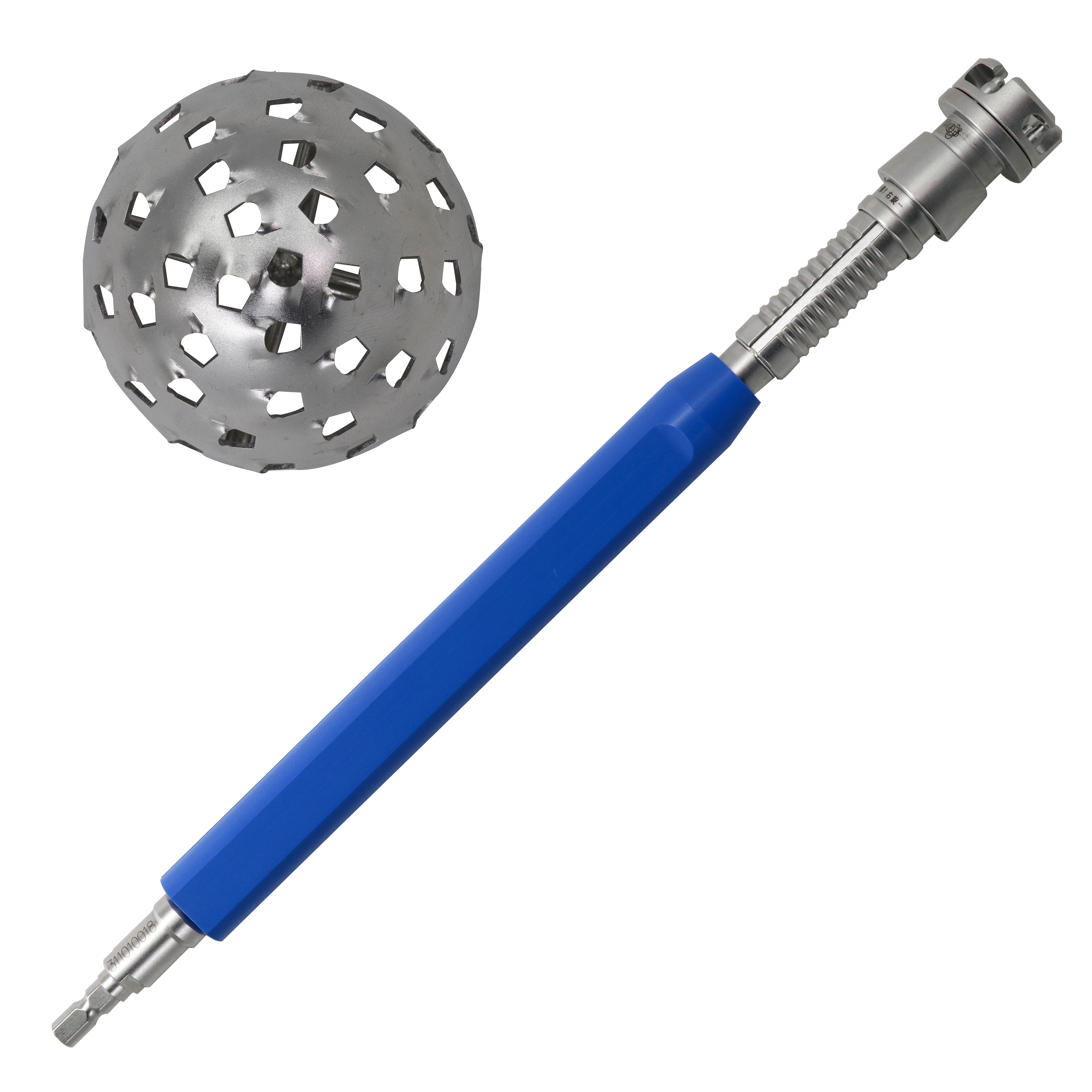
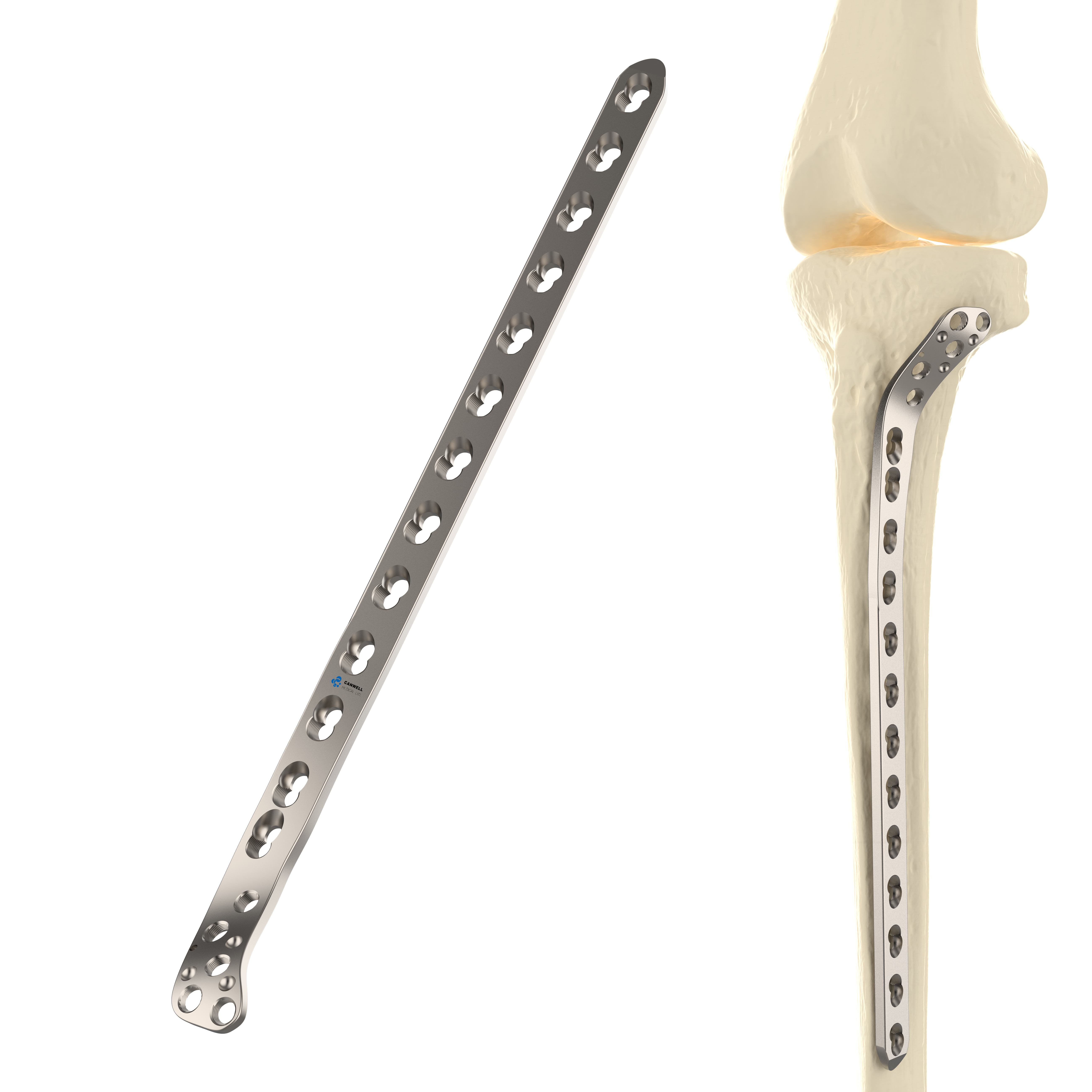
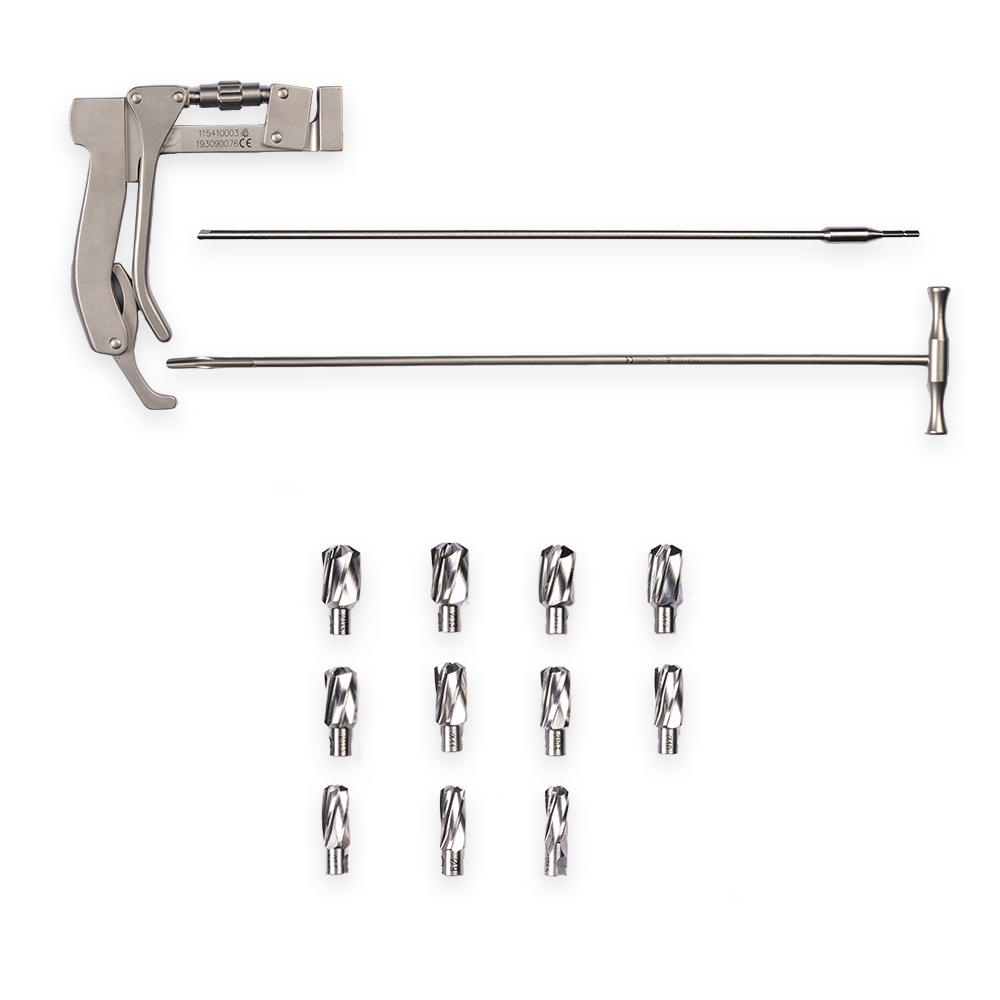
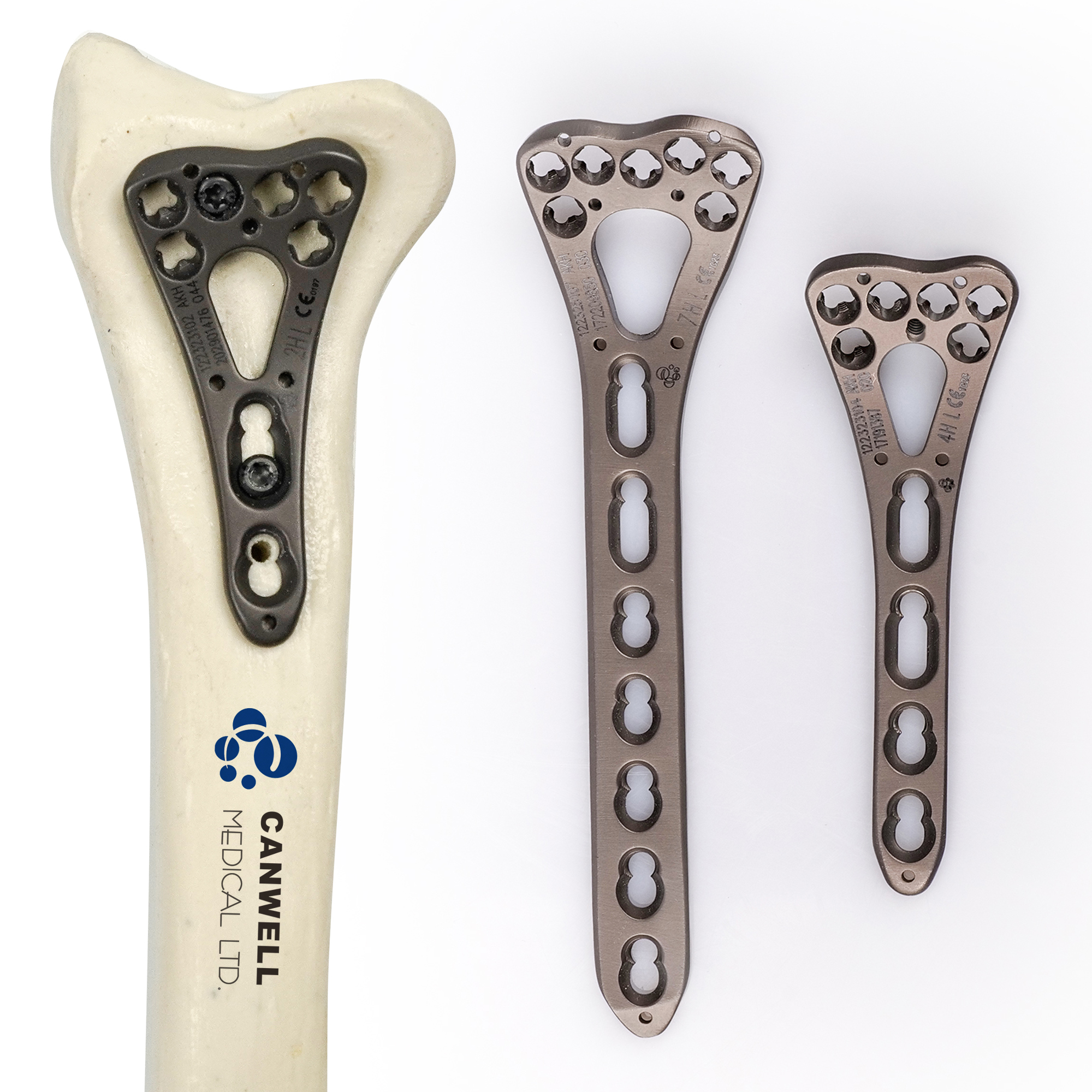
1. Engineering Integrity: Spinal Screws Architecture & Biomechanical Precision
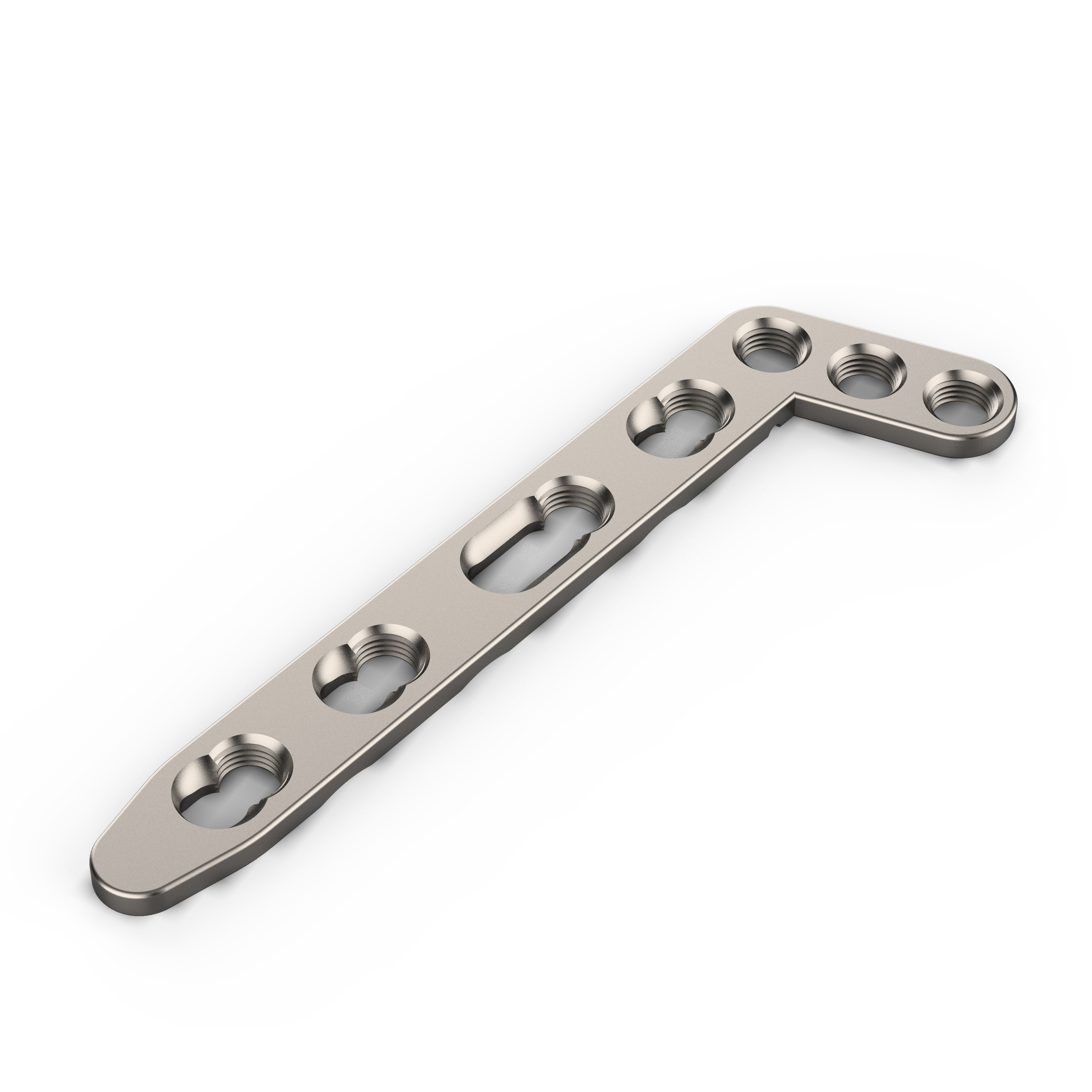
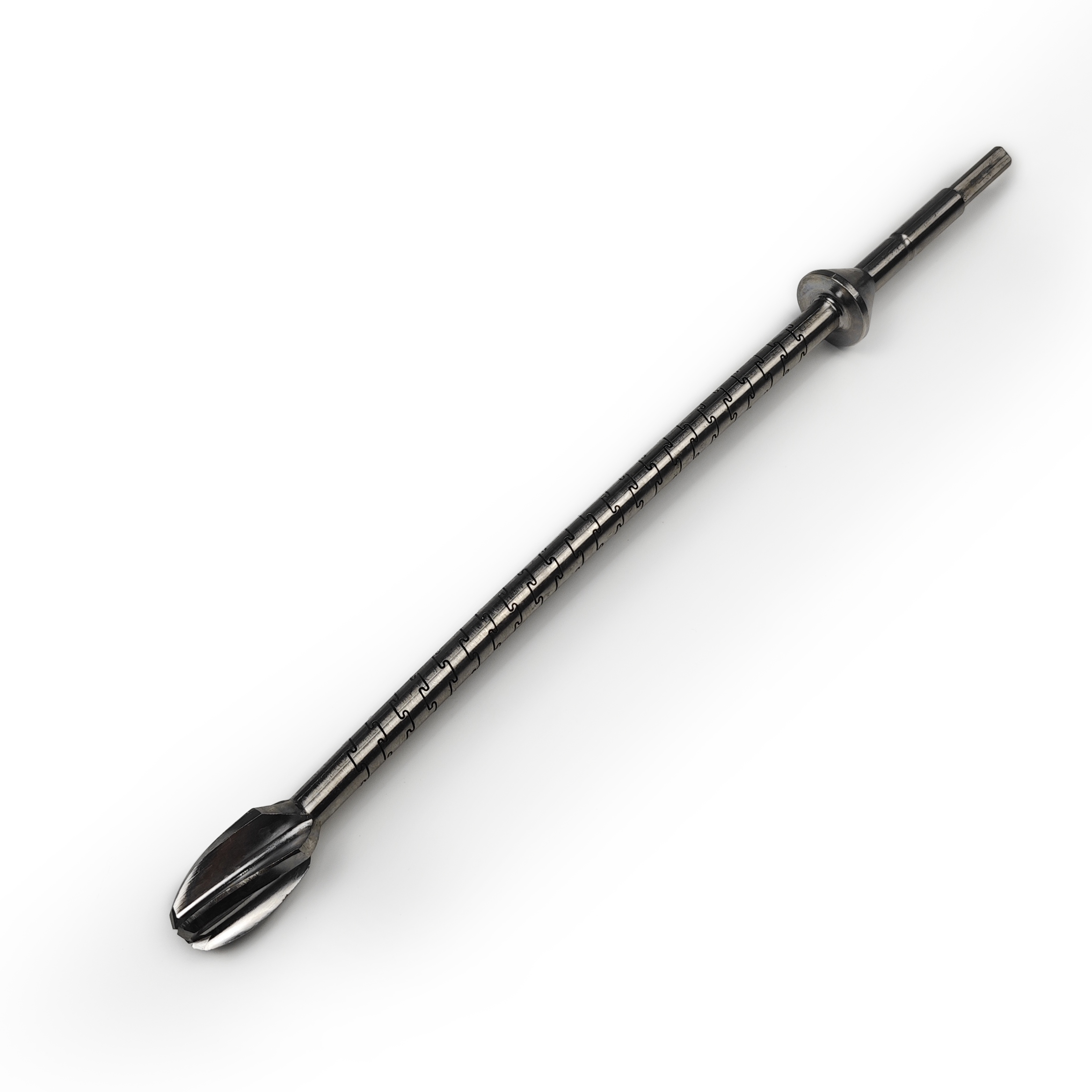
Modern posterior thoracolumbar and sacral arthrodesis demands pedicle screw stabilization systems that mitigate pull-out risk, safeguard neural elements, and integrate seamlessly with dynamic physiological loads. For medical centers and hospital networks operating in Tallinn and the Harju County region, clinical buyers prioritize implants machined from medical-grade Ti-6Al-4V ELI (ASTM F136 / ISO 5832-3) ensuring high biocompatibility and resistance to cyclical shear fatigue.
Our manufactured polyaxial and monoaxial pedicle screws integrate dual-lead threads engineered with differential pitch geometries. The distal cortical-cancellous transition allows for rapid surgical insertion while enhancing micro-anchorage in osteoporotic bone beds—a crucial requirement given Estonia's shifting demographic age structure. Conical core architectures optimize radial compression without compromising thread contact area, delivering exceptional torsional stability during cross-link rod assembly.
2. Clinical Application Scenarios Across the Tallinn Regional Healthcare Network
Specialist neurosurgical and trauma teams at tertiary hospitals such as the North Estonia Medical Centre (Põhja-Eesti Regionaalhaigla - PERH) and Tallinn Children's Hospital (Tallinna Lastehaigla) encounter high-complexity clinical scenarios where spinal screw tolerances dictate surgical outcomes:
- High-Impact Spinal Trauma & Vertebral Collapse: Stabilizing burst fractures resulting from seasonal vehicle collisions, industrial work, and winter sport injuries requiring robust long-arm reduction screws and minimally invasive surgery (MIS) delivery tracks.
- Degenerative Disc Disease & Spondylolisthesis: Multi-level lumbar reconstructions where monoaxial and polyaxial pedicle screws link with rigid 5.5mm/6.0mm titanium or cobalt-chromium rods to maintain lordotic alignment in conjunction with radiolucent interbody PEEK cages.
- Adult & Pediatric Deformity Correction: Severe scoliosis and kyphosis reconstructions necessitating extended fatigue-tested screw collars capable of withstanding acute cantilever rod reduction maneuvers without thread shearing.
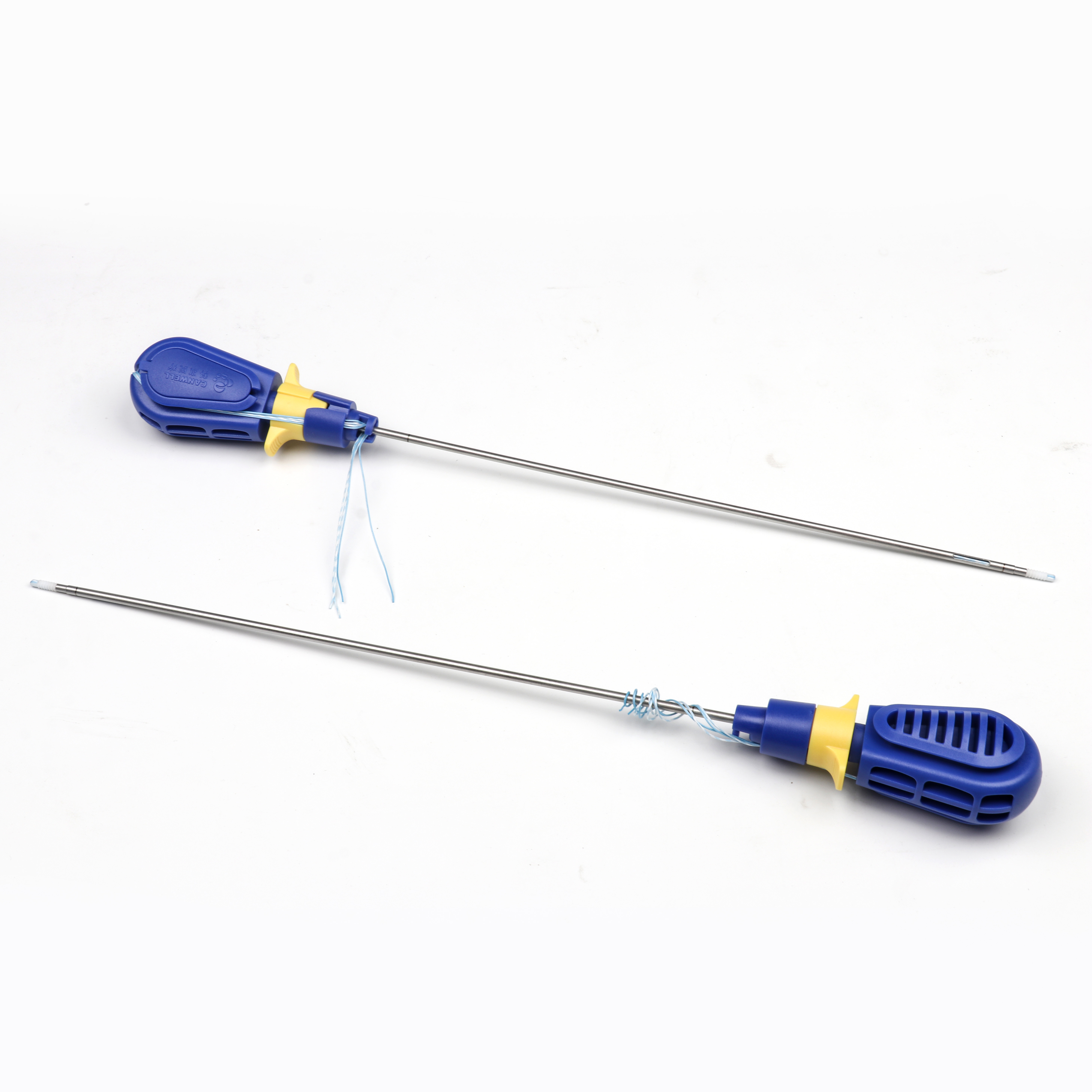
- Minimally Invasive Spine Surgery (MISS): Cannulated percutaneous screw assemblies configured for continuous fluoroscopic and navigation-guided insertion, minimizing soft-tissue disruption and expediting patient recovery periods.
3. Procurement Dynamics & Market Trends in Tallinn and Northern Europe
The Estonian medical device procurement ecosystem is characterized by rigid quality governance and digital operational models. Key market trends influencing hospital tenders include:
- Stringent Transition to EU MDR (Regulation 2017/745): Estonian healthcare procurement authorities require transparent technical documentation, Clinical Evaluation Reports (CER), and verified Notified Body oversight. Suppliers must offer comprehensive Declarations of Conformity and verifiable UDI (Unique Device Identification) tagging.
- Value-Based Procurement (VBP) Frameworks: Rather than prioritizing low cost, hospital buying groups assess total cost of care. This encompasses screw breakage incidence, ease of ergonomic screw insertion, instrumentation re-sterilization reliability, and inventory turnover efficiency.
- Direct OEM/ODM Partnership Demand: Major regional distributors in Tallinn increasingly collaborate directly with scaled manufacturing plants capable of private-label laser marking, bespoke anodized color-coding, and customized surgical tray configurations tailored to Nordic surgical preferences.
Strategic Differentiation
Technological Advantages for Spinal Surgery
State-of-the-art manufacturing standards delivering superior mechanical endurance and ergonomic handling for demanding orthopedic theaters.
High Fatigue Limit Metallurgy
Precision-machined from certified medical-grade titanium alloy Ti-6Al-4V ELI, tested through dynamic axial fatigue and torsion stress cycles exceeding 5,000,000 loading iterations without fracture or particulate shedding.
Anti-Cross-Threading Thread Design
Buttress thread configurations paired with self-tapping flutes ensure tactile screw engagement, reducing cross-threading events during fast-paced open and minimally invasive surgical installations.
Surface Passivation & Cleanliness
13-step production workflow including dual ultrasonic immersion cleansing, chemical micro-etching, and cleanroom packaging within an ISO Class 7 aseptic production facility.
Enterprise Scale
Direct Manufacturer Capabilities
Operating a complete production ecosystem from raw titanium rod cutting to validated cleanroom packaging.
29,523 m² Integrated Facility
Equipped with 5-axis CNC machining stations, longitudinal Swiss lathes, automated sandblasting, and Type II anodizing lines. No core processes are outsourced, ensuring absolute dimensional consistency.
Third-Party SGS Assessed
Production protocols, factory infrastructure, and quality control systems are independently verified onsite by SGS Group, with full compliance under ISO 13485:2016 and European Directives.
Comprehensive OEM/ODM Engineering
Customization services including specialized thread pitches, proprietary screw head geometries, private label branding, and customized hospital surgical trays with rapid sample turnarounds.
Procurement Intelligence
Frequently Asked Questions for Tallinn Buyers
Critical considerations for Estonian hospital procurement officers, distributors, and surgical coordinators.
Do your spinal screw systems carry certification for clinical use in Estonia?
Yes. Our implants and instruments comply with European regulatory mandates, carrying CE certification under EU MDR 2017/745 and Directive 93/42/EEC. Technical files, Declarations of Conformity, and ISO 13485:2016 quality management records are provided directly for local registration with the Estonian Health Board (Terviseamet).
What logistics frameworks are utilized for deliveries into Tallinn?
Shipments to Estonia are coordinated via express international air freight (reaching Tallinn Airport TLL within 4 to 7 working days) or multimodal sea freight via Muuga Port for bulk tender stocking orders. All shipments include complete EUR.1 documentation, commercial invoices, packing lists, and sterilization validation certificates.
Can you support custom instrumentation trays for specific surgical preferences?
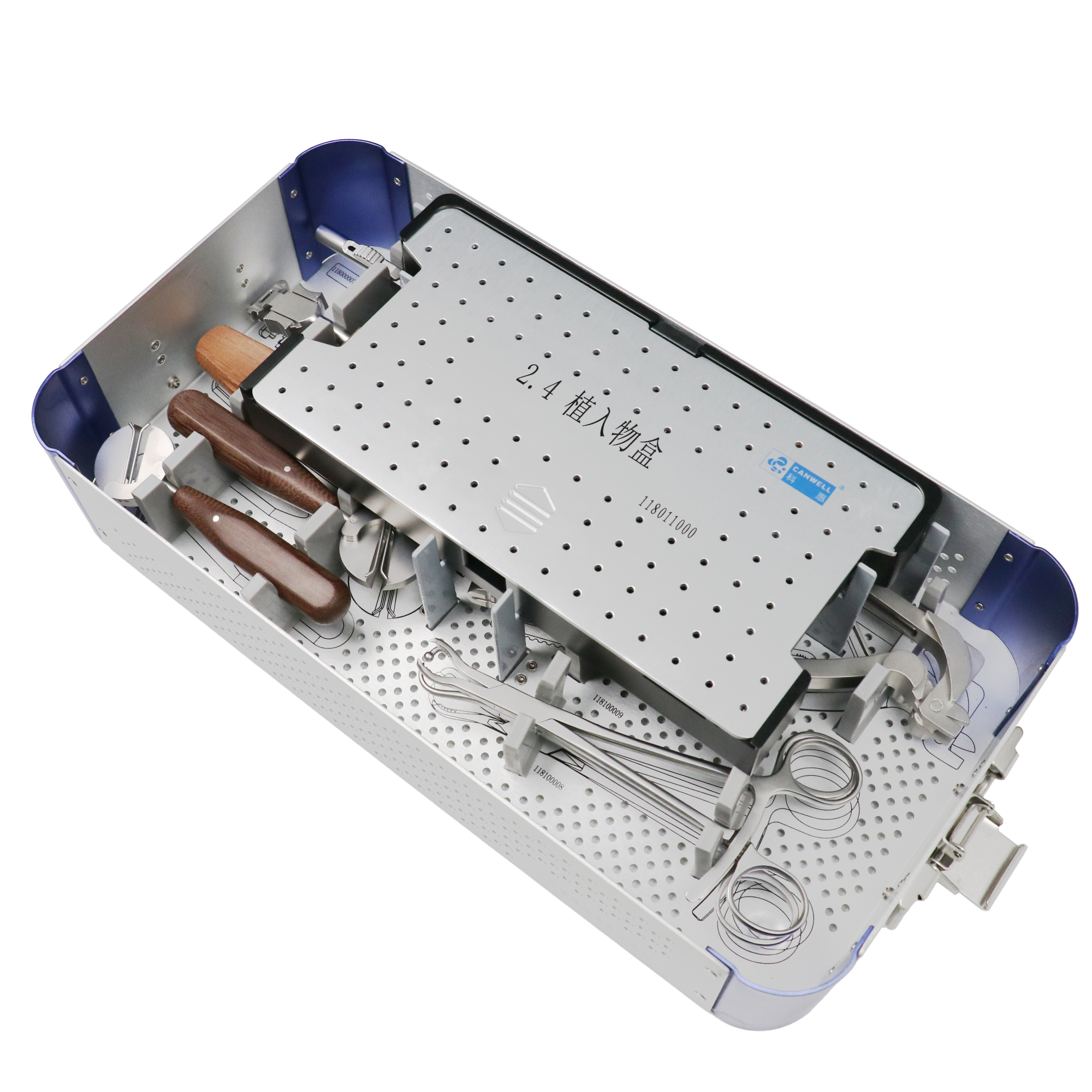
Yes. We support custom tray layouts for both polyaxial screw sets and trauma systems. Surgical instruments can be color-coded, laser-etched with institutional inventory codes, and arranged in customized autoclavable aluminum or PPSU sterilization cases compatible with standard Estonian hospital CSSD parameters.
How do you ensure batch-to-batch metallurgical and dimensional repeatability?
Raw bar stock undergoes spectroscopic chemical analysis and tensile verification before machining. In-process inspection uses coordinate measuring machines (CMM) and optical profile projectors. Surface integrity is tested through penetrant testing, while finished products undergo ultrasonic washing and 100% Outgoing Quality Control (OQC).
Partner with a Leading Spinal Screw Manufacturer
Whether you require tender-ready spinal stabilization systems, customized trauma plates, or direct OEM supply for the Tallinn market, our engineering and regulatory teams are ready to assist.
Send an Inquiry