22+
Years Manufacturing Heritage
29,523m²
SGS-Assessed Production Site
632+
Engineers & Machining Crew
100%
CE MDR & ISO Traceability
Precision Orthopedic & Fixation Portfolio
Export-certified medical hardware designed for structural spinal stabilization, complex trauma recovery, and advanced reconstructive orthopedic surgery.
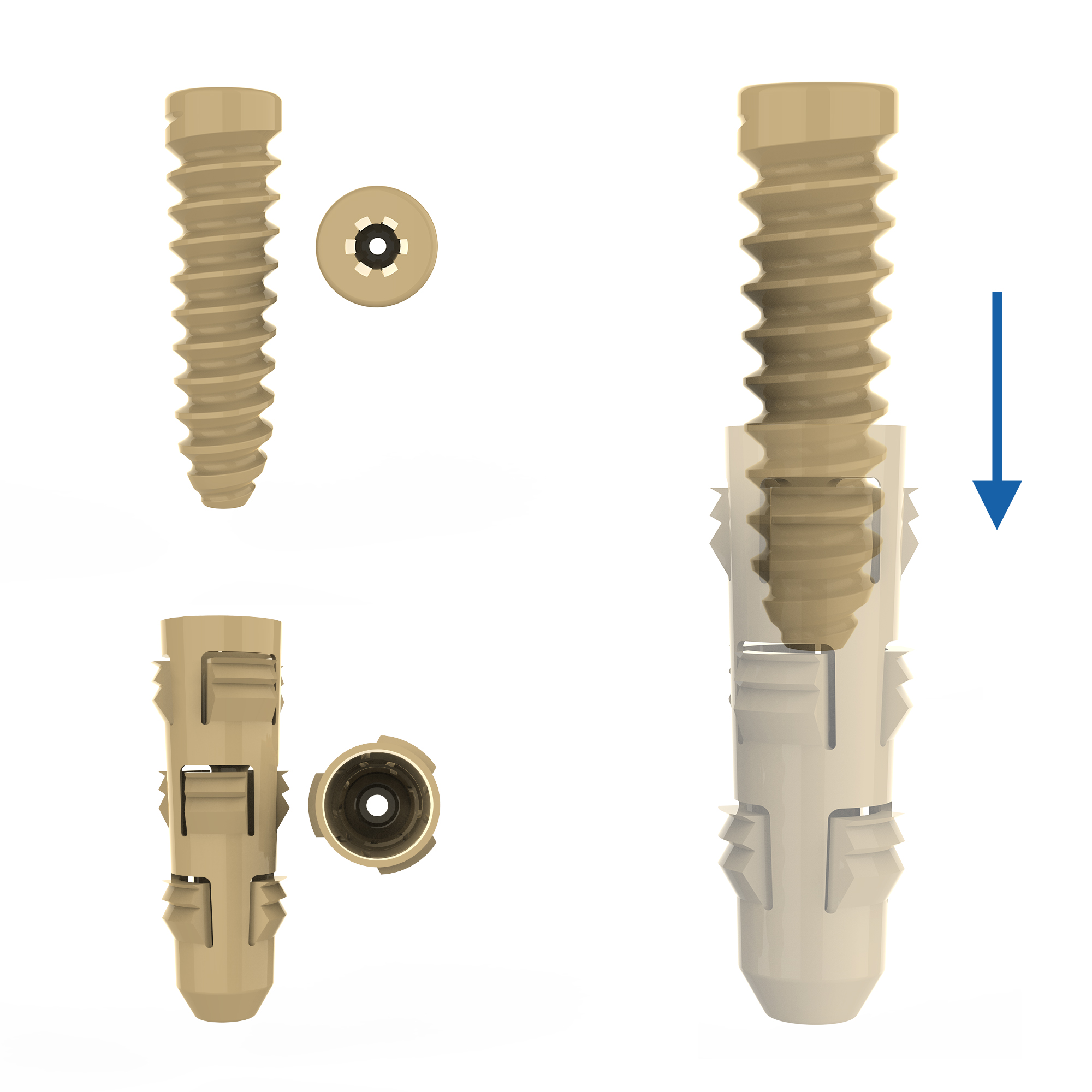
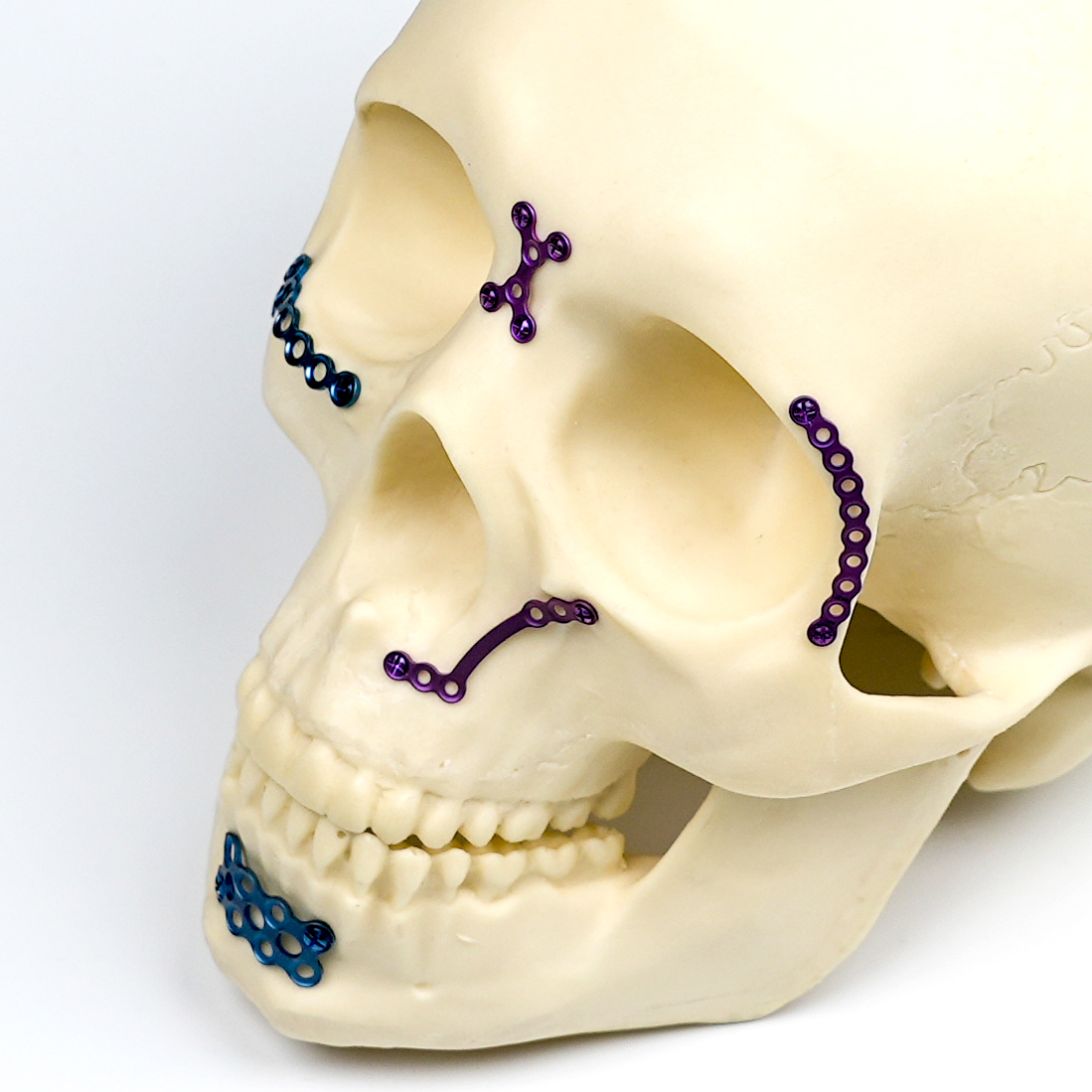
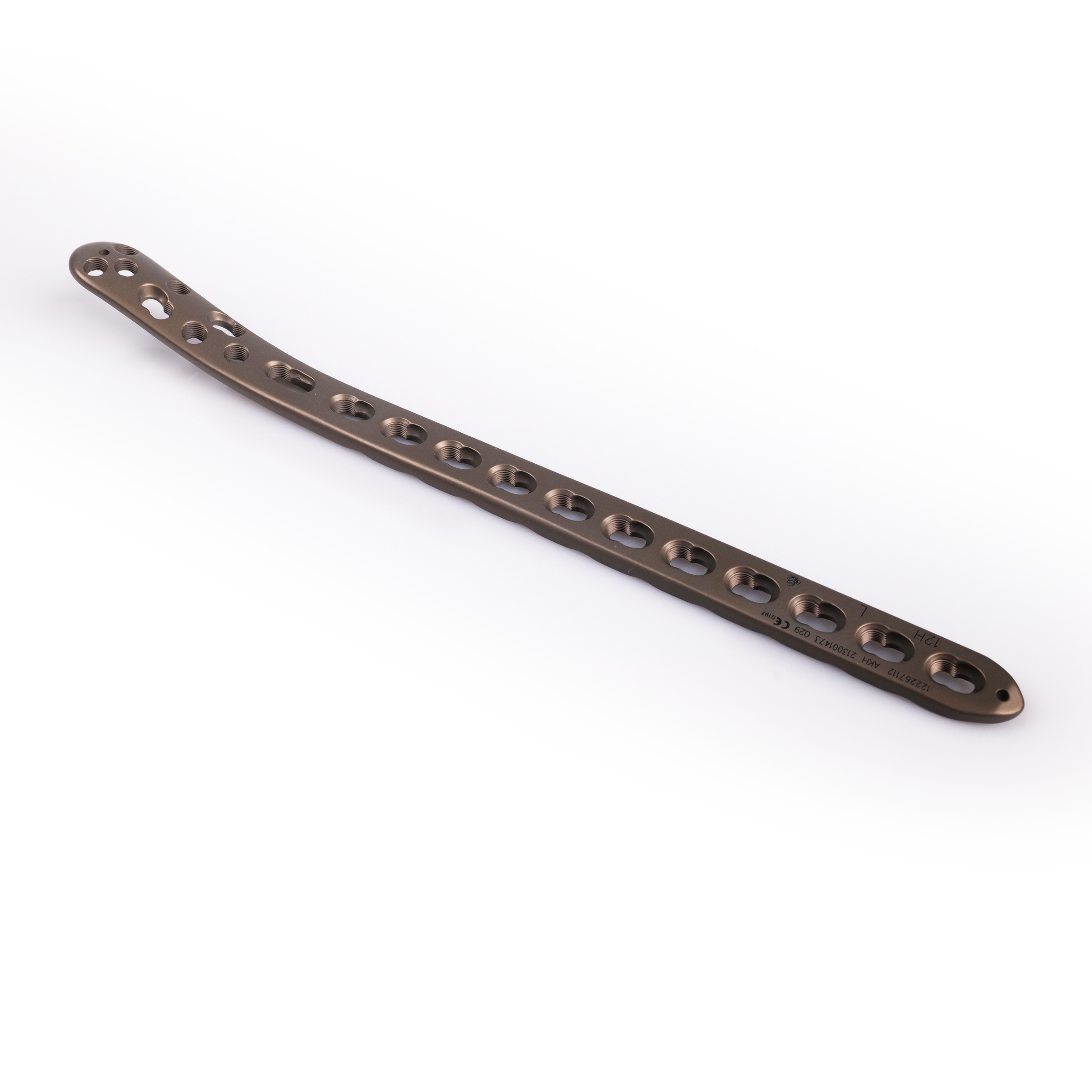
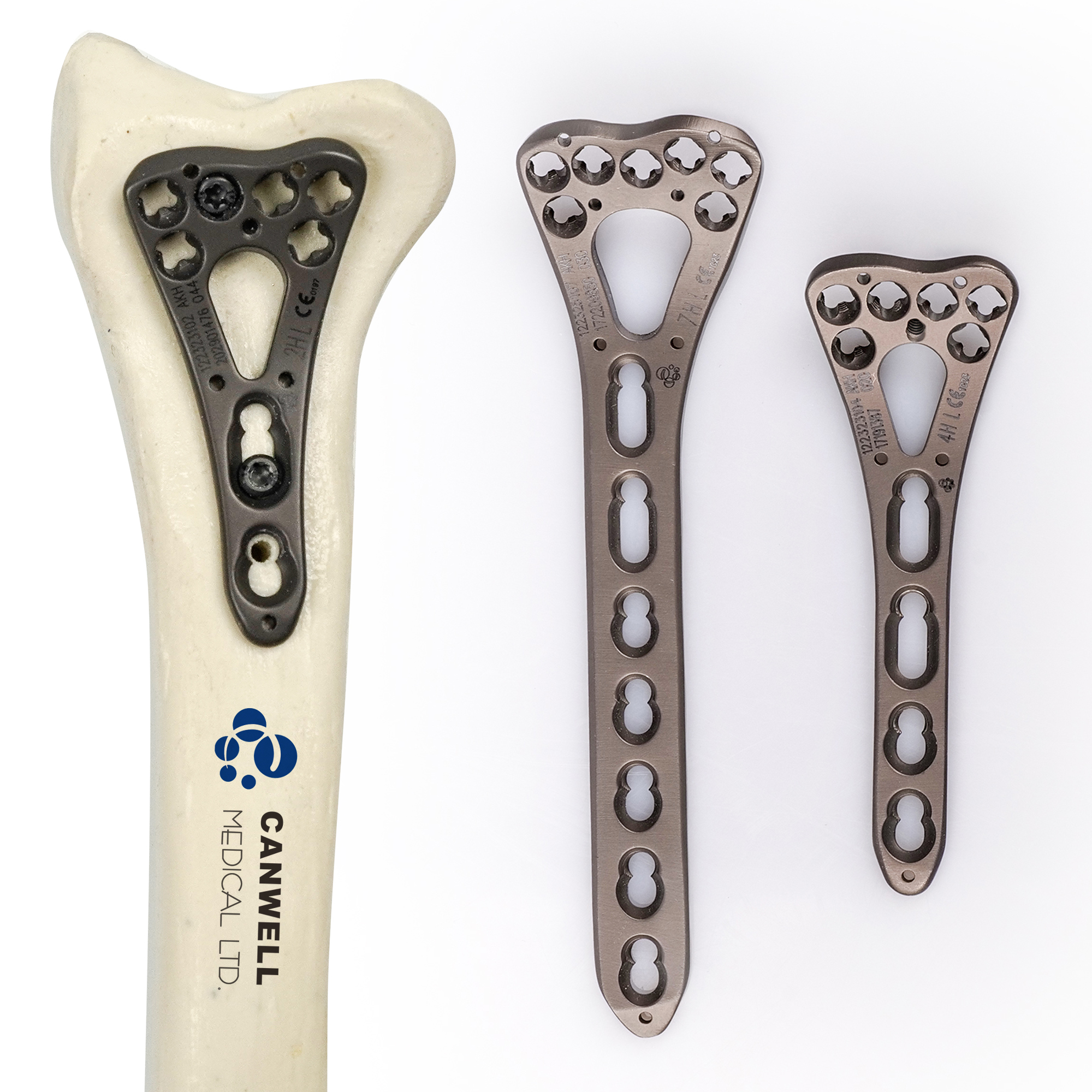
Whitepaper Insight: Clinical Demands on Spine Fixation within the Chilean Healthcare Ecosystem
The Chilean spinal surgery sector is characterized by a dual clinical paradigm: the FONASA (Fondo Nacional de Salud) public hospital network operating under strictly regulated AUGE/GES health guarantees, and the private ISAPRE network alongside mutual trauma hospitals (Mutual de Seguridad, ACHS). In both spheres, the prevalence of degenerative disc disorders, high-energy occupational trauma from mining and heavy industries in regions like Antofagasta, and osteoporotic vertebral compression fractures in an aging demographic across Santiago and Valparaíso have driven the requirement for reliable, structurally rigid posterior thoracolumbar and cervical fixation implants.
Chilean orthopedic and neurosurgical communities demand strict adherence to bio-mechanical standards: polyaxial pedicle screws must possess high fatigue resistance to cyclic axial pullout forces, and thread designs must afford immediate cortical purchase in compromised osteopenic bone. As an established spine fixation system manufacturer and global exporter, our implants undergo stringent bio-tribological assessments, penetrant testing, and CNC 5-axis precision lathe machining using certified medical-grade titanium alloy (Ti-6Al-4V ELI conforming to ASTM F136) and pure PEEK polymers (ASTM F2026).
State-of-the-Art Machining & Quality Engineering
At Zhejiang INAR Medical Co., Ltd., spine fixation systems are engineered to eliminate the intraoperative complexities faced by Chilean spine surgeons. Our long-arm minimally invasive (MIS) pedicle screws facilitate seamless rod introduction through percutaneous approaches, safeguarding paraspinal muscle integrity and significantly reducing post-operative hospitalization intervals.
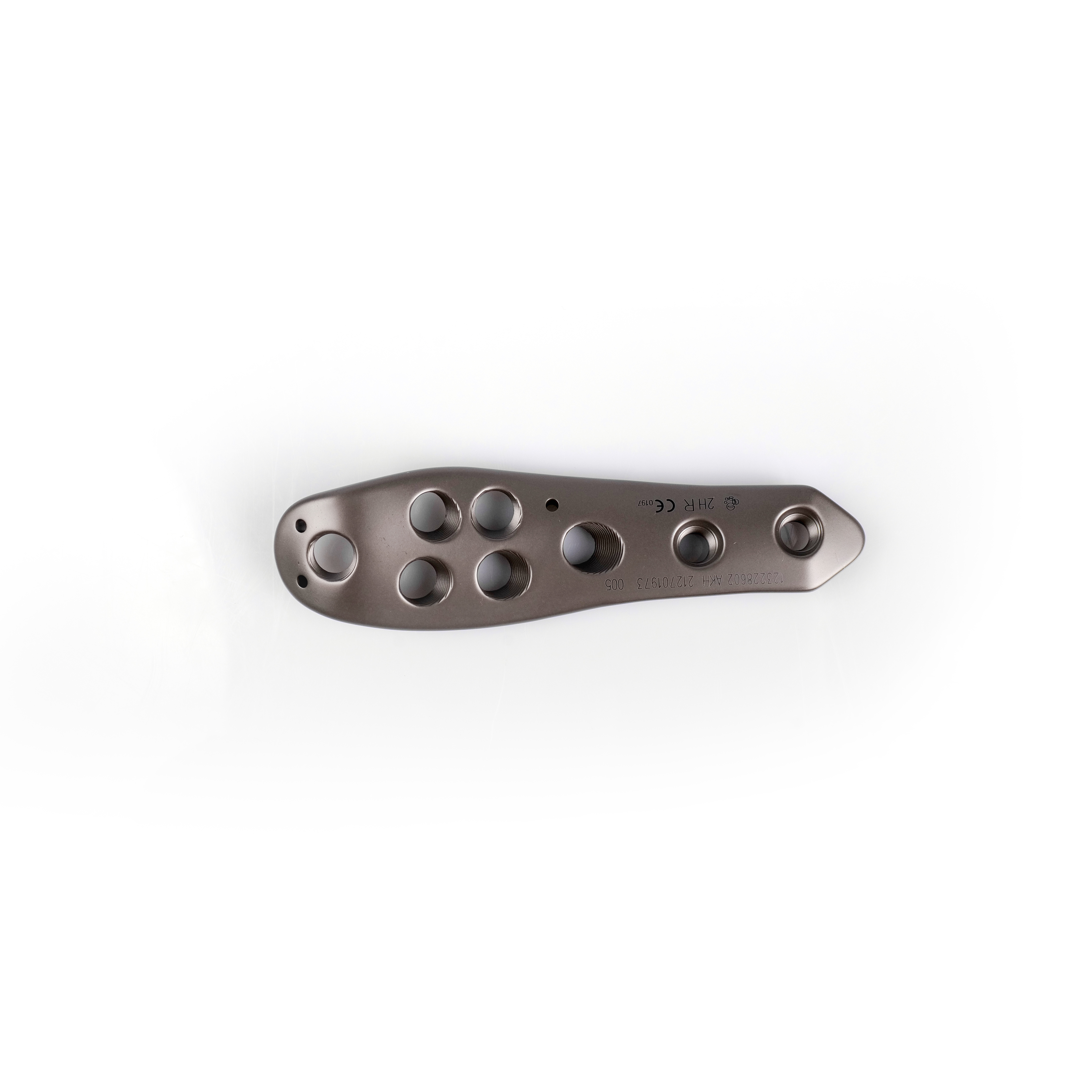
Every cervical plate, lumbar PEEK interbody cage, and polyaxial pedicle screw undergoes comprehensive coordinate measuring machine (CMM) dimensional inspection, multi-stage ultrasonic washing, and validated anodic oxidation color coding. This gives Chilean hospital networks, distributors, and sterile service central processing departments (RUMED) absolute batch consistency, zero particulate contamination, and intuitive intraoperative identification.
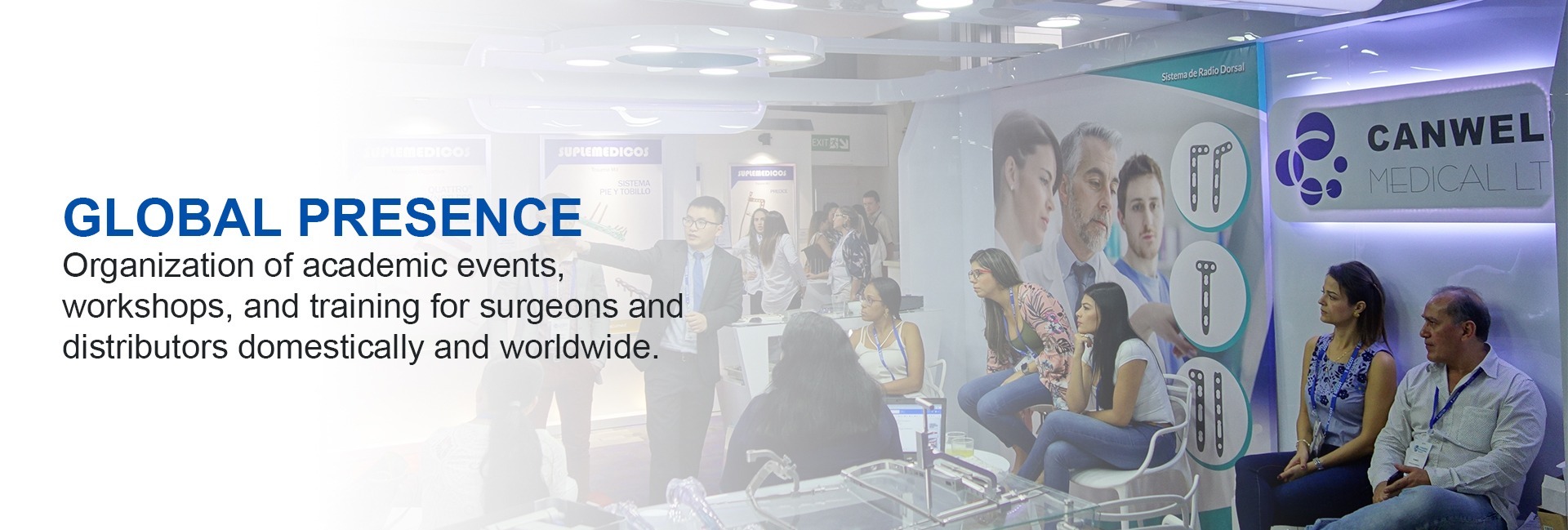
Localized Clinical Applications Across Chile
Customized spine fixation and reconstructive solutions engineered to address specific geographic, clinical, and industrial pathologies throughout Chilean medical centers.
Mining Trauma & High-Energy Thoracolumbar Fractures
The northern Chilean mining belt (Antofagasta, Calama, Copiapó) experiences burst fractures and rotational thoracolumbar instability resulting from heavy industrial and transport trauma.
- High-strength Grade 5 ELI Titanium rods (5.5mm & 6.0mm)
- Dual-lead thread design for rapid insertion in emergency poly-trauma
- Monoaxial and reduction screw options for mechanical realignment
Geriatric Degenerative Disc Disease & Spondylolisthesis
Addressed predominantly in metropolitan hubs (Santiago, Valparaíso, Concepción) where an aging populace presents osteopenic lumbar degeneration requiring fusion.
- Radio-translucent PEEK lumbar cages with titanium radiopaque markers
- Cannulated cement-injectable fenestrated pedicle screws
- Optimized biconvex footprints to prevent cage subsidence
Minimally Invasive Spine Surgery (MISS) in Private Clinics
Private clinical consortiums (Clínica Las Condes, Clínica Alemana, RedSalud) demand surgical efficiency, minimal soft-tissue damage, and brief rehabilitation times.
- Extended breakout sleeve (long-arm) screws for percutaneous passage
- Low-profile screw heads minimizing facet joint impingement
- Torque-limiting hexagonal and torx screwdrivers ensuring exact clamp load
Trends Shaping Chilean Spinal & Orthopedic Procurement
Key economic and regulatory dynamics influencing hospital tenders and medical supply chains in the Republic of Chile.
ISP (Instituto de Salud Pública) Regulatory Scrutiny
Chile's regulatory agency, the ISP, is intensifying oversight on surgical implants. Importers and local distributors require full verification under ISO 13485:2016 and internationally accepted CE marks (EU MDR 2017/745).
- Comprehensive Device Master Records (DMR) for expeditious clearance
- Certified biocompatibility dossiers (ISO 10993) on all raw alloys
- Fully compliant Spanish language technical datasheets & labeling
Expansion of Mercado Público & CENABAST Central Purchasing
The centralized purchasing model under CENABAST is streamlining acquisitions, compelling public hospitals to source cost-efficient implants without compromising surgical safety.
- Competitive factory-direct pricing for Chilean distributors
- High-capacity bulk manufacturing delivering predictable container lead times
- Complete surgical instrument sets matching implant specifications
Demand for Modular System Integration
Chilean surgical units prioritize cross-compatible sets. Instrument trays must transition smoothly between open and percutaneous procedures without redundant instrumentation.
- Universal quick-coupling ratcheting handles and precision taps
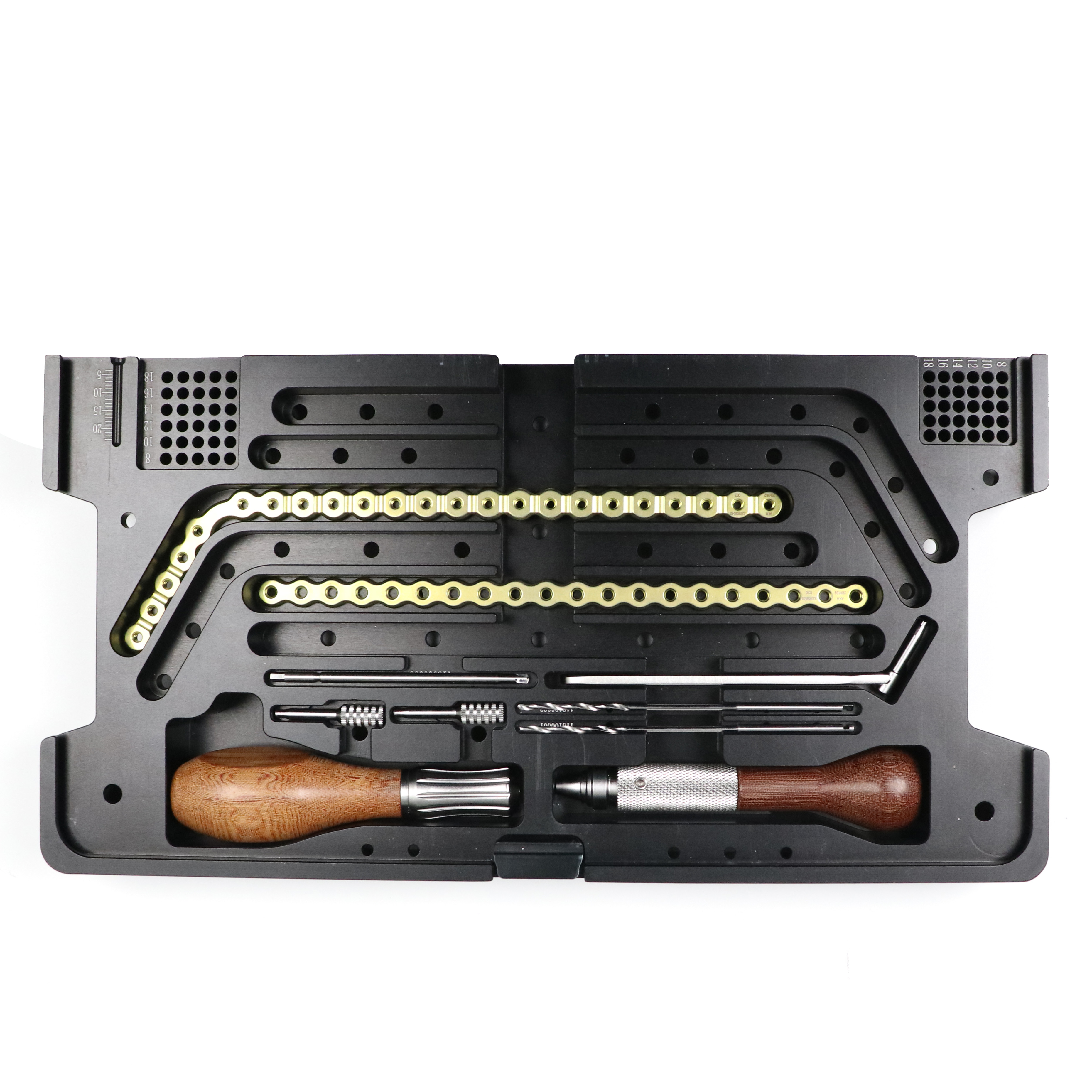
- Lightweight hard-anodized autoclavable aluminum sterilization trays
- Standardized hexagonal drive profiles minimizing operating room error
Why Partner with INAR Medical for Chile Supply
Backed by over two decades of engineering excellence, an SGS onsite-audited industrial base, and integrated surgical device customization.
Operating out of a modern 29,523 m² facility with 632 dedicated personnel, Zhejiang INAR Medical Co., Ltd. is not merely a broker, but an integrated manufacturer and exporter. Our precision workshop incorporates world-class longitudinal cutting lathes, multi-axis high-speed CNC machining centers, proprietary sand-blasting lines, and cleanroom packaging facilities that fulfill the rigorous parameters demanded by Chilean health authorities. Over the past 13 years of active global exportation, we have assisted dozens of orthopedic distributors across South America to successfully capture public tenders and establish dominant market presence.
SGS Onsite Audited
Verified manufacturing floor, equipment maintenance schedules, and quality assurance workflows authenticated through global audit leaders.
CE MDR & ISO 13485
Certified Class IIb and Class III surgical implant compliance, ensuring immediate acceptability for Chilean import permits and clinical validation.
End-to-End OEM/ODM
Custom laser marking, custom plate contouring, private branding, and dedicated container allocations tailored to your brand's specifications.
In-House Mechanical Lab
Dynamic axial fatigue, torsion, pull-out, and packaging aging testing conducted internally to assure consistent intraoperative integrity.
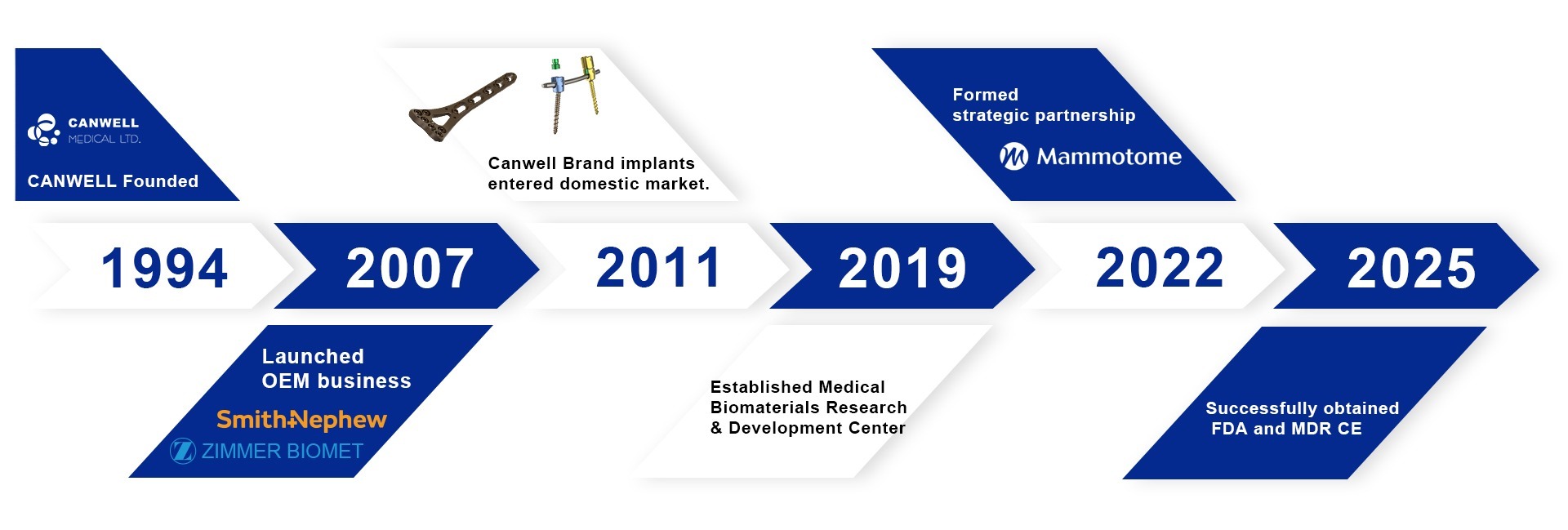
Traceable 13-Stage Production Cycle
From the initial spectrometry validation of incoming raw titanium alloy bar stock down to longitudinal cutting, 5-axis CNC machining, ultrasonic cleaning stages, non-destructive penetrant surface defect testing, and final aseptic packaging, nothing in our production stream is delegated to unverified subcontractors.
This level of vertical manufacturing control gives Chilean biomedical engineers and surgical teams peace of mind regarding dimensional tolerances, biocompatibility, and structural stability during high-stress spinal correction and fusion maneuvers.
Frequently Asked Questions by Chilean Importers & Procurement Teams
Direct answers addressing technical standards, ISP regulatory documentation, logistical routing, and minimum order requirements.
What documentation is provided to clear Chilean ISP (Instituto de Salud Pública) customs inspection?
We supply complete technical dossiers including ISO 13485:2016 quality management certificates, CE Declarations of Conformity under EU MDR / 93/42/EEC directives, material composition certifications (mill test certificates according to ASTM F136 / ASTM F2026), mechanical endurance and static testing reports, and sterilization validation protocols. All documents are available with international apostille or notarization where requested.
Can INAR Medical supply complete spine fixation surgical instrument kits for Chilean hospitals?
Yes. We provide complete, matching spinal instrument sets crafted from medical-grade surgical stainless steel and aircraft-grade aluminum. Sets include polyaxial and monoaxial screwdrivers, counter-torques, rod benders, reduction persuaders, probe sounders, tap handles, and dedicated multi-tier autoclavable sterilization trays configured specifically for Chilean central sterile supply departments (CSSD/RUMED).
What is the typical shipping transit time and logistical procedure for Chile?
We maintain established shipping channels to Chilean destinations. Air freight shipments directed to Santiago (Arturo Merino Benítez International Airport - SCL) generally arrive within 5 to 8 business days for urgent trial sets or hospital replenishment orders. Ocean container shipments destined for the ports of San Antonio or Valparaíso typically have a sailing schedule of 28 to 35 days, protected in humidity-resistant export crating.
Do you accommodate private label (OEM) branding and customized packaging for Chilean medical brands?
Yes. Our OEM/ODM program accommodates customized fiber-laser etching on implants (including customized logos, lot numbers, and GS1-compliant DataMatrix barcodes), custom anodized color schemes to match your system aesthetics, and localized sterile pouch packaging printed with Spanish instructions and regulatory distribution details.
How does INAR ensure implant safety and fatigue strength in high-load spinal corrections?
Every batch of our pedicle screws and fixation rods undergoes dynamic axial fatigue and cyclical failure testing exceeding ASTM F1717 guidelines. Screws undergo non-destructive fluorescent penetrant inspection to confirm zero micro-cracks or surface imperfections, ensuring they easily endure physiological spinal loads during post-operative arthrodesis.