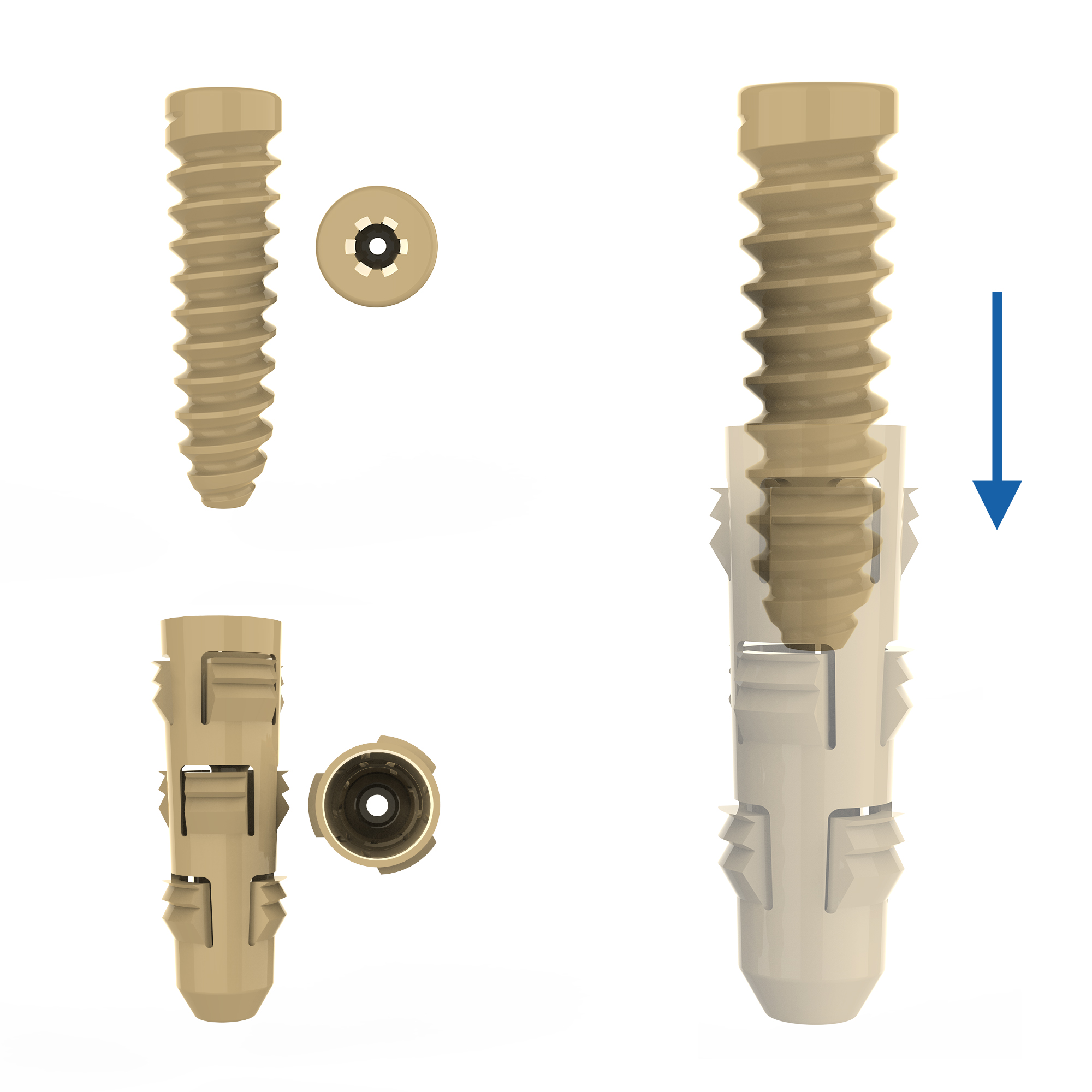
Biomaterial Reconstruction
Evaluated according to international biomechanical criteria and precision-fabricated for multi-segment arthrodesis, endoscopic spine stabilization, and complementary trauma interventions.
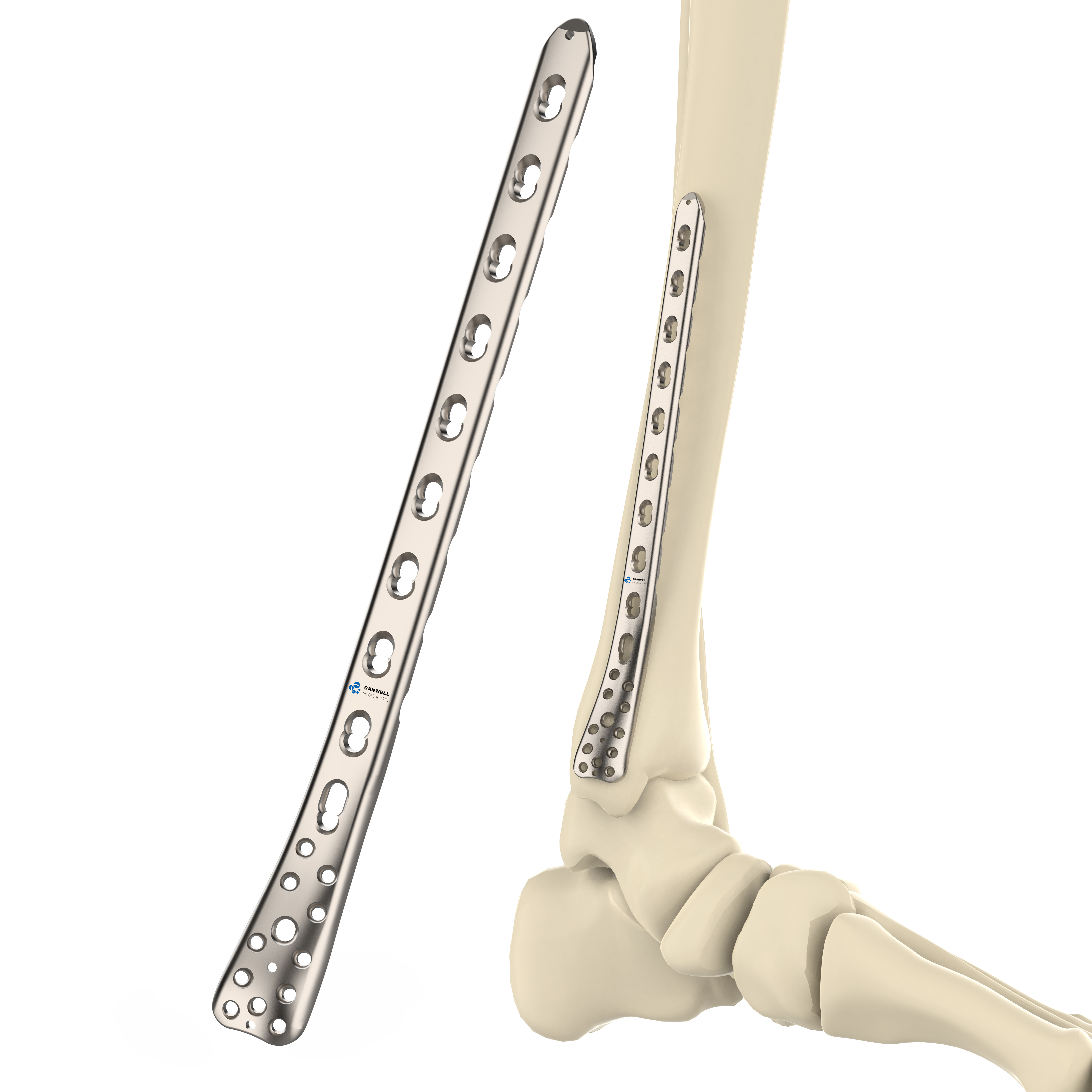
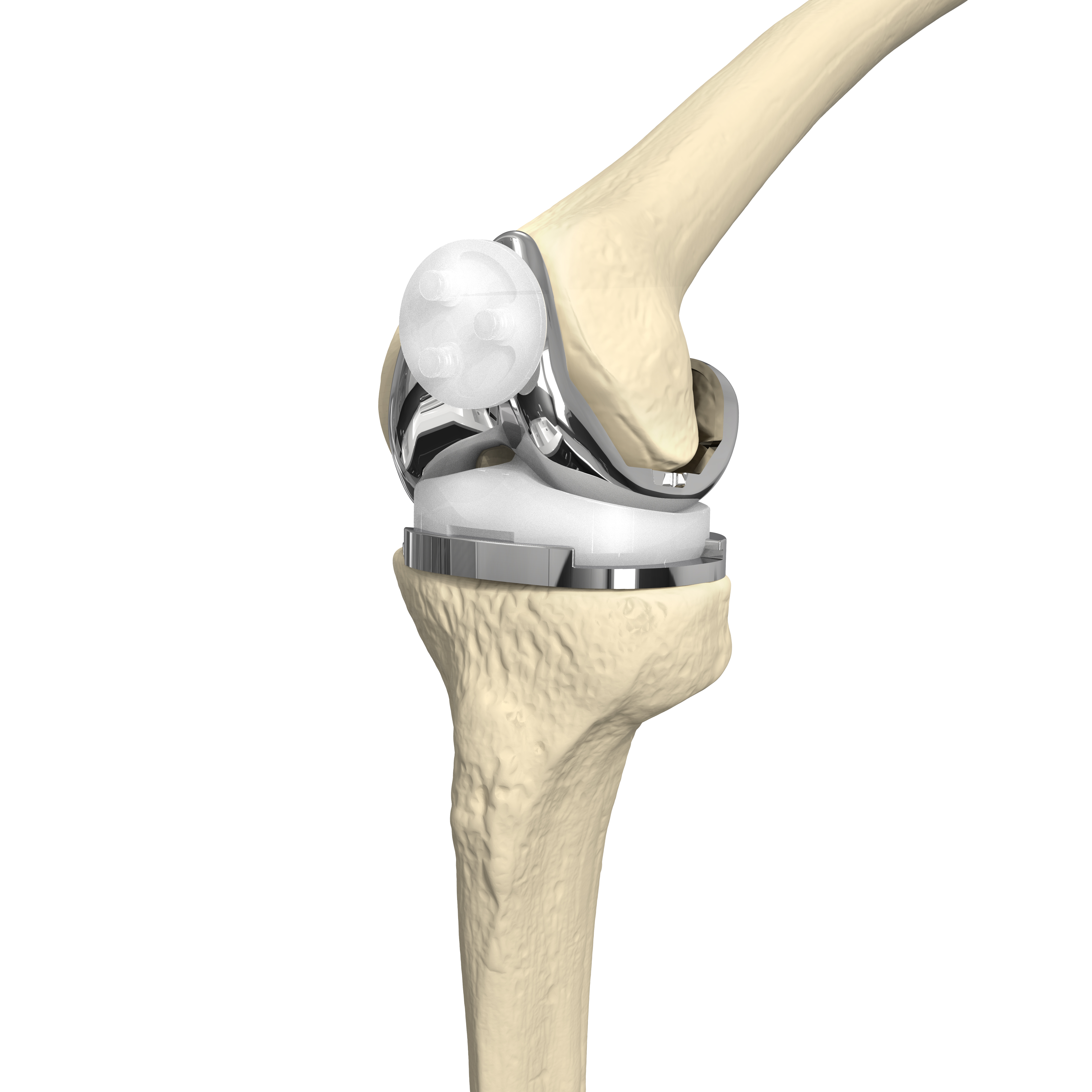
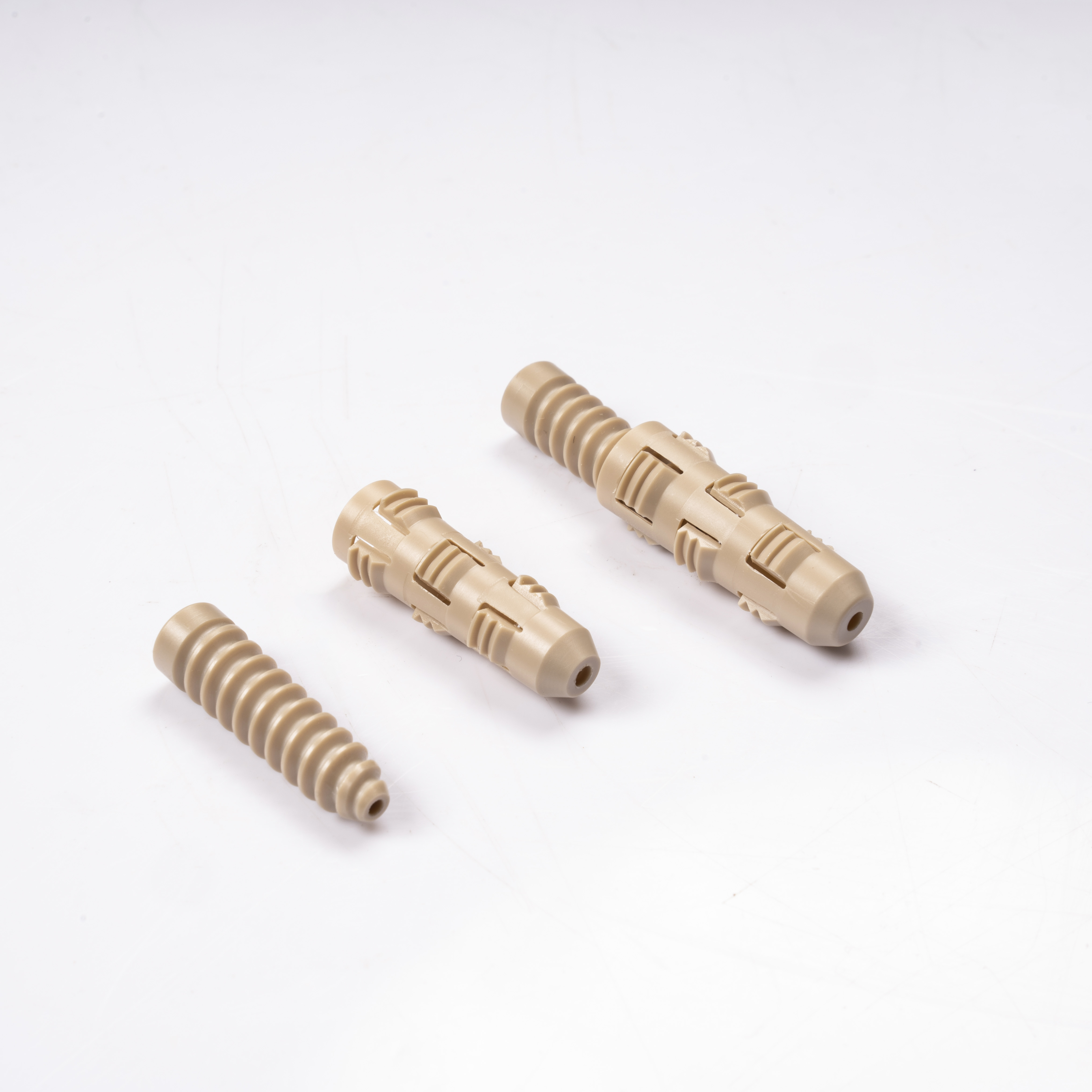
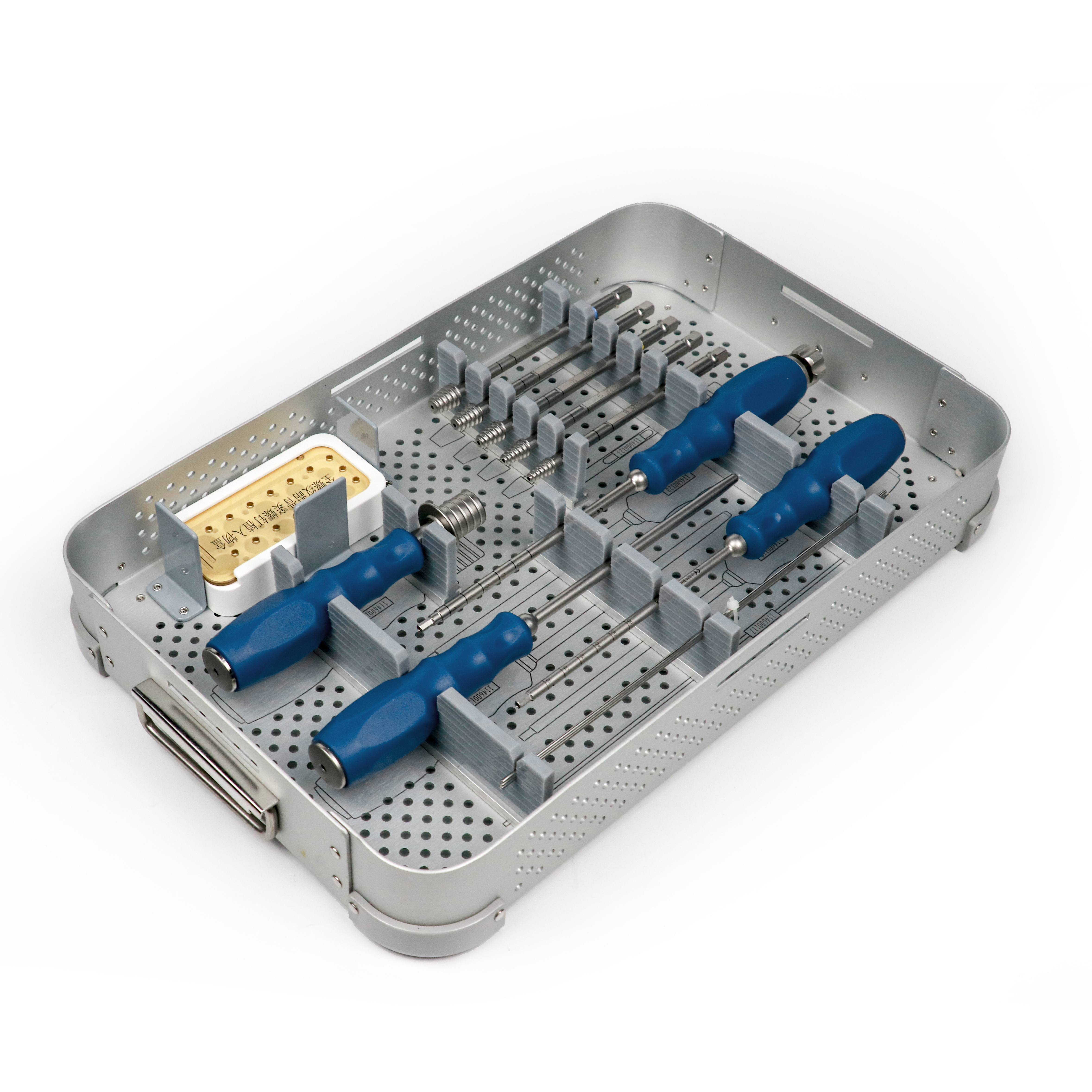
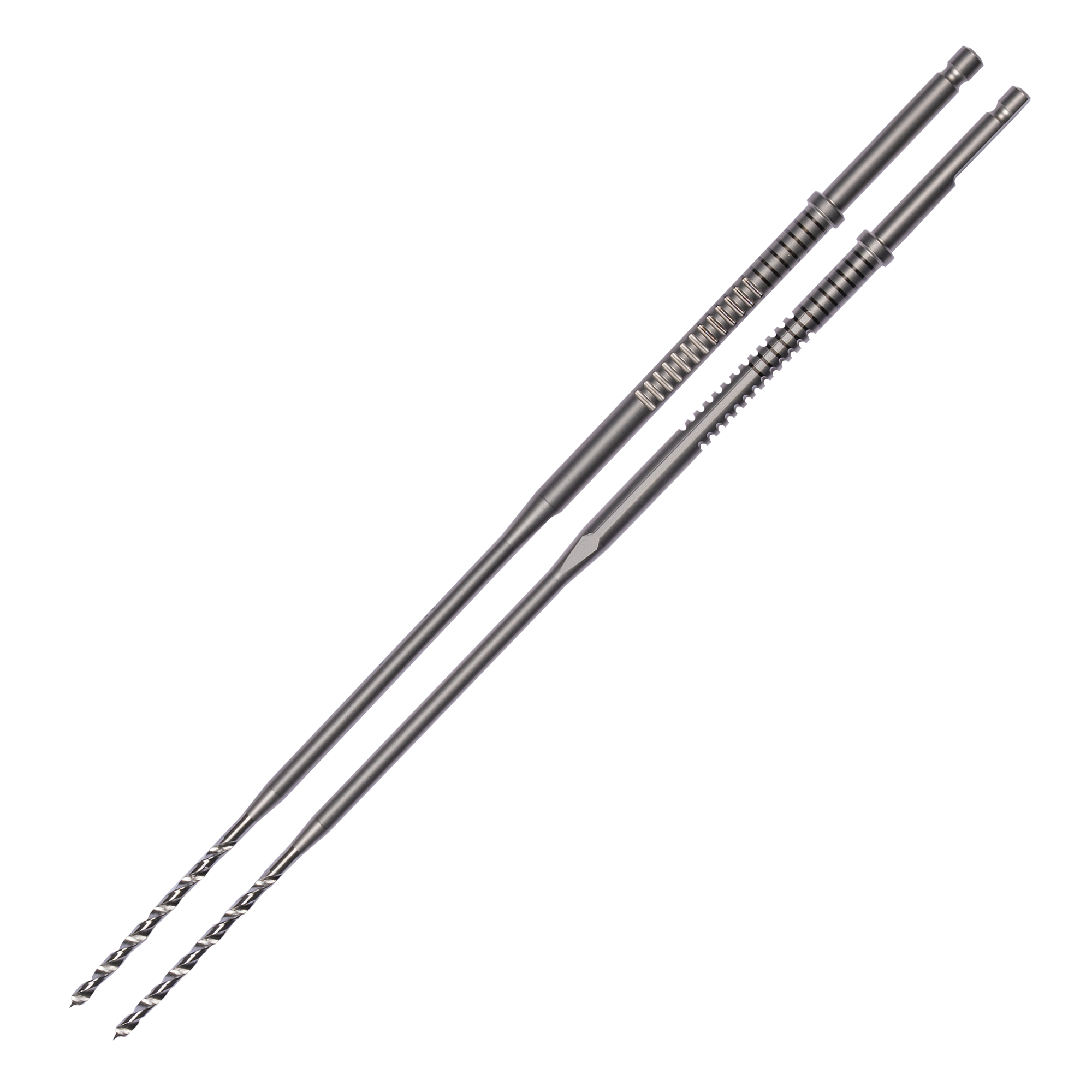
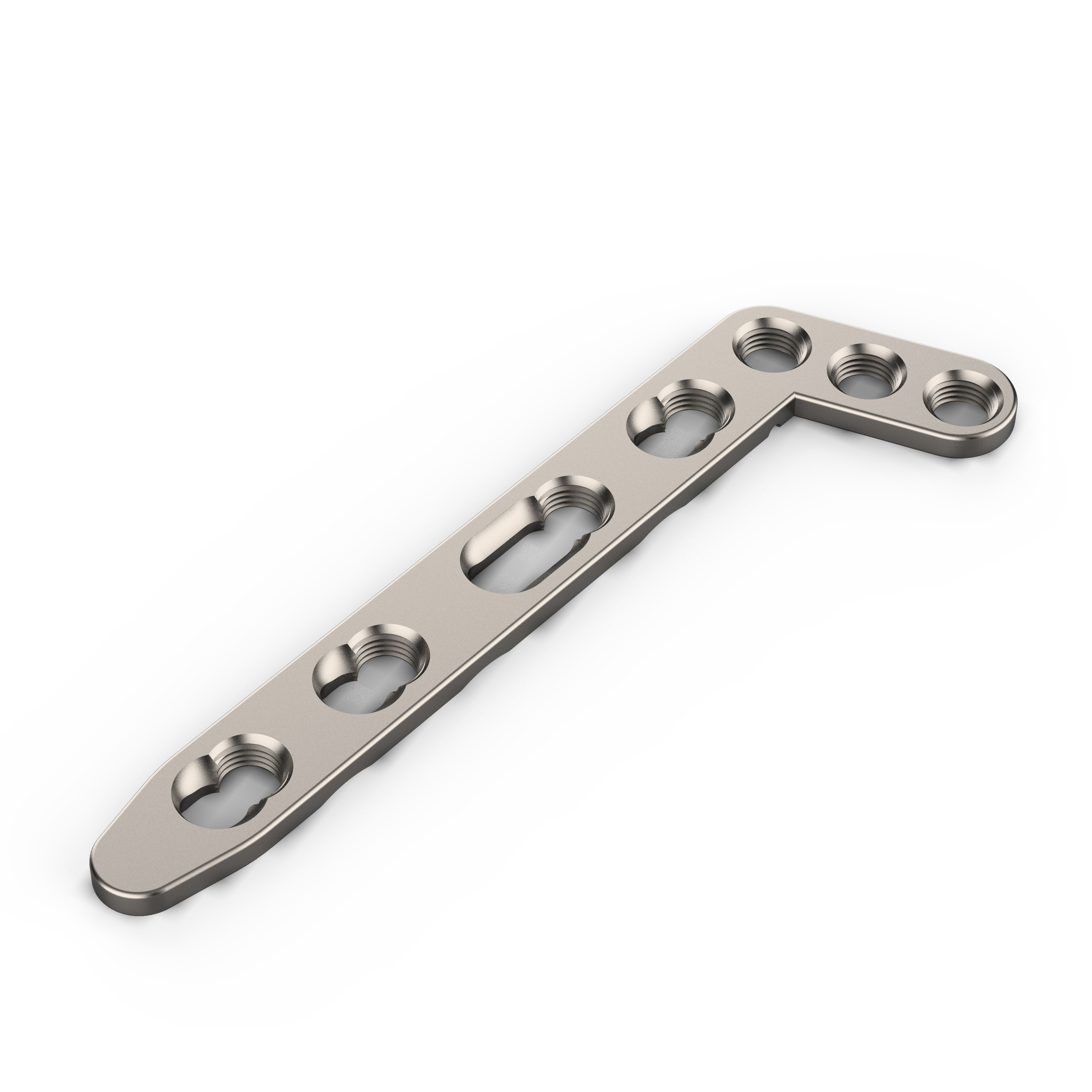
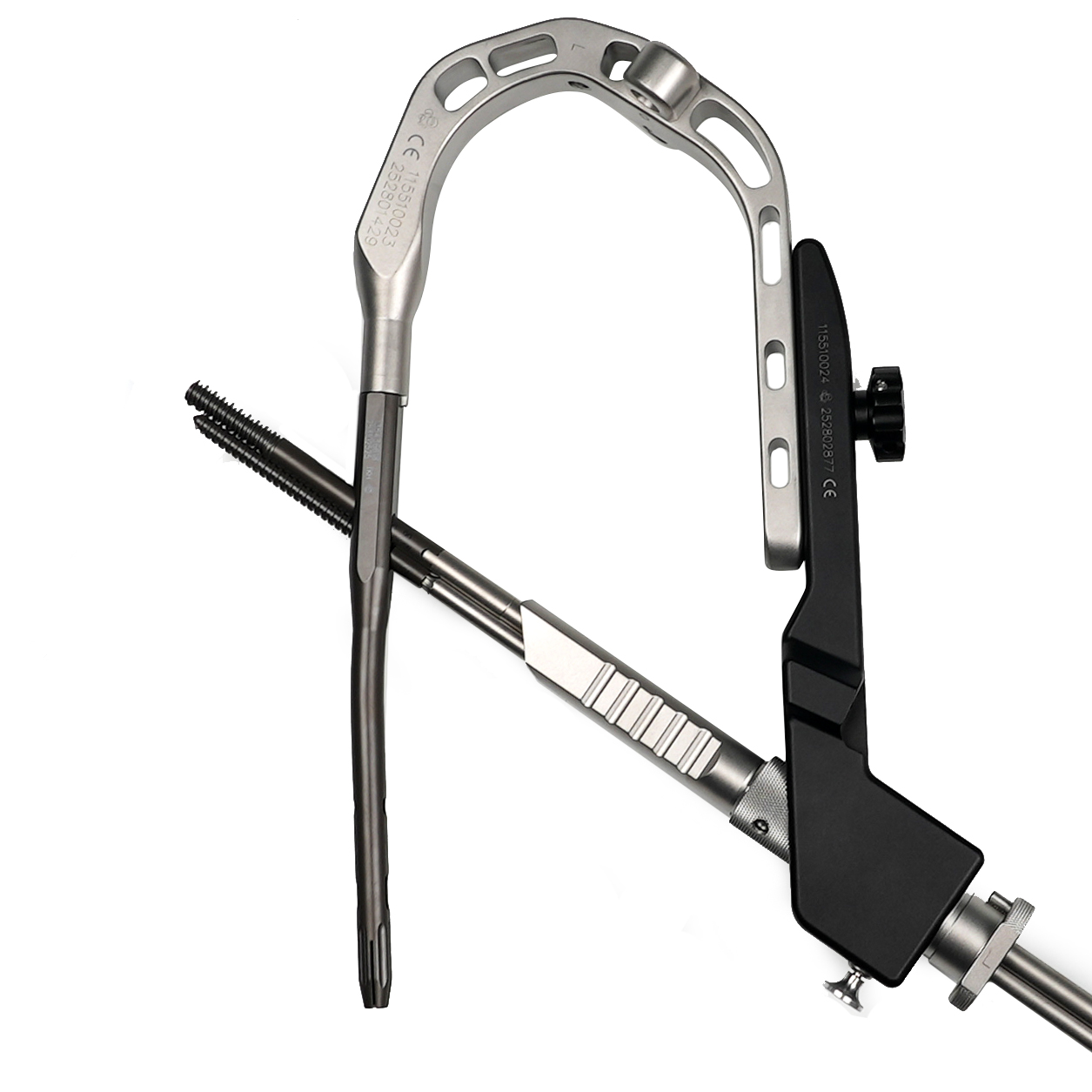
Zhejiang INAR Medical Co., Ltd. combines more than 22 years of continuous technical innovation with an audited physical infrastructure capable of handling high-volume hospital tenders and specialized private label requirements.
South Korea’s capital metropolitan district represents one of the most technologically advanced clinical territories in the Asia-Pacific basin. Operating at the intersection of minimally invasive surgery (MIS), bi-portal endoscopic spinal surgery (BESS), and rapid demographic aging, spine implant suppliers must deliver micron-level tolerance, zero-tolerance bio-compatibility, and seamless imaging compatibility.
Seoul’s leading centers (such as Severance Hospital, Asan Medical Center, and Samsung Medical Center) are international pioneers in bi-portal endoscopic decompression and fusion. INAR manufactures low-profile pedicle screw tulip geometries, friction-fit cannulated screws, and narrow-aperture PEEK interbody spacers engineered specifically to navigate narrow operating tubes without soft-tissue snagging or lateral muscle disruption.
Seoul’s demographic progression has accelerated the incidence of degenerative disc disease, osteoporotic kyphosis, and spinal canal stenosis in geriatric patients. INAR's medical-grade PEEK interbody fusion cages provide an elastic modulus (3.6 GPa) closely mirroring human cancellous bone, significantly reducing cage subsidence and stress-shielding risks in elderly Korean patients with osteopenic vertebrae.
Seoul orthopedic theaters routinely leverage hybrid robotic platforms and intraoperative computed tomography. INAR pedicle screws feature medical-grade Ti-6Al-4V ELI composition with specialized surface finishing that minimizes artifact flare under fluoroscopy and high-resolution cone-beam CT, enabling real-time navigation software to verify trajectory depth without scattering interference.

Supplying spine implants into Gangnam-gu, Songpa-gu, or Jongno-gu hospital corridors requires seamless adherence to South Korea's stringent MFDS Class IV implant criteria. INAR's production documentation framework integrates complete raw material melt chemical reports, certified ISO 10993 cytotoxicity and hemocompatibility profiles, dynamic axial fatigue assessments up to 5,000,000 cycles, and comprehensive UDI (Unique Device Identification) barcoding compatible with the Korean Medical Device Information Portal (NIDS).
Get a QuoteFrom high-volume tertiary university general hospitals to dedicated specialized spine clinics in Gangnam and Seocho, implant designs must adapt to specific surgical disciplines.
Specialized Seoul spine hospitals require pre-lordosed cervical PEEK spacers that ensure immediate primary stabilization with integrated tantalum radio-markers for postoperative radiographic assessment.
In university emergency trauma centers managing polytrauma or acute unstable vertebral burst fractures, percutaneous long-arm reduction pedicle screws allow safe reduction through split-muscle percutaneous stab incisions.
Tertiary academic hospitals treating progressive degenerative scoliosis require robust multi-segment co-polymer Ti rods and multi-axial reduction pedicle screws capable of withstanding heavy corrective derotation forces.
Navigating the medical device market in South Korea requires deep synchronization between regulatory updates, national health insurance reimbursements, and evolving clinical techniques.
The Health Insurance Review and Assessment Service (HIRA) continues to implement strict reimbursement caps on spine hardware. Hospital procurement directors and medical importers in Seoul increasingly seek tier-1 contract manufacturers capable of delivering international-standard titanium pedicle systems and PEEK cages at competitive manufacturing costs to protect hospital margins.
South Korea’s Korea Good Manufacturing Practice (KGMP) on-site audits and Technical Document submissions demand comprehensive manufacturing process validation. INAR’s verified production environment—audited independently by SGS and certified under CE MDR—significantly shortens regulatory approval cycles for South Korean distributors filing dossier submissions.
Due to strict infection control policies enforced in Seoul university centers, the shift from multi-use sterilizing trays to gamma-irradiated or ethylene oxide (EO) sterile individual blister packaging is accelerating. INAR’s on-site Class 100,000 cleanroom and automated blister thermoforming lines provide end-to-end hospital-ready sterile packaging.
Combining in-house mechanical testing, precision CNC multi-axis tooling, and dedicated export compliance teams to support long-term brand building in Seoul.
Full technical dossiers, MDR compliance declarations, biocompatibility documentation, and material composition certificates provided for expedited local registration.
Private labeling, custom laser branding, custom-tailored thread configurations, and specialized instrument ergonomics developed from your blueprints or samples.
Zero outsourcing of critical stations. Ultrasonic cleaning, penetrant flaw detection, high-precision surface anodizing, and fatigue testing remain fully controlled under one roof.
ISO-standard sterile packaging paired with fast freight corridors to Incheon International Airport ensures stable hospital inventory buffer fulfillment.
Clear, authoritative technical answers addressing regulatory compliance, biocompatibility, sterilization options, and supply chain logistics for South Korean partners.
Connect directly with INAR Medical’s technical engineering and international regulatory export team. Request sample kits, detailed mechanical test reports, technical dossiers, or a customized factory pricing schedule tailored for Korean hospital distribution.