Titanium VA
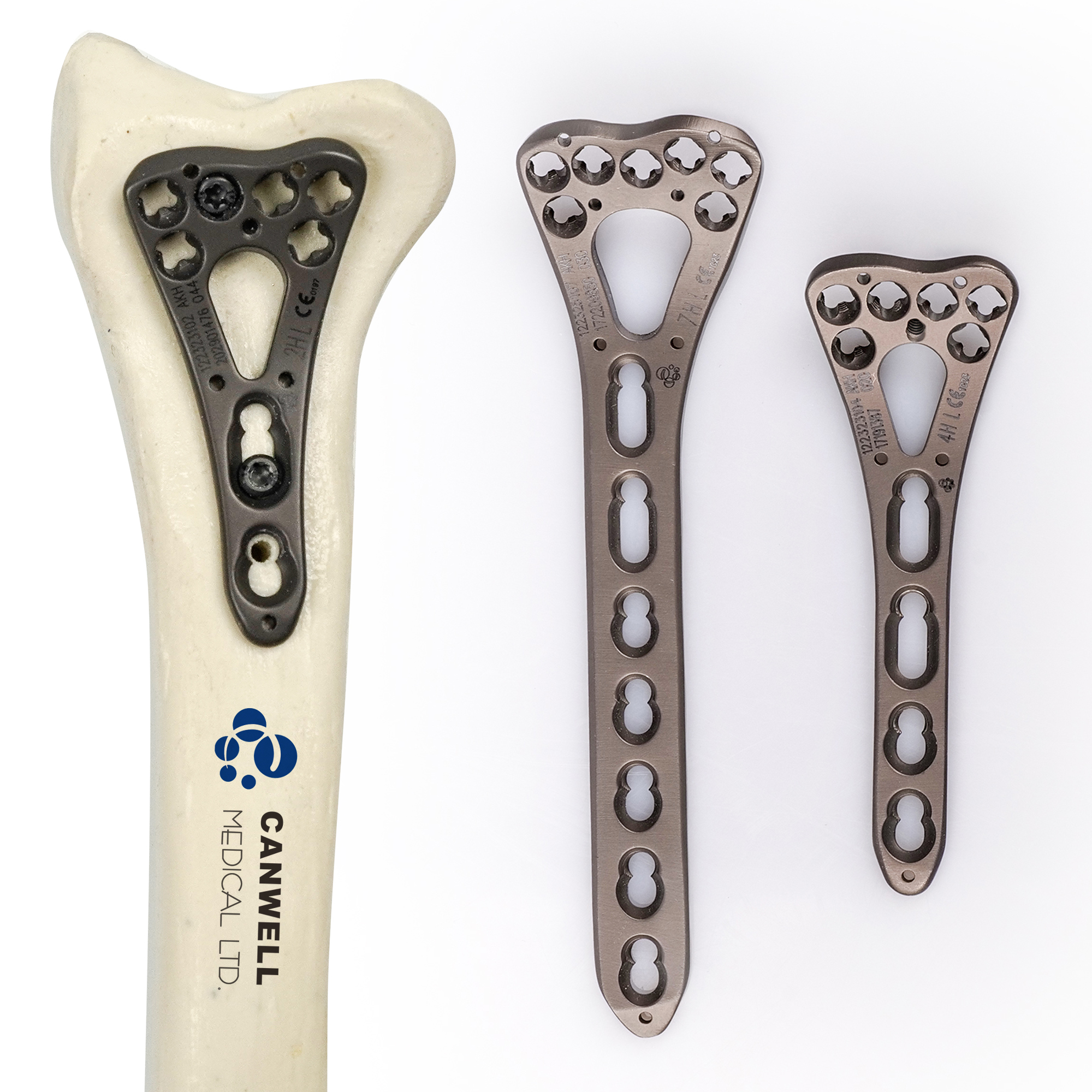
Complementary trauma fixation assemblies manufactured in our audited 29,523 m² facility. Fully compatible with tertiary trauma workflows across Barranquilla's institutional healthcare networks.
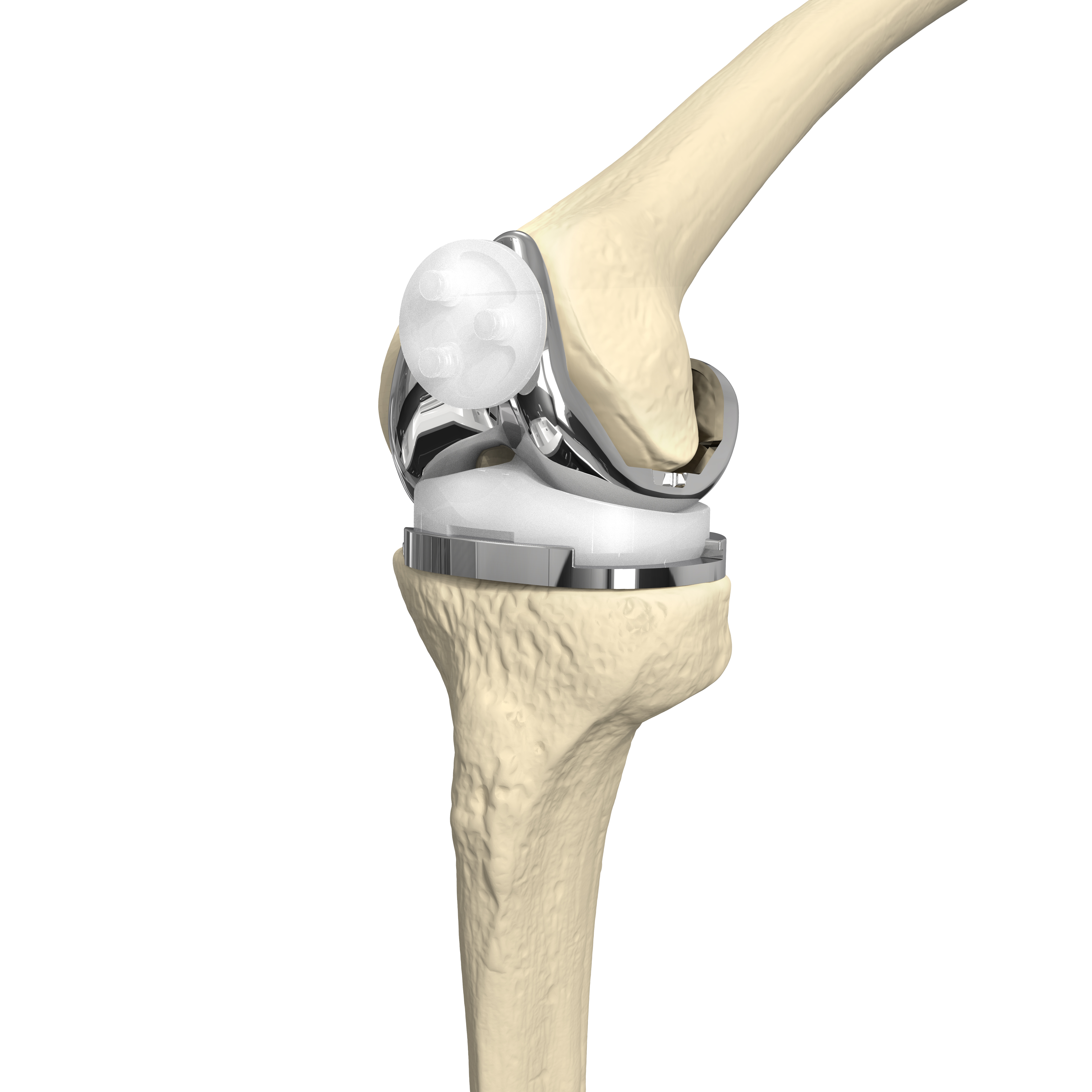
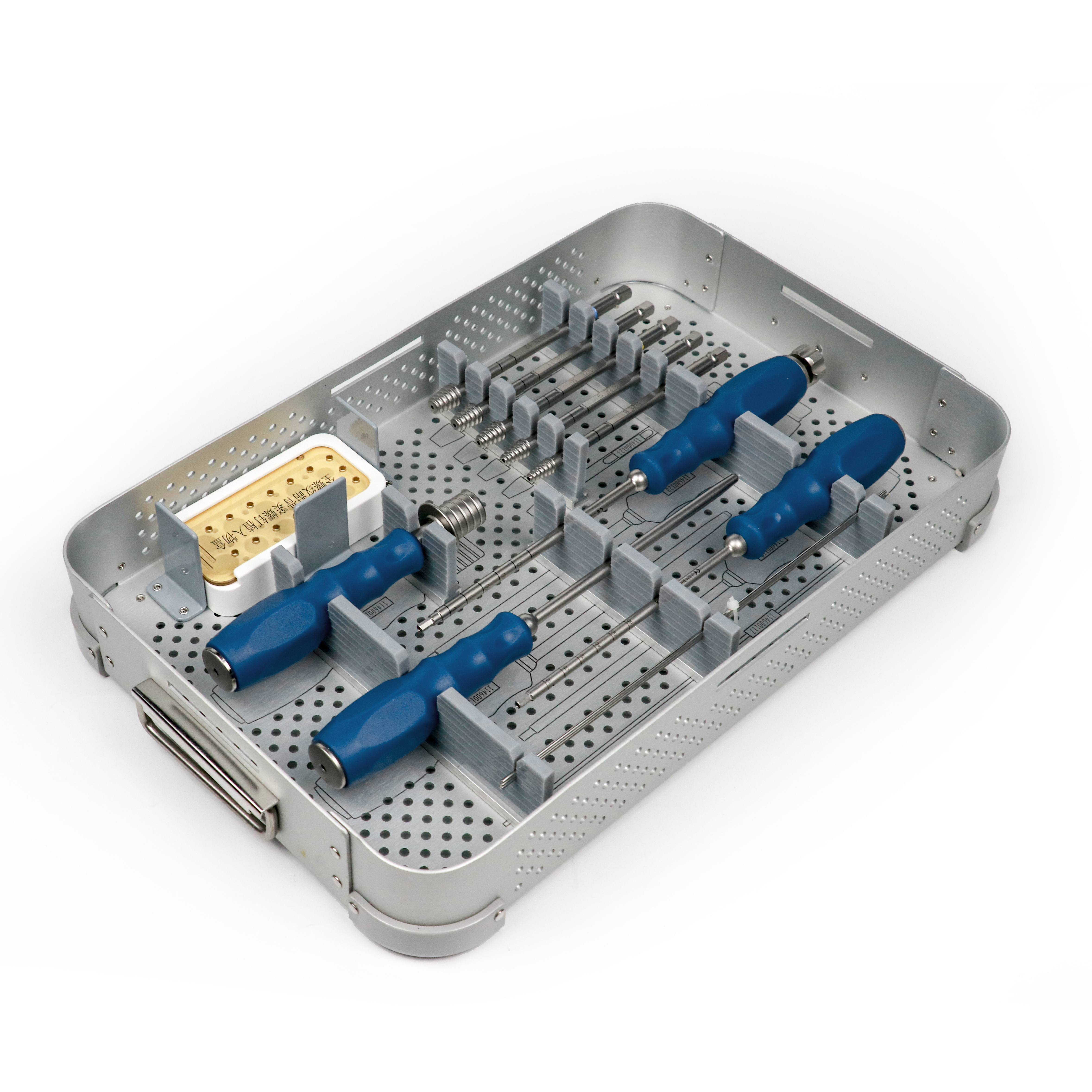
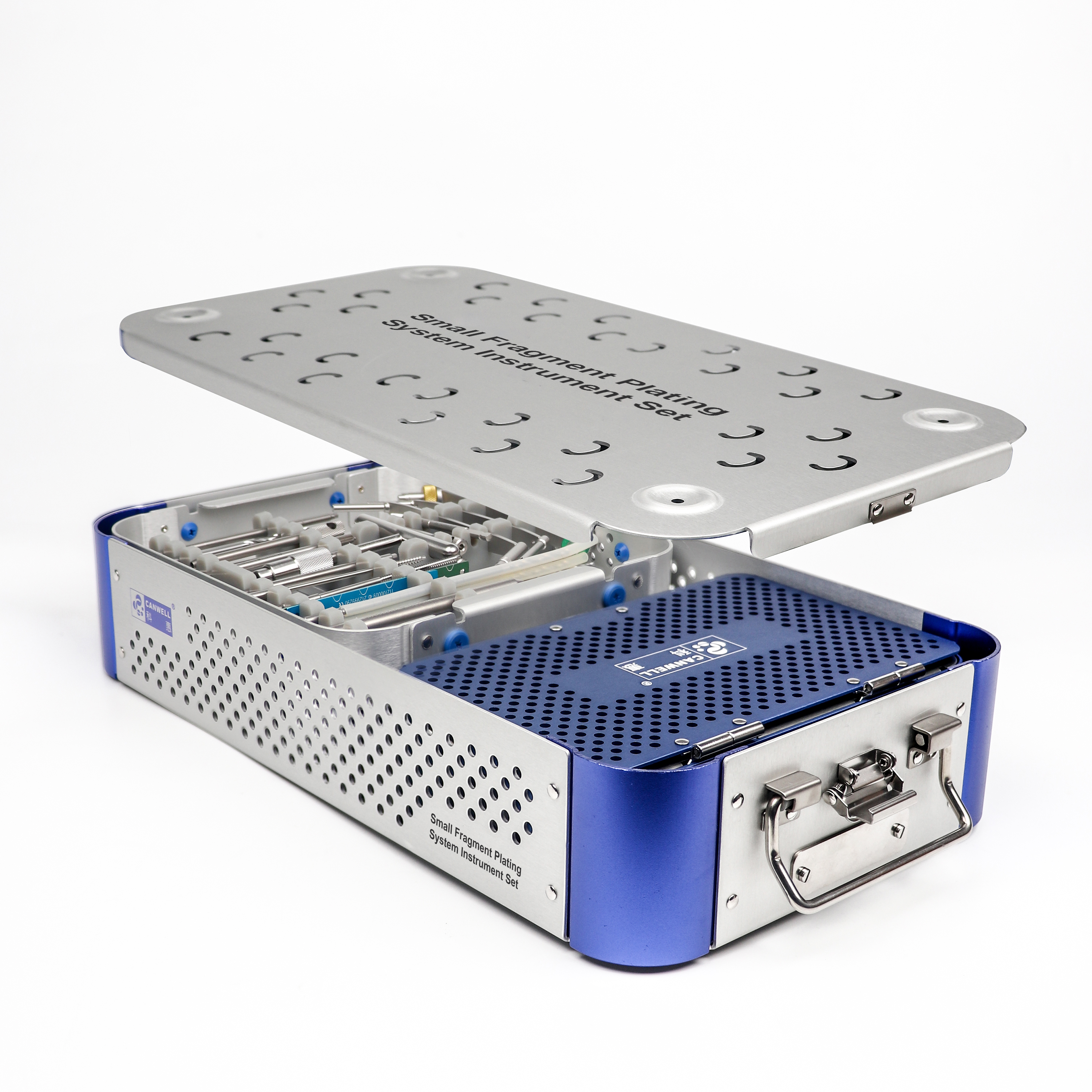
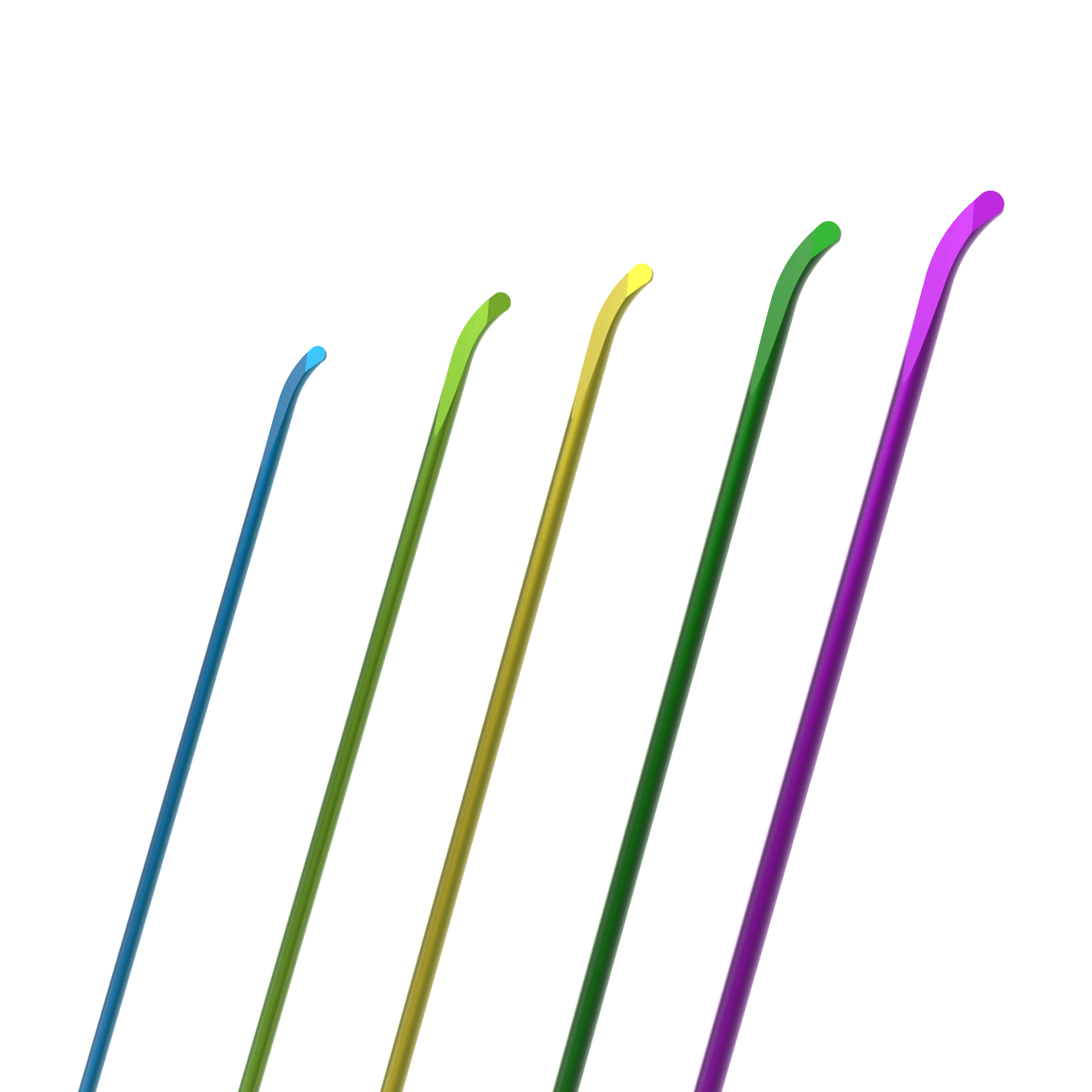
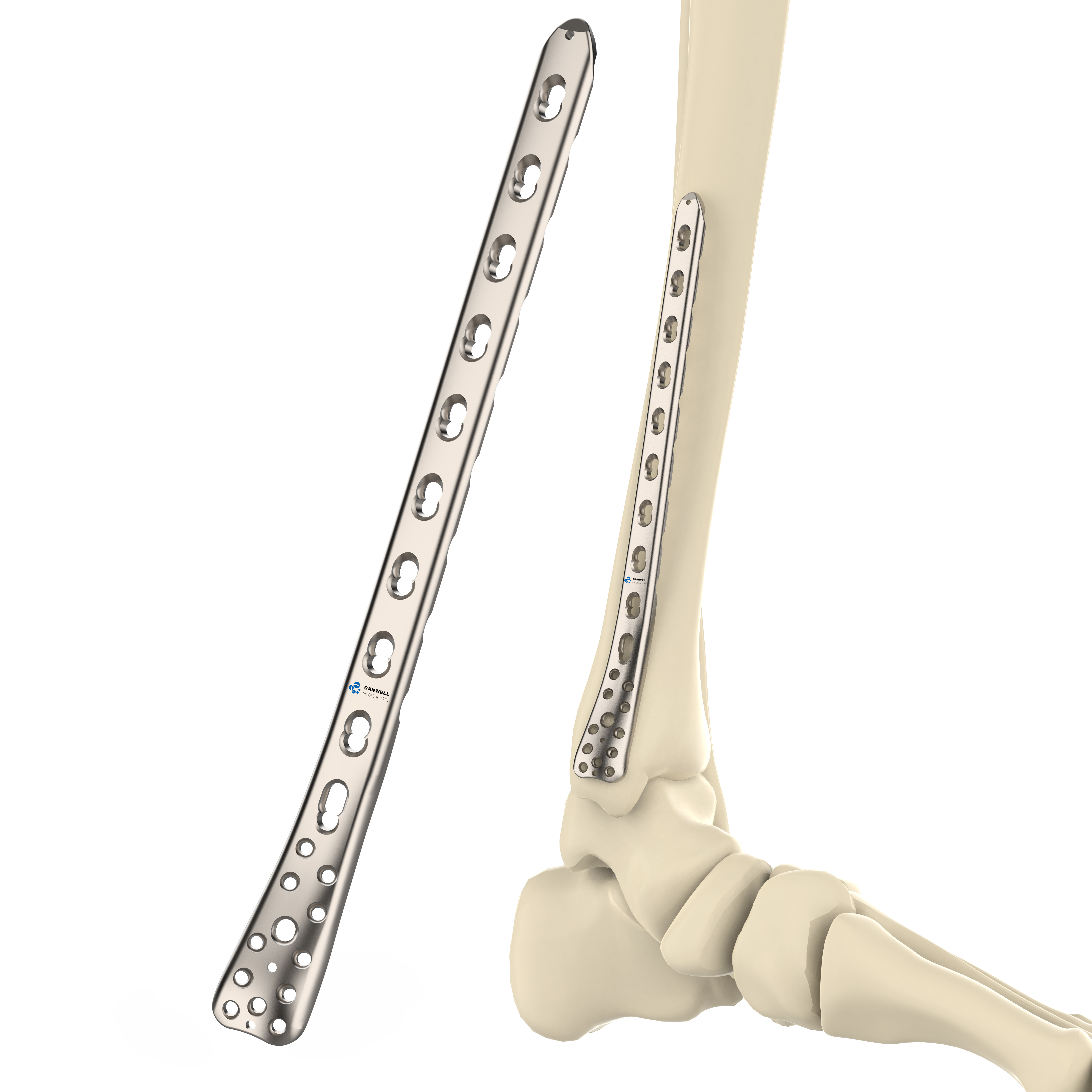
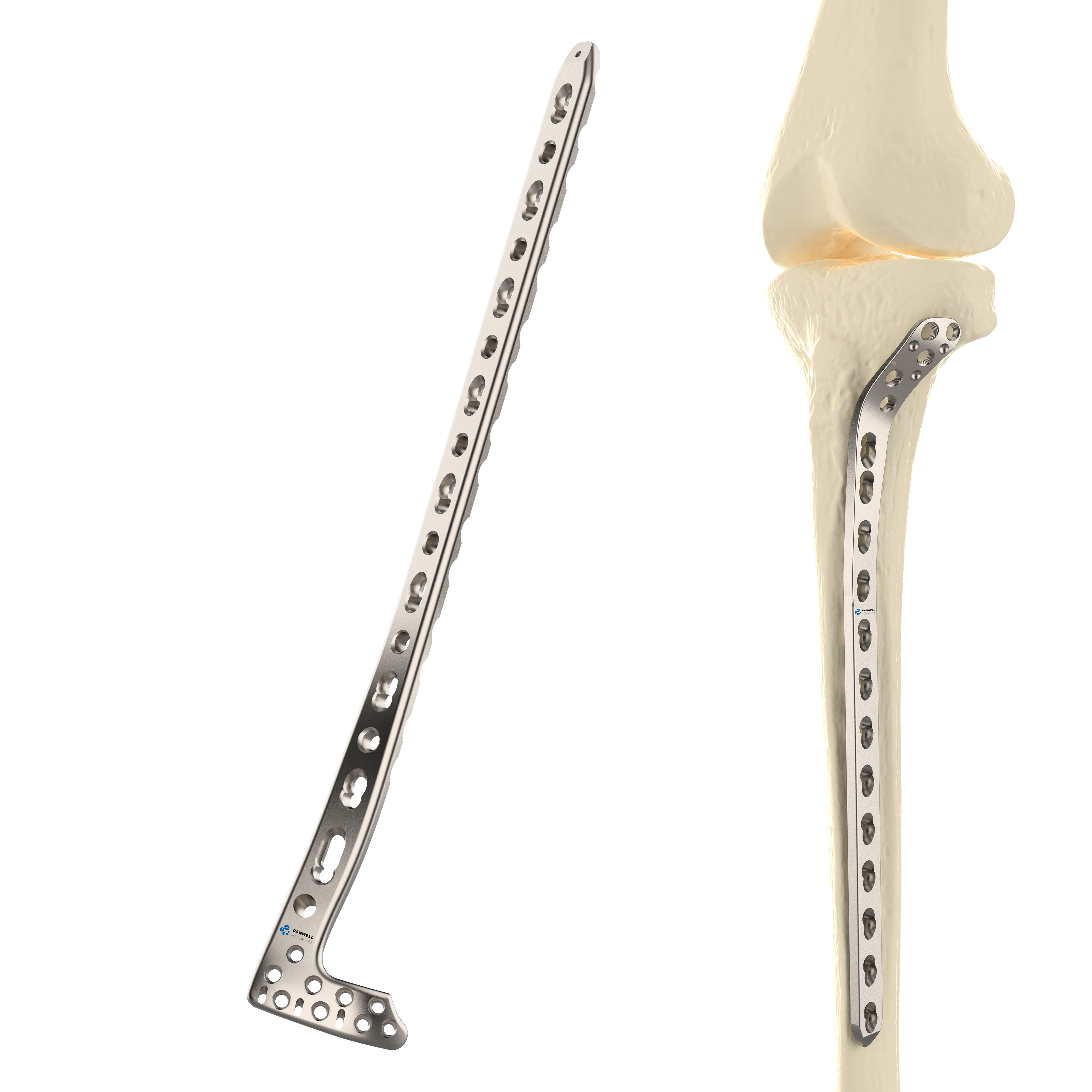
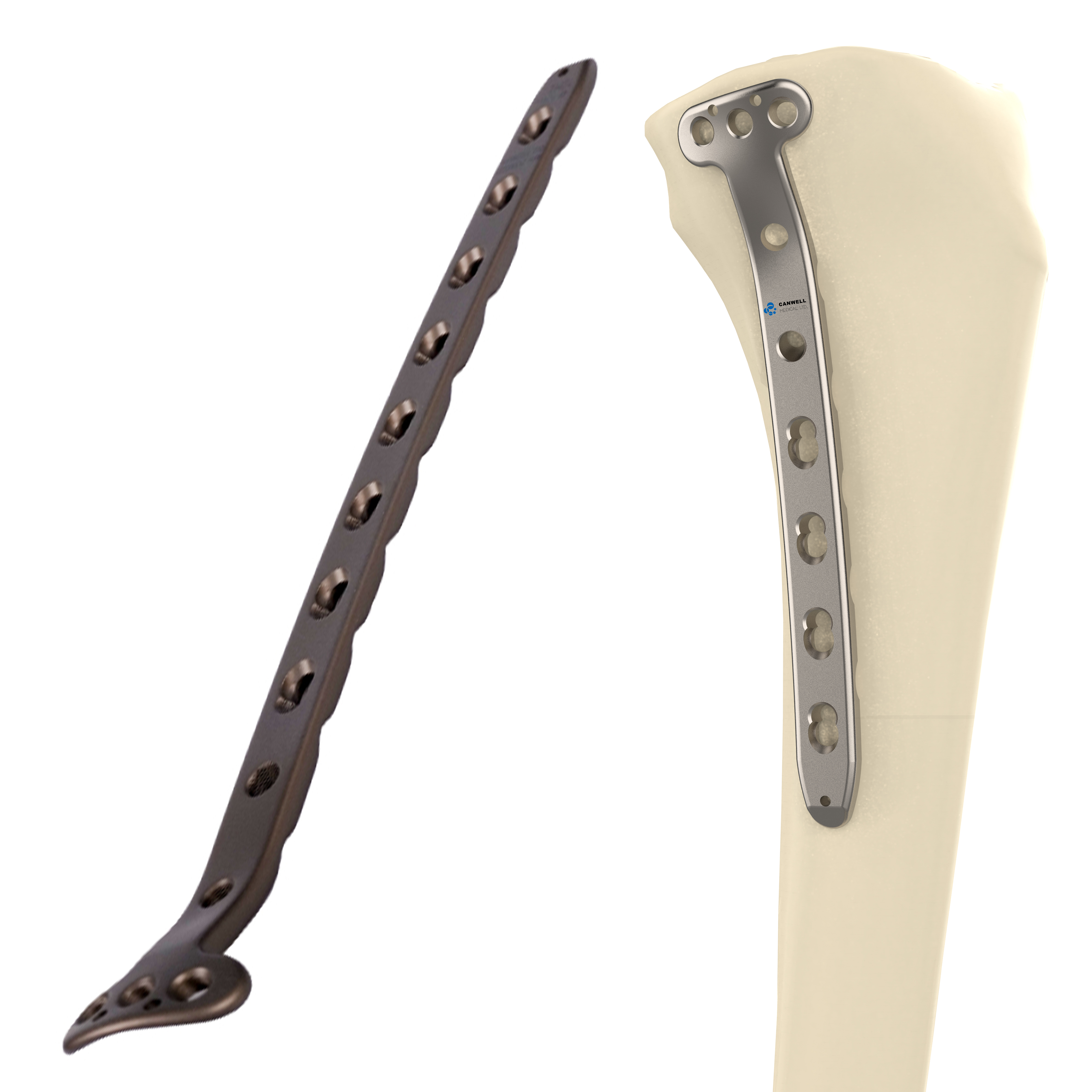
A comprehensive evaluation of semi-extended tibial nail instrumentation in high-energy proximal, diaphyseal, and distal third fracture patterns encountered across Colombian emergency corridors.
In conventional infrapatellar intramedullary nailing, hyperflexing the knee joint past 90° is mandatory to obtain the appropriate starting entry vector at the anterior edge of the tibial plateau. However, this obligatory hyperflexion activates forceful contracting tension across the extensor mechanism. The patellar tendon exerts an unavoidable anterosuperior tensile force on the proximal fragment, consistently resulting in procurvatum (apex anterior) malalignment and valgus displacement.
Our factory's suprapatellar intramedullary tibial nailing system fundamentally solves this orthopaedic dilemma. By maintaining the patient's knee joint in a semi-extended position of 10° to 15° of flexion throughout the procedure, the extensor apparatus remains totally relaxed.
Simultaneously, the semi-extended trajectory aligns collinear with the mechanical axis of the tibia. This collinear entry channel enables the surgeon to drive reamers and the anatomically pre-curved titanium nail without impinging upon the anterior subchondral bone or displacing comminuted intermediate fragments.
A major historical critique regarding the suprapatellar approach was the theoretical vulnerability of the patellofemoral articular cartilage. INAR Medical's R&D engineering department mitigated this biological concern by pioneering our proprietary multi-component radiolucent cannula portal system.
Constructed from high-grade medical fluoropolymer and precision-passivated surgical titanium, the outer protection sleeve gently distracts the retropatellar fat pad and the patella away from the trochlear groove. An inner centering trocar establishes a direct, sealed conduit extending from the quadriceps tendon entry down to the exact subchondral starting zone at the medial margin of the lateral tibial intercondylar eminence.
Histological and long-term arthroscopic retrieval evaluations verify that when operated via our anatomical cannula guide, chondrocyte viability along the retropatellar surface and femoral trochlea remains identical to un-operated controls, preventing chronic anterior knee joint morbidities.
| Parametric Indicator | INAR Suprapatellar System | Conventional Infrapatellar Technique | Clinical Advantage for Barranquilla IPS |
|---|---|---|---|
| Limb Positioning During Procedure | Semi-Extended (10°–15°) | Hyperflexed (90°–110°) | Facilitates multi-specialty intervention in severe polytrauma cases |
| Fluoroscopic Imaging Efficiency | True AP and Lateral under continuous C-arm arc without limb movement | Requires manual lifting, limb rotation, and C-arm repositioning | Minimizes radiation dose for surgical staff; shortens OR room turnover |
| Proximal Segment Control (AO/OTA 41/42) | Neutral muscle pull prevents procurvatum and recurvatum deformity | High incidence of apex anterior malalignment due to patellar tendon pull | Eliminates secondary corrective osteotomies or auxiliary blocking screws |
| Postoperative Chronic Knee Pain | Documented in < 2.5% of cohort evaluations | Reported in 28% to 42% of clinical trauma registries | Accelerated functional return for young, active workforce demographics |
| Reaming Waste Evacuation | Hermetic suction cannula isolates patellofemoral joint | Debris directly disperses across infrapatellar Hoffa fat pad | Drastically reduced rates of postoperative chemical synovitis |
Tailored to the distinctive operational, epidemiological, and demographic trauma profiles observed in northern Colombia's leading healthcare hubs.
Barranquilla's intense transit corridors—including the Circunvalar, Calle 30, and the high-speed industrial routes across Vía 40—generate an acute volume of high-energy motorcycle collisions. These impact mechanisms yield complex comminuted diaphyseal fractures (AO/OTA 42-B and 42-C) accompanied by extensive soft-tissue contusions and Gustilo-Anderson Grade I/II open lesions. The semi-extended suprapatellar technique prevents excessive manipulation of precarious soft-tissue envelopes, preserving periosteal micro-vasculature and speeding wound closure.
In tertiary trauma complexes like Clínica Portoazul Auna, Clínica General del Norte, and Hospital Universidad del Norte, poly-traumatized patients often present with concomitant pelvic ring disruptions, blunt thoracic trauma, and ipsilateral femoral fractures. With the leg resting semi-extended, orthopaedic trauma teams can stabilize tibial shaft fractures synchronously with laparotomy or pelvic external fixation teams, slashing anaesthesia duration and preventing hypothermic crises.
Stabilizing distal tibial fractures within 4 to 6 cm of the ankle plafond (AO/OTA 43-A) presents extreme mechanical demands. Our suprapatellar tibial nail incorporates four multi-planar distal locking options—including an ultra-distal coronal screw positioned a mere 5 mm from the nail tip and dynamic oblique angle options. This geometry delivers rigid bi-cortical angular stability, preventing late ankle malunion without requiring bulky periarticular open plates.
Strategic considerations for medical device distributors, institutional purchasing consortia (IPS/EPS), and hospital logistics managers navigating the Colombian regulatory landscape.
Importing medical devices into Colombia requires rigorous compliance administered by INVIMA (Instituto Nacional de Vigilancia de Medicamentos y Alimentos). Intramedullary nails and their corresponding transfixing locking screws fall under Class IIb / Class III classifications, demanding detailed biocompatibility certifications (ISO 10993), raw material purity certificates (ASTM F136 ELI medical grade titanium), and accelerated aging shelf-life packaging validation data.
As a dedicated manufacturing partner, INAR Medical equips Barranquilla distributors with complete technical dossiers, Declarations of Conformity under CE (MDR 2017/745 and 93/42/EEC), and authenticated Certificates of Free Sale (CFS). Our dedicated regulatory affairs department accelerates the acquisition of the Registro Sanitario INVIMA, cutting bureaucratic approval latency from 18 months down to targeted streamlined schedules.
The structural economics of Colombia's healthcare system, mediated by ADRES and administered via public and private EPS (Entidades Promotoras de Salud), have placed severe fee caps on surgical implant reimbursement tariffs. Traditional procurement models that relied on multiple intermediaries, European distribution holding companies, or local third-tier traders suffer from unsustainably high cumulative markups.
Forward-thinking orthopaedic importers in the Caribbean region are pivoting to direct manufacturing partnerships. By contracting directly with INAR Medical’s Jinhua plant, distributors secure ISO 13485-certified, CE-marked trauma implants at authentic factory-floor tier pricing. This substantial fiscal delta empowers regional distributors to submit highly competitive bids in public hospital tenders (such as MiRed IPS) while capturing robust margins on private healthcare consignments.
Backed by 22+ years of surgical manufacturing history, independent onsite SGS audits, and a commitment to clinical safety.
Operates Swiss 5-axis CNC machining centers, high-volume wire EDM, and dedicated robotic grinding cells under continuous micro-tolerance monitoring.
Employing over 600 skilled technicians, mechanical engineers, metallurgists, and export regulatory specialists dedicated entirely to surgical trauma and orthopaedics.
Rigorous conformity assessed by SGS Group. Certified compliant with Medical Device Directive 93/42/EEC and current European Union MDR pathways.
Equipped with on-site Class 10,000 (ISO Class 7) cleanrooms, vacuum sealing, and gamma/EtO sterilization barrier systems ready for sterile-pack distribution.
Every single batch undergoes dye penetrant defect testing, micro-hardness verification, ultrasonic bath cleansing, and permanent laser batch serialization.
Custom anodizing color coding, laser company etching, specialized surgical case-tray layout customization, and tailored instrument ergonomics.
Authoritative answers addressing import logistics, maritime clearance, regulatory registrations, and consignment practices for Barranquilla orthopaedic distributors.
Partner directly with an SGS-verified, ISO 13485-certified Chinese orthopaedic manufacturing leader. Secure premier surgical engineering, complete INVIMA technical dossiers, and unmatched factory-direct pricing for your Caribbean distribution network.
Inquire Now