High-Performance Orthopedic Implants & Fixation Systems
Engineered with medical-grade titanium alloy and precision Swiss-style CNC turning centers to meet the exacting mechanical tolerances demanded by European surgical teams.
Biomechanics and Manufacturing Standards of Headless Cannulated Compression Screws
Comprehensive engineering insights into intra-articular fracture reconstruction, differential pitch dynamics, and ISO 5832-3 compliant titanium alloys.
Headless Cannulated Compression Screws (HCCS) represent an indispensable milestone in contemporary orthopedic and traumatological surgery. Engineered specifically for intra-articular and juxta-articular skeletal fixation, these implants achieve reliable interfragmentary compression without leaving prominent screw heads that induce soft tissue impingement, tendon irritation, or cartilage abrasion. Across advanced European clinical ecosystems—including the Principality of Liechtenstein, which coordinates closely with premier Swiss tertiary hospitals (Kantonsspital Graubünden in Chur, Kantonsspital St. Gallen, and the specialized orthopedic networks of Zurich)—the demand for biomechanically verified, ultra-precise titanium compression screws has expanded significantly.
The operative success of an HCCS implant depends on its unique differential thread pitch architecture. By utilizing a wider pitch on the leading (distal) thread relative to the trailing (proximal) thread, the screw draws the distant fracture fragment toward the proximal cortex with every revolution. This achieves a predictable mechanical clamp force across non-unions, osteochondral defects, and small-bone fractures, including carpal scaphoid waist fractures, metacarpal base displacements, interphalangeal arthrodesis, and chevron or scarf osteotomies for hallux valgus correction. Cannulation allows accurate percutaneous insertion over a temporary guide wire under fluoroscopic guidance, minimizing periosteal stripping and devascularization.
| Feature Parameter | Micro Screw System (1.5 / 2.0 mm) | Mini Screw System (2.5 / 3.0 mm) | Standard Trauma System (4.0 / 4.5 mm) | Large Reconstruction (6.5 / 7.5 mm) |
|---|---|---|---|---|
| Primary Indications | Phalangeal, metacarpal, osteochondral flakes | Scaphoid, radial head, distal fibula, hallux | Talus, navicular, medial malleolus, calcaneus | Femoral neck, tibial plateau, sacroiliac joint |
| Raw Material | Ti-6Al-4V ELI (ISO 5832-3 / ASTM F136) | Ti-6Al-4V ELI (ISO 5832-3 / ASTM F136) | Ti-6Al-4V ELI (ISO 5832-3 / ASTM F136) | Ti-6Al-4V ELI / Medical Grade SS |
| Guide Wire Cannulation | Ø 0.6 mm – 0.8 mm K-Wire | Ø 0.9 mm – 1.1 mm K-Wire | Ø 1.25 mm – 1.6 mm K-Wire | Ø 2.0 mm – 3.2 mm K-Wire |
| Drive Mechanism | Torx (Star) T6 / Hex 1.5 | Torx T8 / T10 (Stripping Resistant) | Torx T15 / T20 Self-Retaining | Torx T25 / Hex 5.0 Cannulated |
| Surface Treatment | Type II Anodization (Anti-galling) | Electrochemical Anodizing & Ultrasonic Passivation | Type II Anodization + Color Code | Micro-blasted Core / Polished Thread |
Localized Clinical Applications: Liechtenstein & Alpine Valley Practice
Addressing the specific demands of alpine trauma, sports medicine hubs, and geriatric small-joint reconstruction across Liechtenstein, Vorarlberg, and Eastern Switzerland.
Alpine Winter Sports Trauma
Liechtenstein's proximity to Malbun and major Arlberg ski corridors produces a high volume of acute scaphoid fractures, perilunate dislocations, and talar dome shear fractures. Low-profile cannulated compression screws allow prompt intra-articular countersinking beneath the hyaline cartilage layer, facilitating accelerated post-operative mobilization for elite skiers and active local patients.
Geriatric Osteoporotic Arthrodesis
With an aging demographic across Vaduz, Schaan, and Balzers, midfoot arthrodesis (Lapidus procedures, tarsometatarsal fusion) and subtalar fusions demand stable, rigid dynamic compression. Our headless screws feature differential pitch geometries engineered to maximize pull-out strength in osteopenic cancellous bone, preventing implant loosening and catastrophic non-union.
Cross-Border Ambulatory Surgery
Surgical clinics in Liechtenstein operate within an integrated healthcare agreement with the Swiss cantons. Day-surgery centers prioritizing minimally invasive percutaneous procedures require color-coded, standardized instrument trays. Our headless screw sets align with Swiss and European surgical instrumentation standards, enabling seamless intraoperative execution.
Regional Procurement Trends & Regulatory Modernization in Liechtenstein
Understanding EU MDR 2017/745 synchronization, cross-border Swiss-Liechtenstein supply logistics, and lean supply chain shifts.
Liechtenstein represents a sophisticated, highly regulated medical market. Because the Principality is a member of the European Economic Area (EEA) while maintaining a customs treaty and unified economic framework with Switzerland, its orthopedic procurement strategies adhere strictly to the European Medical Device Regulation (EU MDR 2017/745) alongside Swissmedic alignment. Sourcing channels across Liechtenstein are characterized by three significant structural trends:
Strict EU MDR & Notified Body Traceability
Hospitals such as the Liechtensteinisches Landesspital and collaborating regional clinics no longer accept ambiguous CE documentation. Suppliers must present clear Class IIb or Class III MDR documentation, comprehensive Clinical Evaluation Reports (CER), and UDI-compliant laser marking down to individual sterile blister packages.
Direct-from-Manufacturer OEM Sourcing
Escalating hospital operational costs in Central Europe have driven regional procurement consortiums and medical brand owners to partner directly with audited, large-scale original equipment manufacturers. By bypassing intermediate multi-tiered European distributors, health providers capture substantial margin savings without compromising metallurgy or surface finishing.
Complete Modular System Integration
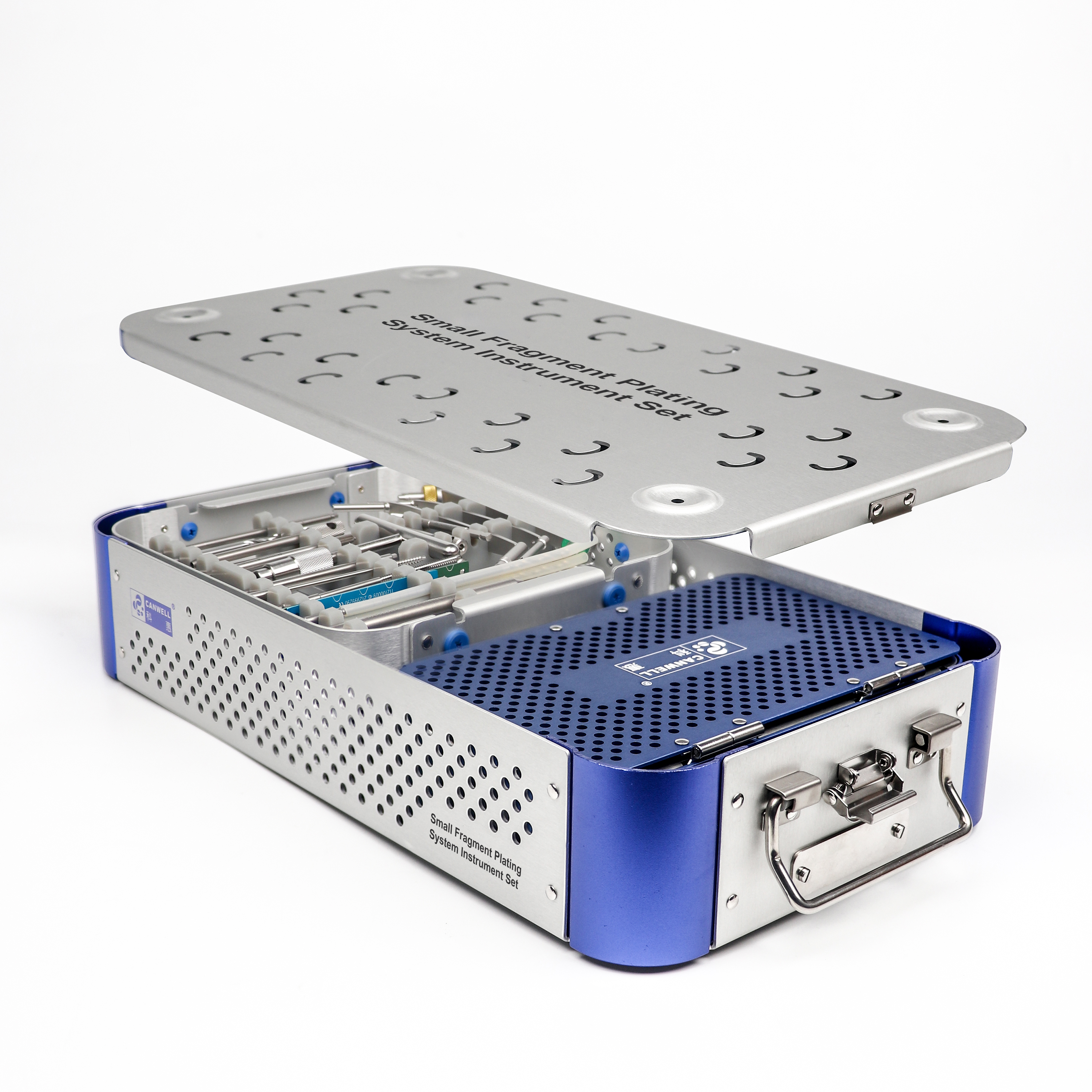
Clinics seek comprehensive modular systems rather than stand-alone screws. Procurement managers look for headless cannulated systems delivered with ergonomically balanced cannulated screwdrivers, graduated depth gauges, nitinol guide wires, countersinks, and reverse-cutting extraction kits sterilized in anodized aluminum cassettes.
Why International Distributors Trust Zhejiang INAR Medical
Combining 22+ years of precision engineering with full SGS on-site verification and advanced medical manufacturing infrastructure.
Swiss-Type Precision CNC
Equipped with ultra-high-precision multi-axis Citizen and Star CNC turning centers dedicated to cannulated screw boring and micro-milling tolerances.
SGS & CE Certified
Onsite verified by SGS Group with valid CE certifications (EU MDR / 93/42/EEC) and full ISO 13485 quality management compliance.
End-to-End In-House Flow
From longitudinal cutting, ultrasonic washing, and penetrant crack testing to Class 100,000 cleanroom aseptic packaging—zero critical outsourcing.
OEM / ODM Customization
Full private-label laser marking, custom anodization color palettes, surgical tray layout design, and technical dossier compilation for fast registration.
Frequently Asked Questions by Liechtenstein Buyers & Distributors
Direct answers addressing European regulatory compliance, logistics customs clearing, mechanical testing, and trial orders.
Partner with a Leading Orthopedic Implant Factory
Whether you require standard CE-certified titanium headless cannulated compression screws or bespoke OEM/ODM trauma fixation systems for the Liechtenstein and Alpine markets, our engineering team provides rapid quote turnaround and comprehensive technical support.