Hindfoot System
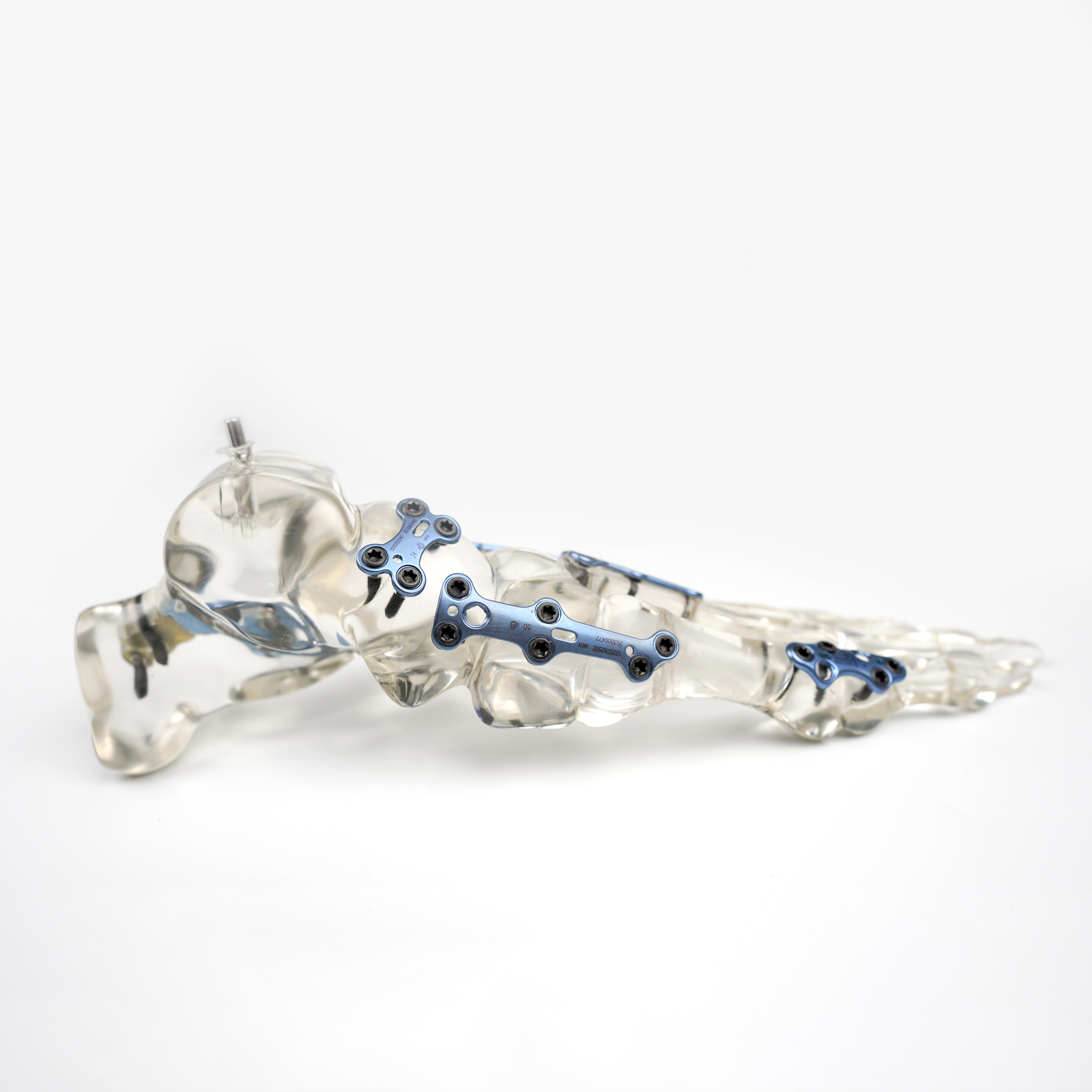
Foot & Ankle Reconstruction System
Anatomical locking plates tailored for subtalar arthrodesis and peri-articular trauma reconstruction.
Explore SpecificationManufactured under rigorous CE MDR and ISO 13485 standards, our orthopedic trauma portfolio integrates seamlessly with our Titanium Headless Cannulated Compression Screw systems for multi-fragment joint restoration.
Anatomical locking plates tailored for subtalar arthrodesis and peri-articular trauma reconstruction.
Explore Specification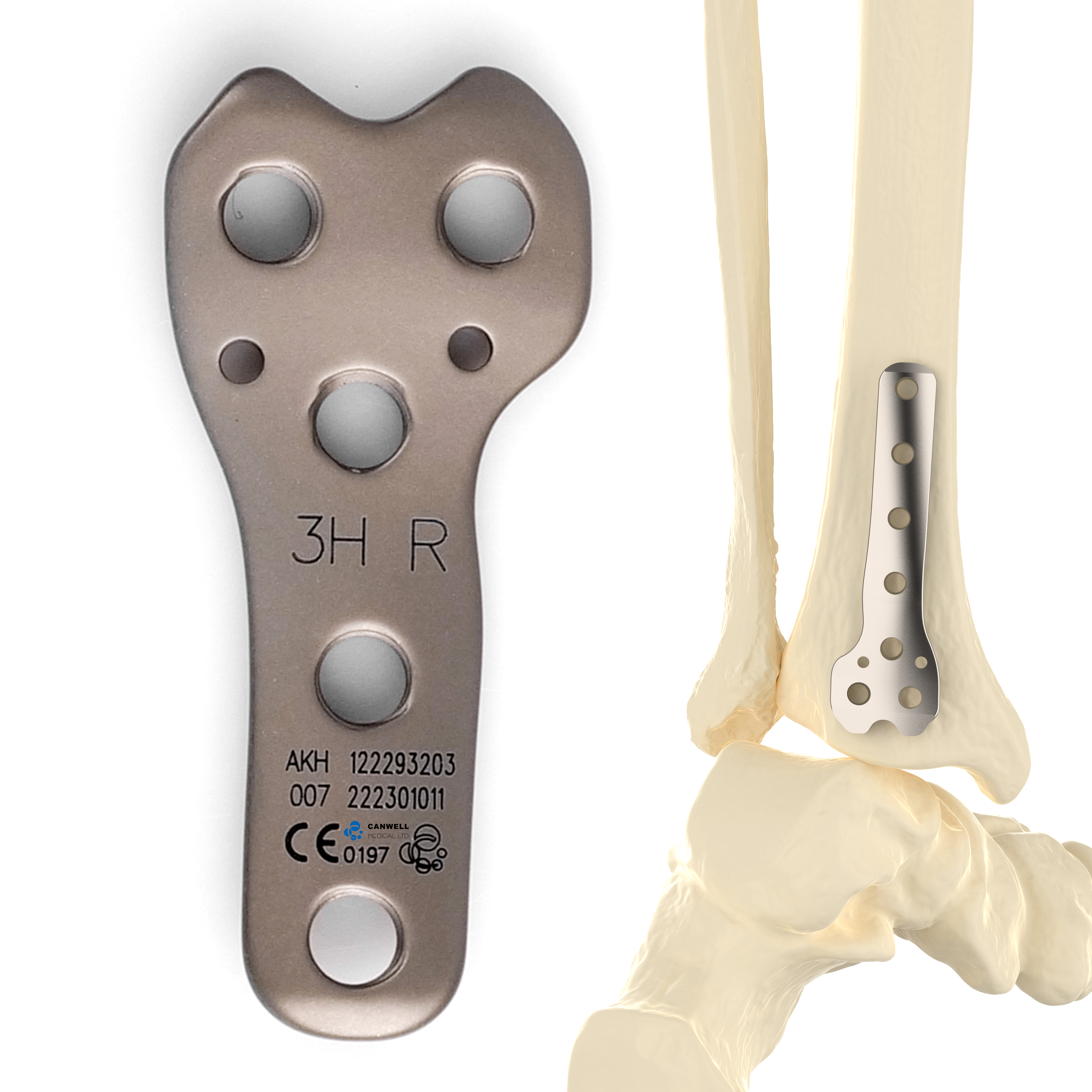
Buttressing posterior pilon fractures and non-union fractures requiring stable interfragmentary dynamics.
Explore Specification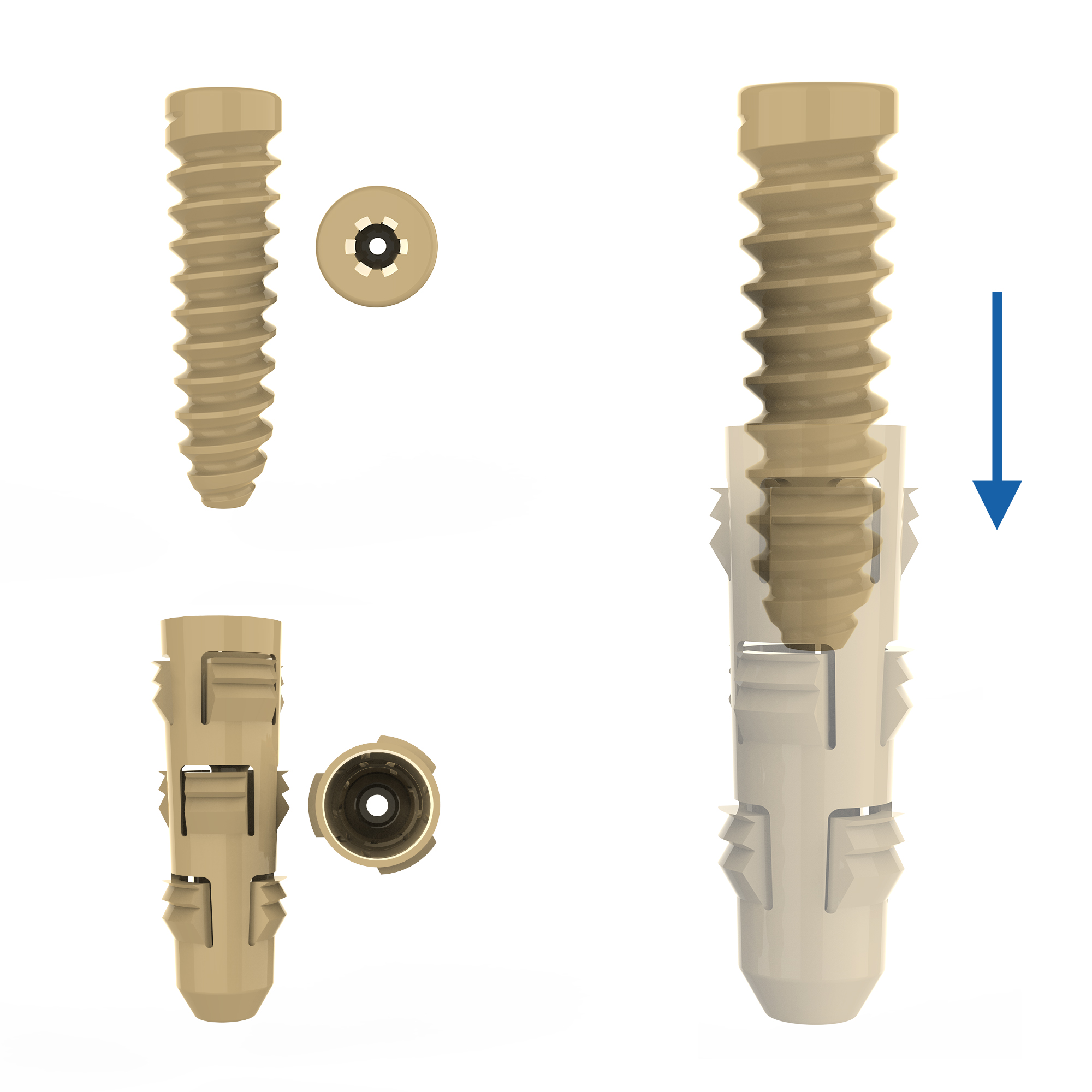
Advanced radiolucent sports medicine implant designed for pristine bio-inert tendon anchorage.
Explore Specification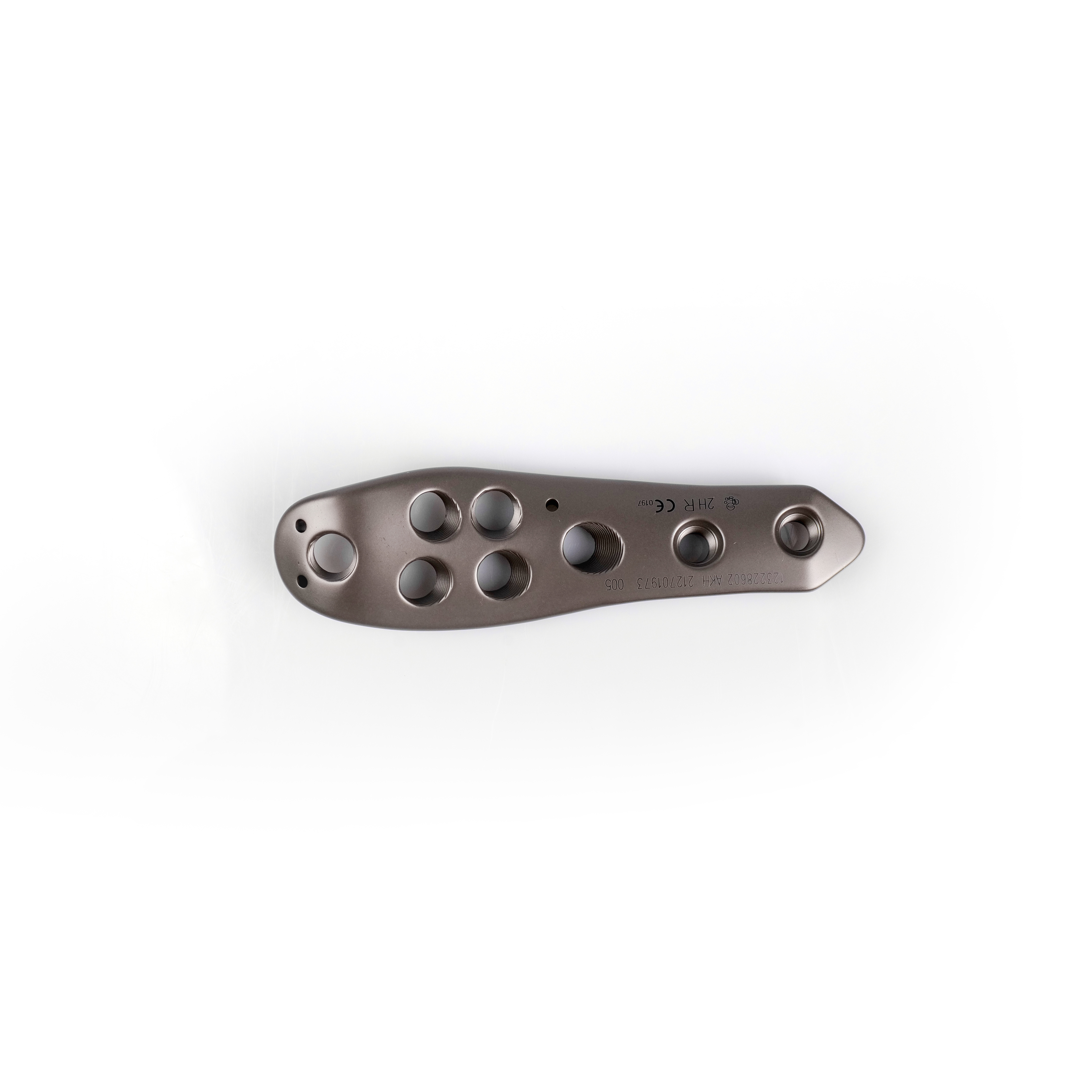
Heavy-duty load-sharing titanium construct engineered for high-energy supra-condylar femur fractures.
Explore Specification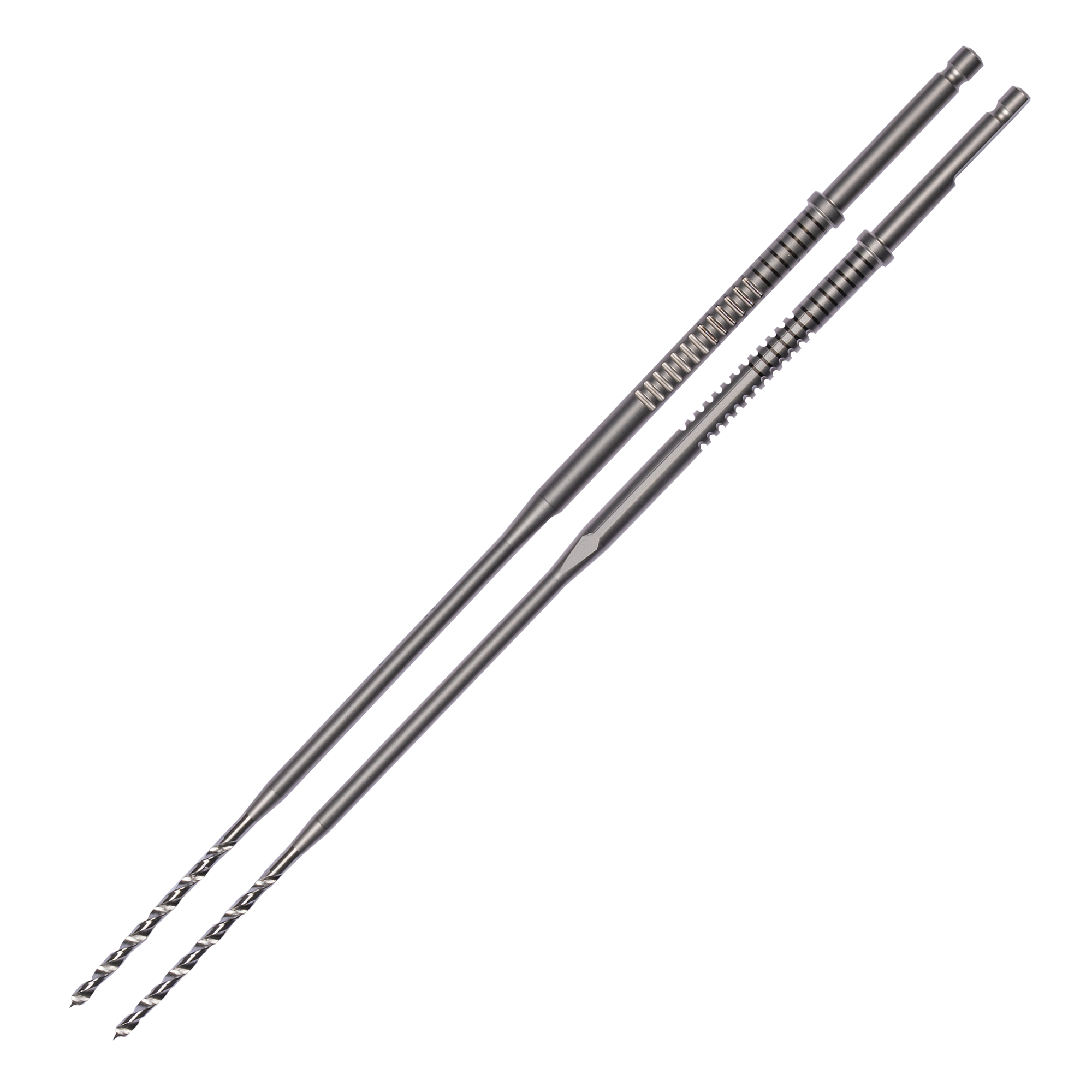
High-torque surgical drill bits designed for precise cannulated pre-drilling and minimal thermal bone necrosis.
Explore Specification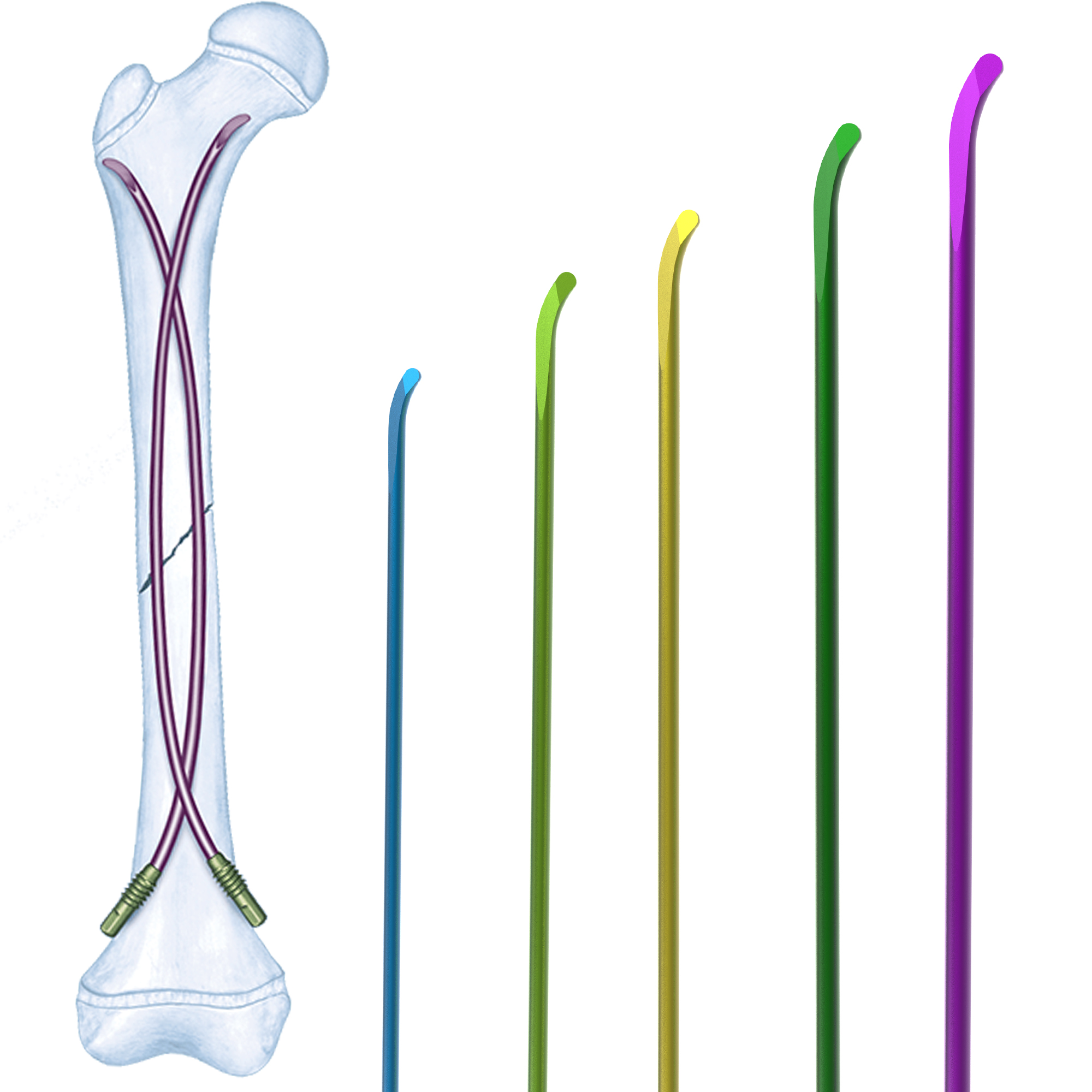
Biomechanically calibrated internal fixation for diaphyseal fractures in adolescents and pediatric patients.
Explore Specification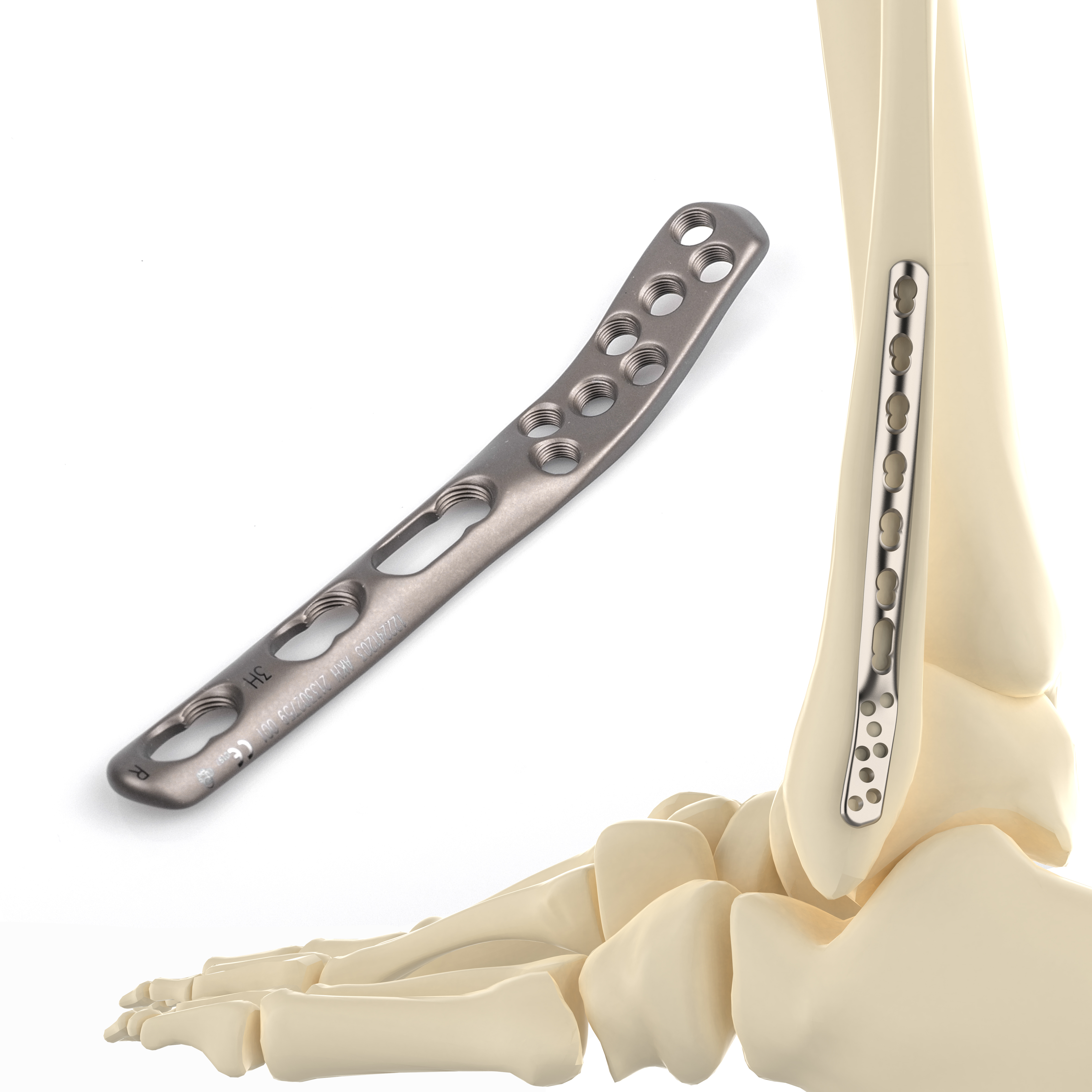
Low-profile 2.7/3.5mm contour plates addressing comminuted syndesmotic ankle complex disruption.
Explore Specification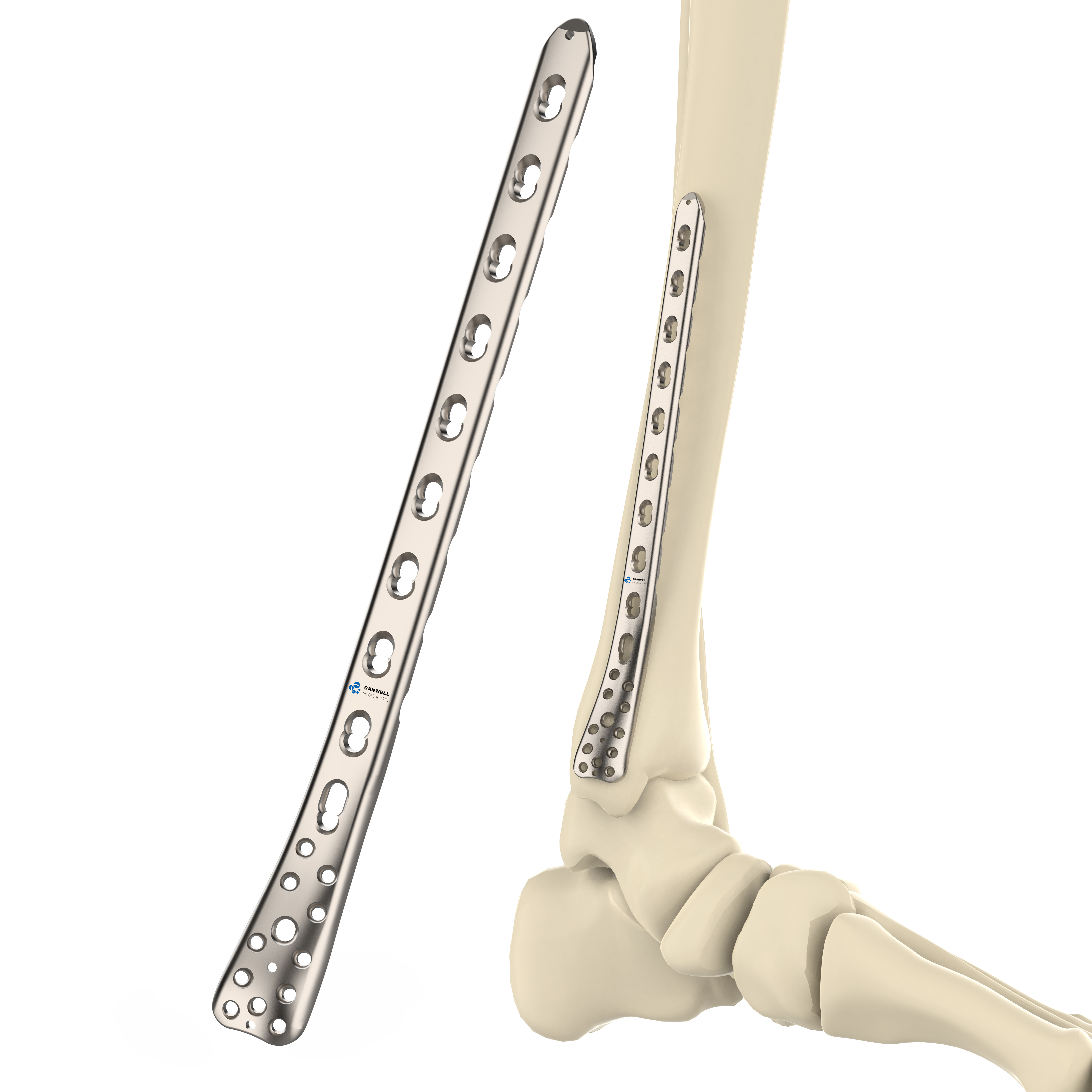
Combines multi-planar locked stability with dynamic axial compression for complex tibial plafond injuries.
Explore SpecificationAn in-depth evaluation of differential thread engineering, cortical purchase integrity, and high-altitude microvascular considerations for orthopedic surgeons across Bolivia.
The core biomechanical principle of headless cannulated compression screws (Herbert-Whipple design philosophy) relies on differing lead pitches between distal leading threads and proximal trailing threads. With each full 360-degree rotation of the driver, the leading thread moves deeper into bone at a faster rate than the trailing thread advances through the near cortex. This differential action draws the two bone fragments together, generating high-pressure, reproducible interfragmentary compression without an external screw head exerting prominent soft tissue friction.
Fabricated exclusively from Medical-Grade Titanium Alloy according to ASTM F136 and ISO 5832-3 standards. This extra-low interstitial material exhibits an elastic modulus of approximately 110 GPa—significantly closer to human cortical bone (18-20 GPa) than 316L stainless steel (200 GPa). This metallurgical balance curtails stress-shielding phenomena, facilitates uniform dynamic load transmission, stimulates early osteoblast migration, and prevents bone resorption at the bone-screw interface.
Central bore tolerances are maintained via specialized gun-drilling machining centers with concentricity variance below 0.02mm. This ultra-smooth internal lumen guarantees friction-free tracking over calibrated stainless guide wires (0.8mm to 1.6mm diameters). By eliminating guidewire deflection or binding, orthopedic surgeons working under fluoroscopic guidance can achieve micro-invasive percutaneous insertion with pin-point placement accuracy inside the scaphoid waist or articular facet.
| Diameter Range | Cannulation Bore | Leading / Trailing Pitch | Primary Indications in Andean Hospitals | Recommended Guidewire |
|---|---|---|---|---|
| Ø 2.5 mm Micro | 0.9 mm | 1.0 mm / 0.8 mm | Scaphoid waist fractures, phalangeal intra-articular shearing, capitellum fragments | 0.8 mm K-Wire (Threaded tip) |
| Ø 3.0 mm Mini | 1.1 mm | 1.25 mm / 1.0 mm | Radial head fractures, metacarpal head avulsions, carpal arthrodesis, hallux valgus | 1.0 mm K-Wire |
| Ø 4.0 mm Standard | 1.4 mm | 1.5 mm / 1.2 mm | Medial malleolus shear, distal radius articular surface restoration, pediatric tarsal splits | 1.25 mm Guidewire |
| Ø 7.0 mm Large | 2.6 mm | 2.75 mm / 2.0 mm | Femoral neck stabilization, subtalar joint arthrodesis, calcaneal sustentaculum tali fixation | 2.0 mm Guidewire |
Analyzing anatomical challenges, tissue oxygenation variables, and surgical requirements for public and private healthcare systems across Nuestra Señora de La Paz.
Situated between 3,600 and 4,150 meters above sea level, patients in La Paz and El Alto navigate lower barometric pressure and reduced ambient oxygen tensions. This physiologic state impacts peripheral microvascular perfusion and bone remodeling. Open surgical incisions incur a heightened risk of cutaneous necrosis, prolonged wound healing, and soft tissue dehiscence. Headless cannulated compression screws allow minimally invasive percutaneous osteosynthesis, preserving periosteal blood supply, hematoma osteoinductive factors, and capillary networks indispensable for non-delayed union in hypoxia-adapted populations.
High-energy mechanical incidents are common across mining operations in the surrounding cordilleras, industrial hubs in El Alto, and construction sites throughout the urban canyon of central La Paz. Typical trauma registries in institutions like Hospital de Clínicas and Hospital Obrero No. 1 present heavy scaphoid disruptions, multi-fragmentary talar dome shears, and articular calcaneus injuries. The submerged headless profile of our screws eliminates hardware impingement against synovial sheaths and tendons, avoiding future secondary surgeries for implant removal in rural communities.
With aggressive topographies, steep declivities, and an active sports culture (amateur football and mountaineering across the Cordillera Real), acute ligamentous avulsions and chondral shear fractures are widespread. When fixing osteochondral fragments of the knee or ankle, conventional cortical screws with protruding heads cause destructive cartilage wear on opposing articular surfaces. Headless screws are counter-sunk fully beneath the subchondral bone plate, keeping articular surfaces smooth and congruent for early weight-bearing rehabilitation.
How regulatory shifts, public health reforms, and private sector expansions are redefining orthopedic procurement in South America.
The State Agency of Medicines and Health Technologies (AGEMED) is strengthening its technical oversight for Class III implantable medical devices. Hospital committees and institutional distributors in La Paz now demand complete technical dossiers, including biocompatibility reports (ISO 10993), endurance fatigue certifications (ASTM F543 for bone screws), and proof of factory audits. Distributors collaborating with direct manufacturers who supply validated CE (EU MDR) documentation achieve faster product registrations and win municipal public tenders with higher margins.
Surgical protocols in private centers throughout the Zona Sur (Calacoto, San Miguel, Obrajes) increasingly favor percutaneous procedures over open reduction techniques. Cannulated instrumentation kits that support exact guidewire navigation, low-profile tissue protectors, and cannulated countersinks are becoming essential tender requirements. Importers who offer fully integrated screw caddies with precision instrument sets hold a distinct competitive edge over traders offering piecemeal hardware.
Bolivian supply chains historically passed through regional middlemen in neighboring countries, creating cost markups of 40% to 70%. In response to fiscal adjustments under the Sistema Único de Salud (SUS), major Bolivian healthcare providers are bypassing intermediary brokers. They are securing long-term OEM contracts directly with verified Asian production facilities capable of delivering customized branding, laser etched batch coding, and stable pricing unaffected by regional transit markups.
Backed by over two decades of precision manufacturing, cleanroom packaging, and end-to-end metallurgical control.
Founded on pure clinical manufacturing engineering, our 29,523 m² facility houses cutting-edge CNC sliding-head lathes, multi-axis machining centers, and optical sorting machinery. Our dedicated technical team of 632 staff oversees every phase of production, from raw bar-stock inspection to final micro-finishing, eliminating risks associated with outsourced sub-contractors.
Our operational processes have passed stringent onsite supplier assessments conducted by the SGS Group. Products carry CE marking under both EU MDR and the Medical Device Directive 93/42/EEC. We supply complete Certificates of Analysis (CoA), physical and chemical metallurgical testing data, and bio-burden validation with every commercial export batch.
Implants pass through ultrasonic washing stages, automated anodizing color-coding, and penetrant crack testing before entering our certified aseptic packing cleanrooms. Our in-house biomechanical testing lab conducts cyclic torsion, axial pull-out resistance, and accelerated aging evaluations to ensure flawless surgical performance.
Direct technical and logistical answers addressing regulatory compliance, customs clearance, and ordering terms for importers in La Paz.
Partner directly with an SGS-verified manufacturer. Secure reliable CE-marked titanium headless cannulated compression screws, competitive factory pricing, and full technical documentation for hospital tenders in La Paz.