Featured Titanium Trauma Plates & Surgical Fixation Systems
Direct factory supply of certified medical-grade titanium osteosynthesis systems engineered to meet international tensile yield, fatigue limits, and micro-anodized bio-inertness.
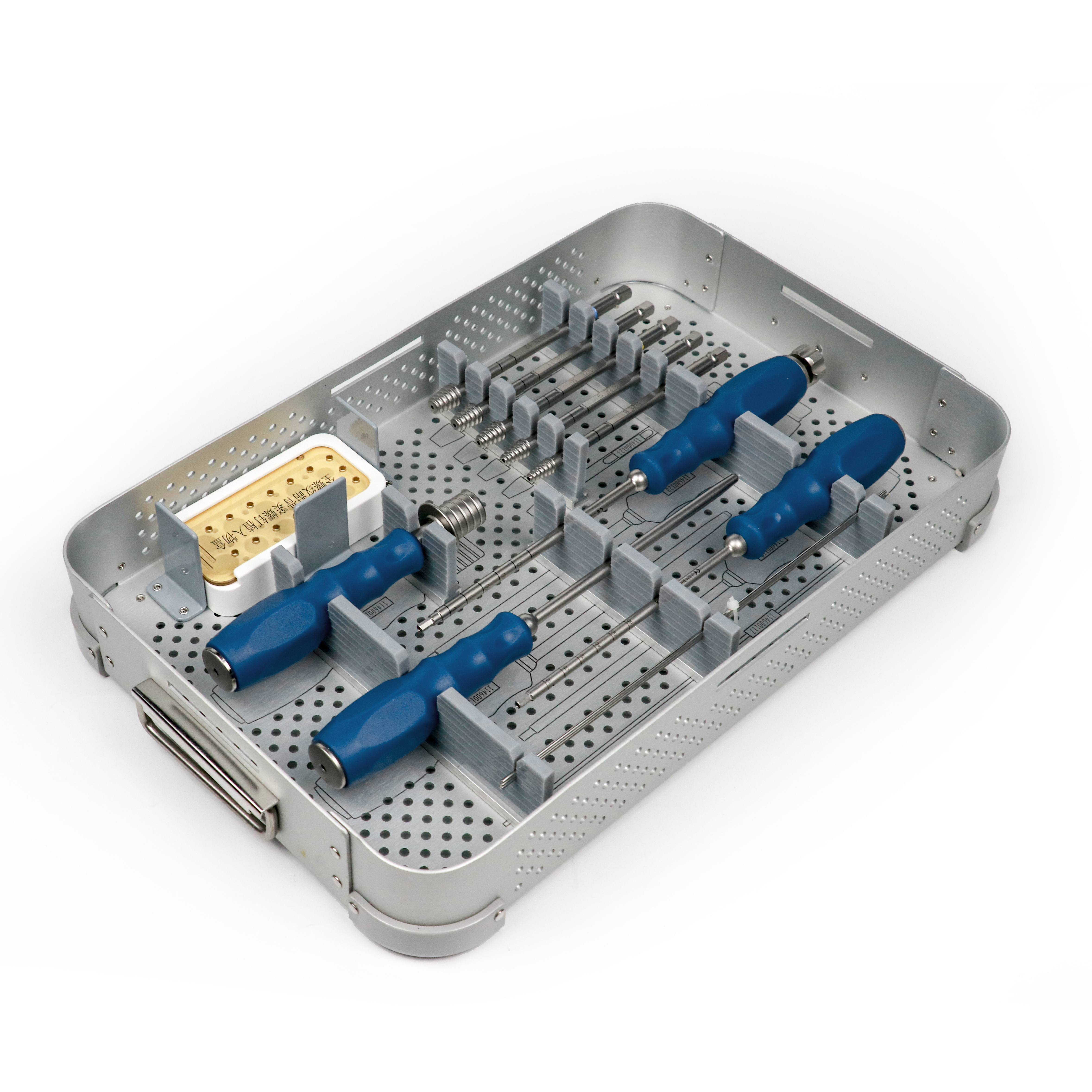
CANWELL Sinus Tarsal Locking Screw Titanium Orthopedic Implant 2.4/2.7mm Class II
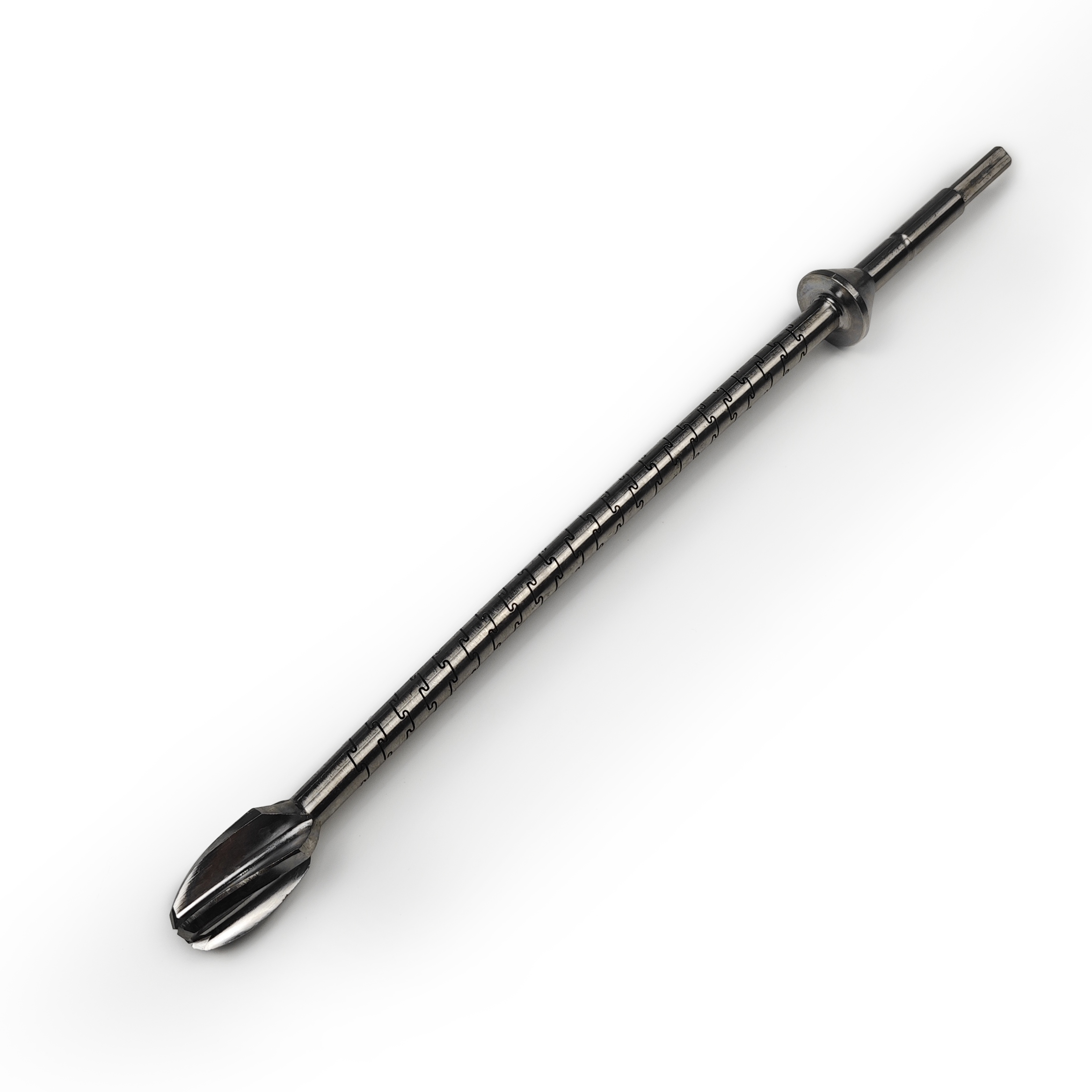
CANWELL Flexible Reamer Sterilization Box Surgical Instrument for Nail Surgery
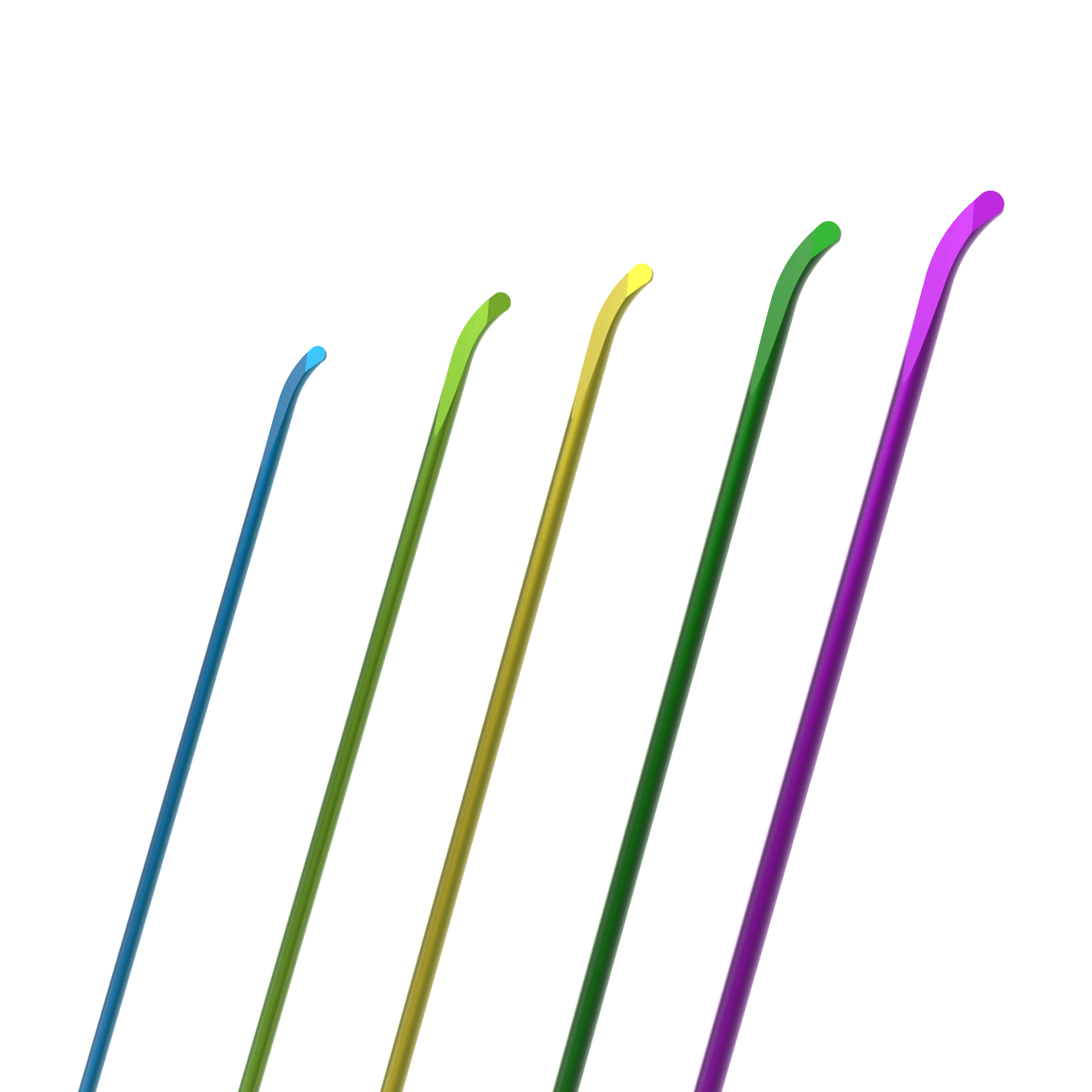
CANWELL Titanium Elastic Nails TEN Instrument Set for Pediatric Surgery
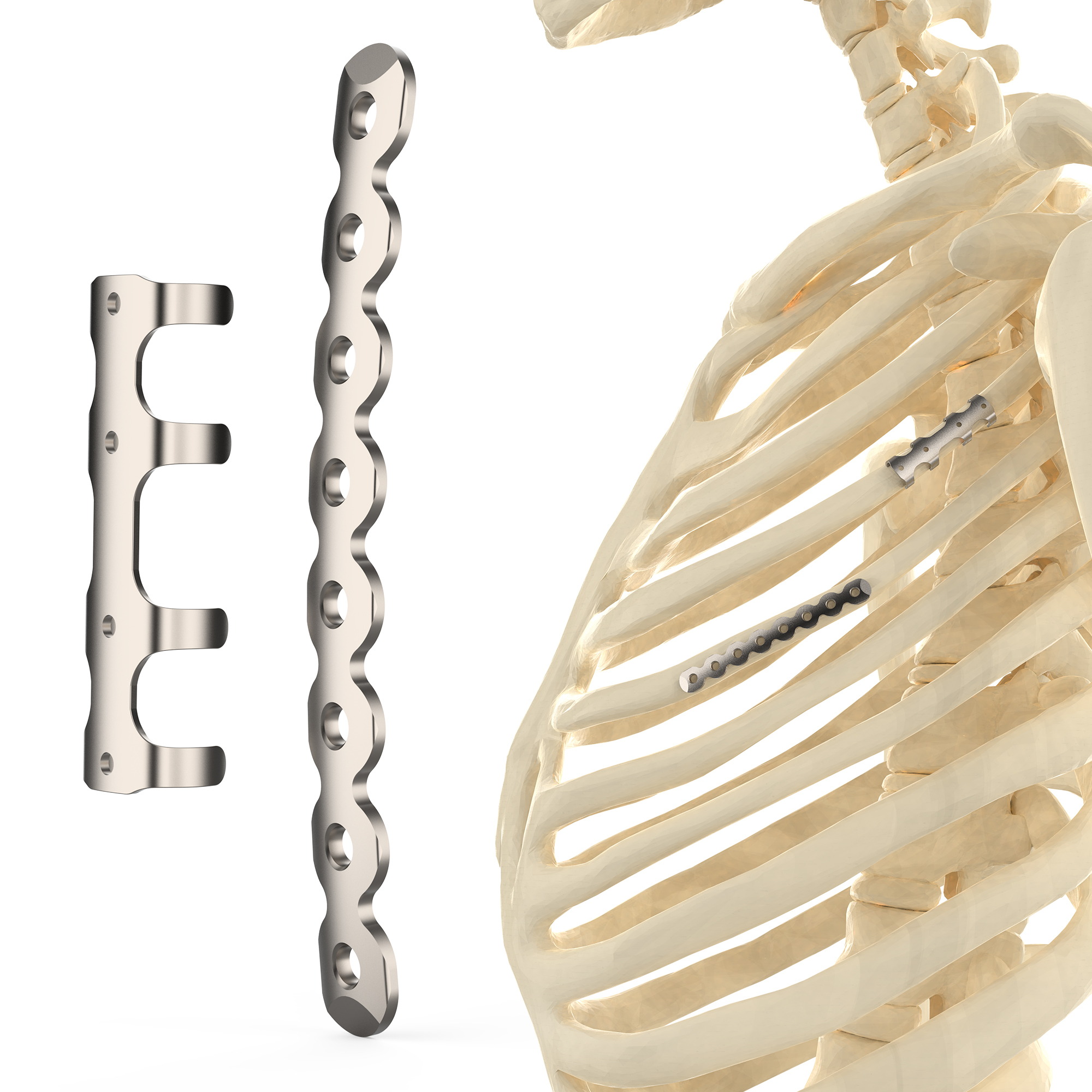
CANWELL Titanium Rib Locking Plate Bone Fixation Orthopedic Trauma Implant
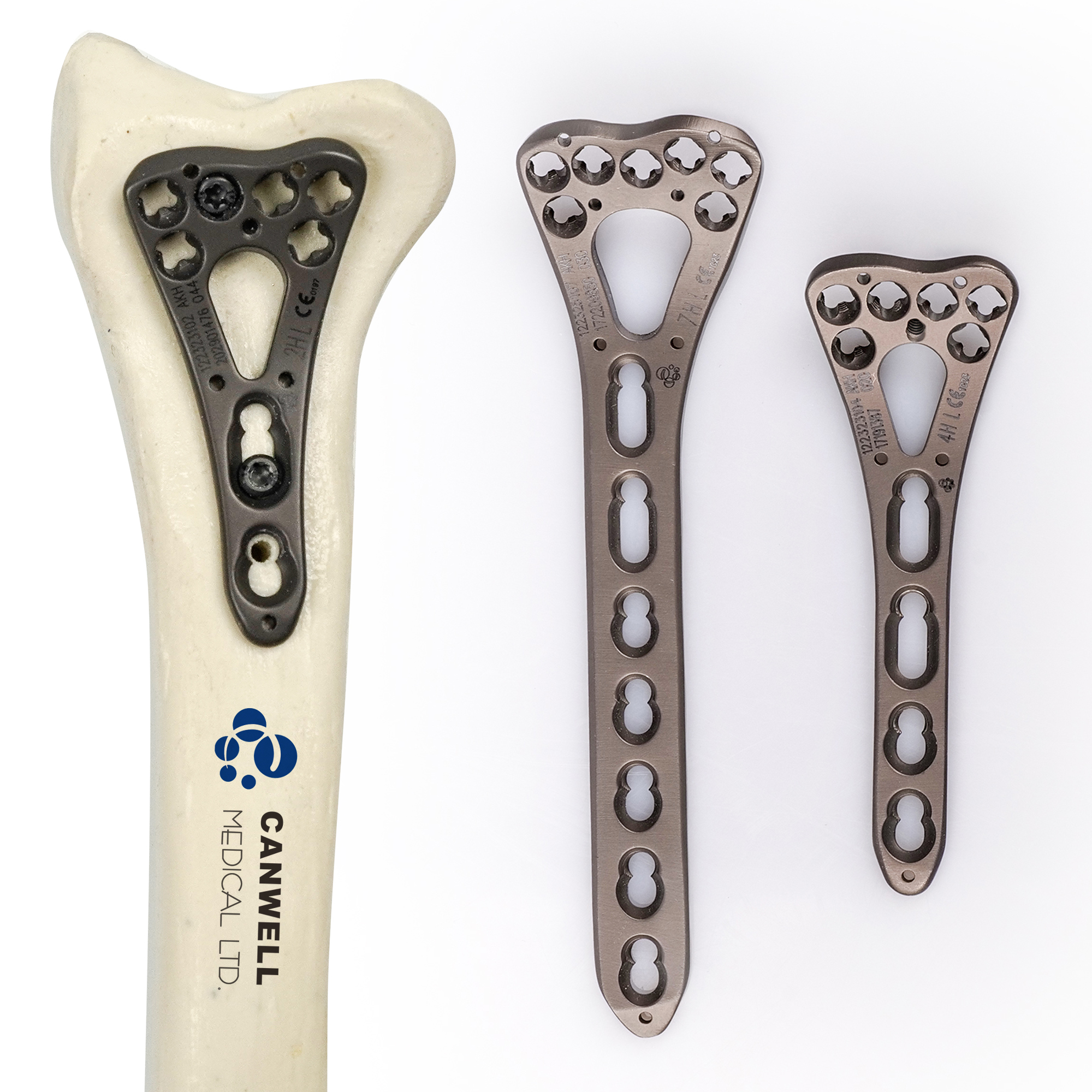
CANWELL 2.4/2.7mm VA Titanium Distal Palmar Radius Locking Plate Volar Wrist
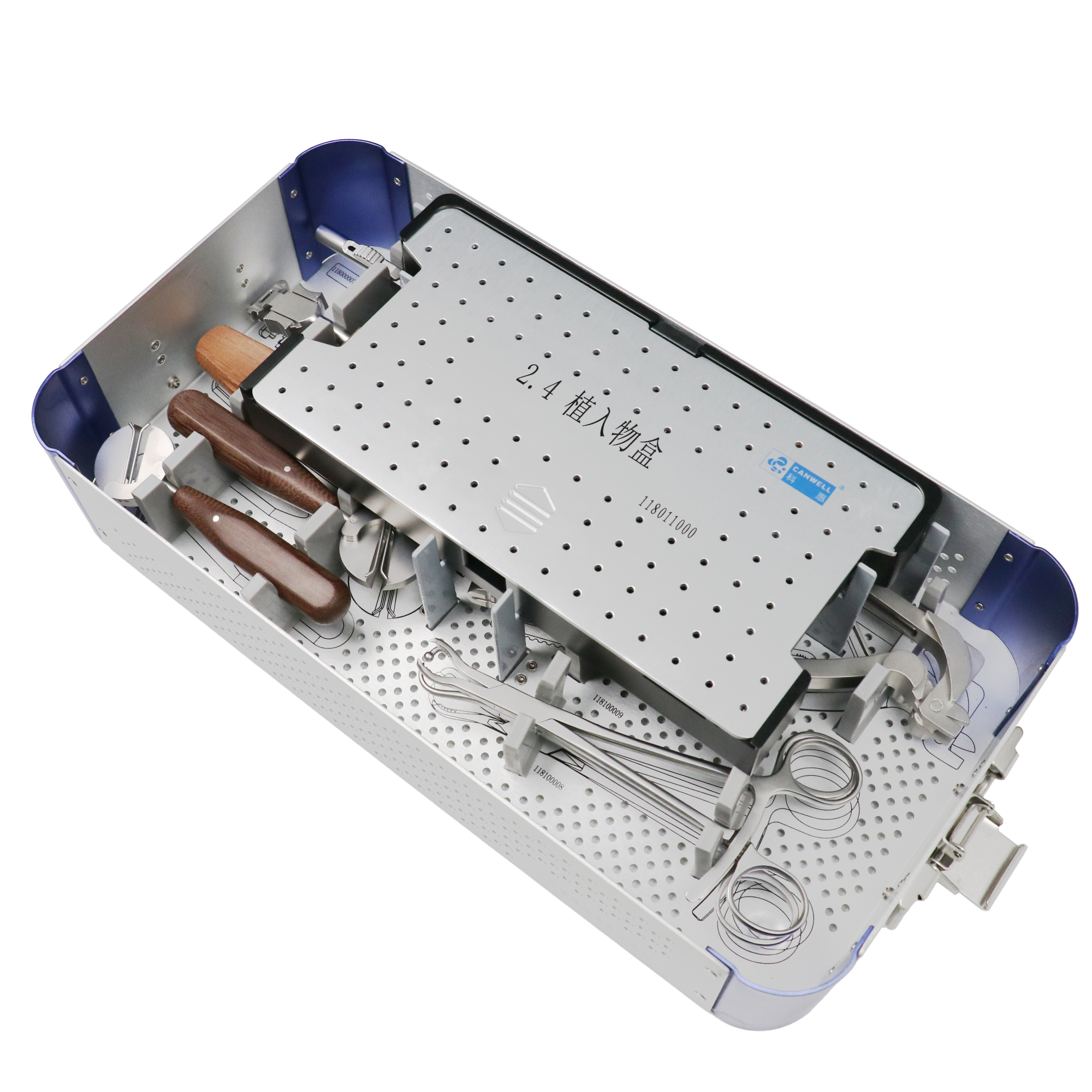
CANWELL Oral and Maxillofacial Surgery Instruments Set Cranium CMF Kit
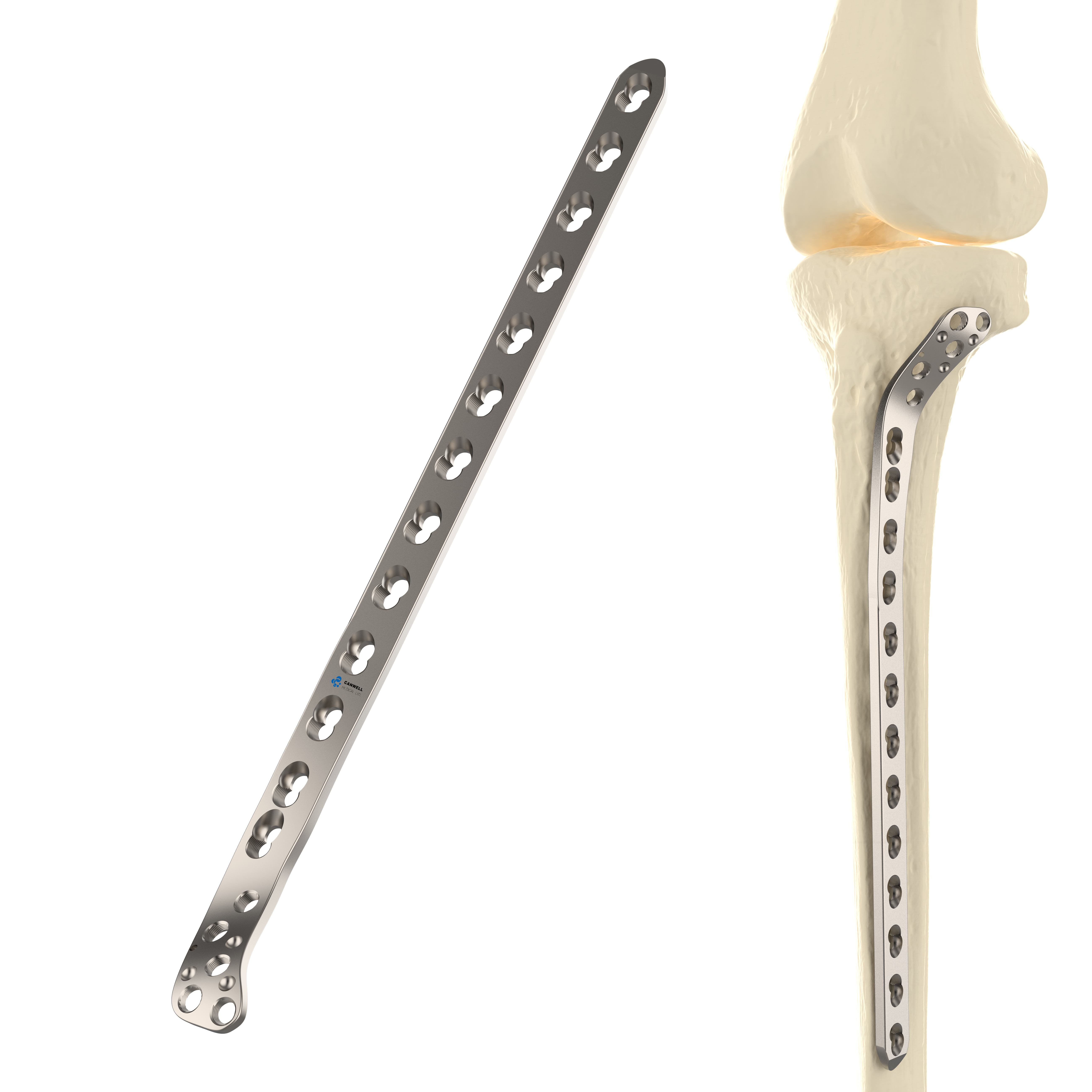
CANWELL Proximal Lateral Tibial Locking Plate 5.0mm Screw Bone Fixation
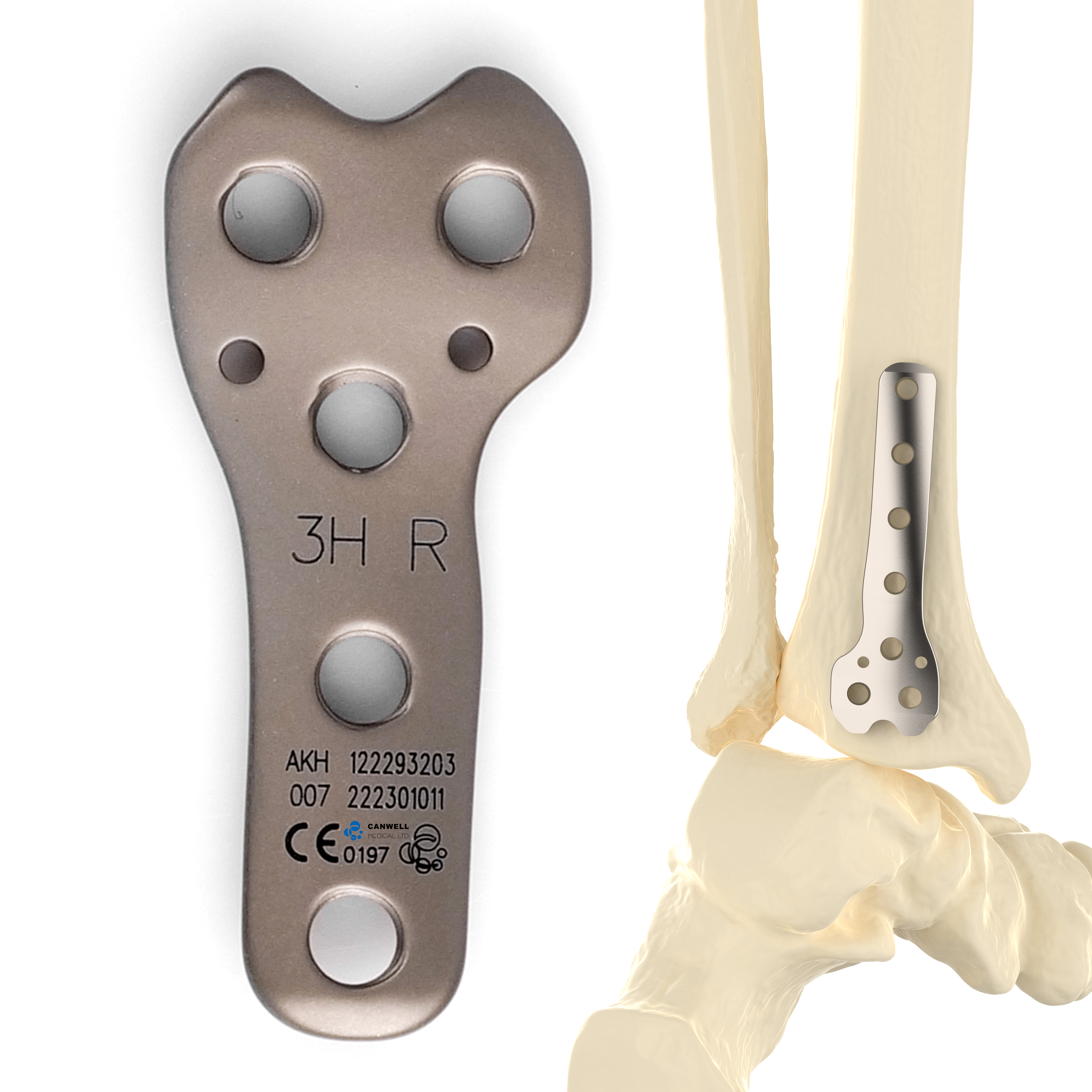
CANWELL Distal Tibial Titanium Locking Plate Posterior Limb Compression
Trauma Care Dynamics & Titanium Plate Demand Across the Tokyo Metropolis
An engineering analysis of how changing clinical demographics, PMDA rigorousness, and acute care hospital procurement protocols govern osteosynthesis implant sourcing in the Greater Tokyo Area.
The Epidemiological Shift in Kanto's Acute Trauma Wards
The Tokyo Metropolitan Healthcare Region represents one of the world's most concentrated clusters of advanced university hospitals, emergency tertiary care facilities, and specialized orthopedic trauma centers. With premier institutions across Bunkyo, Shinjuku, Minato, and Chiyoda wards—including the University of Tokyo Hospital, Keio University Hospital, Tokyo Medical and Dental University (TMDU), and Tokyo Medical University Hospital—the demand profile for orthopedic osteosynthesis devices has shifted dramatically over the past decade.
Unlike developing surgical markets predominantly driven by high-energy vehicular trauma, surgical suites across Tokyo primarily confront fragility fractures in geriatric patients complicated by severe osteoporotic bone loss. Distal radius fractures, proximal humeral fractures, periprosthetic femoral non-unions, and multi-fragmentary ankle fractures require low-profile titanium locking plates engineered with exact biomechanical characteristics: optimized screw trajectory dispersion, reduced periosteal contact surface areas, and superior fatigue resistance under cyclic micromotion.
Clinical Focus Note: For Tokyo orthopedic surgeons, reducing re-operation rates is paramount. Titanium plates must achieve rigid internal stabilization without disrupting periosteal microvascular circulation, minimizing plate prominence to eliminate soft-tissue and extensor tendon irritation in low-BMI patients.
PMDA Regulatory Standards & Quality Thresholds
Navigating the Japanese orthopedic device landscape requires absolute compliance with the Pharmaceuticals and Medical Devices Agency (PMDA) under the Pharmaceutical and Medical Device Act (PMD Act). Sourcing orthopedic implants for distributors and hospitals in Tokyo demands strict conformity with MHLW Ministerial Ordinance No. 169 (Japan’s standard for Medical Device Quality Management Systems, closely aligned with ISO 13485:2016) and relevant Japanese Industrial Standards (JIS).
Titanium plates imported into or distributed throughout the Tokyo market fall primarily under Class II (Controlled Medical Devices) or Class III (Designated Specially Controlled Medical Devices). To secure approval via Designated Third-Party Certification Bodies (Registered Certification Bodies, RCB) for Ninsho pre-market certification, or via the PMDA directly for Shonin pre-market approvals, suppliers must maintain full biocompatibility dossiers according to ISO 10993-1, exhaustive mechanical testing data conforming to ASTM F382 (Standard Specification and Test Method for Metallic Bone Plates), and documented cleanroom particulate counts meeting ISO Class 7 and Class 8 standards.
Furthermore, medical distributors across Japan require their primary manufacturing partners to hold verified supplier credentials. As an SGS-verified manufacturer boasting over 22 years of clinical machining experience, Zhejiang INAR Medical Co., Ltd. provides comprehensive Technical Documentation Files (TDFs), full traceability from virgin bar stock to packaged blister, and complete CE compliance under EU MDR (2017/745) and Directive 93/42/EEC—giving Tokyo distributors an air-tight technical foundation for domestic registrations.
Metallurgical Purity: Ti-6Al-4V ELI vs. Commercially Pure Titanium
Comparative metallurgical evaluation adhering to ISO 5832-3, ASTM F136, JIS T 7401-2, and ASTM F67 standards for medical osteosynthesis implants.
| Material Designation | Applicable Standards | Tensile Strength (MPa) | Yield Strength (0.2%, MPa) | Modulus of Elasticity (GPa) | Primary Clinical Application | MRI Compatibility |
|---|---|---|---|---|---|---|
| Ti-6Al-4V ELI (Grade 23) | ISO 5832-3 / ASTM F136 / JIS T 7401-2 | ≥ 860 | ≥ 790 | 110 - 114 | High-load load-bearing trauma plates, distal femur, proximal tibia, locking screws | Non-ferromagnetic (Artifact minimized) |
| Commercially Pure Ti (Grade 4) | ISO 5832-2 / ASTM F67 / JIS T 7401-1 | ≥ 550 | ≥ 480 | 105 | Anatomical rib fixation plates, reconstruction plates requiring extensive intra-op contouring | Non-ferromagnetic (Excellent) |
| Commercially Pure Ti (Grade 2) | ISO 5832-2 / ASTM F67 | ≥ 345 | ≥ 275 | 103 | Cranio-maxillofacial (CMF) mesh, low-stress nasal/orbital micro-fixation | Artifact-free imaging |
| Impl. Stainless Steel (316LVM) | ISO 5832-1 / ASTM F138 | ≥ 860 | ≥ 690 | 200 - 210 | Conventional trauma (Higher stiffness, greater risk of stress shielding in osteoporotic bone) | Magnetic susceptibility artifacts present |
Stress Shielding Prevention via Modulus Matching
A primary consideration for Tokyo orthopedic surgeons treating geriatric patients is the mitigation of stress shielding. Human cortical bone exhibits an elastic modulus between 15 and 30 GPa. Conventional 316LVM stainless steel, possessing a rigid modulus exceeding 200 GPa, bears excessive mechanical stress, shielding the underlying healing bone from physiologic loading. Over time, this induces localized osteopenia and peri-implant bone resorption, predisposing the patient to refracture upon plate extraction.
By engineering trauma plates exclusively from medical-grade Ti-6Al-4V ELI (Extra Low Interstitial) and CP Titanium, INAR Medical delivers an elastic modulus (~110 GPa) that is significantly closer to cortical bone. This facilitates micro-motion at fracture calluses, accelerating secondary bone healing through enchondral ossification while ensuring adequate yield strength to prevent plate collapse during early non-weight-bearing rehabilitation protocols.
Advanced Surface Micro-Morphology & Color Anodization
Surface treatment dictates cellular response. INAR Medical employs automated multi-stage ultrasonic washing followed by precision Type II electrochemical anodization. This creates a dense, passivated titanium dioxide (TiO2) boundary layer that eliminates free metallic ion leaching, substantially reducing the incidence of metallosis or delayed inflammatory soft-tissue reactions.
Furthermore, color-coded anodization (gold, dark blue, cyan, magenta) serves critical logistical and surgical functions. In Tokyo hospital operating theaters, where surgical turnover speed is tightly monitored, color-coded plate-screw systems allow scrub nurses and surgical teams to immediately cross-verify screw diameters (e.g., 2.4mm vs. 2.7mm variable-angle locking screws) against corresponding plate hole bushings, minimizing surgical time and eliminating intraoperative sizing errors.
Tokyo Localized Application Matrix: Extremity & Trauma Scenarios
Targeted fixation architectures developed for complex fracture configurations encountered in modern Japanese trauma centers.
Distal Radius Volar Locking Fixation
Widely utilized in Tokyo municipal hospitals for active seniors experiencing Colles' or Smith's fractures. Featuring an ultra-thin distal lip (1.5mm profile) positioned proximal to the watershed line, INAR's variable-angle (VA) plates allow ±15° multi-directional screw trajectory to capture small styloid and lunate facet fragments without penetrating the radiocarpal articular cartilage.
Tibial Plateau & Complex Pilon Injuries
Treating high-energy sports and industrial injuries across Kawasaki, Yokohama, and Tokyo docks. Proximal lateral and distal posterior tibial locking compression plates (LCP) provide pre-shaped anatomical contours that cradle the condyles, preventing varus/valgus collapse and supporting comminuted metaphysical segments with combi-hole technology.
Anatomical Rib & Thoracic Stabilization
Addressing blunt chest trauma in major disaster base hospitals throughout the Kanto basin. Malleable Pure Titanium Grade 4 rib plates match patient-specific thoracic curvature. Low screw head profiles prevent intercostal neurovascular bundle impingement, significantly cutting ventilation dependence days in intensive care units.
Subtalar & Sinus Tarsi Arthrodesis
Minimally invasive hindfoot stabilization designed for foot and ankle specialists at Tokyo private specialty clinics. The 2.4/2.7mm cannulated sinus tarsi locking screws and companion low-profile plates deliver rigid multi-planar compression across the talocalcaneal joint with micro-incision approaches that preserve local blood supply.
Cranio-Maxillofacial (CMF) Trauma Trays
High-precision mandibular and midface reconstructive kits supplied directly to university medical centers in Bunkyo Ward. Engineered with surgical-grade precision tolerances, these micro titanium plates offer ductile shaping capability without notch-sensitivity crack propagation during contouring.
Pediatric Long-Bone Elastic Fixation
INAR's Titanium Elastic Nails (TEN) system provides pediatric orthopedic teams in Tokyo with minimally invasive retrograde or antegrade fixation of femoral and tibial shaft fractures, balancing symmetrical three-point elastic stabilization with biological bone remodeling preservation.
Trends Shaping Orthopedic Supplier Selection in Tokyo
How Japanese national medical reimbursement tariffs (Chuikyo), supply chain resilience, and private label OEM partnerships are redefining distributor procurement models.
The Impact of Chuikyo Reimbursement Revisions
Under Japan’s statutory National Health Insurance (NHI) framework, reimbursement prices for medical devices—managed by the Central Social Insurance Medical Council (Chuikyo)—undergo biennial biennial price revisions. For orthopedic internal fixation plates and locking screws, these revisions have exerted consistent downward pressure on standard reimbursement caps, constraining the operational margins of Tokyo-based trading distributors and private hospital groups.
Consequently, Tier-1 and Tier-2 medical distributors across Kanto can no longer depend exclusively on high-cost Western multinational conglomerates whose premiums squeeze local margins. Forward-thinking Japanese procurement executives are actively seeking direct alliances with fully certified, audit-verified contract manufacturers (OEM/ODM) capable of delivering equal metallurgical purity, identical mechanical reliability, and CE MDR validation at direct-from-manufacturer price levels.
Near-Shore Strategic Stocking & Consignment Models
Hospital logistics within Tokyo operate on zero-tolerance consignment paradigms. University and red-cross hospitals rarely store large bulk quantities of internal fixation plates; instead, local orthopedic distributors provide surgical sets on a case-by-case consignment basis, complete with matching instrument sterilization trays.
To support this high-cadence turnaround, suppliers must ensure unbroken supply pipelines. Zhejiang INAR Medical Co., Ltd., located in nearby Zhejiang, China, maintains daily air-freight corridors into Tokyo Haneda (HND) and Narita (NRT) international hubs. Orders and replenishment shipments clear customs and arrive in regional distribution warehouses within 48 to 72 hours—providing Tokyo distributors with rapid replenishment without bloated domestic carrying costs.
Frequently Asked Questions by Japanese Sourcing Managers
Direct answers to technical, regulatory, and contractual questions commonly evaluated by Tokyo medical device importers and distributor buying committees.
What regulatory documentation is provided for PMDA Shonin/Ninsho filings? +
Can INAR provide custom OEM contours suited to Japanese anatomic profiles? +
What is your quality protocol for thread integrity and screw-to-plate cold welding? +
How do you handle private label branding and Japanese medical labeling? +
What are the standard freight lead times and emergency re-order cycles for Tokyo? +
How is factory transparency guaranteed before contract commitment? +
Zhejiang INAR Medical Co., Ltd. — Your Direct Manufacturing Partner
Operating an integrated 29,523 m² modern orthopedic production complex with over 22 years of dedicated osteosynthesis manufacturing excellence.
Full-Spectrum Manufacturing Without Third-Party Subcontracting
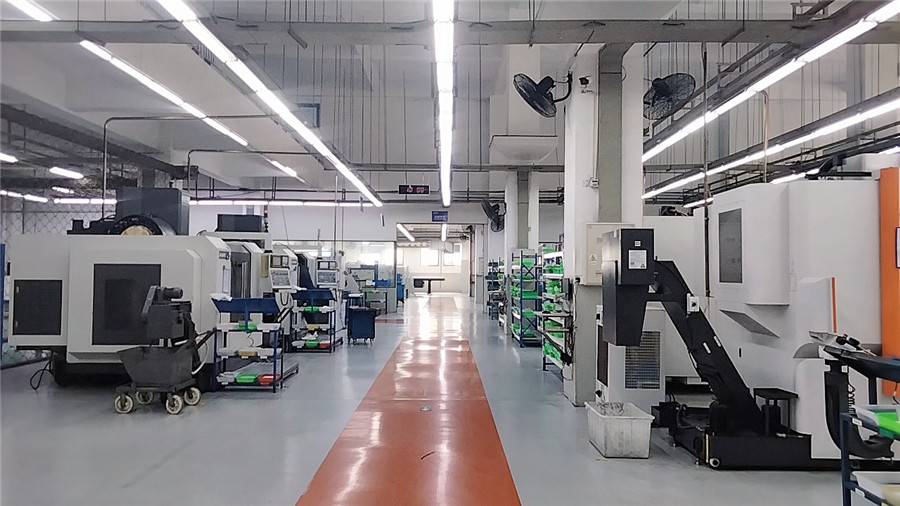
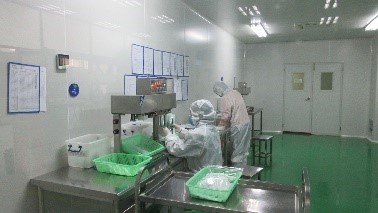
Founded in Jinhua, Zhejiang, China, Zhejiang INAR Medical Co., Ltd. has grown to become a benchmark manufacturer of orthopedic implants and surgical instruments. Employing 632 full-time staff, including 58 seasoned metallurgical and mechanical engineers, our facility eliminates external subcontractor risks by handling raw bar stock cutting, longitudinal CNC milling, multi-axis surface contouring, manual and automated polishing, chemical passivation, multi-stage ultrasonic washing, laser marking, and sterile barrier packaging all under one roof.
Our mechanical testing laboratories operate state-of-the-art servo-hydraulic endurance testers, static torsion benches, and packaging seal integrity aging chambers. By validating every single batch against rigorous cyclic fatigue standards, we guarantee zero clinical failures in high-load orthopedic applications.
The Competitive Edge for Tokyo Distributors
Partnering directly with INAR Medical empowers Japanese medical supply companies to bypass multi-layer domestic trading intermediaries. Tokyo distributors gain direct factory pricing, full technical transparency, dedicated R&D access, and consistent batch manufacturing documentation that dramatically shortens regulatory submission times.
With an established export footprint spanning Europe, South America, Southeast Asia, and the Middle East for over 13 years, INAR understands international shipping protocols, cold-chain considerations, and the impeccable aesthetic and mechanical standards expected by Japanese orthopedic clinicians.

Request Technical Dossiers & OEM Sourcing Quotations for Tokyo
Connect directly with our senior orthopedic engineering team. Whether you are an authorized Tokyo medical device distributor, hospital procurement director, or OEM brand owner, we supply customized quotation plans, sample evaluation kits, and full PMDA-support documentation within 24 hours.