Top 10 Acromioclavicular Joint AC Repair Button Manufacturers & Factories in Basel
A Comprehensive Clinical Sourcing Analysis for Swiss Hospitals, Trauma Surgery Clinics, and Sports Medicine Distributors Under EU MDR & MedDO Frameworks
Surgical Hardware Portfolio
Featured Orthopedic Trauma & Sports Reconstruction Implants
Precision-engineered biomechanical systems manufactured under ISO 13485 standards, compliant with CE MDR / 93/42/EEC certifications for international procurement.
Clinical & Biomechanical Analysis
Acromioclavicular Joint Button Fixation: Structural Engineering & Clinical Efficacy
A surgical-grade review of coracoclavicular (CC) ligament reconstruction mechanics, cyclic fatigue load performance, and biocompatible material optimization.
Biomechanical Rationale: Double-Button Suture Loops vs. Traditional Hook Plates
Acromioclavicular (AC) joint dislocations (classified under Rockwood Grades III through VI) represent high-energy disruptions of both the acromioclavicular and coracoclavicular (CC) ligament complexes (trapezoid and conoid ligaments). Historically, rigid metallic hook plates were the benchmark intervention across European trauma centers. However, clinical meta-analyses demonstrate that transarticular rigid fixation is prone to substantial subacromial osteolysis, rotator cuff impingement, and mandatory secondary hardware extraction surgeries.
The contemporary standard adopted throughout premier Swiss surgical centers utilizes low-profile cortical fixation: the Acromioclavicular Joint AC Repair Button. By pairing an anatomically contoured clavicle button with an oblong subcoracoid flip-button connected via continuous loops of Ultra-High-Molecular-Weight Polyethylene (UHMWPE) braided sutures, surgeons achieve dynamic, elastic fixation that mimics natural physiological kinematics. Biomechanical testing under cyclic axial loading (1,000 cycles at 70 N to 400 N) indicates that cortical button constructs yield superior ultimate load-to-failure parameters (exceeding 850 N) while eliminating the requirement for secondary hardware removal.
>850 N
Failure Load Capacity
0.05 mm
CNC Milling Tolerance
100%
Traceable Medical Ti6Al4V
ISO 13485
SGS Verified Compliance
Material Science: Grade 5 Titanium Alloy (Ti6Al4V ELI) & Hydrophobic UHMWPE
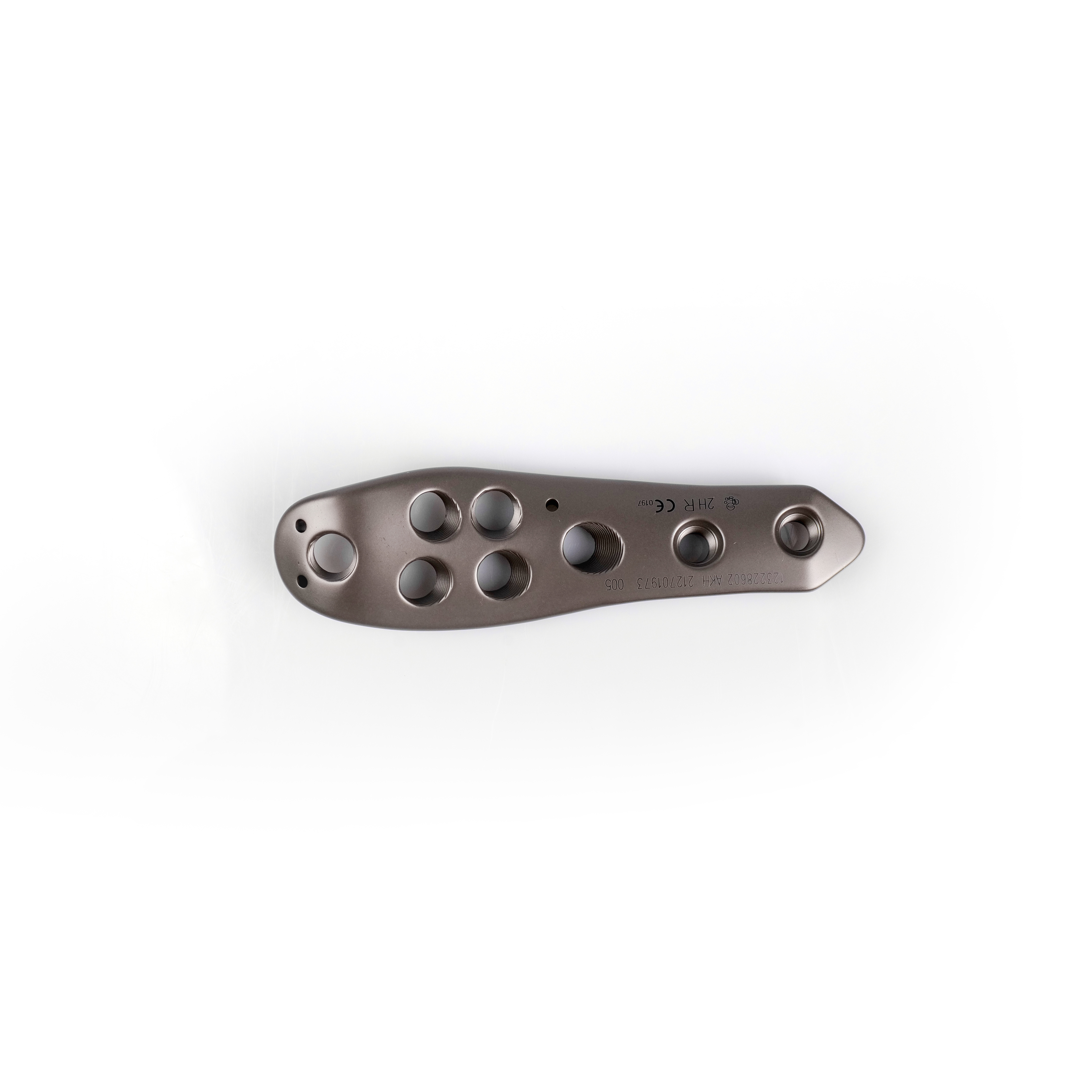
Manufacturing cortical AC repair buttons necessitates rigorous metallurgical and polymer control. Cortical buttons must bear tensile loads without inducing stress concentrations on fragile cortical bone walls. The implant plates are machined from medical-grade Titanium Grade 5 ELI (Extra Low Interstitial - ASTM F136), delivering optimal fatigue endurance and biocompatibility. Precision multi-axis CNC micro-machining chamfers all through-holes, mitigating suture friction and preventing catastrophic high-tensile braid shear under rotational stress.
The integrated suture loop leverages medical-grade UHMWPE braided yarn engineered with a core-braid configuration that resists creep elongation under chronic cyclical loads. The non-absorbable polymer guarantees consistent reduction distance between the coracoid process and the superior clavicular cortex, providing uninterrupted mechanical stability while native biological scarring bridges the torn soft tissue.
Industry Ecosystem Directory
Top 10 Acromioclavicular Joint AC Repair Button Manufacturers & Supply Partners in Basel
An objective, benchmarked analysis of global and regional manufacturers serving orthopedic surgical departments, trauma hospitals, and purchasing alliances across Canton Basel-Stadt and Canton Basel-Landschaft.
01
DePuy Synthes (Johnson & Johnson MedTech)
Zuchwil / Basel Distribution Hub, Switzerland
Recognized worldwide for pioneering the dynamic suspension concept in AC joint stabilization. Synthes maintains an extensive presence throughout the Swiss trauma network, offering premium titanium button fixation kits engineered specifically for acute Rockwood Grade III-V dislocations.
Key Offering: Minimally invasive AC repair kits, variable continuous suture loops, integrated clavicular hook backup systems.
02
Arthrex Swiss AG
Belp / Basel Medical Supply Network
A market innovator in arthroscopic sports medicine, widely utilized within Basel orthopedics. Their continuous-loop titanium cortical buttons, combined with specialized targeting guides, set the industry benchmark for arthroscopically assisted coracoid fixation.
Key Offering: TightRope® and dog-bone button systems, specialized coracoid drill guides, multi-fiber non-absorbable braided sutures.
03
Zhejiang INAR Medical Co., Ltd. (CANWELL Partner)
Direct OEM / Contract Manufacturing for European Importers
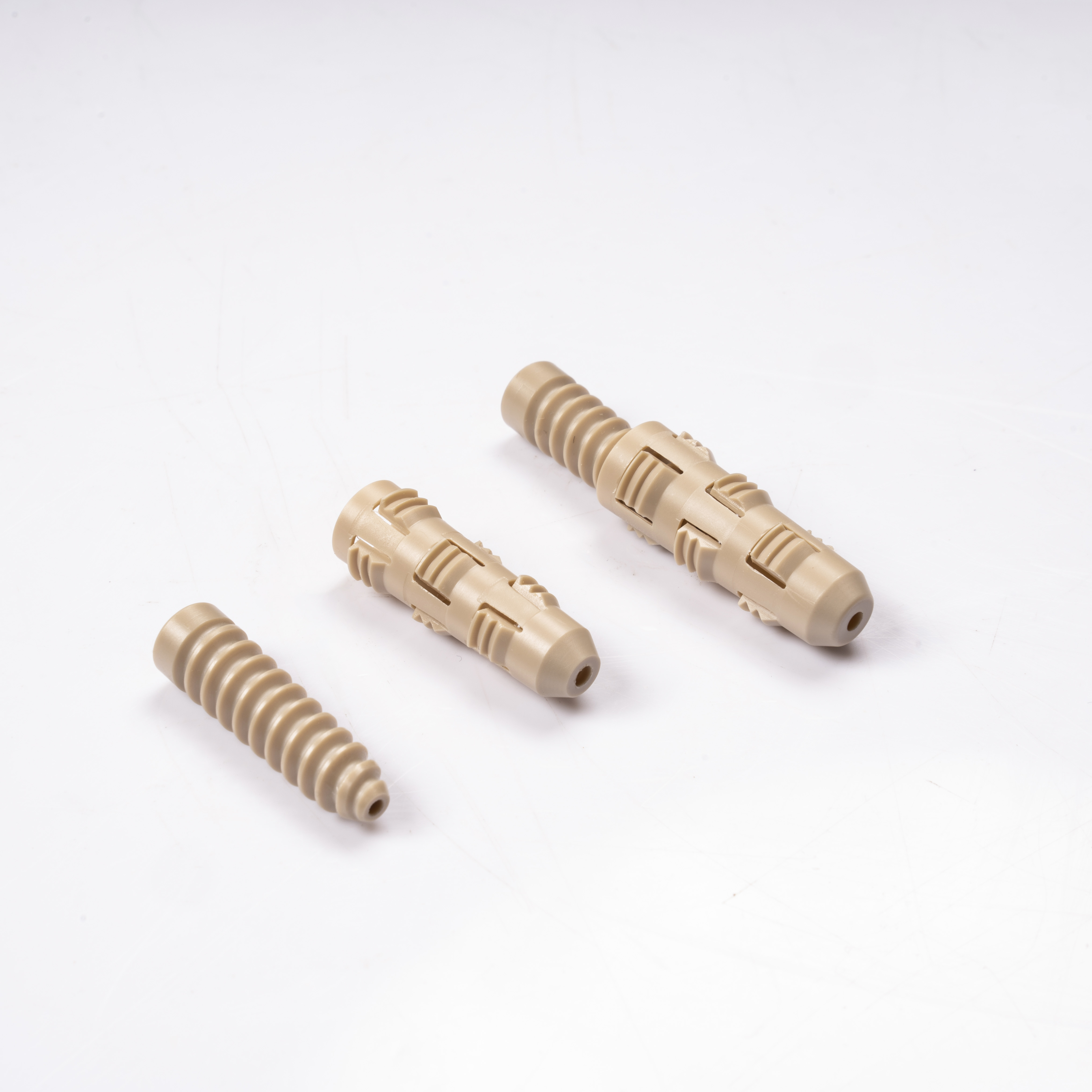
Operating an audited 29,523 m² facility with 632 technical specialists and 22+ years of manufacturing experience. INAR Medical provides custom-engineered AC Repair Buttons, PEEK interference screws, and locking systems with full CE MDR / 93/42/EEC conformity, delivering high-performance orthopedic manufacturing to Swiss distributors.
Key Offering: Ti6Al4V cortical buttons, laser marking, continuous loop UHMWPE integration, cleanroom sterile packaging, complete OEM/ODM production.
04
Smith & Nephew Orthopaedics AG
Baar / Basel Clinical Supply Chain
A premier multinational delivering advanced sports medicine implants. Their dual-construct button assemblies provide controlled biomechanical tensioning, frequently specified across high-tier surgical units in northwestern Switzerland.
Key Offering: Adjustable cortical button fixation systems, suture anchor integration, advanced arthroscopic instrumentation sets.
05
Medartis AG
Headquartered in Basel, Switzerland (Hochbergerstrasse)
Born in Basel, Medartis is celebrated internationally for osteosynthesis engineering. While emphasizing hand, wrist, and craniofacial fixation, their shoulder stabilization plates and accompanying soft-tissue repair accessories are gold-standard fixtures across Swiss trauma suites.
Key Offering: Aptus® shoulder plating, anatomically contoured clavicle lock plates, suture-compatible hybrid fixation components.
06
Stryker Trauma & Sports Medicine Switzerland
Selzach / Basel Regional Operations
Stryker’s sports medicine division supplies comprehensive joint reconstruction portfolios. Their cortical button systems emphasize intuitive drill targeting, minimizing risk of iatrogenic coracoid fracture during arthroscopic or mini-open procedures.
Key Offering: Dual-button suspension systems, UHMWPE braided tapes, cannulated reaming instrumentation.
07
Zimmer Biomet Switzerland
Winterthur / Basel Healthcare Sales Division
An orthopedic giant providing sports medicine anchors and dynamic button fixators. Their implants are widely evaluated across University Hospital Basel clinical studies evaluating long-term joint kinematics.
Key Offering: Knotless button fixation systems, subcoracoid anatomical pads, bio-inert titanium mesh hardware.
08
KLS Martin Group
Tuttlingen (Border proximity to Basel) / Swiss Branch
Strategically located adjacent to Basel along the German-Swiss medical cluster, KLS Martin manufactures precision titanium implants, operating an extensive logistics network that directly serves Basel-Stadt hospitals.
Key Offering: High-precision traumatology plates, bespoke CNC button manufacturing, cleanroom packaging solutions.
09
Mathys AG Bettlach
Bettlach (Solothurn) / Basel Canton Distributor
A historic Swiss orthopedic developer with decades of clinical trust across the Swiss plateau. Mathys focuses on durable biomaterials, offering comprehensive joint repair technologies compliant with Swiss MedDO regulations.
Key Offering: Orthopedic joint reconstruction, advanced surface-treated titanium implants, surgical instrumentation trays.
10
ConMed Switzerland
Zurich / Basel Supply Chain Office
ConMed delivers arthroscopic sports medicine solutions throughout Swiss surgical clinics. Their dynamic fixation lines allow rapid clavicle-to-coracoid anchoring via knotless tensioning loops.
Key Offering: Suture-button constructs, knotless soft-tissue anchors, arthroscopic instruments and passing wires.
Regional Clinical Demand
Localized Applications: Trauma & Sports Medicine Demands in Basel
Canton Basel-Stadt and Canton Basel-Landschaft represent one of Europe’s most active medical hubs, requiring surgical devices tailored to diverse real-world indications.
Acute Alpine & Cycling Trauma
Basel is positioned along major Swiss cycling paths and serves as a primary departure gate for alpine recreational sports. High-energy direct-impact shoulder separations (Rockwood Grade III-V) require immediate cortical button stabilization to restore anatomical CC distance without rigid bridging.
Professional Athlete Rapid Rehabilitation
FC Basel football professionals and competitive athletes treated at specialized orthopedic clinics require minimally invasive arthroscopic button deployment. Dynamic fixation allows early active-assisted circumduction exercises, preventing glenohumeral stiffness.
Chronic Dislocation Revision Procedures
For chronic instability presenting months post-injury, Basel trauma units frequently pair cortical buttons with autologous gracilis or semitendinosus graft augmentations, utilizing the button construct as internal mechanical protection while biological incorporation occurs.
Market Intelligence
Procurement & Regulatory Trends in the Swiss Orthopedic Sector
Understanding the interplay between EU MDR transition periods, Swiss Medical Devices Ordinance (MedDO), and OEM cost containment strategies.
Navigating Swiss MedDO & CH-REP Requirements
Following the expiration of the mutual recognition agreement (MRA) between Switzerland and the European Union, the Swiss Federal Office of Public Health (FOPH / Swissmedic) enforces the Swiss Medical Devices Ordinance (MedDO / ODMed). For hospital procurement executives in Basel-Stadt and Liestal, all incoming implantable hardware—including AC Joint Repair Buttons and interference screws—must comply with EU MDR (Regulation 2017/745) requirements and feature a designated Swiss Authorized Representative (CH-REP).
Contract manufacturing partners must maintain flawless ISO 13485:2016 quality management systems, complete technical documentation dossiers, and exhaustive biocompatibility reports (ISO 10993) to enable Swiss authorized distributors to register products seamlessly via the Swissdamed database.
Shift Toward High-Margin OEM / Private Label Direct Procurement
Due to severe cost pressures within the Swiss DRG (Diagnosis Related Groups) flat-rate hospital compensation framework, leading surgical clinics across northwestern Switzerland are bypassing legacy branded conglomerates for select routine items. By partnering directly with verified Class III orthopedic original equipment manufacturers (OEMs), medical supply wholesalers in Basel are delivering equivalent biocompatible titanium devices at a 35% to 50% cost reduction, preserving hospital margin performance without compromising patient safety.
Verified Manufacturing Infrastructure
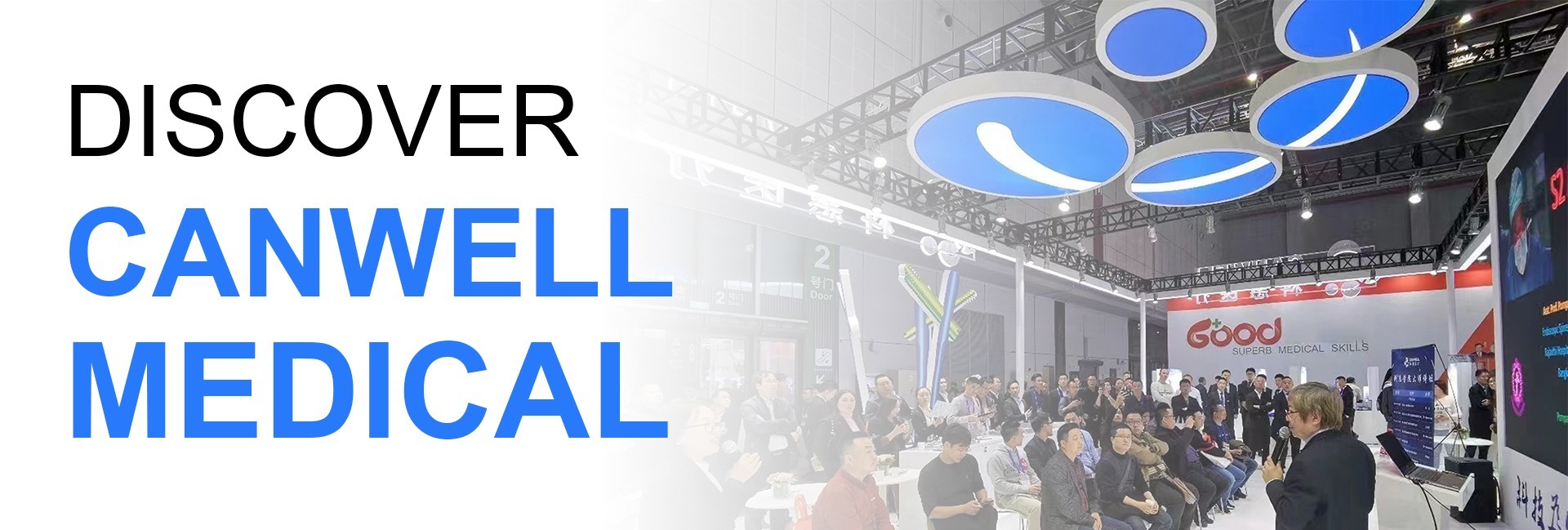
As a leading orthopedic implant and surgical instrument enterprise with 22+ years of manufacturing leadership and 632 dedicated employees, Zhejiang INAR Medical Co., Ltd. operates a high-precision 29,523 m² facility fully audited onsite by SGS Group.
- Multi-Axis CNC Machining Centers for sub-millimeter surgical tolerances
- Complete 13-stage production: From raw bar stock to ultrasonic cleaning & OQC
- In-house Class 100,000 Aseptic Packing Room and Mechanical Fatigue Lab
- CE MDR & Directive 93/42/EEC certifications supporting European export
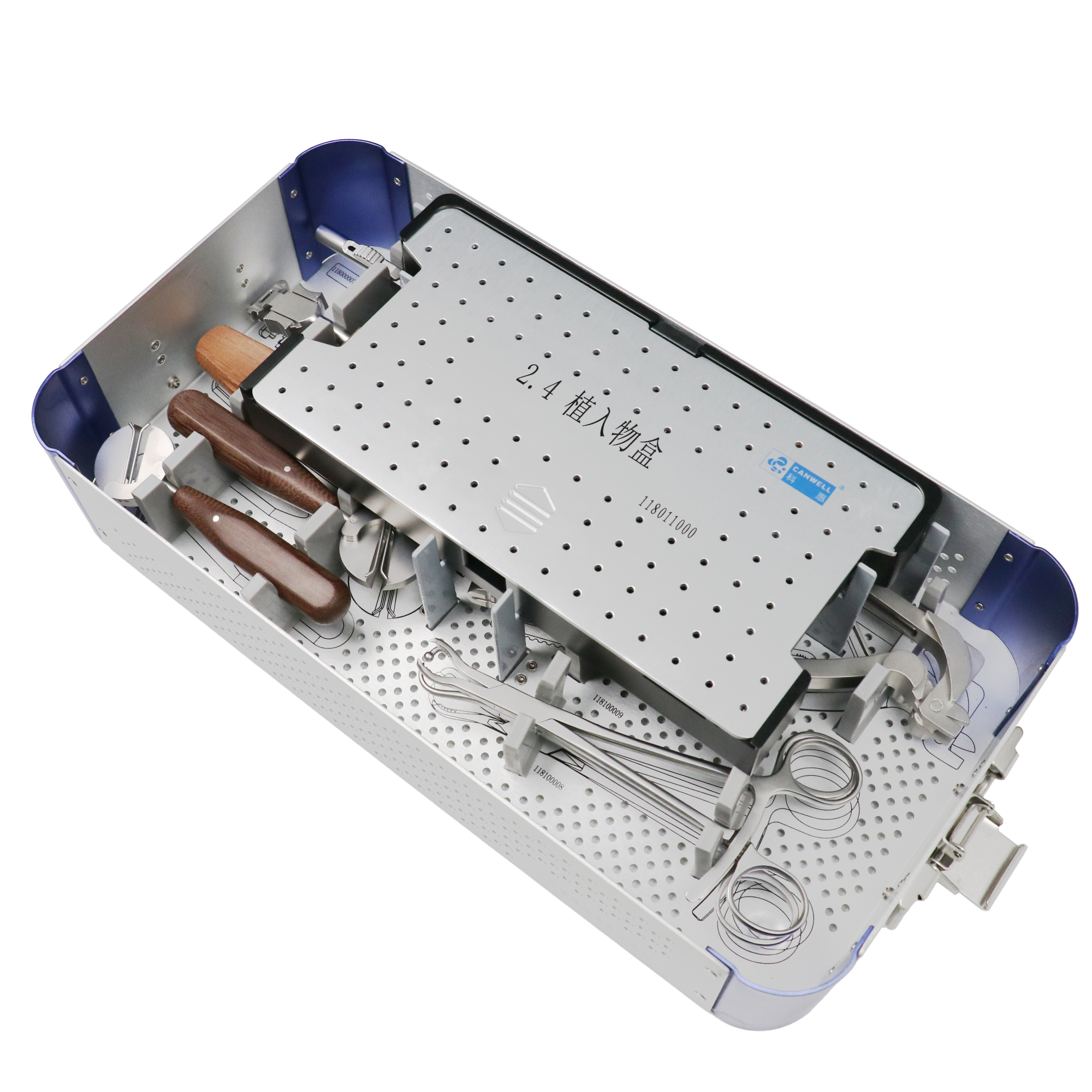
Full OEM/ODM support: custom plate contours, private-label laser etching, custom anodization, and specialized arthroscopic instrumentation trays.
Purchasing Clarifications
Frequently Asked Questions by Basel Procurement Teams
Direct answers addressing Swiss regulatory compliance, material testing, minimum order volumes, and clinical instrumentation.
What specific regulatory documentation accompanies AC Joint Repair Button shipments into Switzerland?
Shipments intended for European and Swiss commercial distribution are supported by full CE Certificates (under EU MDR 2017/745 and/or 93/42/EEC directives), ISO 13485:2016 Quality Management Certification, SGS onsite inspection audit declarations, Material Mill Test Certificates (confirming Ti6Al4V ELI per ASTM F136), ultrasonic cleaning validation protocols, and comprehensive bioburden sterilization release dossiers.
How does the AC repair button design mitigate the risk of continuous-loop suture wear?
Every continuous loop channel and chamfered hole within our cortical buttons undergoes specialized radiused micro-deburring and automated centrifugal electro-polishing. This completely eliminates sharp micro-edges, preventing suture friction or shear stress during dynamic coracoclavicular movement under cyclical axial forces up to 850 N.
Are specialized arthroscopic drill guides and passing instruments available with the button kits?
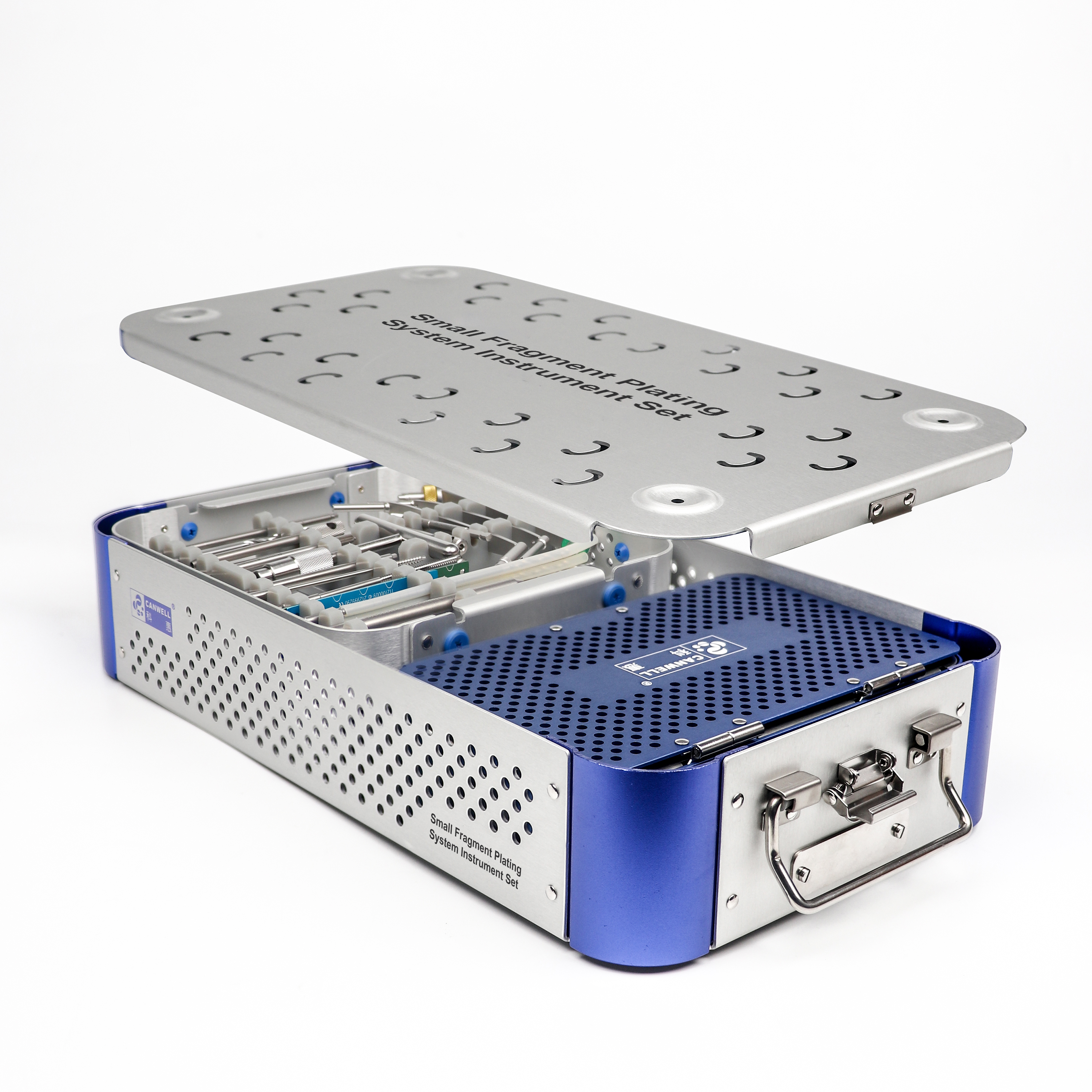
Yes. We engineer complete trauma and sports medicine surgical sets, including cannulated coracoid drill guides (designed for 3.5 mm / 4.0 mm drill sleeves), blunt guidewires, nitinol suture passers, and ergonomic depth gauges. All instrumentation is machined from medical-grade surgical stainless steel capable of hundreds of repetitive autoclave cycles.
Can Swiss distributors place private-label (OEM) orders with customized laser engraving and localized packaging?
Yes. Our OEM/ODM capabilities encompass private-label fiber laser marking (incorporating custom lot numbers, GTIN barcodes, and distributor branding), custom titanium anodized color designations, bespoke sterile blister packaging, and multilingual IFU (Instructions for Use) printing complying with German, French, Italian, and English labeling mandates.
What are the lead times and shipping protocols for hospital orders dispatched to the Basel metropolitan area?
For standard catalog inventory and pre-qualified OEM orders, production lead times generally range between 15 to 30 days. Shipments can be delivered via temperature-controlled air express directly to EuroAirport Basel-Mulhouse-Freiburg (BSL) or Zurich Airport (ZRH) within 4 to 6 business days, complete with pre-cleared customs documentation.