OEM Intramedullary
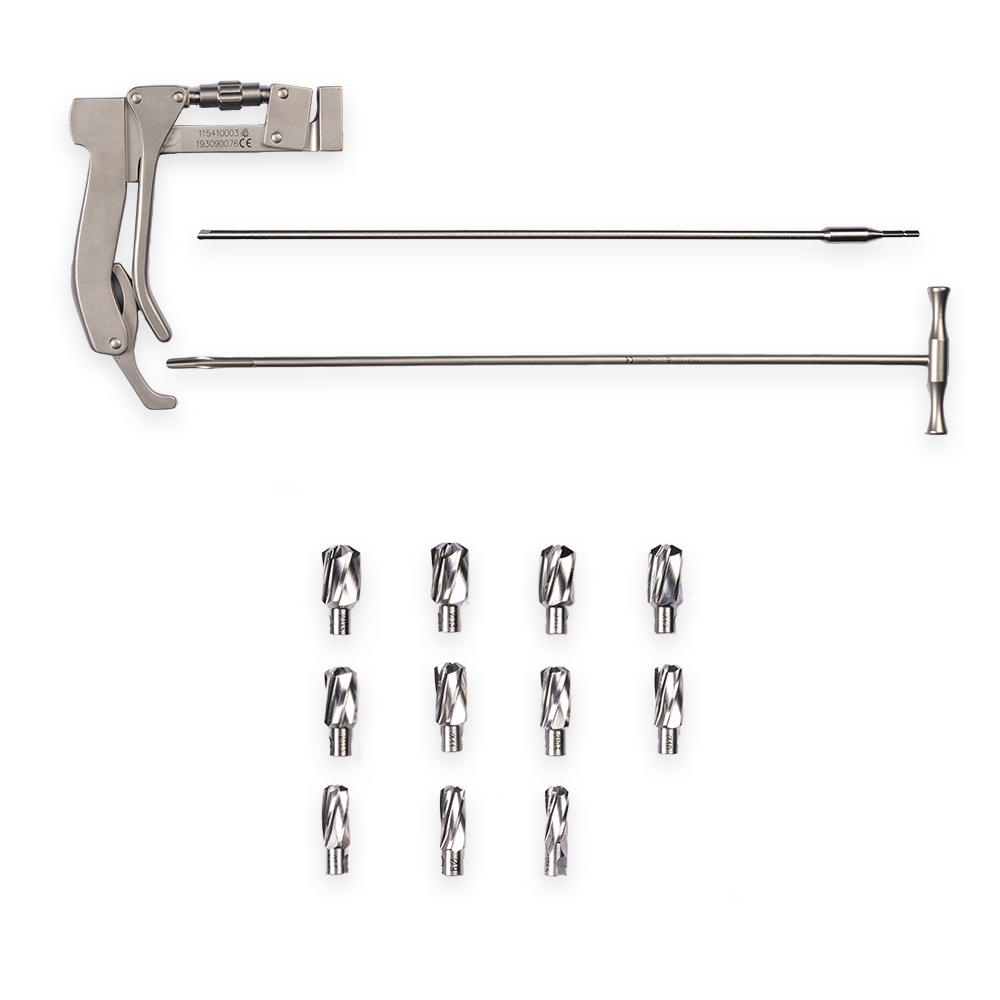
Engineered to strict CE MDR and 93/42/EEC specifications, supporting major trauma centres and NHS orthopaedic supply chains worldwide.
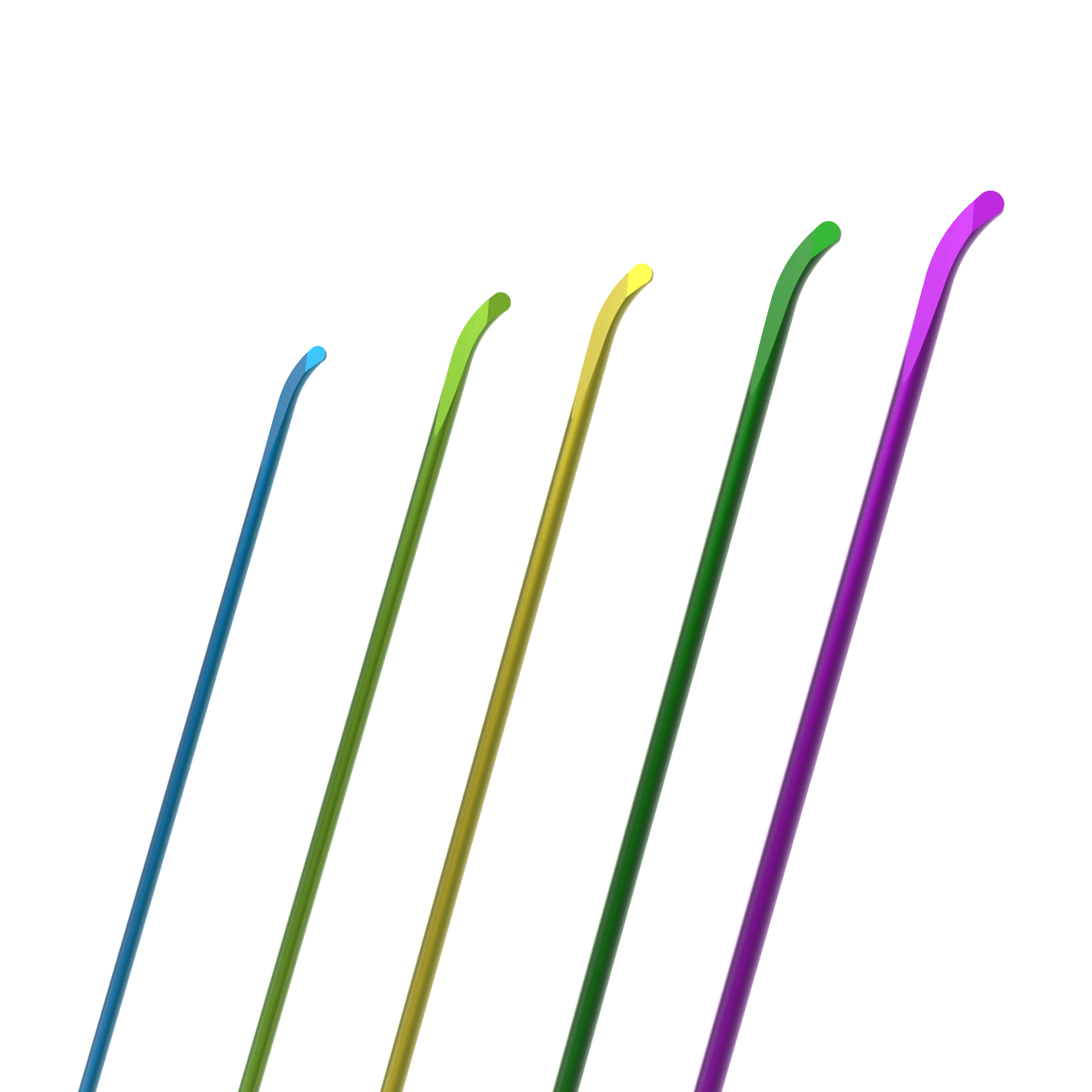
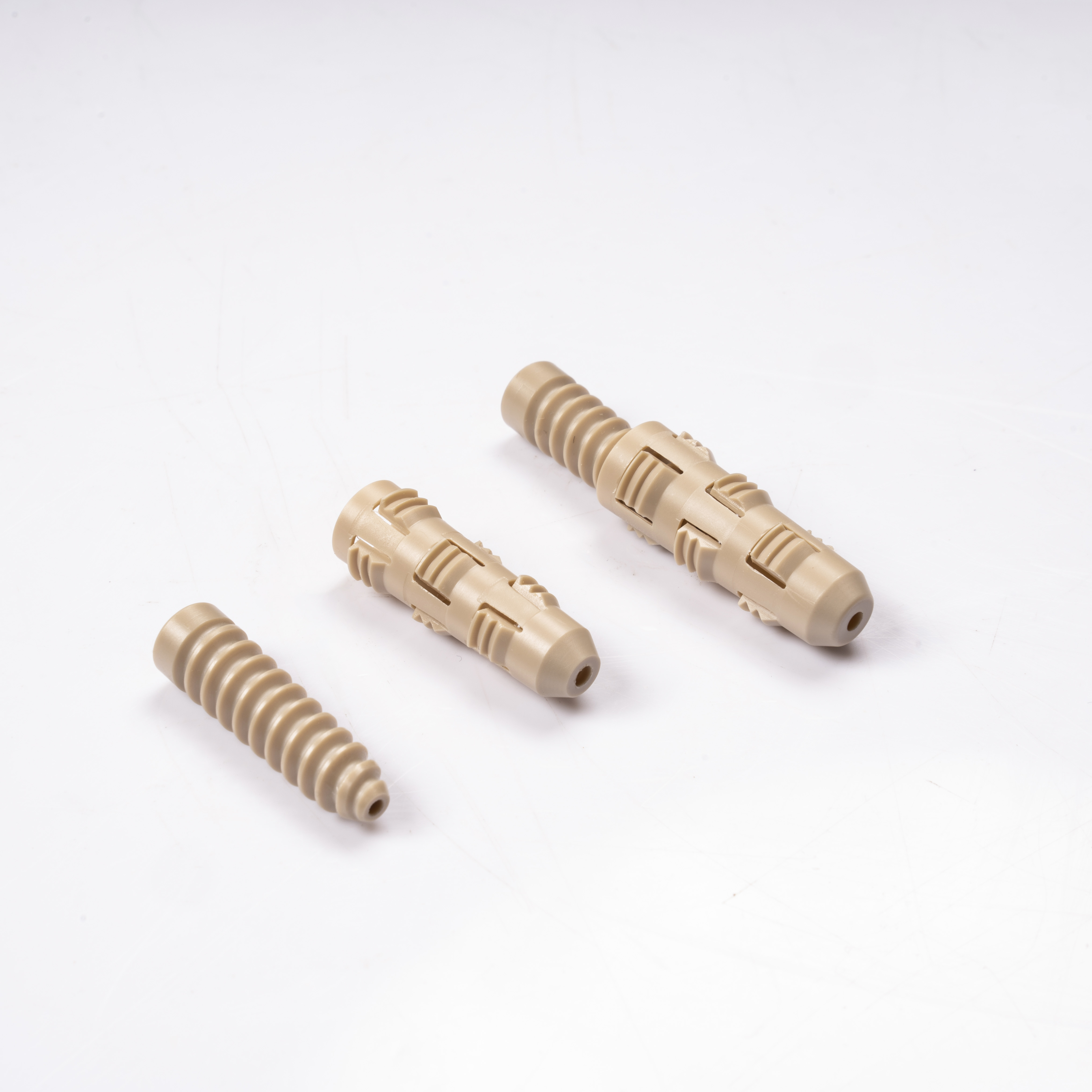
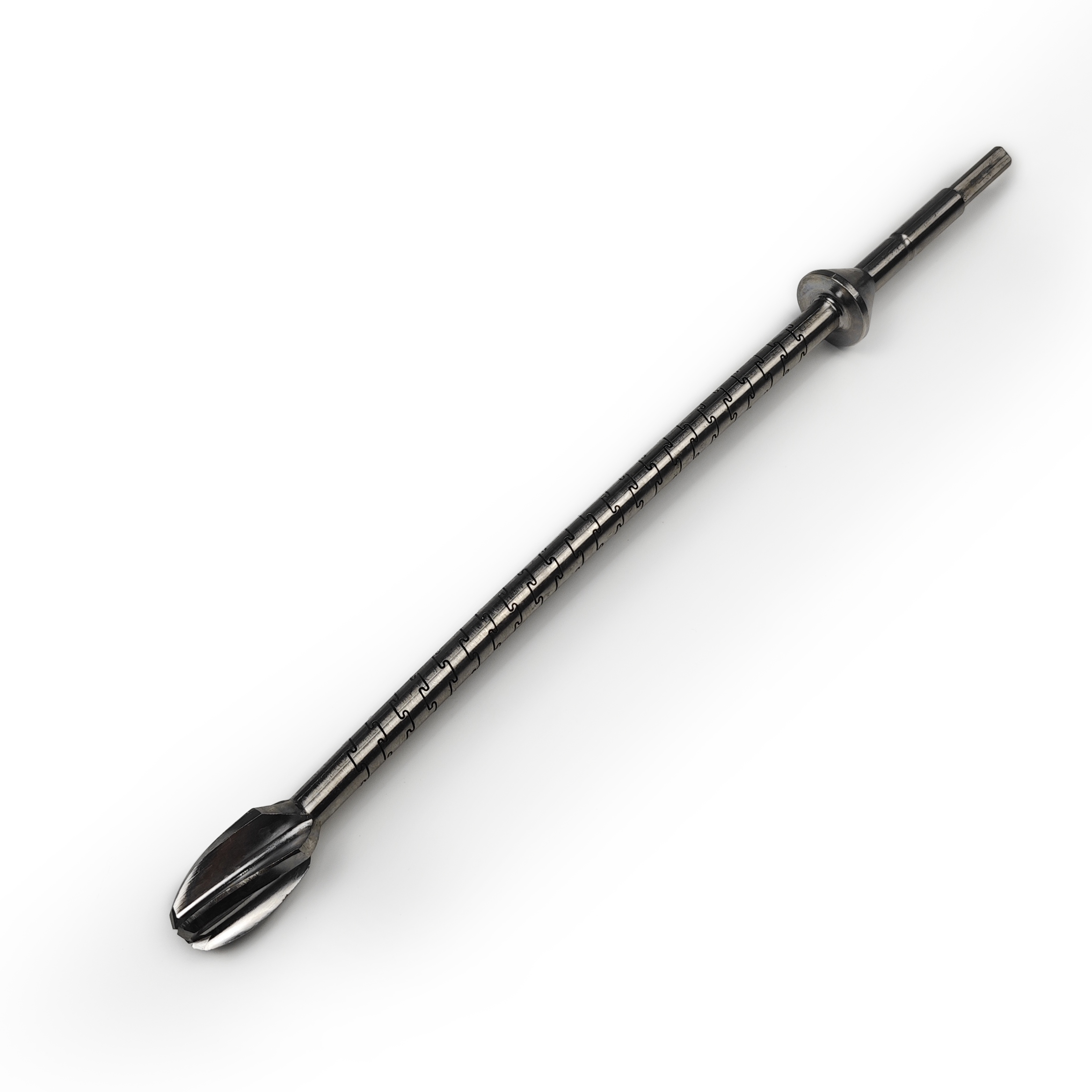
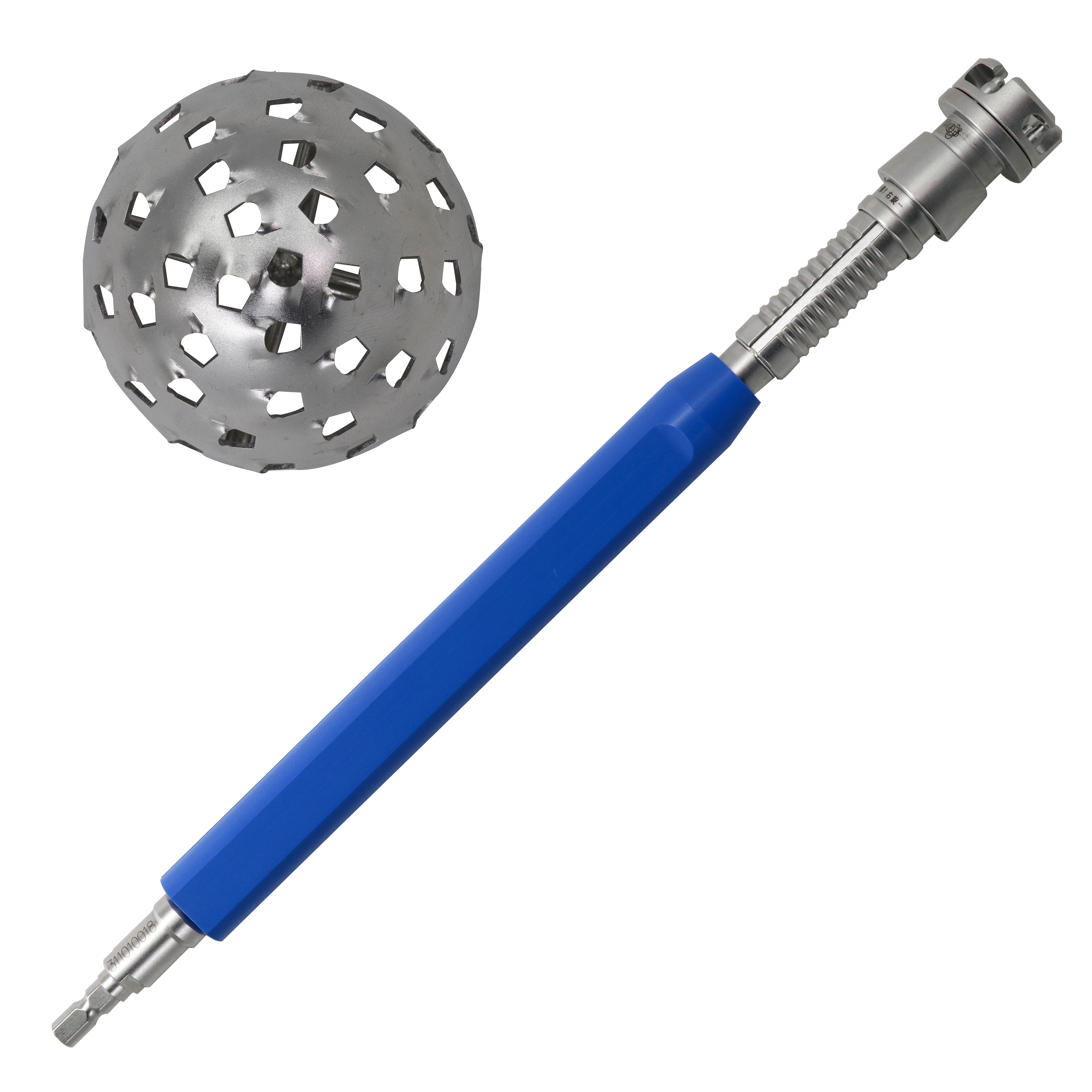
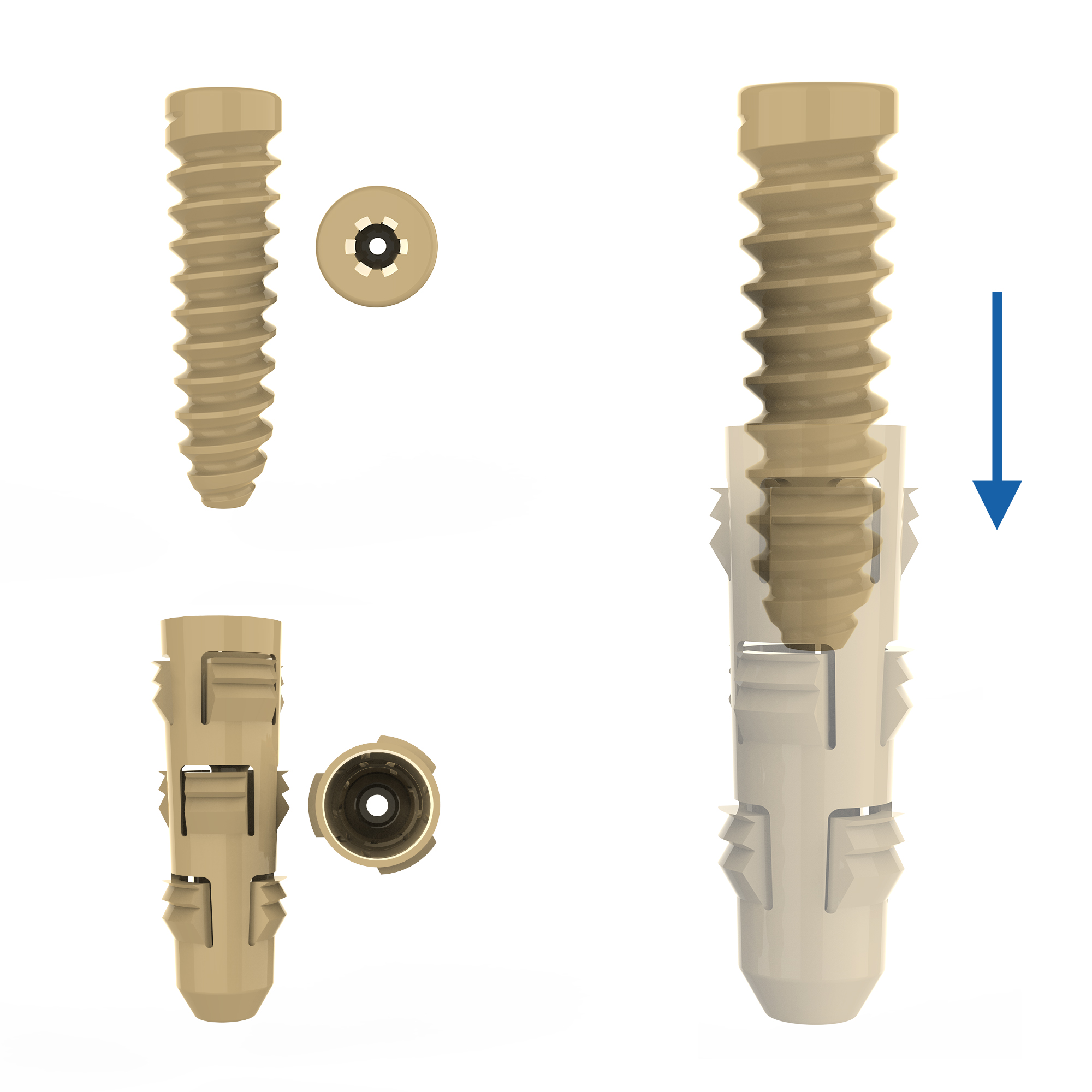
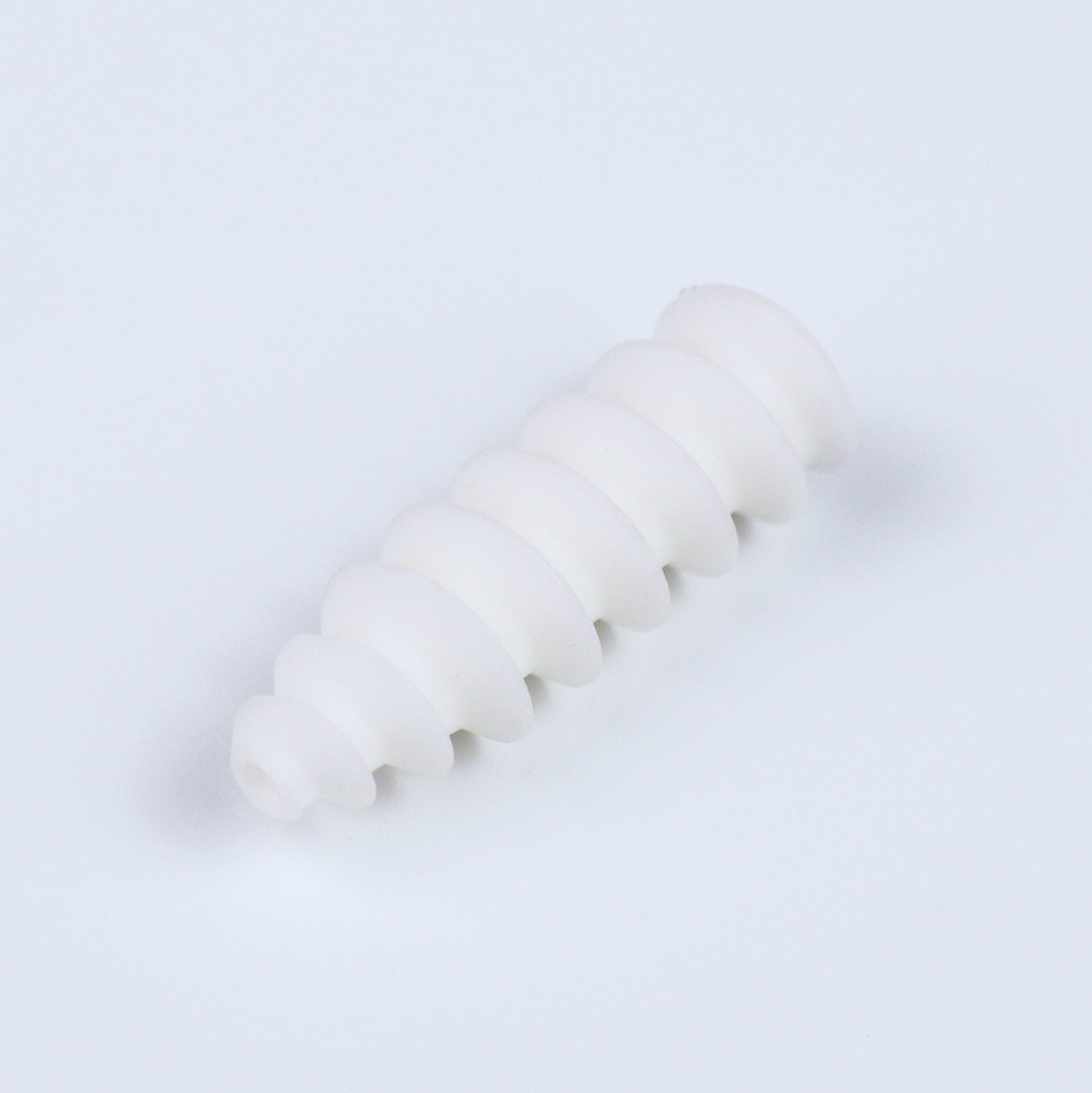
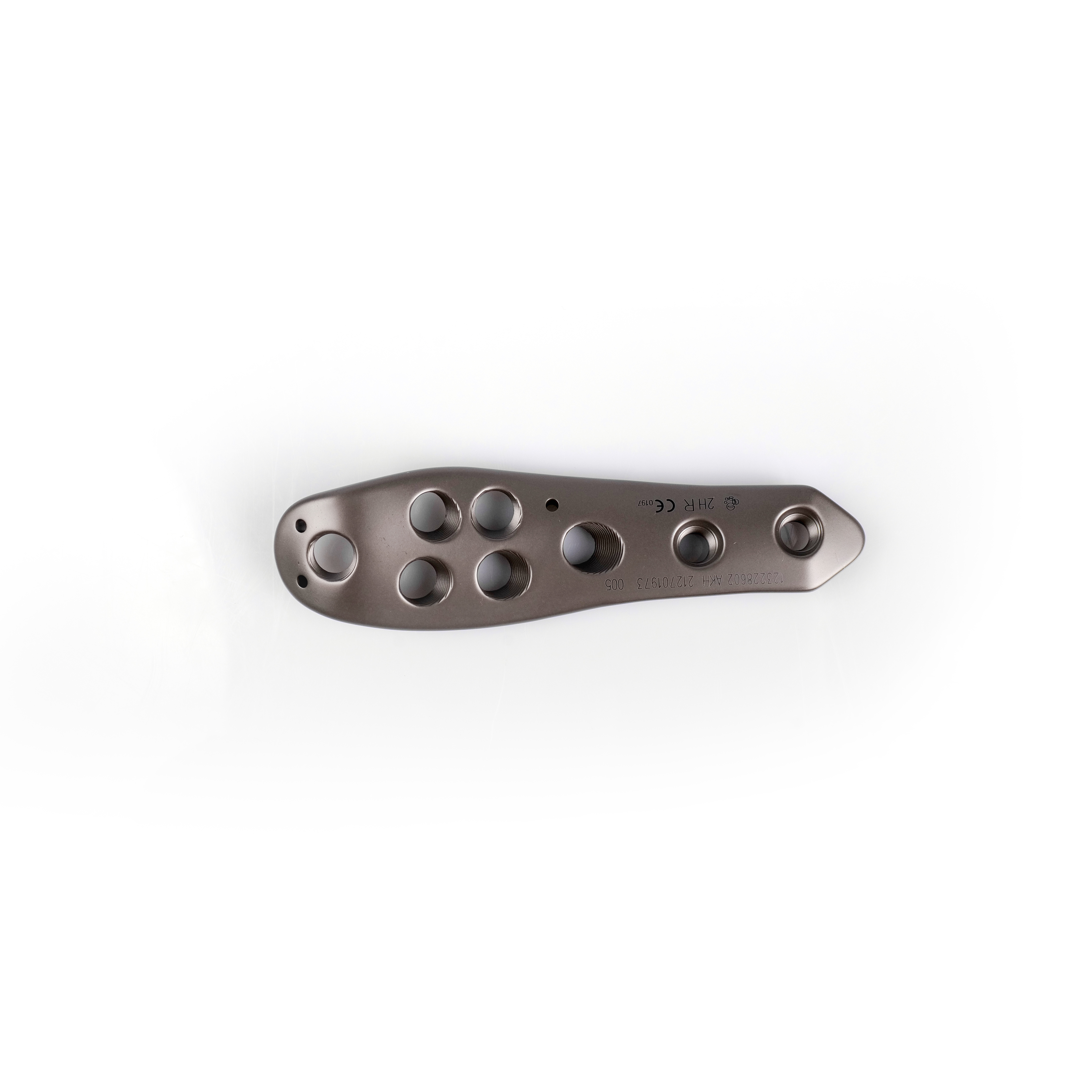
Audited and verified on-site by SGS Group, delivering precision-milled titanium trauma and cephalomedullary systems to hospital groups worldwide.
In modern orthopedic trauma management across West Central Scotland, intramedullary fixation of trochanteric hip fractures represents one of the most critical, high-volume surgical disciplines. Trochanteric, pertrochanteric, and intertrochanteric femoral fractures (AO/OTA Type 31-A1, A2, and A3) necessitate biomechanically superior fixation mechanisms capable of withstanding early full weight-bearing while preventing devastating clinical sequelae such as screw cut-out, excessive collapse, varus angulation, or peri-implant shaft fractures. For medical procurement executives, biomedical lead buyers, and orthopedic clinical directors affiliated with the NHS Greater Glasgow and Clyde (NHSGGC) health board, acquiring cephalomedullary nailing systems—universally categorized under the technological family of Gamma Nails—requires stringent due diligence spanning metallurgy, dimensional fatigue resistance, precision targeting ergonomics, and uncompromised regulatory traceability under UK MDR 2002 and European CE MDR protocols.
Clinical Note on Cephalomedullary Mechanics: Unlike extramedullary sliding hip screws (SHS/DHS) which possess a lateral offset moment arm that significantly elevates bending strain on the lateral femoral cortex, a cephalomedullary gamma-type nail is positioned intramedullary along the mechanical load-bearing axis. This shortens the lever arm from the femoral head centre to the nail, vastly reducing the bending moment and dramatically lowering structural implant failure in unstable, reverse obliquity (31-A3) fracture configurations.
The supply chain infrastructure servicing orthopaedic theatres in Glasgow, Paisley, and the surrounding Clyde basin comprises international medical device conglomerates, established European manufacturing facilities, and world-class OEM titanium contract machining facilities. Below is an exhaustive industry analysis of the top 10 factories and distribution partners supplying gamma-style cephalomedullary locking systems to Glasgow's surgical networks:
Holding over 22 years of specialized orthopedic implant manufacturing expertise and an expansive 29,523 m² production infrastructure, INAR Medical stands as a powerhouse for global orthopedic distributors and hospital procurement teams supplying the UK and European territories. With 632 dedicated personnel, on-site multi-axis Swiss longitudinal CNC machining, fully automated ultrasonic cleaning, dual cleanroom sterile blister packaging, and full on-site SGS Group verification, INAR manufactures high-precision Grade 5 Ti-6Al-4V ELI titanium cephalomedullary nails. Their portfolio includes both short (170mm, 180mm, 200mm) and anatomical long (340mm–440mm with left/right anteversion curvatures) trochanteric nails engineered with variable distal dynamically locked slots and integrated set-screw rotation-prevention systems. INAR Medical provides an unmatched blend of OEM flexibility, full technical file compliance for CE MDR/UKCA registration, and direct manufacturing economics.
As the original innovator and registered trademark holder of the "Gamma Nail" franchise (culminating in the Gamma3 and Gamma4 Trochanteric and Long Nail Systems), Stryker maintains a deeply entrenched clinical presence within Glasgow's tertiary surgical centres. Engineered with a distinct 4-degree lateral proximal bending angle for entry through the tip of the greater trochanter and integrating integrated lag screw set-screws, Stryker supplies NHS Scottish National Procurement frameworks through robust clinical support and local field sales representation.
Supplying the Trochanteric Fixation Nail Advanced (TFNA) and TFN systems, DePuy Synthes represents a primary institutional competitor throughout Scottish trauma wards. Their implant offerings feature helical blades designed to compact cancellous bone in osteoporotic femoral heads alongside standard lag screws. Their European factories utilize advanced metallurgical treating to deliver electropolished finishes and titanium alloy longevity backed by comprehensive instrumentation sets.
Smith & Nephew delivers cephalomedullary trauma fixation across Glasgow through their TRIGEN INTERTAN Intertrochanteric Antegrade Nail. Manufactured across state-of-the-art titanium machining plants, the system's flagship differentiator is its dual integrated compression lag screw mechanism that imparts active linear intraoperative compression while mitigating post-operative femoral head rotation and rotational cut-out.
Offering the Affixus Hip Fracture Nail and Natural Nail cephalomedullary systems, Zimmer Biomet services Scottish health boards with implants configured for diverse patient anatomies. Their designs emphasize smaller proximal nail diameters to preserve the gluteus medius tendon insertional footplate and minimize iatrogenic trochanteric comminution during nail insertion.
Renowned for modular internal and external fixation, Orthofix services UK trauma hubs with specialized intramedullary nailing platforms. Their implants feature streamlined carbon-fibre targeting guides that deliver complete radiolucency under intraoperative C-arm fluoroscopy, ensuring swift distal transverse locking screw placement without visual interference.
The Aesculap division supplies the Targon proximal femoral intramedullary nailing line. Engineered in German precision facilities, these systems feature interlocking anatomical angles (125°, 130°, 135°) to accommodate varying neck-shaft angles within the Scottish patient population, supported by rigorous biological safety testing and ISO 13485-certified machining.
Medtronic's broader trauma and spinal division, combined with regional specialty trauma alliances across the North of Britain, ensures continuous consignment stocks of long-bone intramedullary rods, distal locking screws, and cortical anchoring components utilized in multi-trauma polytrauma interventions across Scotland.
Operating as an independent clinical supply bridge based in Central Scotland, specialized distributors partner with global CE-marked manufacturing facilities (including Asian and European OEM contract manufacturers) to supply fully instrumented intramedullary trays, emergency replacement screws, and flexible reamer modules directly to regional orthopaedic operating suites.
Scottish localized procurement partnerships focused on healthcare value engineering provide vetted trauma alternatives. By assessing audited manufacturers with verifiable technical dossiers, these suppliers import private-label cephalomedullary nailing kits that reduce procedural tariffs without sacrificing metallurgical tolerances or sterility verification.
Glasgow presents unique clinical demographics that directly shape orthopaedic product requirements. The clinical environments within the region fall into distinct trauma categories:
Procurement criteria for gamma nails across Scotland are undergoing significant clinical and economic transformations:
Machined from high-tensile Grade 5 Ti-6Al-4V ELI (ASTM F136), providing superior biocompatibility, optimized modulus of elasticity to prevent stress shielding, and high fatigue endurance under cyclical gait loads.
Equipped with specialized large-diameter lag screws with deep buttress threading and anti-rotational locking sleeves, dramatically increasing bone purchase in poor cancellous bone of elderly hip fracture patients.
Engineered with a precise 4° mediolateral proximal valgus deflection and distal taper to facilitate rapid trochanteric insertion, minimize soft tissue disruption, and avoid femoral shaft stress concentrations.
Direct factory production, eliminating middlemen overhead while maintaining uncompromising quality standards verified by international testing bodies.
Production facilities undergo independent comprehensive on-site audits by SGS Group, verifying machine maintenance, metallurgical raw material provenance, and cleanroom bioburden levels.
Complete Design Dossiers, Risk Management Files (ISO 14971), and Clinical Evaluation Reports (CER) are fully prepared to support regional registration under UKCA and European notified bodies.
From longitudinal bar cutting, 5-axis CNC machining, ultrasonic multi-stage passivation, laser surface etching to class 10,000 aseptic cleanroom packaging, no critical steps are subcontracted.
We configure custom anodized colour-coding, dedicated laser-etched distributor branding, and custom-milled sterilization containment boxes for seamless integration into Scottish hospital theatre protocols.
Key clinical, metallurgical, and regulatory answers for hospital procurement teams and distributors.
Request comprehensive product specifications, surgical technique manuals, CE certification records, and institutional quotation plans tailored for distributors and hospital tenders.