Core Orthopedic & Trauma Implantation Systems
Precision-engineered trauma fixation systems and instrumentation manufactured under rigorous ISO 13485 and CE standards, supporting complex trauma interventions.
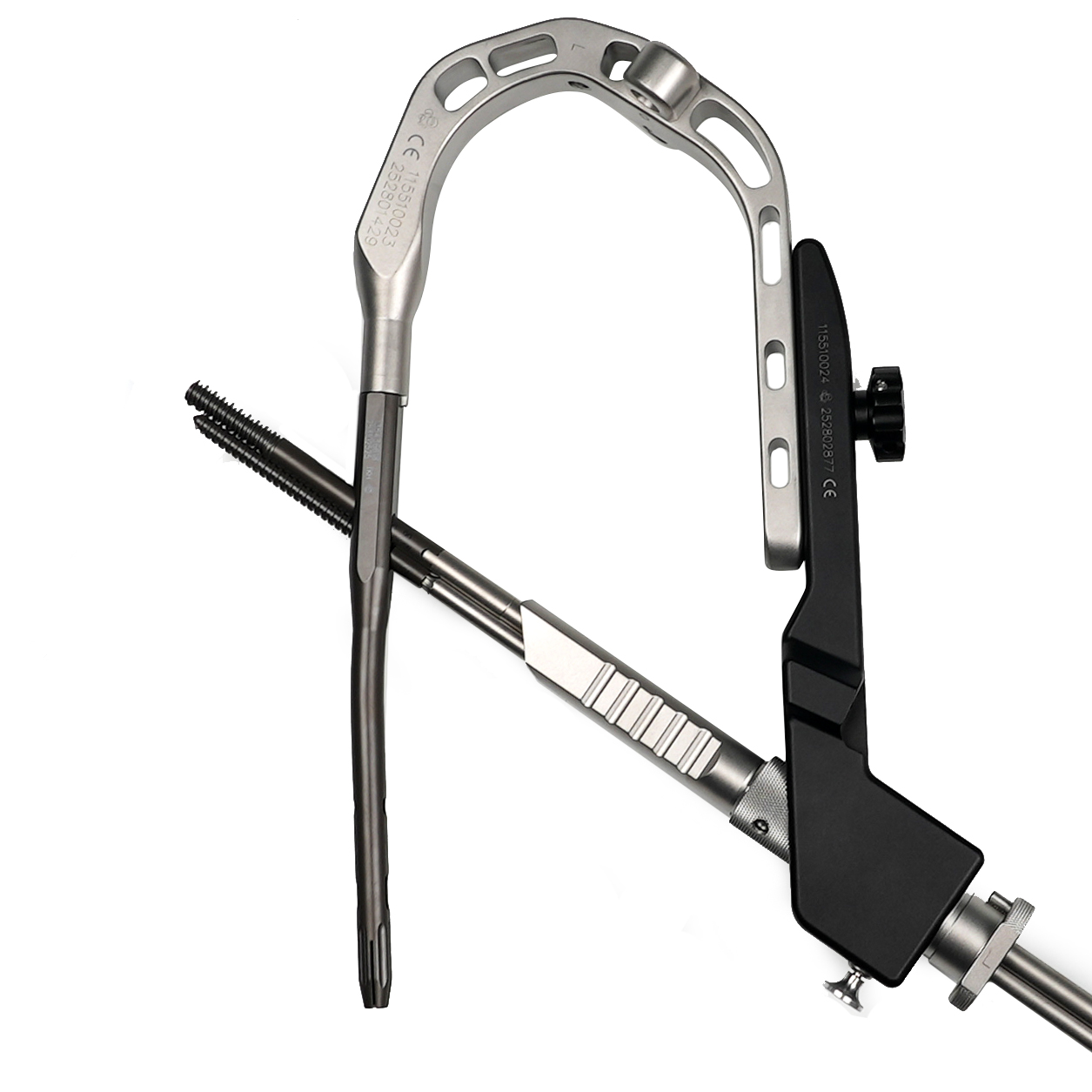
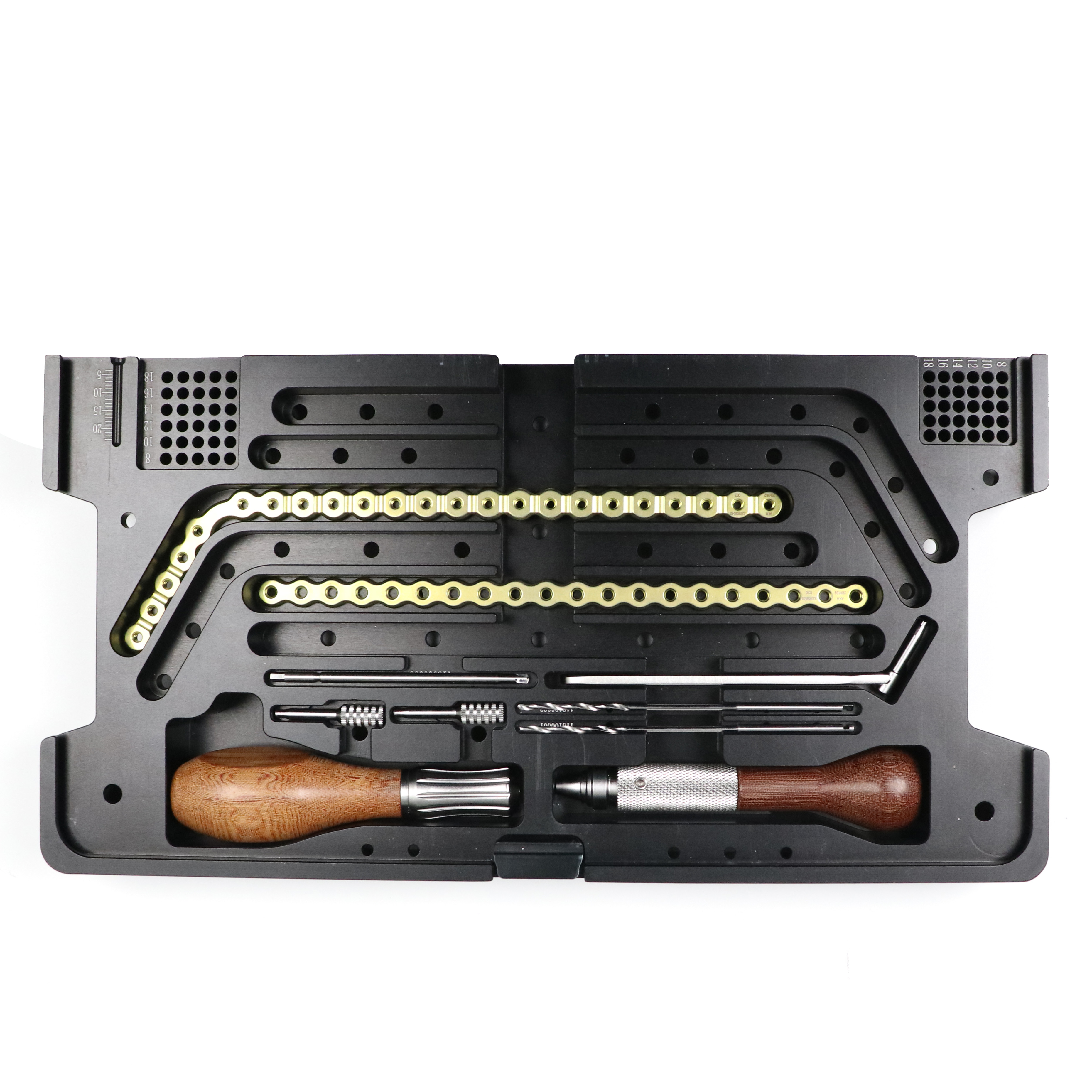
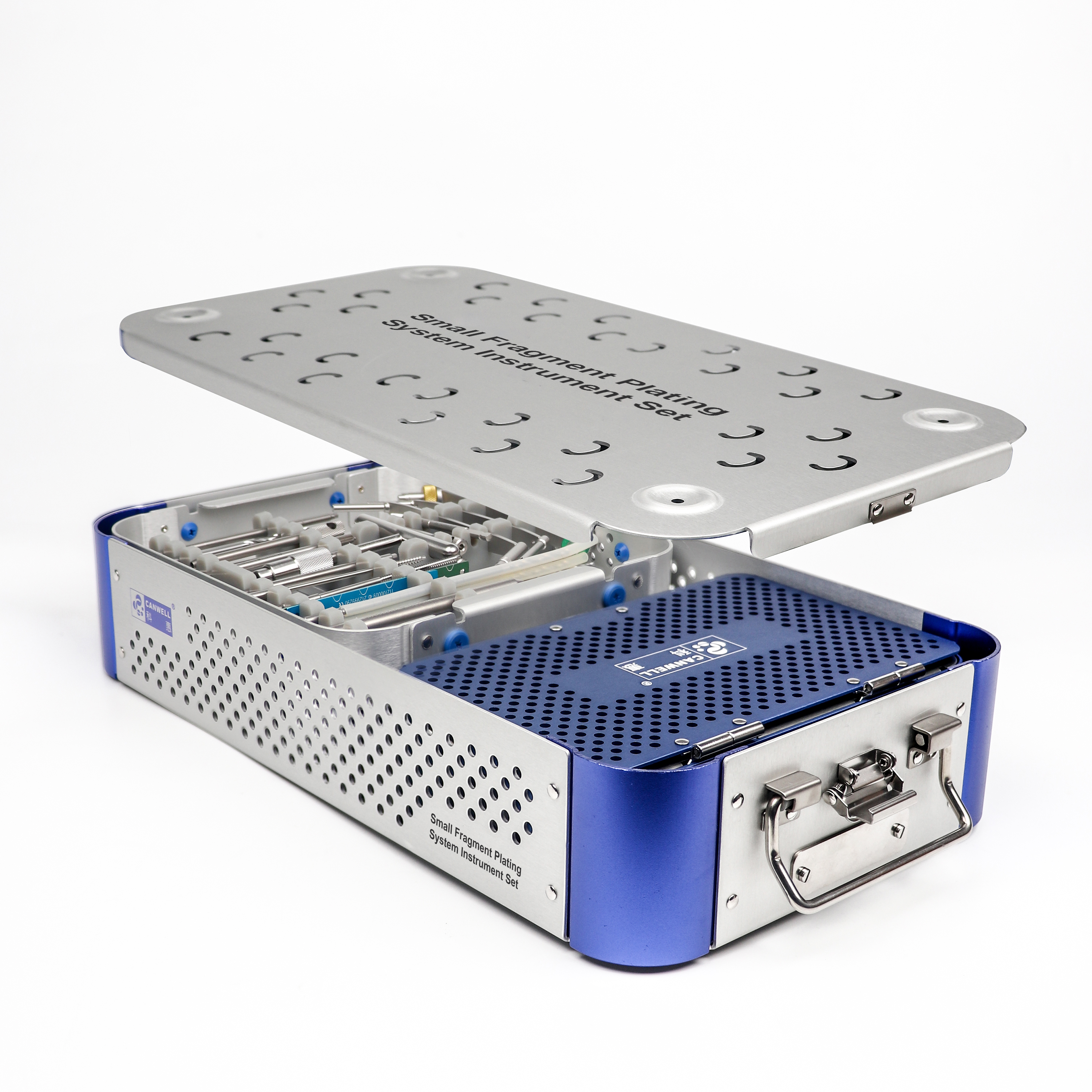
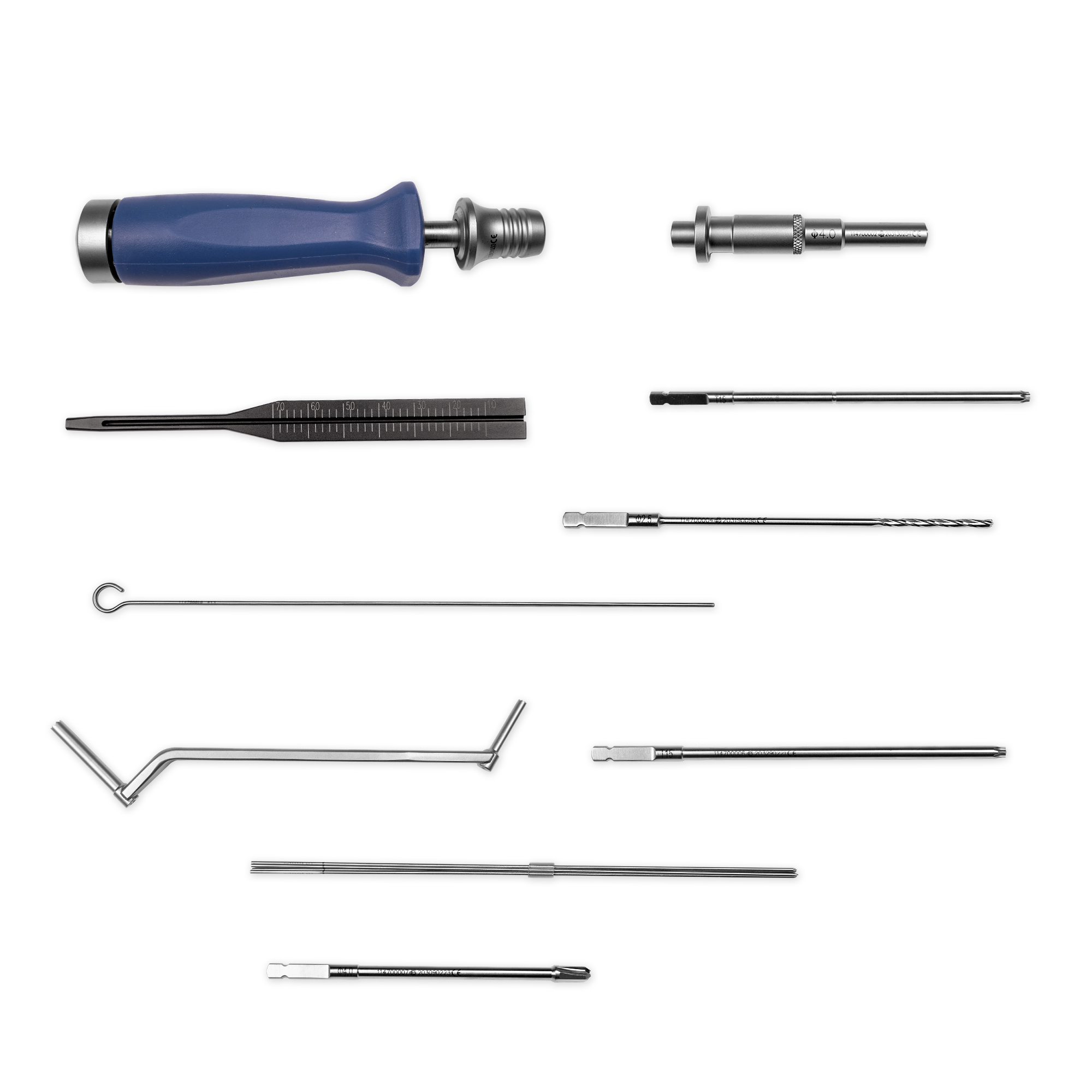
Epidemiological Demands for Pelvic & Acetabular Fixation in Braga
Strategic analysis of orthopedic trauma care networks in Northern Portugal, shifting patient demographics, and high-energy polytrauma dynamics.
The District of Braga, serving as the clinical nucleus for the Cávado subregion and the broader Minho metropolitan area, exhibits a unique bimodal trauma distribution that poses severe challenges to surgical services. Orthopedic departments at tertiary reference institutions such as Hospital de Braga, E.P.E. and surrounding municipal trauma units encounter a bifurcated clinical spectrum: high-energy motor vehicle and industrial polytrauma among active working demographics, contrasted against fragility fractures of the pelvic ring (FFP) in an increasingly aging populace.
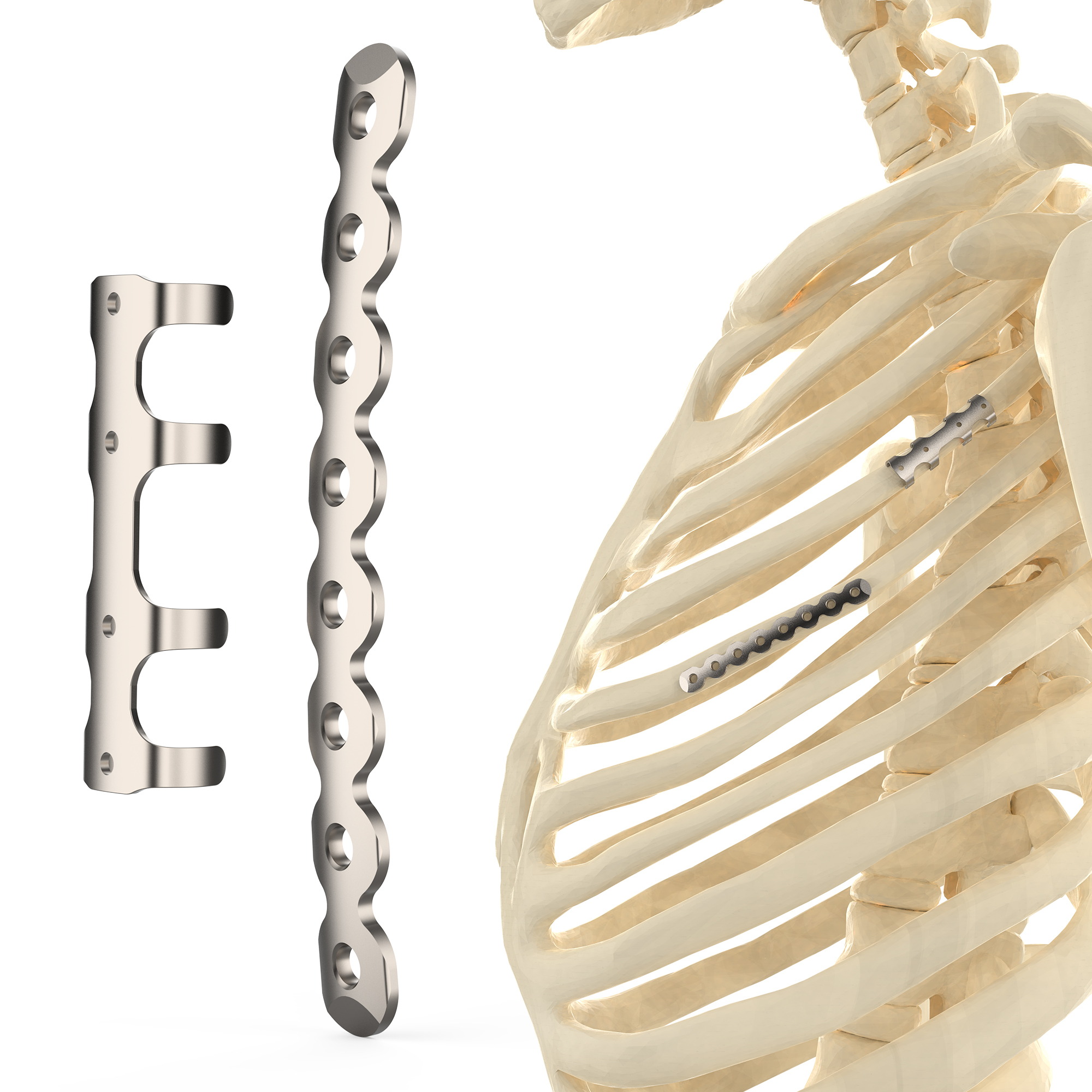
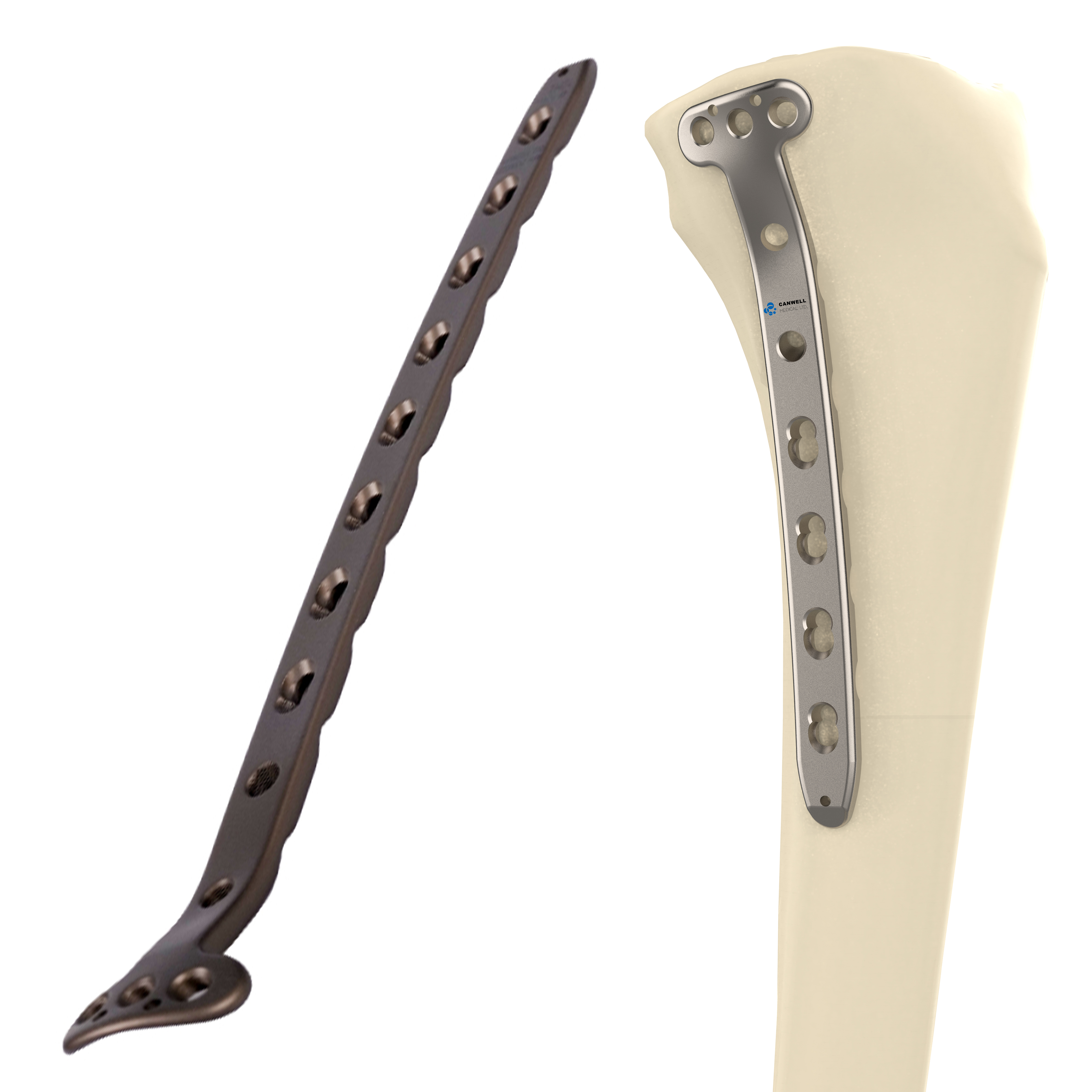
In high-energy pelvic disruption—characterized by vertical shear (Denis/Tile Type C) and lateral compression acetabular column disruption—rigid multi-planar stability is mandatory. The pelvic bone architecture features irregular spatial curvature, thin iliac cortical bone, and dense subchondral bone along the sacroiliac joint. Consequently, standard straight reconstruction plates require extensive intraoperative contortion, introducing high notch sensitivity and microstructural fatigue. Modern clinical procurement in Northern Portugal has transitioned dramatically toward pre-shaped, variable-angle pelvic and acetabular anatomically contoured locking systems. These systems preserve local periosteal microvascularization, minimize operative exposure time, and withstand the biomechanical torque of early patient mobilization protocols.
Biomechanical Yield & Modulus
Medical-grade Ti6Al4V ELI (Grade 23) alloy reduces stress-shielding relative to stainless steel, supporting optimal load transfer across unstable posterior sacroiliac arches and the quadrilateral surface.
Low-Profile Contouring
Pelvic anterior suprapectineal and infrapectineal plates feature electropolished, ultra-low profile margins (down to 2.5 mm) to avoid neurovascular impingement and soft tissue irritation along the ilioinguinal approach.
Variable-Angle Polyaxial Locking
Cone-in-cone ±15° screw trajectory versatility ensures precise hardware anchorage into the sciatic buttress and posterior column without penetrating the intra-articular acetabular cartilage.
Top 10 Pelvic Plates Manufacturers & Exporters in the Braga Market
A rigorous evaluation of dominant global brands alongside competitive OEM exporter channels supplying public and private healthcare entities across Portugal.
1. Zhejiang INAR Medical Co., Ltd. (CANWELL Brand Implants)
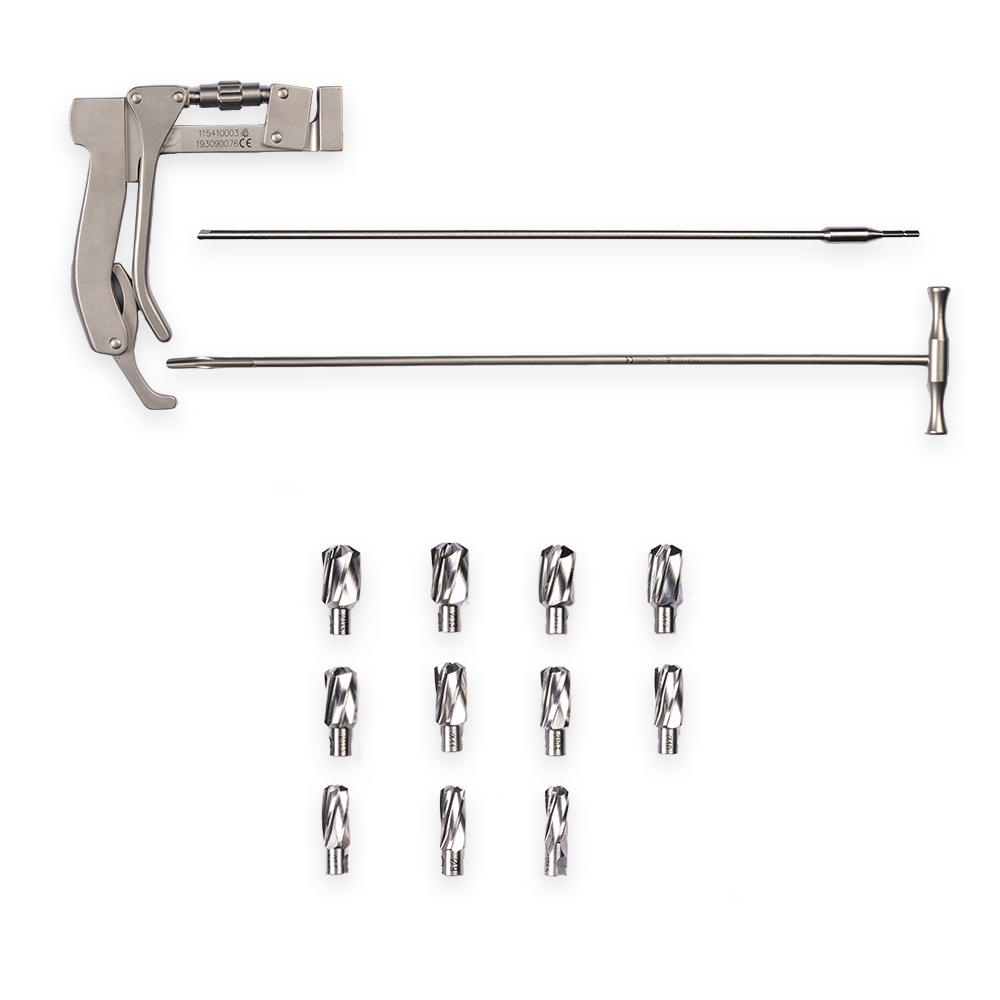
Global Exporter & OEM SpecialistHolding more than 22 years of high-tier surgical manufacturing history and operating a comprehensive 29,523 m² facility, INAR Medical (CANWELL) represents an optimal convergence of direct manufacturing scale, advanced 5-axis CNC machining, and rigorous EU regulatory conformity. Providing complete trauma systems, its pre-contoured pelvic plates, acetabular reconstruction matrices, and modular instrument trays provide Braga healthcare distributors with unmatched cost-to-performance ratios and direct OEM/ODM customization capabilities.
2. DePuy Synthes (Johnson & Johnson MedTech)
Multinational Tier-1The historical gold standard across Portuguese public hospital tenders (SNS - Serviço Nacional de Saúde). The Matta Pelvic System and VA-LCP curved reconstruction plates feature extensive clinical literature and ubiquitous familiarity among surgical faculty trained at Portuguese university clinics. However, high unit procurement costs and stringent long-term tender tie-ins prompt administrative departments in Braga to look for secondary supplier options.
3. Stryker Orthopaedics
Multinational Tier-1Stryker maintains strong institutional traction throughout Minho through its AxSOS 3 and Matta-derived pelvic instrumentation lines. Recognized for high-strength cold-worked titanium and ergonomic reduction forceps, Stryker is heavily represented in complex acetabular reconstruction. Its commercial operations in Portugal rely on consolidated distribution hubs in Lisbon and Porto.
4. Smith & Nephew plc
Global TraumatologyKnown for its EVOS small and large fragment trauma plating portfolios. The EVOS Pelvic system incorporates variable-angle locking capabilities engineered for dense peri-acetabular screw trajectories. While clinically respected in Northern Portugal for stability and instrumentation design, tender cycles often restrict its widespread utilization to high-severity polytrauma cases.
5. Zimmer Biomet Holdings
Global ReconstructiveZimmer Biomet combines extensive arthroplasty prowess with trauma fixation. In Braga, their reconstructive plate offerings are utilized primarily when pelvic ring disruptions coincide with severe acetabular impaction requiring secondary or acute total hip arthroplasty (THA). The A.L.P.S. system provides flexible contouring for difficult iliopectineal curvatures.
6. Medartis AG
Swiss PrecisionMedartis brings specialized micro- and mid-fragment expertise to pelvis osteosynthesis through the APlus system. Their emphasis on low-profile plate heights, high-precision surface finishing, and proprietary hexalobe screw drive mechanics provides distinct advantages in preventing screw stripping during deep intrapelvic insertions along the Stoppa approach.
7. Acumed LLC
US Specialist ExporterAcumed's Pelvic and Acetabular Plating System focuses entirely on anatomical geometry, providing pre-curved plates that conform to the inner and outer surfaces of the iliac wing and pubic brim. Sourced through Portuguese authorized medical representatives, Acumed offers high clinical satisfaction in restoring native hip mechanics.
8. B. Braun Melsungen AG (Aesculap)
European ConglomerateB. Braun boasts deep institutional infrastructure across Portugal's national health system, offering reliable, cost-controlled surgical stainless steel and titanium trauma plates. Their basic reconstruction plate platforms serve as dependable, ubiquitous instruments in secondary regional clinical centers across Northern Portugal.
9. Norm Medical Devices
Regional European SupplierOperating as an agile regional European manufacturer, Norm Medical targets regional hospital centers with high-utility, economically sound traumatology options. Their anatomically pre-bent pelvic osteosynthesis implants address the budget-conscious tendering criteria utilized by regional administrative purchasing syndicates in Portugal.
10. Auxein Medical
Emerging B2B ExporterAuxein Medical has expanded its presence as a direct export manufacturer across Southern Europe, supplying generic orthopedic plating configurations. While providing an economical product baseline, buyers frequently evaluate precision tolerances and long-term instrument alloy endurance when undertaking high-stress pelvic reconstruction procedures.
Trauma Procurement Trends in Northern Portugal (2025–2030)
Technological advancement, regulatory compliance shifts under EU MDR, and procurement centralization in the Minho hospital cluster.
Procurement dynamics within Portugal's SNS and private healthcare chains (e.g., CUF, Trofa Saúde, Lusíadas) are experiencing structural transformation. When sourcing pelvic trauma inventory, hospital procurement directors and clinical department heads in Braga prioritize three foundational strategic elements:
MDR-Driven Market Consolidation
The stringent enforcement of the European Medical Device Regulation (EU MDR 2017/745) has eliminated secondary brokers who lack comprehensive clinical dossiers and Post-Market Clinical Follow-up (PMCF) registries. Importers in Braga require manufacturers to maintain complete, transparent audit reports directly from accredited notified bodies.
Minimally Invasive Intrapelvic Access
Surgical preference has permanently pivoted from classic extensive ilioinguinal approaches toward the modified Stoppa and pararectus approaches. This shift requires specialized curvilinear internal fixation plates, infrapectineal buttressing plates, and elongated instruments engineered to avoid obturator nerve injury.
Direct Sourcing from Tier-1 Exporters
To relieve public budget constraints while expanding clinical efficacy, regional medical supply groups throughout Braga are actively forging direct OEM partnerships with audited high-capacity Asian manufacturers, thereby capturing margin advantages without sacrificing metallurgical integrity.
Engineered for Clinical Perfection: Zhejiang INAR Medical
Zhejiang INAR Medical Co., Ltd. (producing CANWELL branded devices) stands as a foundational manufacturing partner for international distributors, healthcare consortiums, and private label medical brands requiring robust orthopedic trauma, spine, and sports medicine implant systems.
With an onsite assessment verified by SGS Group, 22+ years of manufacturing dedication, and complete production integration across 29,523 m² of facility floor space, we eliminate sub-tier contractor variance. Our implants pass through high-precision Swiss-type longitudinal cutting, multi-axis CNC profiling, mechanical sandblasting, class-leading anodizing, penetrant defect testing, and terminal packing in validated Class 100,000 cleanrooms.
Contact UsFrequently Asked Questions by Orthopedic Buyers in Portugal
Direct technical and logistical answers regarding regulatory compliance, metallurgical verification, and supply chain timelines for the Minho region.
Establish a Direct Sourcing Partnership in Minho
Connect with our senior orthopedic engineering and export documentation specialists to request sample sets, certified material dossiers, and volume contract pricing for pelvic and trauma fixation devices.
Contact Us