Precision Trauma & Arthroplasty Implant Systems
Verified Ti6Al4V ELI medical-grade locking plates, intramedullary nails, and precision instrumentation engineered for complex metaphyseal, diaphyseal, and joint reconstruction surgeries.
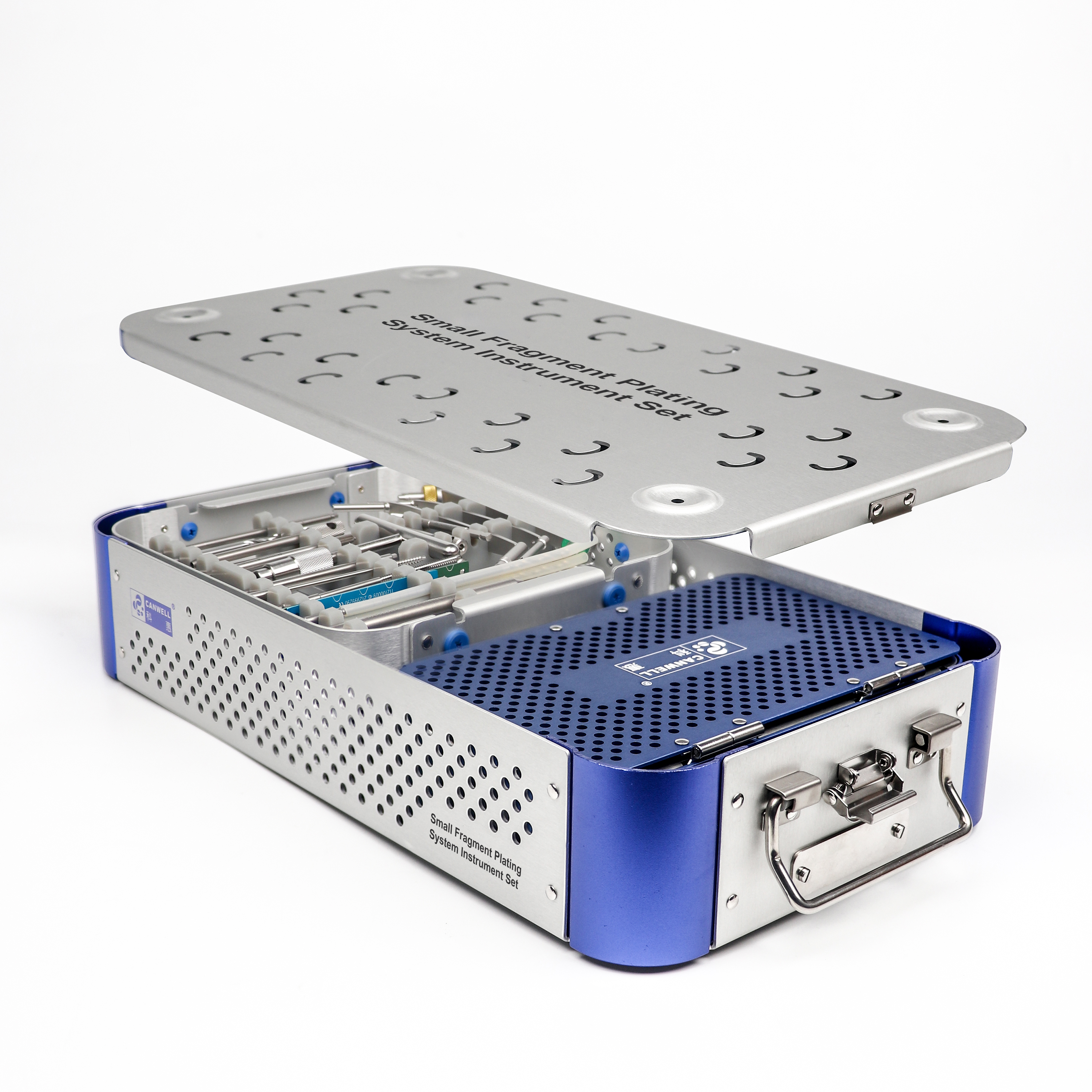
CANWELL Small Fragment Orthopedic Instrument Set Basic Surgical Instruments
Essential traumatology instrumentation for 3.5mm/4.0mm systems, featuring calibrated depth gauges, tap sleeves, torque-limiting drivers, and reduction forceps.
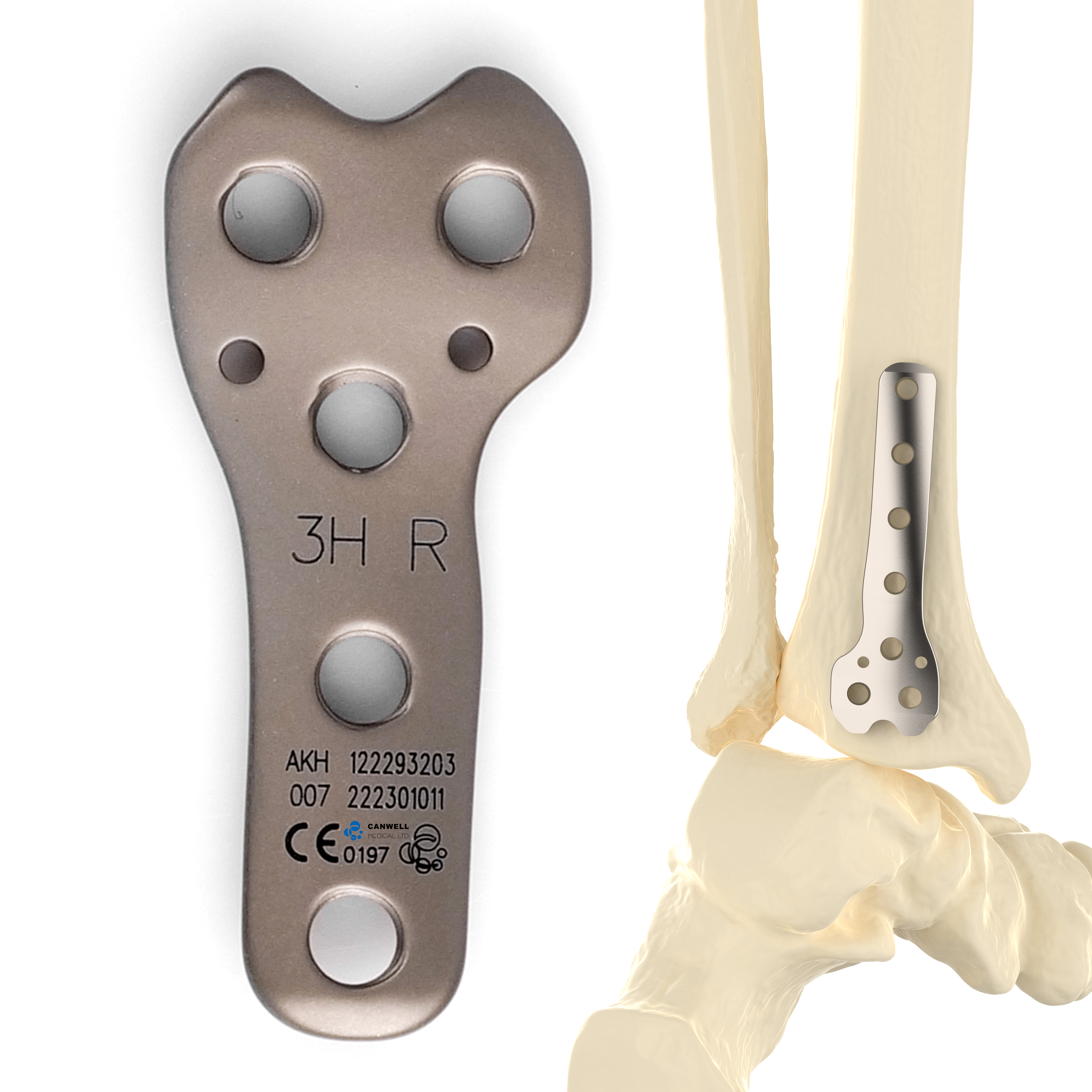
CANWELL Distal Tibial Titanium Posterior Locking Compression Plate
Anatomical posterior buttress and compression plating designed for Volkmann's fragment stabilization, posterior pilon fractures, and combined syndesmotic disruptions.
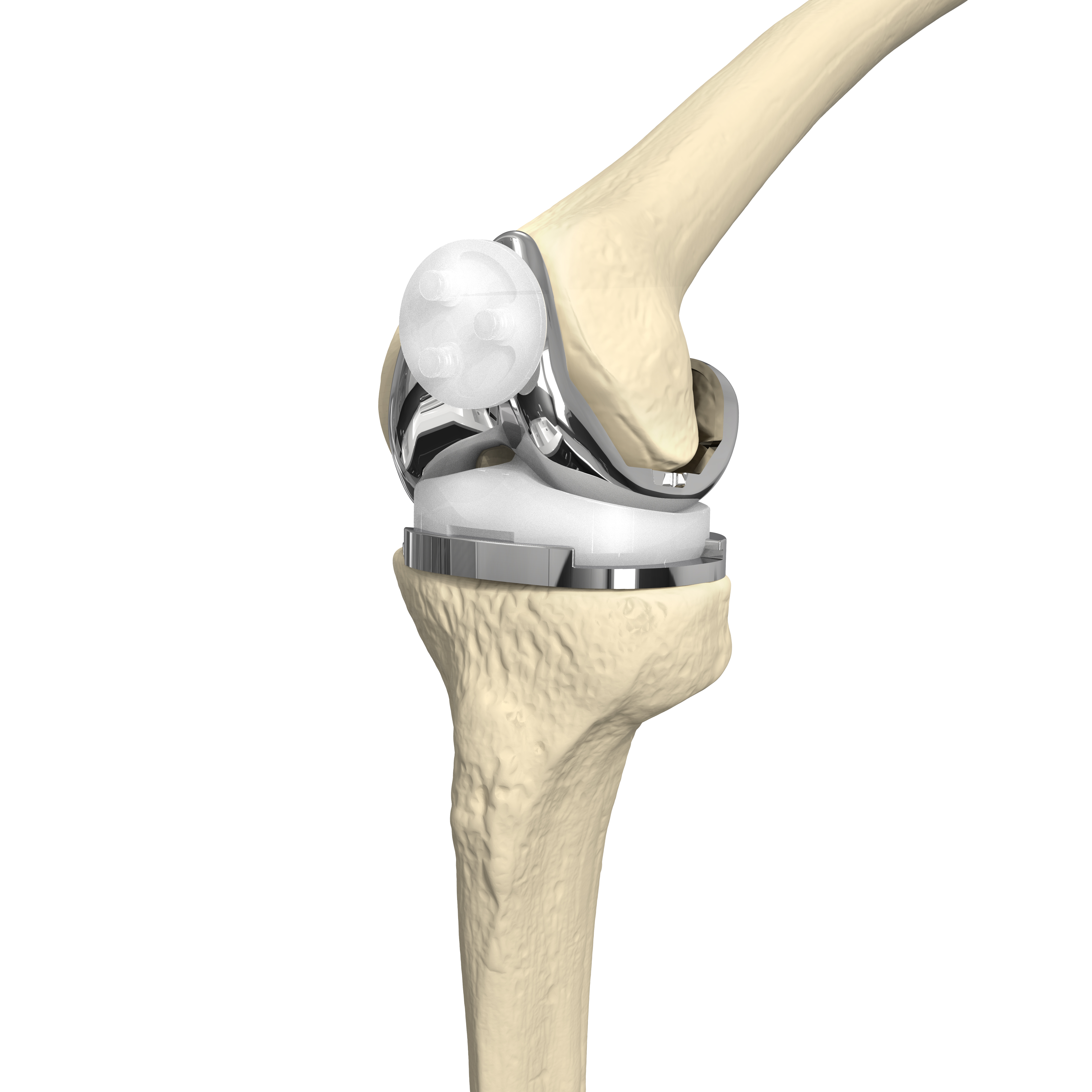
CANWELL CE Certified Primary Total Knee Replacement Arthroplasty Kit
High-flexion CoCrMo femoral components coupled with ultra-high-molecular-weight polyethylene (UHMWPE) tibial inserts to restore optimal joint kinematics.
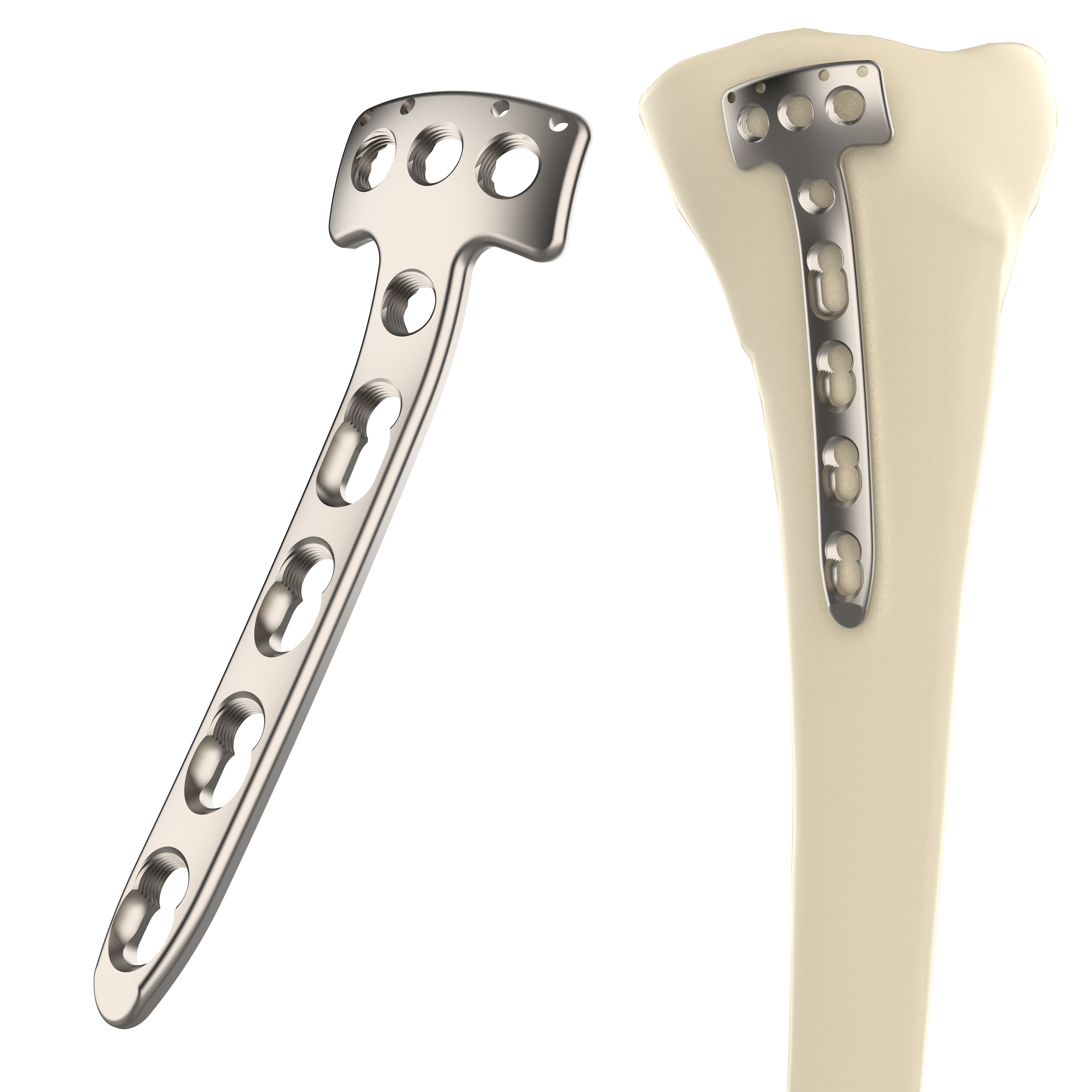
CANWELL Proximal & Shaft Tibial Locking Compression Plate
Rigid support for Schatzker II-VI bicondylar plateau fractures and complex segmental proximal shaft injuries, featuring multi-planar divergent subchondral locking screws.
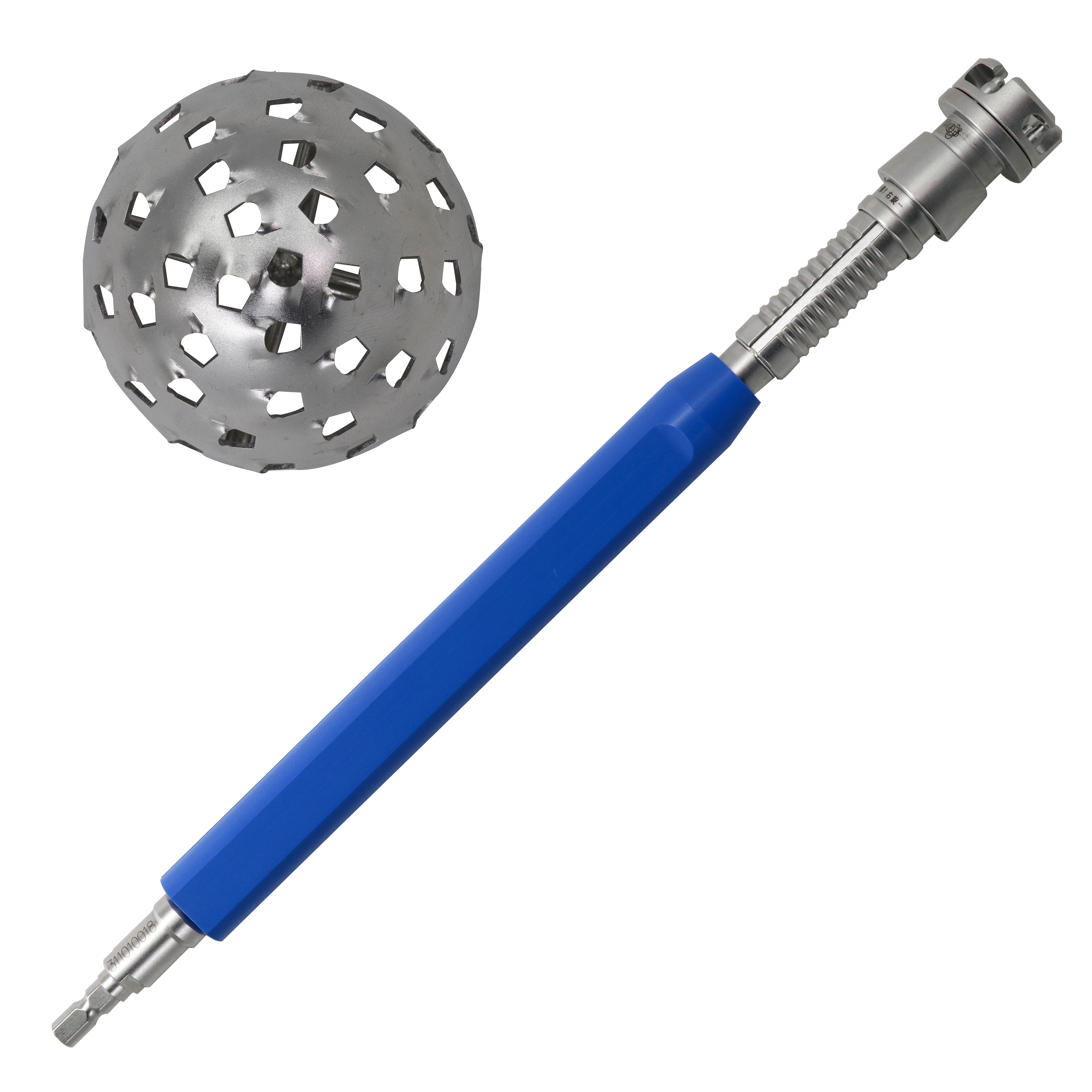
CANWELL High-Precision Acetabular Reamer Kit for Total Hip Arthroplasty
Hemispherical cross-bar reamer heads with razor-sharp hardened cutting teeth designed for concentric cotyloid bone cavity preparation without thermal necrosis.
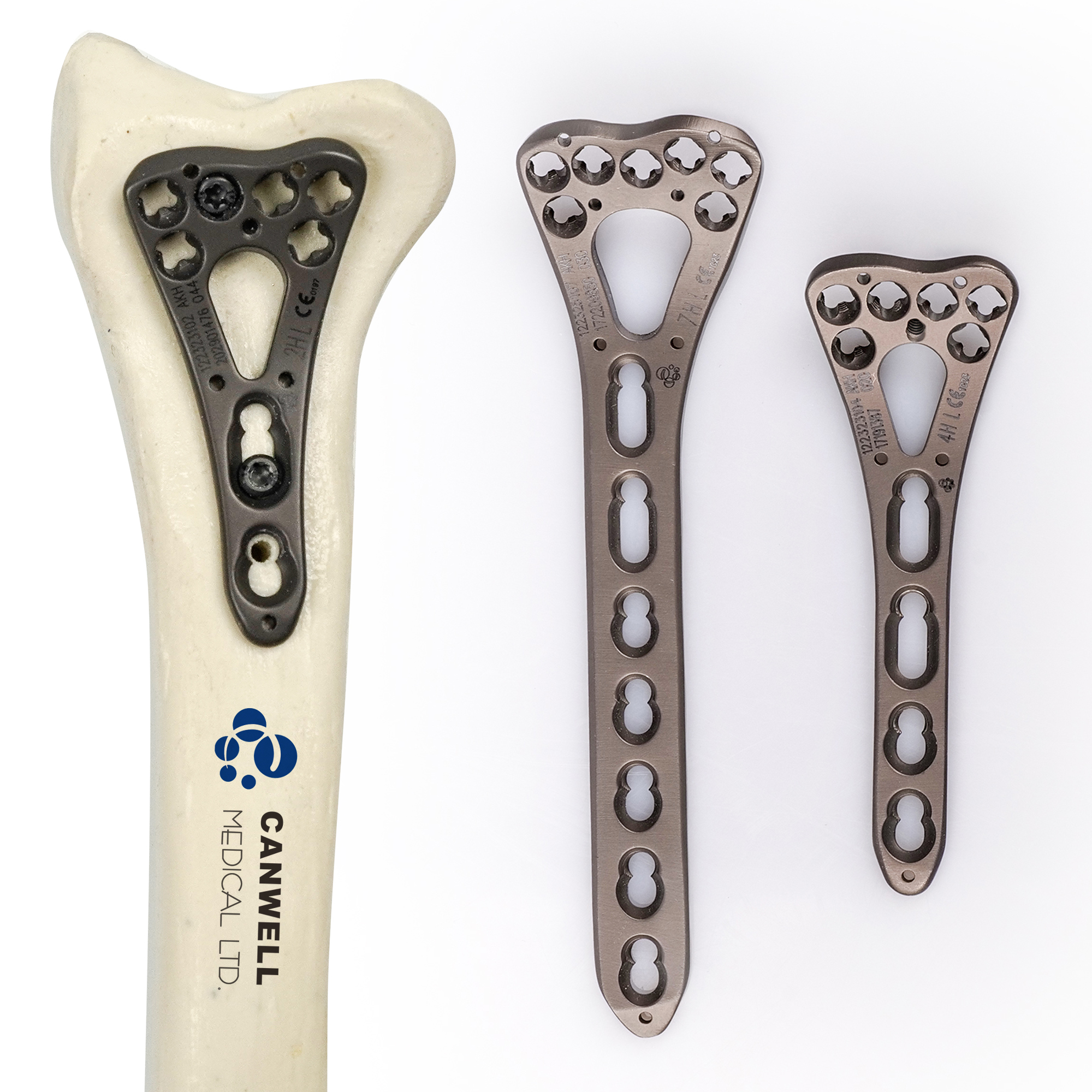
CANWELL 2.4/2.7mm VA Titanium Volar Distal Radius Locking Plate
Variable-angle locking technology allowing up to 15-degree off-axis screw positioning for optimal intra-articular styloid capture without extensor tendon irritation.
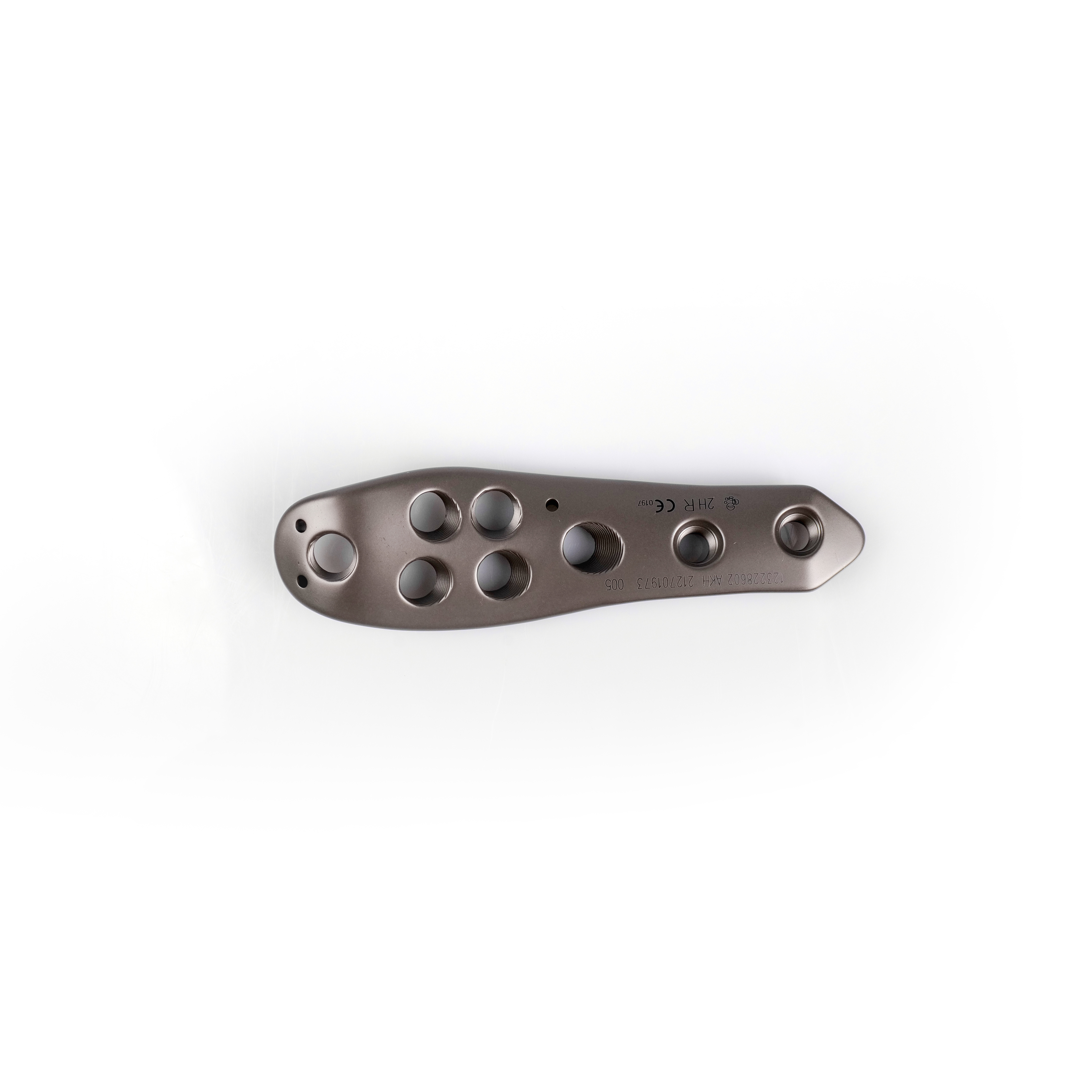
CANWELL Titanium Distal Lateral Femur & Tibial Bridging Lock Plates
Heavy-duty anatomical bridging plates designed for comminuted supracondylar femoral and extended tibial shaft fractures requiring prolonged fatigue resistance.
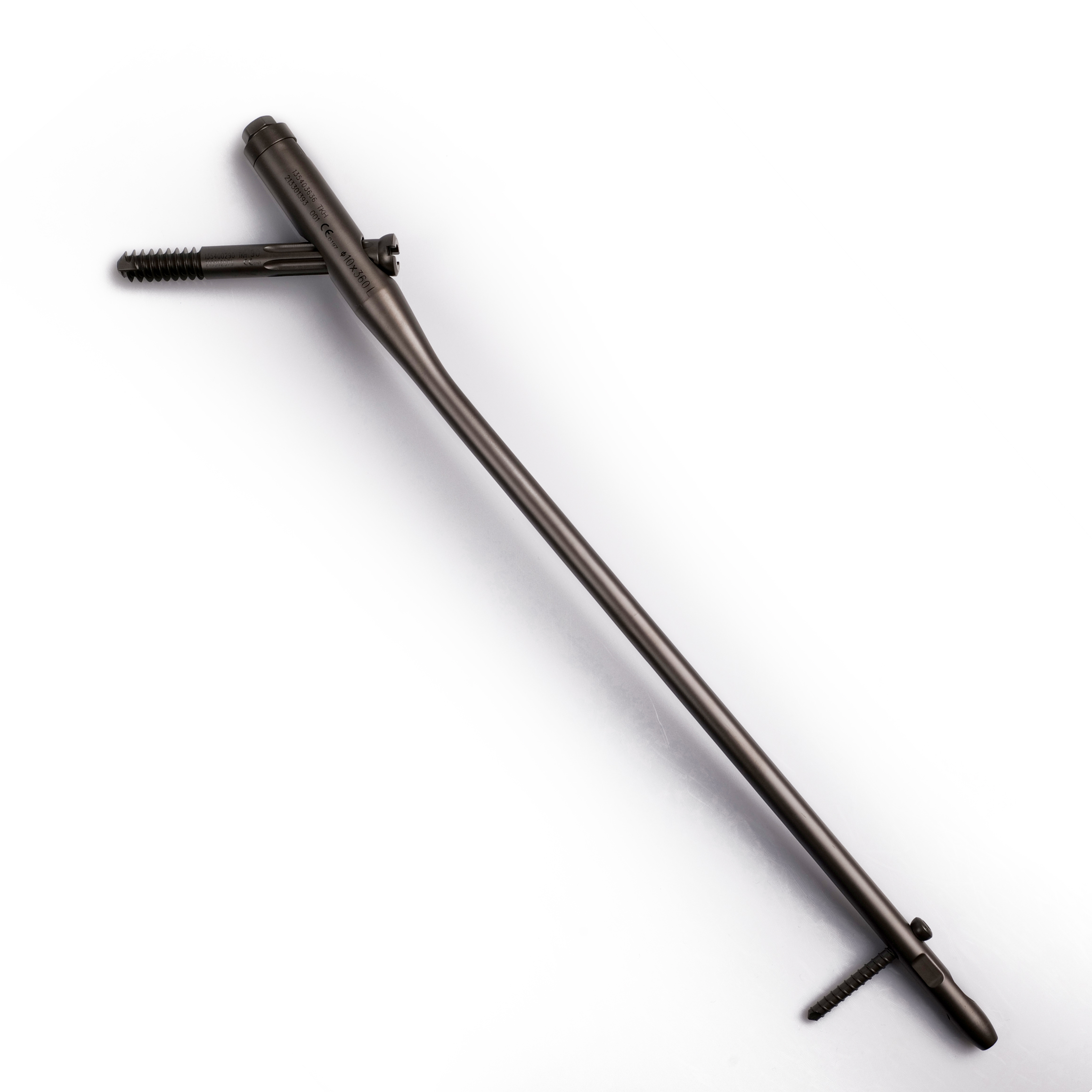
CANWELL Titanium Interlocking Proximal Femoral & Tibial Nails (PFNA)
Helical blade cephalomedullary nail system providing superior cut-out resistance and rotational stability for osteoporotic trochanteric and pertrochanteric fractures.
Localized Application Scenarios in the Pécs Healthcare Hub
Strategic deployment of tibia fixation plating systems within the University of Pécs Clinical Centre (PTE KK) network and South Transdanubian emergency response pathways.
Pécs Academic & Level 1 Trauma Ecosystem
Pécs serves as the definitive clinical epicenter for Southern Transdanubia, anchoring medical care across Baranya, Tolna, and Somogy counties. The University of Pécs Clinical Centre (Pécsi Tudományegyetem Klinikai Központ - PTE KK) Department of Traumatology and Hand Surgery handles over 1,400 complex long-bone fracture cases annually, operating as the primary regional referral hub for polytrauma and high-energy injuries.
In this specialized academic and acute setting, tibia plates must balance high mechanical stiffness with low biological disruption. The proximal tibia (tibial plateau) and distal tibial pilon represent some of the most clinically vulnerable zones in orthopedic trauma, where improper anatomical contouring or excessive periosteal stripping leads to severe complications such as soft tissue dehiscence, deep infection, and nonunion.
Regional Demographic Demands & Fragility Fractures
Southern Hungary faces a distinct demographic reality characterized by an aging population in the Mecsek mountain settlements and surrounding rural towns. Consequently, PTE KK and affiliated regional medical facilities observe a heavy incidence of geriatric osteoporosis-associated proximal tibia fractures (Schatzker Types II and III) alongside distal tibial fragility fractures.
Standard dynamic compression plates often suffer screw pull-out in osteopenic cancellous bone. The clinical requirement in Pécs dictates fixed-angle locked screw rafting beneath the subchondral surface to prevent secondary articular subsidence. Titanium locking compression plates (LCP) equipped with divergent 3.5mm subchondral screws deliver the angular stability mandatory for immediate joint mobilization, drastically reducing immobilization-related morbidity in elderly patients.
MIPPO in Metaphyseal Pilon Fractures
Minimally Invasive Percutaneous Plate Osteosynthesis (MIPPO) is heavily practiced at PTE KK to preserve the precarious vascular supply of the anteromedial distal tibia. Anterolateral and medial distal tibia plates with beveled, tapered tips allow smooth subcutaneous tunneling, minimizing incisions directly over injured soft-tissue envelopes.
Mecsek Winter & High-Energy Sports Trauma
The geography around Pécs, including Mecsek hills trail systems and winter freezing conditions, precipitates high-energy axial loading injuries such as comminuted tibial plateau (Schatzker VI) and trimalleolar pilon fractures. Double plating (medial buttress + lateral fixed-angle raft) provides rigid neutralization against shear and varus/valgus collapse.
Periprosthetic Fracture Fixation
With high volumes of primary total knee arthroplasty performed across Baranya county, periprosthetic proximal tibia fractures below existing femoral and tibial trays are increasingly prevalent. Anatomical polyaxial locking plates bypass intramedullary stems, anchoring screws unicortically or around the prosthesis without compromising joint stability.
Hungarian Market Trends & EU MDR Regulatory Landscape
A strategic breakdown of procurement shifts driven by OKFŐ, NEAK reimbursement restructuring, and the mandatory transition toward Regulation (EU) 2017/745.
Centralized Healthcare Purchasing (OKFŐ) & Tender Economics
The Hungarian hospital procurement model has evolved rapidly under the centralized direction of the National Directorate-General for Hospitals (Országos Kórházi Főigazgatóság - OKFŐ) and the National Health Insurance Fund (Nemzeti Egészségbiztosítási Alapkezelő - NEAK). Public tenders for trauma implants across Hungarian county hospitals prioritize manufacturers that demonstrate verifiable clinical safety records alongside robust supply chain continuity.
With hospital budgets constrained under centralized financing frameworks, orthopedic departments in Pécs are seeking direct manufacturing partnerships that eliminate excessive multi-tiered distributor margins. Tenders reward implant exporters capable of delivering CE MDR-certified trauma kits with full consignment stock models, custom surgical instrumentation, and predictable landed cost structures.
Strict EU MDR 2017/745 Barrier to Entry
The sunsetting of MDD 93/42/EEC has transformed the European medical device import sector. Tenders across Hungarian University clinics strictly scrutinize Technical Documentation (TD), Clinical Evaluation Reports (CER), and Post-Market Clinical Follow-up (PMCF) under Regulation (EU) 2017/745.
Manufacturers supplying the Pécs market must guarantee valid Notified Body certification, unique device identification (UDI-DI/UDI-PI) labeling, and biocompatibility verification conforming to EN ISO 10993-1. Exporters failing to bridge the MDR gap are systematically excluded from official hospital procurement panels.
Material Evolution: Titanium Over Stainless Steel
While 316L stainless steel historically dominated Central European public healthcare tenders due to low upfront raw material costs, clinical preference at PTE KK has shifted decisively toward Ti6Al4V ELI (Grade 23) Titanium alloy. Titanium's elastic modulus (110 GPa) aligns far closer to human cortical bone (18-20 GPa) than stainless steel (210 GPa), significantly mitigating stress-shielding osteoporosis.
Furthermore, titanium's non-ferromagnetic properties facilitate high-resolution postoperative MRI imaging with minimal artifact dispersion, essential for ongoing soft-tissue, chondral, and neurovascular assessment in poly-traumatized extremities.
Top 10 Tibia Plates Manufacturers & Exporters for the Pécs Market
A comprehensive assessment of leading international orthopedic manufacturers, regional European suppliers, and high-capacity global exporters competing in Southern Hungary.
| Manufacturer / Exporter | Origin / HQ | Core Tibial Solutions | MDR Compliance | Pécs Market Fit & Advantages |
|---|---|---|---|---|
| INAR Medical (Canwell Medical) China (CE / MDR Certified) | Proximal, Medial, Anterolateral & Distal Posterior Tibia LCP; MIPPO sets | CE MDR / 93/42/EEC | Direct OEM/ODM flexibility, SGS-verified 29,523 m² manufacturing site, exceptional cost-to-performance ratio for public tender competitiveness. | |
| DePuy Synthes (Johnson & Johnson) USA / Switzerland | VA-LCP Tibial System, Variable-Angle Subchondral Raft Plates | CE MDR Certified | Longstanding clinical benchmark in Hungarian university clinics; high price point often strains public tender budget allocations. | |
| Stryker Trauma USA / Germany | AxSOS 3 Titanium Locking System, Hoffmann external fixation modularity | CE MDR Certified | Robust clinical follow-up data; wide adoption across major European emergency departments; standard consignment setups. | |
| Sanatmetal Kft. Eger, Hungary | Vectis, Magic intramedullary nails, distal & proximal tibia locked plating | CE Certified | Domestic Hungarian domestic supplier with established national hospital tender footprints; rapid ground logistics to Baranya County. | |
| Smith & Nephew United Kingdom | PERI-LOC Periarticular Locked Plating System, EVOS Small & Large Plates | CE MDR Certified | High fatigue-strength contouring plates; advanced variable locking screw designs; premium hospital tier contracts. | |
| Zimmer Biomet USA / Switzerland | A.L.P.S. (Anatomical Low-Profile System) Proximal & Distal Tibia Plates | CE MDR Certified | Specialized ultra-low profile contouring reducing soft tissue tension over anteromedial distal tibia surfaces. | |
| Medartis AG Switzerland | APTUS Lower Extremity Plating System, Trilock 2.8/3.5 Tibia Systems | CE MDR Certified | Elite multi-directional locking accuracy; highly favored in complex periarticular reconstruction, though with premium pricing. | |
| B. Braun Aesculap Germany | Targon Interlocking Nails & Modular Trauma Bone Plating Platforms | CE MDR Certified | Extensive hospital distribution in Central Europe; integrated CSSD sterilizing containers; solid presence in regional Hungarian tenders. | |
| Orthofix Medical USA / Italy | Hybrid Circular & Monolateral Fixation, Internal Locked Plating Plates | CE Certified | World leader in damage control orthopedics and acute external tibial stabilization prior to definitive internal plate osteosynthesis. | |
| Acumed LLC USA | Anatomic Pilon Plating System, Anterolateral & Posterior Distal Tibia Plates | CE MDR Certified | Exceptional biomechanical design for complex joint pilon injuries; premium specialty solutions utilized in reconstructive cases. |
Strategic Sourcing Outlook for Pécs Importers & Hospitals
While legacy multinational brands (DePuy Synthes, Stryker, Zimmer Biomet) occupy institutional footprints at university training centers, their high cost per case strains regional operational margins under current NEAK DRG (Homogén Betegségcsoportok - HBCs) tariffs. Conversely, local manufacturers like Sanatmetal offer immediate geographic access but may face supply constraints or higher unit costs for advanced multi-axis titanium plates.
This dynamic creates a prime opening for INAR Medical (Canwell Medical). Backed by 22+ years of precision CNC manufacturing, complete in-house quality inspection, and full CE MDR technical compliance, INAR delivers tier-1 biomechanical performance, custom instrument sets, and dedicated OEM private-label support at substantial cost efficiencies. This empowers Hungarian distributors to tender aggressively and secure high-volume municipal contracts across Southern Hungary.
Zhejiang INAR Medical: Biomechanical Excellence Under One Roof
SGS onsite-verified orthopedic manufacturing capabilities delivering clinical-grade trauma, spine, and joint systems worldwide.
Documented 13-Step Implant Manufacturing & Testing Protocol
Certified medical-grade Ti6Al4V ELI & 316L traceable to mill test certificates.
High-precision longitudinal bar lathes slicing contoured blanks within ±0.01mm.
Simultaneous multi-axis machining sculpting complex anatomical curvatures.
Hand and automated mechanical finishing eliminating stress concentrators.
Multi-tank chemical cavitation stripping oil residuals and particulate debris.
Sub-micron dimensional accuracy on combi-holes and locking threads.
Uniform micro-texturing maximizing bone-contact bio-inertness.
Fluorescent dye penetrant inspection checking for surface micro-fissures.
Color-coded anti-galling oxide layer enhancement (ISO 5832-3).
High-purity deionized water rinse ensuring ultra-low bioburden levels.
Coordinate Measuring Machines (CMM) and 100% optical dimension checks.
Class 100,000 / ISO Class 7 primary cleanroom sealing and bagging.
Double Tyvek blister packing with validated barrier seal integrity tests.
Biomechanical Fatigue Testing (ASTM F382)
Tibia locking plates endure massive cyclical weight-bearing loads throughout fracture consolidation. In INAR's mechanical laboratory, all tibial plate configurations undergo rigorous 4-point dynamic bending fatigue tests according to ASTM F382 standards. Implants must withstand a minimum of 2.5 million continuous loading cycles without structural fatigue or screw-hole deformation.
Full OEM / ODM Private Label Capabilities
We provide comprehensive private-label engineering for European orthopedic distributors. From custom anatomical plate contours tailored to Central European bone morphology to custom graphic anodizing, dual-scale drill guides, and tailored stainless steel instrument trays, our engineering department converts client concepts into CE-marked clinical products within expedited timelines.
Frequently Asked Questions for Pécs Healthcare Buyers
Addressing regulatory validation, tender delivery logistics, sterilization compliance, and clinical compatibility across Hungary.
Are INAR Medical tibia plates fully certified under the latest EU MDR (2017/745) for Hungarian public tenders?
What are the typical shipping transit times from your manufacturing facility to Budapest or Pécs?
How does the screw-hole pitch and locking geometry compare to standard Synthes LCP systems?
Can you supply customized, localized Hungarian surgical technique guides and laser-marked labeling?
What alloy grade is used in INAR tibial implants, and what guarantees prevent corrosion or plate snapping?
Do you offer customized surgical instrument sets with graphic cases for regional Hungarian hospital trials?
How does INAR support local distributors with public tender price defense in Hungary?
Partner with a Certified Orthopedic Implant Manufacturer
Whether you are preparing a regional hospital tender for the Pécs healthcare network or seeking reliable OEM/ODM trauma implant supply across Central Europe, our clinical and export engineering teams are ready to support your technical specifications.